Annona glabra L.
Pond apple, alligator apple, swamp apple, corkwood, bobwood, monkey apple
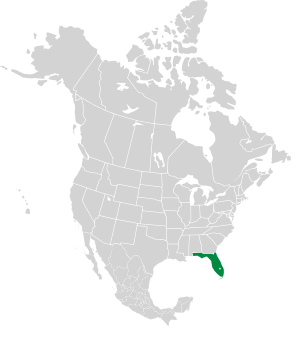
Pond apple is native to Florida, the Caribbean, Central and South America, and West Africa. In Sri Lanka and Australia it is considered an invasive.
Plants: Trees are deciduous, up to 39′ (12 m) in height and 10–20′ (3–6.1 m) around, with a trunk 8–18″ (20–45 cm) around. Seedling clusters often produce crowded clusters of trees that appear to be a single tree with multiple trunks. Older trees often become thicker, “buttressed,” at the base. Bark is highly variable, scaly or fissured, gray or brownish-gray.
Leaves: Ovate to oblong, simple, smooth-edged, hairless, and alternate. They are leathery and heart-shaped, 3–6 ⨉ 1½–2″ (8–15 ⨉ 4–6 cm), with acute tips. Each leaf stem (petiole) is ½–1″ (1.3–2.5 cm) long. Crushed leaves have a characteristic odor.
Flowers: Solitary, similar in shape to the fruit, hanging downward on thick stems, pale greenish-yellow to cream-colored, with triangular petals. A set of inner petals are blood red inside, or spotted with red near the base. They are ⅞–2″ (2.5–6 cm) in diameter.
Fruits: Round, round but kind of squished, egg-shaped, heart-shaped, or even conical; up to 3½″ (9 cm) around and 2½–6″ (7–15 cm) in height. Each fruit is yellowish when ripe, and contains more than 100 caramel-colored seeds. Ripening fruits fall into water, where they float to new locations and sprout, unless they are eaten by alligators.
Habitats: Swamps and brackish water.
Edibility: Poisonous  Fruits are technically edible, although
mealy and unpalatable, and seeds are poisonous to people. (If you handle the seeds, wash your hands before
putting them near your eyes—they can cause blindness.)
The fruits provide important food to many birds,
raccoons, squirrels, turtles, and alligators.
Online References:
References:
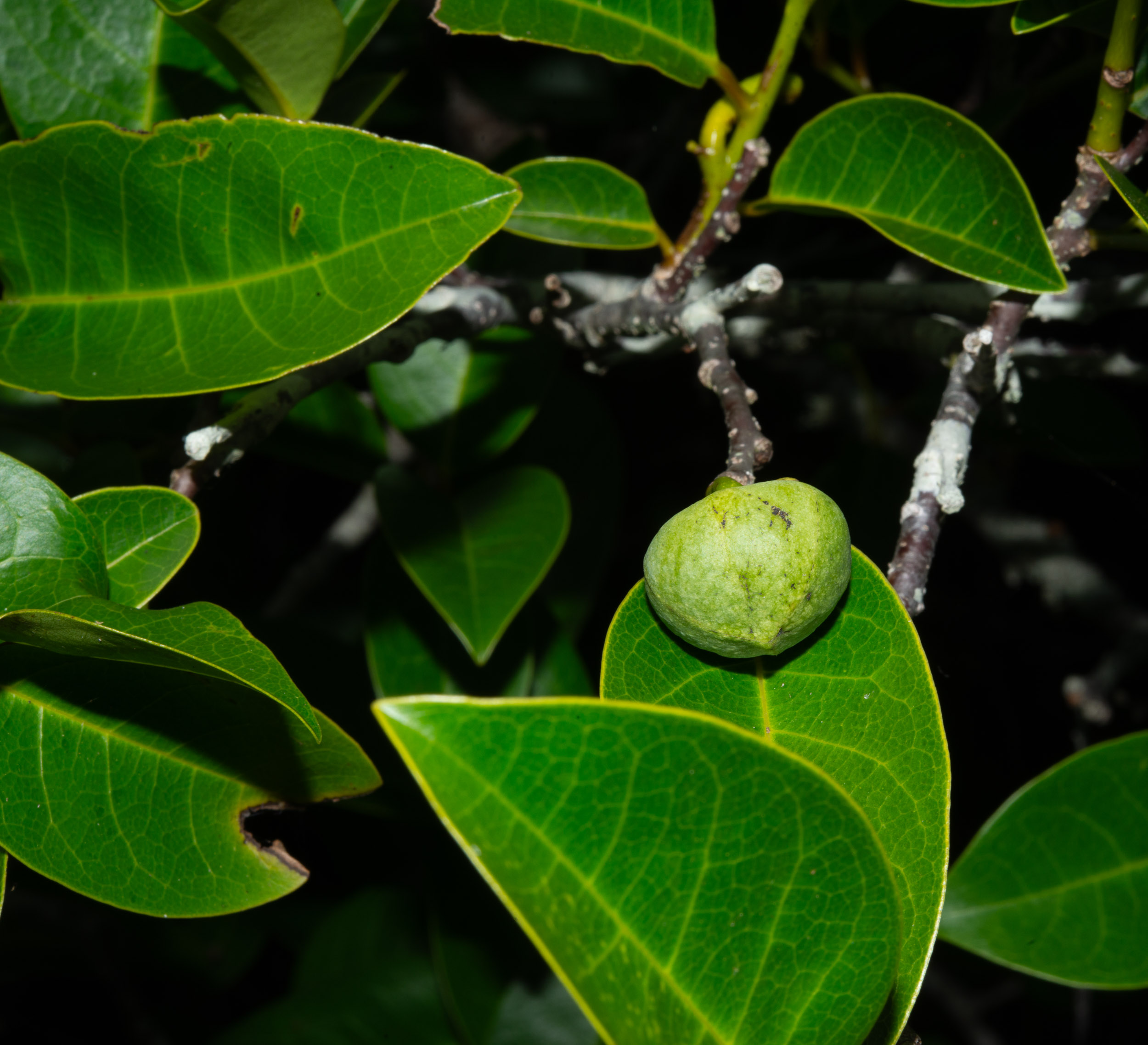
4/14/2015 · Anhinga Trail, Everglades National Park, Florida · ≈ 6 × 5″ (14 × 13 cm) 

4/11/2015 · Big Cypress Bend, Fakahatchee Strand Preserve State Park, Florida · ≈ 15 × 10″ (37 × 25 cm) 
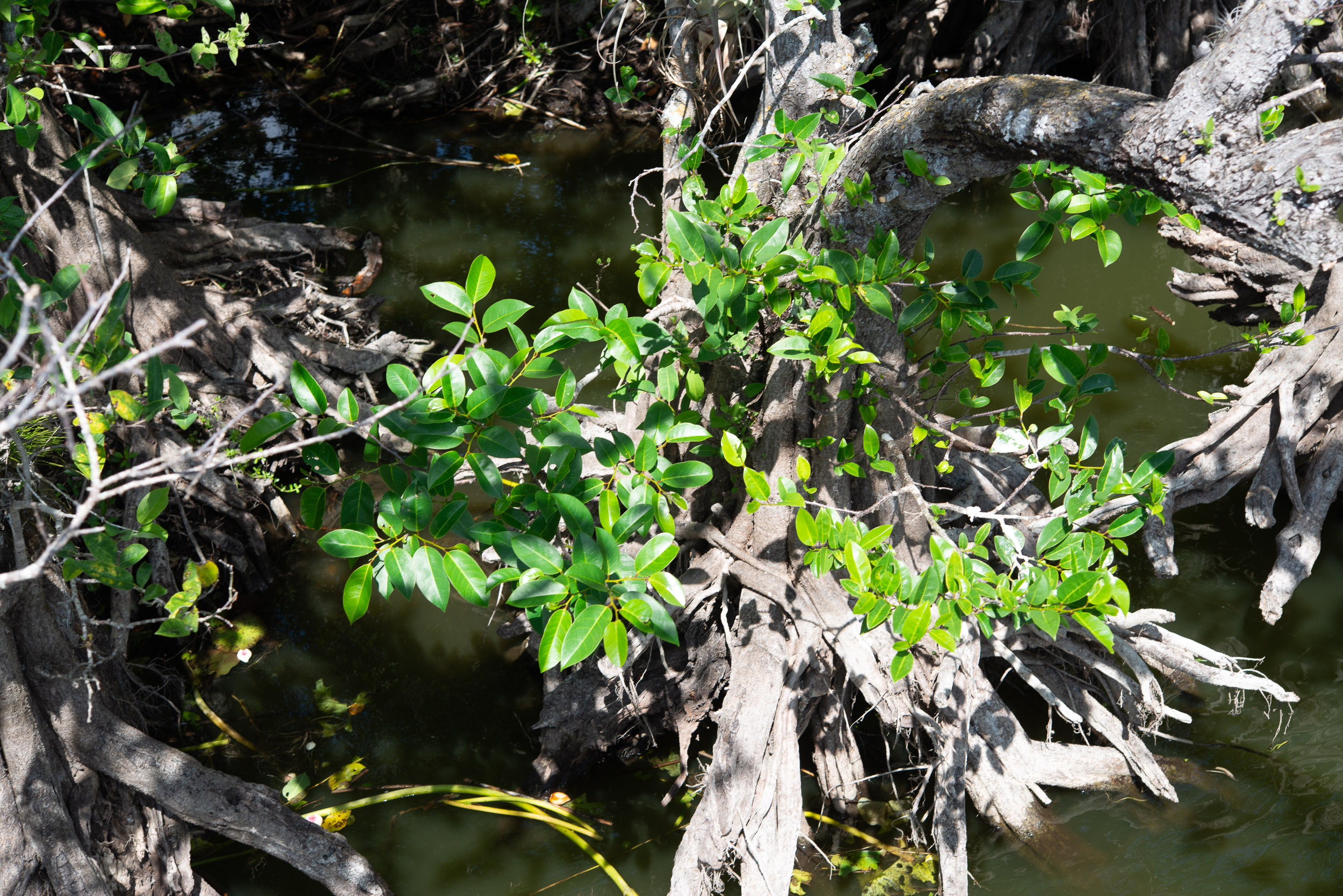
4/14/2015 · Anhinga Trail, Everglades National Park, Florida 
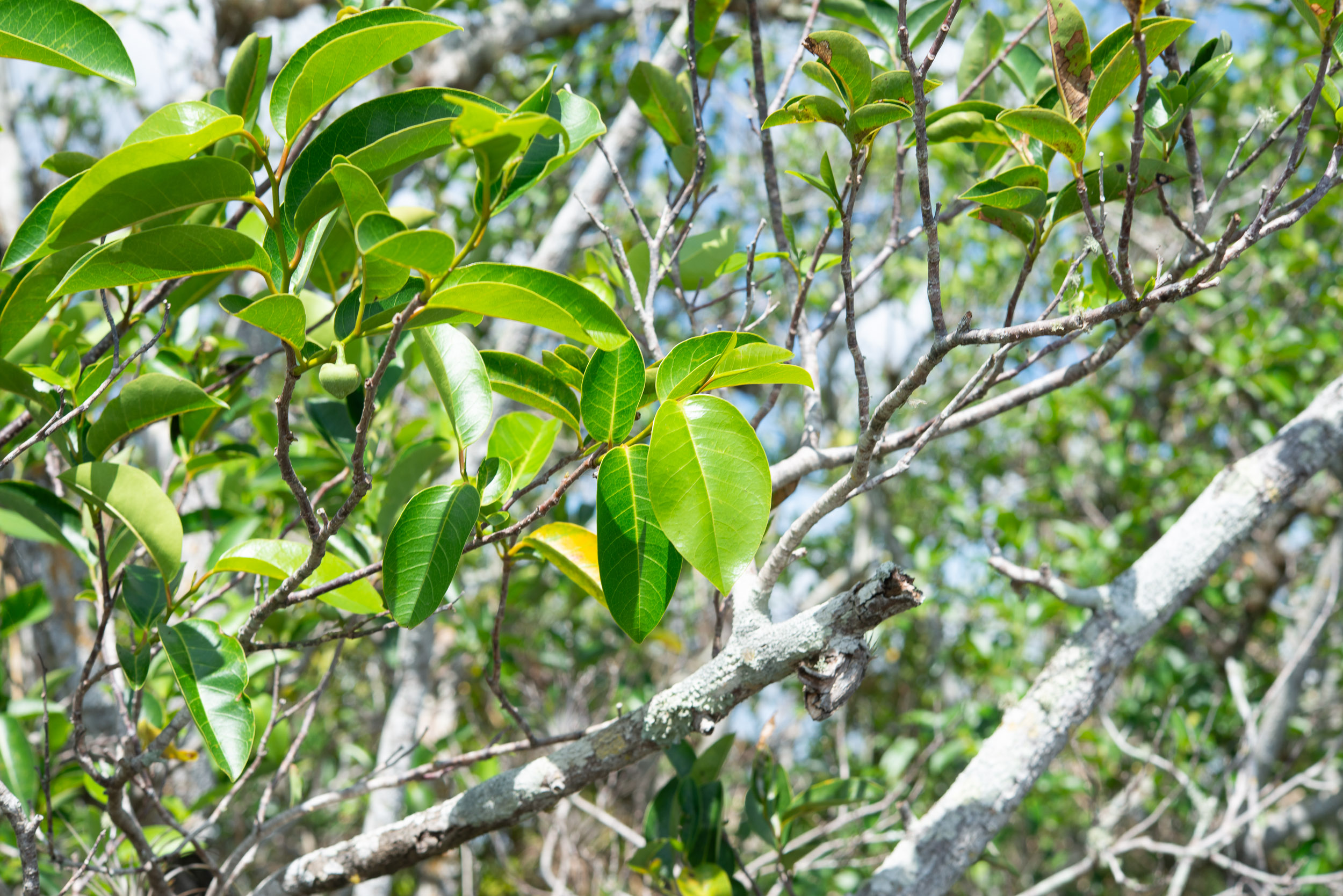
4/14/2015 · Anhinga Trail, Everglades National Park, Florida · ≈ 2½ × 1½′ (79 × 53 cm) 
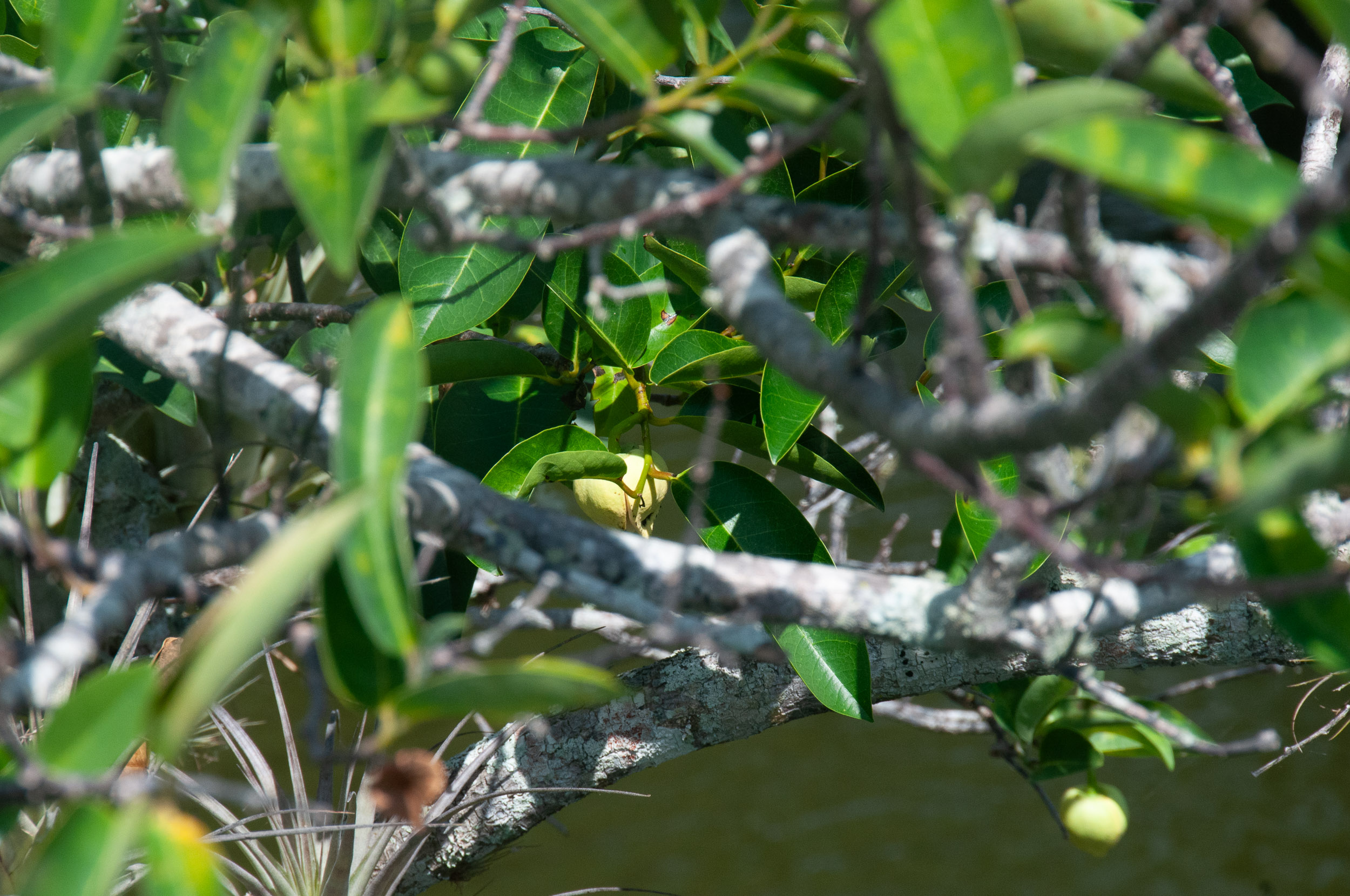
4/14/2015 · Anhinga Trail, Everglades National Park, Florida 
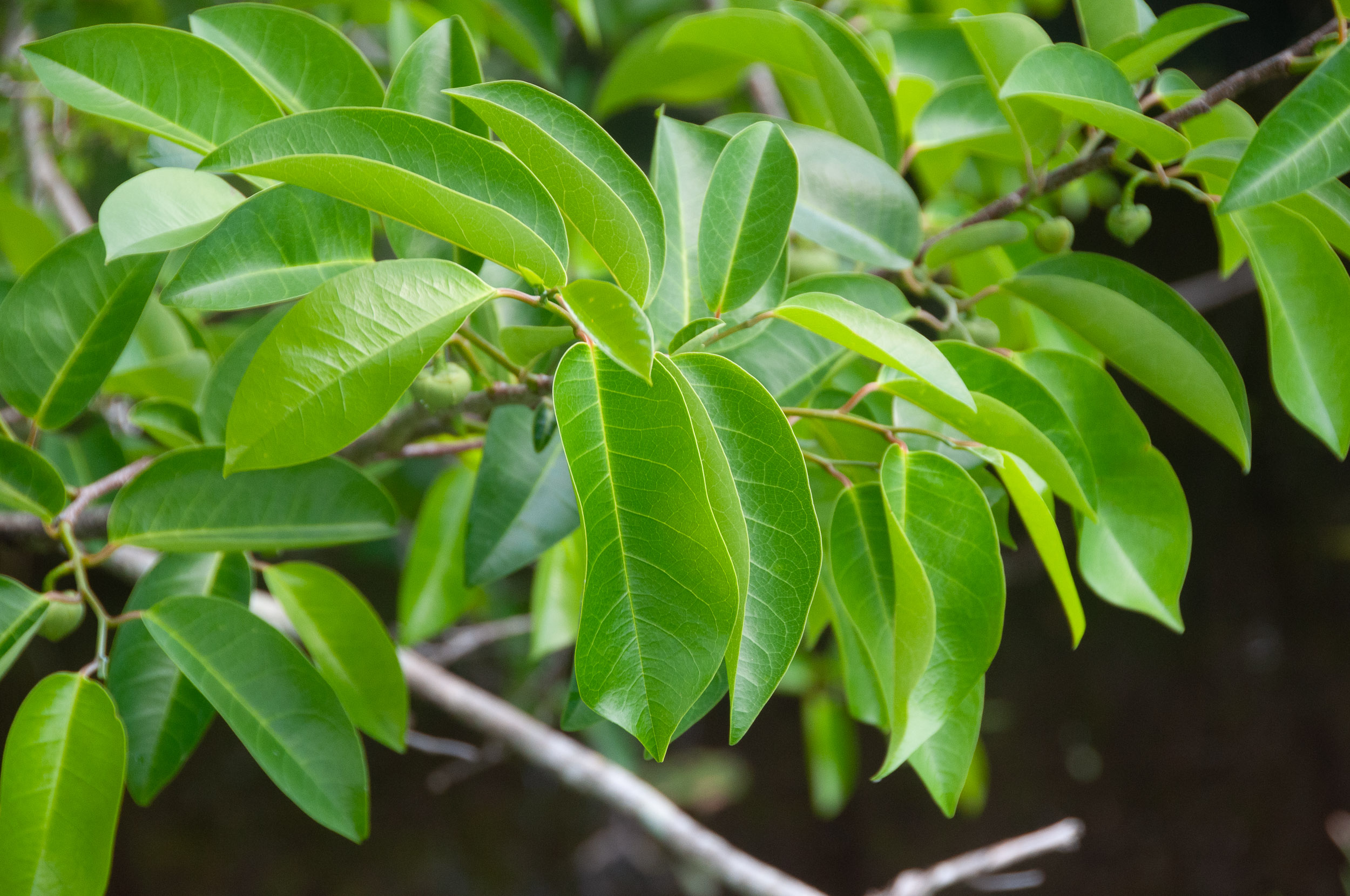
4/14/2015 · Anhinga Trail, Everglades National Park, Florida 
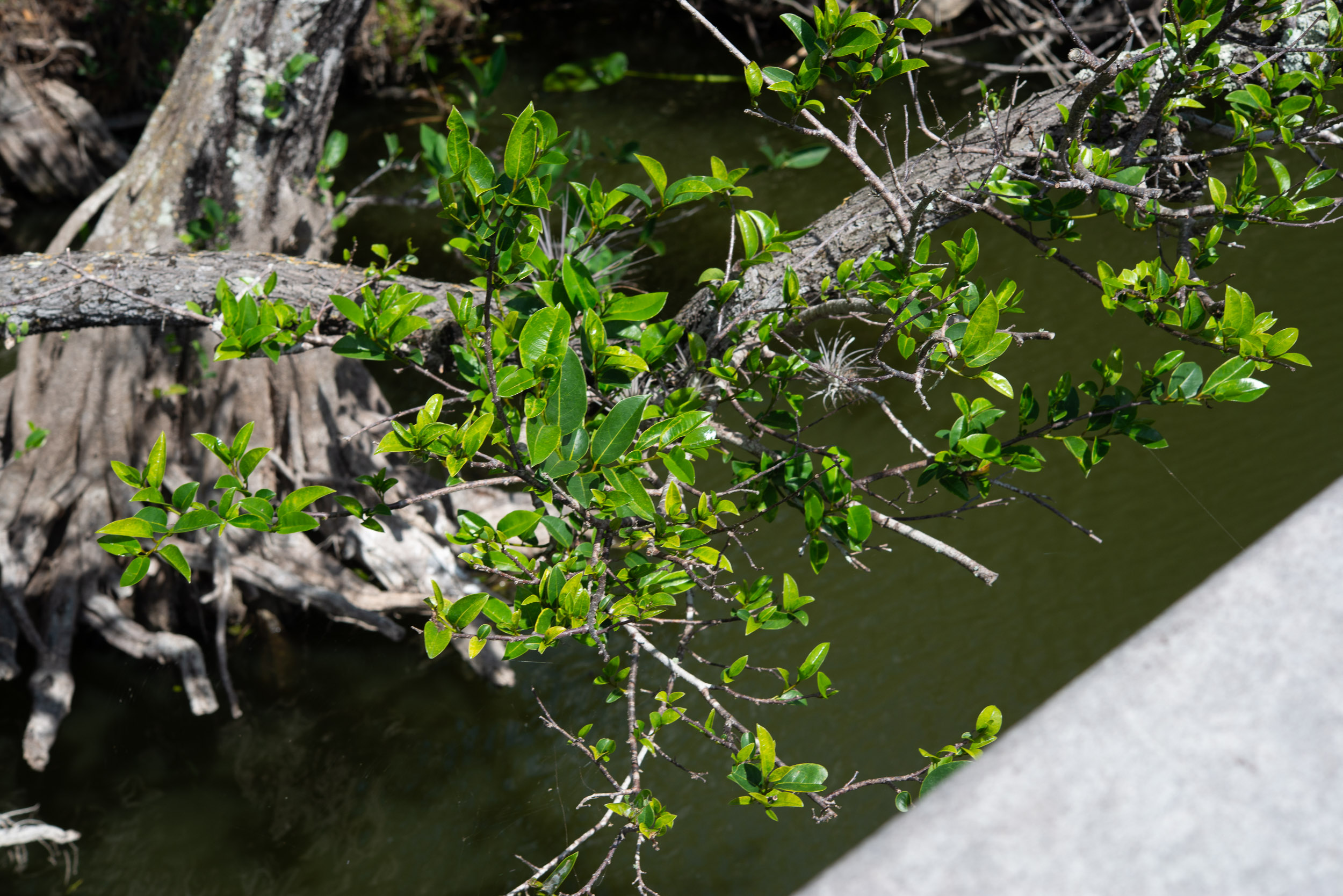
4/14/2015 · Anhinga Trail, Everglades National Park, Florida 
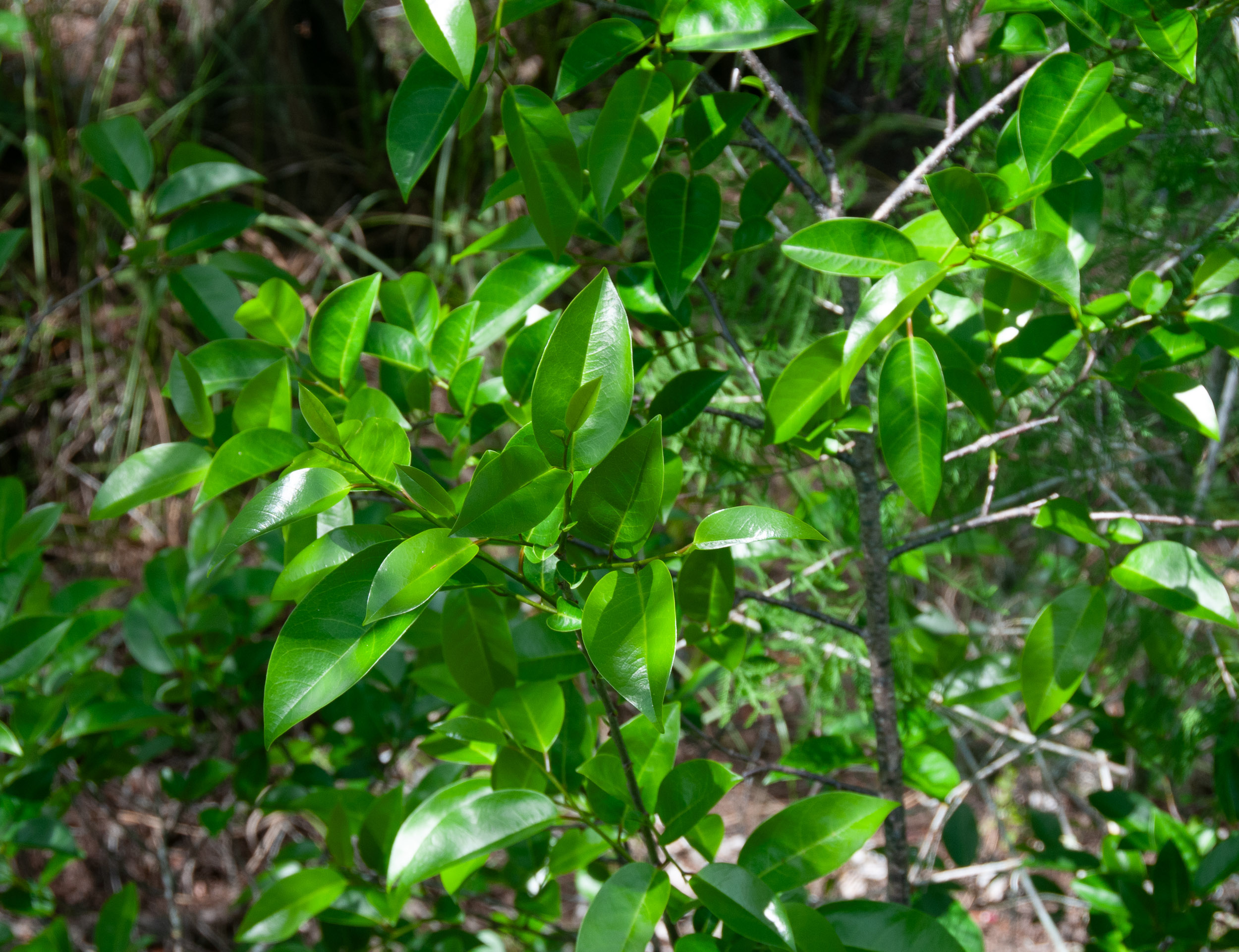
4/13/2015 · Pa-hay-okee Overlook, Everglades National Park, Florida · By Susan M. Kent 
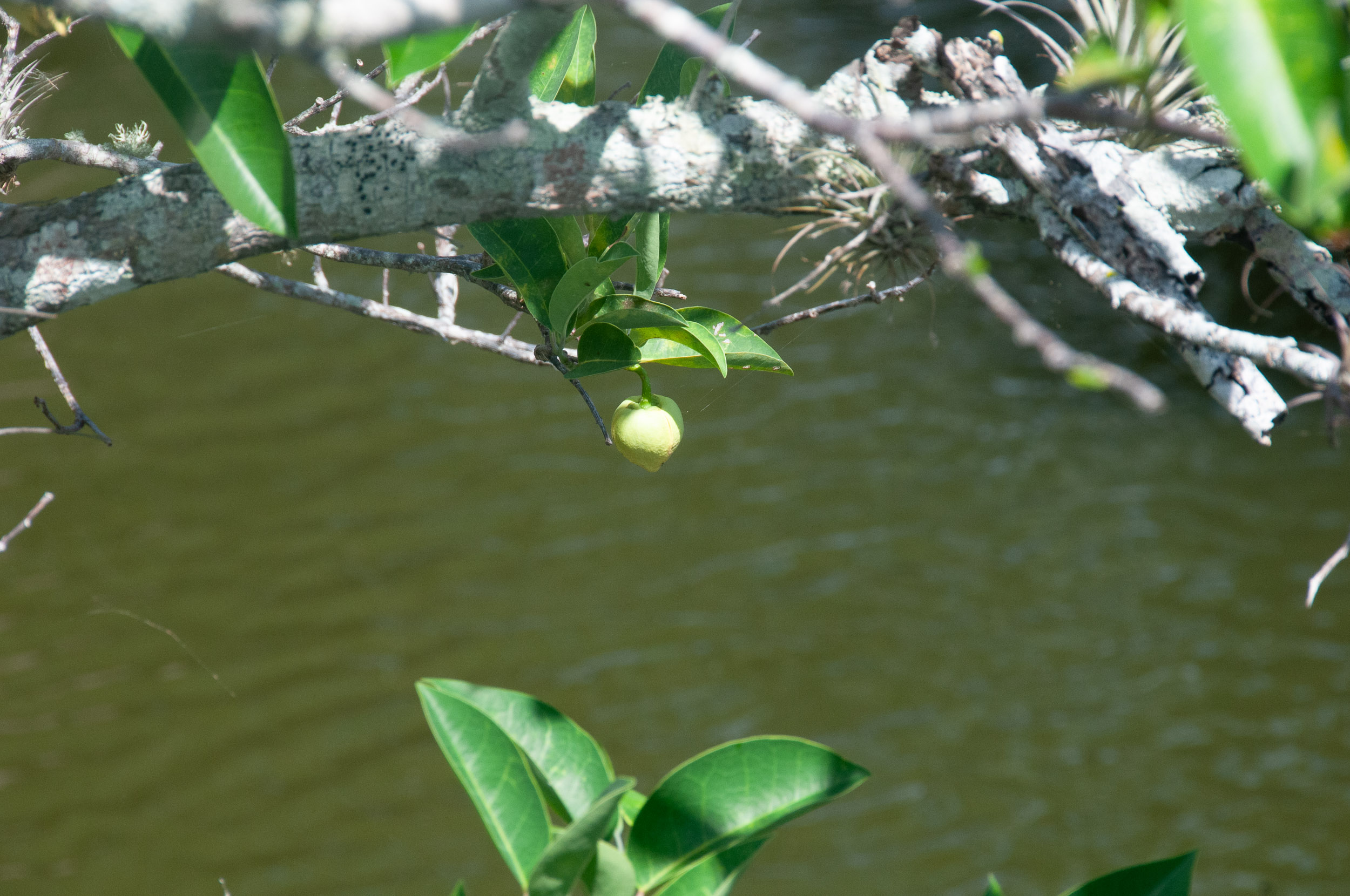
4/14/2015 · Anhinga Trail, Everglades National Park, Florida 
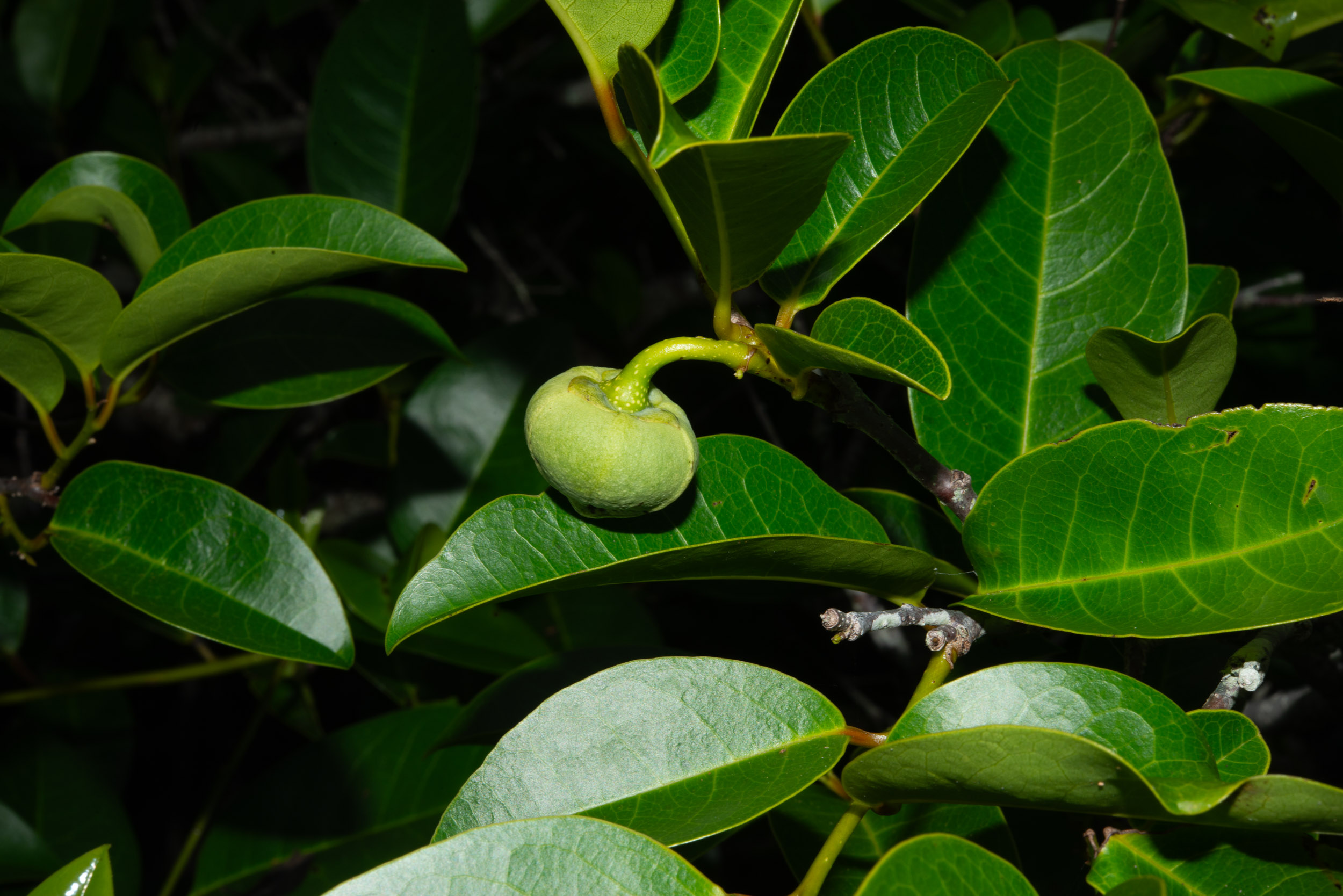
4/14/2015 · Anhinga Trail, Everglades National Park, Florida · ≈ 9 × 6″ (23 × 16 cm) 
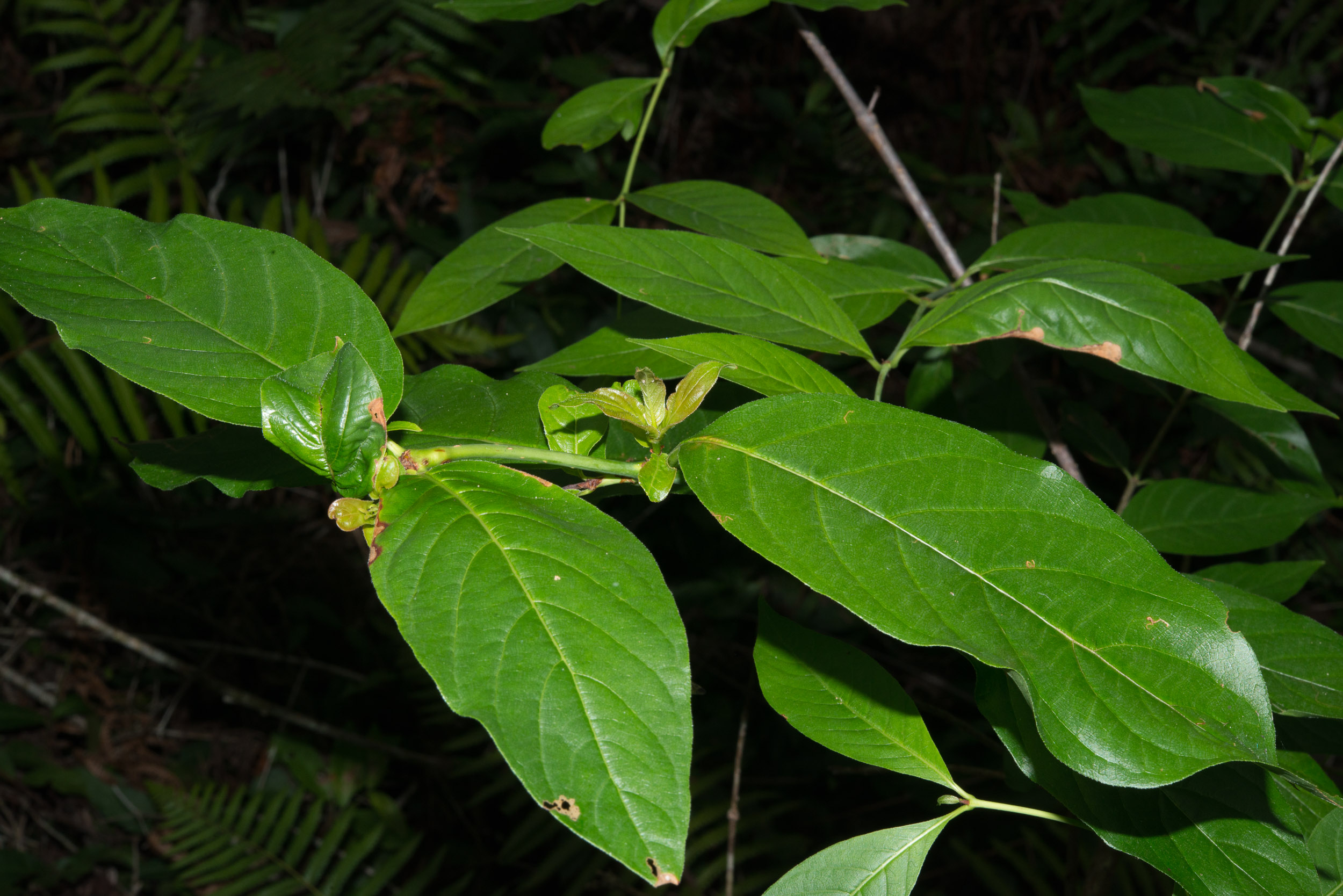
4/11/2015 · Big Cypress Bend, Fakahatchee Strand Preserve State Park, Florida · ≈ 15 × 10″ (37 × 25 cm) 
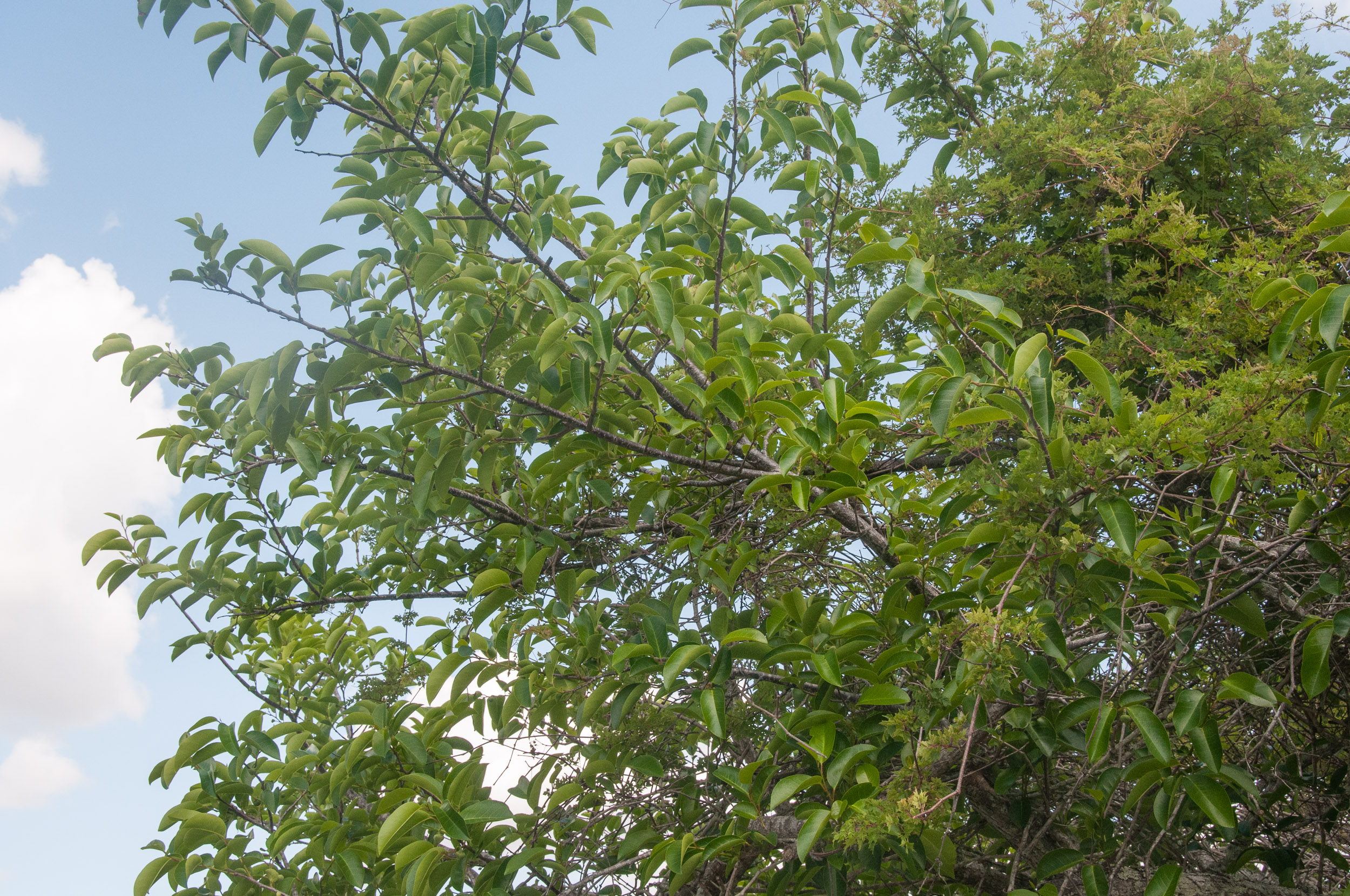
4/14/2015 · Anhinga Trail, Everglades National Park, Florida 
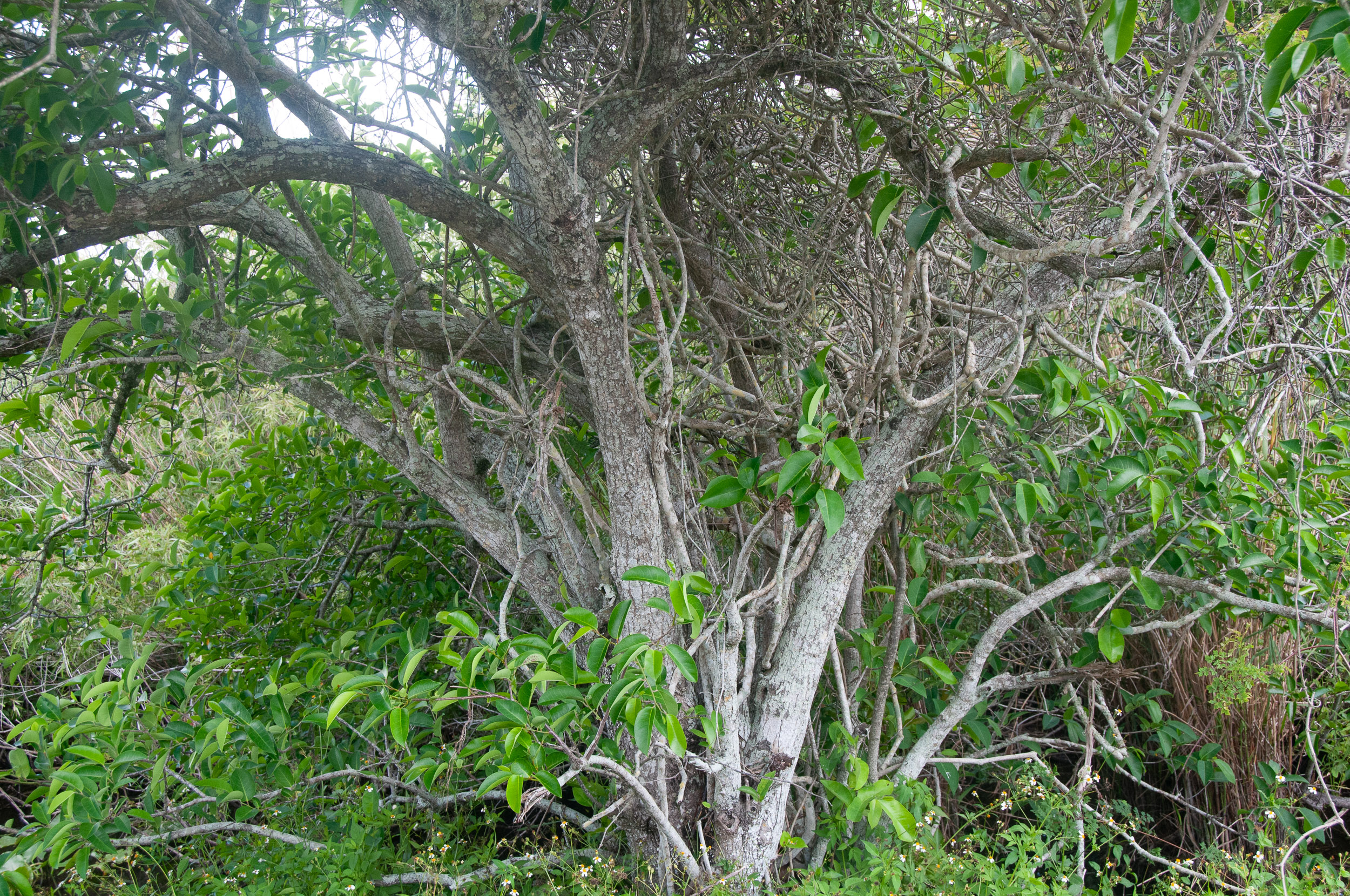
4/14/2015 · Anhinga Trail, Everglades National Park, Florida 
| Kingdom | Plantae | Plants, but not fungi, lichens, or algae (from Stearn's Botanical Latin) |
| Subkingdom | Tracheobionta | Vascular plants—plants with a “circulatory system” for delivering water and nutrients |
| Division | Magnoliophyta | Flowering plants, also known as angiosperms |
| Class | Magnoliopsida | Dicotyledons—plants with two initial seed leaves |
| Subclass | Magnoliidae | Includes magnolias, nutmeg, bay laurel, cinnamon, avocado, black pepper, and many others |
| Order | Magnoliales | Includes the custard apple family, magnolia family, nutmeg family, and others |
| Family | Annonaceae | The custard apple family, flowering plants consisting of trees, shrubs, and a few lianas. Includes Annona, Anonidium, Rollinia, Uvaria, Melodorum, Asimina, and Stelechocarpus |
| Genus | Annona | From the Arawak Indian word for sweetsop (Annona sqamosa) |
| Species | glabra | Smooth or hairless |
Annona glabra description by Thomas H. Kent, not updated.

© FloraFinder.org. All rights reserved.