Aplectrum hyemale (Muhl. ex Willd.) Torr.
Puttyroot orchid, Adam and Eve
This is a truly odd plant. It isn’t deciduous: it doesn’t lose its leaves in the winter. Neither is it evergreen, keeping them all year around. Instead, it has a single leaf at ground level that emerges in the fall and persists until spring. The leaf is “wintergreen,” and the species name, hyemale, means “winter.” No other plant does this. (Putty root is not related to wintergreen—“wintergreen” literally means “stays green through the winter,” not “tasty flavor.”) Roots of this plant were crushed to produce a gluelike fluid, used variously to mend items and for medicinal purposes—this is the origin of the name “putty root.” Plants are quite rare, and tend to be scattered.
Plants: Represented by a single dark bluish-green leaf in the winter, in summer, the plant’s single stem reaches 5–9″ (13–24 cm) in height, with several more opposite leaves and a single spike of flowers.
Leaves: Leaves are oval, 3½–8″ (8.9–20 cm) long, with smooth edges and sharp tips, with many prominent, roughly parallel veins.
Flowers: The flower spike (raceme) contains 6 to 10 flowers, each ⅜–½ ⨉ 1/16–⅛″ (1–1.4 cm ⨉ 2–4 mm). Purplish-green flowers have starlike petals and sepals and three central white-purple lobes. (Flowers may also be yellow or white, with a purplish tinge.) Flowering is from late May to the end of June.
Fruits: Seed pods are elliptical in shape, ¾–1″ (1.9–2.5 cm) long, shiny green in color, with narrow ridges. The pods taper to a point at both ends, and contain a large number of tiny seeds.
Habitats: Moist to mesic loamy soil, with partial sunlight.
Online References:

7/23/2015 · Beaver Brook Conservation Area, Hollis, New Hampshire · ≈ 6 × 7″ (16 × 18 cm) 

8/9/2015 · Beaver Brook Conservation Area · ≈ 7 × 10″ (18 × 25 cm) 

8/5/2019 · Wildflower Trail, Beaver Brook Conservation Area, Hollis, New Hampshire · ≈ 4½ × 5″ (12 × 12 cm) 

8/5/2019 · Wildflower Trail, Beaver Brook Conservation Area, Hollis, New Hampshire · ≈ 4 × 5″ (10 × 13 cm) 

7/23/2015 · Beaver Brook Conservation Area, Hollis, New Hampshire · ≈ 6 × 7″ (14 × 17 cm) 

7/18/2017 · Tobyhanna State Park, Pennsylvania · ≈ 4 × 6″ (10 × 15 cm) 

7/7/2012 · Gibbet Hill, Groton, Massachusetts · ≈ 8 × 5″ (19 × 13 cm) 

7/18/2017 · Tobyhanna State Park, Pennsylvania · ≈ 4 × 6″ (10 × 15 cm) 

8/9/2015 · Beaver Brook Conservation Area · ≈ 6 × 9″ (15 × 22 cm) 

8/5/2019 · Wildflower Trail, Beaver Brook Conservation Area, Hollis, New Hampshire · ≈ 3½ × ⅜″ (9.5 × 1.2 cm) 
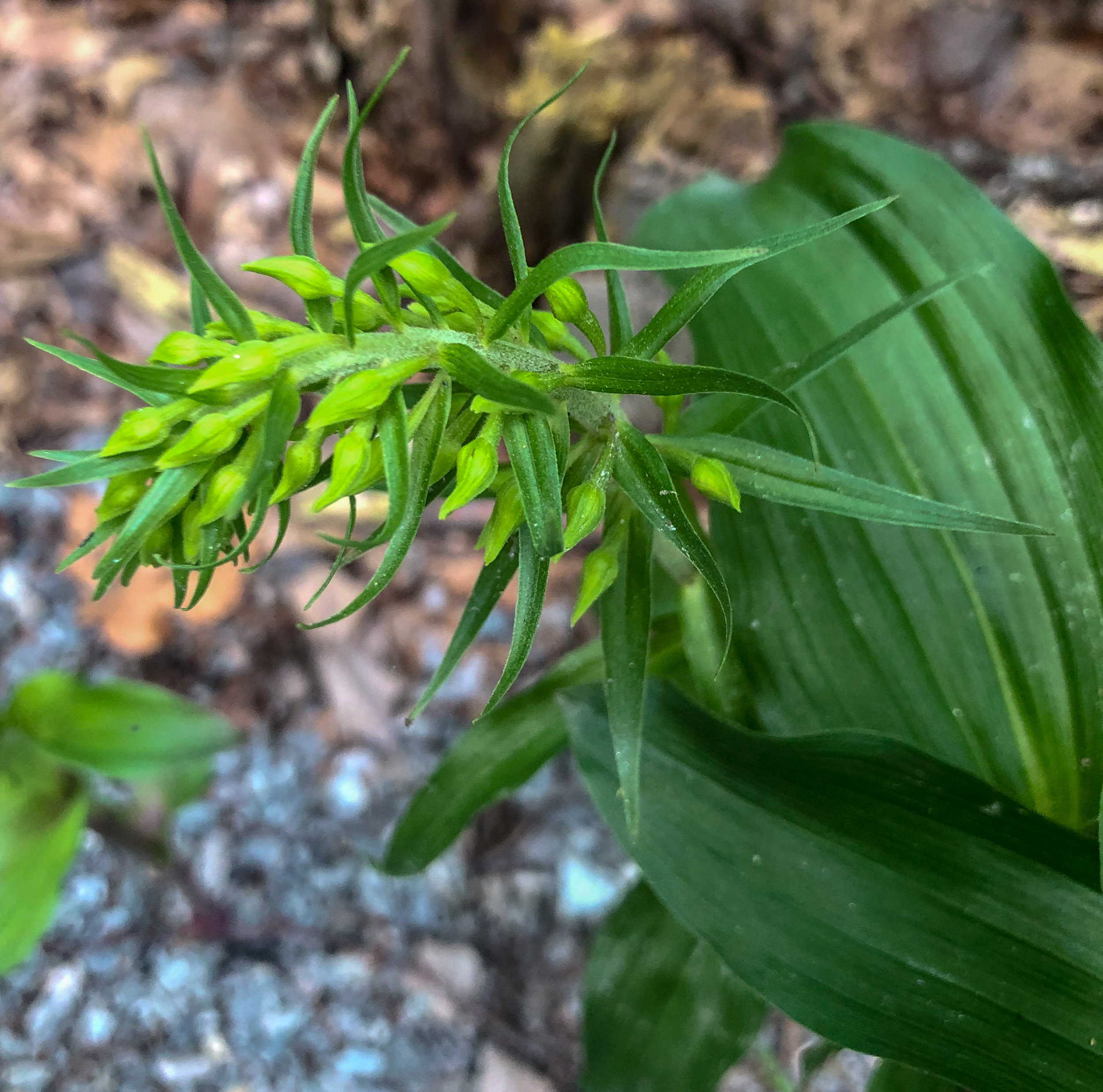
7/2/2019 · Oak Hill, Littleton, Massachusetts 

7/18/2020 · Woodward Point Preserve, Brunswick, Maine · ≈ 3½ × 4½″ (9.3 × 12 cm) 

7/7/2012 · Gibbet Hill, Groton, Massachusetts · ≈ 7 × 11″ (18 × 27 cm) 

7/2/2017 · Wildlife Pond, Beaver Brook Conservation Area, Hollis, New Hampshire · ≈ 5 × 6″ (12 × 15 cm) 
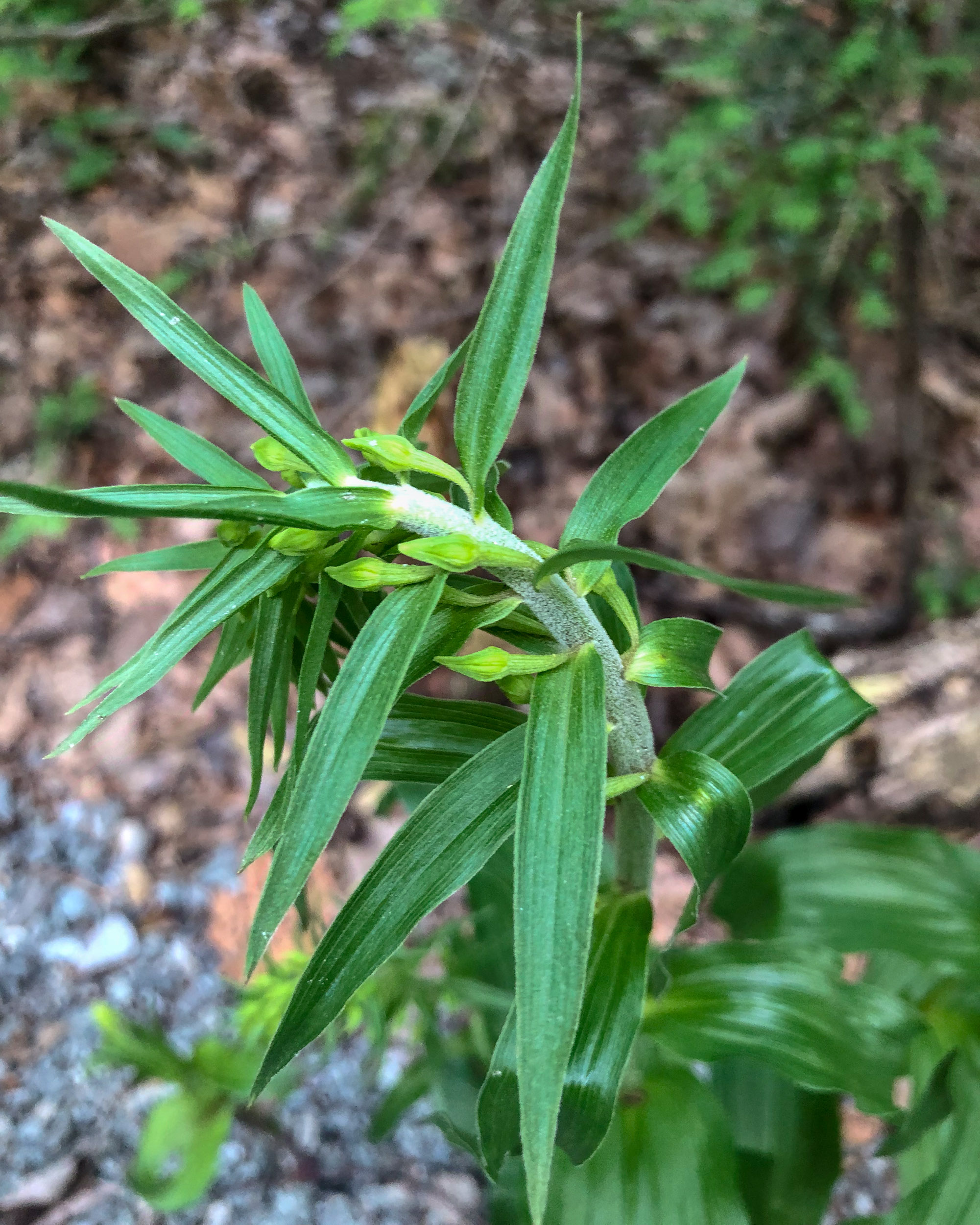
7/2/2019 · Oak Hill, Littleton, Massachusetts 

7/7/2012 · Gibbet Hill, Groton, Massachusetts · ≈ 5 × 8″ (13 × 19 cm) 

7/2/2017 · Wildlife Pond, Beaver Brook Conservation Area, Hollis, New Hampshire · ≈ 6 × 7″ (16 × 17 cm) 

7/23/2015 · Beaver Brook Conservation Area, Hollis, New Hampshire · ≈ 6 × 8″ (15 × 19 cm) 

8/9/2015 · Beaver Brook Conservation Area · ≈ 7 × 8″ (16 × 21 cm) 

7/18/2017 · Tobyhanna State Park, Pennsylvania · ≈ 4 × 6″ (10 × 14 cm) 

7/7/2012 · Gibbet Hill, Groton, Massachusetts · ≈ 6 × 9″ (14 × 22 cm) 

8/9/2015 · Beaver Brook Conservation Area · ≈ 7 × 11″ (18 × 28 cm) 

7/18/2020 · Woodward Point Preserve, Brunswick, Maine · ≈ 4½ × 7″ (12 × 18 cm) 
| Kingdom | Plantae | Plants, but not fungi, lichens, or algae (from Stearn's Botanical Latin) |
| Subkingdom | Tracheobionta | Vascular plants—plants with a “circulatory system” for delivering water and nutrients |
| Division | Magnoliophyta | Flowering plants, also known as angiosperms |
| Class | Liliopsida | Monocots (plants with a single seed leaf); includes the lily family |
| Subclass | Liliidae | Includes lilies, orchids, and many others |
| Order | Asparagales | A diverse group that includes asparagus |
| Family | Orchidaceae | Orchid family |
| Genus | Aplectrum | From Greek, meaning “spurless,” vs. Tipularia, which has spurred flowers |
| Species | hyemale | Of the winter, flowering in winter |

Aplectrum hyemale description by Thomas H. Kent, not updated.

© FloraFinder.org. All rights reserved.