Berteroa incana (L.) DC.
Hoary alyssum, hoary alison, hoary false alyssum, sandvita
Hoary alyssum is native to Asia and parts of Europe, but it has become naturalized in North America and other areas in Europe. It is now widespread, and often considered to be an invasive. It is a member of the mustard family. Bees, who, unlike us, can see ultraviolet light, have probably noticed that hoary alyssum buds glow in ultraviolet light. Curiously, it is the buds, not the flowers.
Plants: Hoary alyssum creates a loose tangle of stems lined with small grasslike leaves near the base, fruits along the upper portion, and a small cluster of white flowers on the top. Stems may reach up to 3′ (1 m) in length, and are rarely branched.
Leaves: Alternate, 1¾–3 ⨉ ⅜″ (5–8 ⨉ 1 cm), narrowly rounded at the tips.
Flowers: Flowerheads are rounded clusters composed of many small flowers. Each flower contains four petals, but they are so deeply notched that they appear to be eight petals. Petals are ⅛–¼″ (5–7 mm) long, with thick yellow-green stamens.
Fruits: Fruits are tiny ovals, or cylinders with rounded ends, ⅛″ (3.2 mm) long, with sharp tips.
Habitats: Empty lots, roadsides, degraded fields, railroad rights-of-way.
Edibility: Poisonous  Well, poisonous if you are a horse,
anyway. About half of the horses that eat this plant react with swelling, fever, elevated heart rate,
and rarely death. Other serious symptoms have been reported. I couldn’t find specific information about toxicity to people, but I’m not about to sample it.
Well, poisonous if you are a horse,
anyway. About half of the horses that eat this plant react with swelling, fever, elevated heart rate,
and rarely death. Other serious symptoms have been reported. I couldn’t find specific information about toxicity to people, but I’m not about to sample it.
Online References:
Alyssum incanum L.
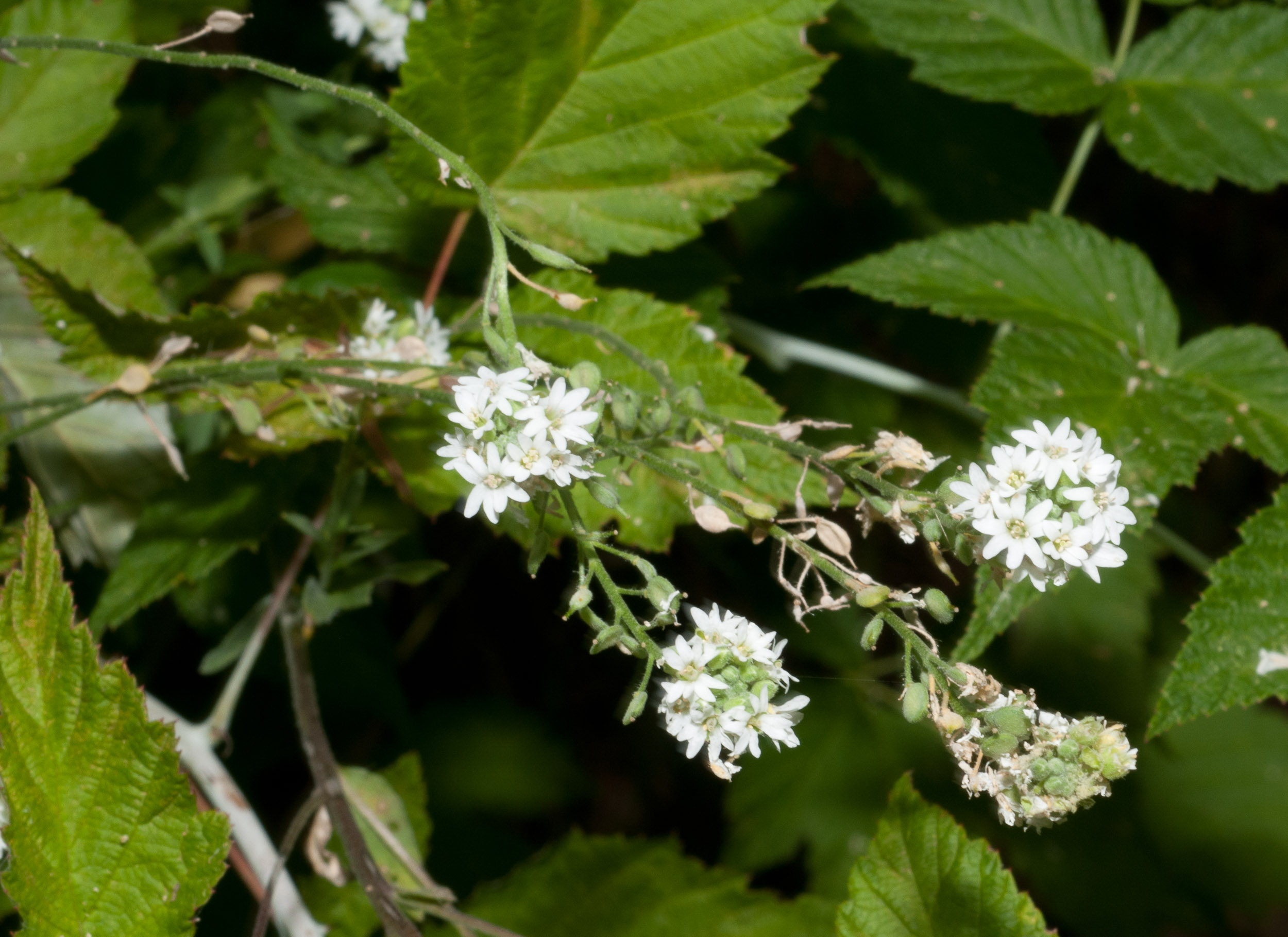
8/4/2010 · Nashua River Rail Trail, Groton Center, Groton, Massachusetts · ≈ 5 × 3½″ (12 × 9.1 cm)  ID is uncertain
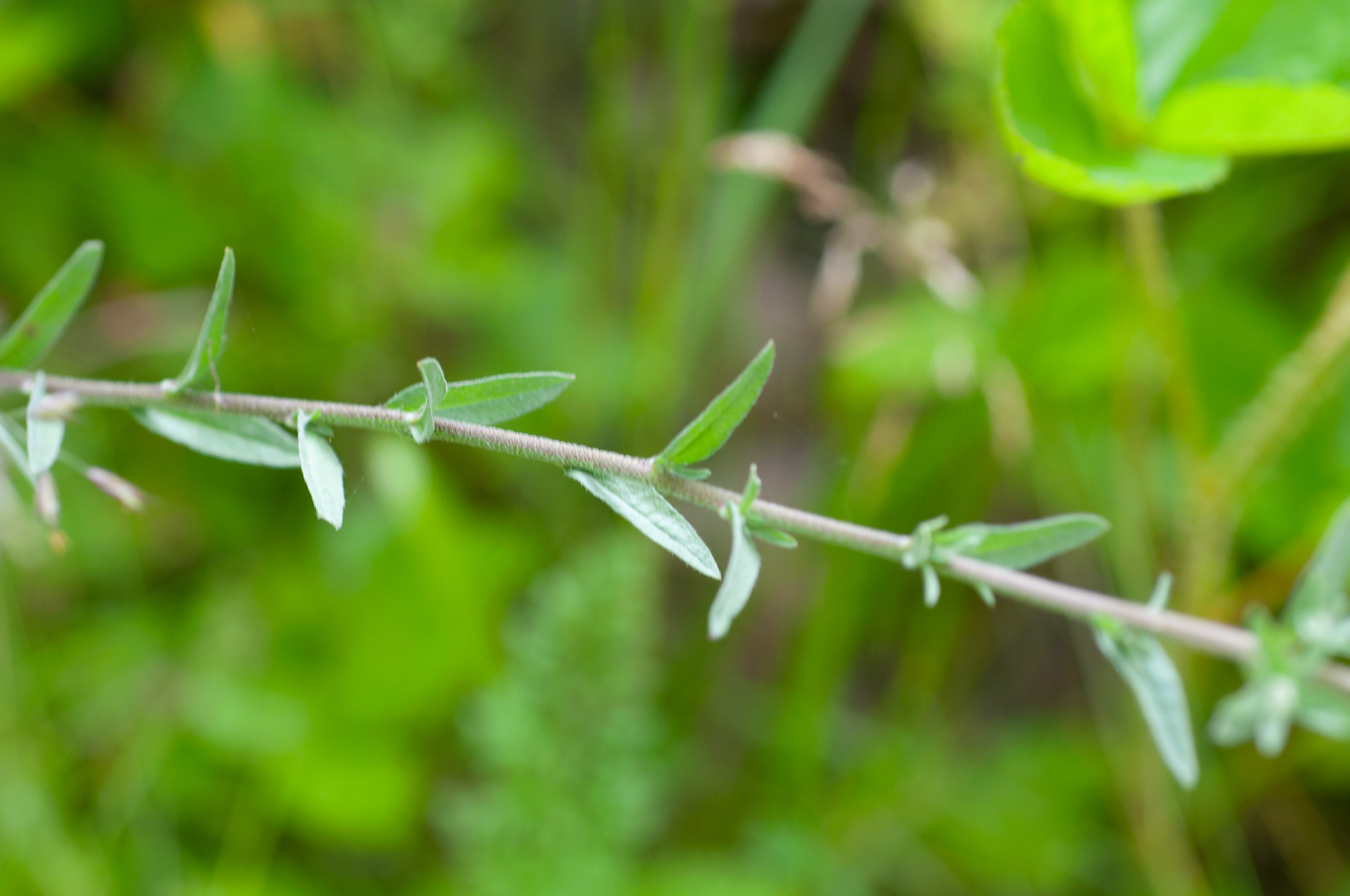
6/20/2012 · Nashua River Rail Trail, Groton Center, Groton, Massachusetts · ≈ 9 × 6″ (22 × 14 cm) 
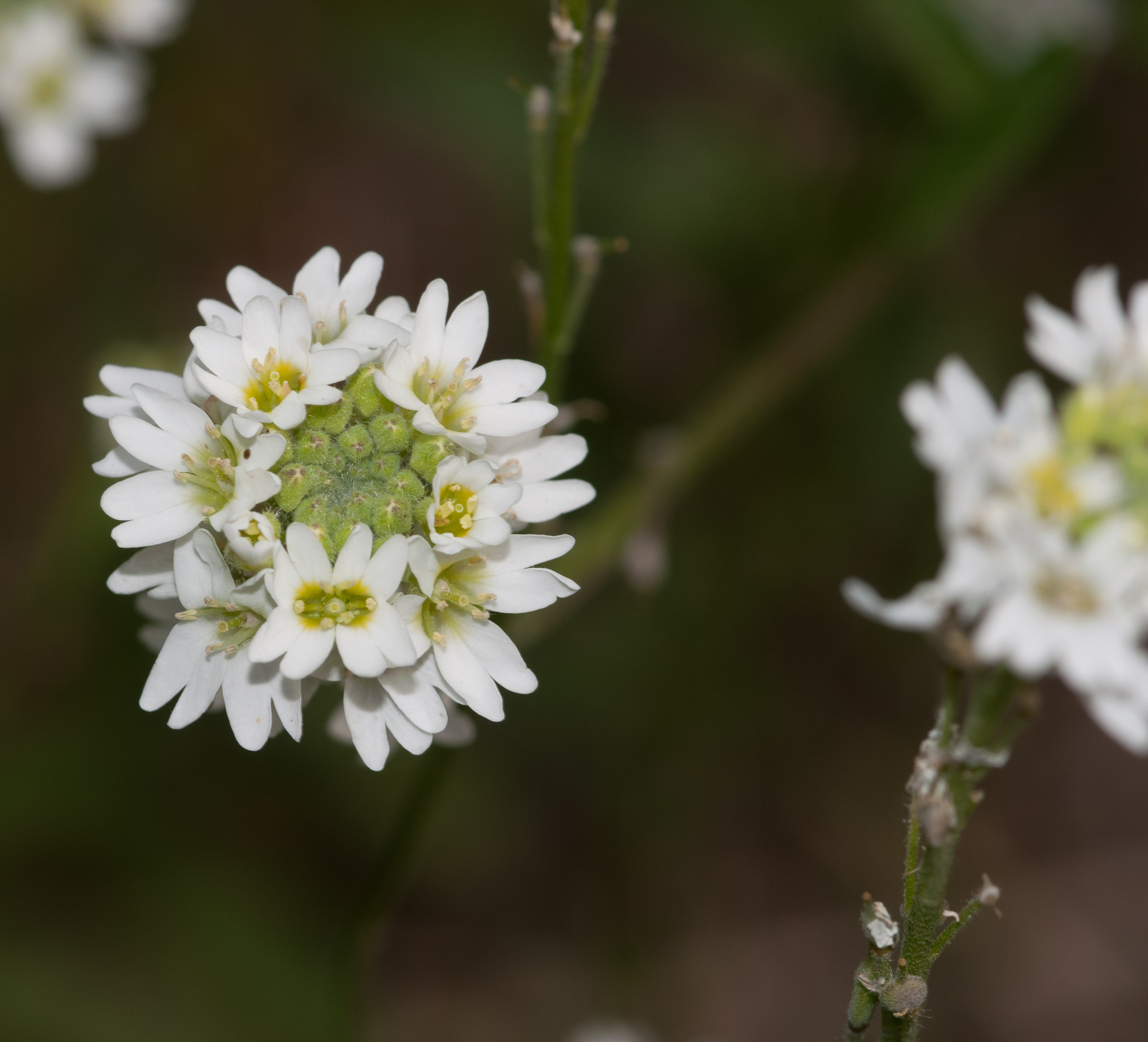
6/12/2010 · Nashua River Rail Trail, East Pepperell, Massachusetts · ≈ 3 × 3″ (8.2 × 7.5 cm) ID is uncertain 

5/9/2010 · Tom and Susan’s, Pepperell, Massachusetts · ≈ 10 × 15″ (26 × 39 cm) ID is uncertain 
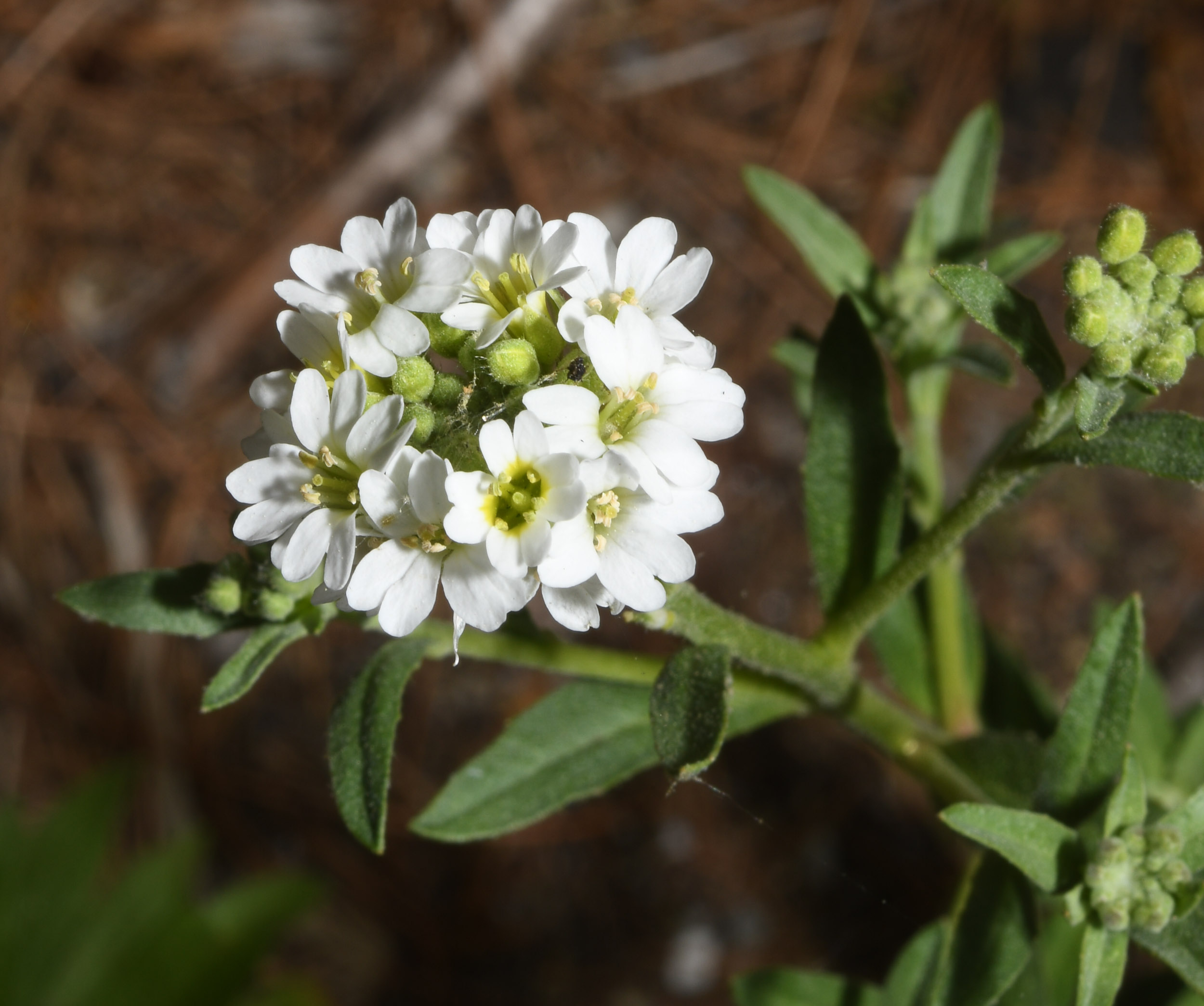
6/3/2016 · Nashua River Rail Trail, East Pe ID is uncertain 
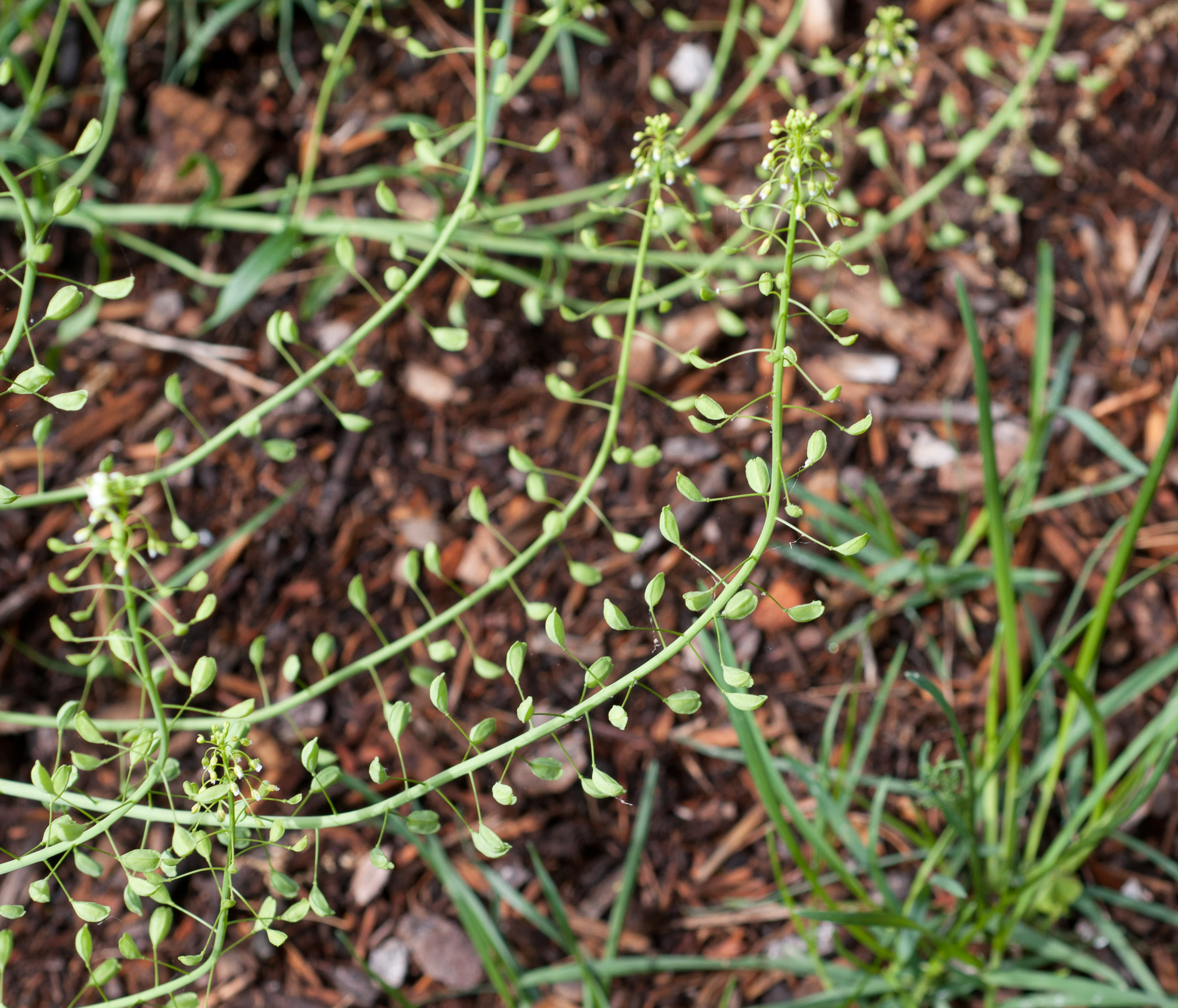
5/9/2010 · Tom and Susan’s, Pepperell, Massachusetts · ≈ 11 × 9″ (27 × 23 cm) ID is uncertain 
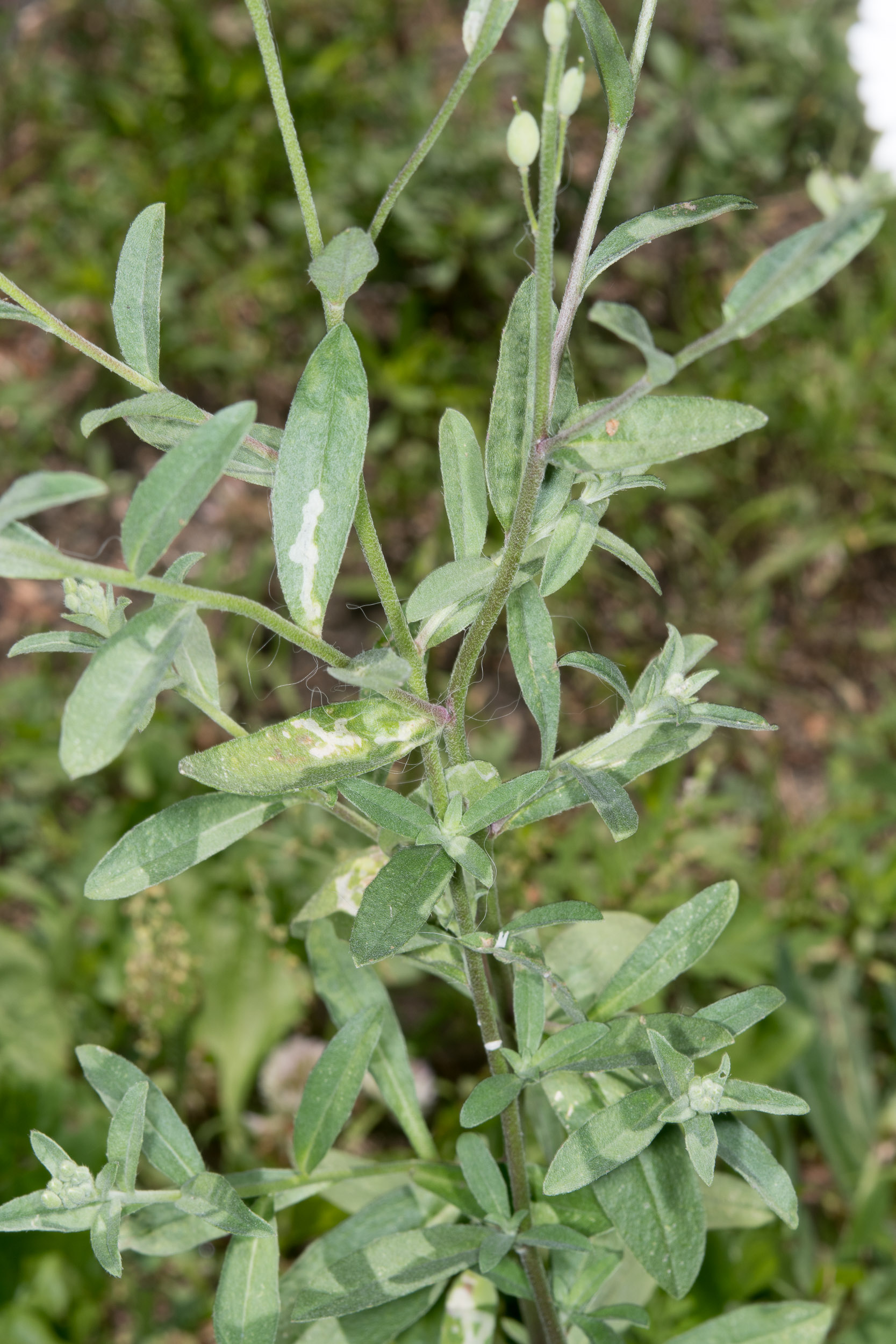
7/9/2017 · Nashua River Rail Trail, East Pepperell, Massachusetts · ≈ 5 × 8″ (13 × 20 cm) 

8/4/2010 · Nashua River Rail Trail, Groton Center, Groton, Massachusetts · ≈ 3½ × 2½″ (9 × 6.4 cm) ID is uncertain 
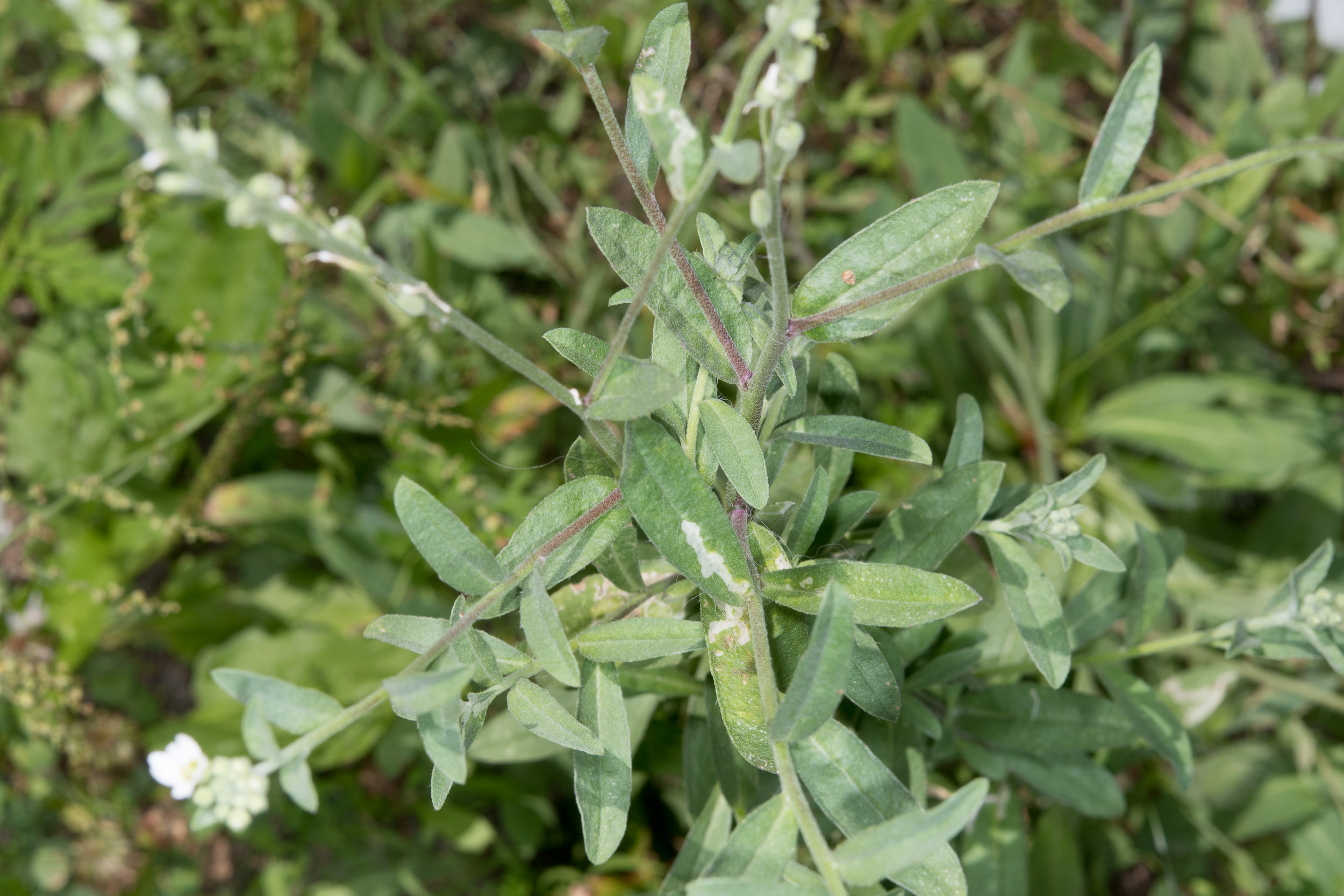
7/9/2017 · Nashua River Rail Trail, East Pepperell, Massachusetts · ≈ 8 × 5″ (20 × 13 cm) 
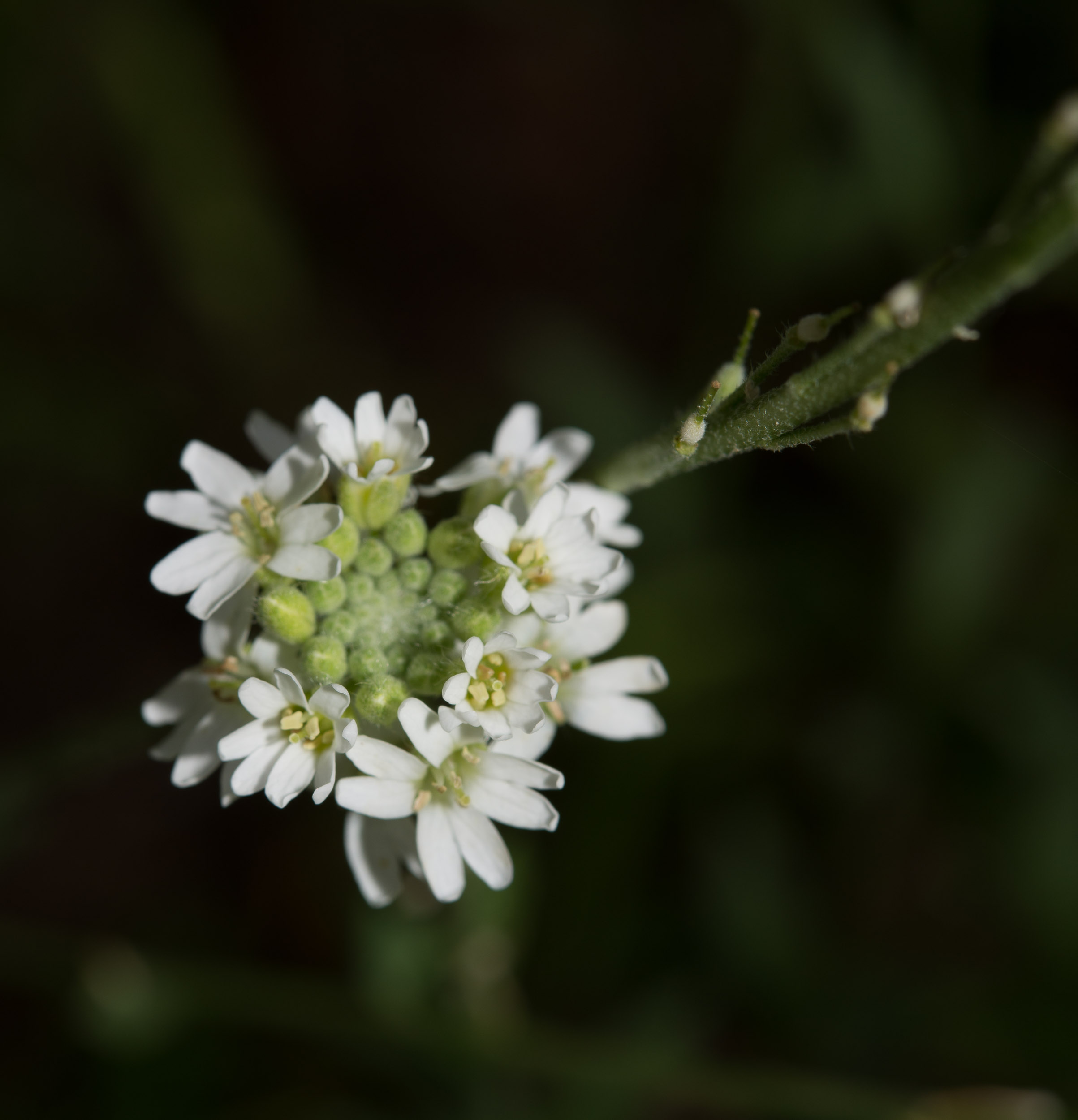
7/12/2013 · Wooden Bridge, East Pepperell, Massachusetts · ≈ 3 × 3″ (7.8 × 8.1 cm) 
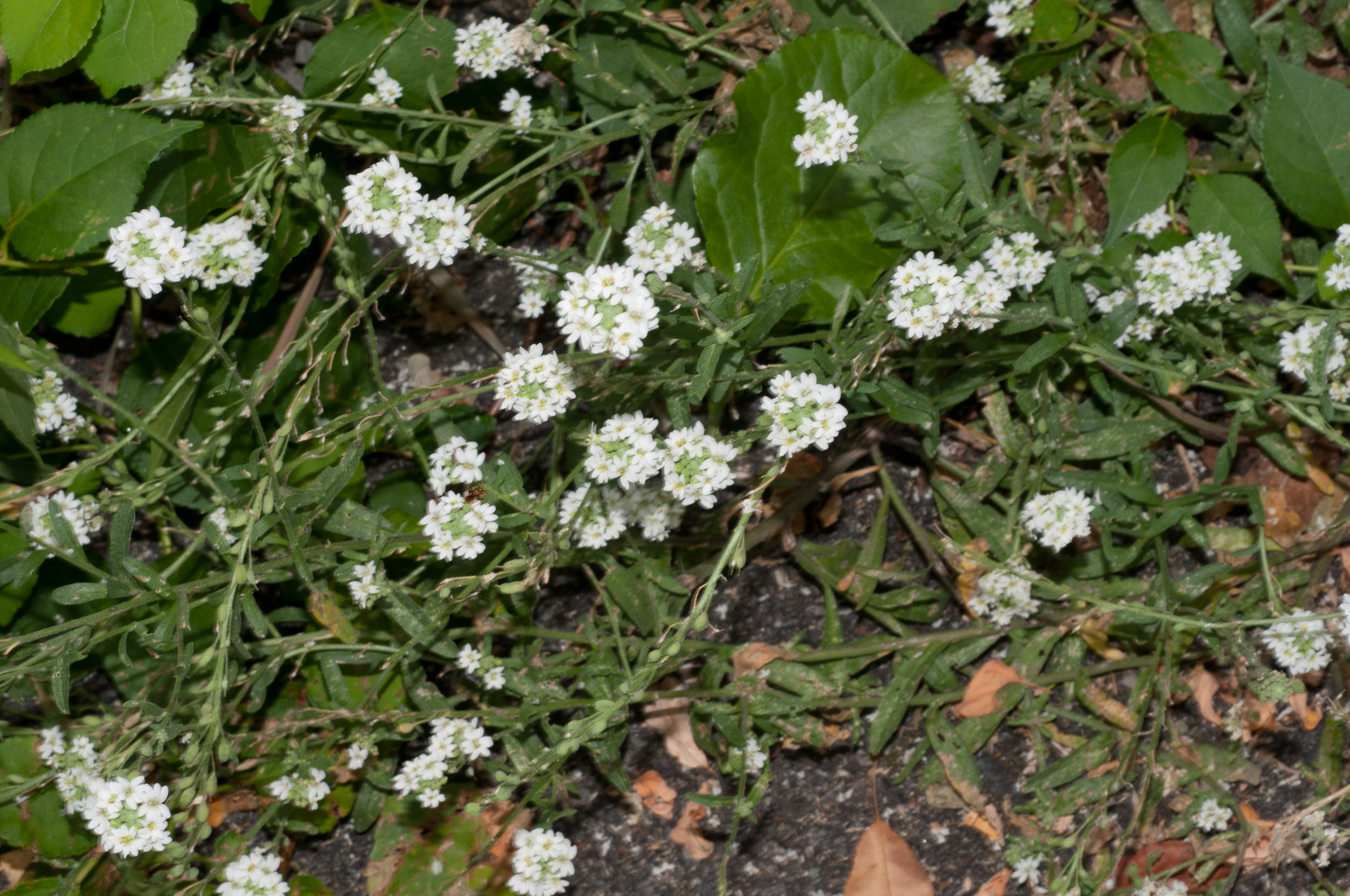
8/5/2010 · Nashua River Rail Trail, East Pepperell, Massachusetts · ≈ 12 × 8″ (31 × 20 cm) ID is uncertain 

6/3/2016 · Nashua River Rail Trail, East Pe ID is uncertain 
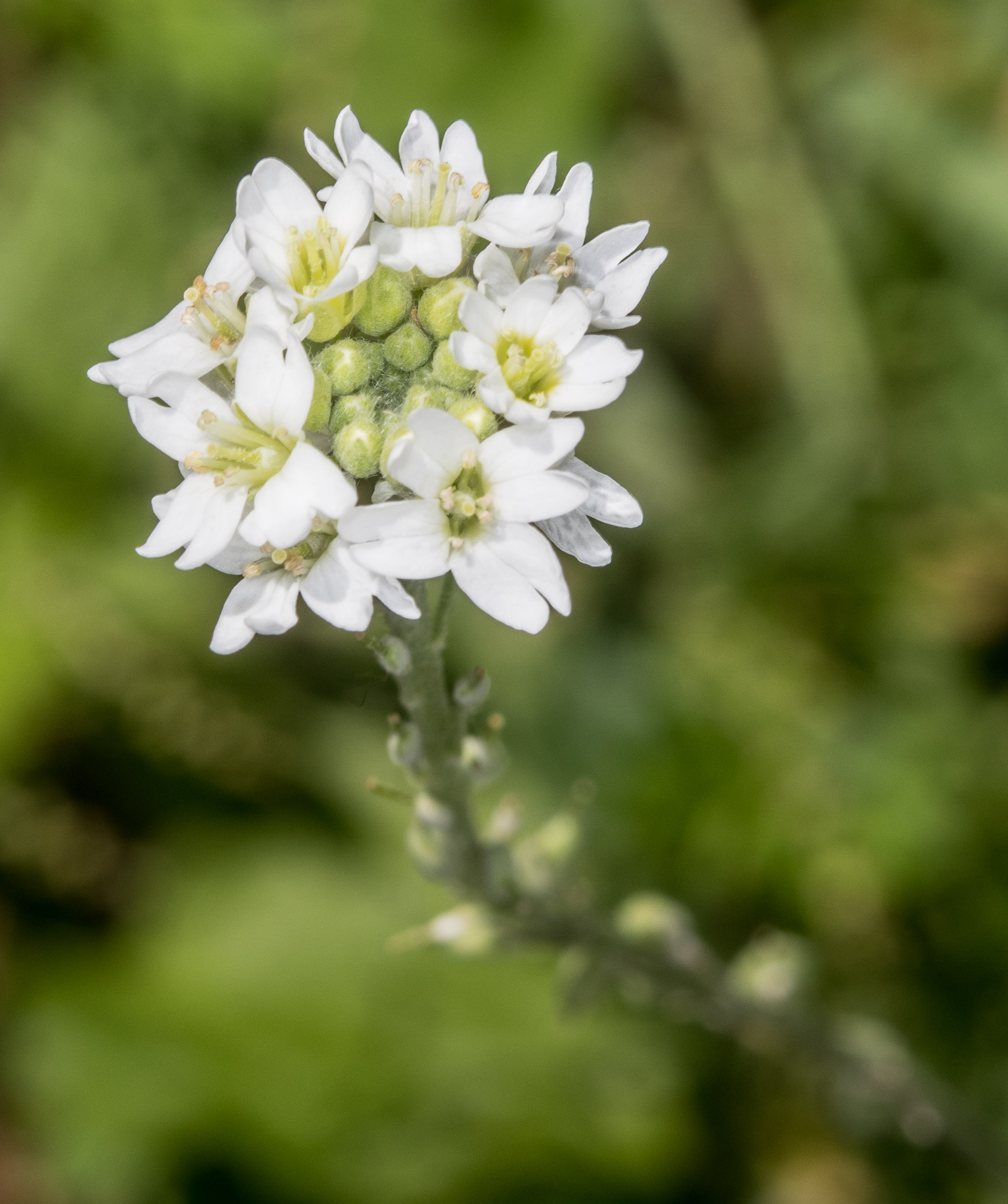
7/9/2017 · Nashua River Rail Trail, East Pepperell, Massachusetts · ≈ 1¾ × 2″ (4.8 × 5.8 cm) 
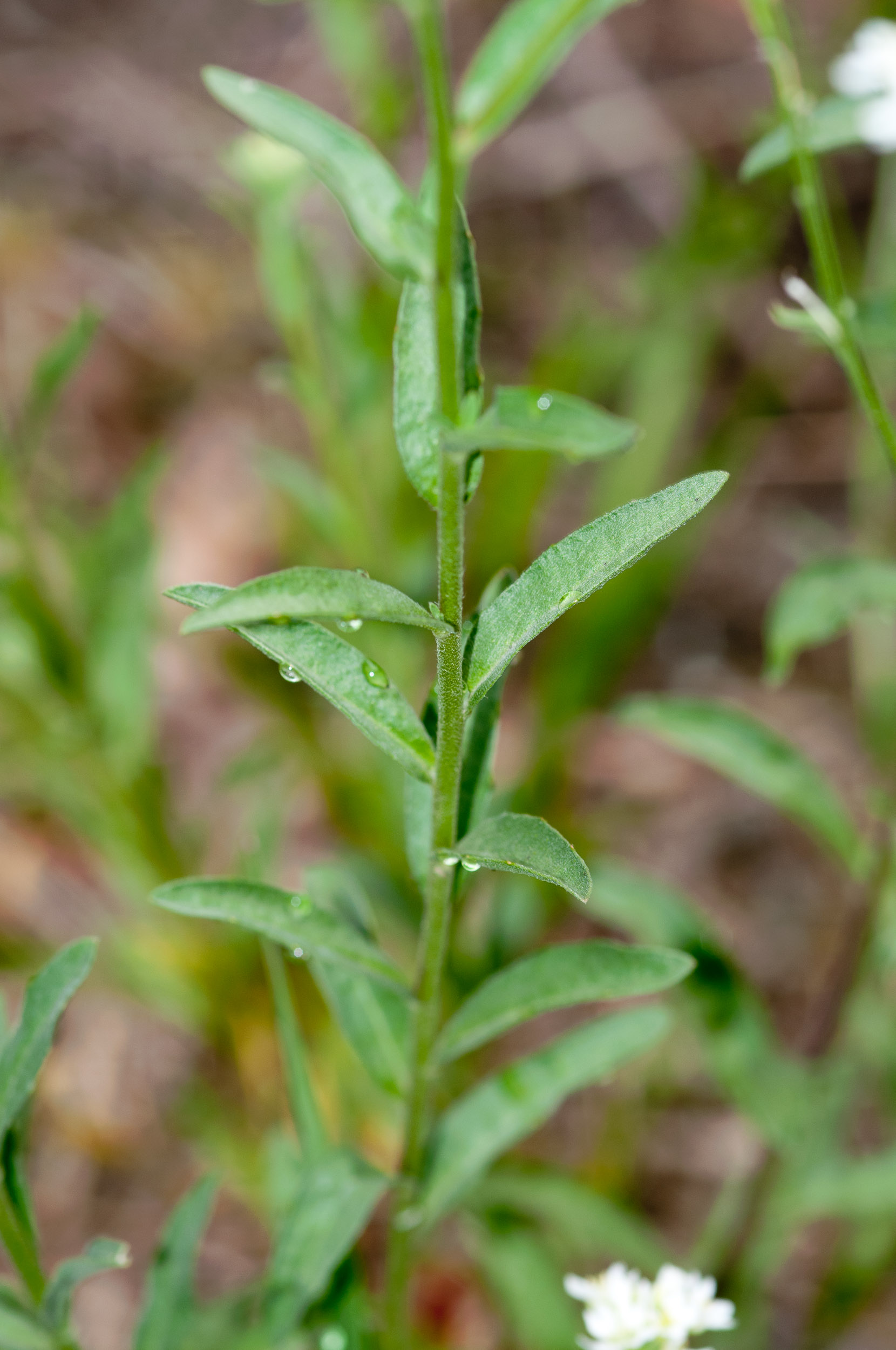
6/12/2010 · Nashua River Rail Trail, East Pepperell, Massachusetts · ≈ 4½ × 7″ (11 × 17 cm) ID is uncertain 
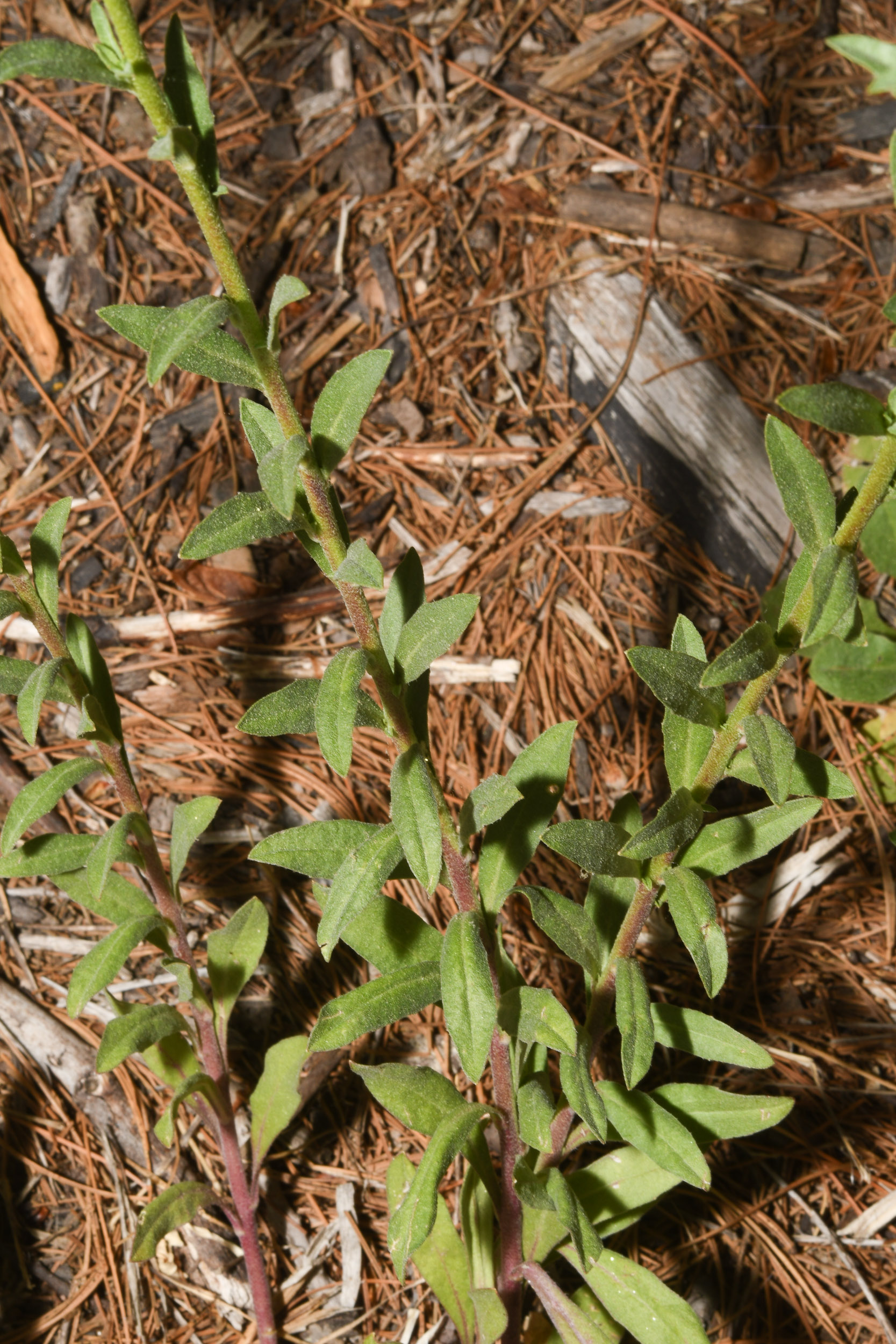
6/3/2016 · Nashua River Rail Trail, East Pe ID is uncertain 
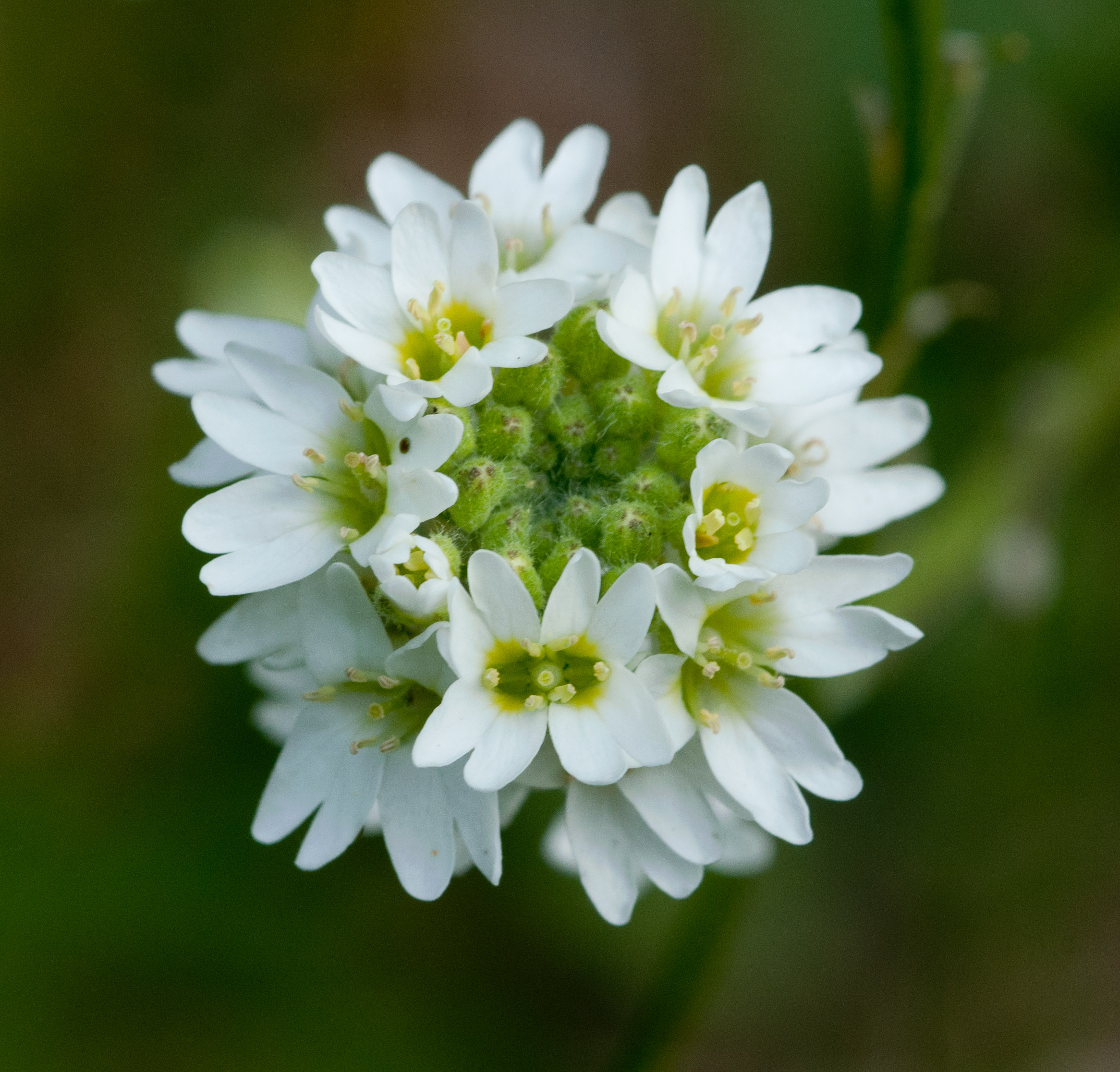
6/12/2010 · Nashua River Rail Trail, East Pepperell, Massachusetts · ≈ 2 × 2″ (5.5 × 5.3 cm) ID is uncertain 

6/20/2012 · Nashua River Rail Trail, Groton Center, Groton, Massachusetts · ≈ 9 × 6″ (23 × 15 cm) 
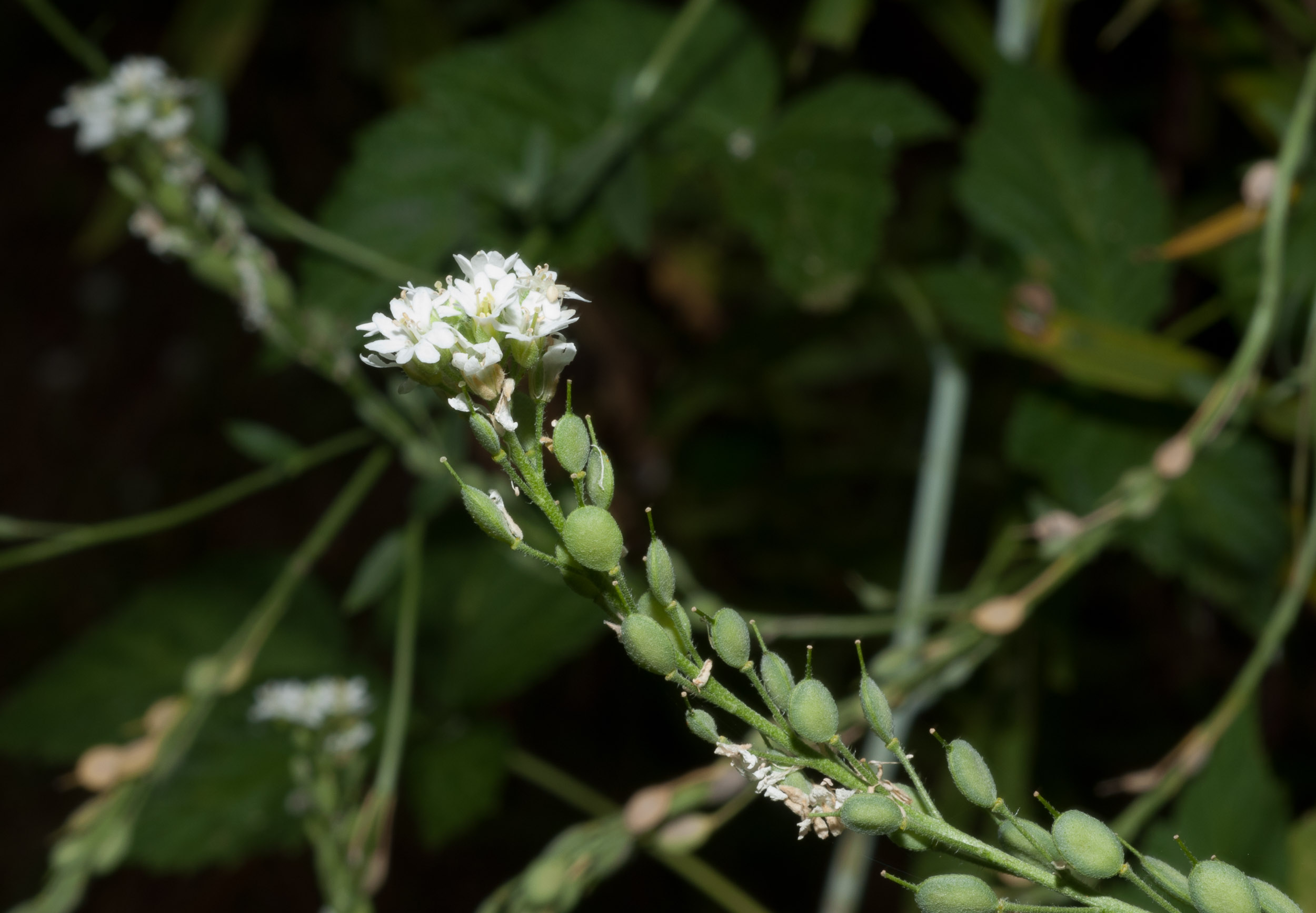
8/4/2010 · Nashua River Rail Trail, Groton Center, Groton, Massachusetts · ≈ 5 × 3½″ (12 × 9 cm) ID is uncertain 

6/12/2010 · Nashua River Rail Trail, East Pepperell, Massachusetts · ≈ 10 × 7″ (25 × 16 cm) ID is uncertain 
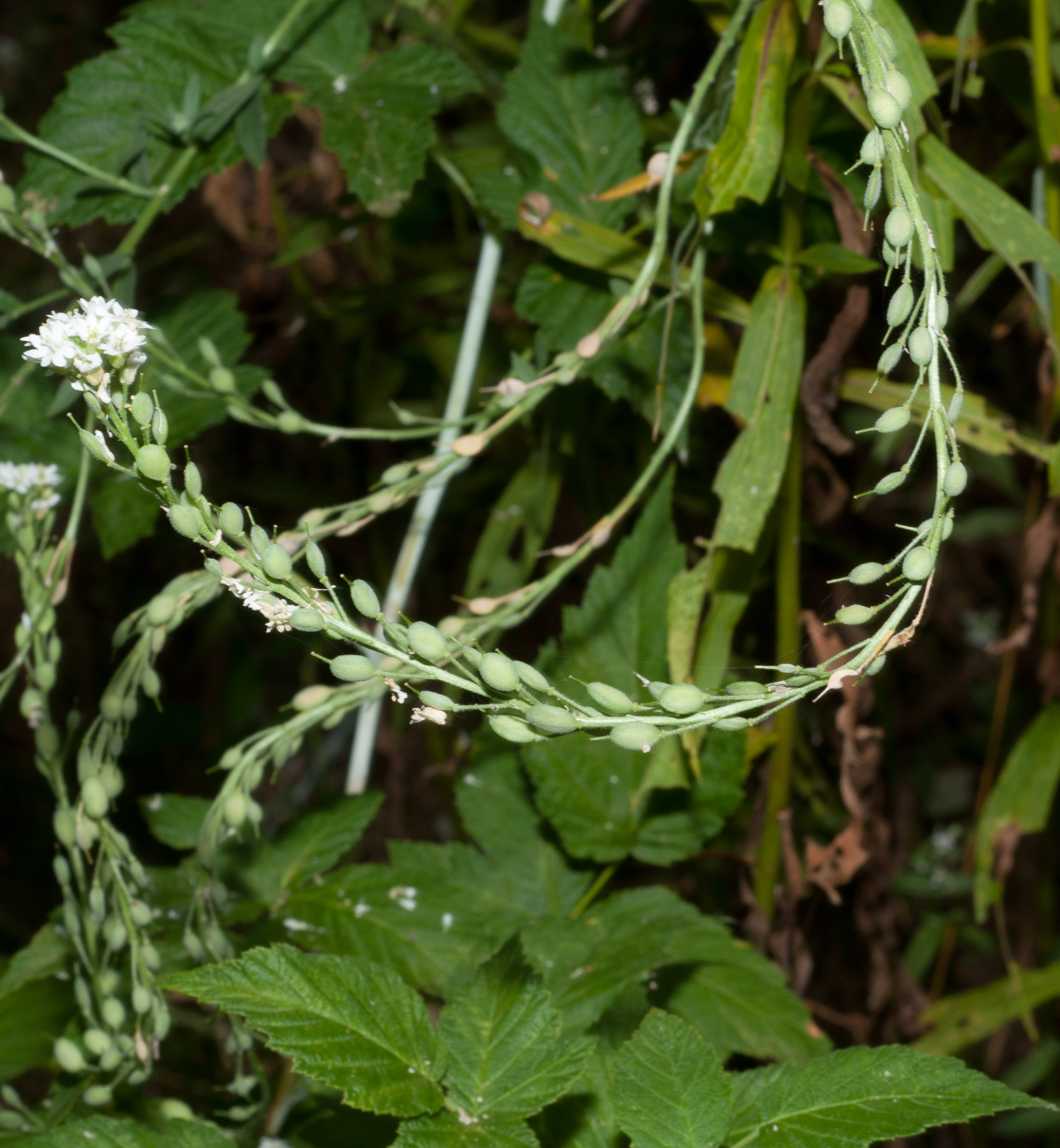
8/4/2010 · Nashua River Rail Trail, Groton Center, Groton, Massachusetts · ≈ 6 × 6″ (14 × 15 cm) ID is uncertain 
| Kingdom | Plantae | Plants, but not fungi, lichens, or algae (from Stearn's Botanical Latin) |
| Subkingdom | Tracheobionta | Vascular plants—plants with a “circulatory system” for delivering water and nutrients |
| Division | Magnoliophyta | Flowering plants, also known as angiosperms |
| Class | Magnoliopsida | Dicotyledons—plants with two initial seed leaves |
| Subclass | Rosidae | Roses, legumes, proteas, dogwoods, hydrangeas, mistletoes, euphorbias, grapes, many more |
| Order | Brassicales | Mustard, cabbage, caper, papaya, nasturtiums, many others; most produce mustard oil |
| Family | Brassicaceae | Mustards, cabbages |
| Genus | Berteroa | Named for Chilean-Italian botanist Carlo Guiseppe Bertero |
| Species | incana | “Gray” |
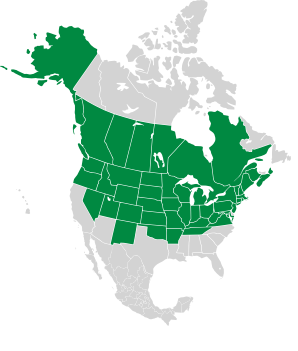
Berteroa incana description by Thomas H. Kent, not updated.

© FloraFinder.org. All rights reserved.