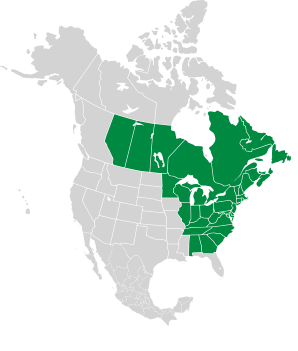
Fissipes acaulis (Aiton) Small
Fissipes hirsuta (Mill.) Farw., nom. utique rej.
Cypripedium acaule Aiton
Pink lady’s slipper, moccasin flower, lady’s slipper
These delicate North American natives, now considered endangered in Canada and rare or endangered in many parts of the United States, appear occasionally in the woods near our camp on Sebago Lake in Maine. As children, coming upon one in the woods was a magical experience. The flowers are stunningly beautiful, yet fragile looking. We knew they were rare and could not be transplanted. (Now botanists know that transplantation is difficult because lady’s slippers have a symbiotic relationship with a fungus in the soil.) We never dreamed of picking them or disturbing them. We simply admired them as they are and gave them a wide berth.
Plants: Plants consist of two long narrow leaves coming directly from the ground (basal), with a central flower stalk. They are 4–24″ (10–61 cm) tall.
Leaves: The two dark green leaves are each about 6–12″ (15–30 cm) long and 1–2″ (2.5–5 cm) wide. They have parallel veins.
Flowers: A bare stalk supports a single delicate, pink, slipper-shaped flower, 1½–2″ (3.8–5 cm) long and about ¾″ (1.9 cm) around at its widest point. The color can range from nearly white to dark pink. There is an opening at the top of the flower, completing the resemblance to a slipper. (Cypripedium is Greek for “Aphrodite’s shoe.”) A “cap,” composed of a modified leaf and two sepals, appears over the flower.
Fruits: An ascending capsule that ripens to brown, with thousands of tiny seeds.
Habitats: Pine forests, coastal plains, mountaintops, in acid soil.
Online References:
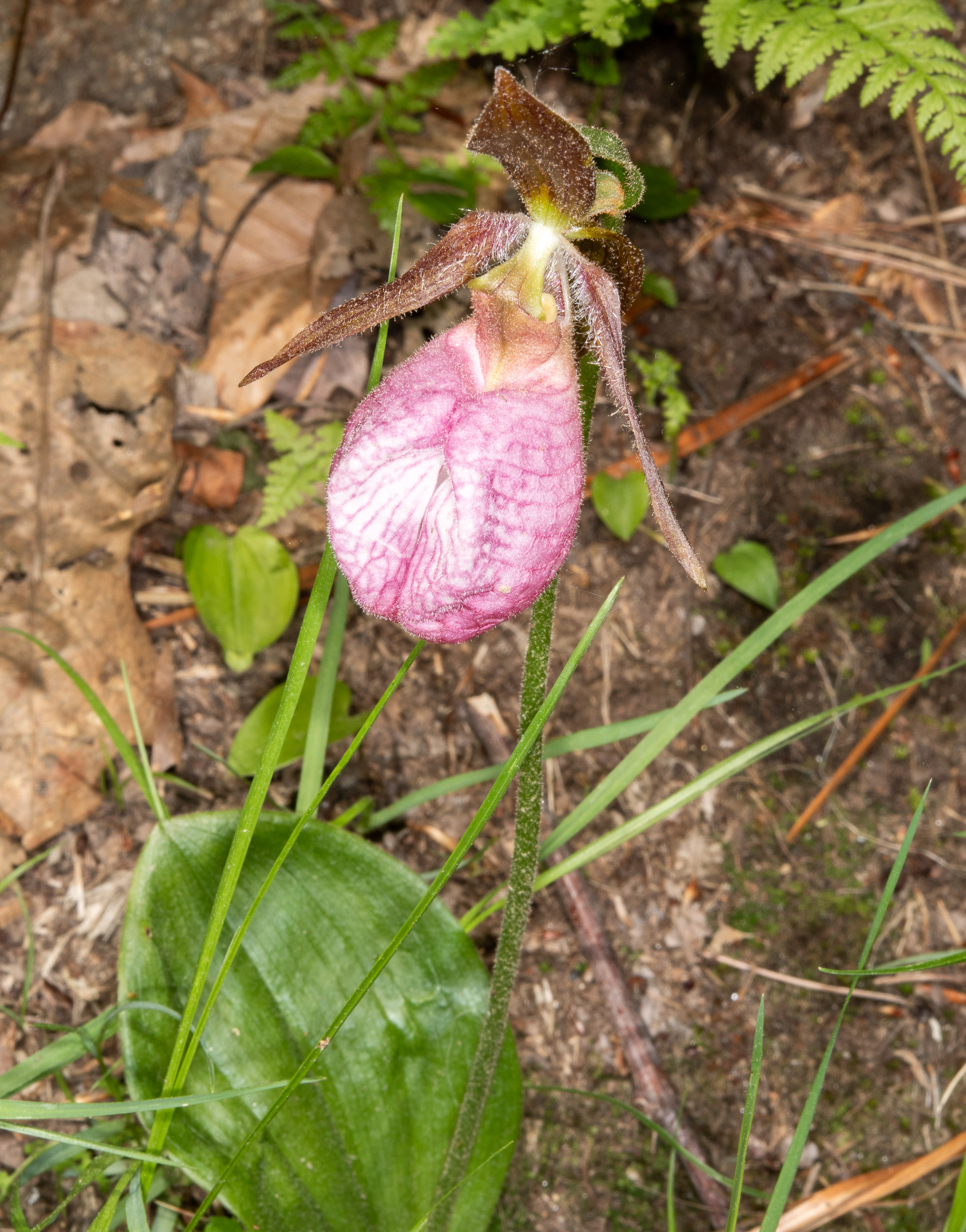
6/3/2018 · Mt. Watatic, Ashby, Massachusetts · ≈ 5 × 7″ (13 × 17 cm) 
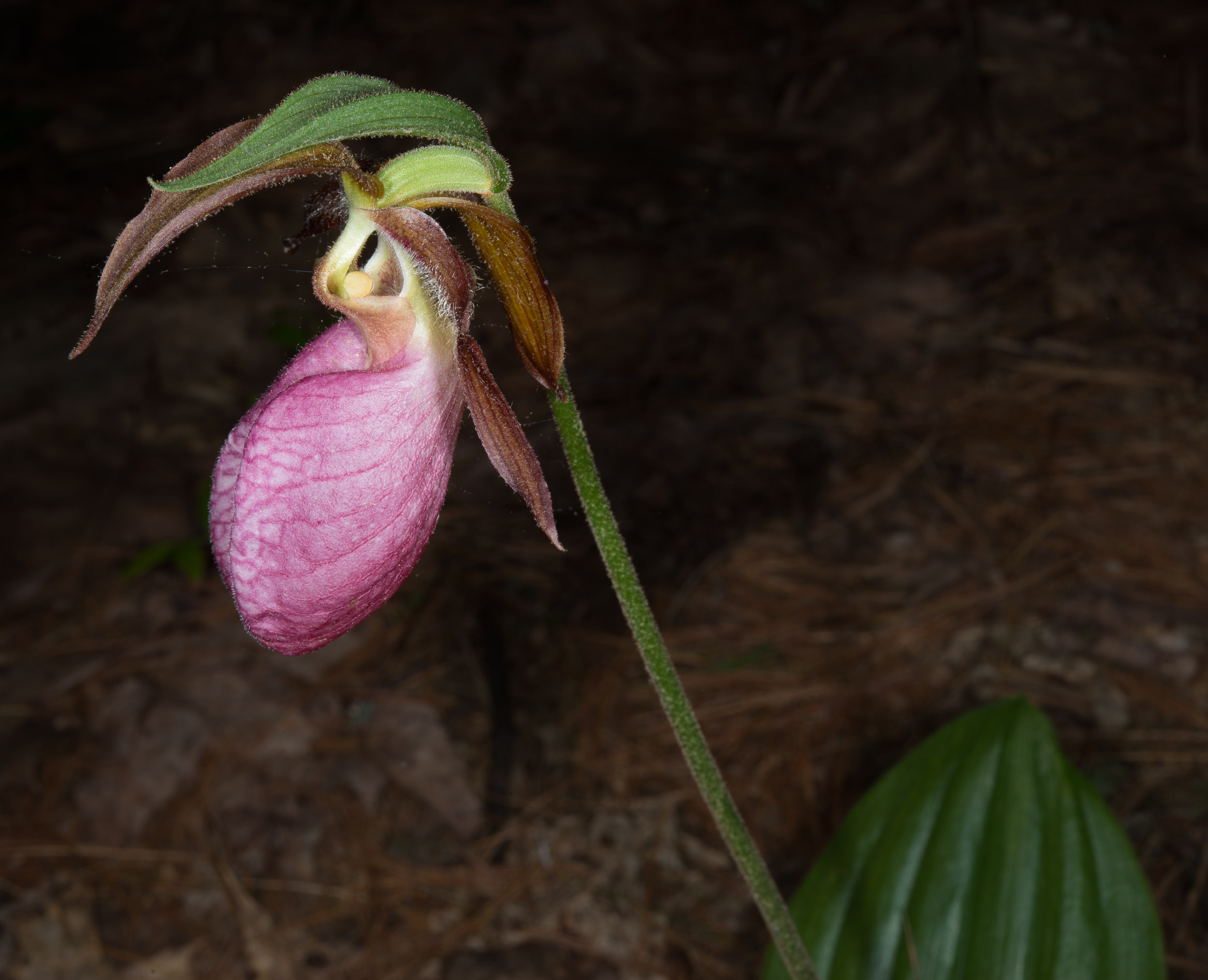
6/1/2014 · Oak Hill, Littleton, Massachusetts · ≈ 8 × 6″ (19 × 16 cm) 
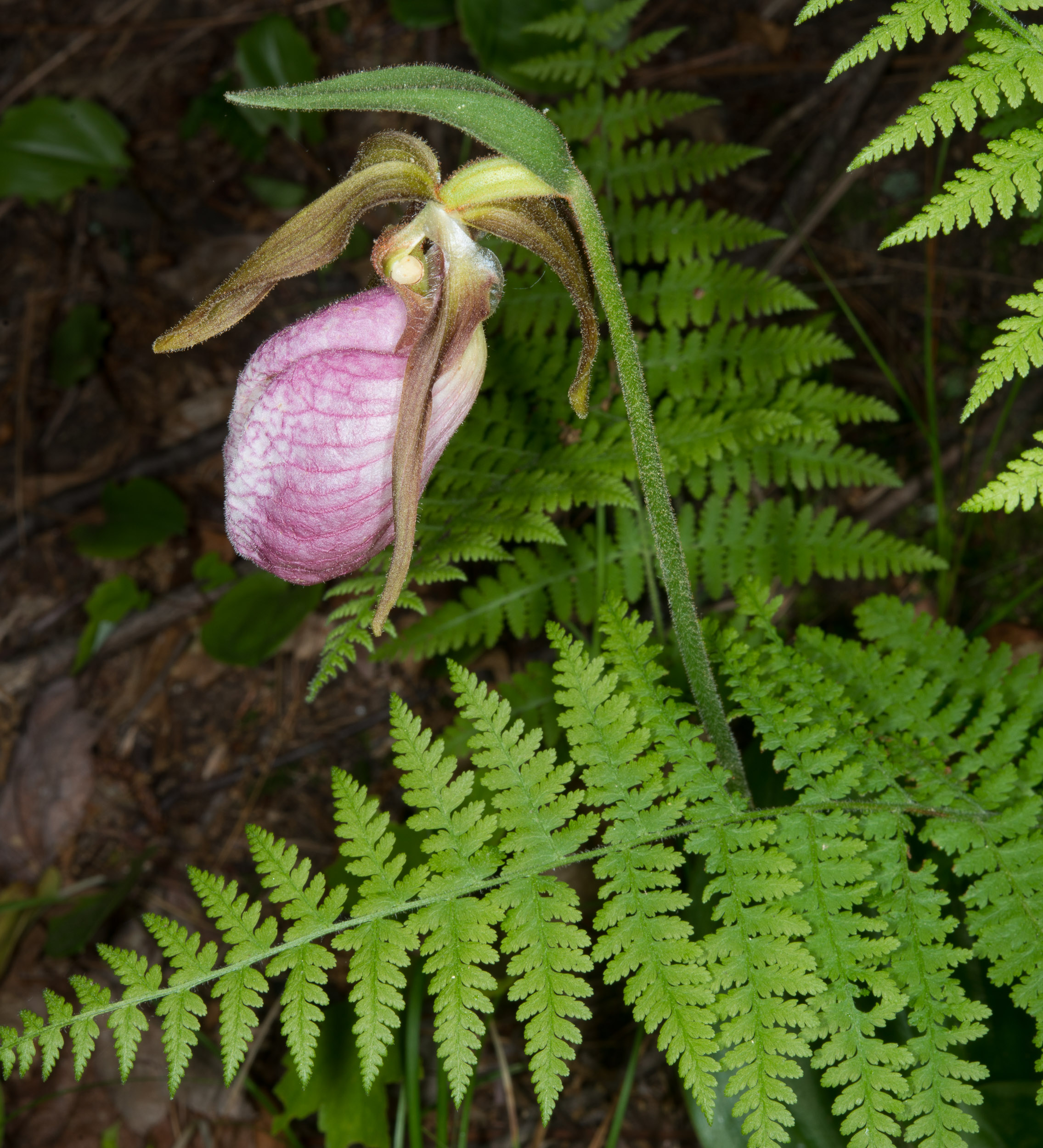
6/7/2014 · Beaver Brook Conservation Area, Hollis, New Hampshire · ≈ 7 × 7″ (17 × 18 cm) 
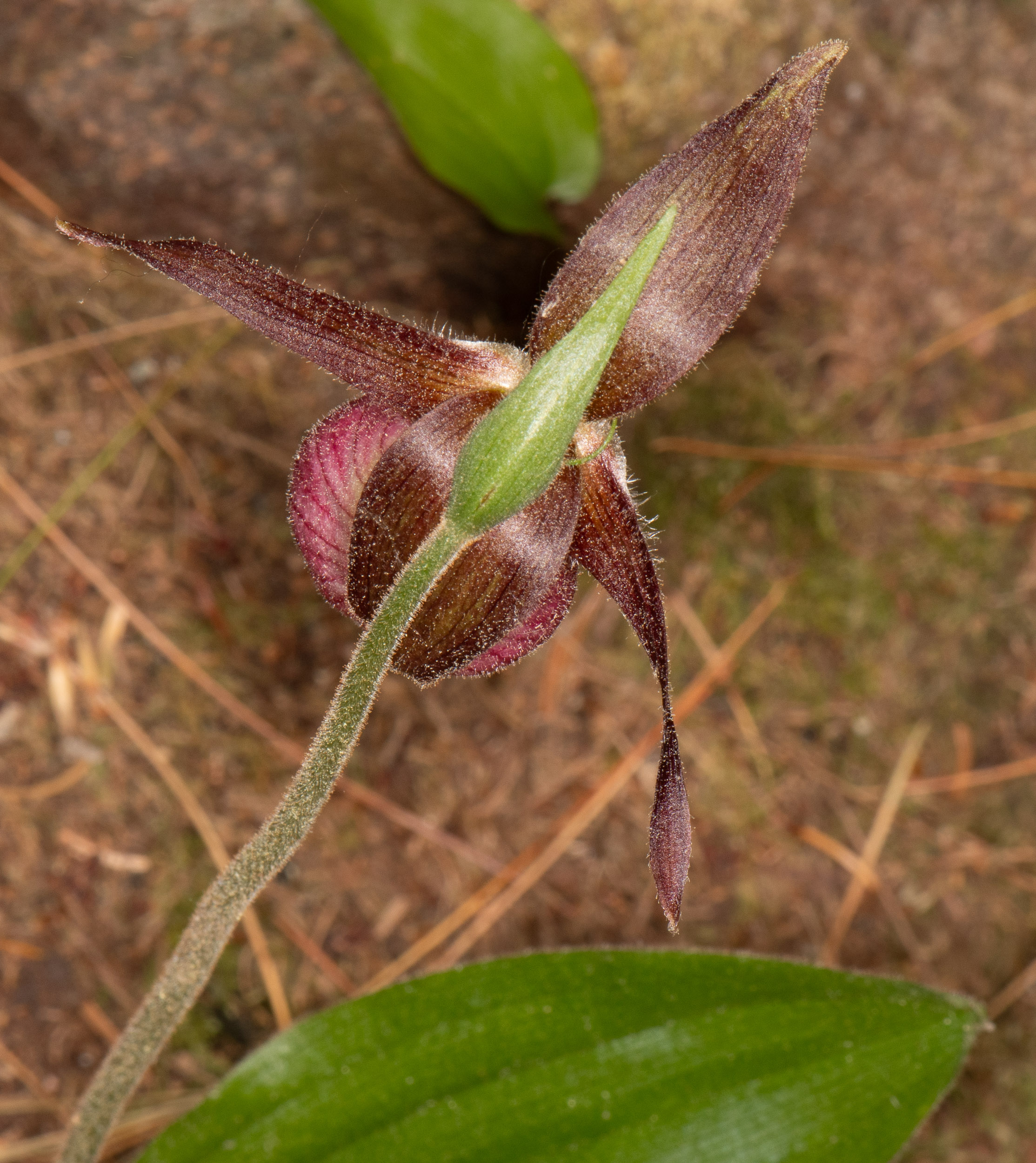
5/28/2021 · Brunswick Commons, Brunswick, Maine · ≈ 4 × 4½″ (10 × 11 cm) 

4/27/2010 · Nashua River Rail Trail, Pepperell, Massachusetts · ≈ 8 × 9″ (19 × 22 cm)  ID is uncertain

5/12/2016 · Wildlife Pond Trail, Beaver Broo, Hollis, New Hampshire 
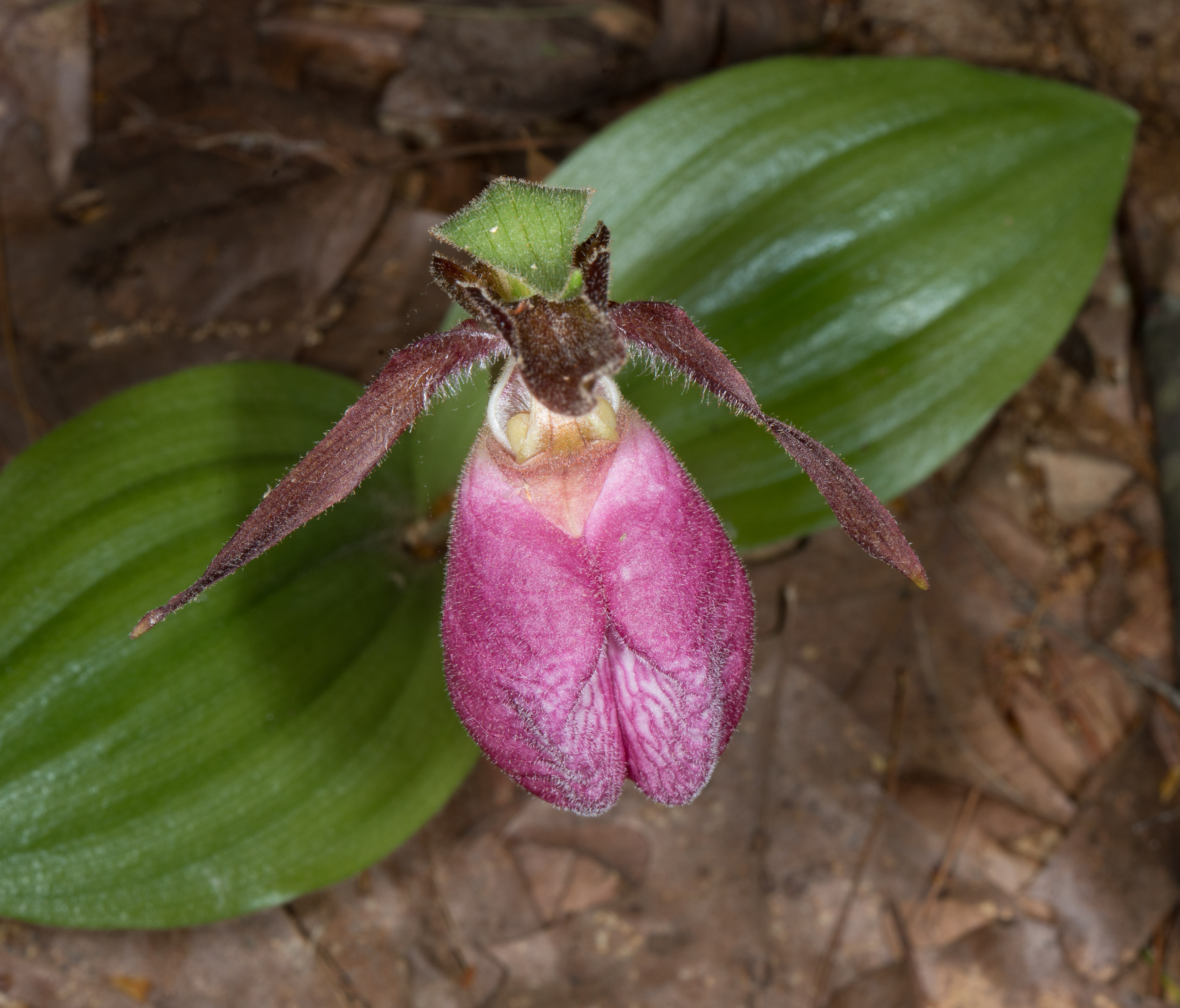
6/1/2014 · Oak Hill, Littleton, Massachusetts · ≈ 6 × 4½″ (14 × 12 cm) 
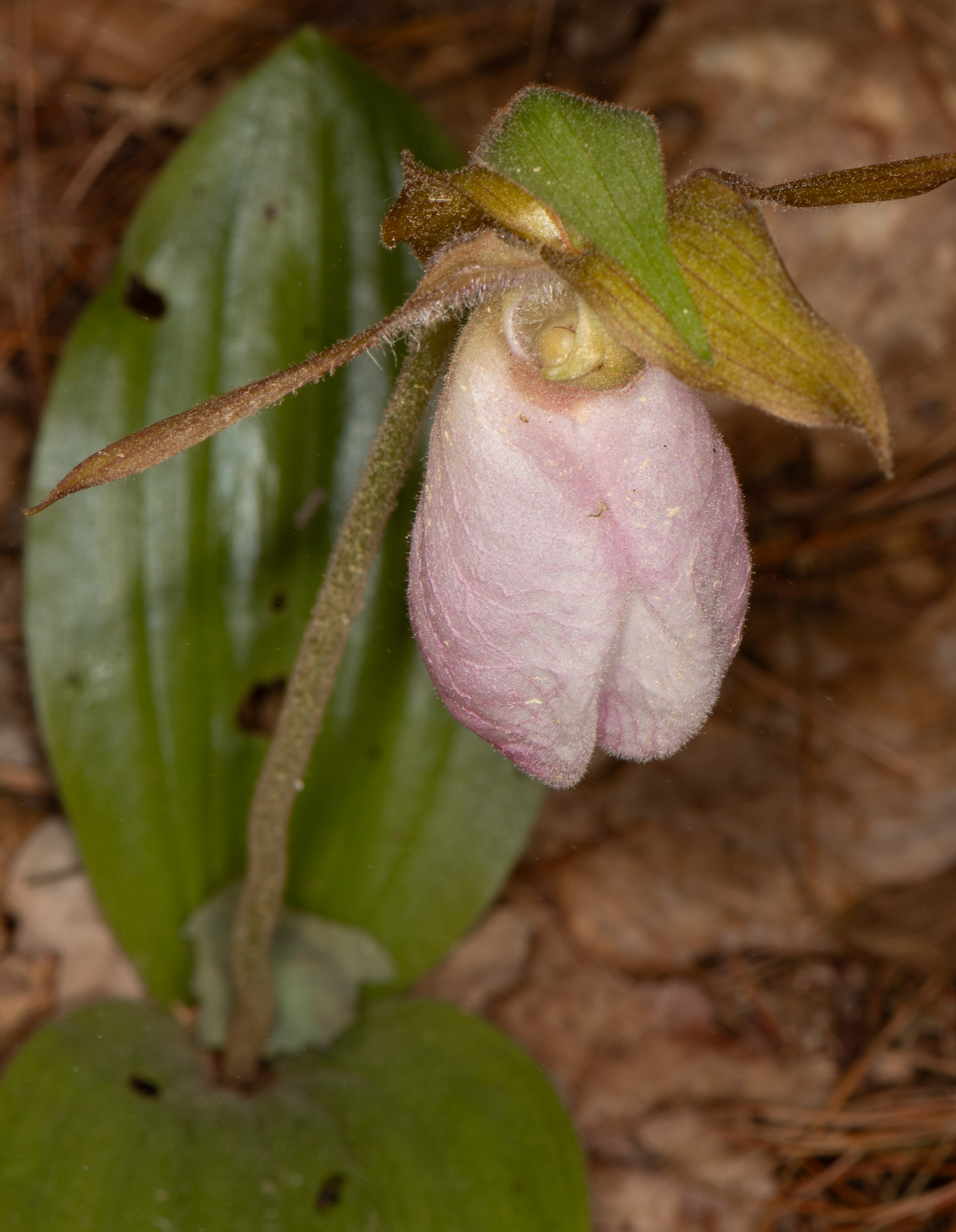
They aren't usually this pale-colored. · 5/28/2021 · Brunswick Commons, Brunswick, Maine · ≈ 4 × 5″ (10 × 13 cm) 
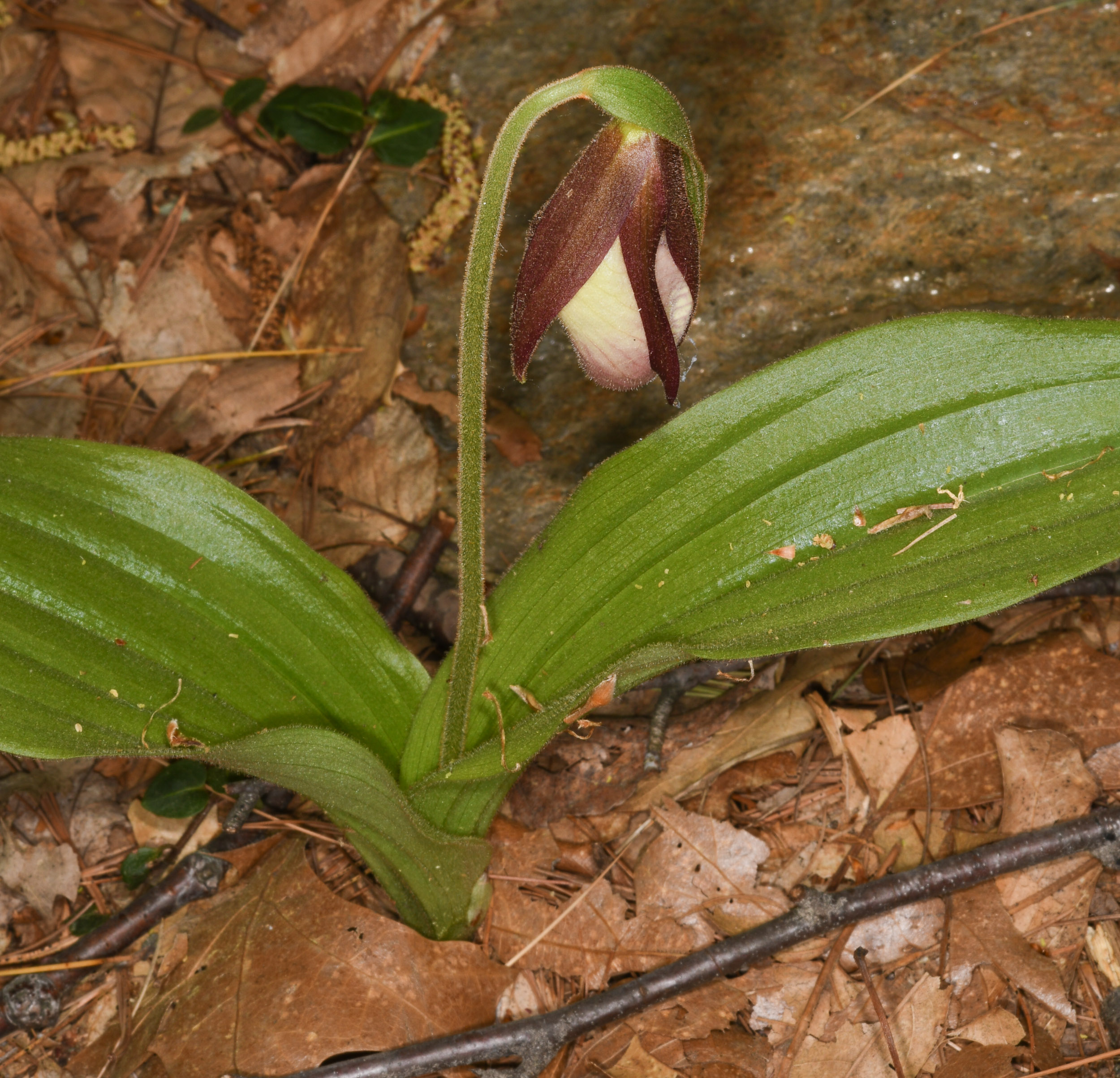
5/16/2016 · Oak Hill, Littleton, Massachusetts 
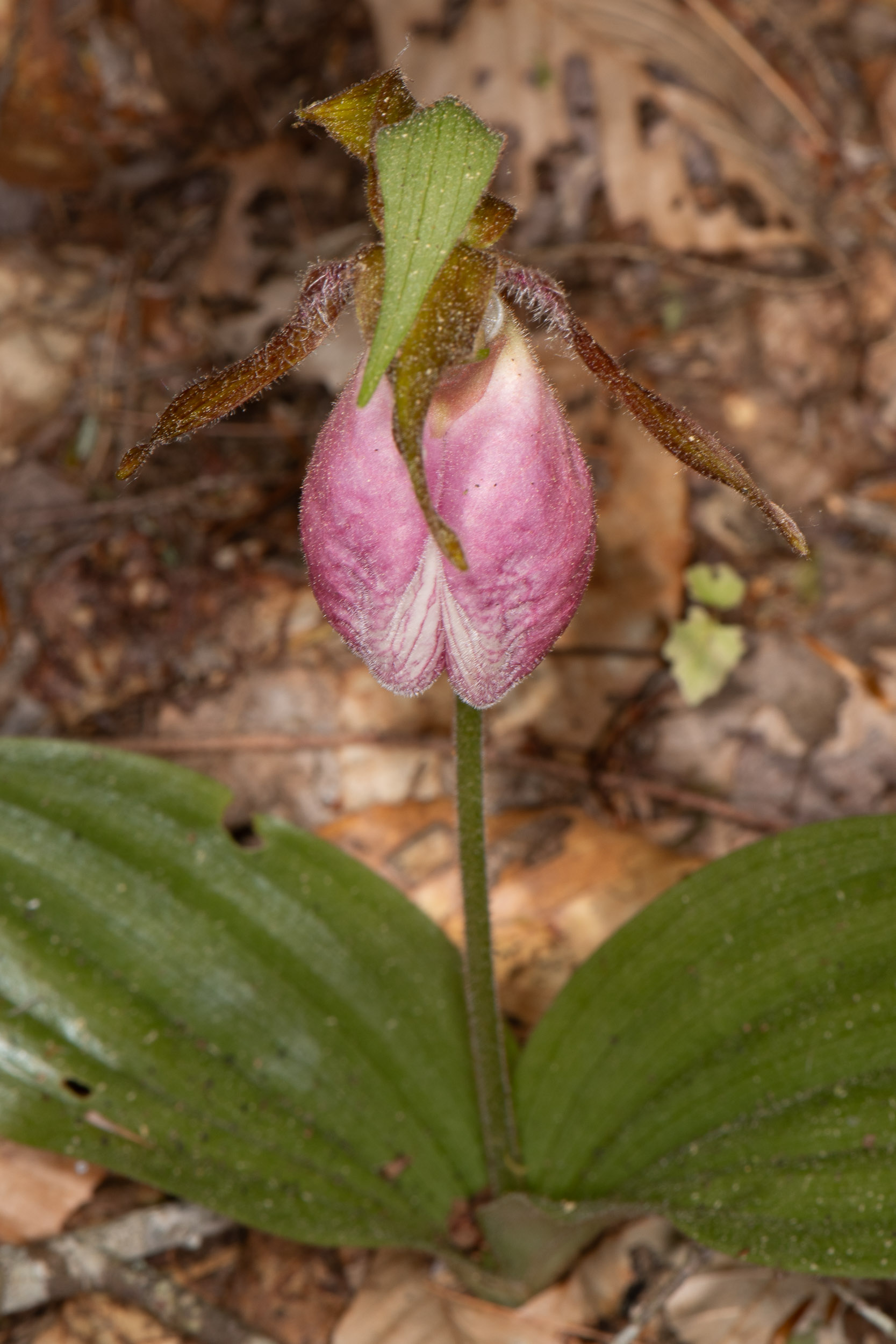
5/24/2021 · Long Reach Preserve, Harpswell, Maine · ≈ 4½ × 7″ (11 × 16 cm) 
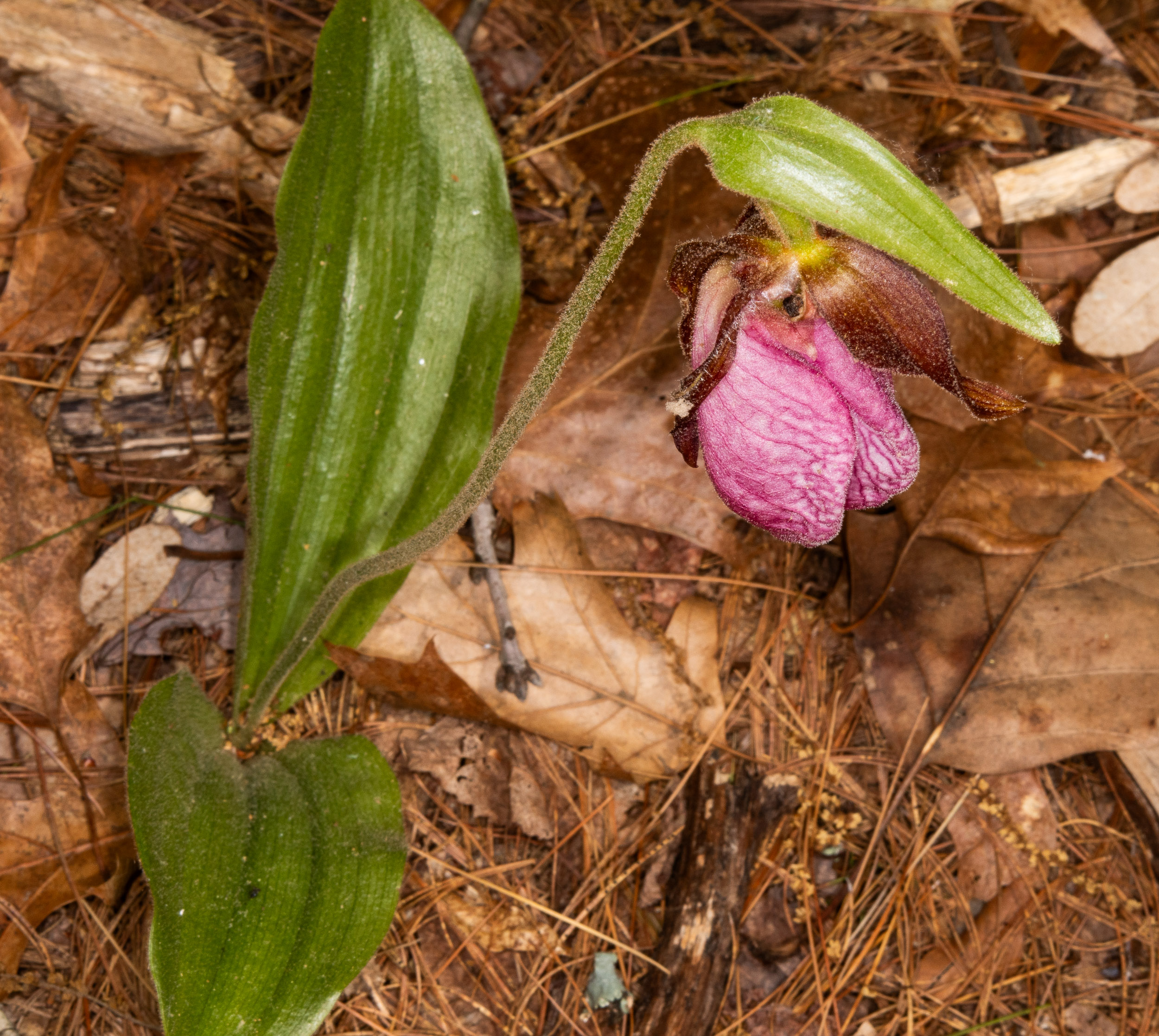
5/26/2018 · Burge’s Pond, Westford, Massachusetts · ≈ 7 × 6″ (18 × 16 cm) 

5/28/2025 · Thorne Head Preserve, Bath, Maine · ≈ 10 × 6″ (24 × 16 cm) 
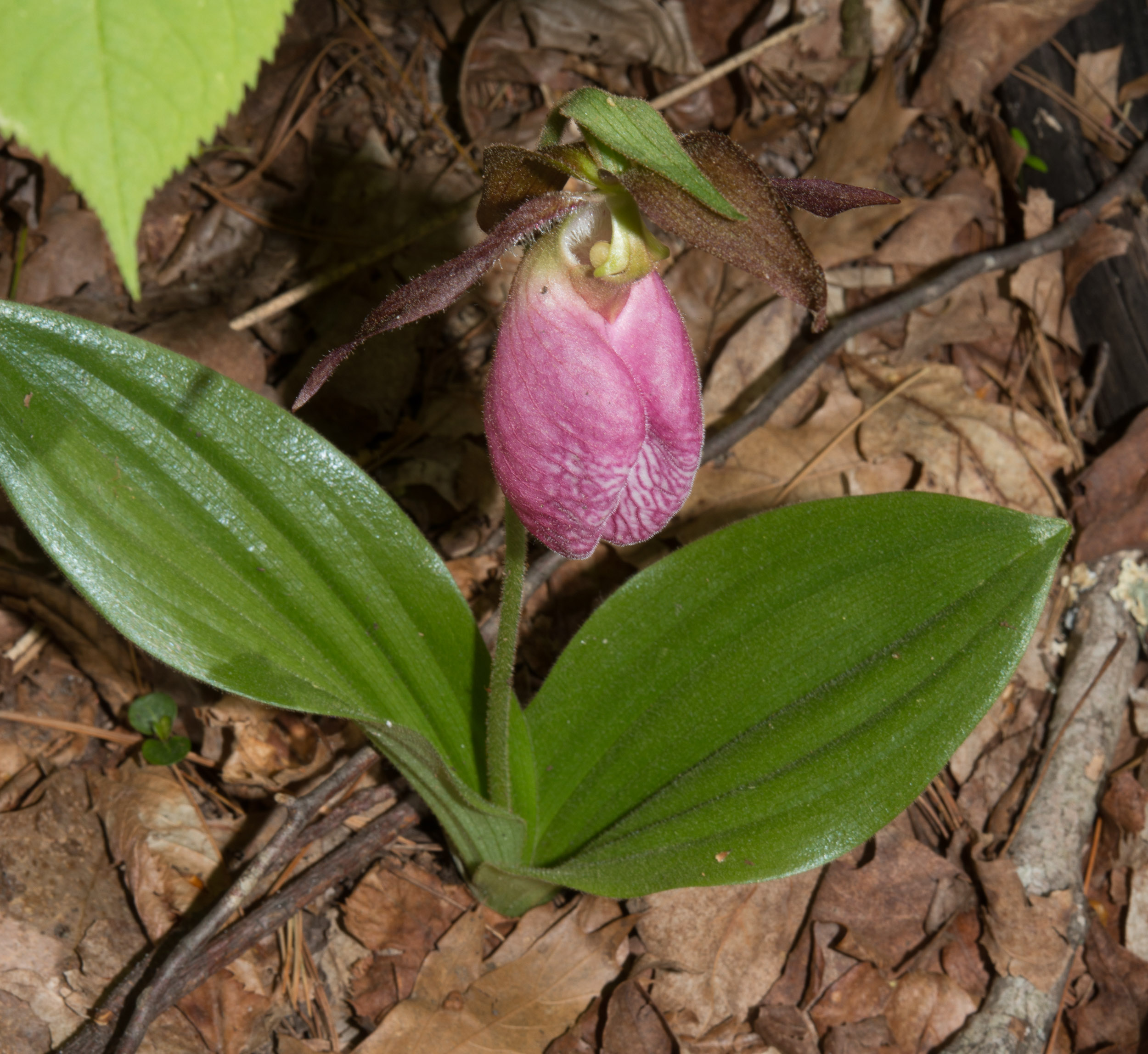
5/21/2014 · Beaver Brook Conservation Area, Hollis, New Hampshire · ≈ 7 × 6″ (17 × 16 cm) 
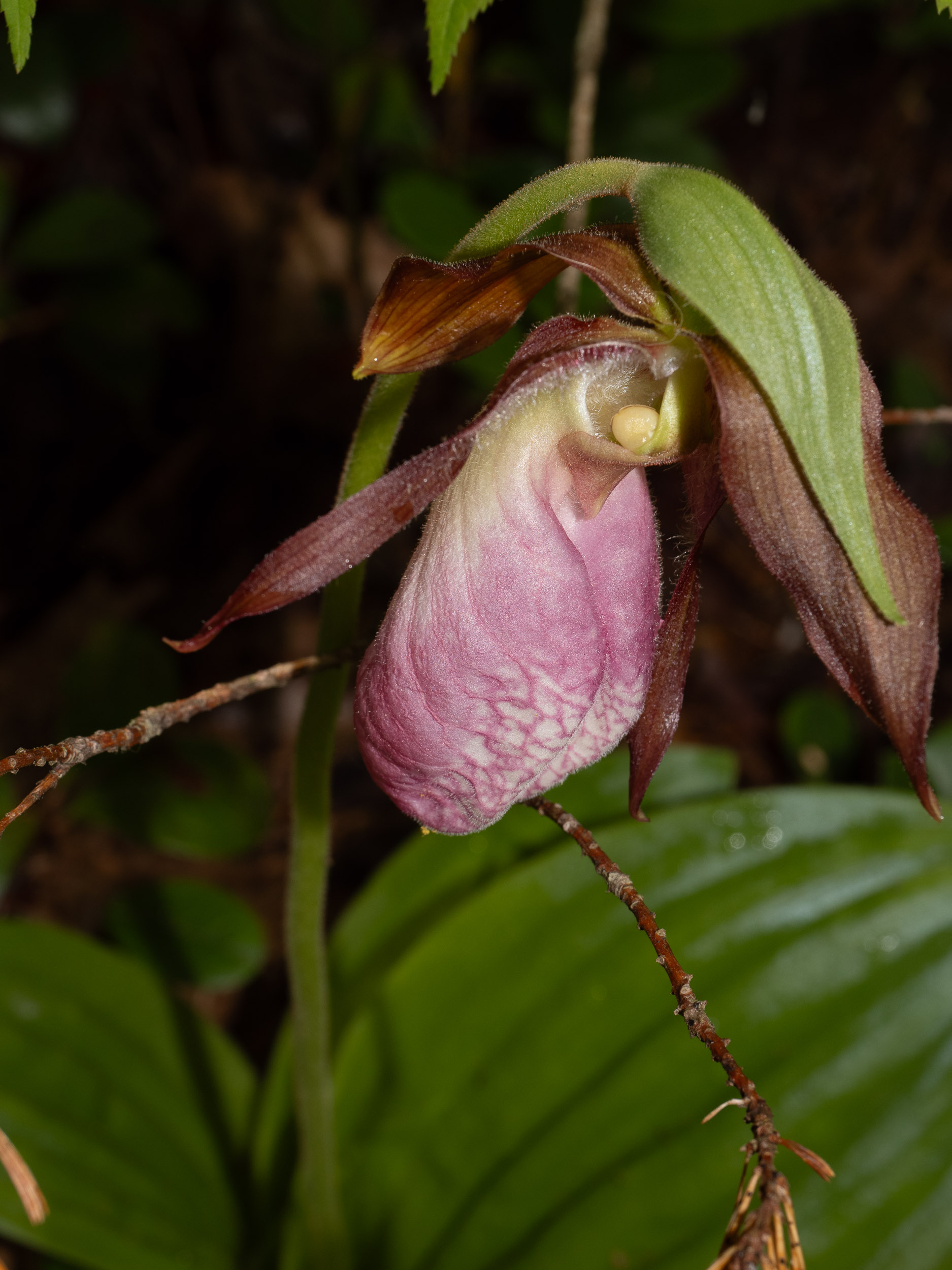
5/25/2023 · Maquoit Bay Conservation Land, Brunswick, Maine 
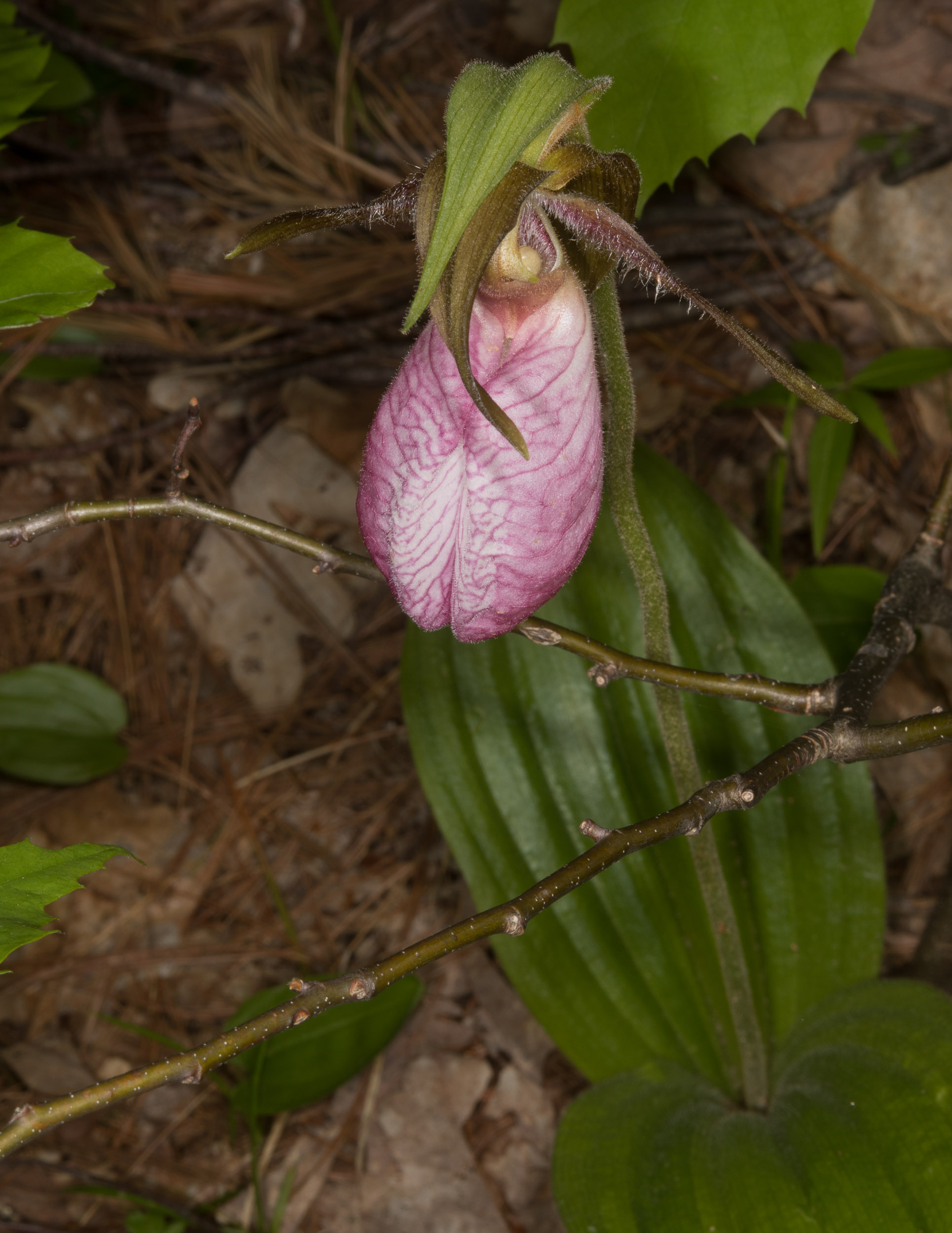
5/28/2017 · Wildflower Trail, Beaver Brook Conservation Area, Hollis, New Hampshire · ≈ 5 × 7″ (13 × 18 cm) 

5/28/2018 · Oak Hill, Littleton, Massachusetts 
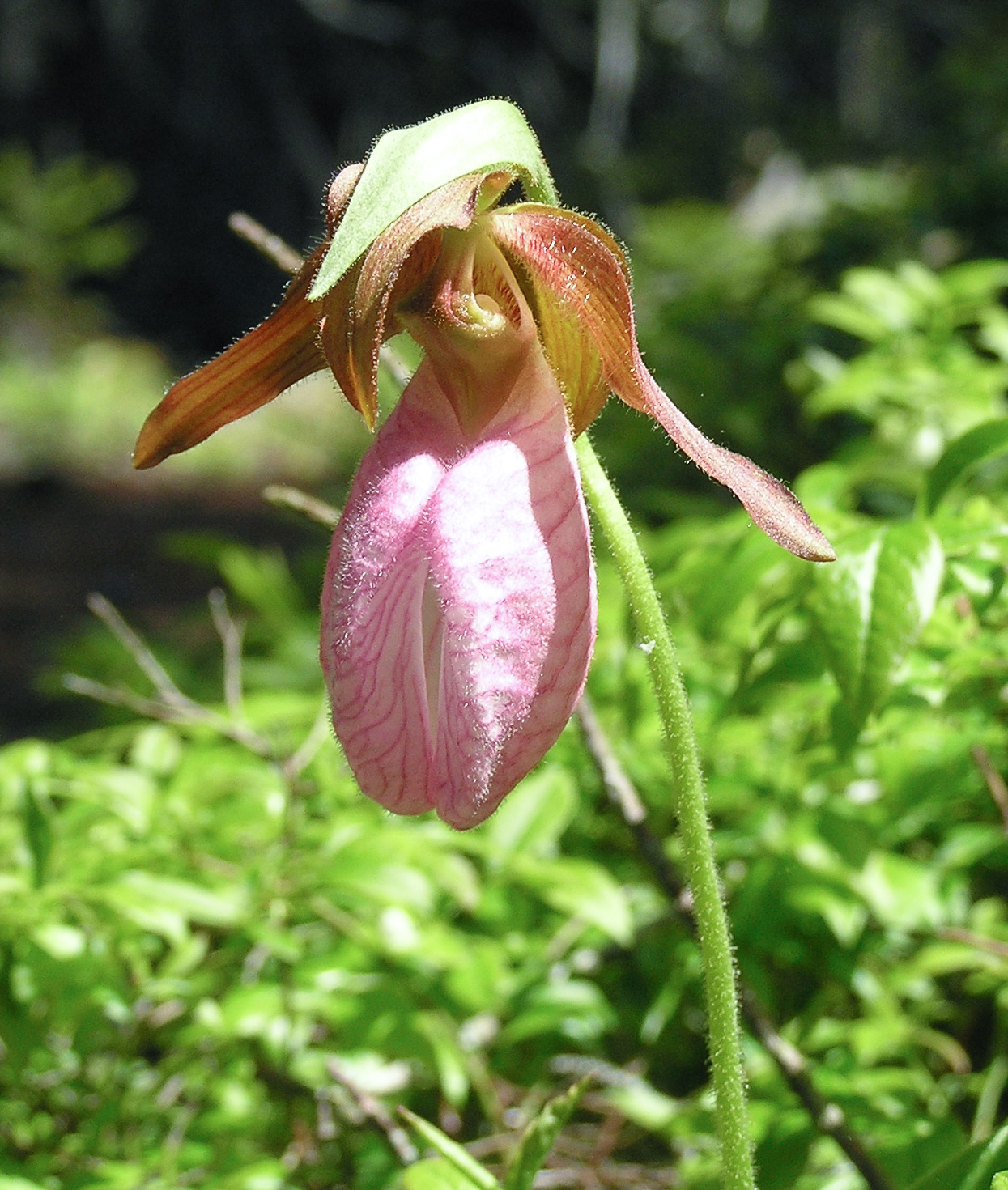
6/8/2005 

6/9/2026 · Ladies Lookout, Pinkham Notch, New Hampshire · ≈ 6 × 8″ (14 × 21 cm) 
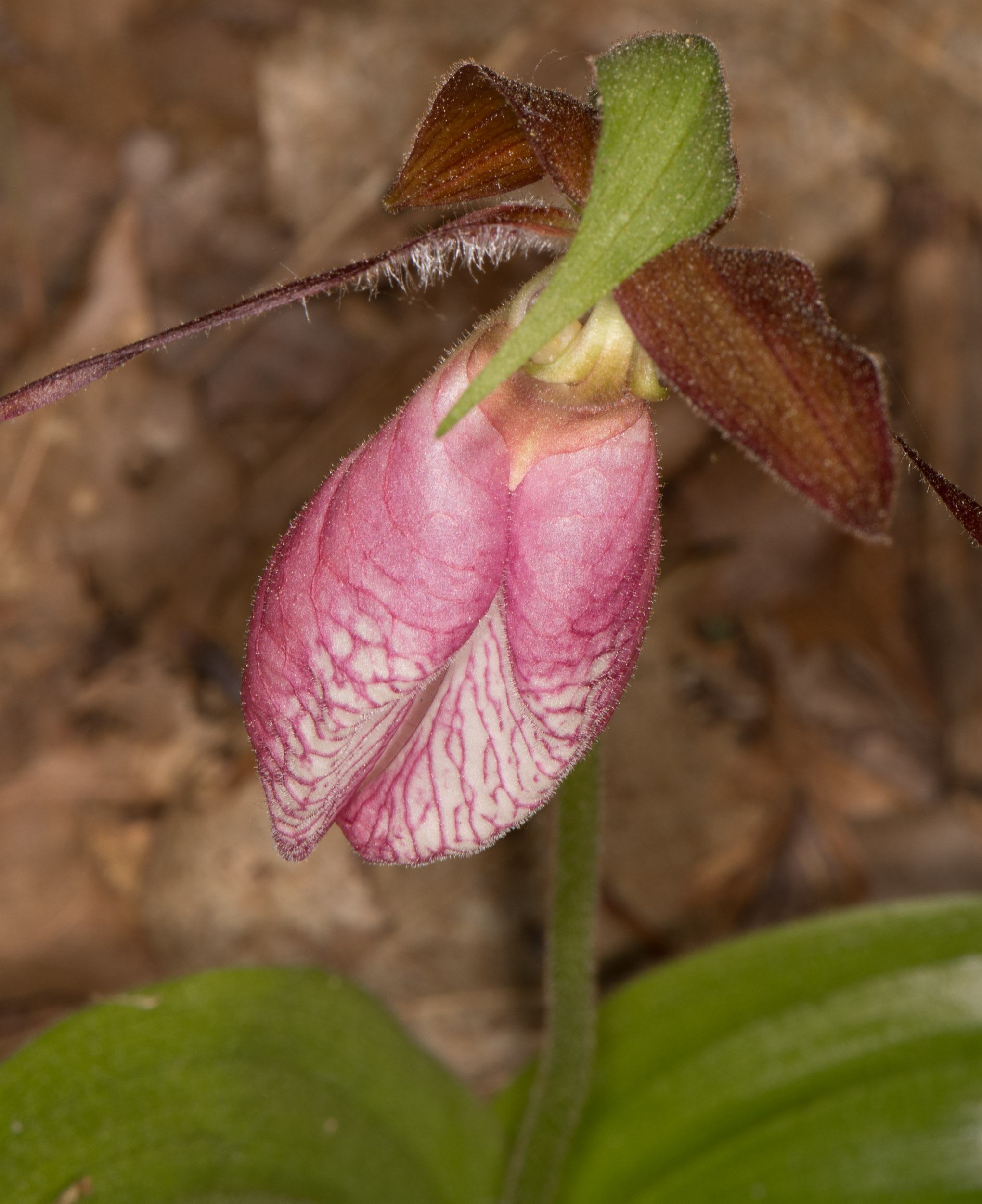
5/20/2021 · Eaton Farm Preserve, Wiscasset, Maine · ≈ 4 × 4½″ (10 × 12 cm) 
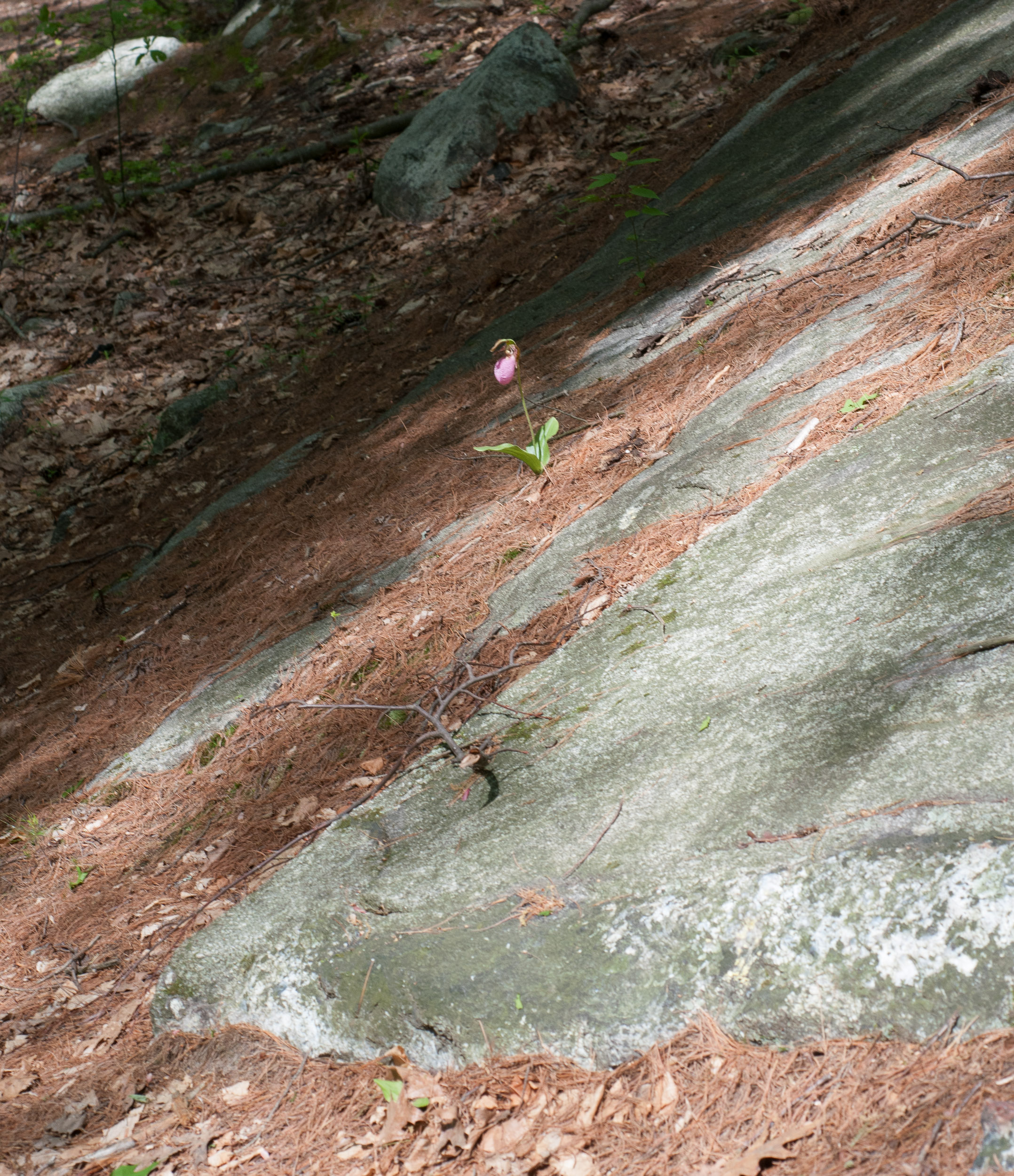
5/13/2012 · Lowell-Dracut-Tyngsboro State Forest, Lowell, Massachusetts 
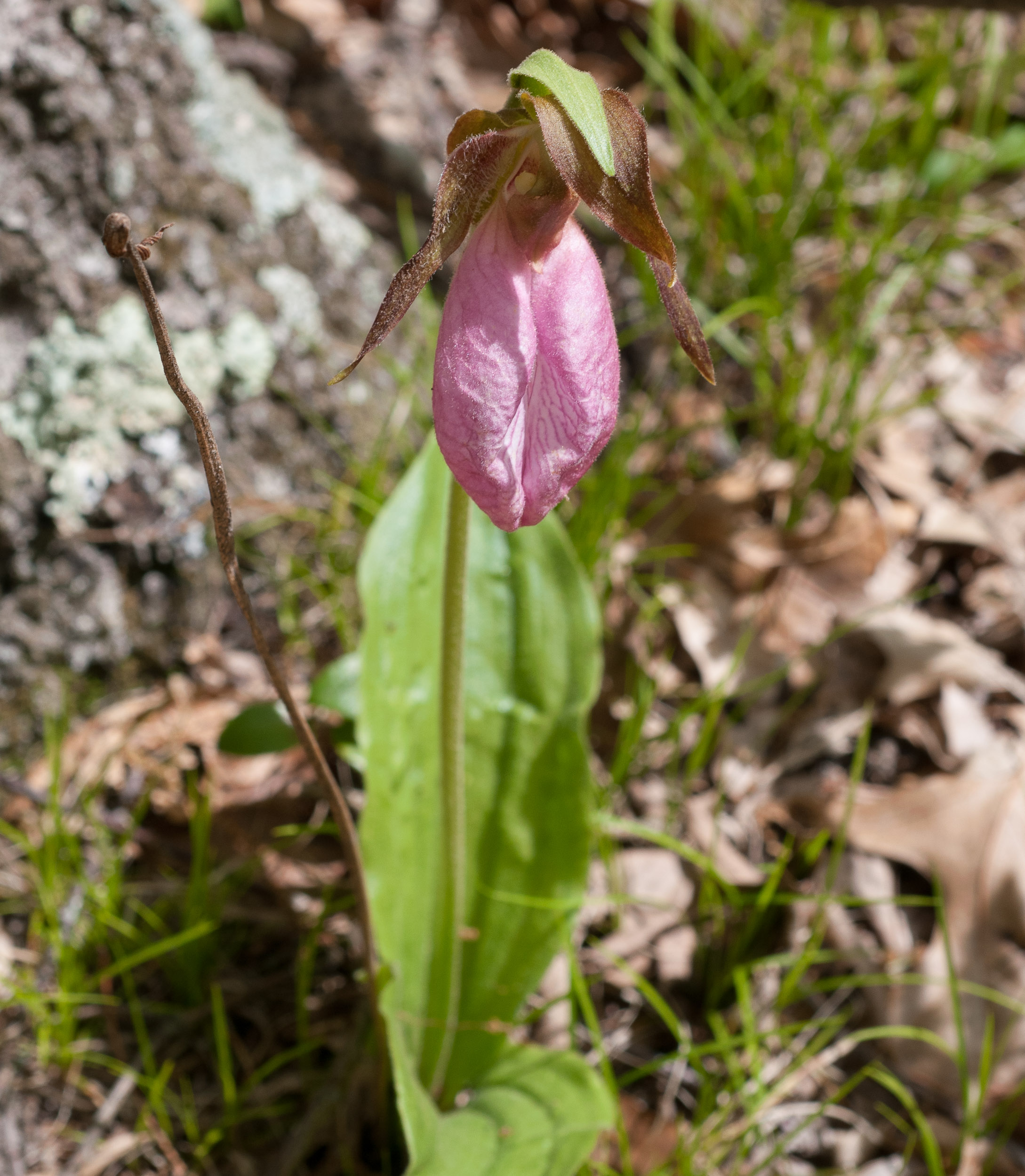
5/13/2012 · Lowell-Dracut-Tyngsboro State Forest, Lowell, Massachusetts · ≈ 7 × 8″ (18 × 21 cm) 

6/9/2026 · Ladies Lookout, Pinkham Notch, New Hampshire · ≈ 6 × 7″ (14 × 19 cm) 
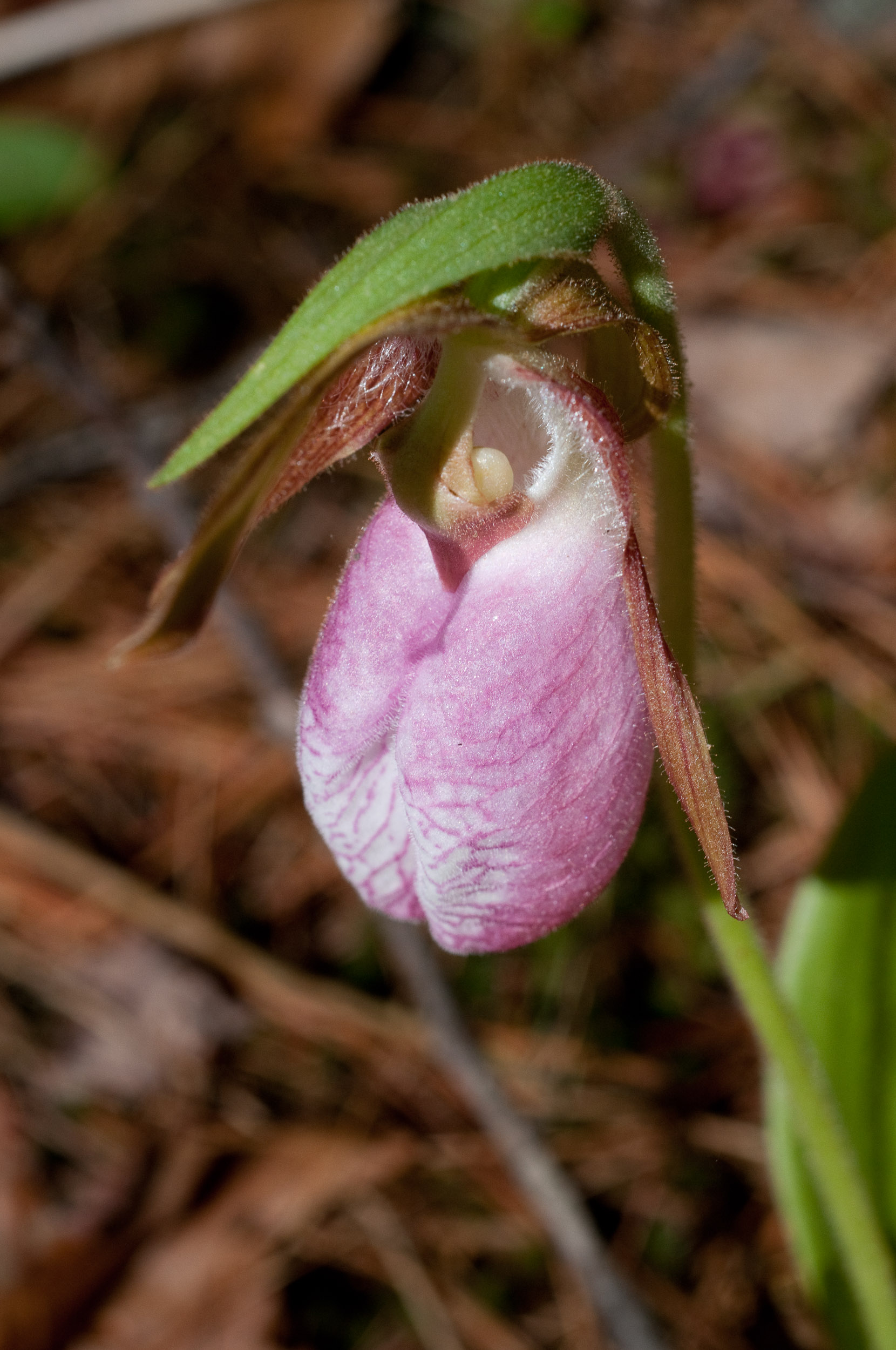
5/5/2010 · Nashua River Rail Trail, Pepperell, Massachusetts · ≈ 3½ × 5″ (9.2 × 13 cm) 
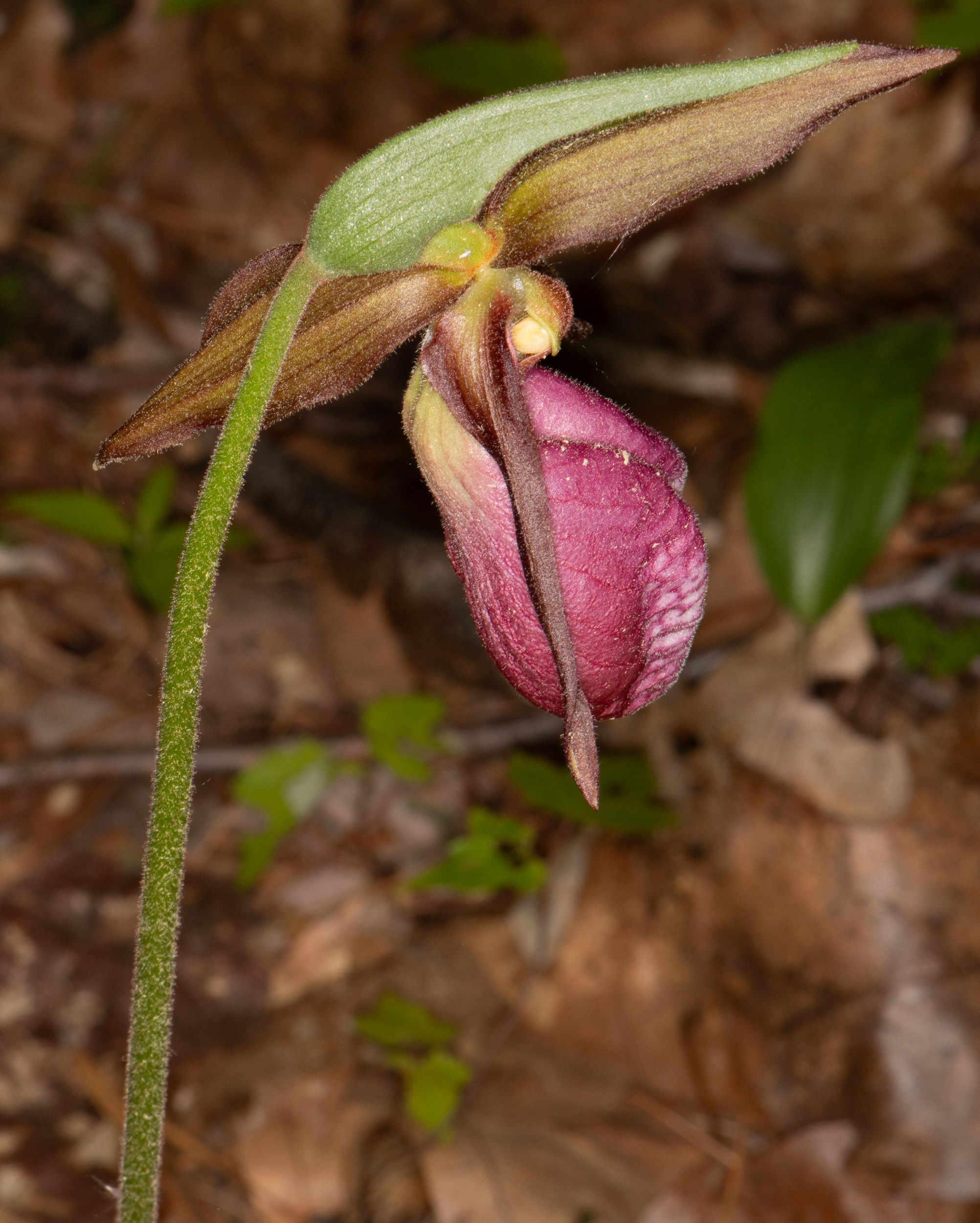
5/28/2021 · Brunswick Commons, Brunswick, Maine · ≈ 5 × 7″ (13 × 16 cm) 

5/29/2011 · Frenchman Bay Conservancy, Hancock County, Downeast, Maine · By Susan Cole Kelly 

This white variant of the pink species is sometimes called Cypripedium acaule var. alba. · 6/15/1984 · Fishing Trip, Maine 
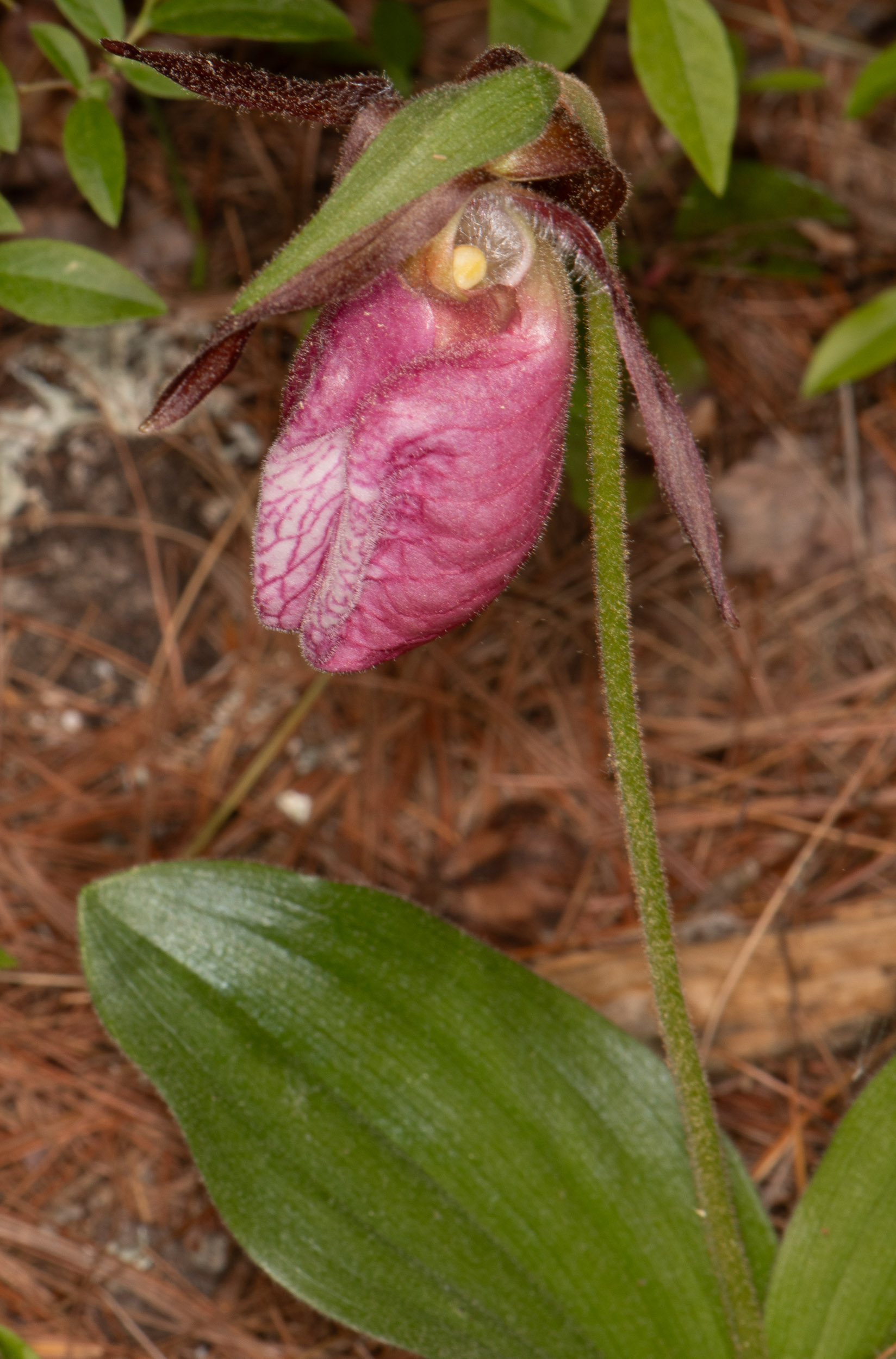
5/28/2021 · Brunswick Commons, Brunswick, Maine · ≈ 4 × 6″ (10 × 16 cm) 
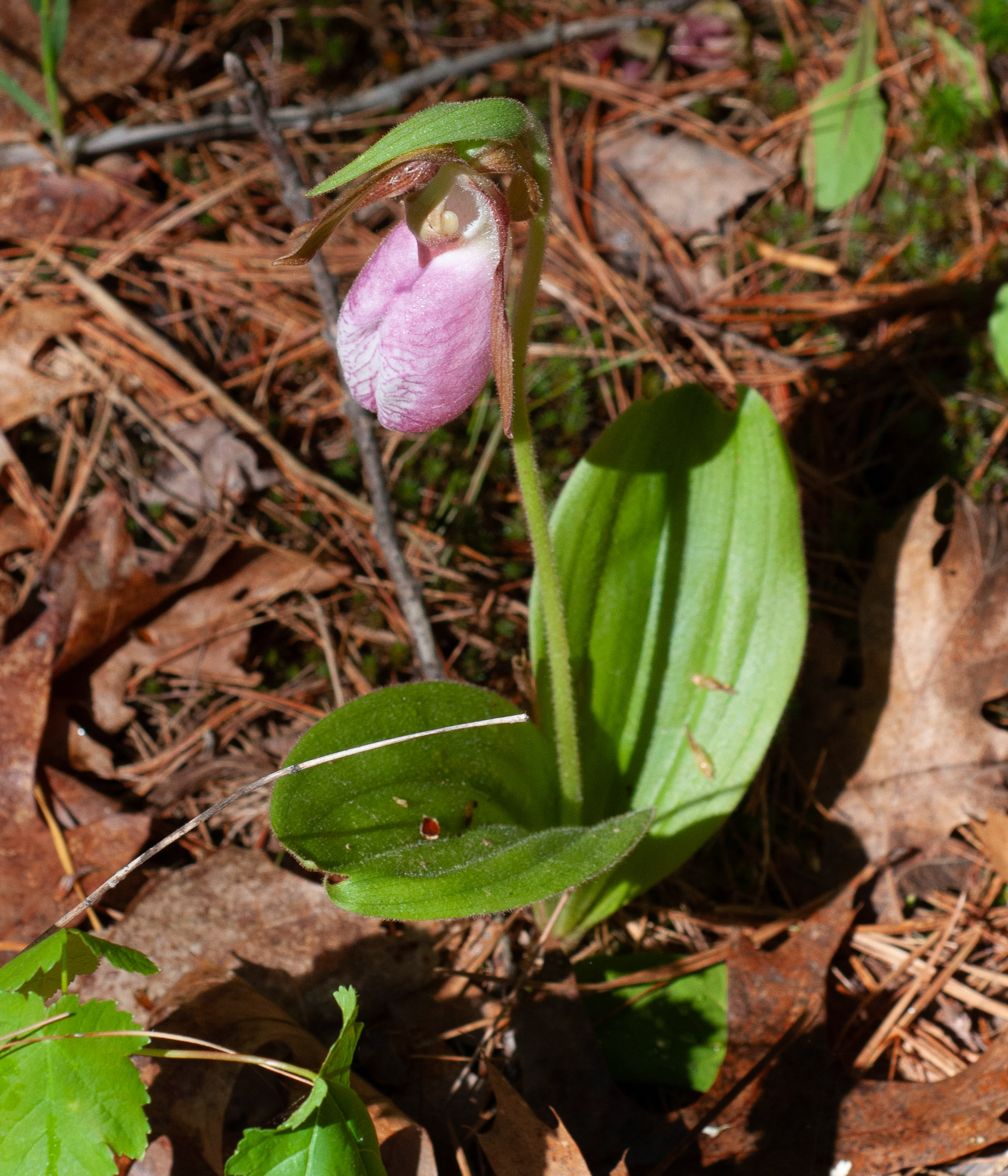
5/5/2010 · Nashua River Rail Trail, Pepperell, Massachusetts · ≈ 7 × 9″ (19 × 22 cm) 
| Kingdom | Plantae | Plants, but not fungi, lichens, or algae (from Stearn's Botanical Latin) |
| Subkingdom | Tracheobionta | Vascular plants—plants with a “circulatory system” for delivering water and nutrients |
| Division | Magnoliophyta | Flowering plants, also known as angiosperms |
| Class | Liliopsida | Monocots (plants with a single seed leaf); includes the lily family |
| Subclass | Liliidae | Includes lilies, orchids, and many others |
| Order | Asparagales | A diverse group that includes asparagus |
| Family | Orchidaceae | Orchid family |
| Genus | Cypripedium | Latinization (albeit an incorrect one) of ancient Greek words meaning “Venus’ shoe” |
| Species | acaule | From Latin for “stemless,” from the leafless stem of this species |
Cypripedium acaule description by Thomas H. Kent, not updated.

© FloraFinder.org. All rights reserved.