Renealmia usneoides L.
Tillandsia usneoides (L.) L.
Spanish moss
Spanish moss is neither Spanish nor moss. It is named because it resembles a beard lichen of the same name, but it isn’t a lichen either. It is an epiphyte—a plant that grows on other plants without actively parasitizing them. It is also called an air plant because it derives its water and nutritional needs directly from the air (well, sort of ... see below). Although Spanish moss doesn’t directly harm its host trees, it competes with them for sunlight, thus slowing their growth, so the distinction between epiphyte and parasite is somewhat blurred. Spanish moss used to be processed into “horsehair,” which was used to stuff furniture, car upholstery, and mattresses. Often it contains chiggers and various other small life forms, so careful handling doesn’t hurt.
Plants: Gray-green or gray-blue in color, growing in large twisting masses that resemble flowing beards, hanging from branches in lengt∑hs up to 20′ (6 m). They have no roots. It is especially common on oak and cypress trees.
Leaves: Slender stems have alternate, curving, scaly, linear leaflets ¾–2″ (2–6 cm) long and only 1/32″ (1 mm) around.
Flowers: Tiny, pale, blue-green, almost invisible.
Fruits: Small capsules. Even small fragments of the plant regrow, another method of spreading.
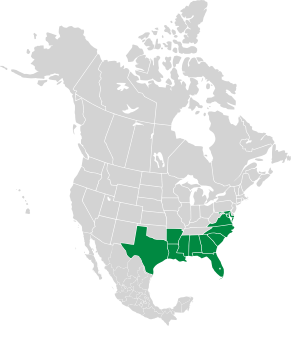
Habitats: Common in the southeastern United States, on southern live oak and bald cypress in lowlands, swamps, and marshes.
Spanish moss looks very similar not only to its namesake, California Spanish moss, but to other beard lichens. But Spanish moss grows in hot, humid environments in southeastern North America. Beard lichens prefer cool humid climates such as the Pacific Northwest and New England.
|
It’s a surprising realization. How can a plant grow without access to soil nutrients? Sure, sunlight is a big part of the answer, and so is water, as with all plants. Photosynthesis converts carbon dioxide from the air into usable energy for the plant, and rain water is woven into the structure of the plant cells and serves to transport nutrients and energy. Spanish moss lacks the roots most plants use to absorb water, but its foliage has evolved scales that trap and hold water until much of it is absorbed. But where do the trace elements normally found in soil come from? Spanish moss needs a lot of calcium and varying amounts of potassium, phosphorus, magnesium, and other elements. Some of these nutrients come dissolved in the rainwater, or are present as atmospheric dust, but not enough. This is easily proven because Spanish moss won’t grow just anywhere. It is most abundant on oak and cypress trees, near water, in soil that is high in calcium. Why should the soil matter? Because the “moss” is getting most of its nutrients from the soil ... indirectly. Through a process called foliar leaching, rainwater washes some of the nutrients out of the tree leaves, and Spanish moss has evolved to trap it. The plant favors oak and bald cypress because they leach more nutrients than most other trees. So Spanish moss and other epiphytes depend on their hosts for access to sunlight and for their nutrients. |
Online References:
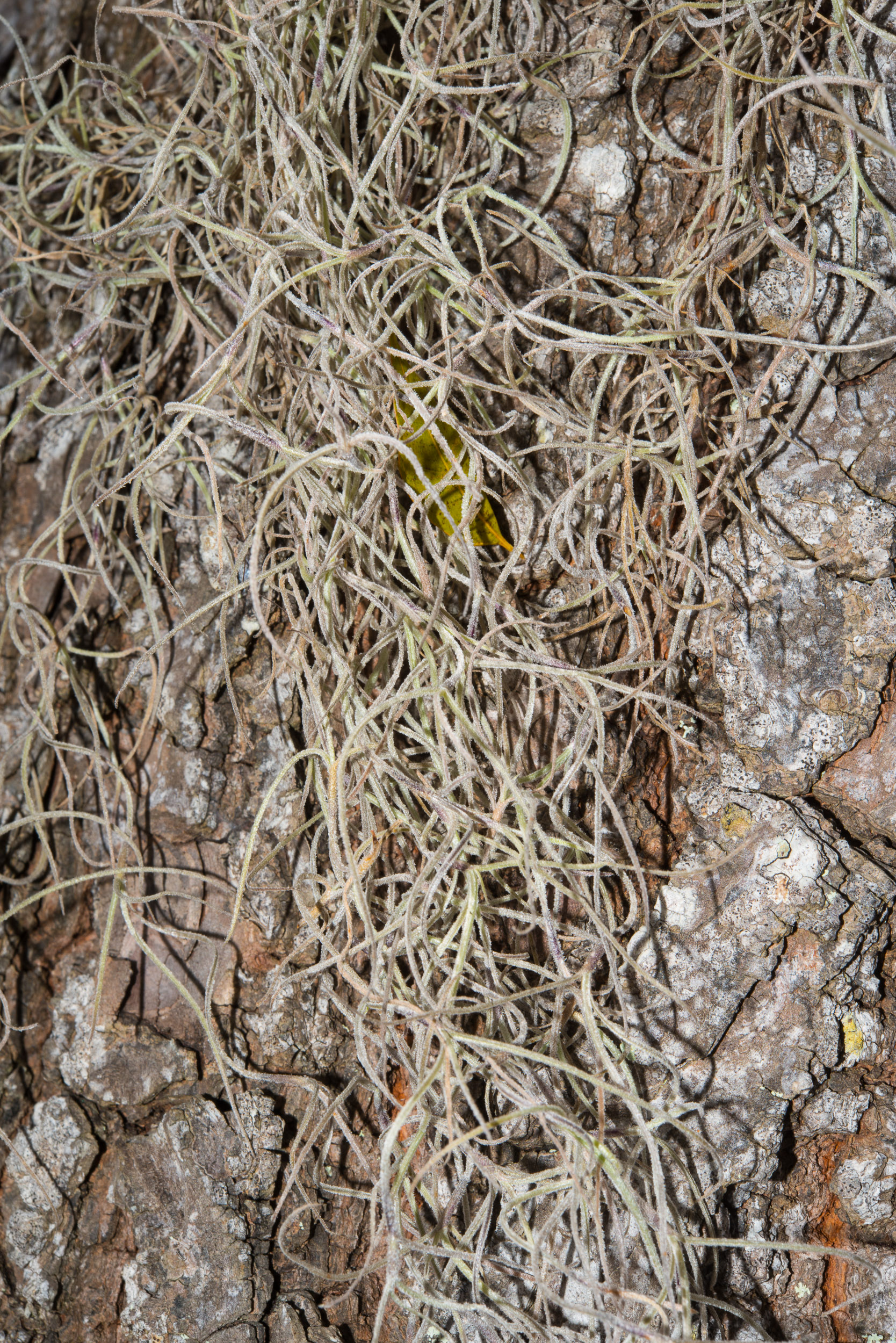
On southern live oak (Quercus virginiana) · 4/13/2015 · Flamingo Campground, Everglades National Park, Florida · ≈ 7 × 10″ (16 × 25 cm) 
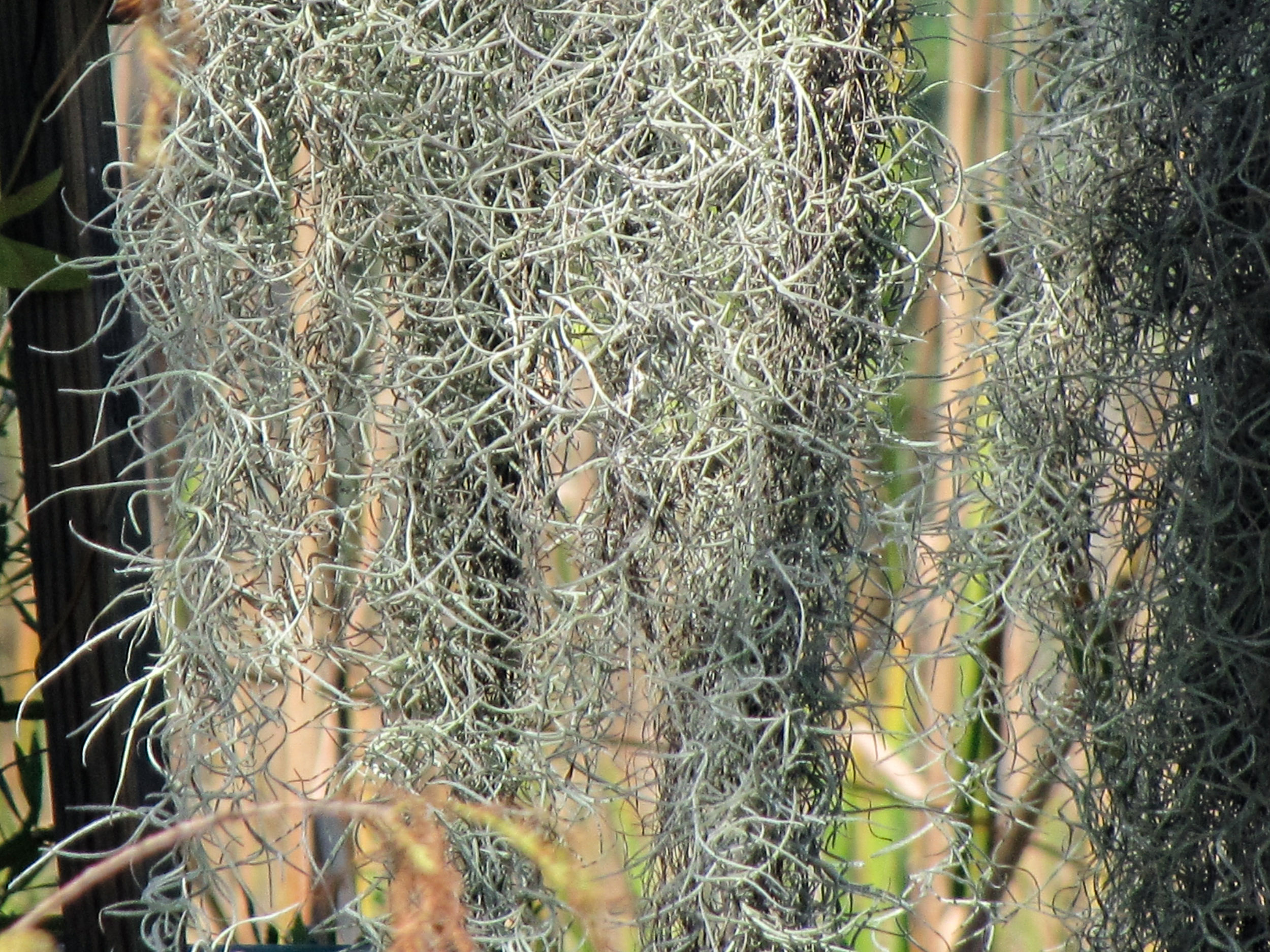
10/19/2011 · Marrero, Louisiana · By Heather A. Kent 

On southern live oak (Quercus virginiana) · 4/13/2015 · Flamingo Campground, Everglades National Park, Florida 

10/19/2011 · Marrero, Louisiana · By Heather A. Kent 

10/25/2012 · By Jacquelyn Boyt 
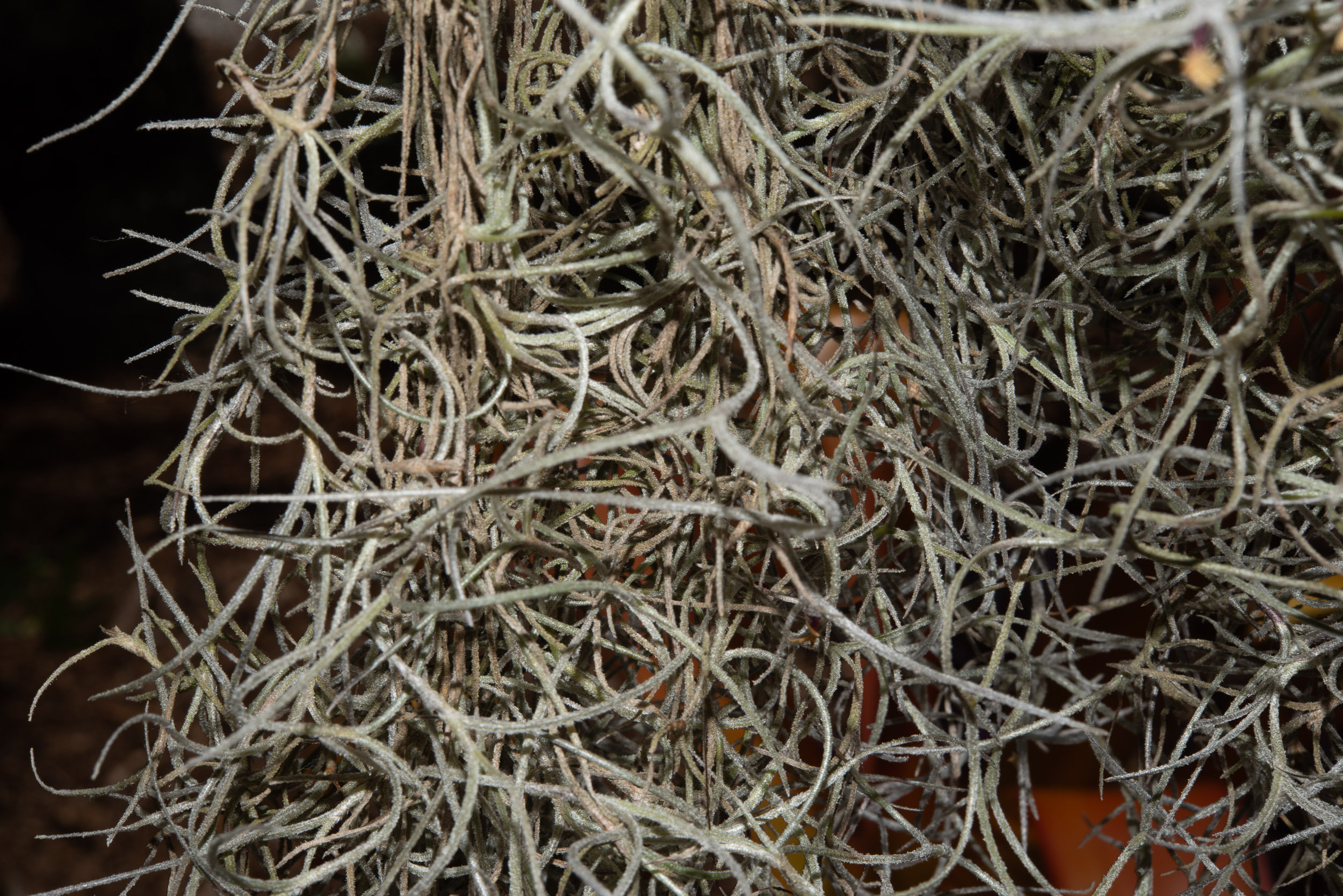
4/10/2015 · Naples Botanical Garden, Naples, Florida · ≈ 9 × 6″ (22 × 15 cm) 
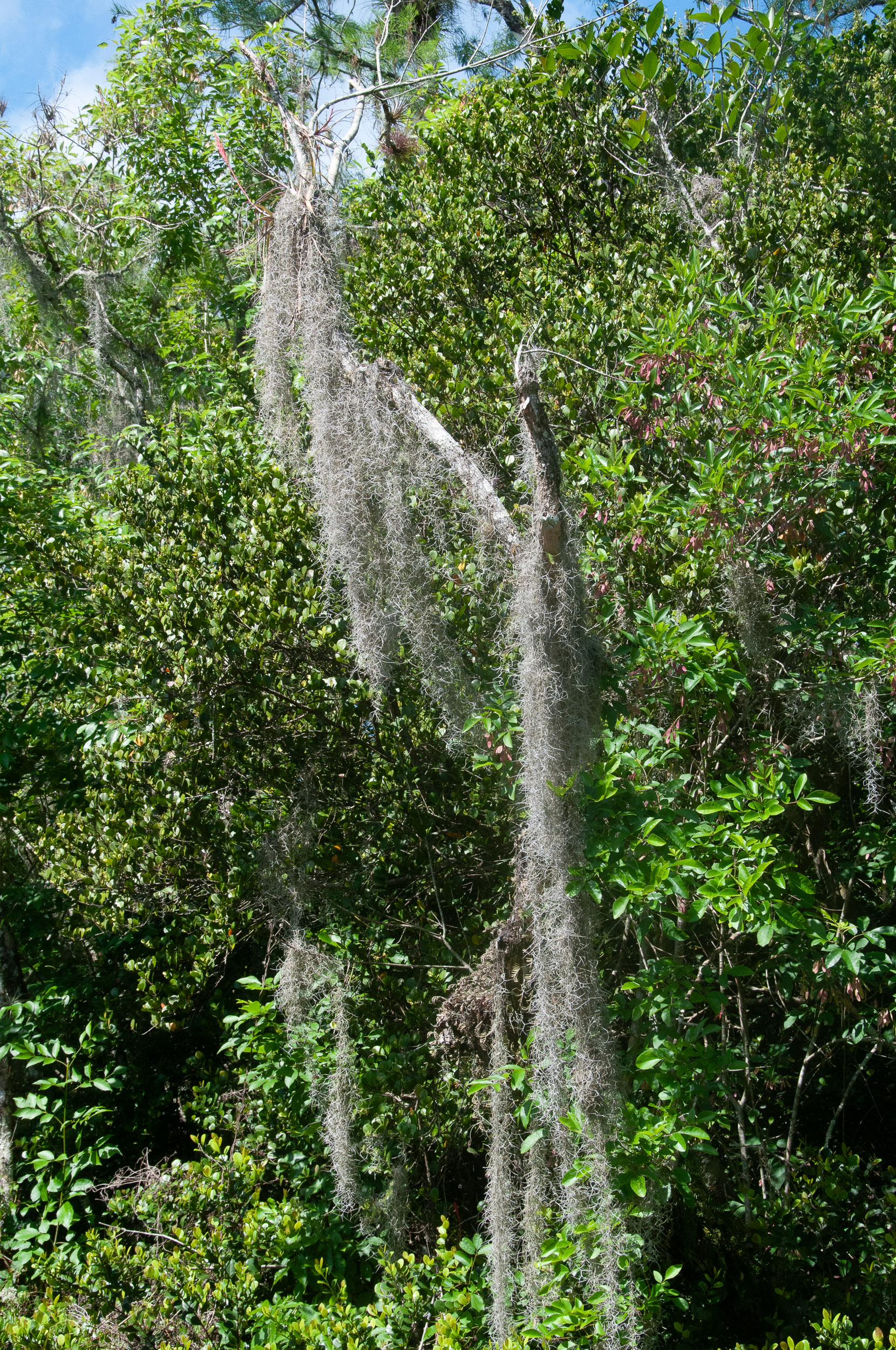
4/15/2015 · Kirby S. Storter Park, Florida 
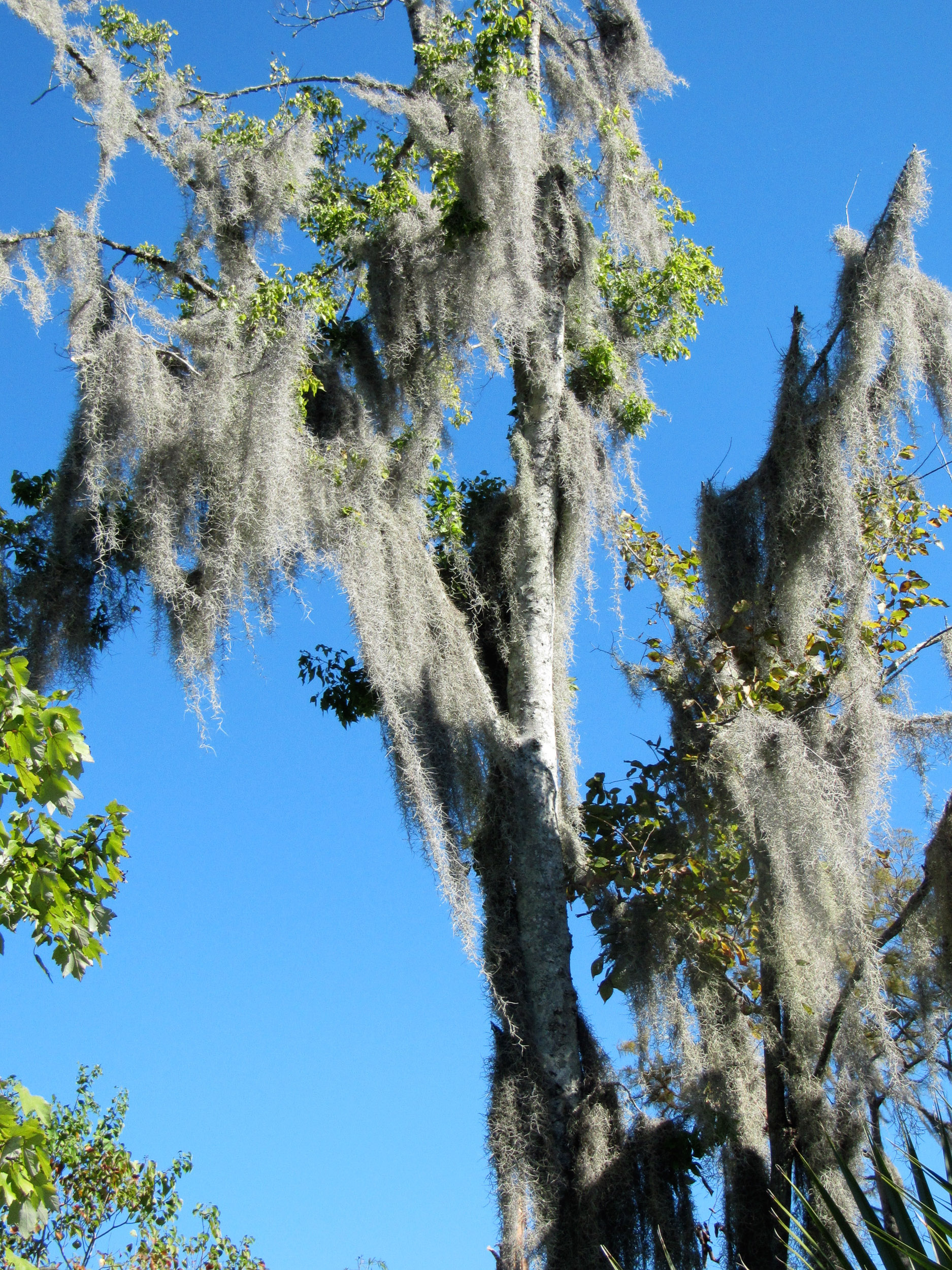
10/19/2011 · Marrero, Louisiana · By Heather A. Kent 
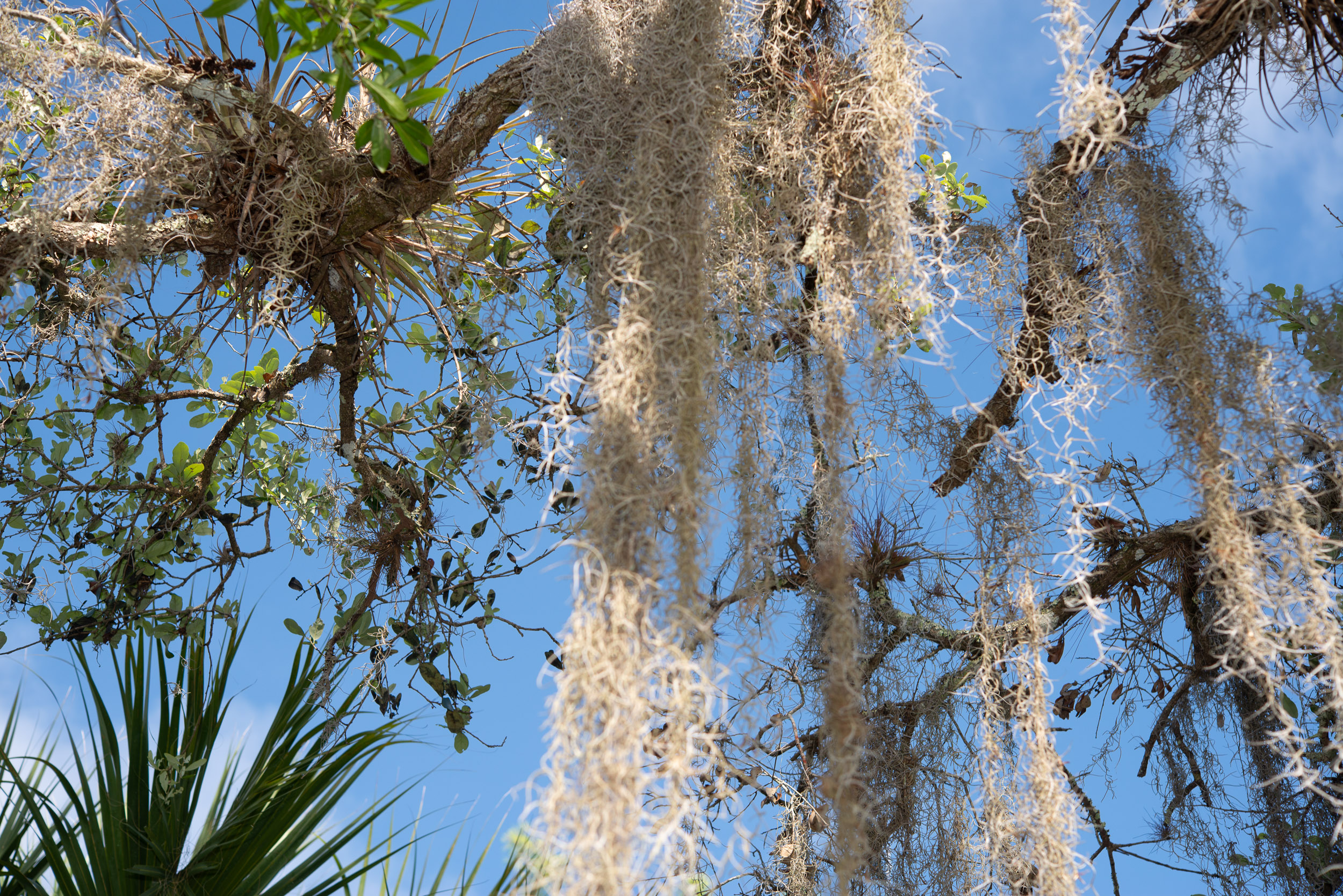
On southern live oak (Quercus virginiana) · 4/11/2015 · Big Cypress Bend, Fakahatchee Strand Preserve State Park, Florida 
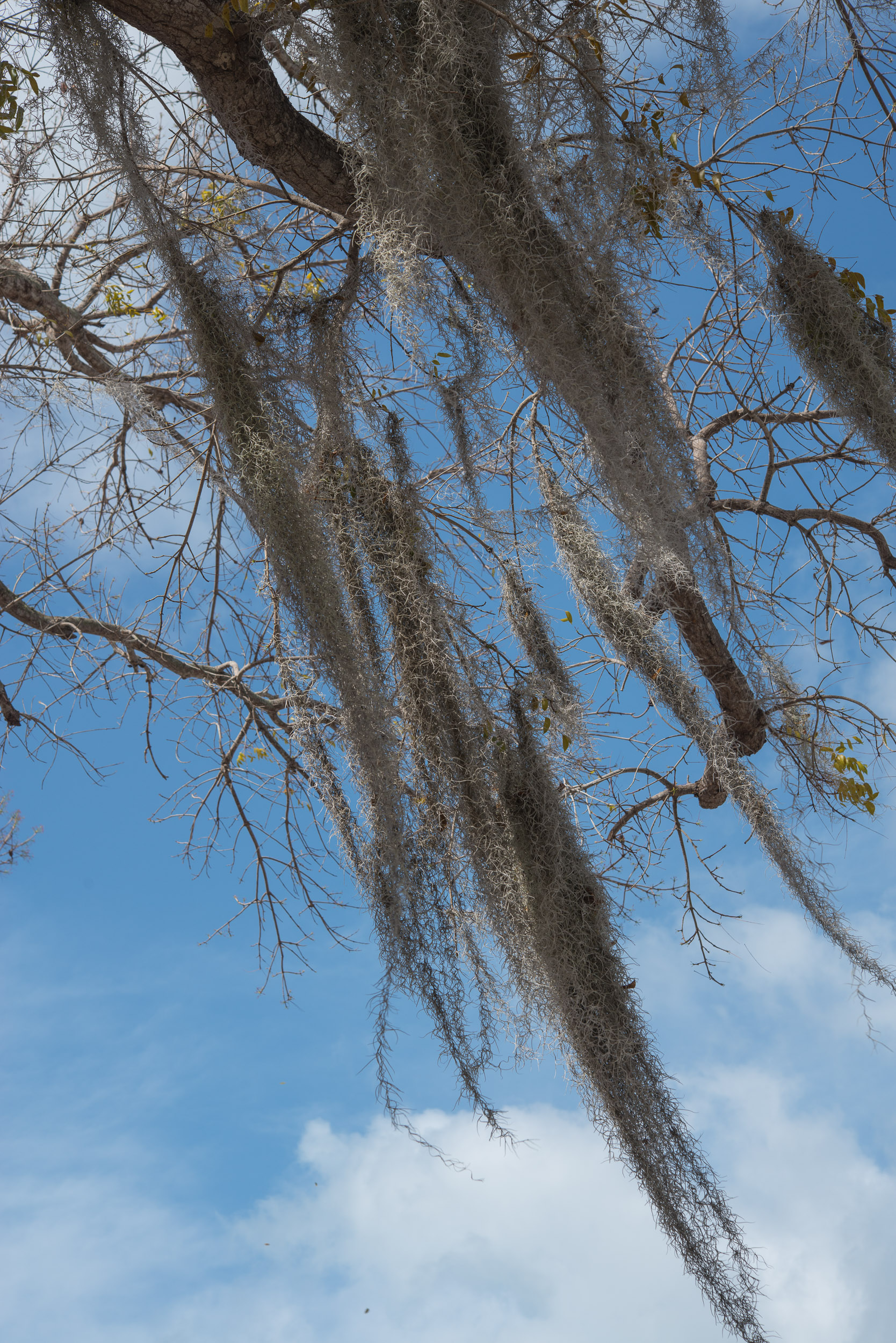
On southern live oak (Quercus virginiana) · 4/13/2015 · Flamingo Campground, Everglades National Park, Florida 
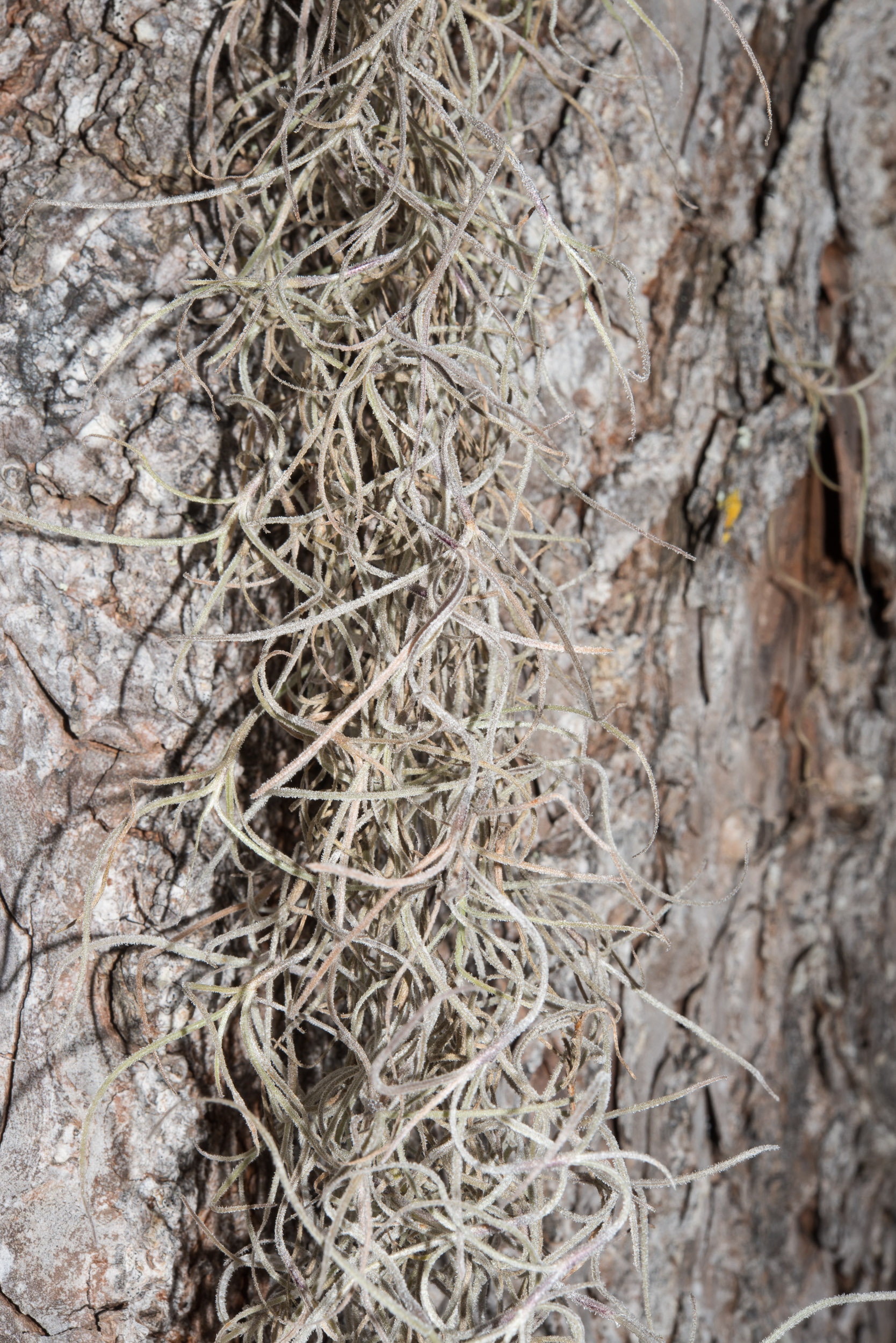
On southern live oak (Quercus virginiana) · 4/13/2015 · Flamingo Campground, Everglades National Park, Florida · ≈ 6 × 9″ (16 × 23 cm) 
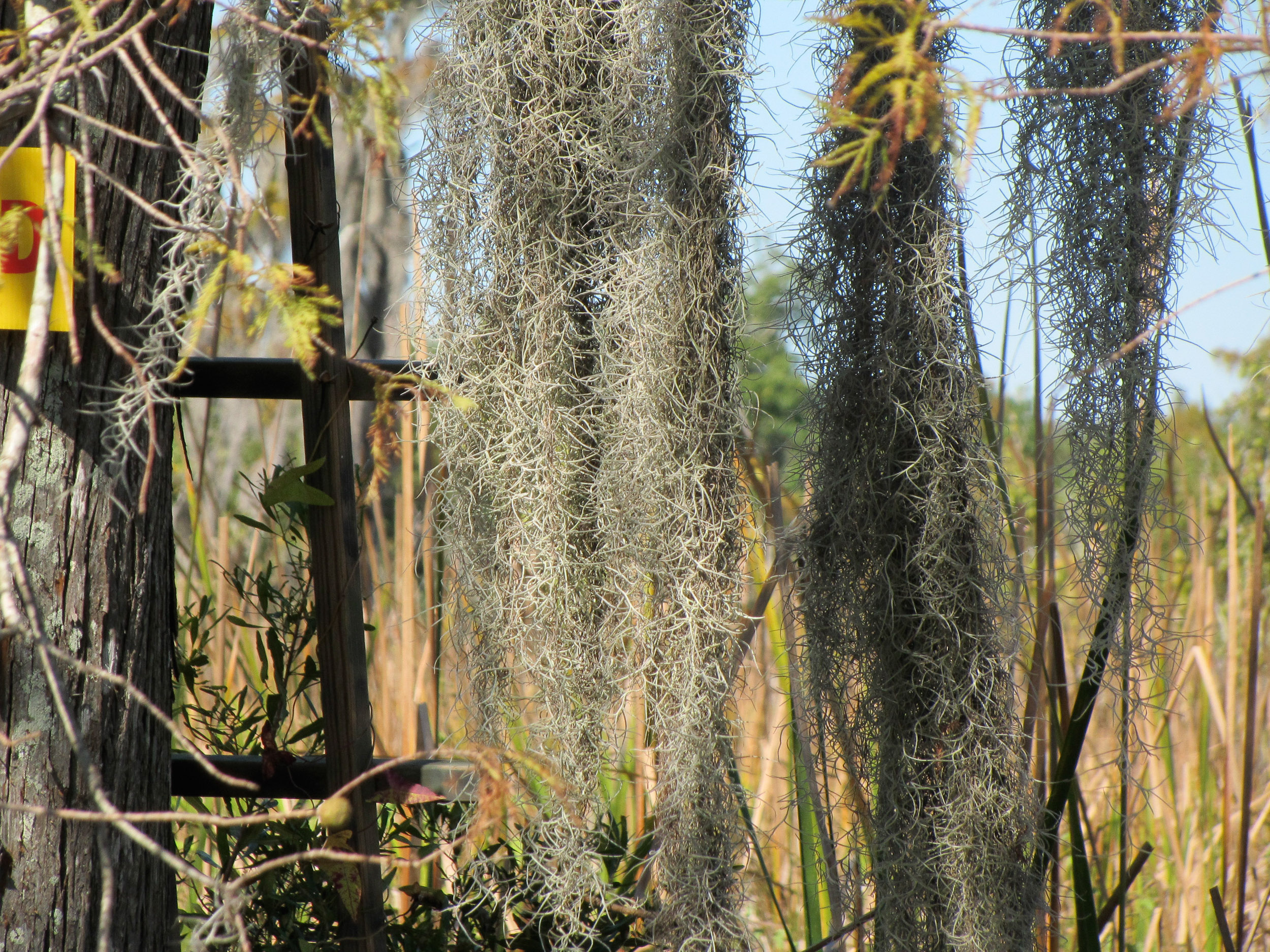
10/19/2011 · Marrero, Louisiana · By Heather A. Kent 
| Kingdom | Plantae | Plants, but not fungi, lichens, or algae (from Stearn's Botanical Latin) |
| Subkingdom | Tracheobionta | Vascular plants—plants with a “circulatory system” for delivering water and nutrients |
| Division | Magnoliophyta | Flowering plants, also known as angiosperms |
| Class | Liliopsida | Monocots (plants with a single seed leaf); includes the lily family |
| Subclass | Zingiberidae | Gingers and related plants |
| Order | Bromeliales | Bromeliads: tropical plants adapted to limited water, often epiphytes |
| Family | Bromeliaceae | Bromelias: tropical and subtropical plants, the best known being pineapple |
| Genus | Tillandsia | For Elias Tillands (1640-1693), Finno-Swedish botanist |
| Species | usneoides | Resembling Usnea lichens (old man’s beard) |
Tillandsia usneoides description by Thomas H. Kent, not updated.

© FloraFinder.org. All rights reserved.