Aegopodium podagraria L.
Ground elder, herb gerard, bishop’s weed, goutweed, gout wort, snow-in-the-mountain, English masterwort, wild masterwort, bishop’s goutweed
Native to Europe and Asia, ground elder is naturalized or even invasive in parts of North America. They are planted in gardens, but they spread aggressively and are difficult to control.
Plants: Up to 4–39″ (10–100 cm), with erect, hollow, grooved stems.
Leaves: Ground elder leaves somewhat resemble those of elderberries, hence the name. Upper leaves occur in triples (“ternate”), each leaf 1–3″ (2.5–7.6 cm) long, and toothed. Garden variants are often variegated, but wild leaves are all green.
Flowers: Large umbrella-shaped umbels of flowers are in turn split into secondary umbels called umbellets. Each umbel is 2–4½″ (6–12 cm) around. Each umbellet has 15 to 20 stems (“pedicels”), each topped with a tiny white flower with five petals.
Fruits: 1/16–⅛″ (3–4 mm) long.
Habitats: Disturbed habitats, floodplains, forests, meadows, and fields.
Edibility: Leaves are edible raw or cooked, with a flavor likened to celery or lemon and parsley. Like spinach, they cook down a lot, but they can be used in soups, stews, or salads.
Online References:
Invasive.org, Center for Invasive Species and Ecosystem Health (Invasive potential)
Aegopodium podagraria L. var. variegatum L.H. Bailey

6/22/2017 · Garden in the Woods, Framingham, Massachusetts · ≈ 6 × 4″ (16 × 10 cm) 

6/23/2012 · Nashua River Rail Trail, East Pepperell, Pepperell, Massachusetts · ≈ 8 × 5″ (19 × 13 cm)  ID is uncertain

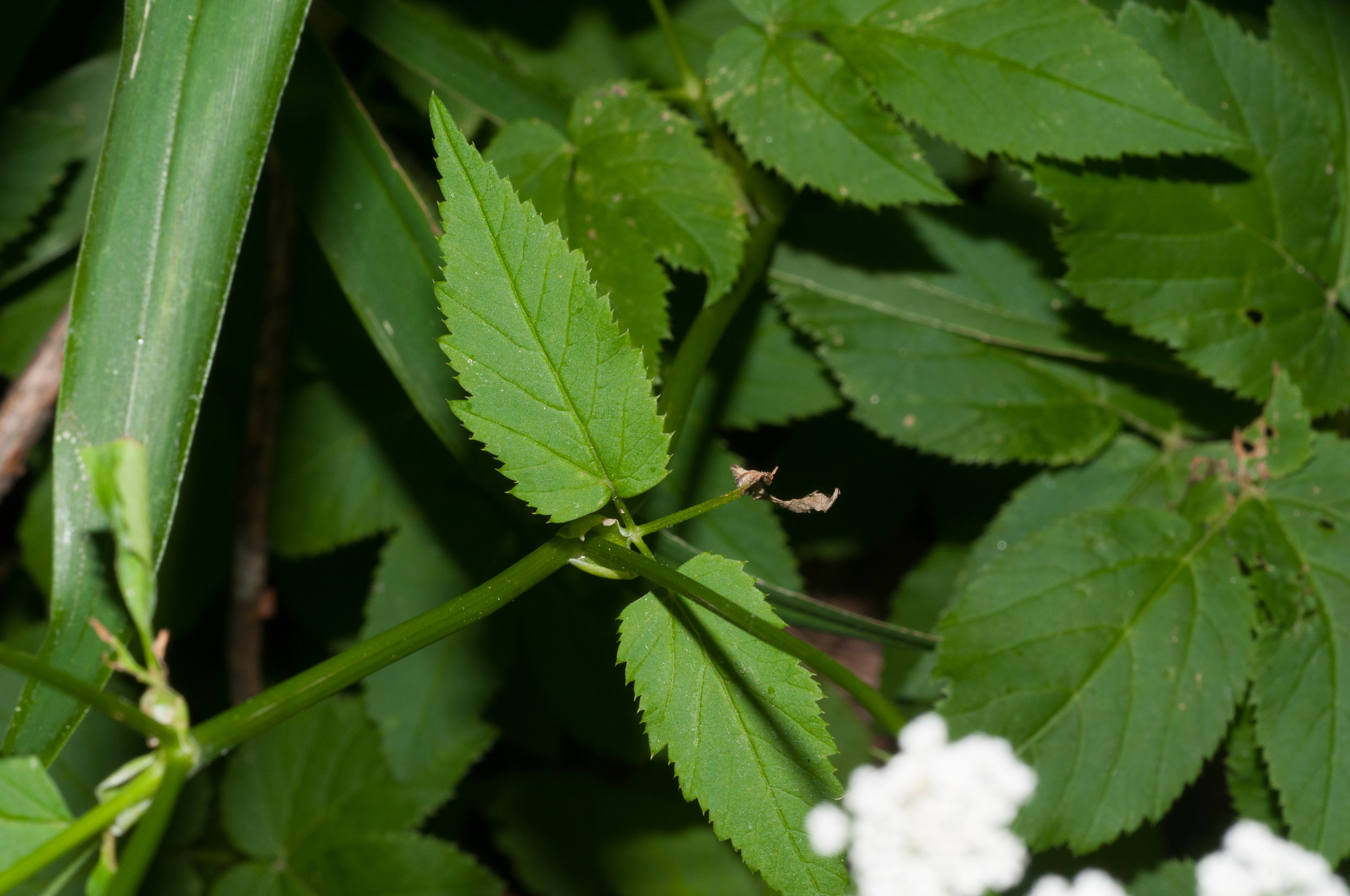
6/23/2012 · Nashua River Rail Trail, East Pepperell, Pepperell, Massachusetts · ≈ 7 × 4½″ (17 × 11 cm) ID is uncertain 
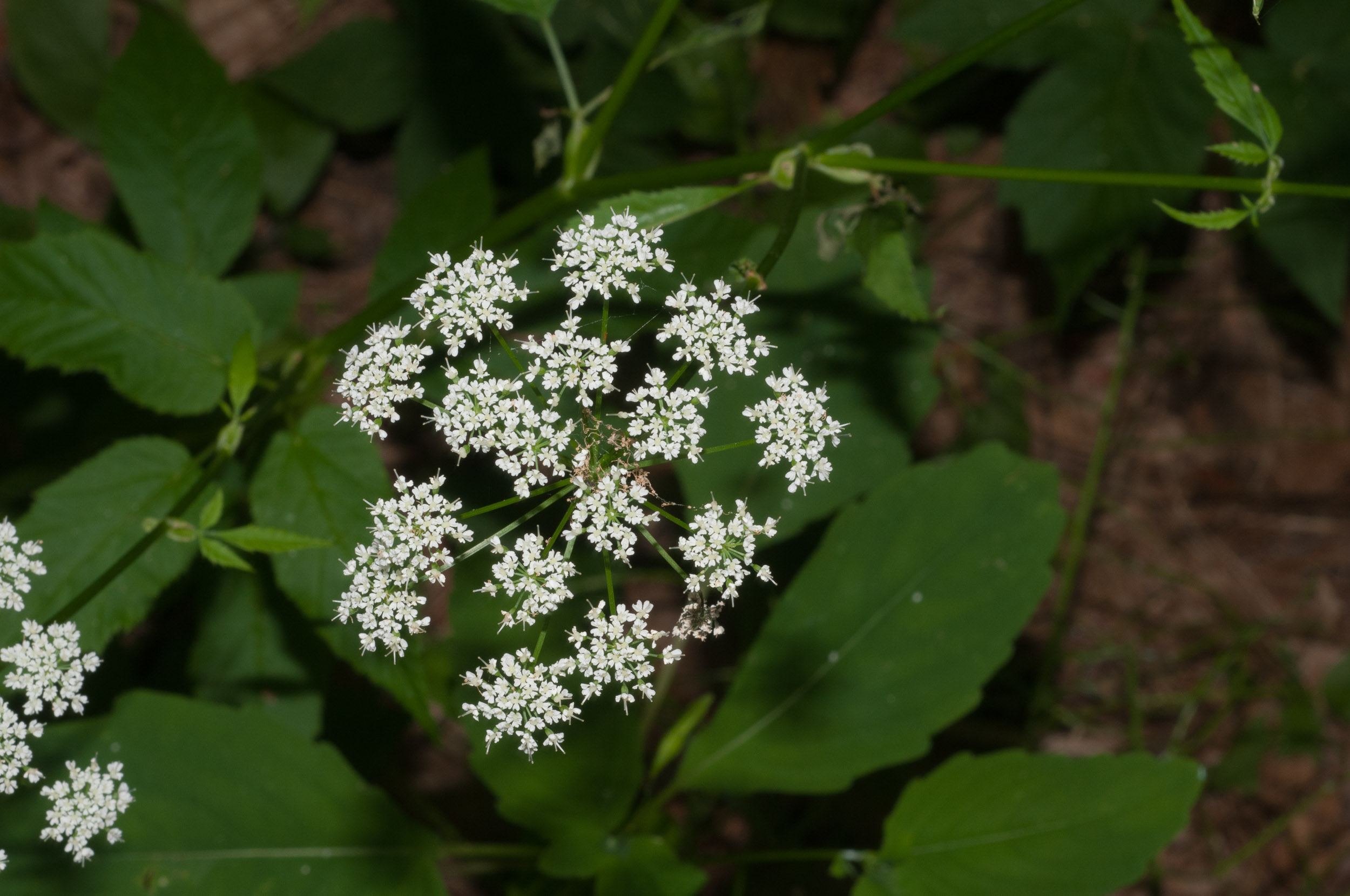
6/23/2012 · Nashua River Rail Trail, East Pepperell, Pepperell, Massachusetts · ≈ 8 × 5″ (19 × 13 cm) ID is uncertain 
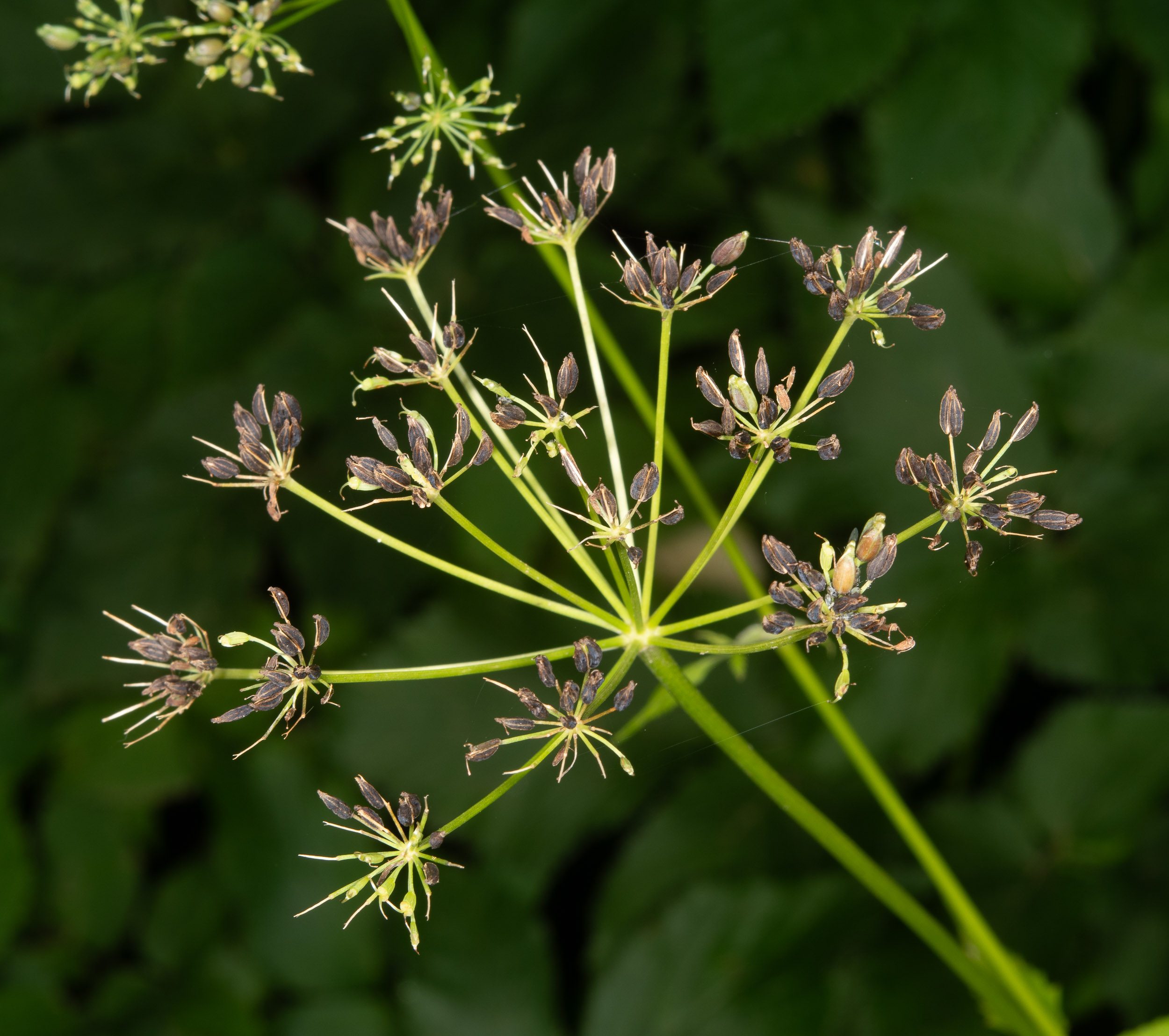
8/7/2017 · Groton Rail Trail, Groton Center, Groton, Massachusetts · ≈ 5 × 4″ (12 × 11 cm) 
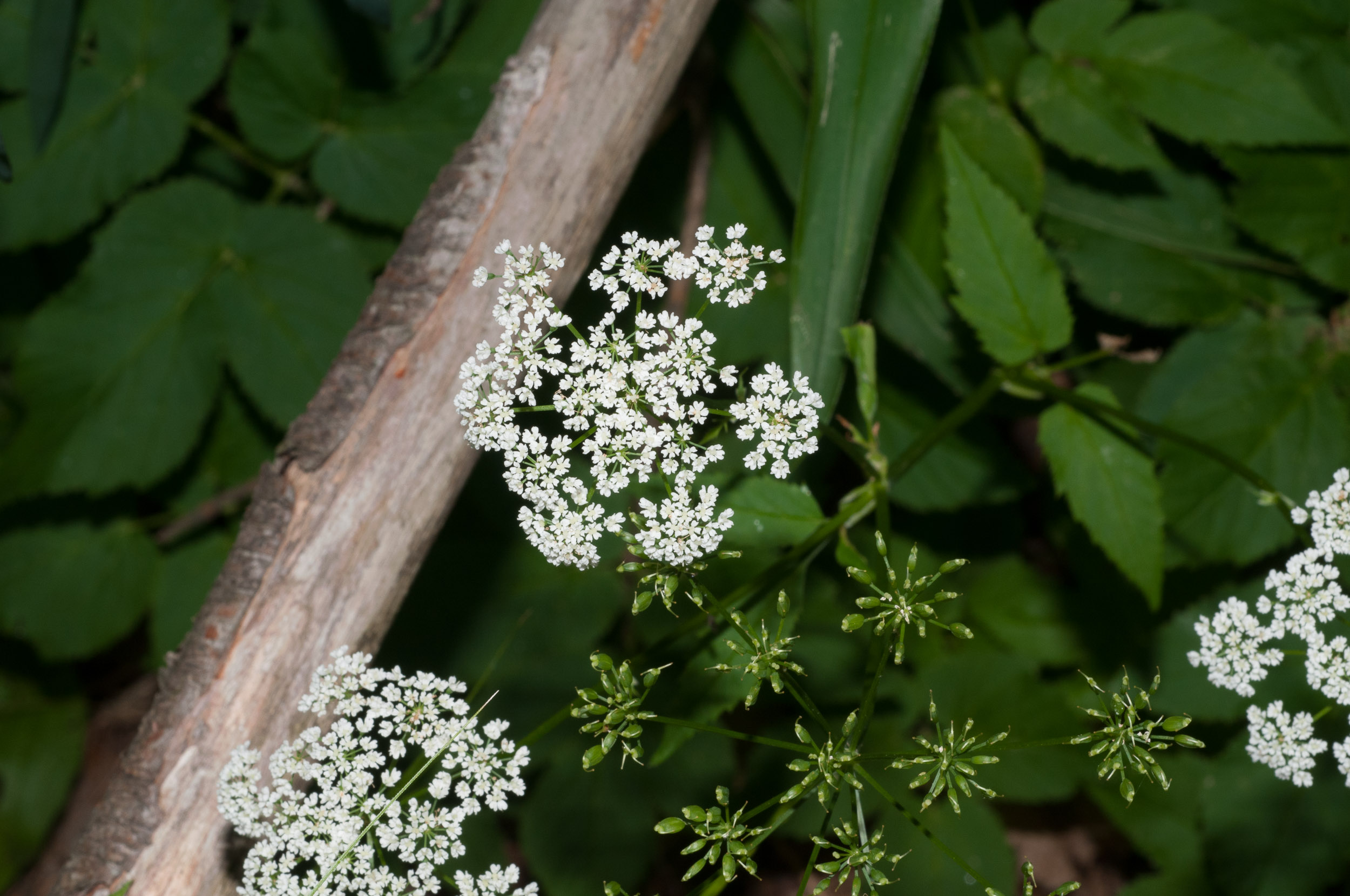
6/23/2012 · Nashua River Rail Trail, East Pepperell, Pepperell, Massachusetts · ≈ 8 × 5″ (19 × 13 cm) ID is uncertain 
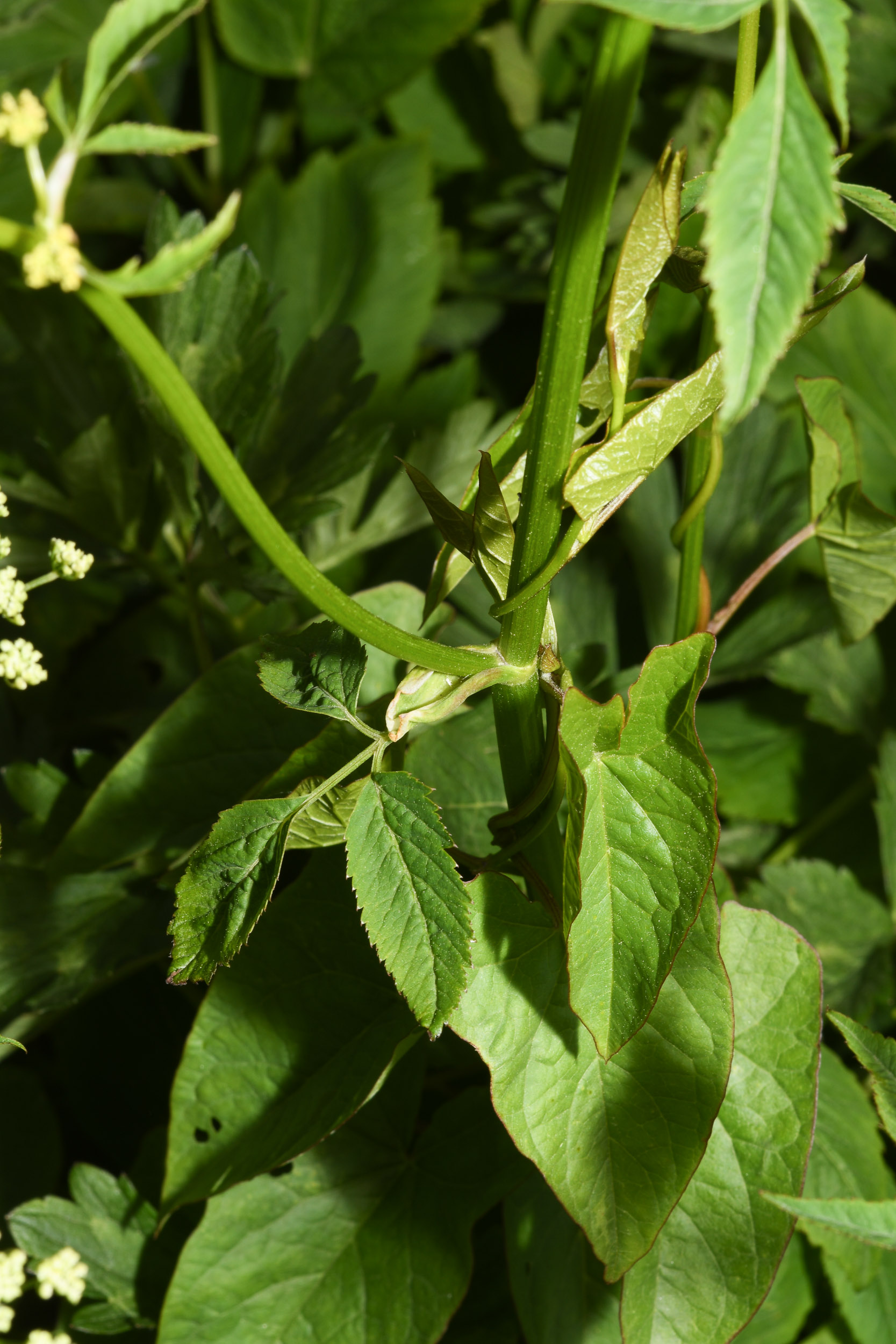
6/9/2016 · Monhegan Island, Maine 

6/9/2016 · Monhegan Island, Maine 

6/22/2016 · Nashua River Rail Trail, Groton Center, Groton, Massachusetts 
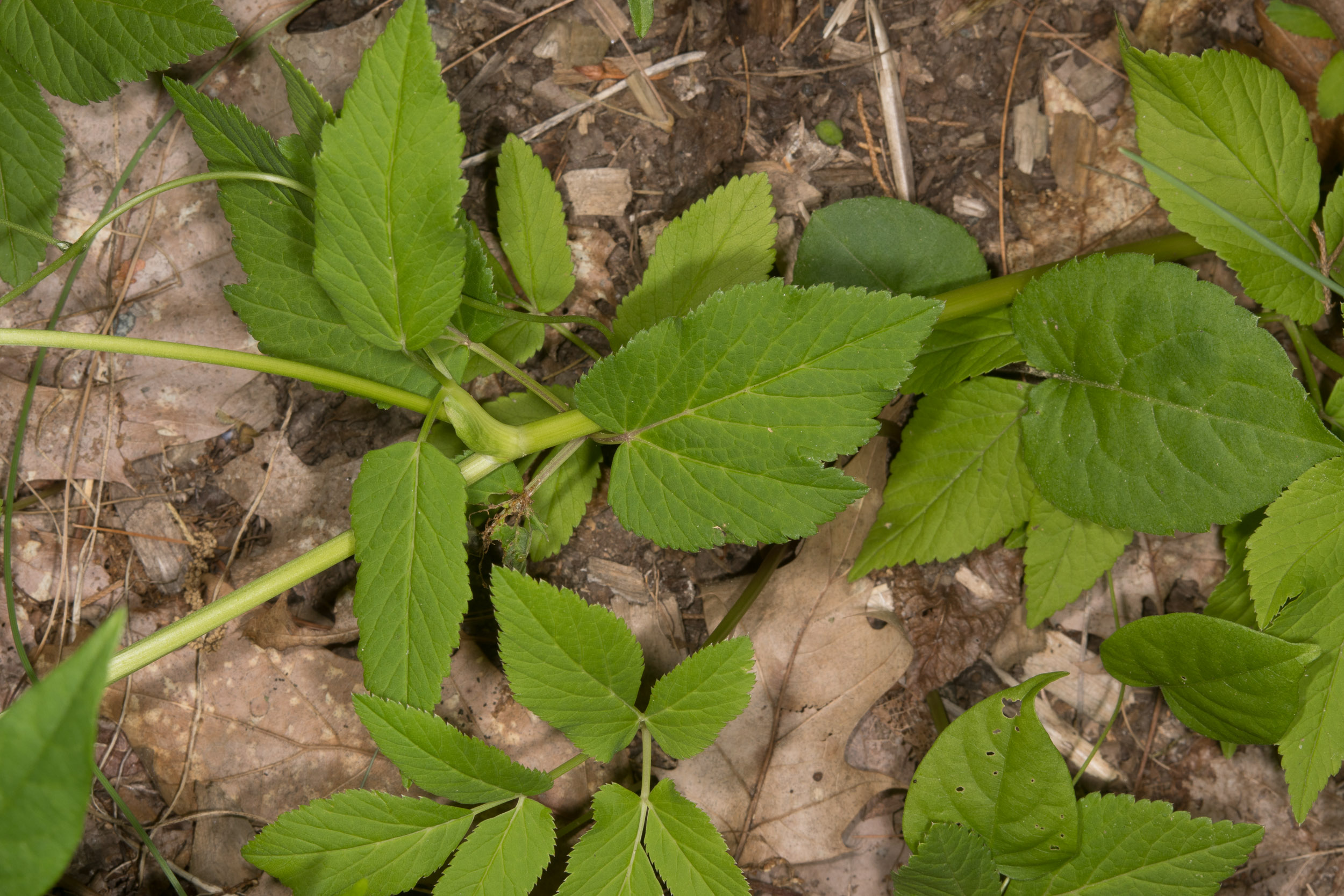
6/22/2017 · Garden in the Woods, Framingham, Massachusetts · ≈ 10 × 6″ (24 × 16 cm) 

6/22/2016 · Nashua River Rail Trail, Groton Center, Groton, Massachusetts 

6/9/2016 · Monhegan Island, Maine 

6/9/2016 · Monhegan Island, Maine 
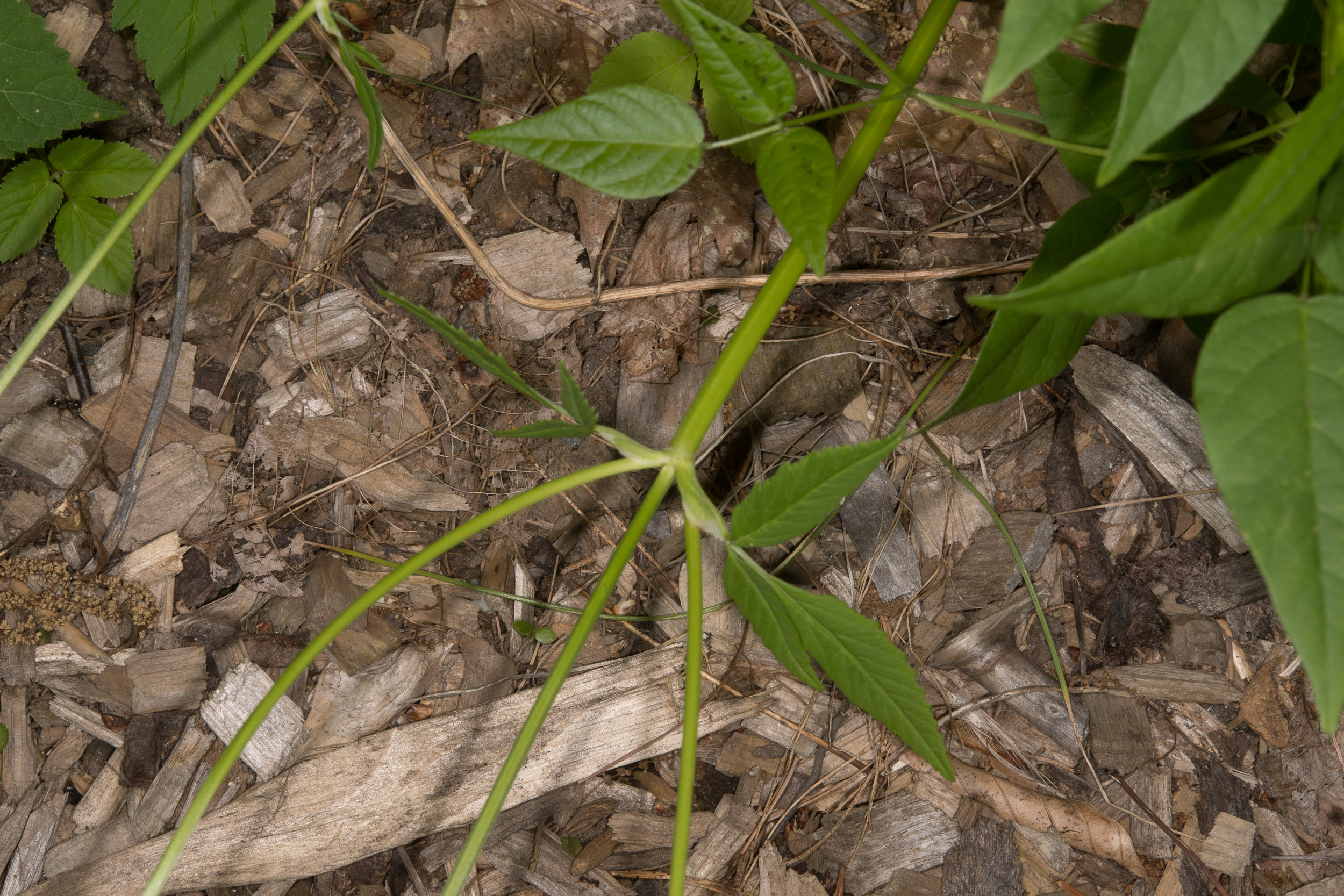
6/22/2017 · Garden in the Woods, Framingham, Massachusetts · ≈ 12 × 8″ (31 × 20 cm) 
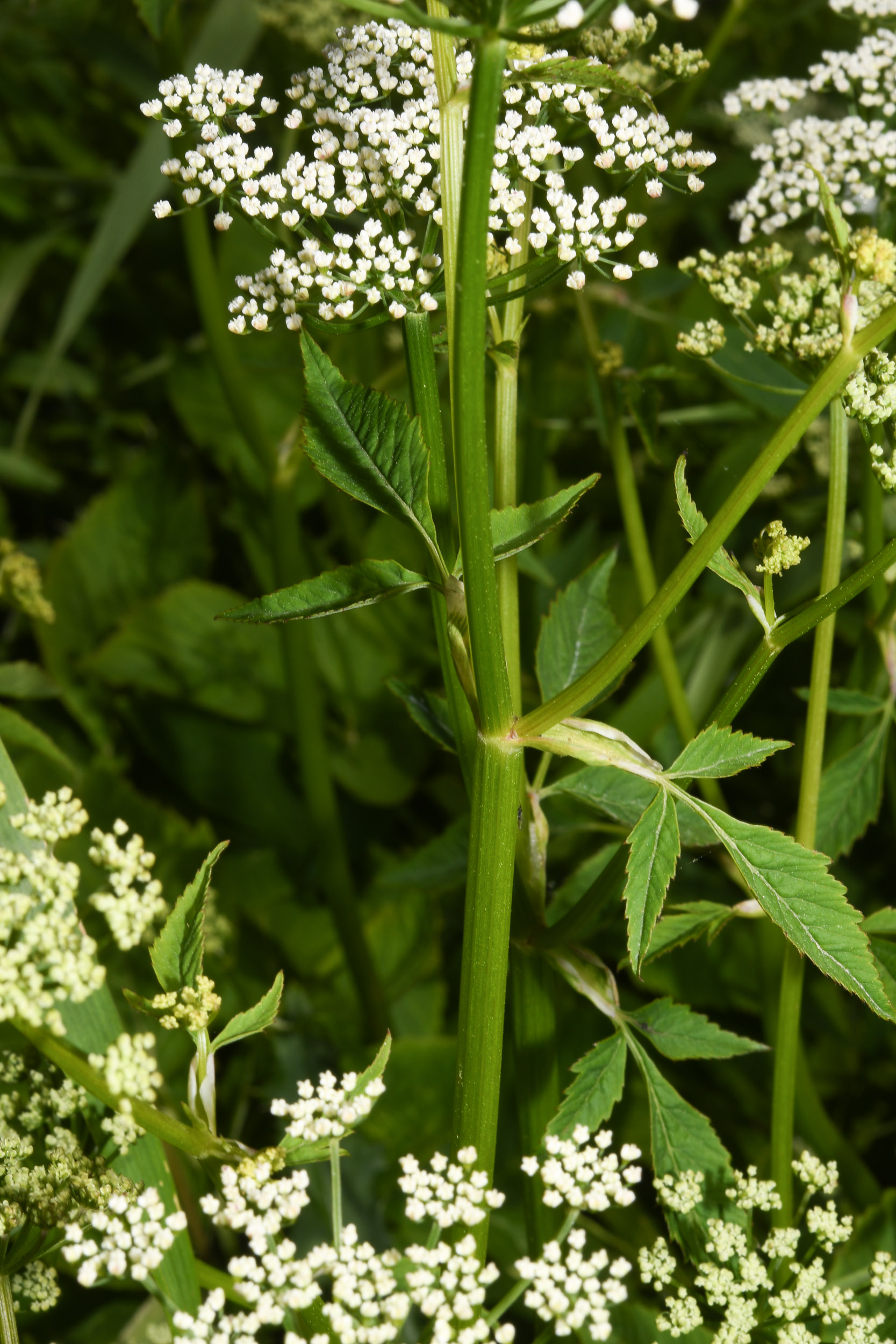
6/9/2016 · Monhegan Island, Maine 

6/22/2016 · Nashua River Rail Trail, Groton Center, Groton, Massachusetts 
| Kingdom | Plantae | Plants, but not fungi, lichens, or algae (from Stearn's Botanical Latin) |
| Subkingdom | Tracheobionta | Vascular plants—plants with a “circulatory system” for delivering water and nutrients |
| Division | Magnoliophyta | Flowering plants, also known as angiosperms |
| Class | Magnoliopsida | Dicotyledons—plants with two initial seed leaves |
| Subclass | Asteridae | A large class that encompasses asters |
| Order | Apiales | Includes carrots, celery, parsley, and ivy |
| Family | Apiaceae | Carrot or parsley family, also includes angelica, anise, caraway, celery, chervil, cicely, coriander/cilantro, cumin, dill, fennel, hemlock, lovage, Queen Anne’s Lace, parsnip |
| Genus | Aegopodium | From Greek aigos, “goat,” and pous or podos, meaning foot, probably referring to the shape of its leaves |
| Species | podagraria | From podágra gotta (from Greek πούς, ποδός, pous, pódos, “foot,” and αγρεύω agreúo cocciare: “that hunts gout”—a remedy that cures the gout of the human foot |

Aegopodium podagraria description by Thomas H. Kent, not updated.

© FloraFinder.org. All rights reserved.