Asclepias incarnata L.
Swamp milkweed, rose milkweed, swamp silkweed, white Indian hemp, scarlet milkweed
Swamp milkweed is a North American native plant with a fondess for mucky soils.
Plants: Erect, 3–5′ (1–1.5 m) in height, often occurring in clumps. Stems are usually branched, green or often purple in color. Like other milkweeds, stems and leaves emit a milky latex that contains a toxic brew that helps to protect the plant from predators. Swamp milkweeds produce less of this sap than the other species though.
Leaves: Opposite, lanceolate, 2½–6″ (7–15 cm) long, with smooth edges and pinnate, featherlike veins. They have sharp tips and rounded bases.
Flowers: Flowerheads are rounded umbels composed of many pink to mauve to dark purple (rarely white) flowers. Flowers are five-petaled, with a cinnamon-like fragrance, and appear from June to October.
Fruits: Seed pods are green, up to 4½″ (12 cm) long. They split open when dry, releasing large numbers of seeds, each on a silken parachute.
Habitats: Rich, wet, very muddy soils.
Edibility: Poisonous  All parts of the plant contain cardiac
glycosides and resinoids, making it moderately poisonous. Vomiting, stupor, weakness and spasms are among the symptoms.
All parts of the plant contain cardiac
glycosides and resinoids, making it moderately poisonous. Vomiting, stupor, weakness and spasms are among the symptoms.
Online References:
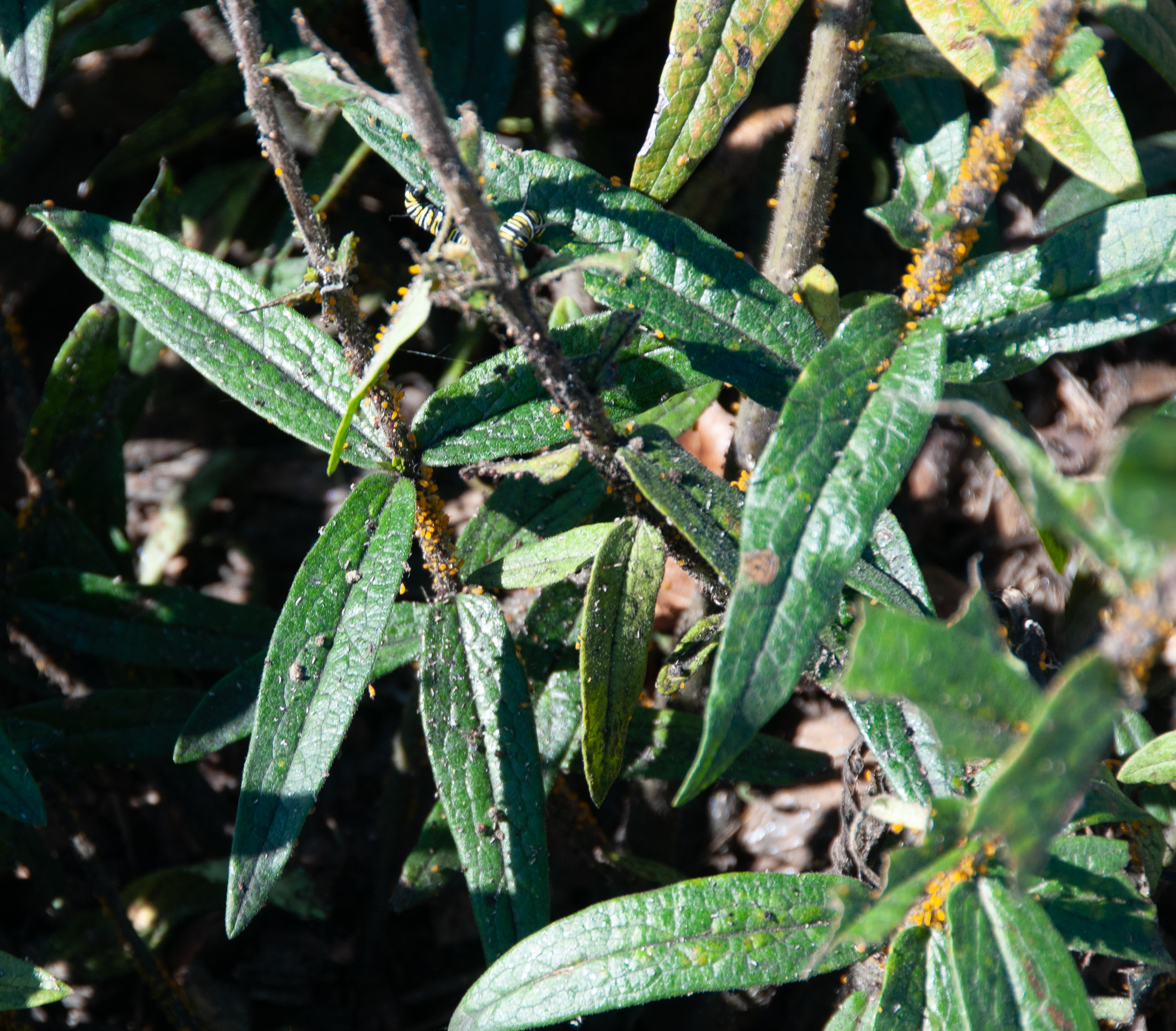
The yellow bugs are Aphis nerii (yellow milkweed aphid). If you look closely, you can also make out monarch caterpillars, with their yellow, white, and black stripes. · 9/23/2017 · Summit of Mt. Agamenticus, York, Maine · ≈ 5 × 4½″ (13 × 11 cm) 

9/22/2013 · Squannacook River Wildlife Management Area, off route 119, Townsend, Massachusetts · ≈ 5 × 8″ (12 × 19 cm)  ID is uncertain
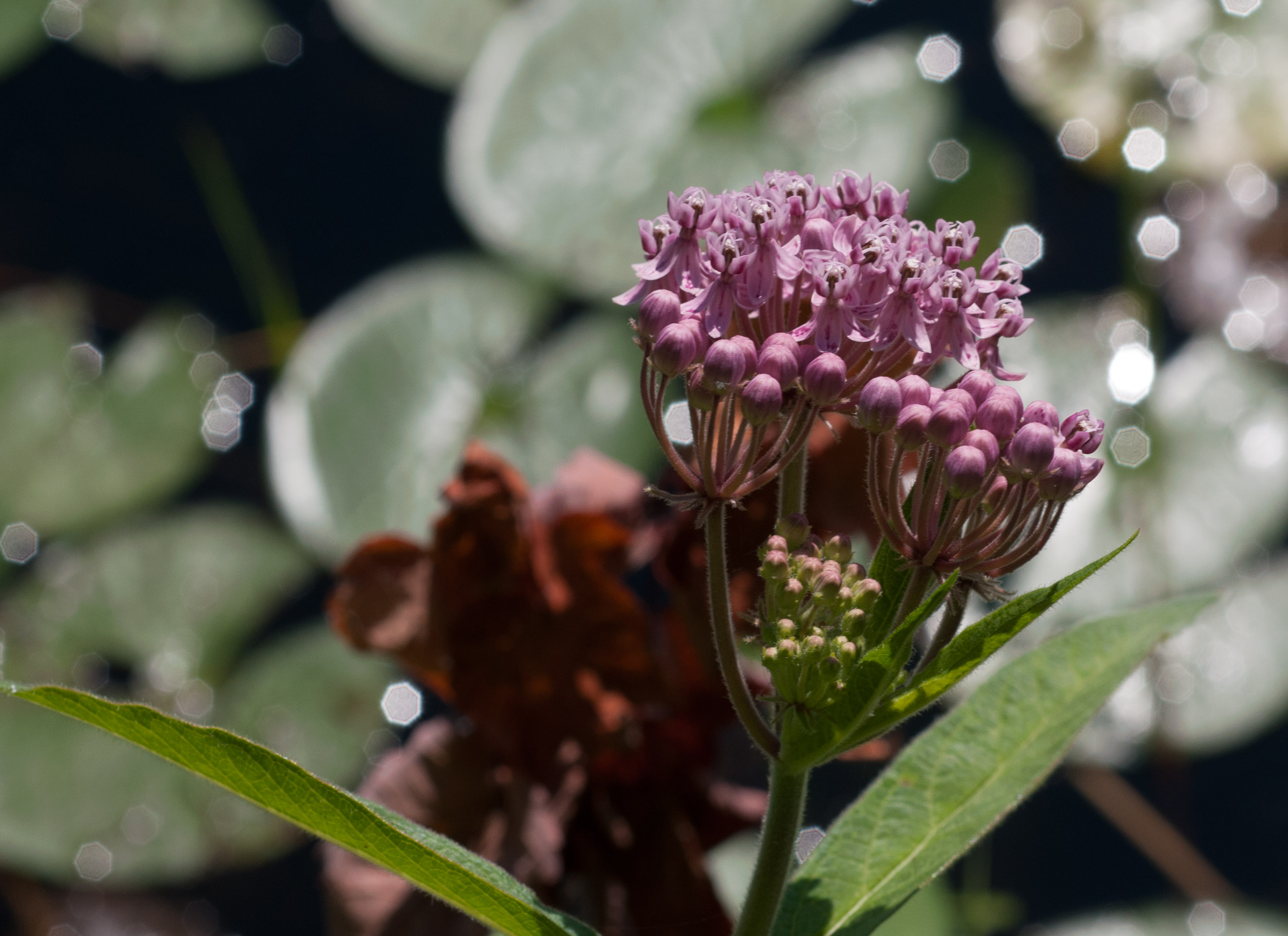
7/11/2012 · Jeff Smith Trail, Pepperell, Massachusetts · ≈ 6 × 4½″ (15 × 11 cm) ID is uncertain 

7/11/2012 · Jeff Smith Trail, Pepperell, Massachusetts · ≈ 17 × 12″ (44 × 29 cm) ID is uncertain 

6/15/2010 · Garden in the Woods, Framingham, Massachusetts · ≈ 4½ × 6″ (11 × 15 cm) ID is uncertain 
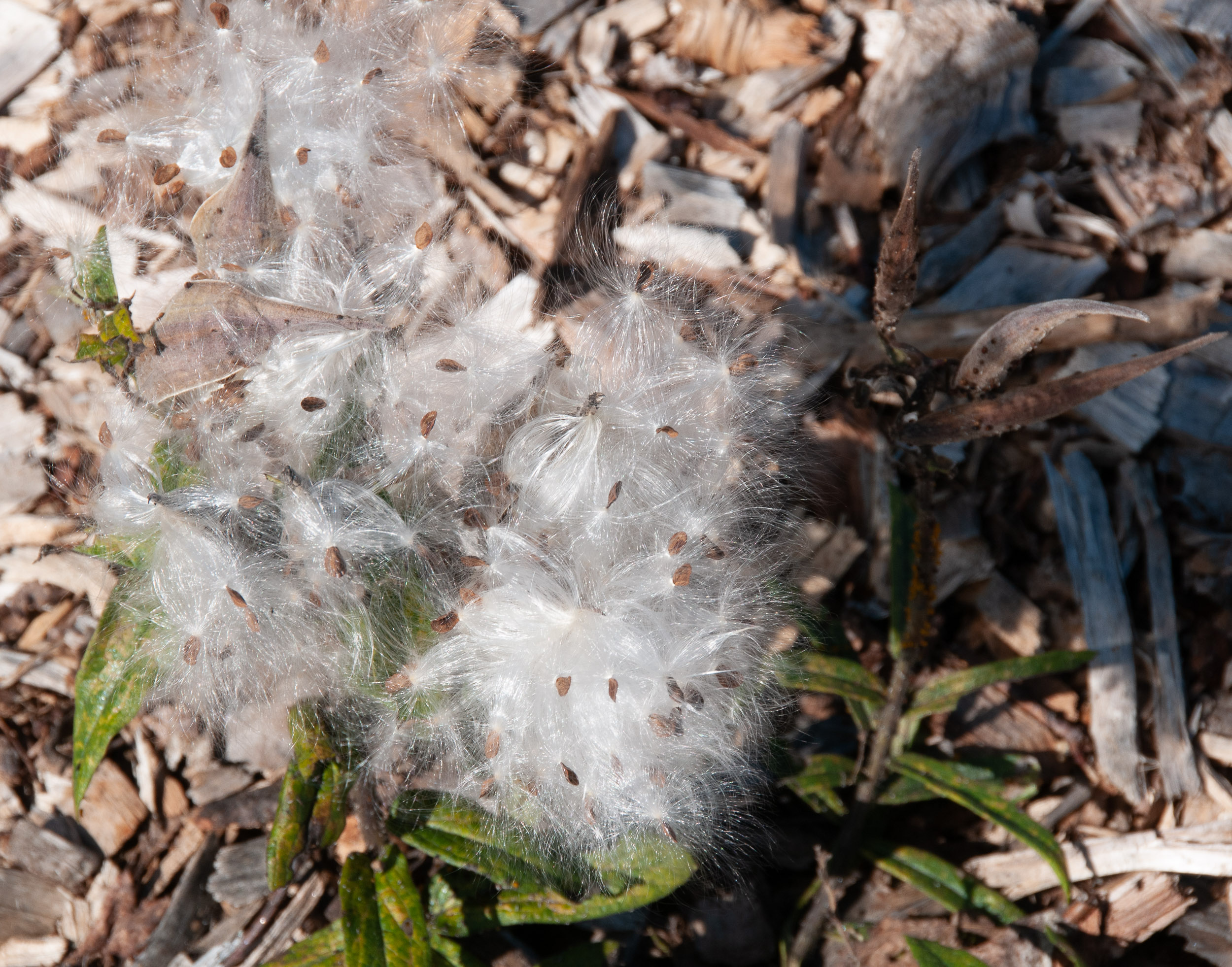
9/23/2017 · Summit of Mt. Agamenticus, York, Maine · ≈ 9 × 7″ (22 × 17 cm) 
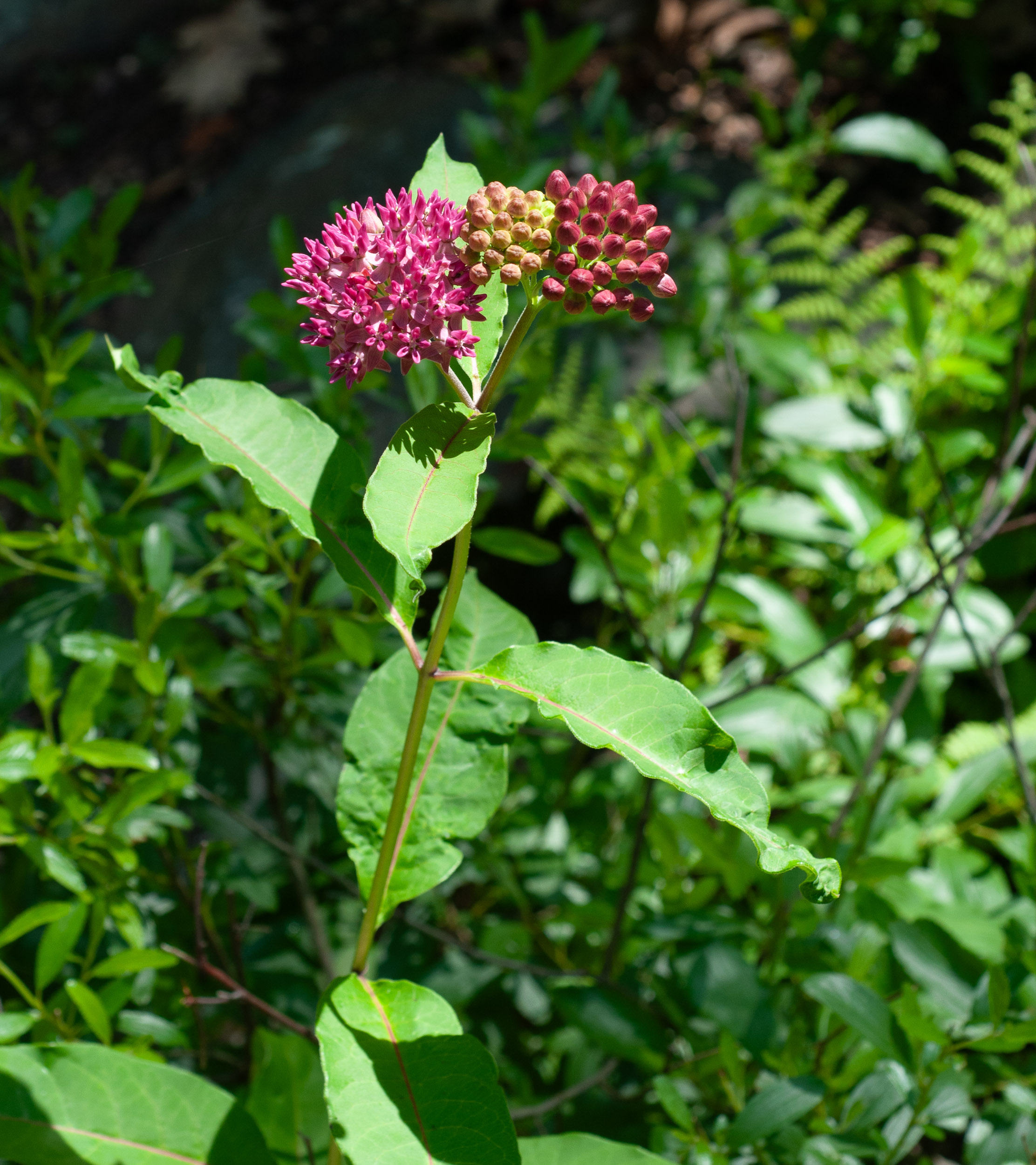
6/15/2010 · Garden in the Woods, Framingham, Massachusetts · ≈ 12 × 13″ (29 × 32 cm) ID is uncertain 
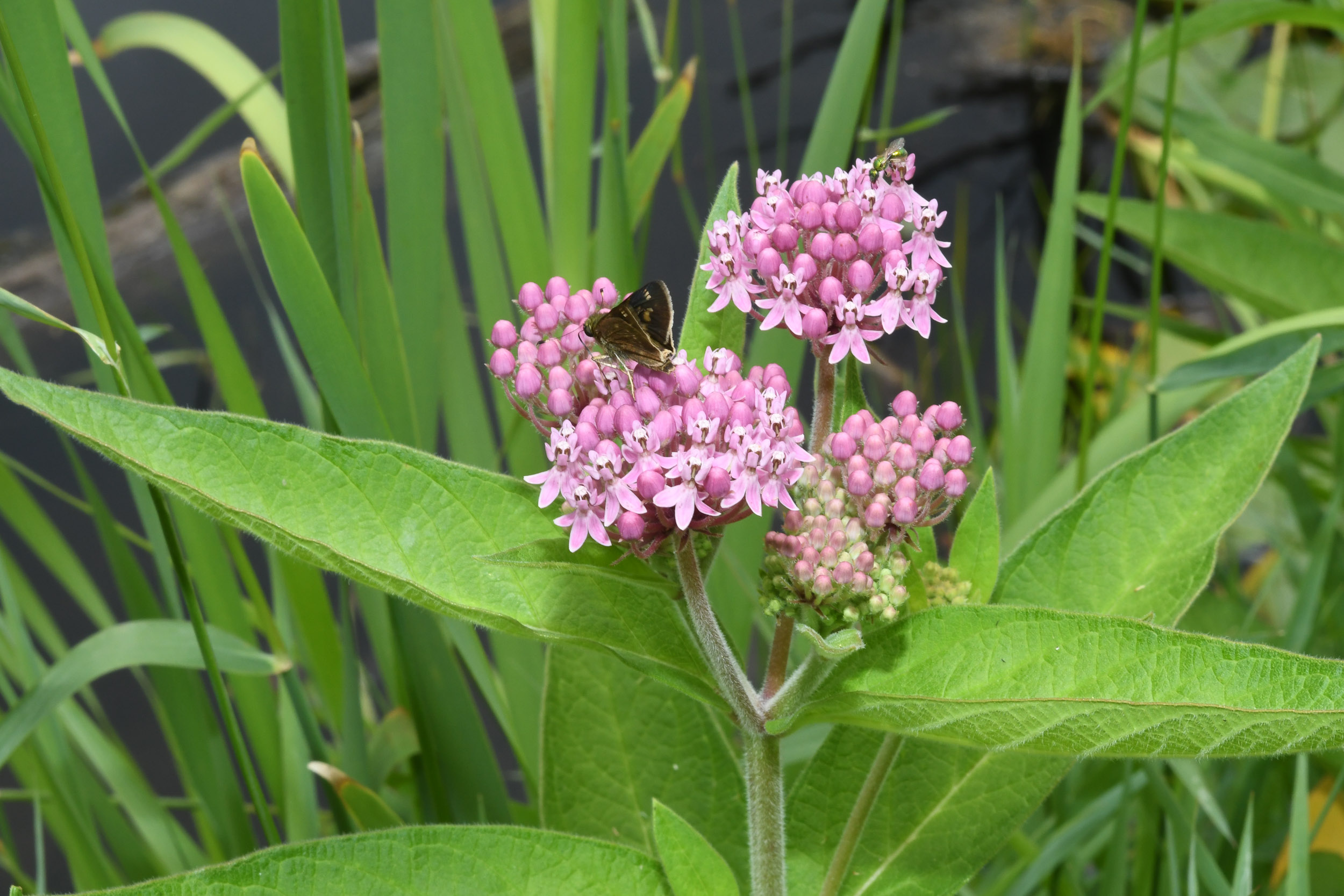
7/8/2016 · Dunstable Rural Land Trust, Dunstable, Massachusetts 
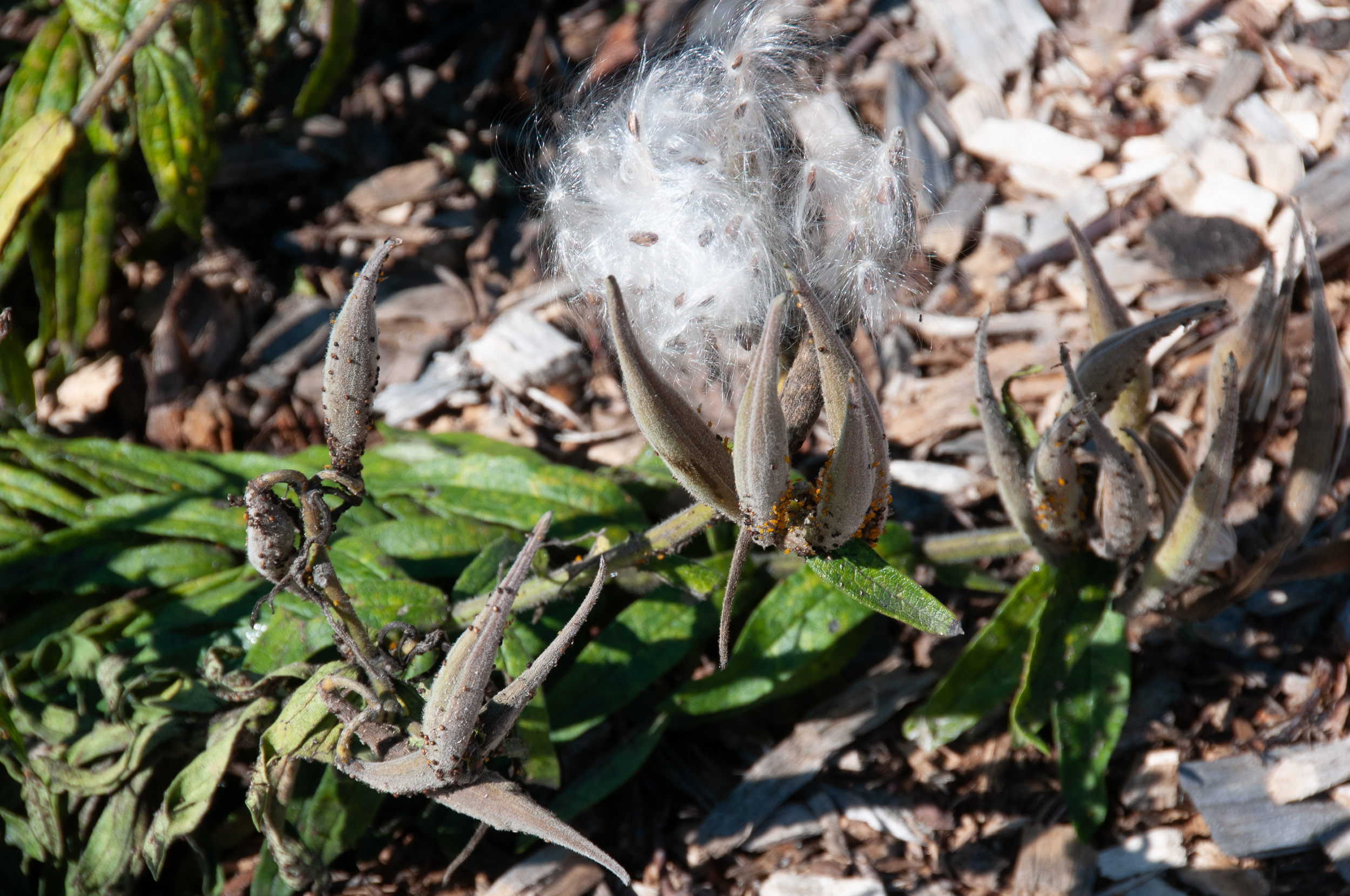
Seed pods. The yellow bugs are Aphis nerii (yellow milkweed aphid). · 9/23/2017 · Summit of Mt. Agamenticus, York, Maine · ≈ 9 × 6″ (23 × 15 cm) 
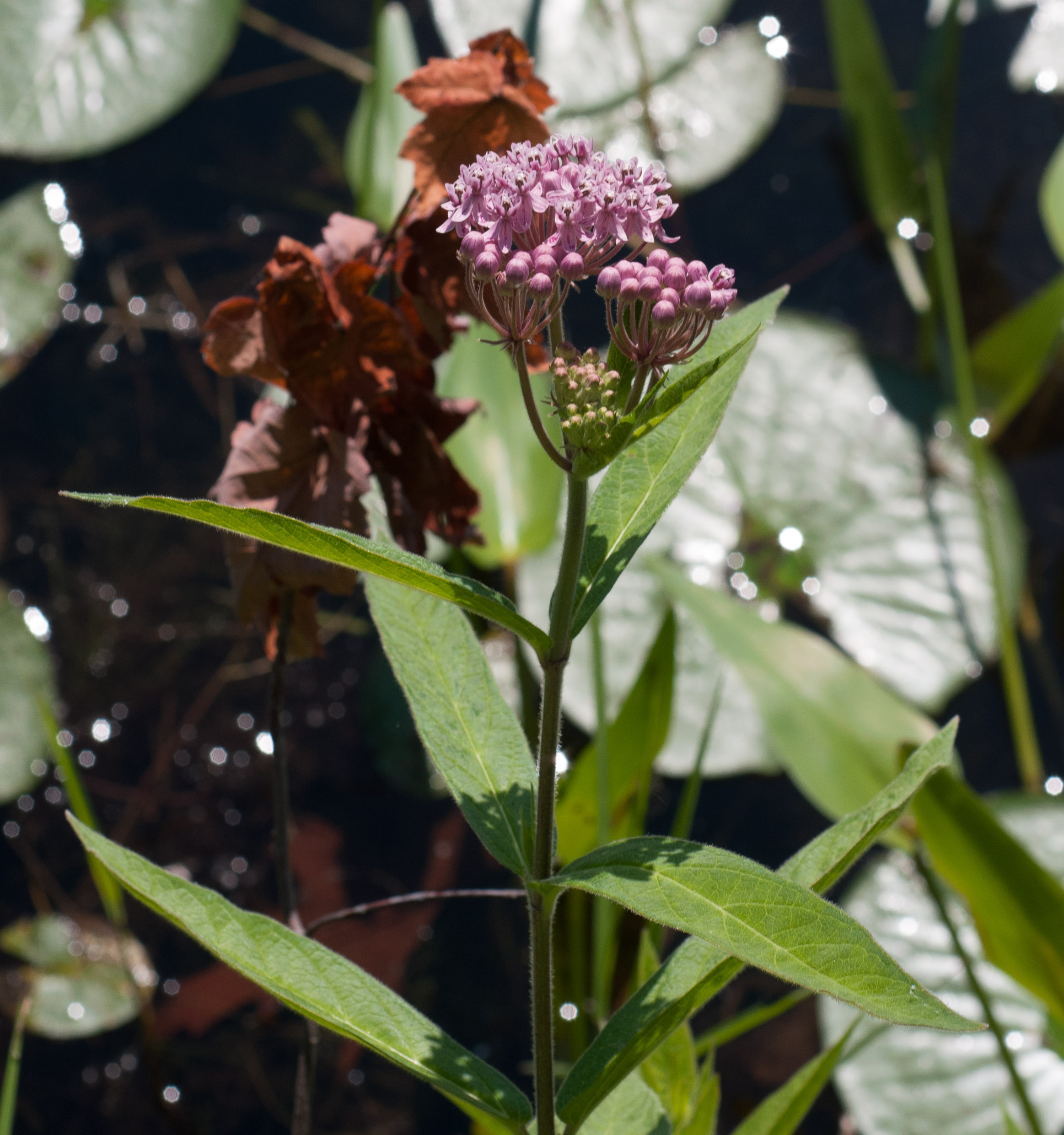
7/11/2012 · Jeff Smith Trail, Pepperell, Massachusetts · ≈ 8 × 9″ (21 × 22 cm) ID is uncertain 
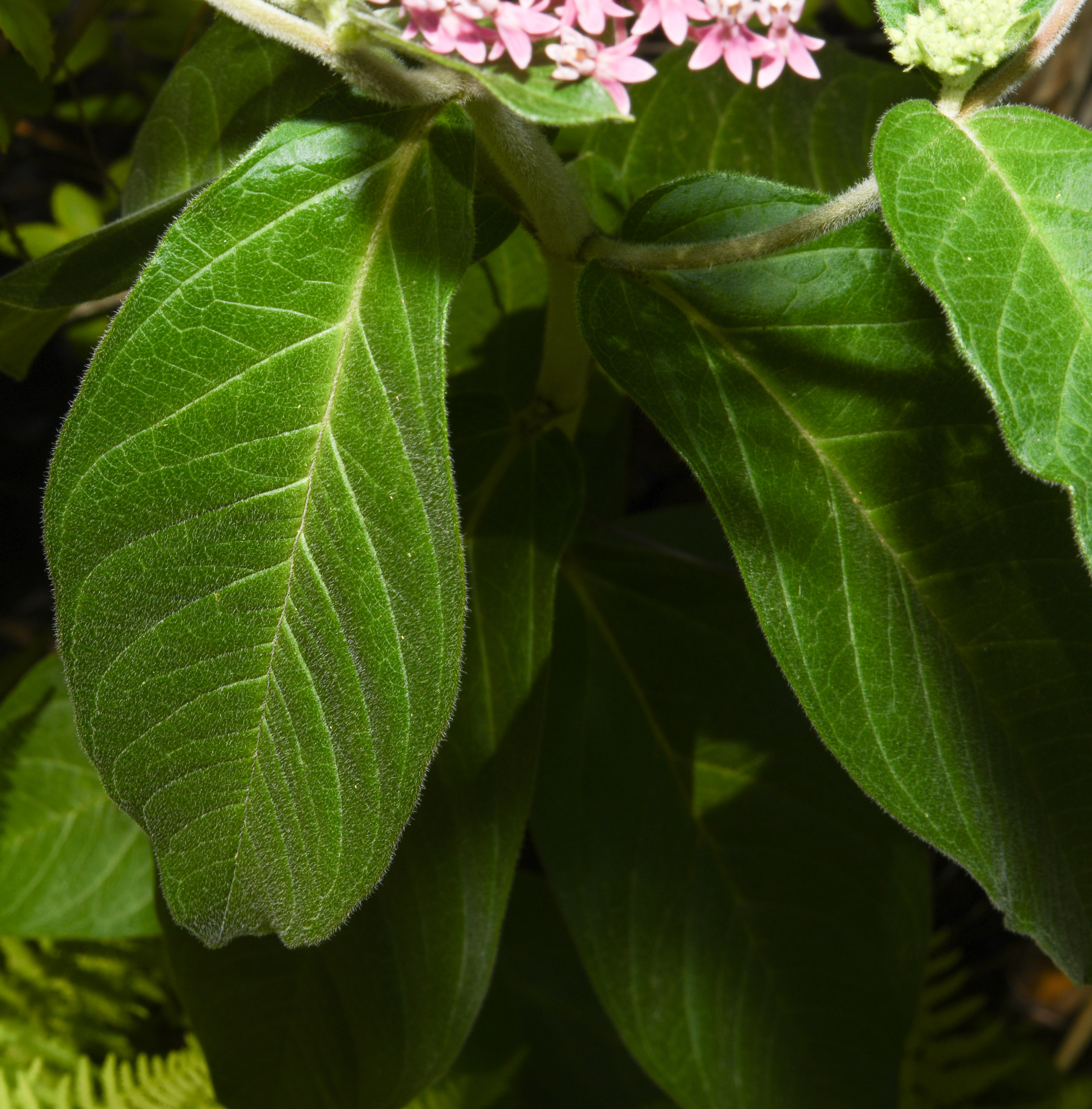
7/2/2016 · Nashua River Rail Trail, Groton, Groton, Massachusetts 
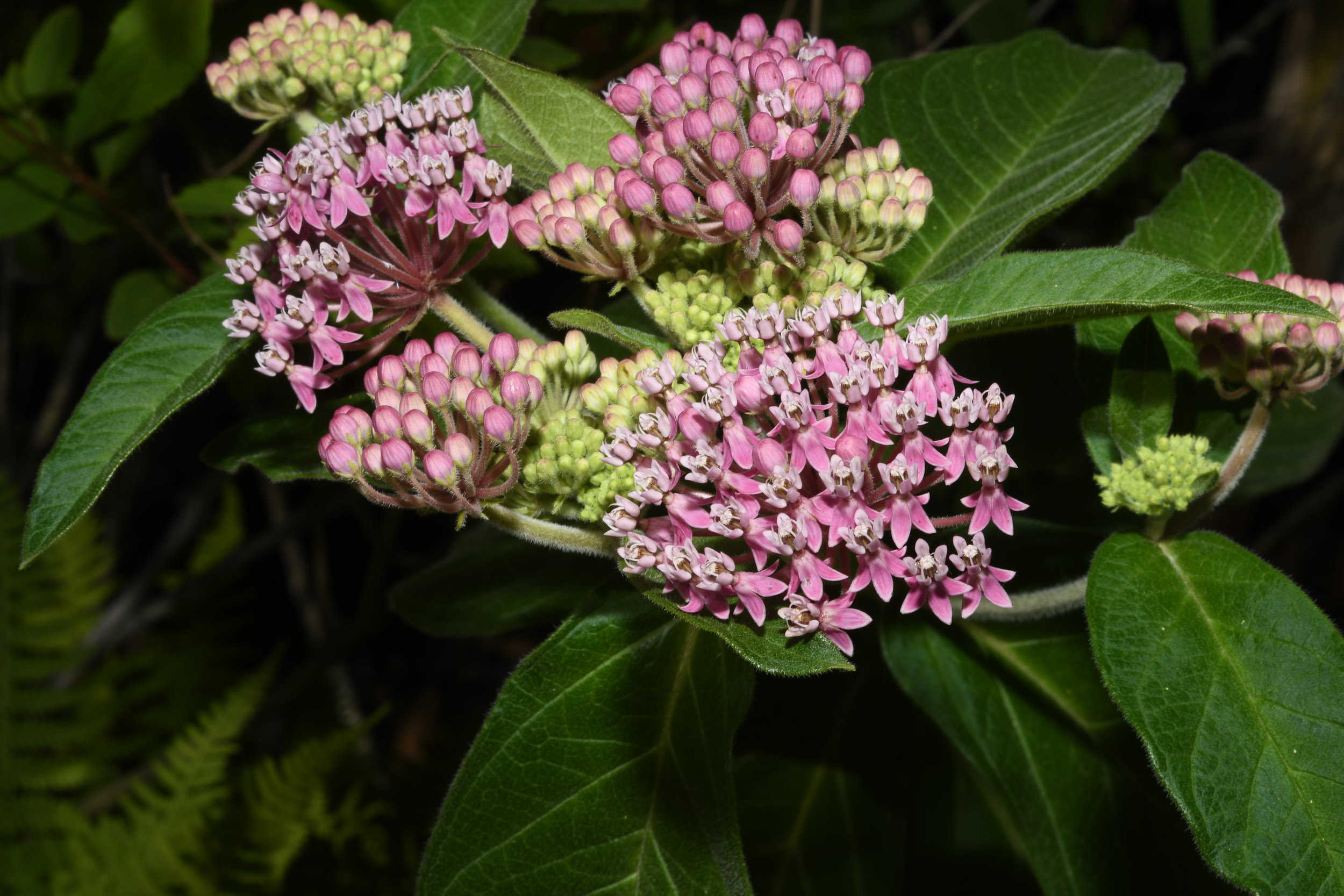
7/2/2016 · Nashua River Rail Trail, Groton, Groton, Massachusetts 
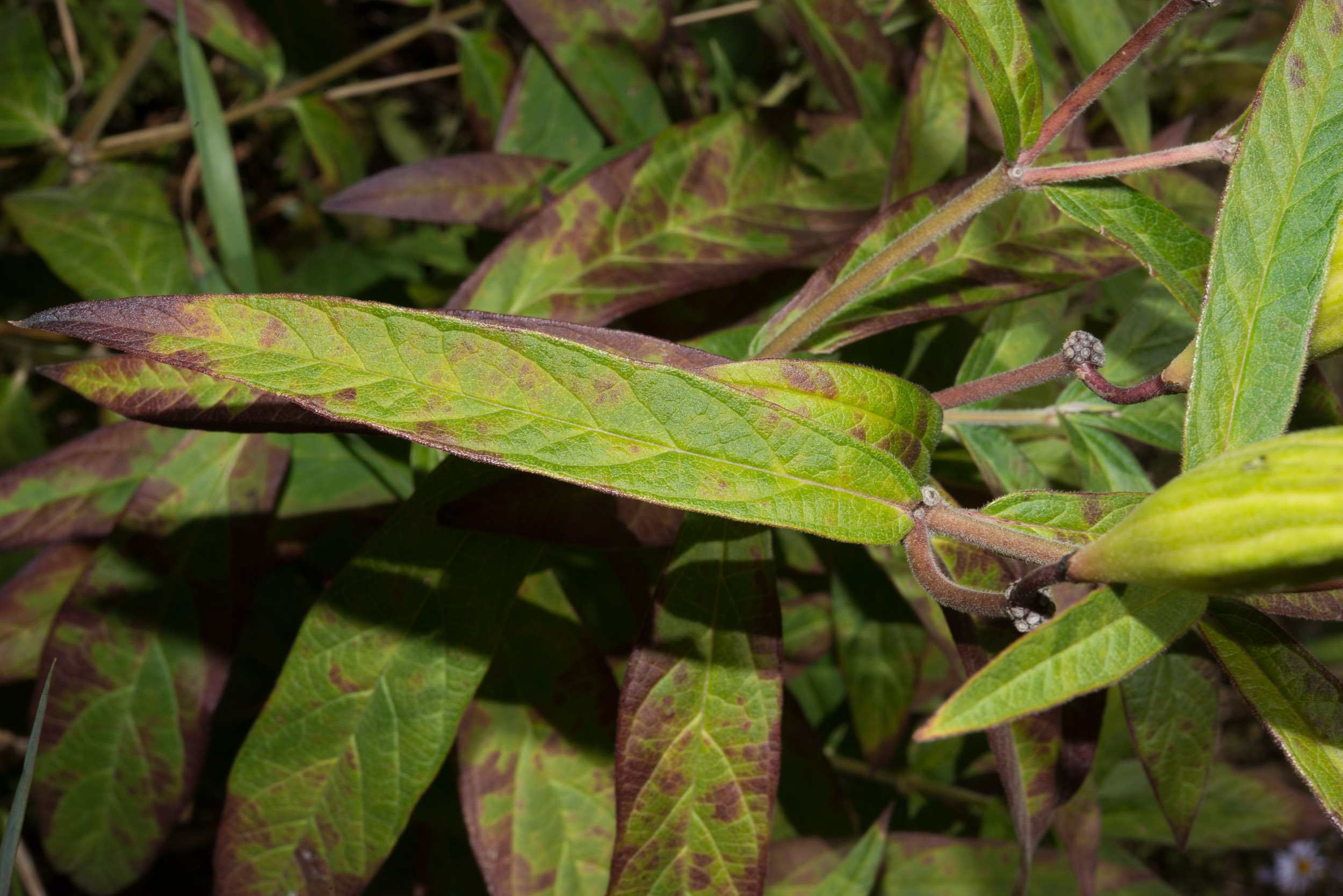
9/22/2013 · Squannacook River Wildlife Management Area, off route 119, Townsend, Massachusetts · ≈ 8 × 6″ (20 × 14 cm) ID is uncertain 
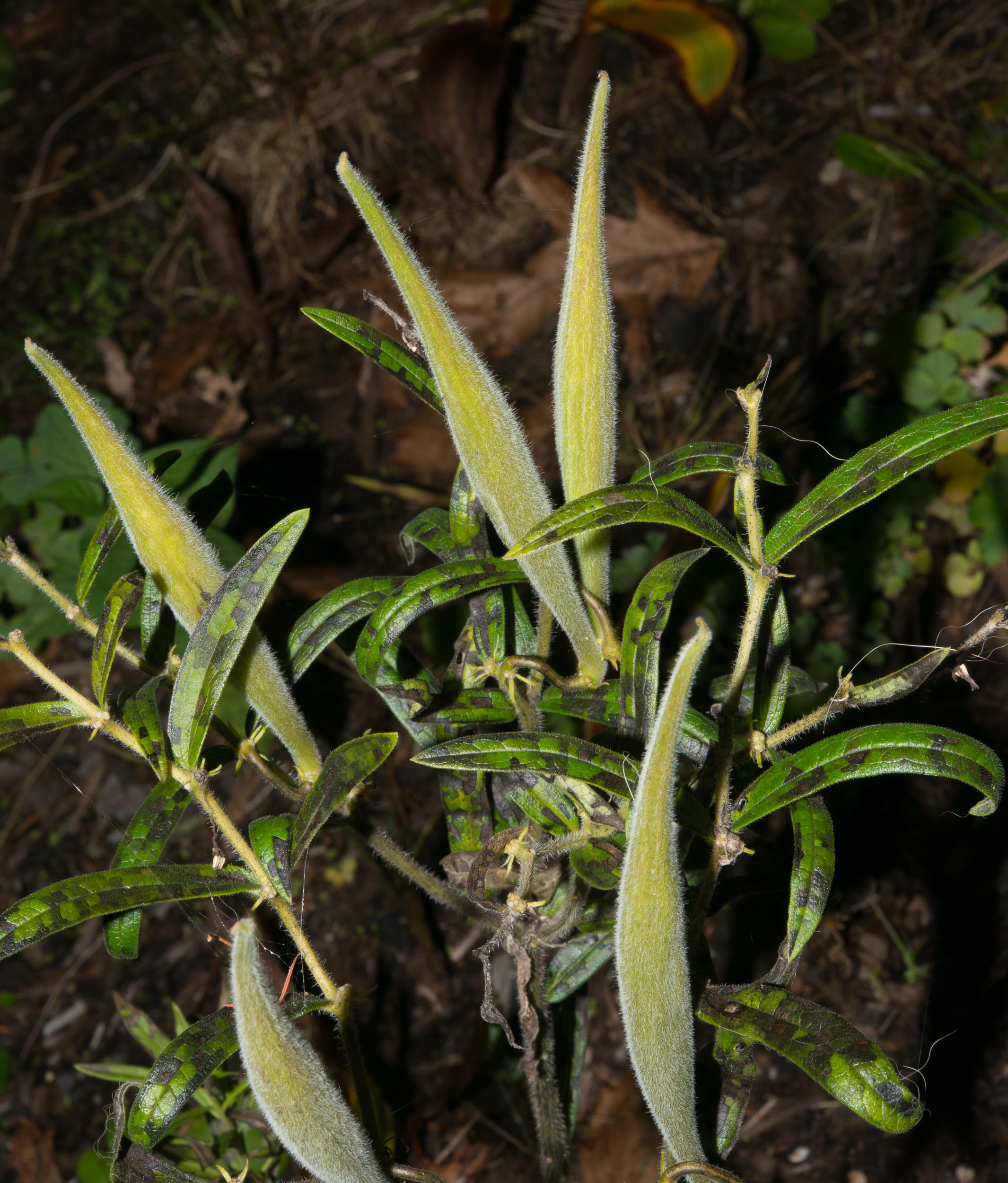
9/27/2013 · Gordon and Kathy’s, Prospect, Maine · ≈ 7 × 9″ (18 × 22 cm) ID is uncertain 
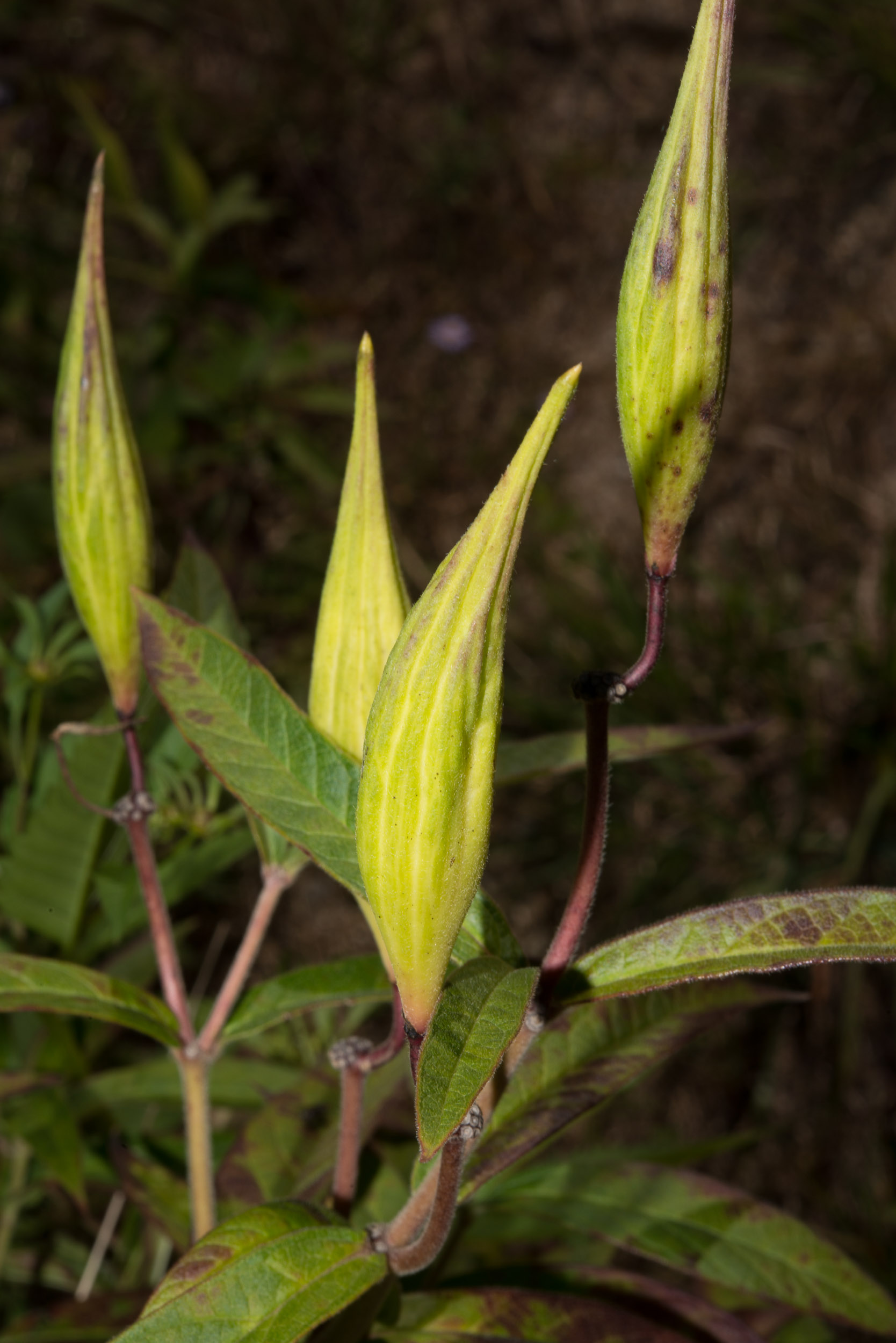
9/22/2013 · Squannacook River Wildlife Management Area, off route 119, Townsend, Massachusetts · ≈ 5 × 8″ (12 × 19 cm) ID is uncertain 
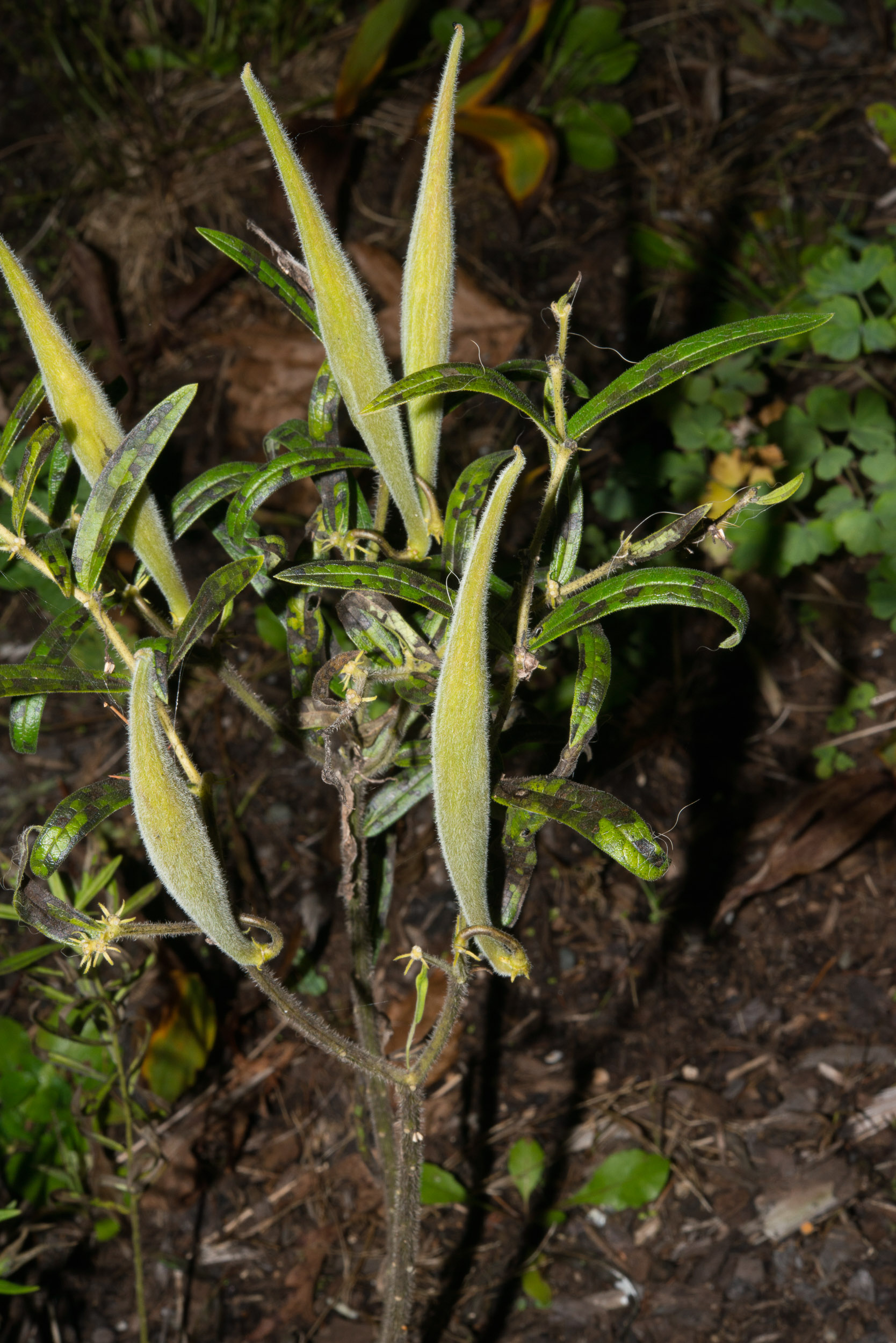
9/27/2013 · Gordon and Kathy’s, Prospect, Maine · ≈ 7 × 11″ (18 × 28 cm) ID is uncertain 
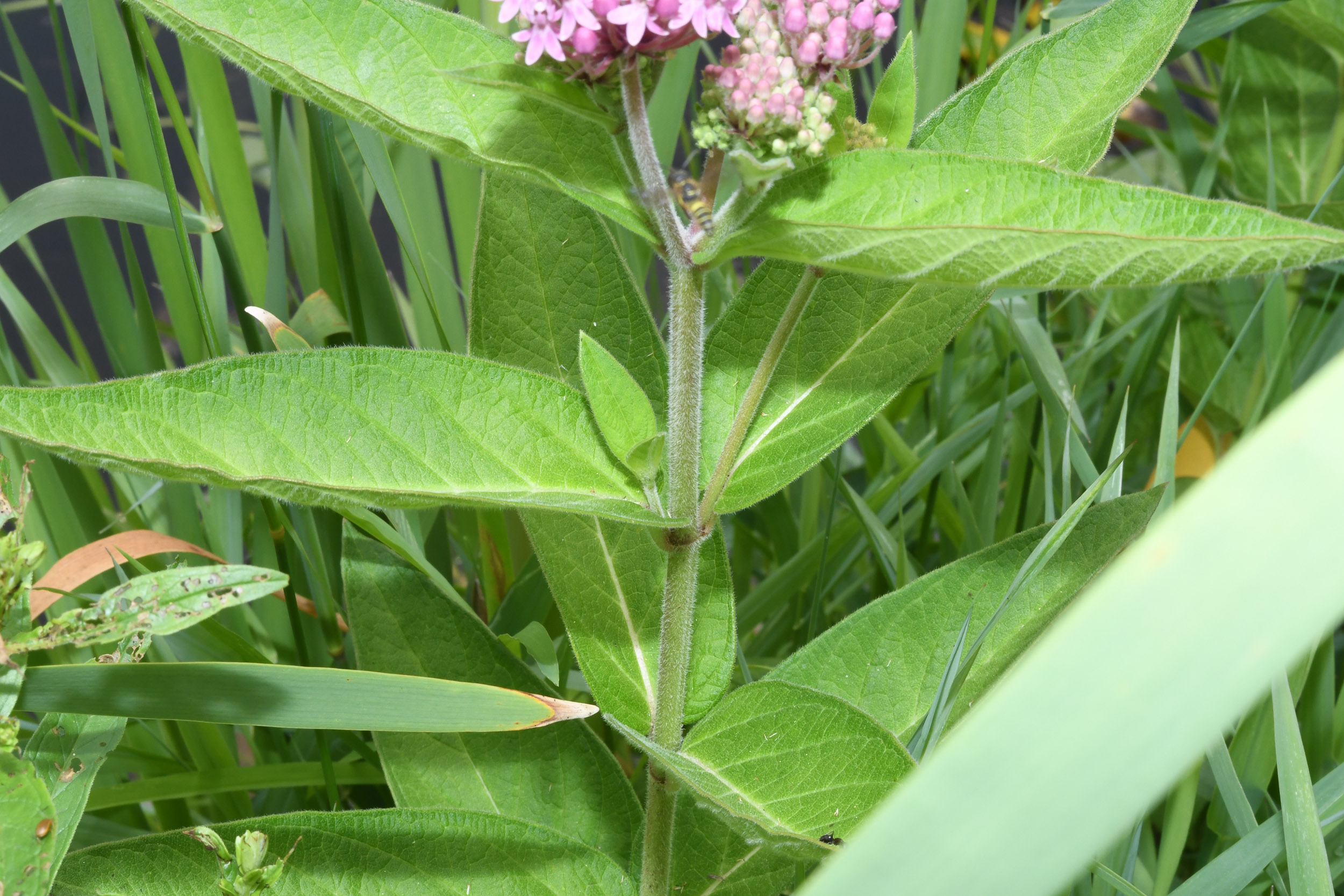
7/8/2016 · Dunstable Rural Land Trust, Dunstable, Massachusetts 
| Kingdom | Plantae | Plants, but not fungi, lichens, or algae (from Stearn's Botanical Latin) |
| Subkingdom | Tracheobionta | Vascular plants—plants with a “circulatory system” for delivering water and nutrients |
| Division | Magnoliophyta | Flowering plants, also known as angiosperms |
| Class | Magnoliopsida | Dicotyledons—plants with two initial seed leaves |
| Subclass | Asteridae | A large class that encompasses asters |
| Order | Gentianales | Gentians, coffee, gardenias, frangipani, many others |
| Family | Asclepiadaceae | Includes some herbs, twining shrubs, lianas, leafless stem succulents, rarely trees |
| Genus | Asclepias | For Asklepios, the Greek god of healing |
| Species | incarnata | Literally, “in the flesh,” in this case meaning flesh-colored, for the flowers |
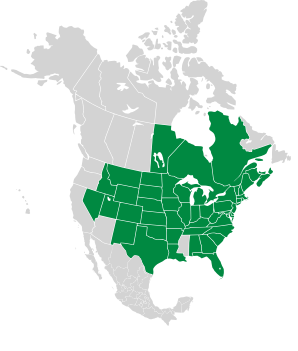
Asclepias incarnata description by Thomas H. Kent, not updated.

© FloraFinder.org. All rights reserved.