Betula populifolia Marshall
Gray birch, yellow birch
Gray birch is a North American native.
Plants: Trees reach 33′ (10 m) in height, often with multiple trunks, and are pyramid-shaped in form. Bark is dark reddish brown on young trees, becoming white as the tree ages. While white birch bark is a brighter color, and tends to peel easily, gray birch bark is tighter, less likely to peel; and darker, more often interrupted by black markings that are often chevron-shaped.
Leaves: Leaves are fairly triangular in shape (ovate to deltate or rhombic, if you want to get technical). They have irregular and sometimes doubled serrations.
Flowers: Both male and female flowers are found on the same tree (”monoecious”). Male flowers are yellow-brown catkins, 1–3″ (2.5–7.6 cm) long and less than ¼″ (6.3 mm) in diameter, usually drooping. Female flowers are green catkins, about 1″ (2.5 cm) long, and ⅛″ (4.8 mm) in diameter.
Fruits: Multiple tiny winged seeds are squeezed between the female catkin bracts.
Habitats: Swamp and pond margins; open woods; dry sandy or poor quality soils.
Edibility: The inner bark can be cooked or dried, then ground into a meal which may be added to flour, though this is typically done only when more convenient forms of starch are not available. Sap is also edible. Though not nearly as sweet and tasty as that of some maple trees, it is a source of carbohydrates in a pinch.
Online References:
References:
Petrides, George A., Peterson Field Guides: Trees and Shrubs, Houghton Mifflin Co., 1972, p. 232, 338
Little, Elbert L., National Audubon Society Field Guide to North American Trees, Eastern Region, Alfred A. Knopf, 1980, p. 182, 598, 370
Symonds, George W. D.; photos by Chelminski, Stephen V., The Tree Identification Book, Harper, 2003, p. 44
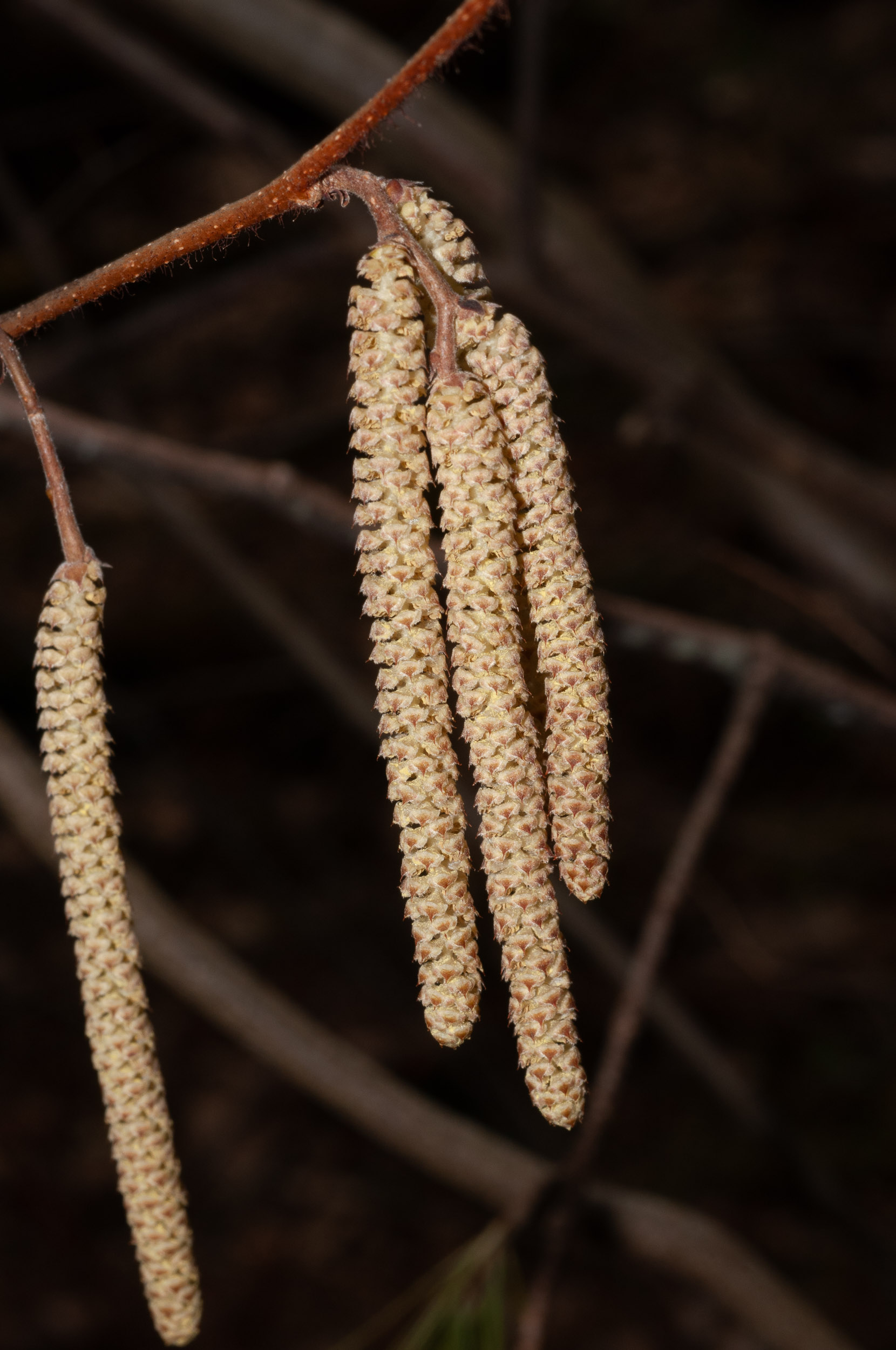
4/14/2013 · Bemis Rd, Pepperell, Massachusetts · ≈ 4 × 6″ (10 × 15 cm) 
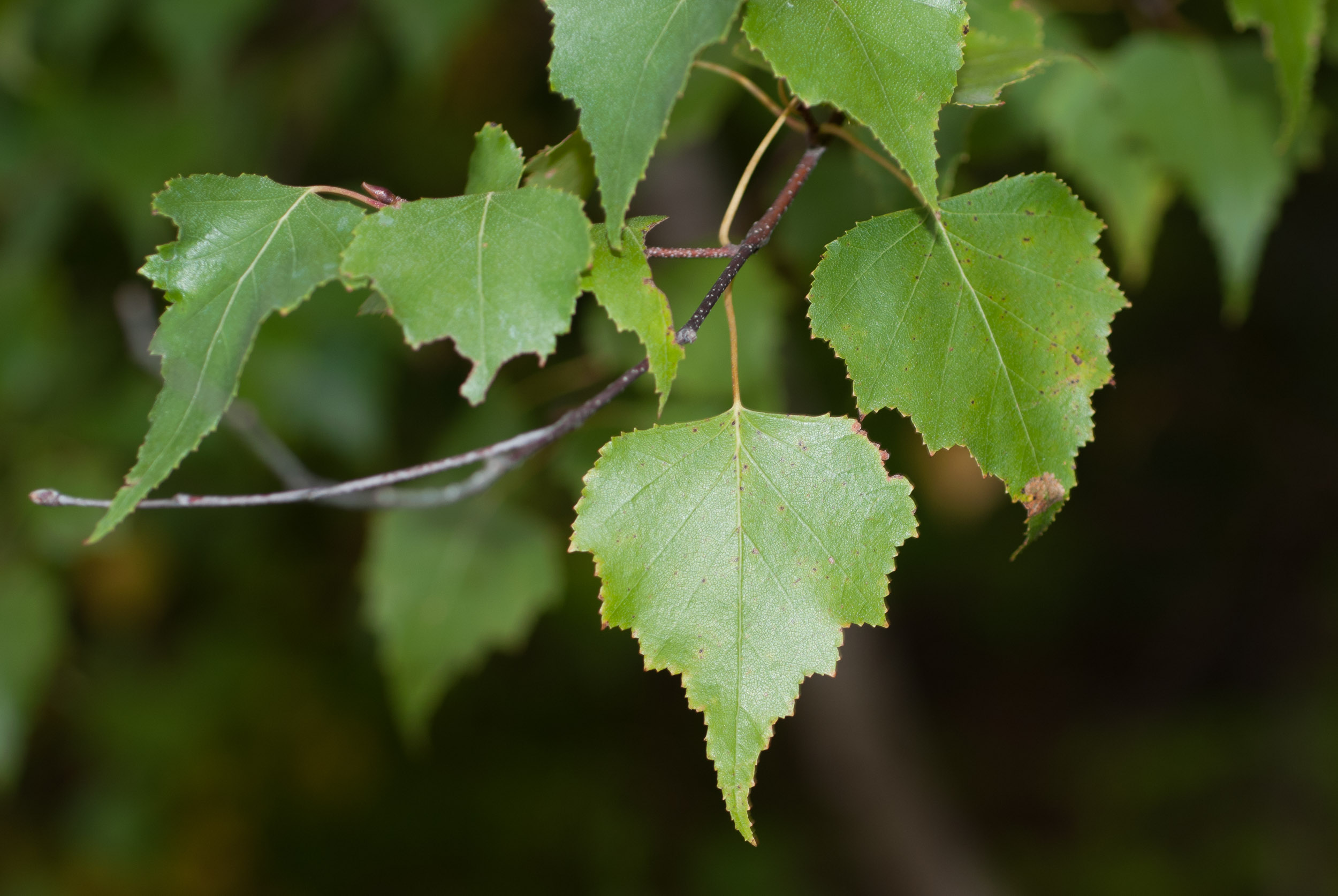
9/18/2010 · Nashua River Rail Trail, Groton Center, Groton, Massachusetts · ≈ 10 × 6″ (24 × 16 cm) 
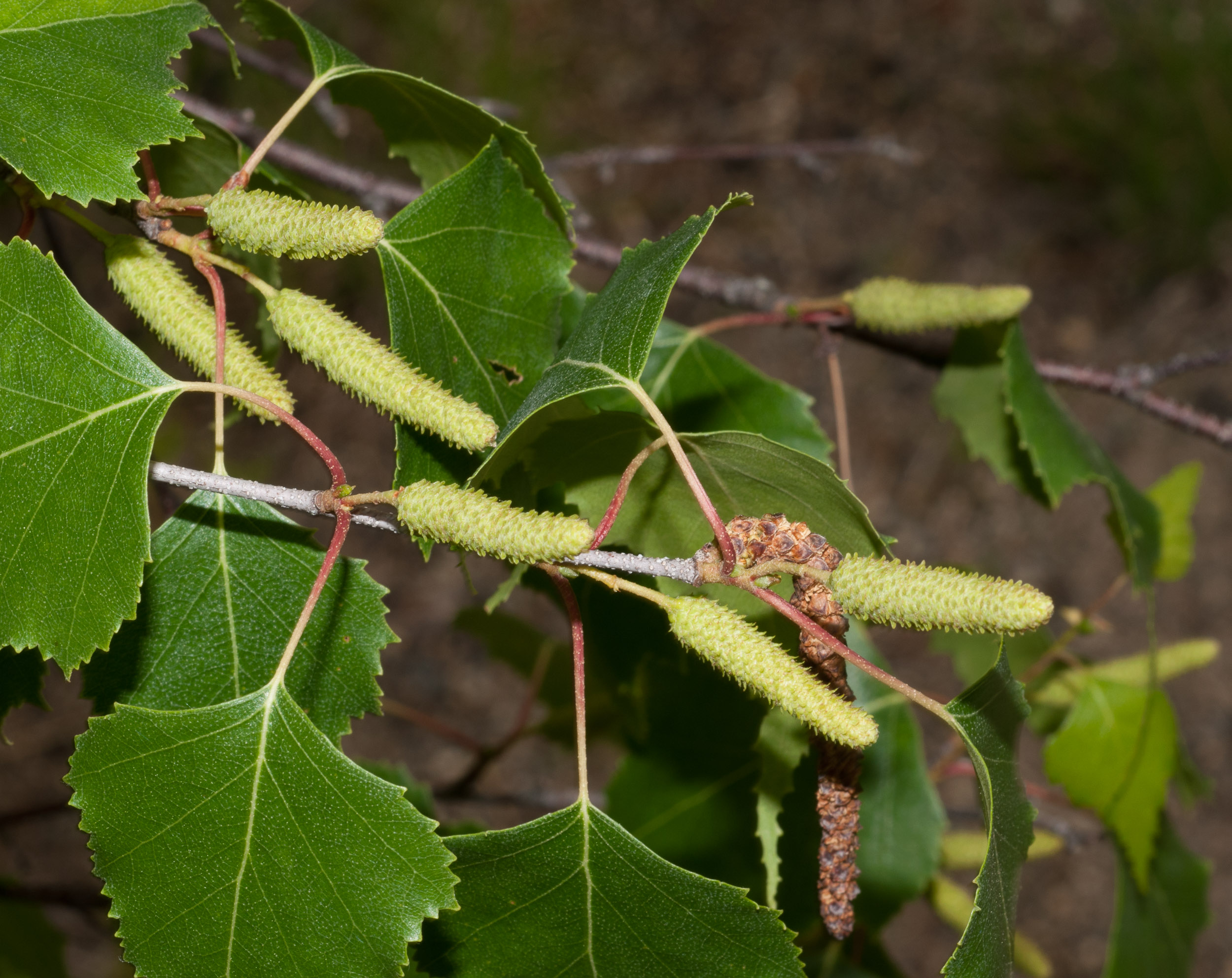
6/1/2010 · Nashua River Rail Trail, Groton Center, Groton, Massachusetts · ≈ 6 × 4½″ (14 × 11 cm)  ID is uncertain
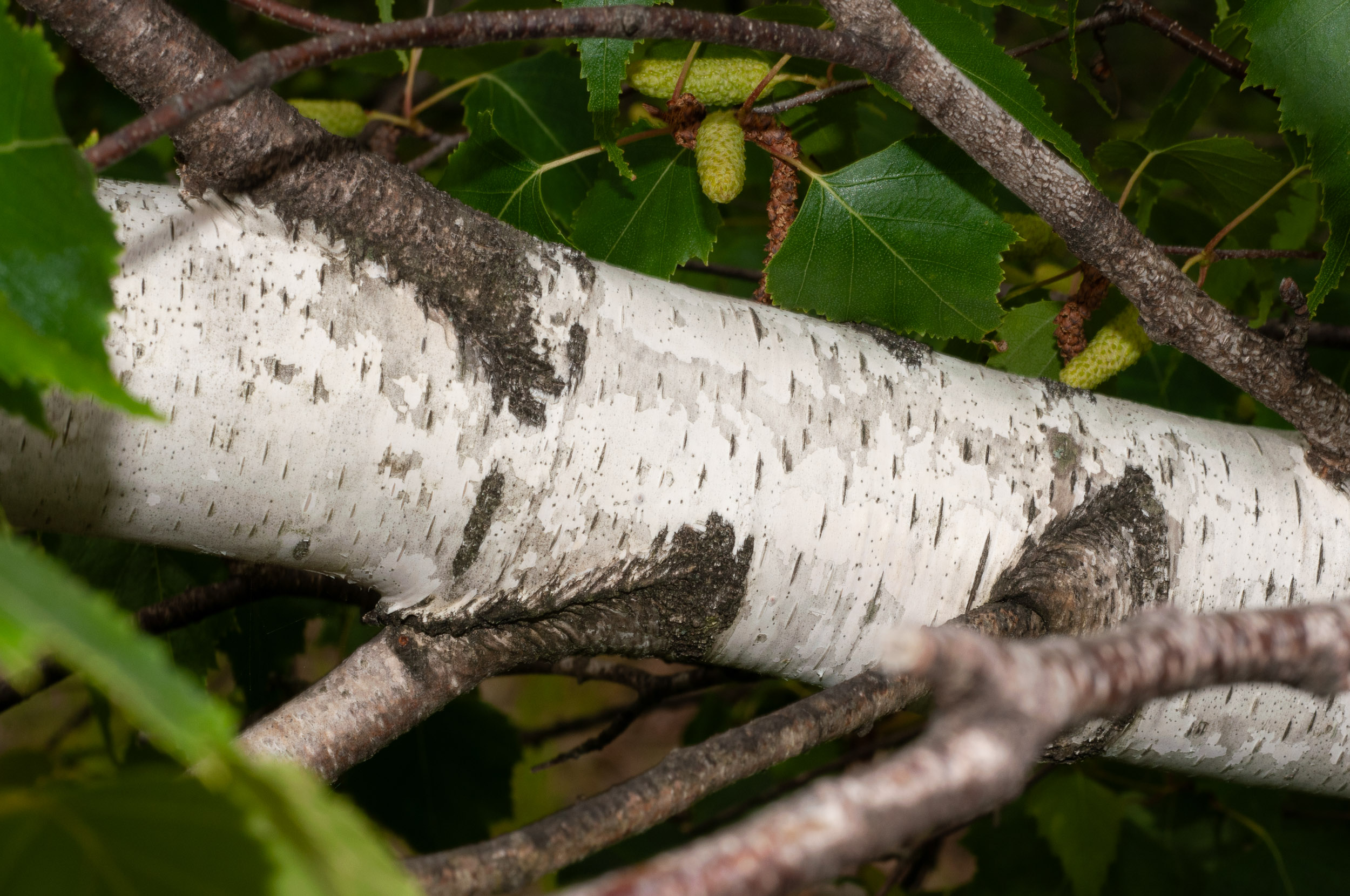
6/16/2010 · Nashua River Rail Trail, Groton Center, Groton, Massachusetts · ≈ 9 × 6″ (22 × 14 cm) 
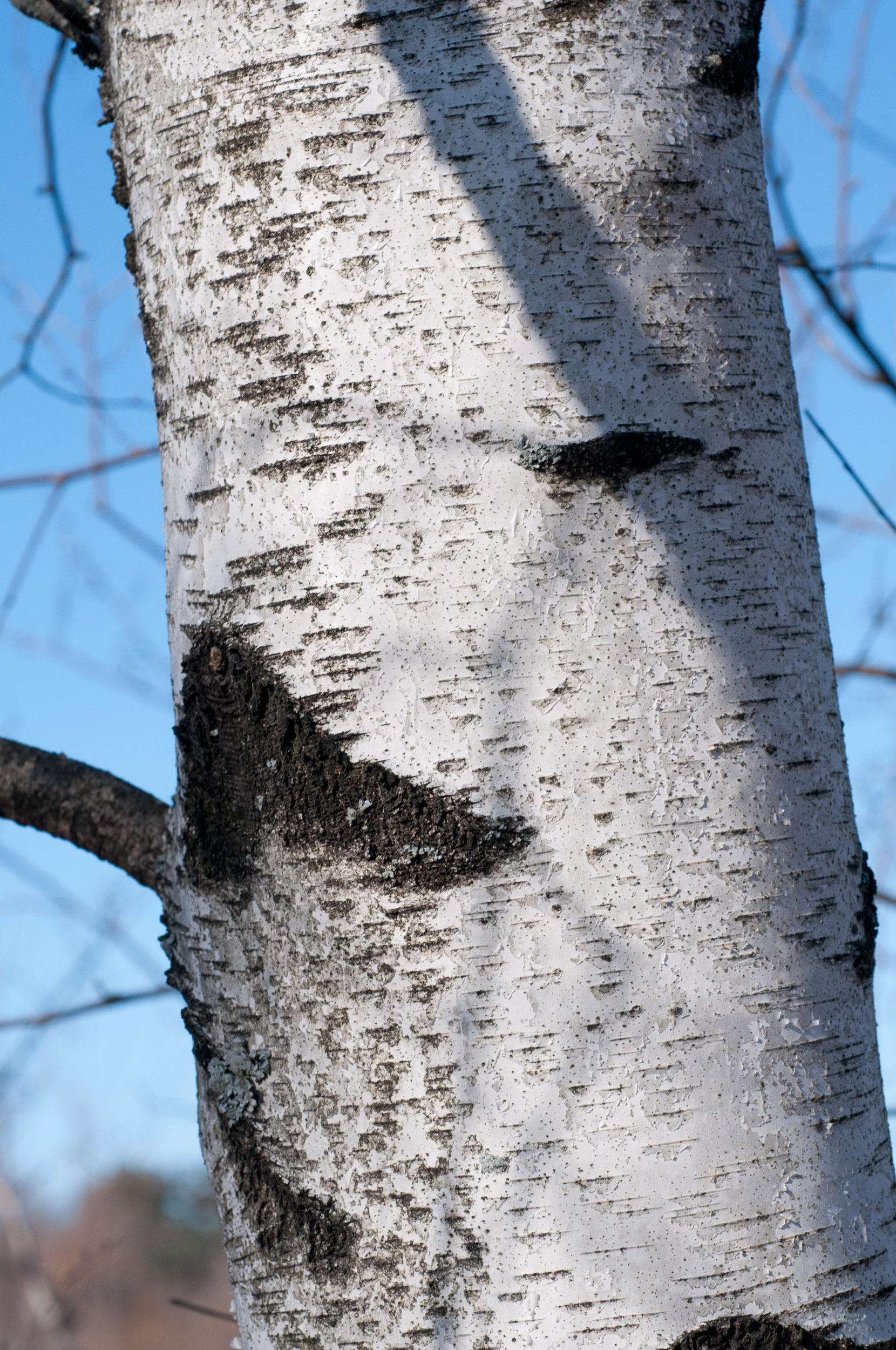
3/10/2010 · Nashua River Rail Trail, Groton Center, Groton, Massachusetts · ≈ 9 × 14″ (23 × 35 cm) ID is uncertain 
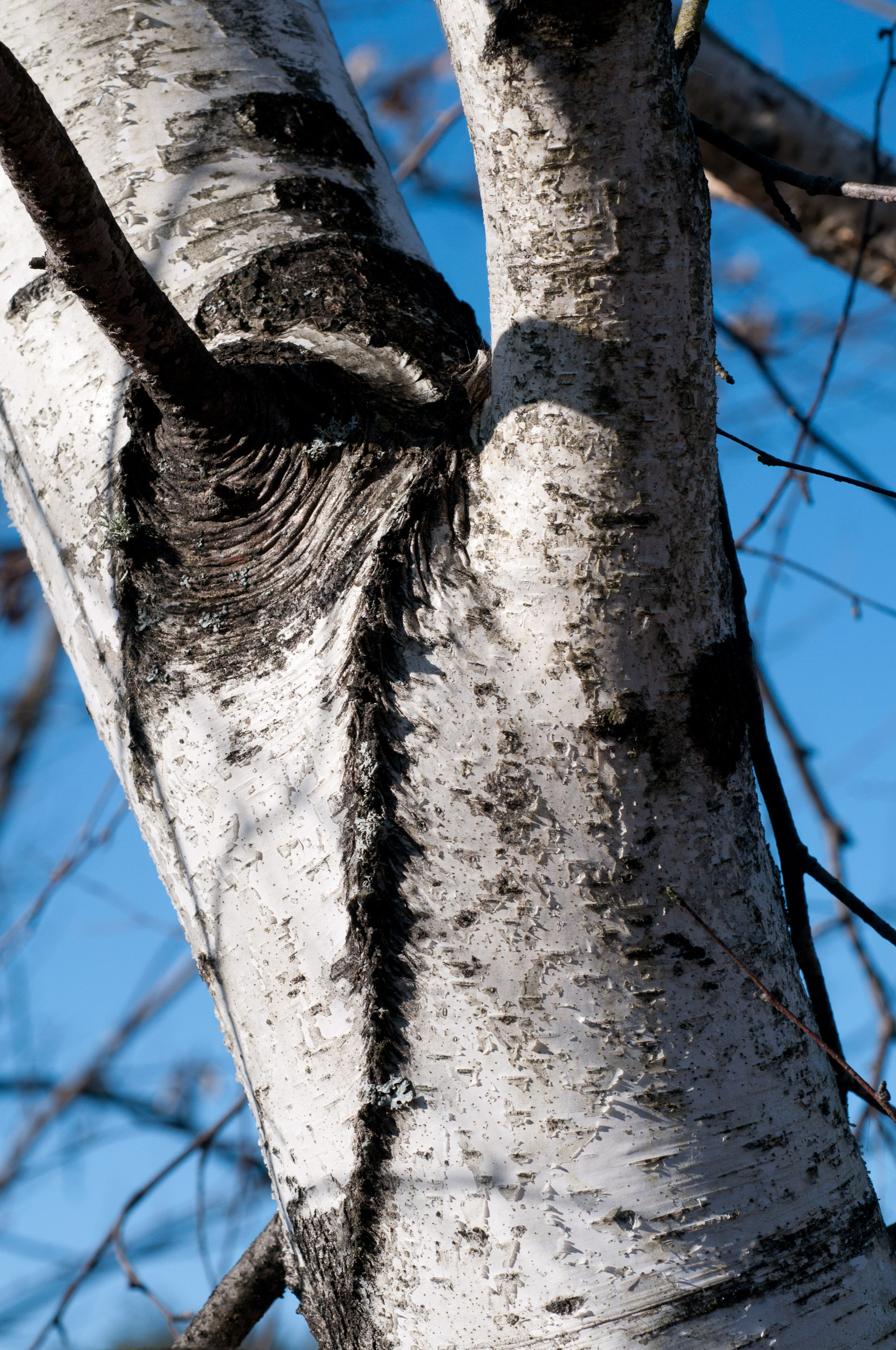
3/10/2010 · Nashua River Rail Trail, Groton Center, Groton, Massachusetts · ≈ 8 × 12″ (20 × 31 cm) ID is uncertain 
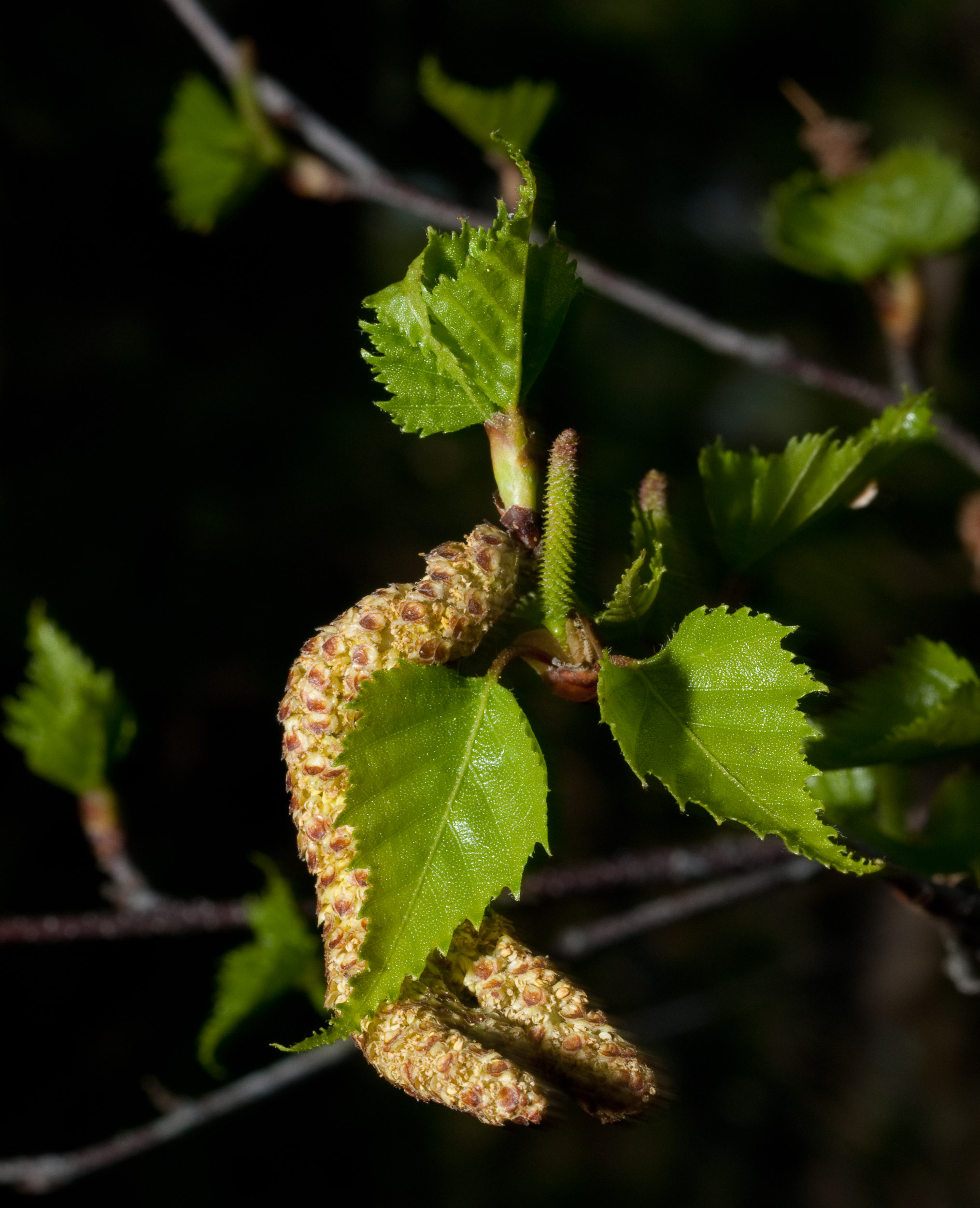
4/24/2010 · Nashua River Rail Trail, Ayer, Massachusetts · ≈ 3½ × 4½″ (9.2 × 11 cm) 
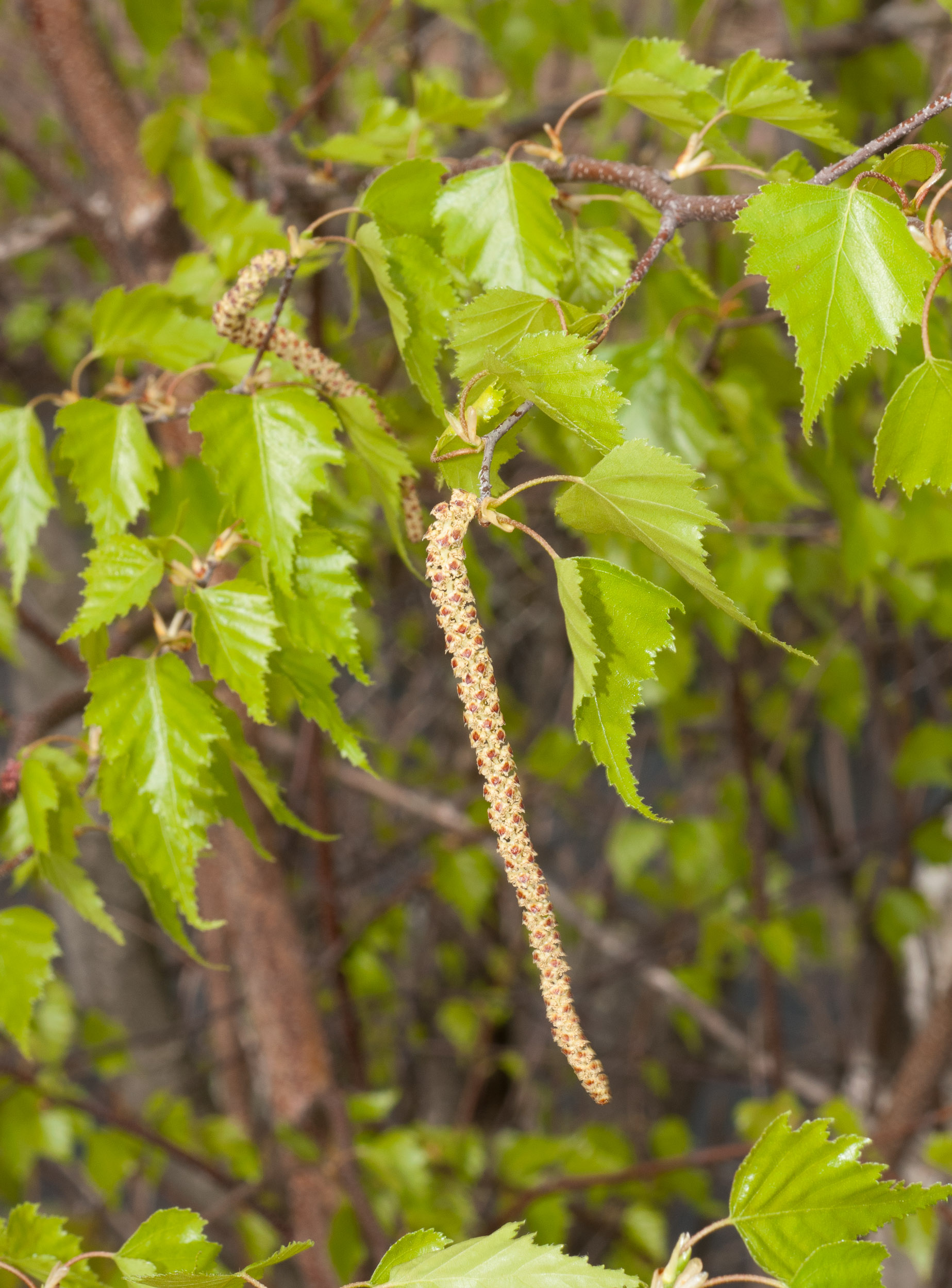
4/24/2012 · Nashua River Rail Trail, Groton Center, Groton, Massachusetts · ≈ 6 × 8″ (15 × 21 cm) 
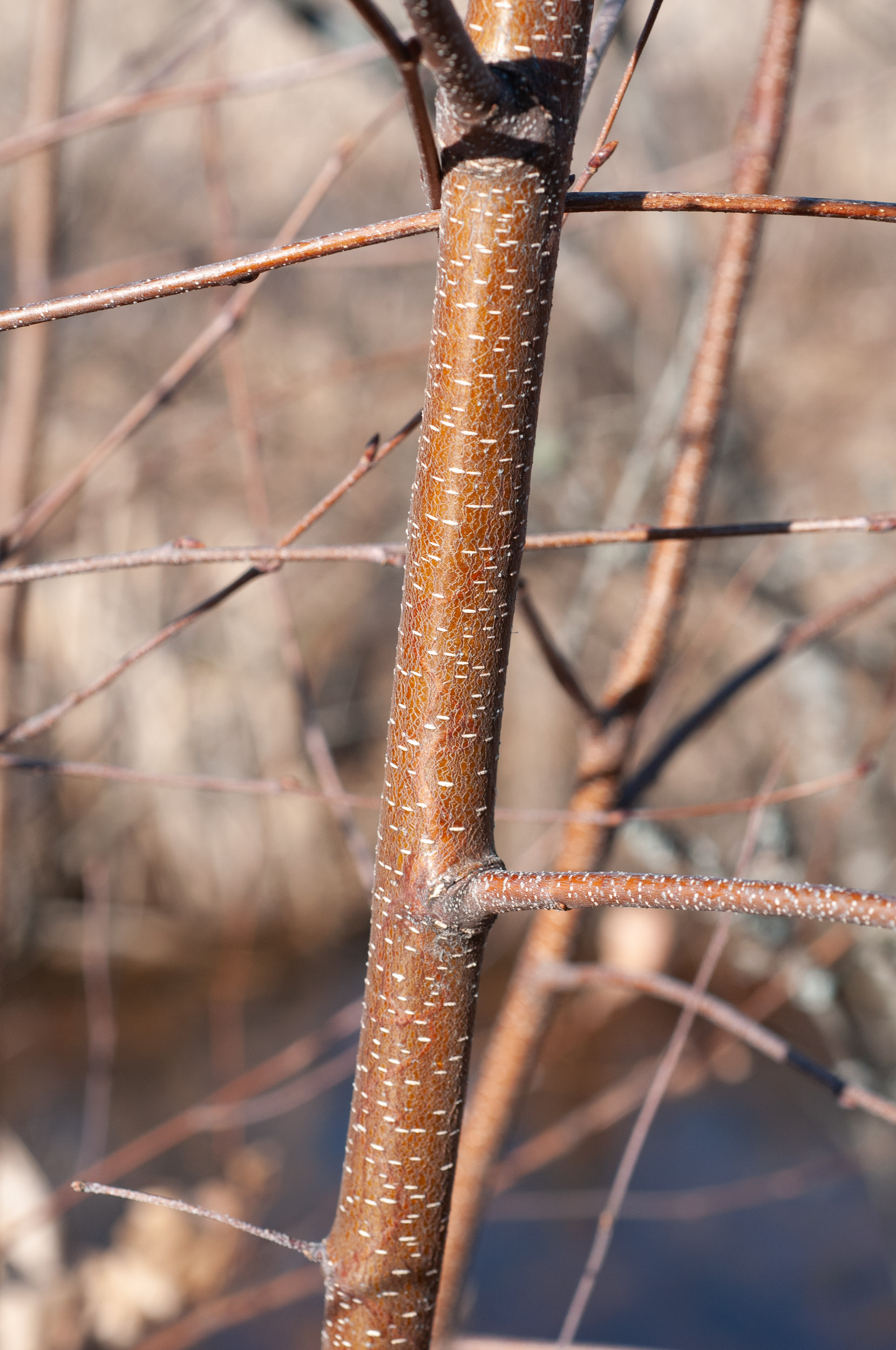
3/10/2010 · Nashua River Rail Trail, Groton Center, Groton, Massachusetts · ≈ 6 × 9″ (15 × 23 cm) 
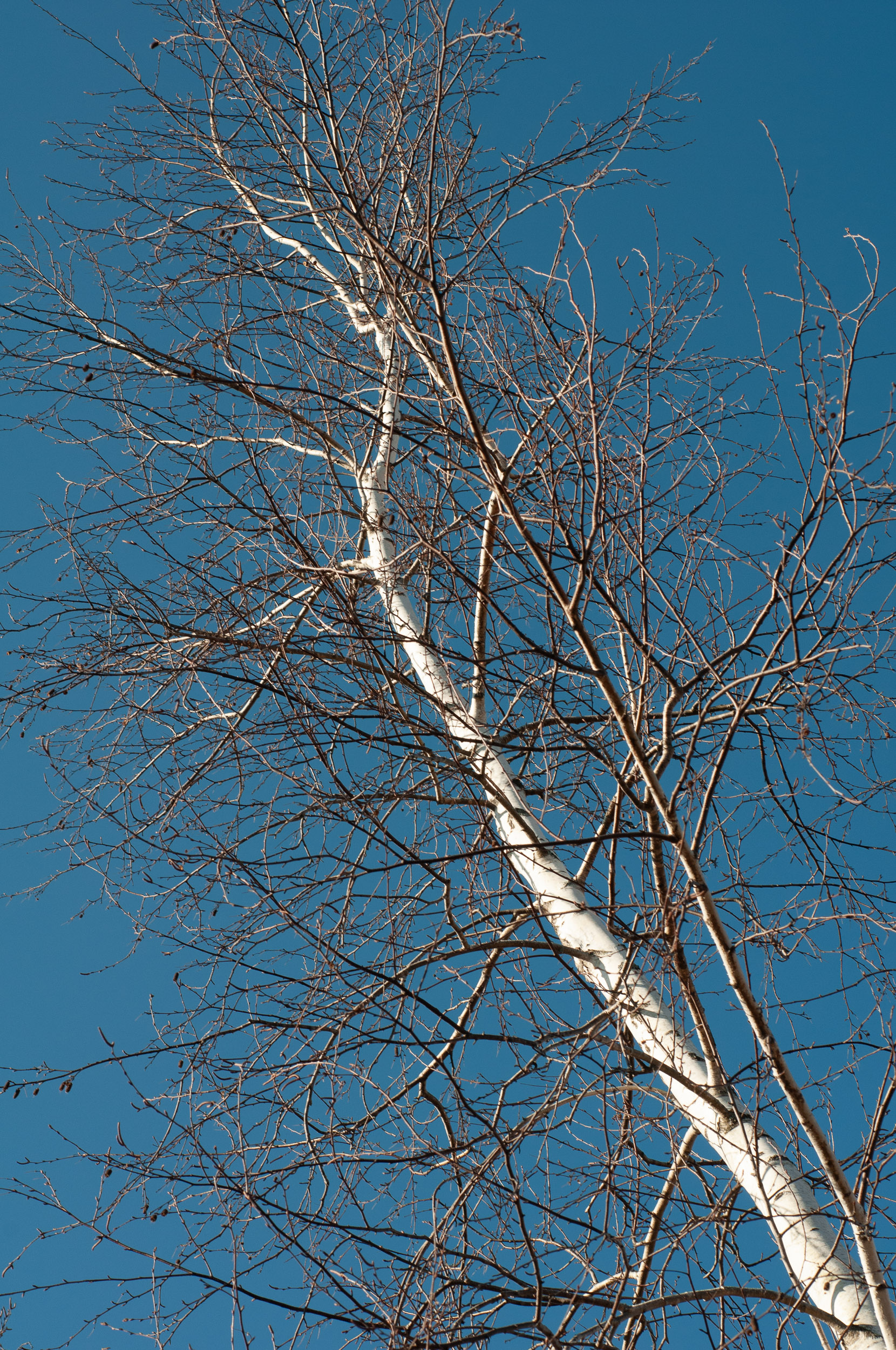
3/10/2010 · Nashua River Rail Trail, Groton Center, Groton, Massachusetts 
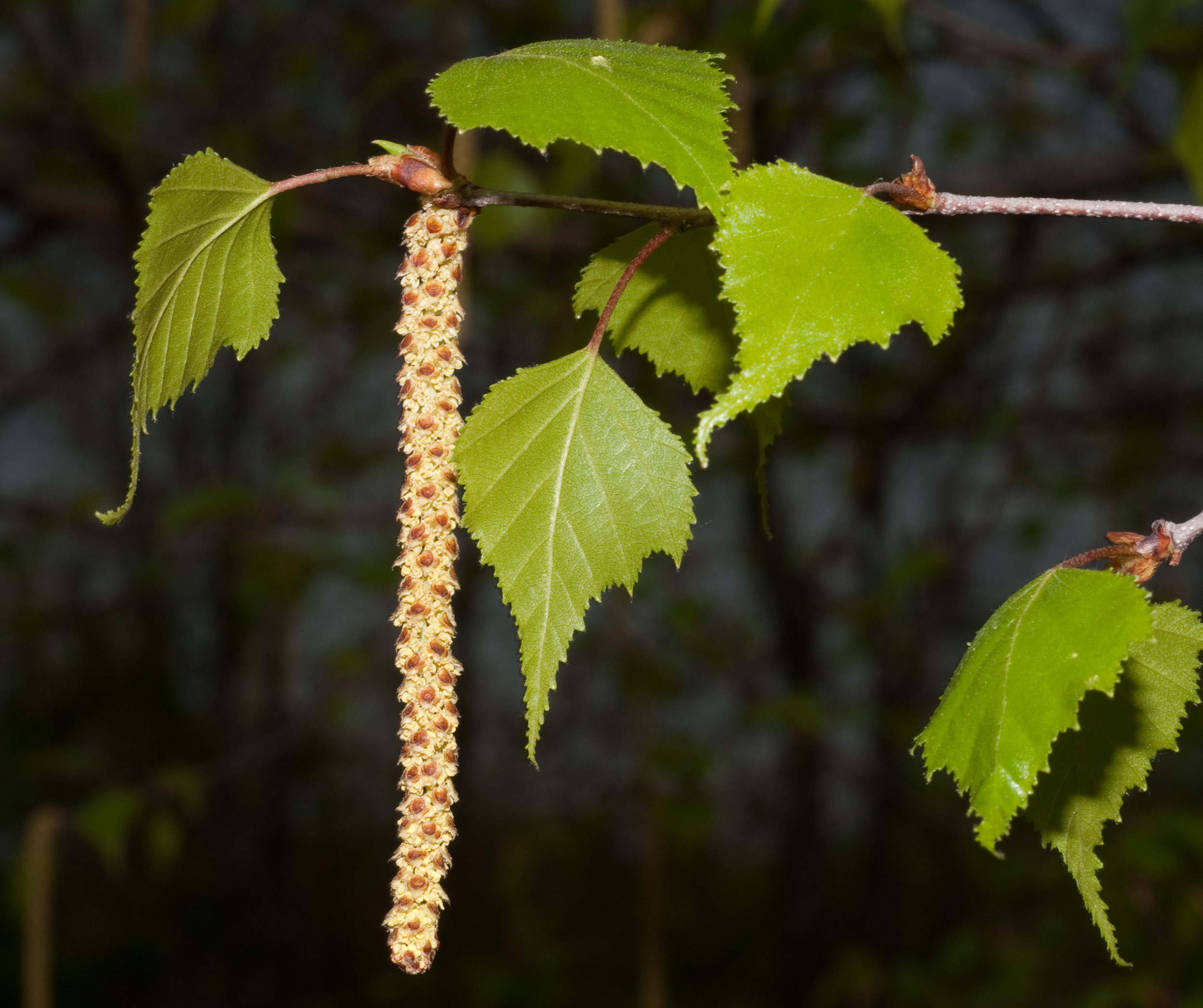
5/2/2010 · Nashua River Rail Trail, Groton Center, Groton, Massachusetts · ≈ 6 × 4½″ (14 × 11 cm) 
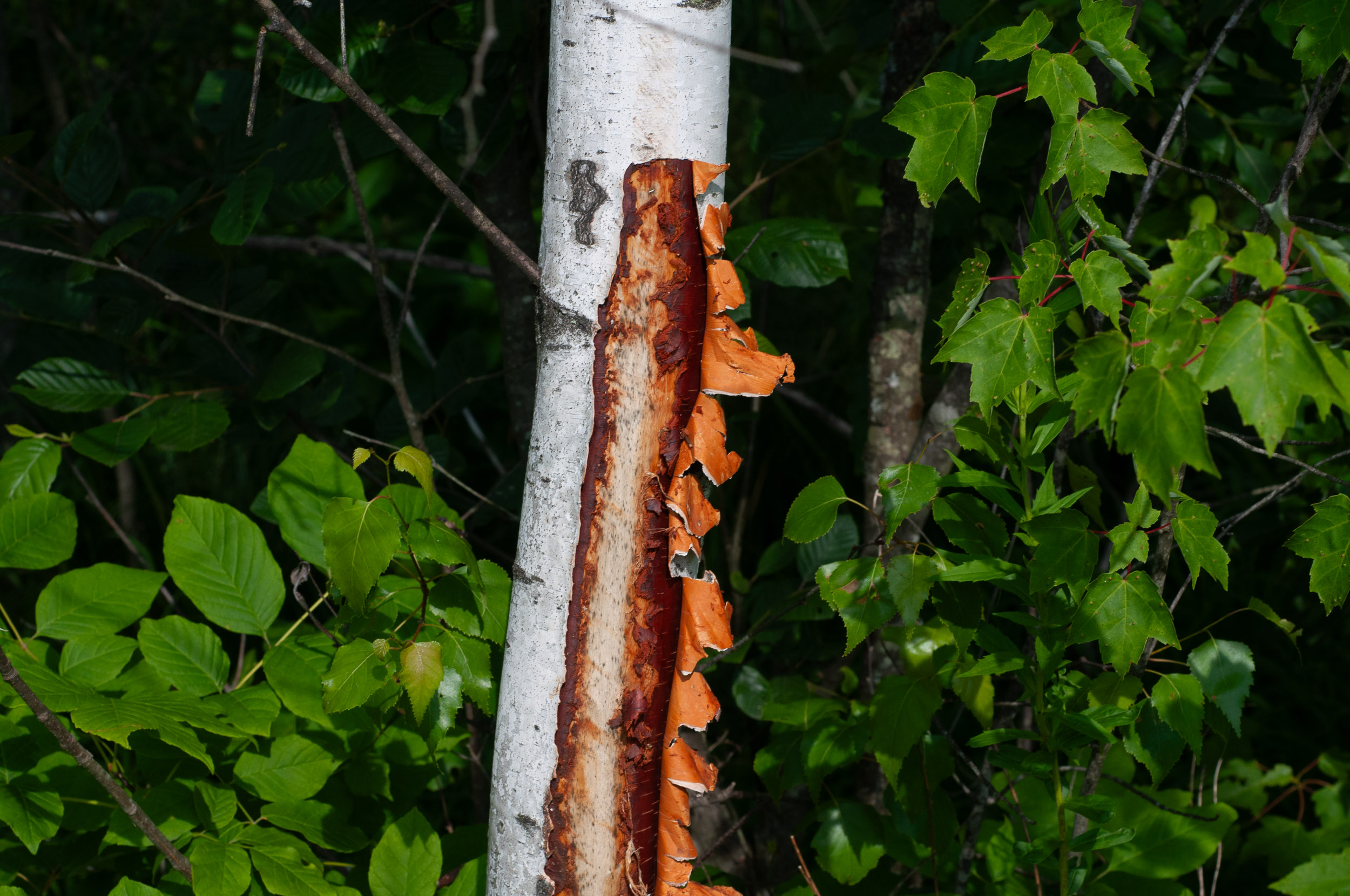
The slash may have been made by a black bear. · 6/26/2010 · Nashua River Rail Trail, Groton Center, Groton, Massachusetts · ≈ 2 × 1′ (62 × 41 cm) 
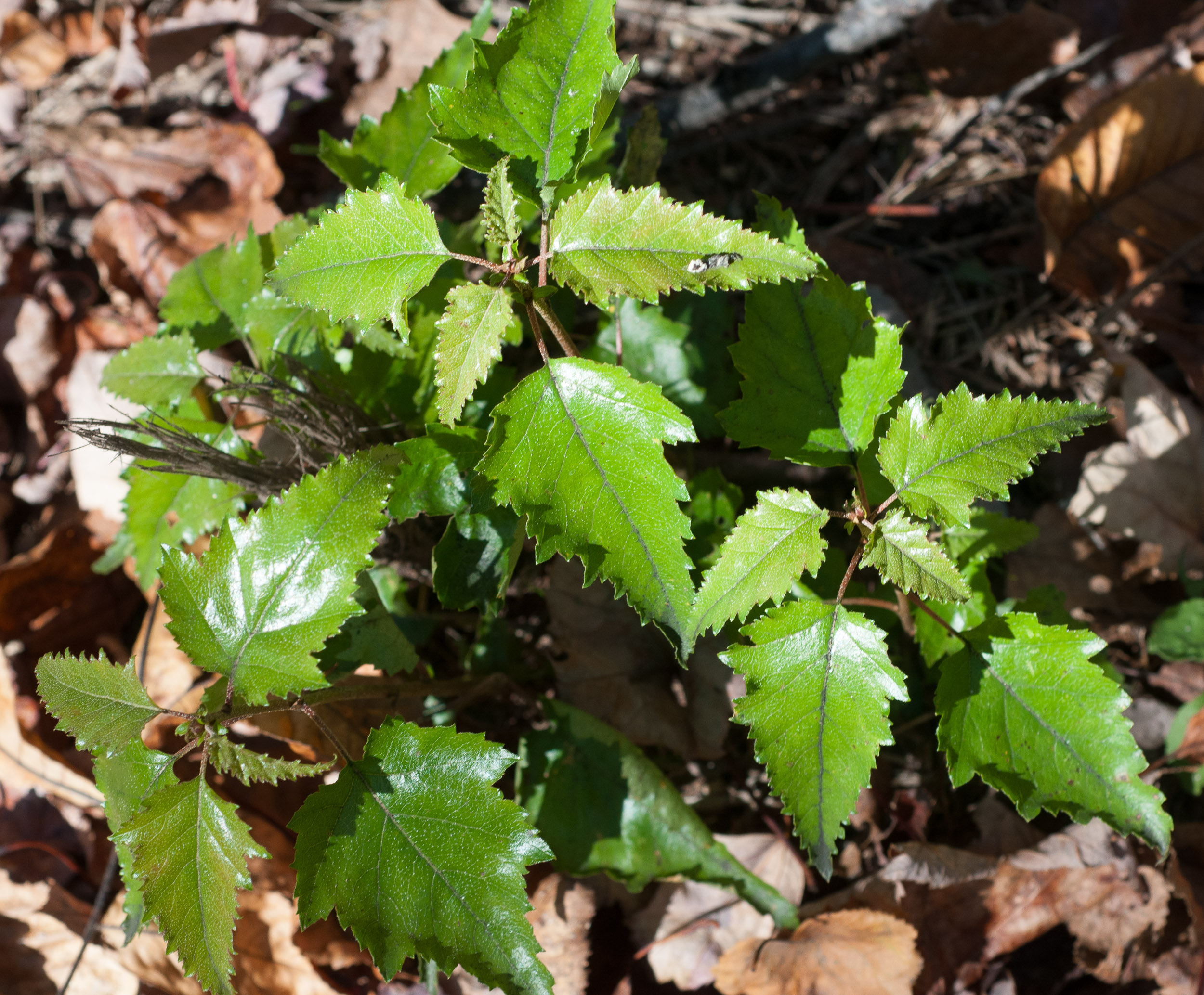
10/13/2012 · Townsend Wildlife Management Area, Townsend, Massachusetts · ≈ 10 × 8″ (25 × 20 cm) 
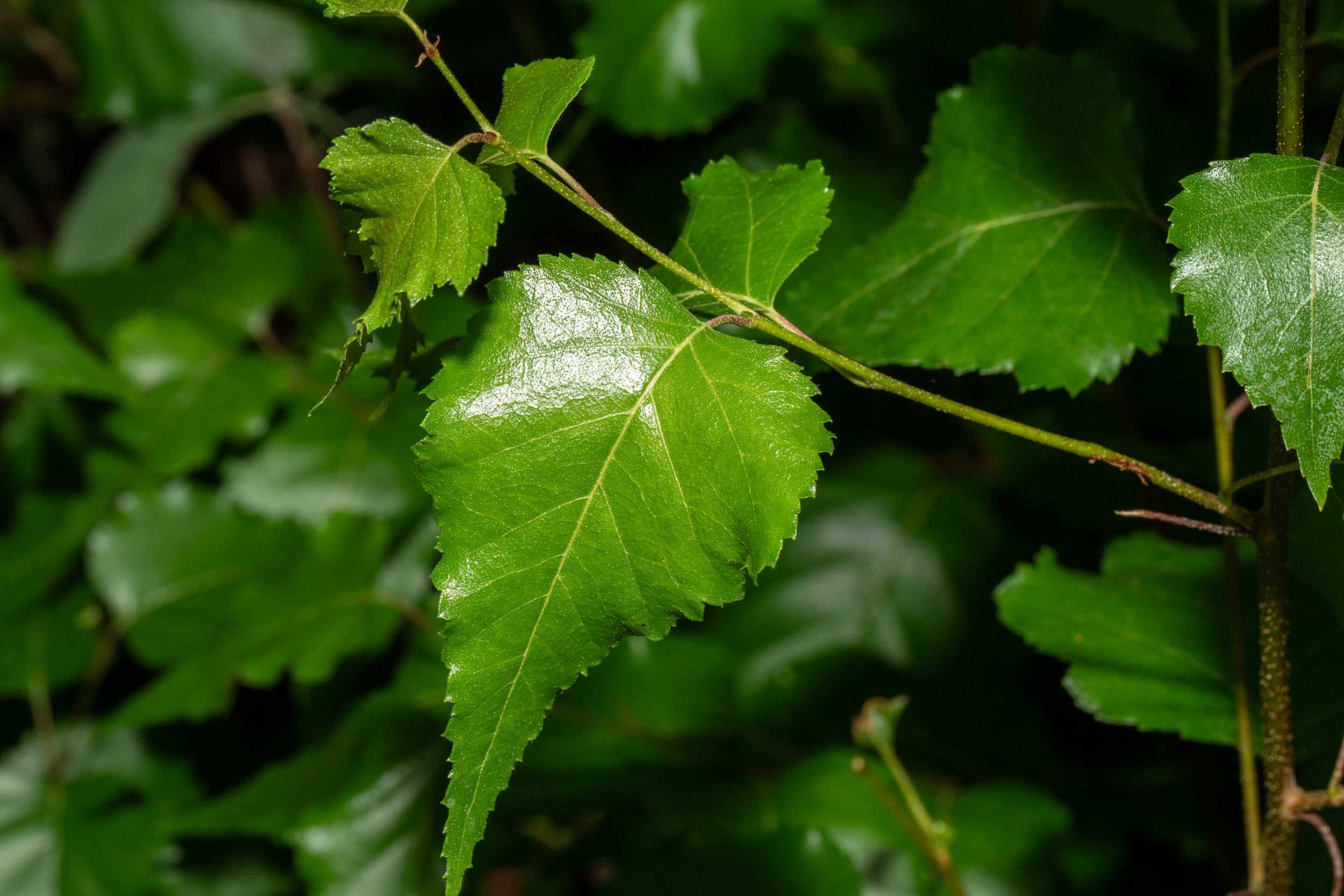
8/9/2025 · Garcelon Bog, Lewiston, Maine · ≈ 8 × 5″ (20 × 13 cm) 
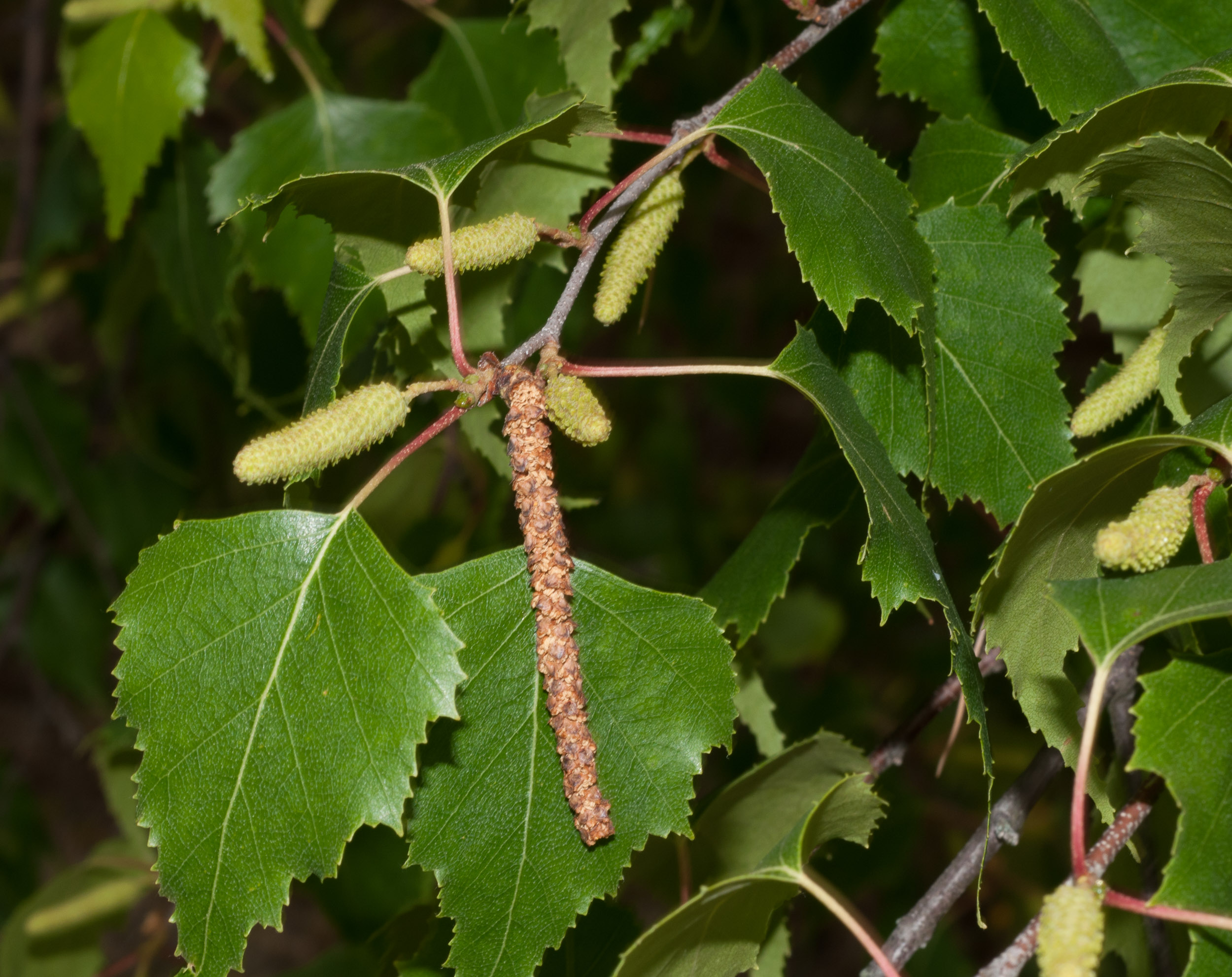
6/1/2010 · Nashua River Rail Trail, Groton Center, Groton, Massachusetts · ≈ 6 × 5″ (16 × 13 cm) ID is uncertain 
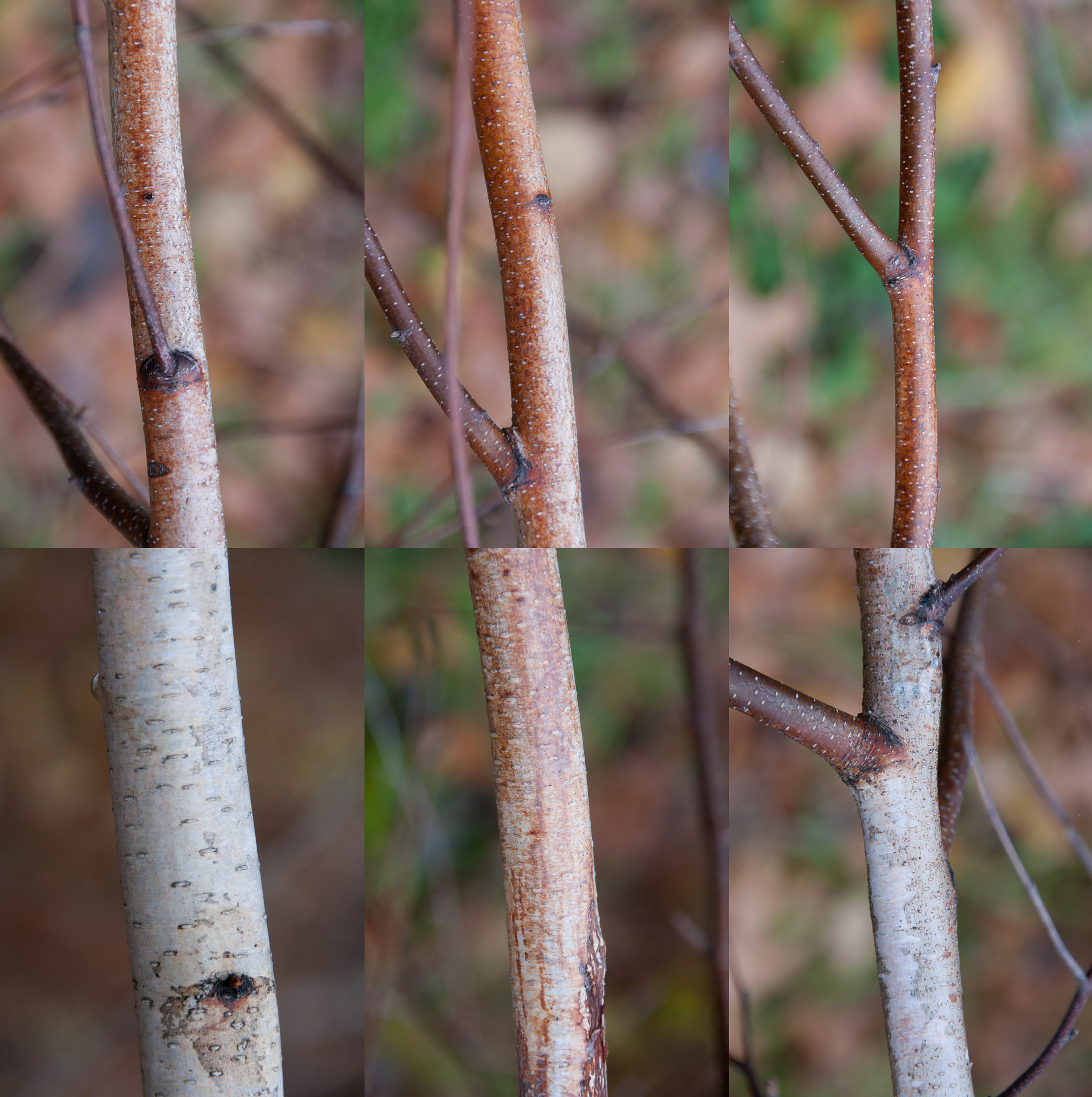
Color variations on the trunk of a young tree. · 11/13/2011 · Nashua River Rail Trail, Groton, Groton, Massachusetts 
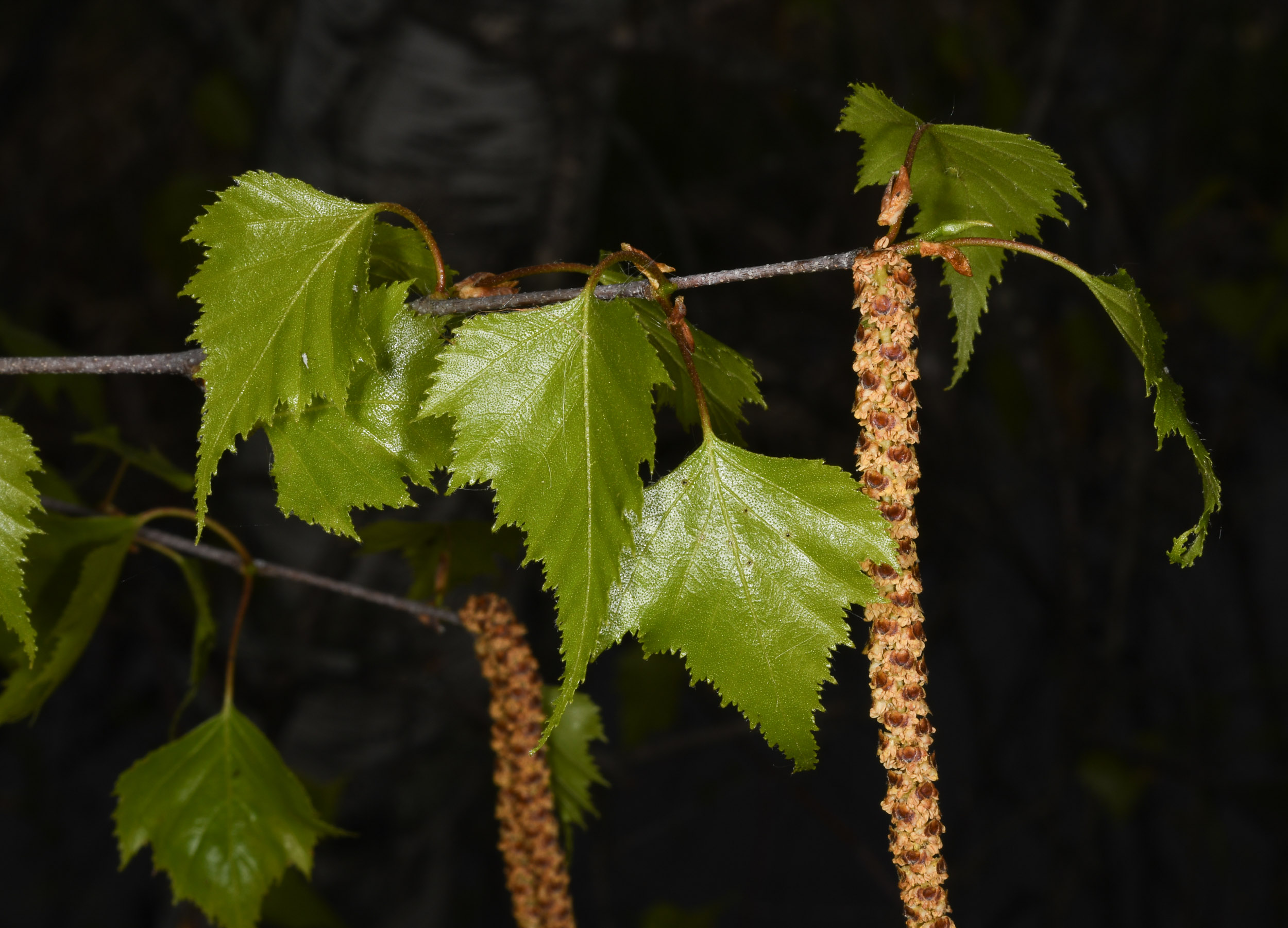
5/13/2016 · Nashua River Rail Trail, Groton, Groton, Massachusetts 
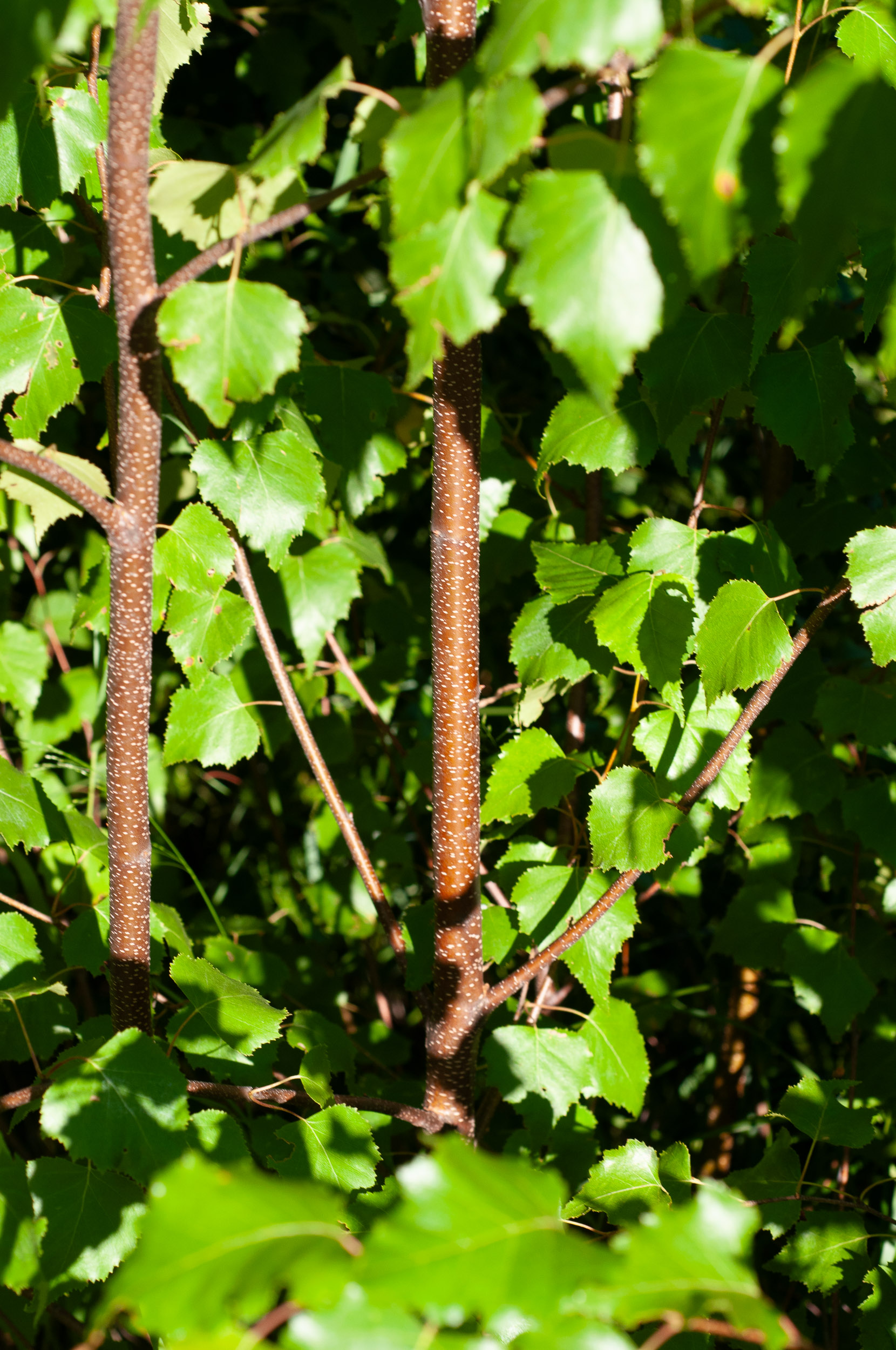
6/30/2010 · Nashua River Rail Trail, Groton Center, Groton, Massachusetts · ≈ 12 × 17″ (29 × 44 cm) 
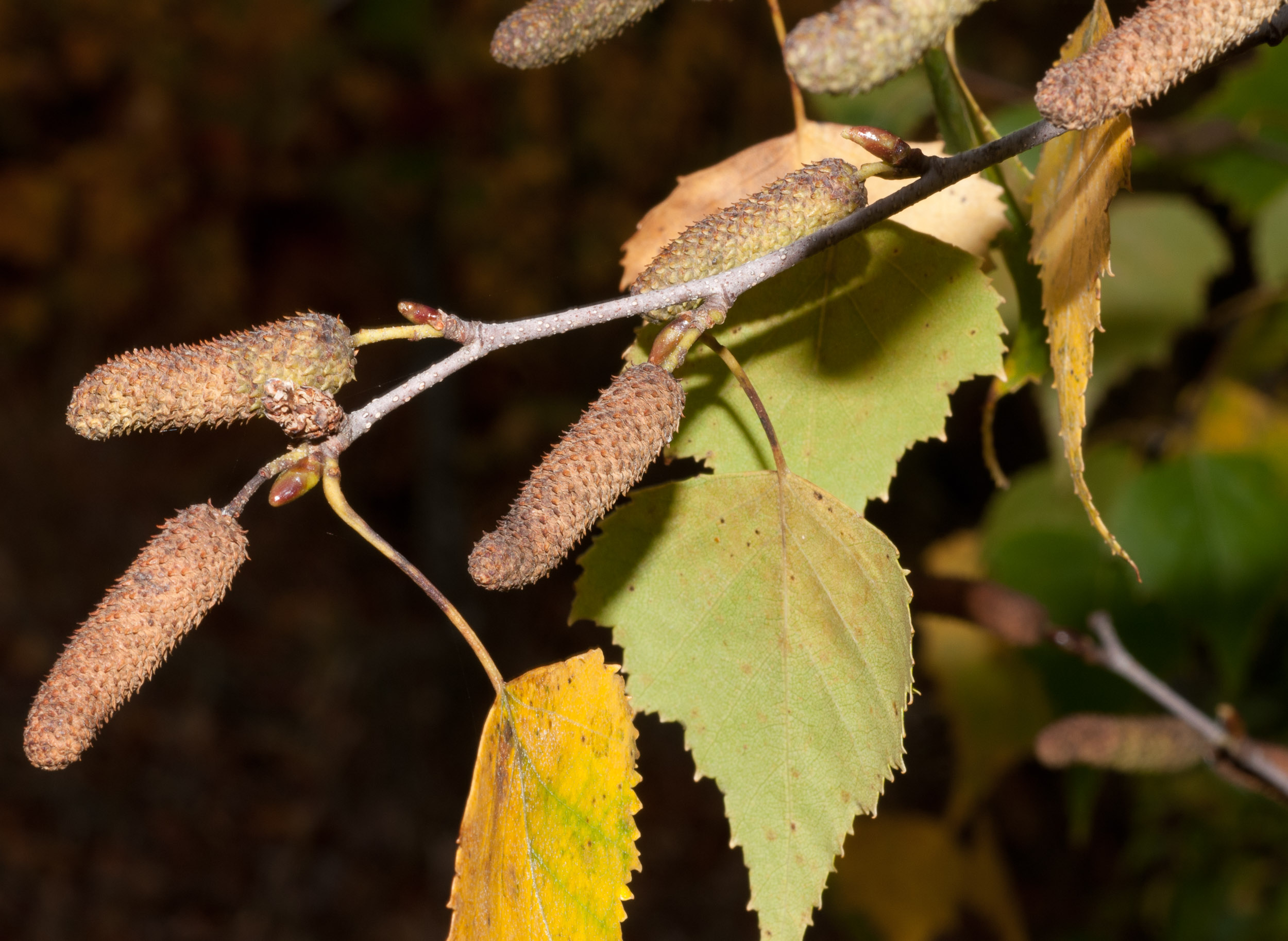
9/25/2010 · Nashua River Rail Trail, Groton Center, Groton, Massachusetts · ≈ 6 × 4½″ (16 × 11 cm) 
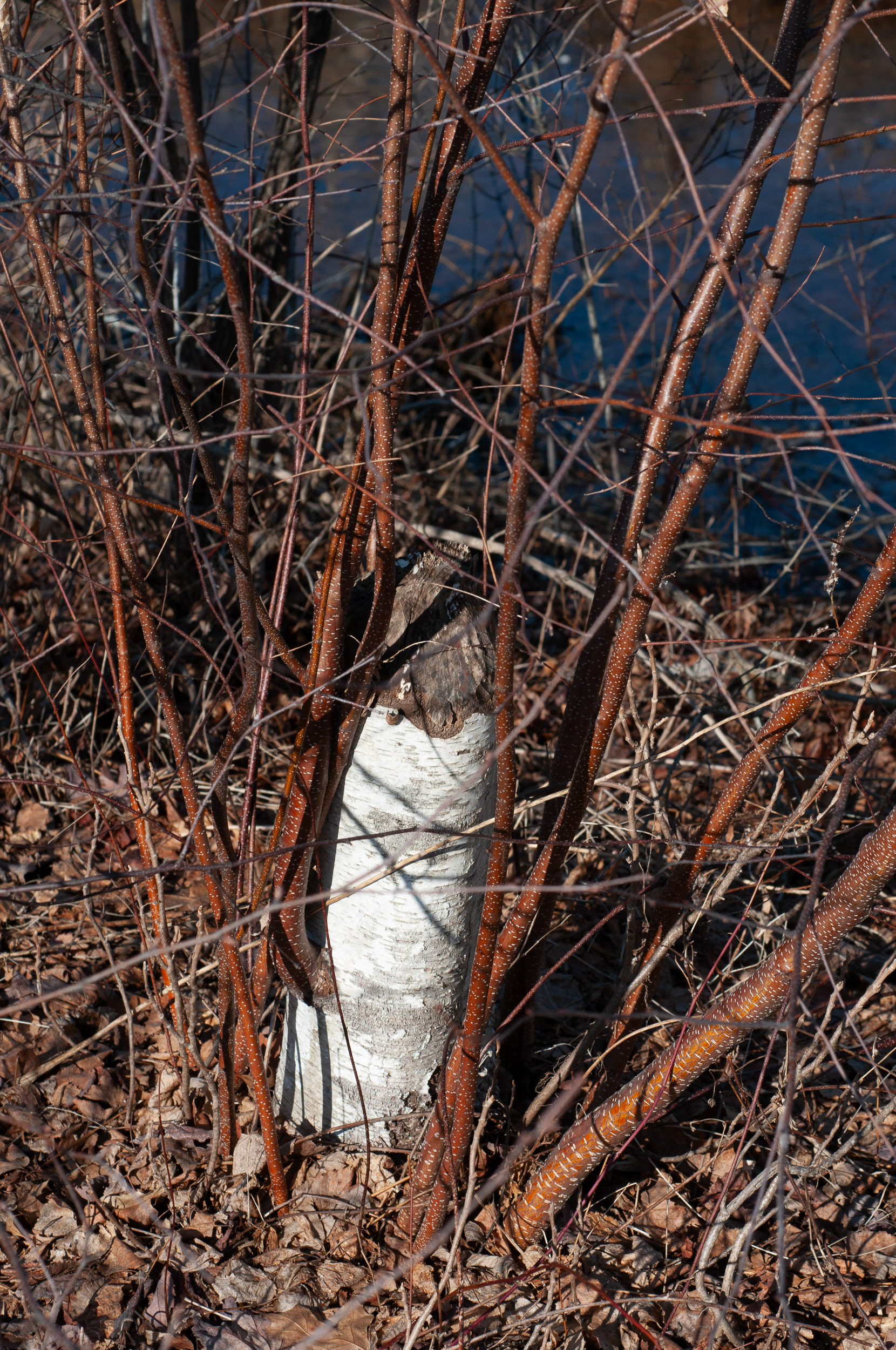
Young paper birches explode around a stump left by a beaver. · 3/10/2010 · Nashua River Rail Trail, Groton Center, Groton, Massachusetts 
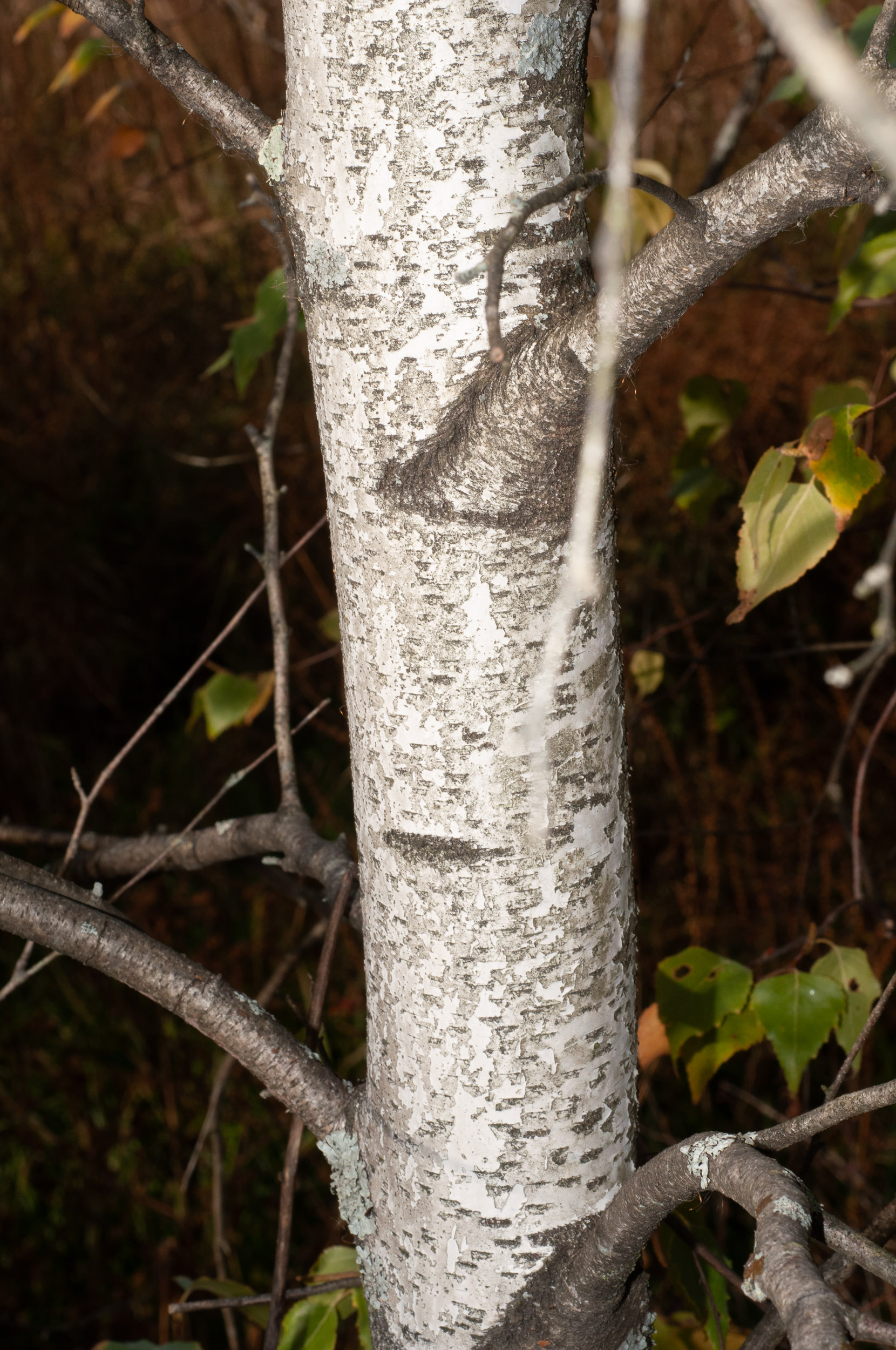
10/11/2010 · Nashua River Rail Trail, Groton Center, Groton, Massachusetts · ≈ 10 × 15″ (26 × 39 cm) 
| Kingdom | Plantae | Plants, but not fungi, lichens, or algae (from Stearn's Botanical Latin) |
| Subkingdom | Tracheobionta | Vascular plants—plants with a “circulatory system” for delivering water and nutrients |
| Division | Magnoliophyta | Flowering plants, also known as angiosperms |
| Class | Magnoliopsida | Dicotyledons—plants with two initial seed leaves |
| Subclass | Rosidae | Roses, legumes, proteas, dogwoods, hydrangeas, mistletoes, euphorbias, grapes, many more |
| Order | Fagales | Birch, she-oak, beech, walnut, bayberry, others |
| Family | Betulaceae | Birch family: birches, alders, hazels, hornbeams and hop-hornbeams |
| Genus | Betula | Birch |
| Species | populifolia | From popul for genus “Populus,” and folia for “leaves;” for the poplar-shaped leaves |
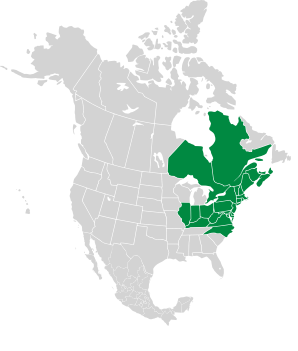
Betula populifolia description by Thomas H. Kent, not updated.

© FloraFinder.org. All rights reserved.