Brachycereus nesioticus (Schum.) Backeb.
Lava cactus, cacto de lava, castillo de lava
Lava cactus is found only in the Galápagos Islands. Even there, its range is very limited, to parts of Bartolomé, Fernandina, Genovesa, Isabela, Pinta, and Santiago. Lava cactus is so named because it is one of the first plants to colonize lava fields—a “pioneer plant.” Plants grow slowly, eking out a living at first in virgin lava fields. Newer stems cannibalize older ones for water and nutrients, leaving the older ones to dry and break down. This process forms some of the first soil, making possible colonization by other plants.
Plants: Clumps up to 6½′ (2 m) wide are comprised of cylindrical, segmented stems with rounded tips. Stems are green, brown, or gray, with spines that are yellow at first, darkening to gray over time. Stems have 16-22 ribs and are 4–20″ (10–50 cm) in height. Each areole has 40 or more soft, furry spines. Each spine is ⅞″ (2.5 cm) long.
Flowers: Flowers are up to 4 ⨉ 2″ (11 ⨉ 5.5 cm), white or cream-colored, and shaped like narrow funnels. Flowers open during the day, and are accompanied by many spines below.
Fruits: Red to brown, with many yellow spines, containing black seeds.
Habitats: Xeric zones of nearly barren lava fields in parts of the Galápagos archipelago.
Online References:
References:
McMullen, Conley K., Flowering Plants of the Galápagos, Comstock Publishing Associates, 1999, p. 321
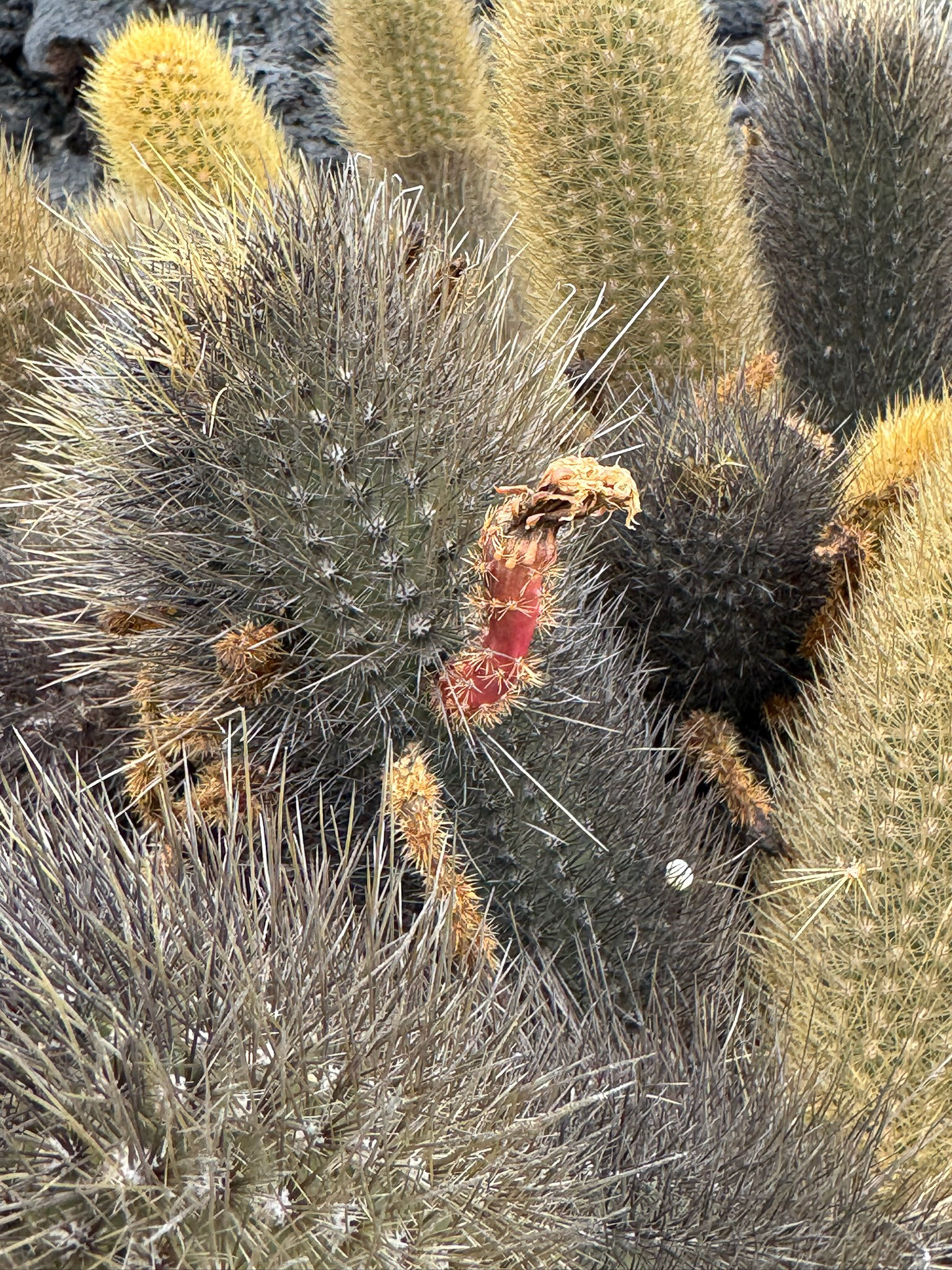
4/2/2025 · Sullivan Bay, Santiago, Galápagos Islands, Ecuador · By Kathryn Morgis 
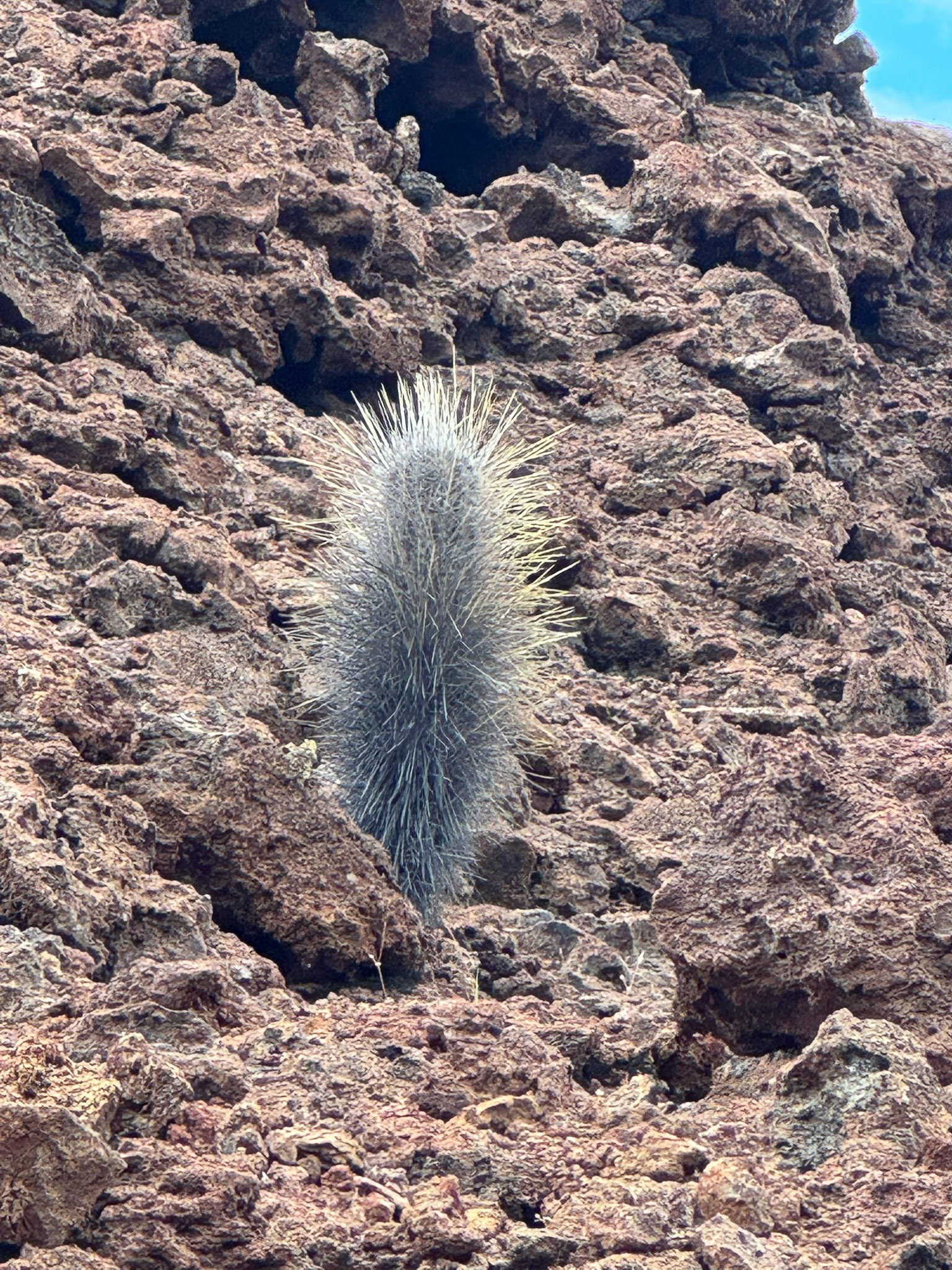
4/2/2025 · Sullivan Bay, Santiago, Galápagos Islands, Ecuador · By Kathryn Morgis 
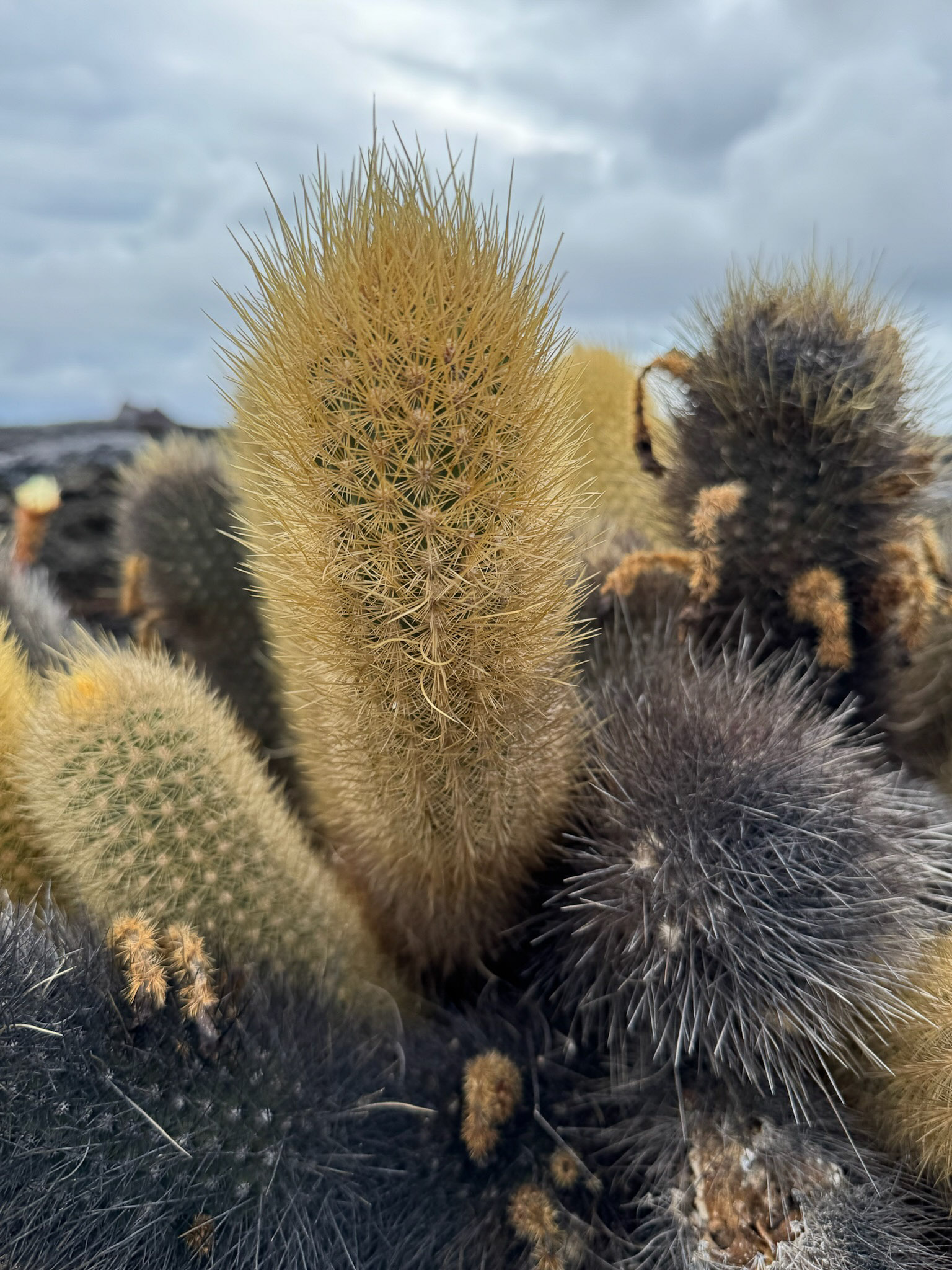
4/2/2025 · Sullivan Bay, Santiago, Galápagos Islands, Ecuador · By Kathryn Morgis 
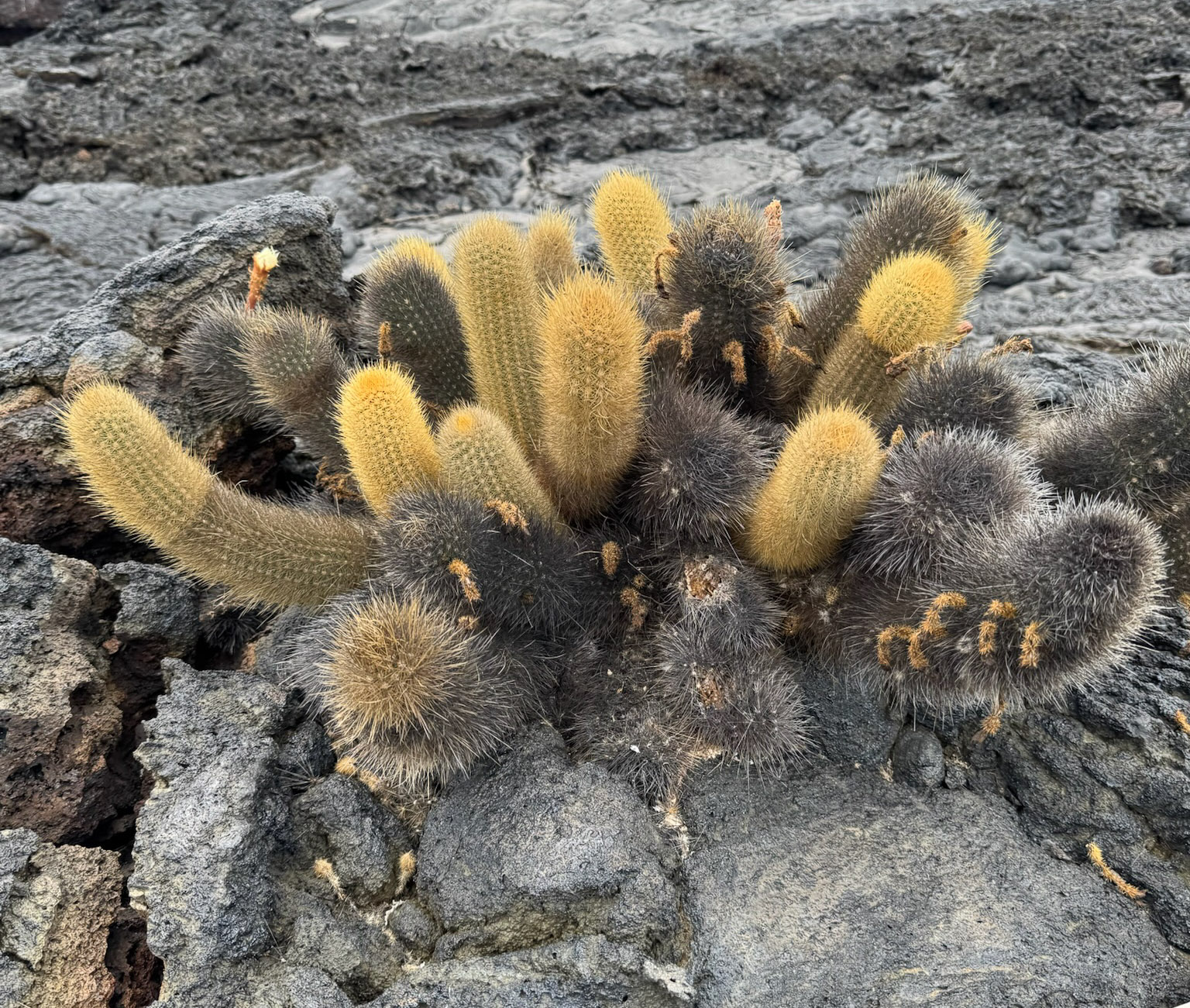
4/2/2025 · Sullivan Bay, Santiago, Galápagos Islands, Ecuador · By Kathryn Morgis 

4/2/2025 · Sullivan Bay, Santiago, Galápagos Islands, Ecuador · By Kathryn Morgis 

4/2/2025 · Lava Fields, Sullivan Bay, Santiago, Galápagos Islands, Ecuador 
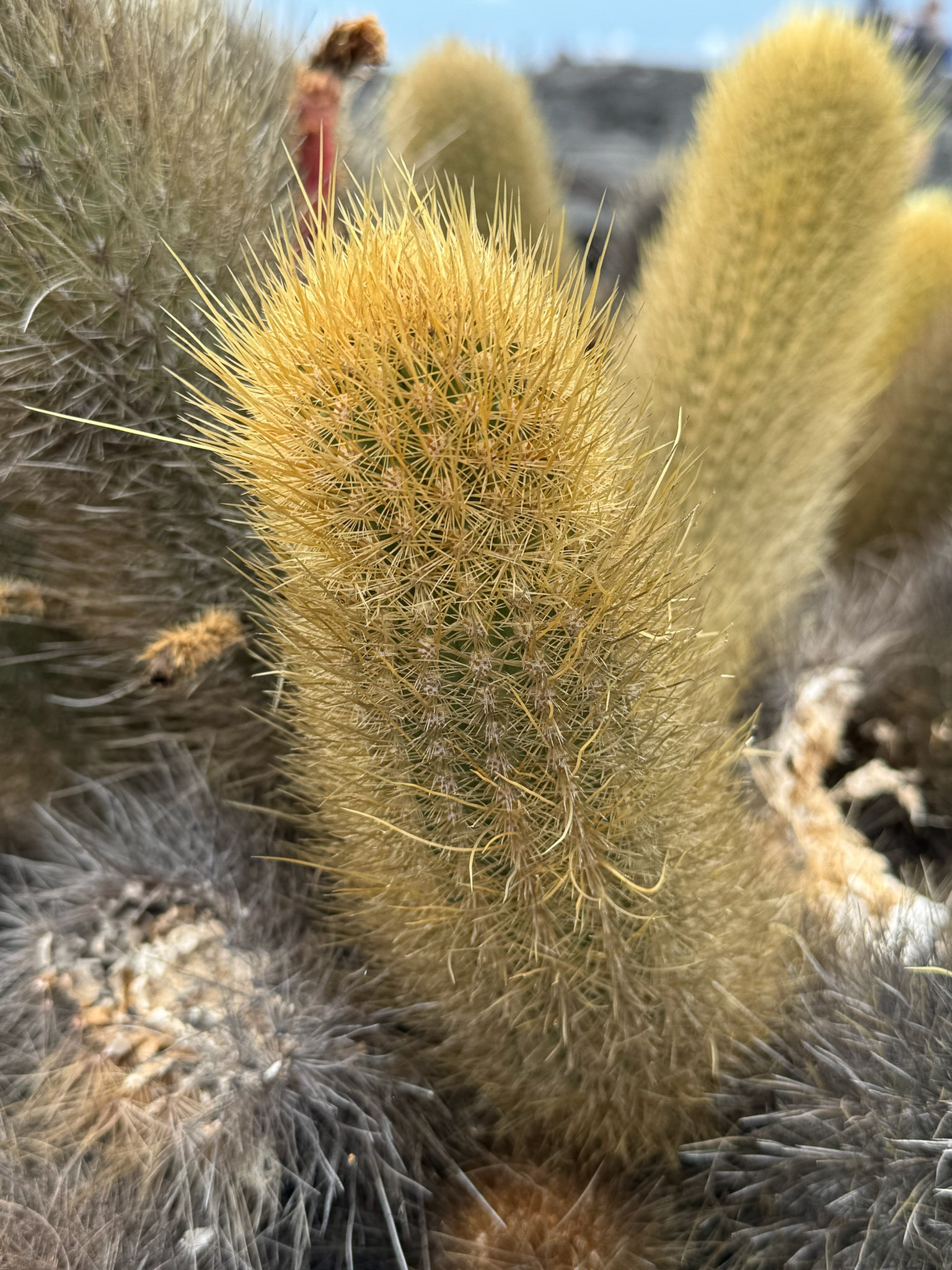
4/2/2025 · Sullivan Bay, Santiago, Galápagos Islands, Ecuador · By Kathryn Morgis 
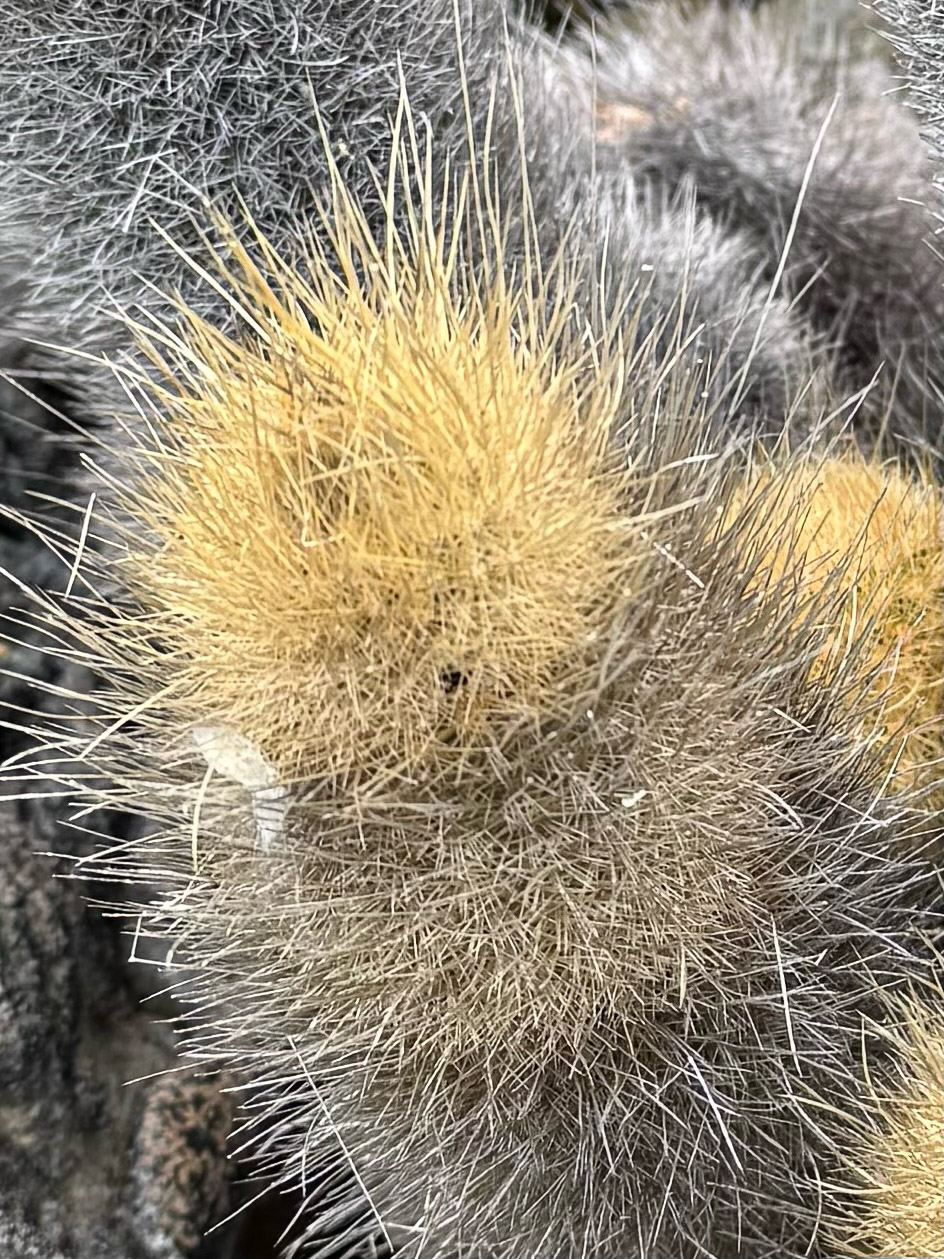
4/2/2025 · Sullivan Bay, Santiago, Galápagos Islands, Ecuador · By Kathryn Morgis 
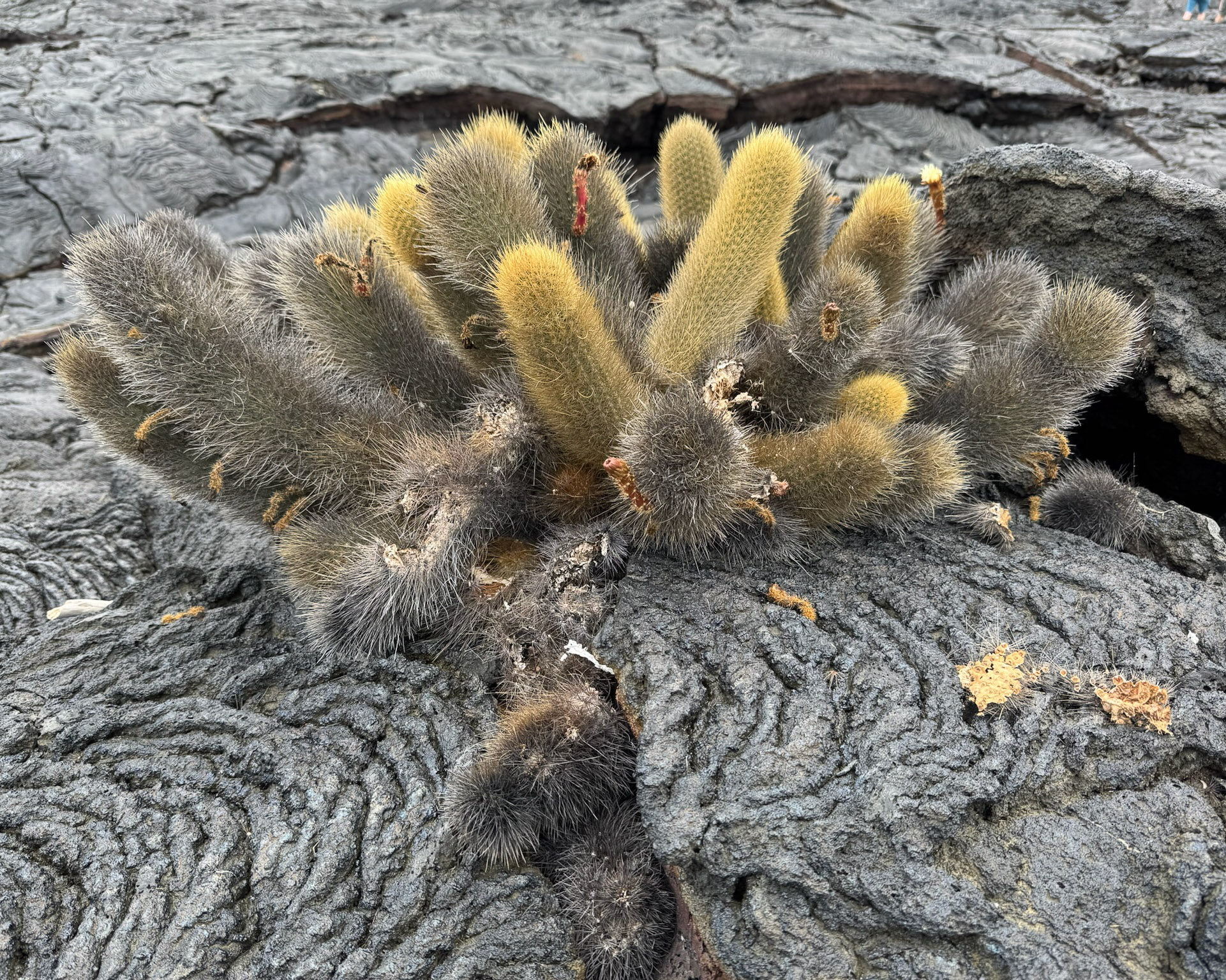
4/2/2025 · Sullivan Bay, Santiago, Galápagos Islands, Ecuador · By Kathryn Morgis 
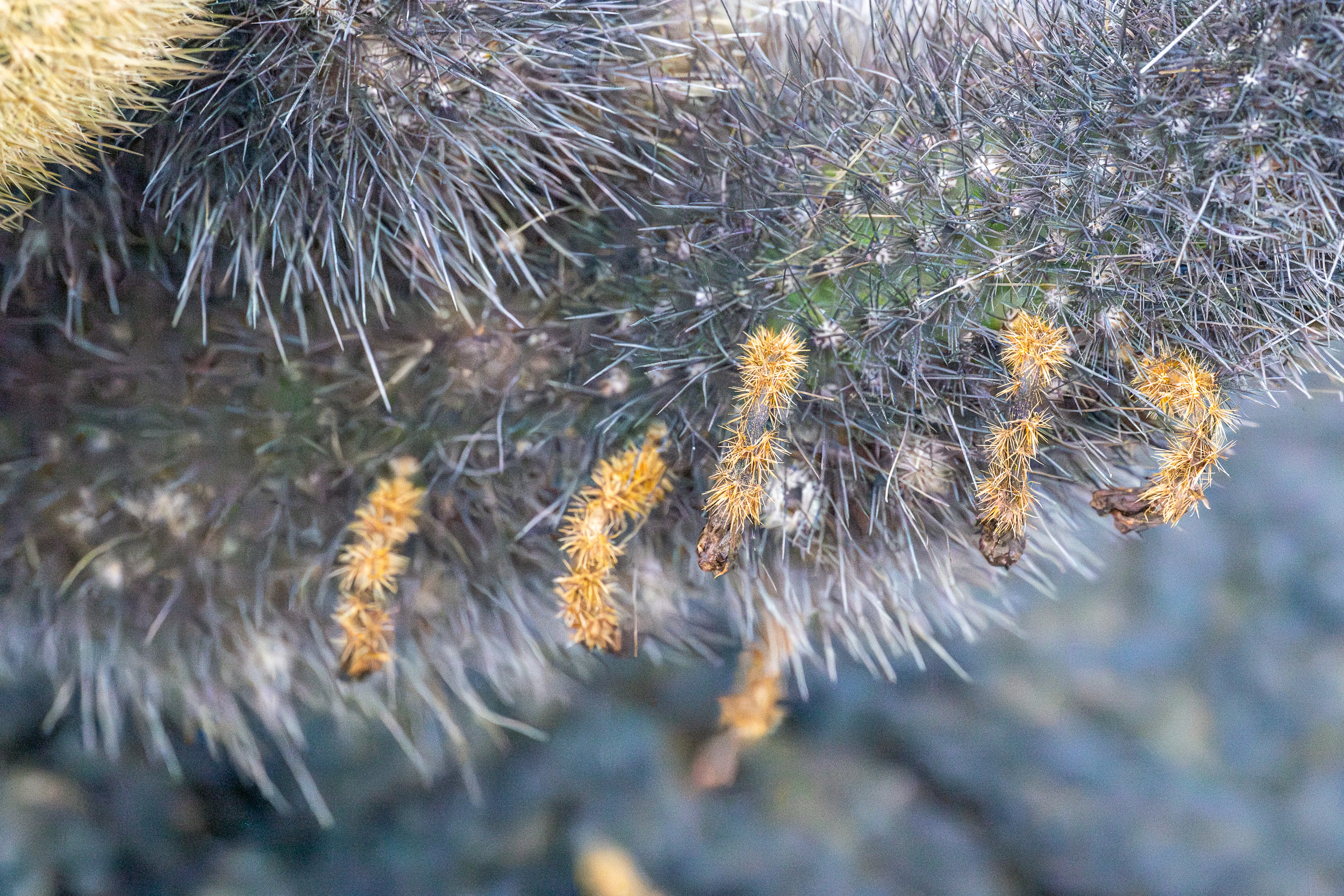
4/2/2025 · Lava Fields, Sullivan Bay, Santiago, Galápagos Islands, Ecuador 
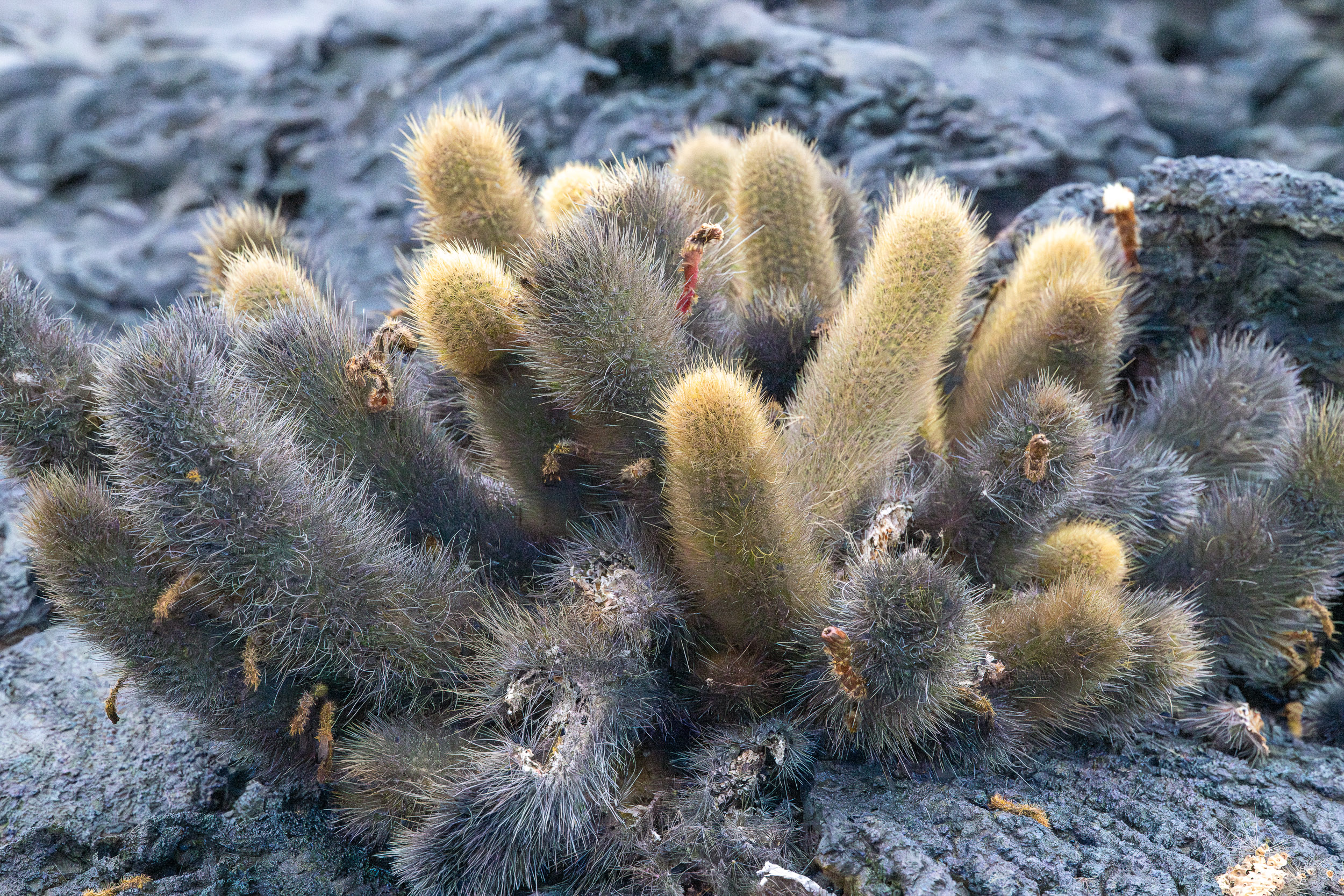
4/2/2025 · Lava Fields, Sullivan Bay, Santiago, Galápagos Islands, Ecuador 
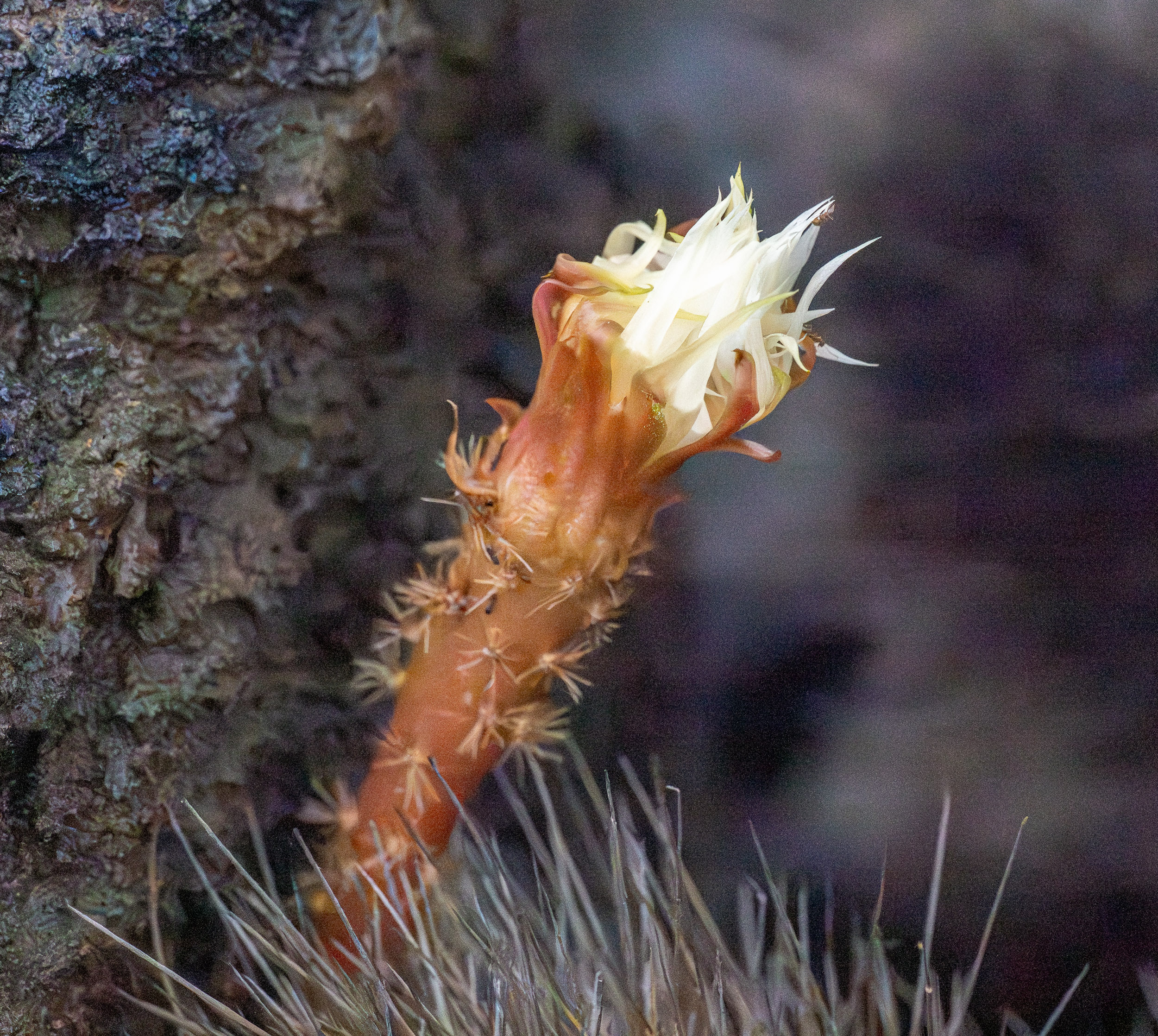
4/2/2025 · Lava Fields, Sullivan Bay, Santiago, Galápagos Islands, Ecuador 
| Parents | Unknown | Genus is not in the current taxonomy |
| Genus | Brachycereus | From Greek brachys, ”short,“ and cereus, ”candle“ |
| Species | nesioticus | From the Greek nesos, “island,” and the -ica suffix indicating “possession or belonging to,” thus belonging to an island |
Brachycereus nesioticus description by Thomas H. Kent, not updated.

© FloraFinder.org. All rights reserved.