Catalpa speciosa (Warder) Warder ex Engelm.
Northern catalpa, hardy catalpa, western catalpa, cigar tree, Catawba-tree
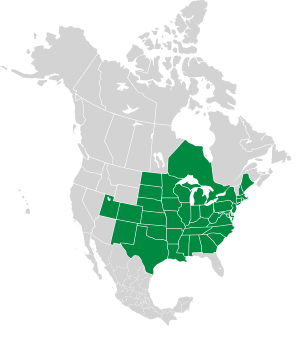
”Northern” catalpa, also called western catalpa, is native to the American midwest.
Plants: Trees are 49–98′ (15–30 m) tall and about 39′ (12 m) around. Bark is brown or gray-brown, furrowed, eventually forming rough, scaly plates, sometimes with upturned, peeling edges.
Leaves: Heart-shaped (rarely with a point on each side), 8–12 ⨉ 6–8″ (20–30 ⨉ 15–20 cm), with pointed tips. They are opposite, or in whorls of three.
Flowers: Large showy flowers are white, bell-shaped, five-petaled, with yellow and purple spots on their interiors. They appear in clusters 8–12″ (20–30 cm) long.
Fruits: Equally showy, resembling long, somewhat curved string beans 10–18″ (25–45 cm) in length. Each fruit is ¼–½″ (6.3–12 mm) in diameter, and green, maturing to brown, persisting through the winter.
Habitats: Along streams, bluff bases and in both low and upland woods.

Flowers of Catalpa speciosa, from the Arboretum of Rendeux, Rendeux, Belgium. By Jean-Pol Grandmont. 
Online References:
References:
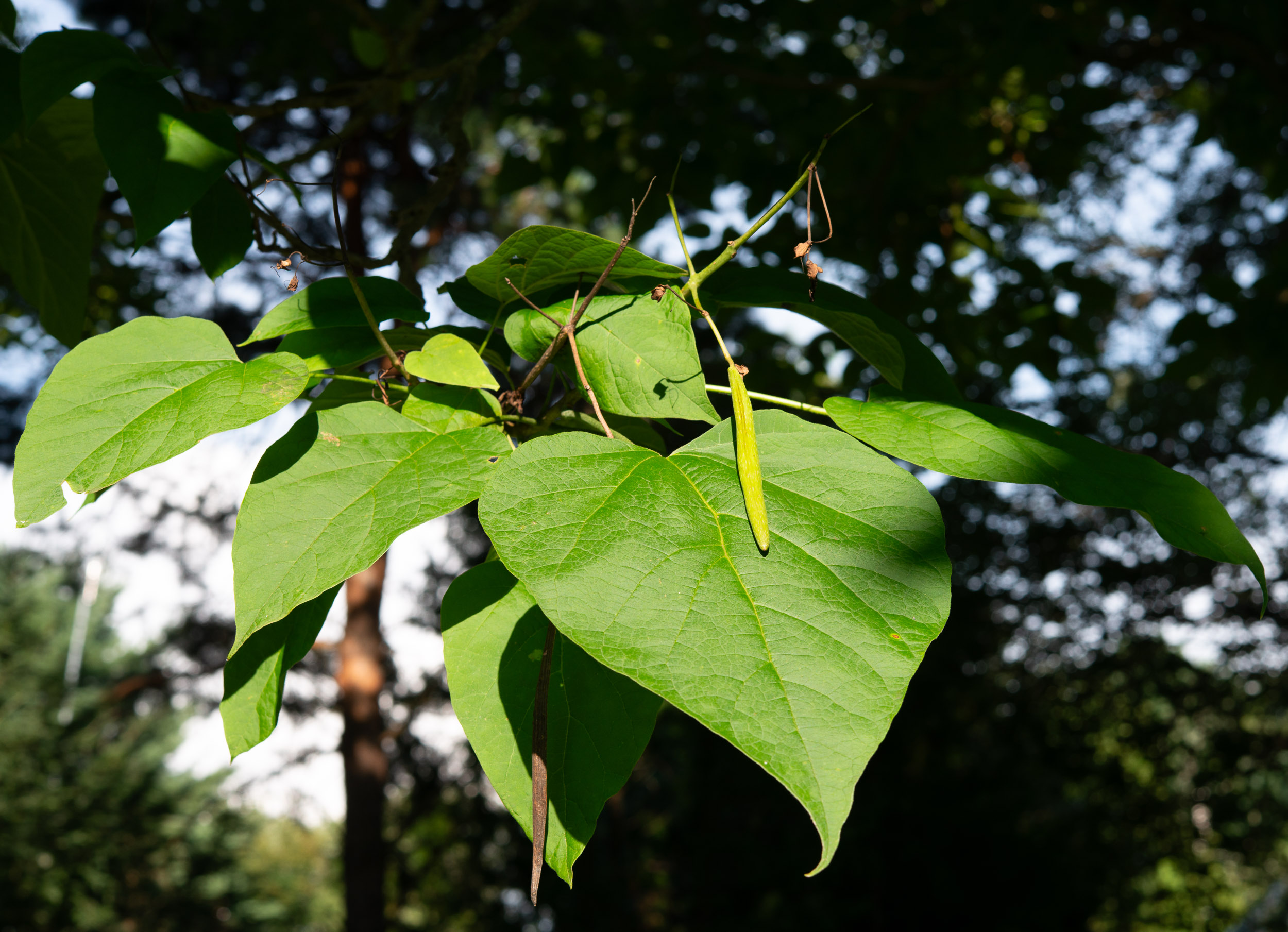
8/4/2013 · Barry’s, Acton, Massachusetts · ≈ 2 × 1½′ (69 × 50 cm) 
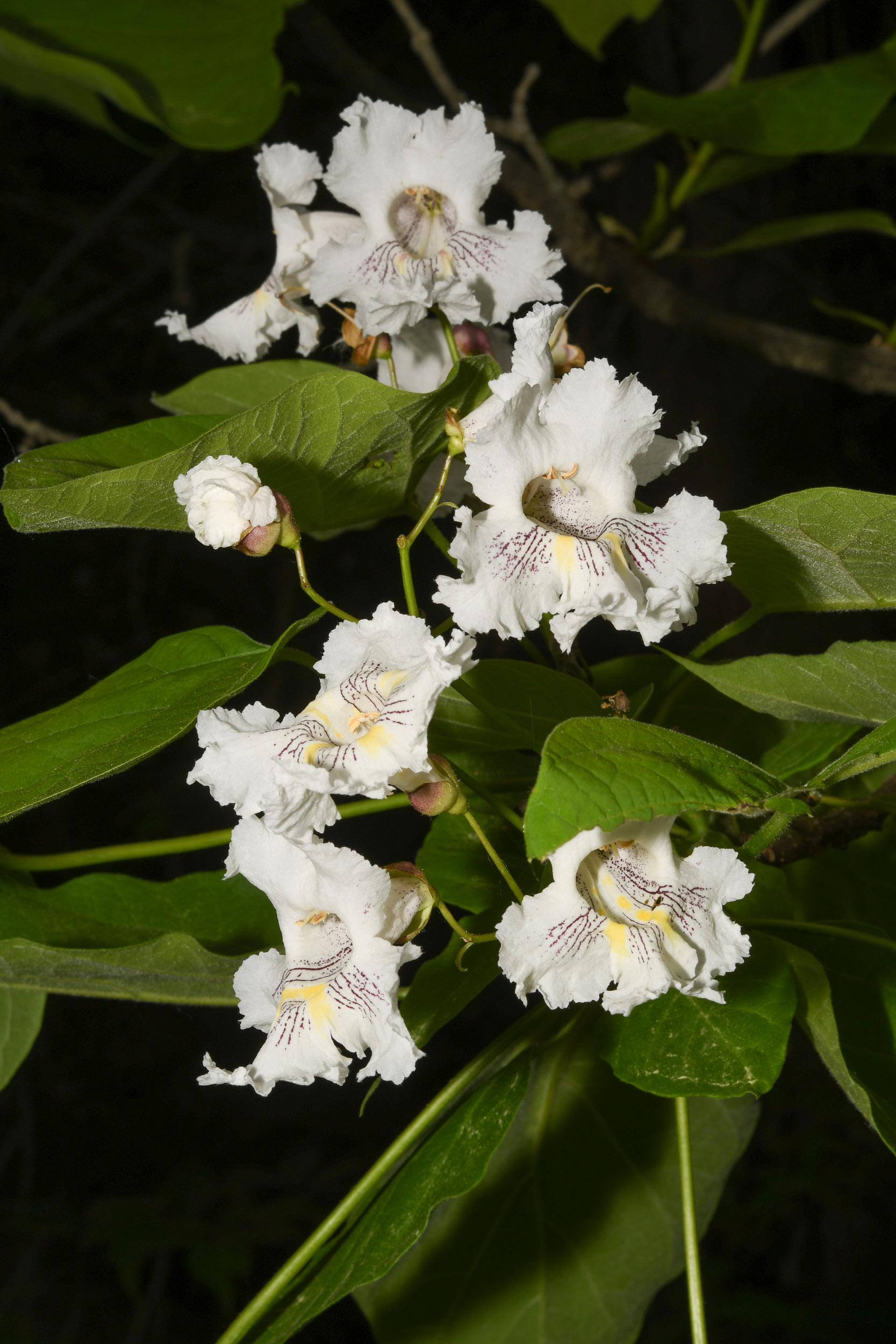
6/22/2016 · Nashua River Rail Trail, Groton, Groton, Massachusetts 

6/22/2016 · Nashua River Rail Trail, Groton, Groton, Massachusetts 

8/16/2013 · Nashua River Rail Trail, Groton Center, Groton, Massachusetts · ≈ 1½ × 1′ (47 × 31 cm) 
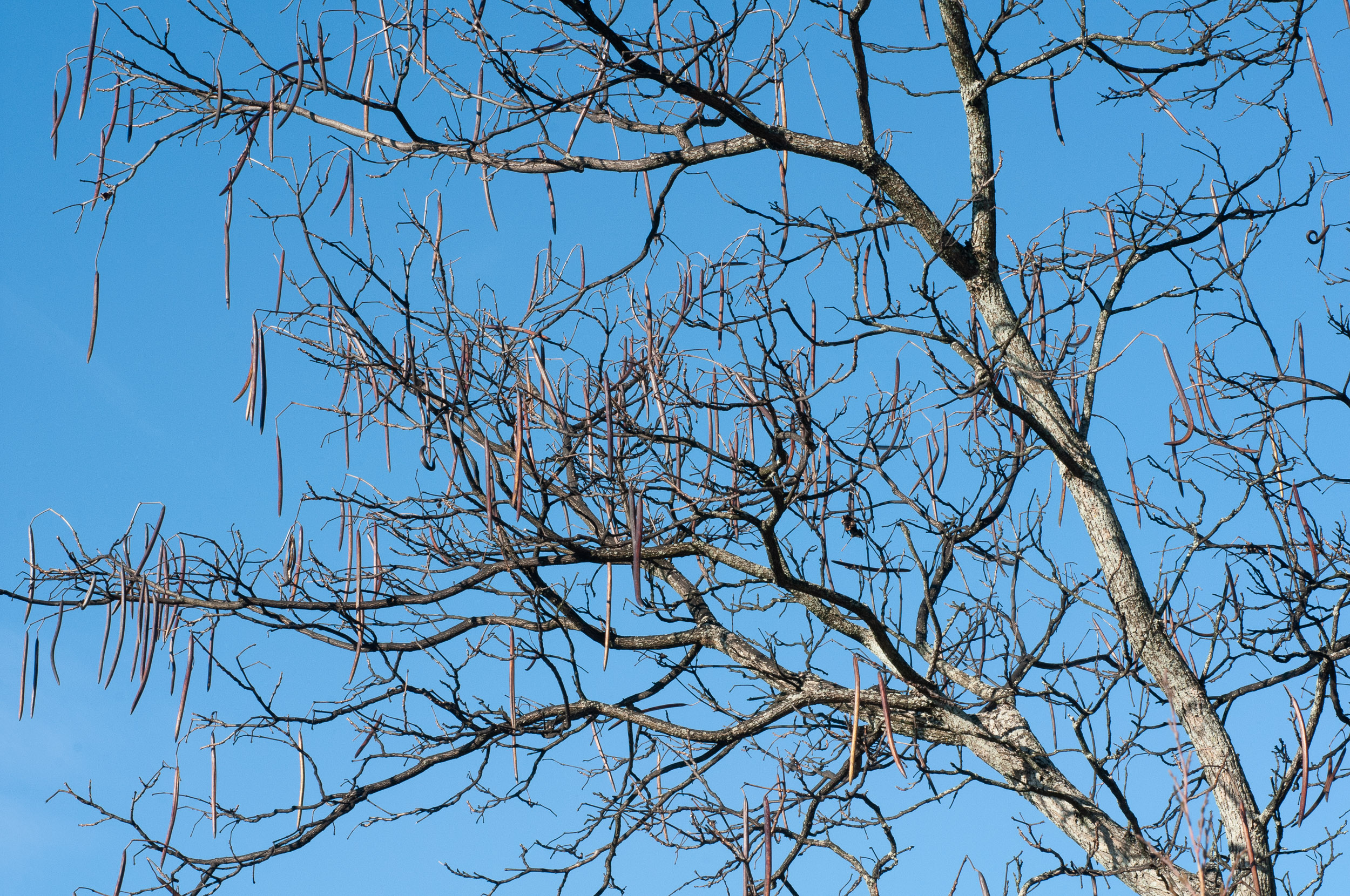
11/29/2009 · Rail Trail, Ayer, Massachusetts 

8/4/2013 · Barry’s, Acton, Massachusetts 

8/4/2013 · Barry’s, Acton, Massachusetts 

7/2/2010 · Mt Vernon Trail, along Potomac River  ID is uncertain


6/22/2016 · Nashua River Rail Trail, Groton, Groton, Massachusetts 
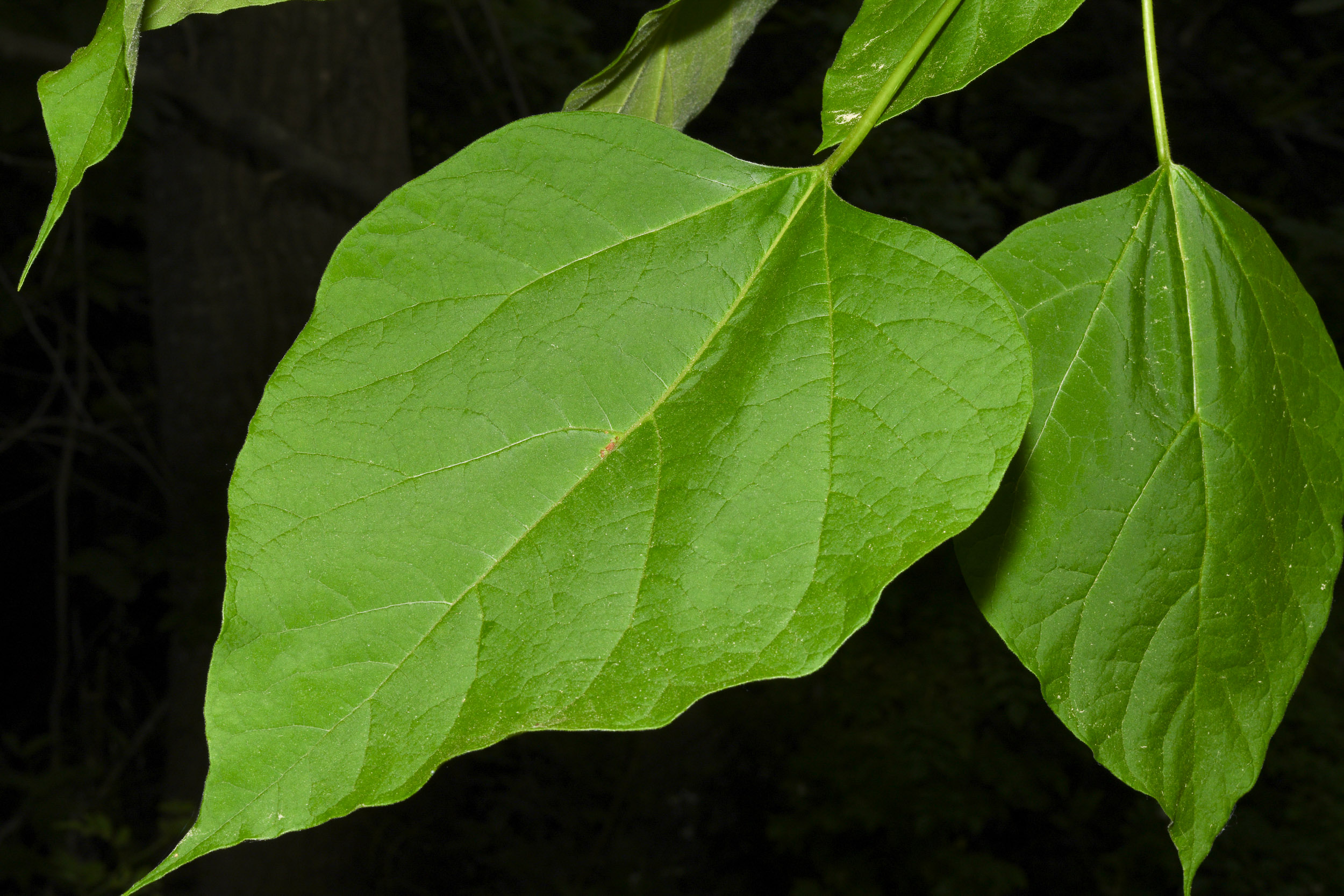
6/22/2016 · Nashua River Rail Trail, Groton, Groton, Massachusetts 

8/16/2013 · Nashua River Rail Trail, Groton Center, Groton, Massachusetts · ≈ 1 × 1′ (31 × 40 cm) 

The catalpa along the Potomac river is festooned with riverbank grapevines (Vitis riparia). · 7/2/2010 · Mt Vernon Trail, along Potomac River ID is uncertain 

6/22/2016 · Nashua River Rail Trail, Groton, Groton, Massachusetts 
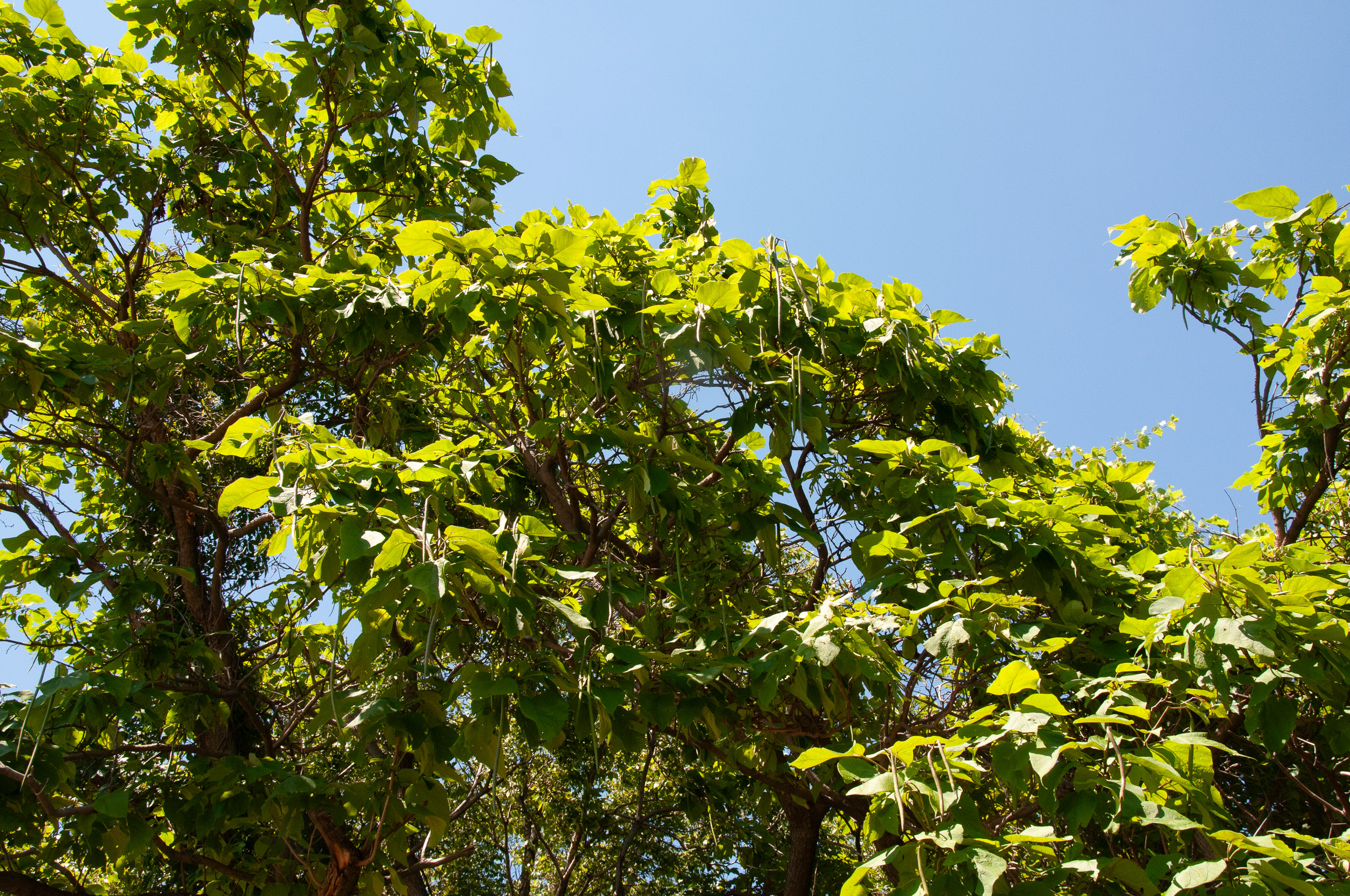
7/2/2010 · Mt Vernon Trail, along Potomac River ID is uncertain 
| Kingdom | Plantae | Plants, but not fungi, lichens, or algae (from Stearn's Botanical Latin) |
| Subkingdom | Tracheobionta | Vascular plants—plants with a “circulatory system” for delivering water and nutrients |
| Division | Magnoliophyta | Flowering plants, also known as angiosperms |
| Class | Magnoliopsida | Dicotyledons—plants with two initial seed leaves |
| Subclass | Asteridae | A large class that encompasses asters |
| Order | Lamiales | Aromatic herbs and shrubs, including lavender, lilac, olive, jasmine, ash, teak, snapdragon, sesame, psyllium, garden sage, mint, basil, and rosemary |
| Family | Bignoniaceae | After the Abbe Jean Paul Bignon (1662-1743) |
| Genus | Catalpa | From the Catawba Native American name catawba for these trees (the tribal totem), with the spelling catalpa being due to a transcription error on the part of the describing botanist (Scopoli) |
| Species | speciosa | Showy |
Catalpa speciosa description by Thomas H. Kent, not updated.

© FloraFinder.org. All rights reserved.