Chlorociboria aeruginascens Kanouse ex Ramamurthi
Blue stain fungus, green elfcup, green wood cup
Turquoise-colored mushrooms? How cool is that? I’ve been looking for these for several years, and although I have often found the mycelium on wood—a blue-green stain—I have seen the fruiting bodies only twice, on Mt. Watatic and Oak Hill, both in Massachusetts. Returning to one of the places where I had seen the mycelium, the wood had been removed, apparently by someone who recognizes its wood carving value. It is used in creating intarsia, an inlaying process using tiny, thin veneers similar to parquetry. So I am grateful to Amanda Felegie for sending in the photo she took at Ricketts Glen State Park in Pennsylvania.
Identification: This fungus appears on decayed hardwood, principally oak, spreading deep into the wood. It has small cup-shaped asocarps attached to the wood by a stemlike base called the stipe. The fruiting bodies rarely exceed ¾″ (1.9 cm) in size. The fruiting bodies appear only on wood that is decayed enough to be free of bark. Michael Kuo’s site, MushroomExpert.com, points out that these could be either Chlorociboria aeruginascens or Chlorociboria aeruginosa. The only way to differentiate between them is by comparing the spore size, which are a microscopic 5-8 µm by 0.7-2.8 µm, smaller than those of C. aeruginosa.
Online References:
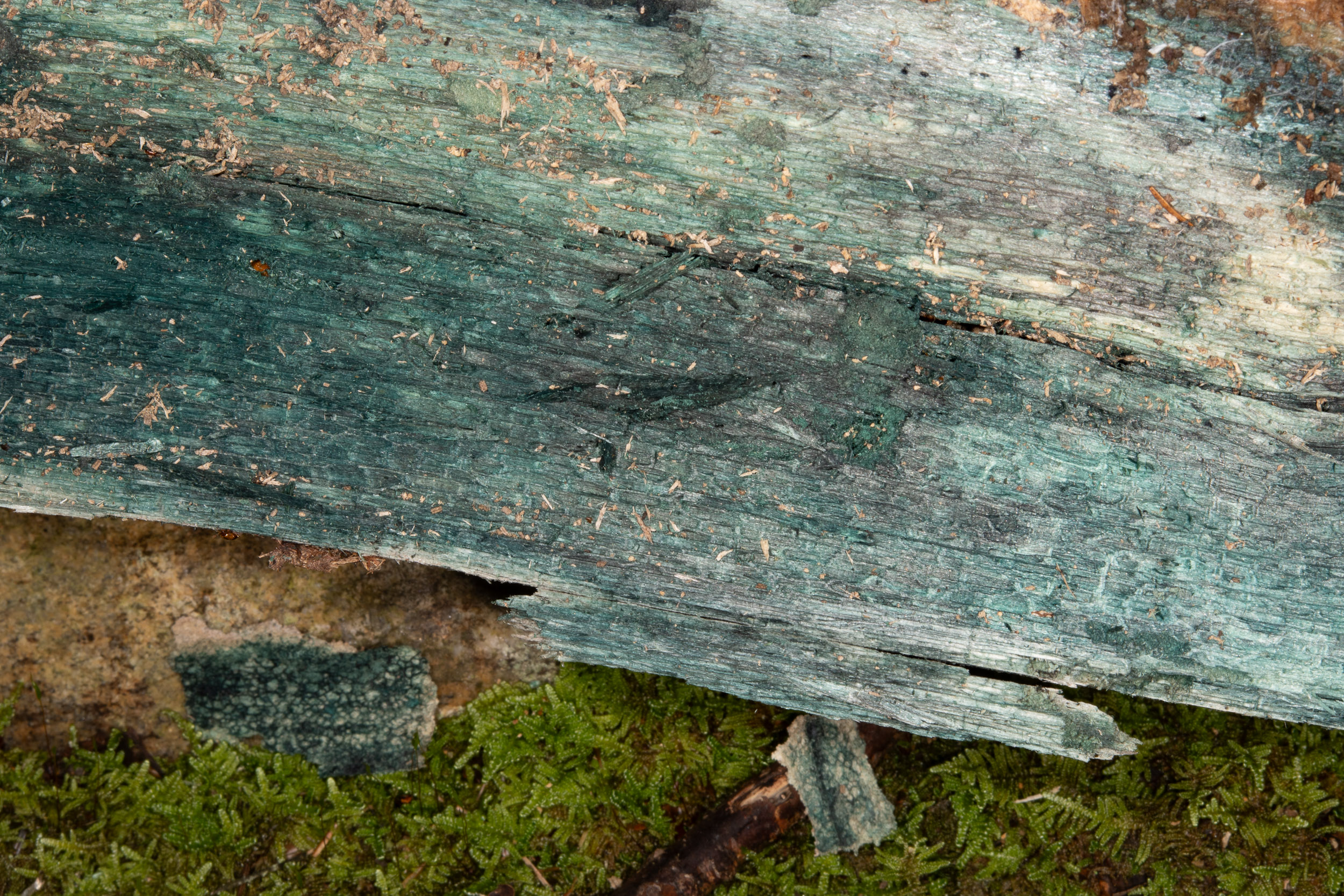
9/14/2023 · Nature Conservancy Access Trail, Sprague Pond, Phippsburg, Maine · ≈ 8 × 5″ (20 × 13 cm) 

8/17/2014 · Bald Mountain, Franconia Notch Area, White Mountains, New Hampshire · ≈ 10 × 7″ (25 × 16 cm) 

10/5/2018 · Oak Hill, Littleton, Massachusetts 

6/7/2015 · Oak Hill, Tophet Chasm Trail, Littleton, Massachusetts · ≈ 6 × 4″ (15 × 10 cm) 

10/5/2018 · Oak Hill, Littleton, Massachusetts 

4/6/2015 · Ricketts Glen State Park, Benton, Pennsylvania · By Amanda Felegie 

10/5/2018 · Oak Hill, Littleton, Massachusetts 

10/12/2014 · Mt. Watatic, Ashby, Massachusetts · ≈ 3 × 2½″ (8.5 × 6.6 cm)  ID is uncertain

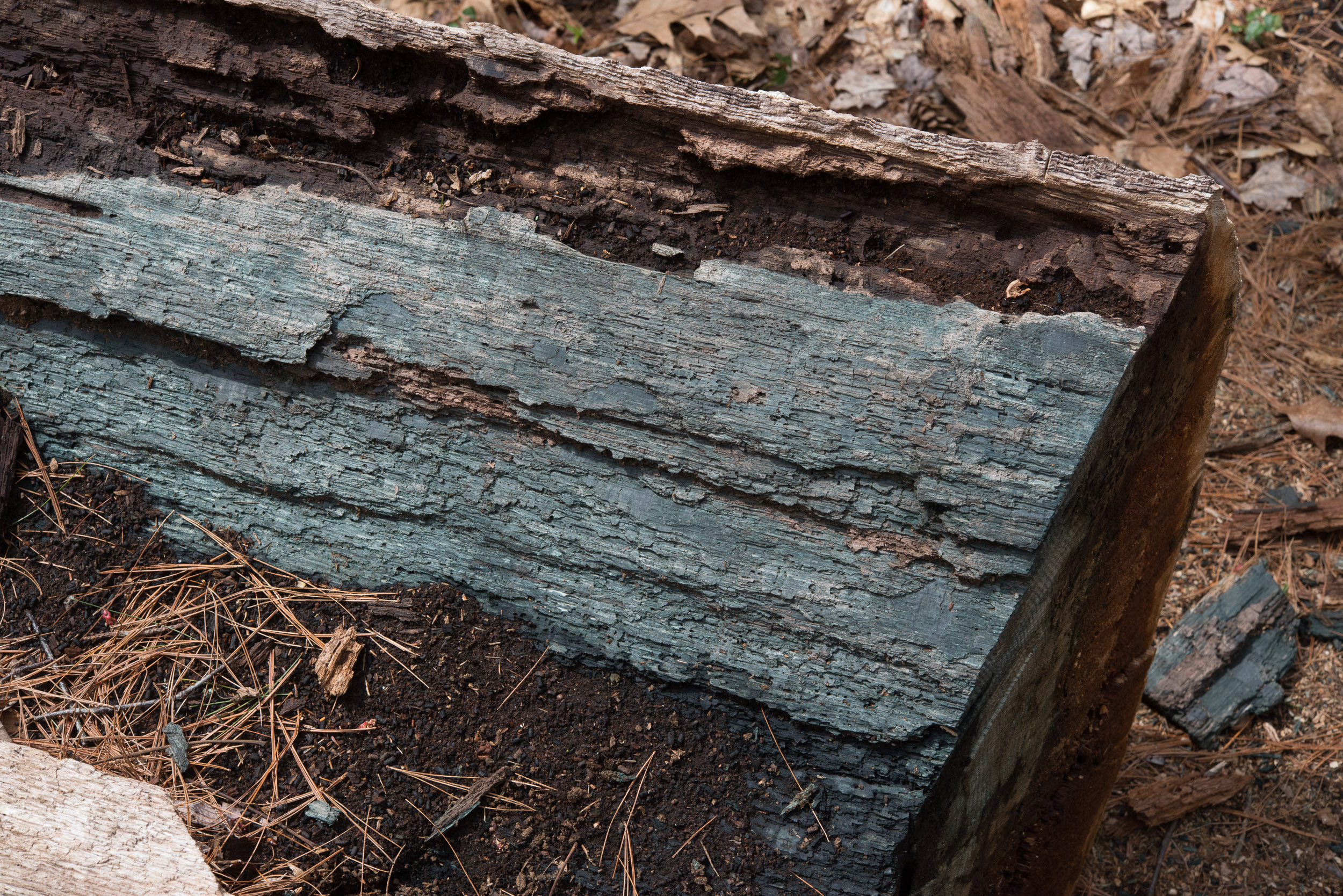
5/3/2014 · Beaver Brook Conservation Area, Hollis, New Hampshire · ≈ 2½ × 1½′ (79 × 53 cm) ID is uncertain 

10/12/2014 · Mt. Watatic, Ashby, Massachusetts · ≈ 5 × 3″ (12 × 8.4 cm) ID is uncertain 

7/31/2021 · Long Reach Preserve, Harpswell, Maine · ≈ 3½ × 6″ (9.4 × 14 cm) 

5/3/2014 · Beaver Brook Conservation Area, Hollis, New Hampshire · ≈ 2½ × 1½′ (79 × 53 cm) ID is uncertain 
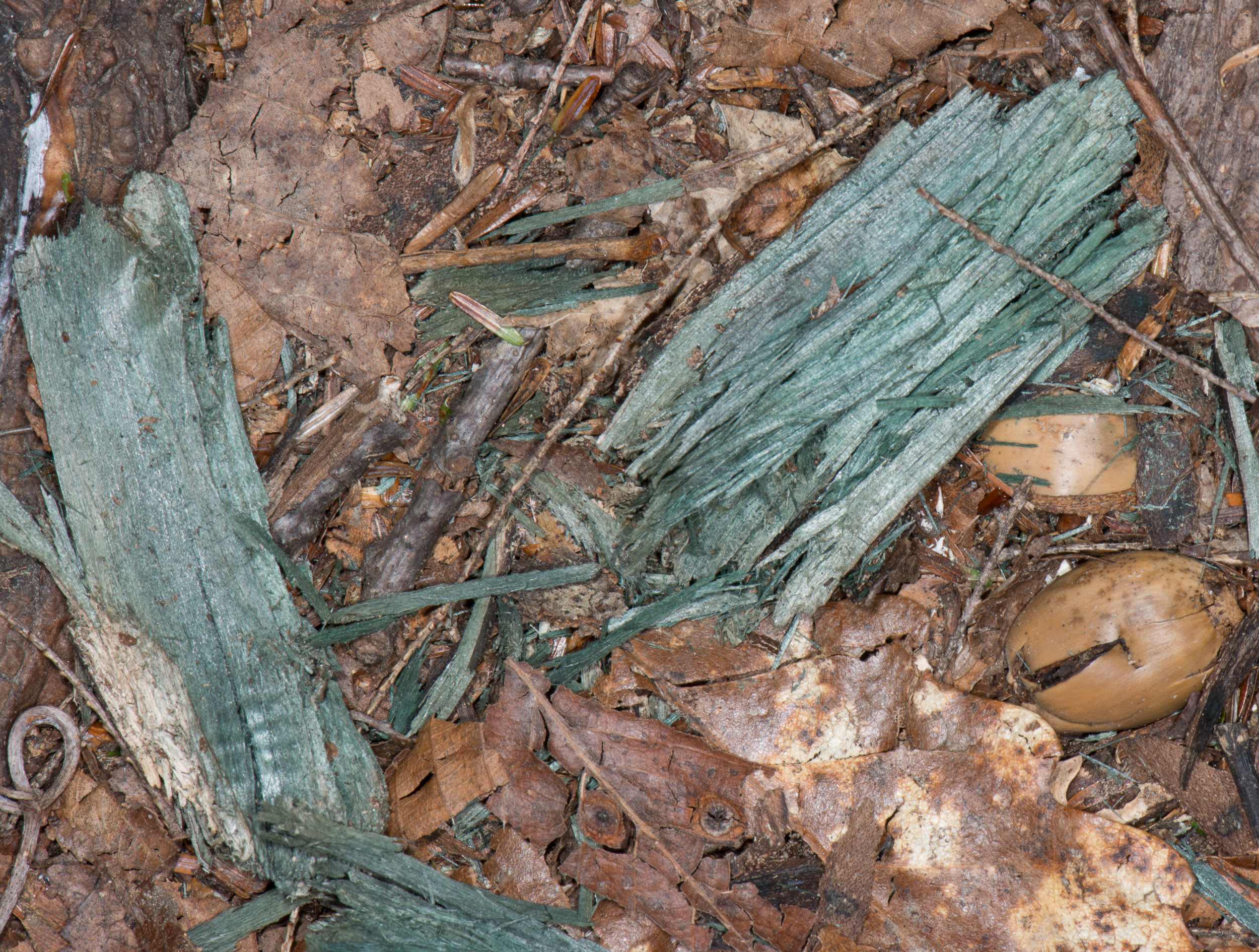
4/29/2015 · Beaver Brook Conservation Area, Hollis, New Hampshire · ≈ 6 × 4½″ (15 × 11 cm) 

8/17/2014 · Bald Mountain, Franconia Notch Area, White Mountains, New Hampshire · ≈ 10 × 7″ (25 × 16 cm) 

5/3/2014 · Beaver Brook Conservation Area, Hollis, New Hampshire · ≈ 2½ × 1½′ (79 × 53 cm) ID is uncertain 
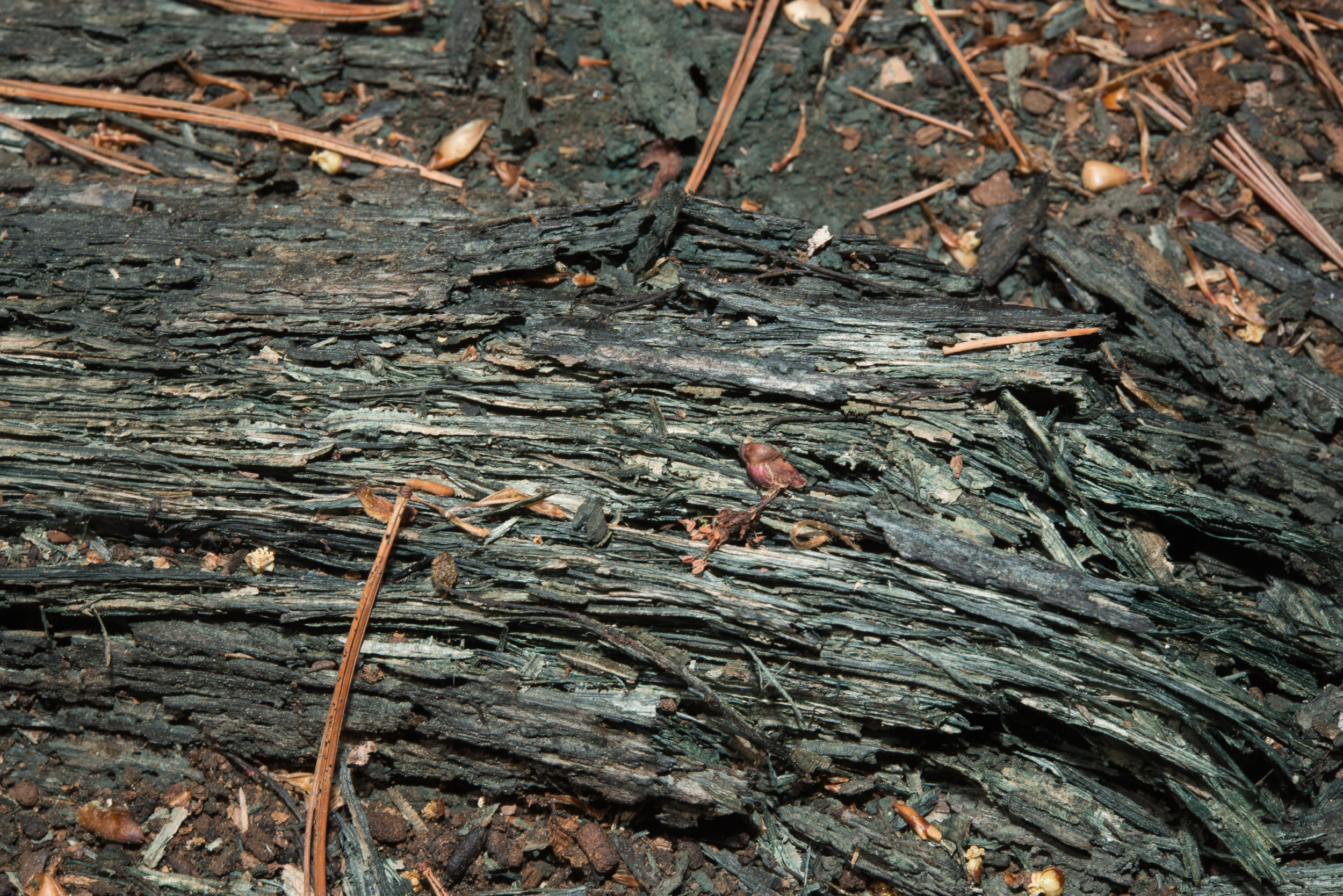
5/21/2014 · Beaver Brook Conservation Area, Hollis, New Hampshire · ≈ 7 × 4½″ (18 × 12 cm) ID is uncertain 

5/21/2014 · Beaver Brook Conservation Area, Hollis, New Hampshire · ≈ 7 × 4½″ (18 × 12 cm) ID is uncertain 

8/1/2015 · Andres Art Institute, Big Bear Mountain · ≈ 7 × 5″ (16 × 12 cm) 
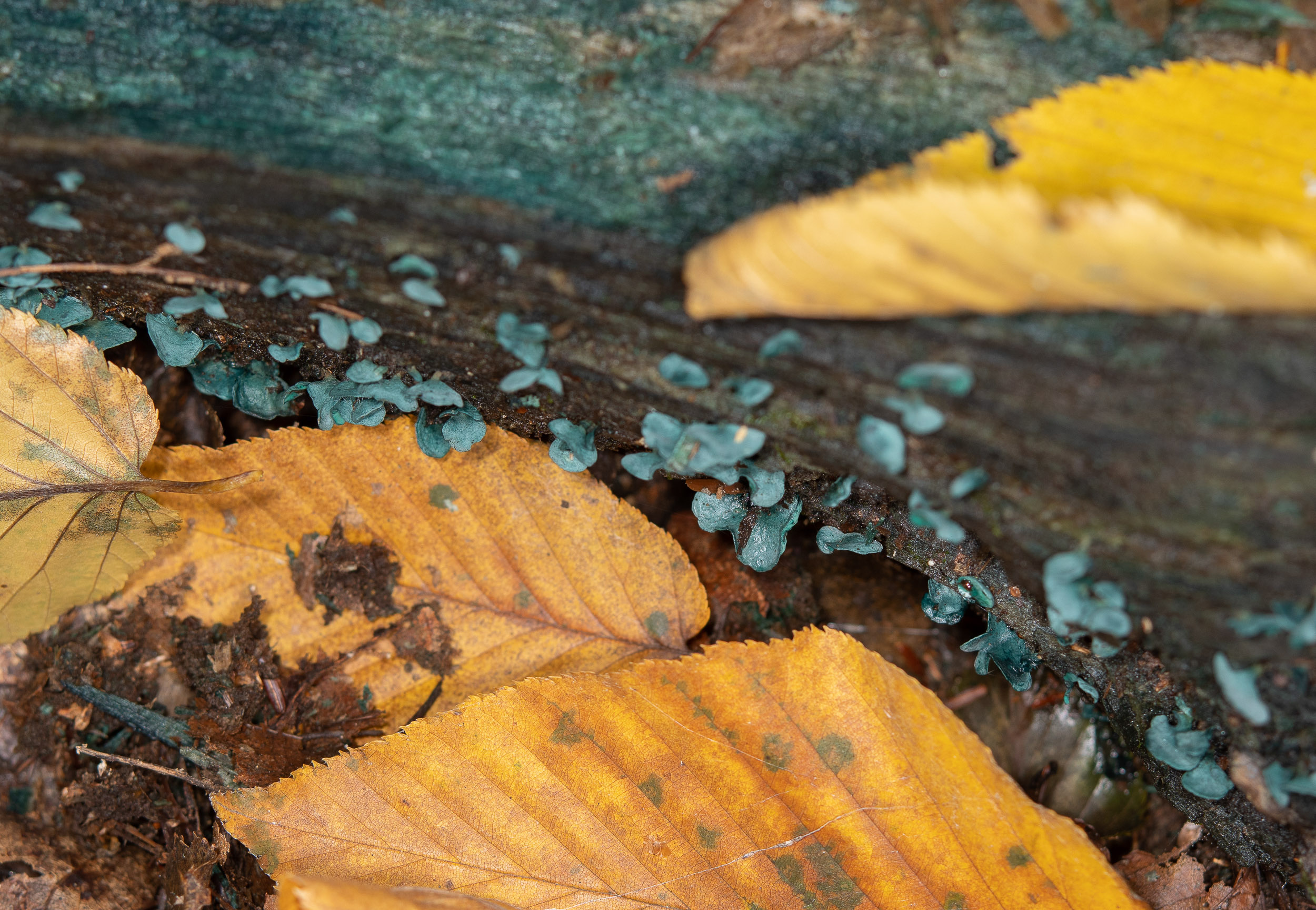
10/5/2018 · Oak Hill, Littleton, Massachusetts 

8/1/2015 · Andres Art Institute, Big Bear Mountain · ≈ 7 × 5″ (16 × 12 cm) 

10/5/2018 · Oak Hill, Littleton, Massachusetts 
| Roughly 75 people in North America are poisoned each year by mushrooms, often from eating a poisonous species that resembles an edible species. Though deaths are rare, there is no cure short of a liver transplant for severe poisoning. Don’t eat any mushroom unless you are absolutely certain of its identity! Please don’t trust the identifications on this site. We aren’t mushroom experts and we haven’t focused on safely identifying edible species. |
Chlorociboria aeruginascens description by Thomas H. Kent, not updated.

© FloraFinder.org. All rights reserved.