Coccoloba laurifolia auct. non Jacq.
Coccoloba diversifolia Jacq.
Pigeon plum, tietongue
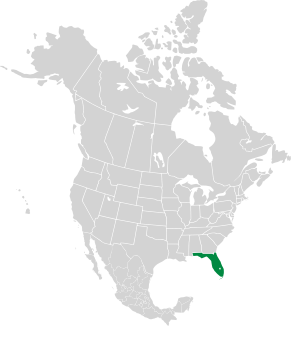
Pigeonplum has grapelike clusters of purple fruits that are attractive to birds. It is native to coastal regions of the North and Central American tropics: Florida, the Caribbean, parts of Central America, and southern Mexico.
Plants: Evergreen trees are up to 33′ tall ⨉ 26′ around (10 ⨉ 8 m). Young trees have multiple trunks which spread to produce a vaselike shape. Bark is gray and brown, with portions flaking off like puzzle pieces.
Leaves: Alternate, 1–5 ⨉ ⅜–2½″ (3–13 ⨉ 1–7 cm), oblong to ovate, leathery, waxy, bright to dark green, with smooth edges.
Flowers: Racemes 2–6″ (5–15 cm) long have small, whitish green flowers. Flowers appear all year, but are most plentiful in spring and summer.
Fruits: Dark red to purple drupes are ¼″ (8.5 mm) long, and round to pear-shaped, containing a single achene ⅛–⅜″ (6–10 mm) long.
Habitats: Coastal uplands, in sandy or humusy soil: maritime hammocks, rockland hammocks, coastal berms, and shell mounds.
Online References:

4/14/2015 · Dagny Johnson Key Largo Hammock Botanical State Park, Key Largo, Florida 
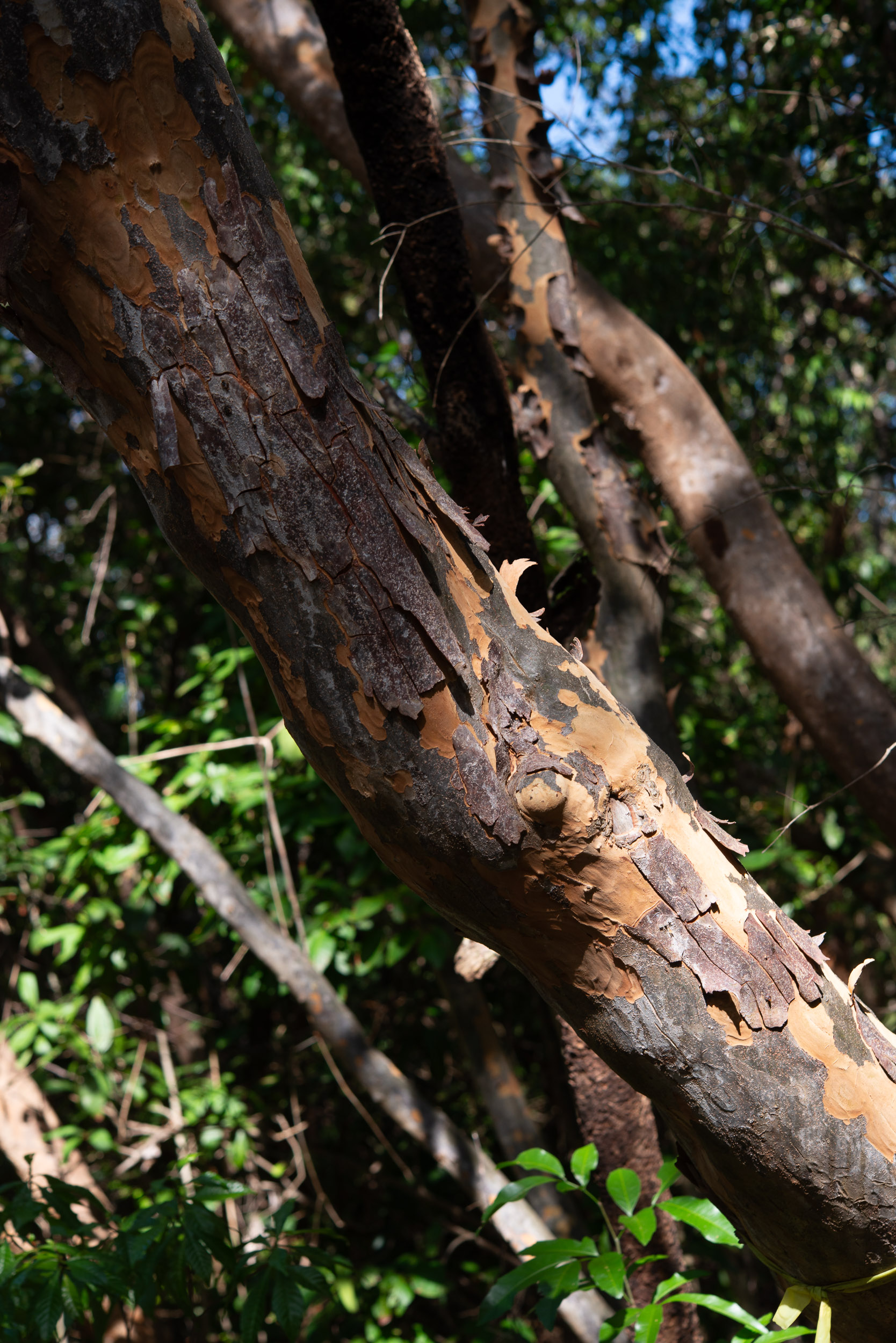
4/14/2015 · Dagny Johnson Key Largo Hammock Botanical State Park, Key Largo, Florida 
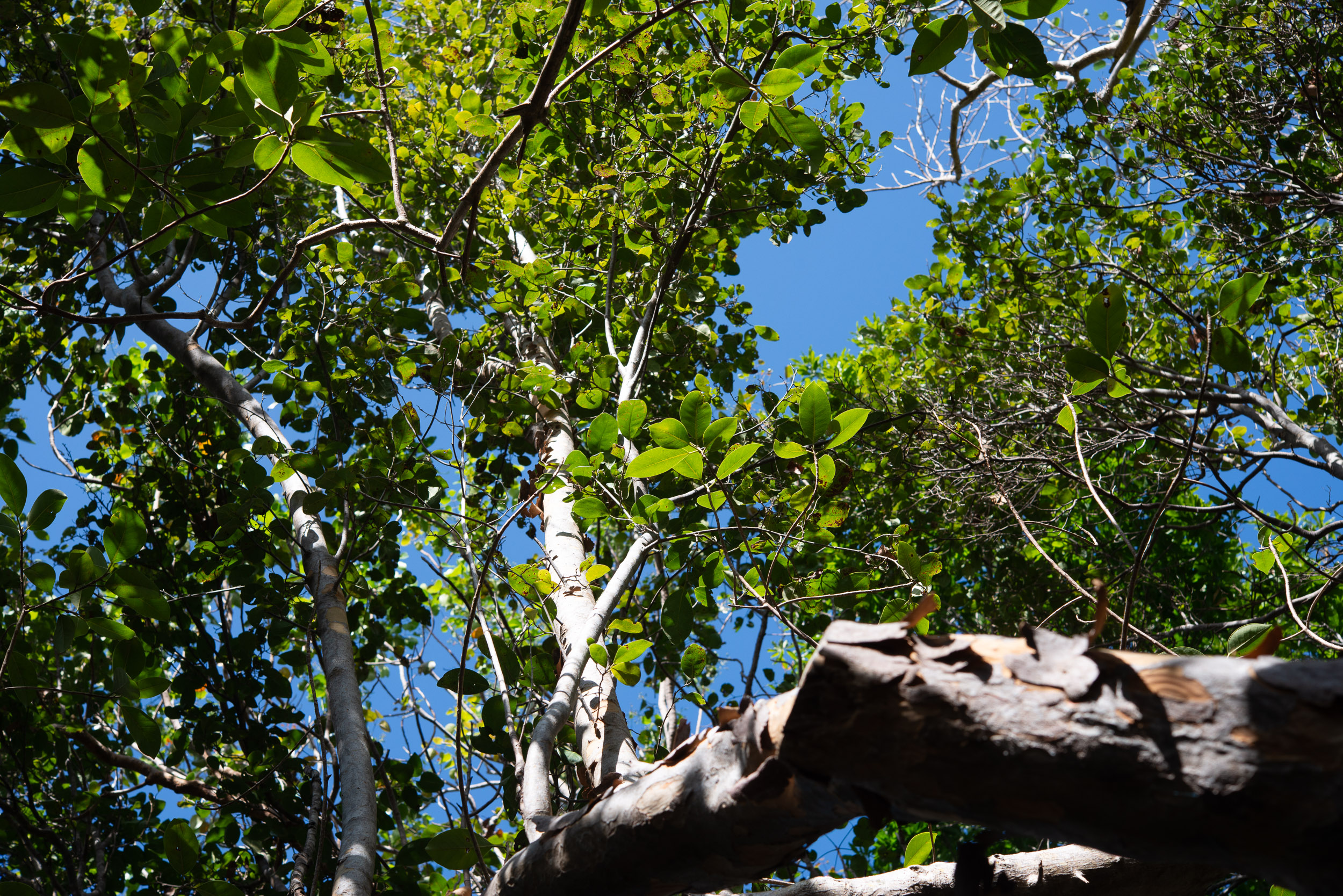
4/14/2015 · Dagny Johnson Key Largo Hammock Botanical State Park, Key Largo, Florida 
| Kingdom | Plantae | Plants, but not fungi, lichens, or algae (from Stearn's Botanical Latin) |
| Subkingdom | Tracheobionta | Vascular plants—plants with a “circulatory system” for delivering water and nutrients |
| Division | Magnoliophyta | Flowering plants, also known as angiosperms |
| Class | Magnoliopsida | Dicotyledons—plants with two initial seed leaves |
| Subclass | Caryophyllidae | Cacti, many other succulents, carnivorous plants, and leadworts |
| Order | Caryophyllales | Includes cacti, carnations, amaranths, ice plants, and many carnivorous plants |
| Family | Polygonaceae | Knotweed or smartweed family |
| Genus | Coccoloba | New Latin, alteration of Coccolobis, from cocco- (Latinized form of Greek kokkos), “berry, seed”; and -lobis (from Greek lobos), “lobe, capsule, pod” |
| Species | diversifolia | With differently shaped leaves |
Coccoloba diversifolia description by Thomas H. Kent, not updated.

© FloraFinder.org. All rights reserved.