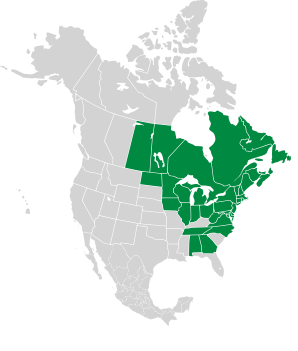
Diervilla lonicera Mill. var. hypomalaca Fernald
Diervilla lonicera Mill.
Northern bush honeysuckle, low bush honeysuckle, dwarf bush honeysuckle, yellow-flowered upright honeysuckle
Low bush honeysuckle is not actually a honeysuckle, but it is a low bush. It is a North American native.
Plants: Shrubs are 2–4′ (60–120 cm), with branches that are close to the ground. Bark is gray to light reddish brown.
Leaves: Opposite, toothed, ovate to elliptical, 1½–4 ⨉ ¾–1¾″ (4–10 ⨉ 2–5 cm). They are initially yellow-green, turning to yellow and orange and finally to red. Often they are not fully symmetrical.
Flowers: Flowers are bell-shaped, yellow-green at first, becoming orange or purplish-red, about ½–¾″ (1.3–1.9 cm) in size.
Fruits: Fruits are dry, woody capsules, appearing in June or early July.
Habitats: Exposed, rocky sites; dry to mesic, well-drained soils; sandy thickets.
Online References:

7/13/2015 · Mt. Ascutney State Park, Ascutney, Vermont · ≈ 5 × 4½″ (12 × 12 cm) 

8/3/2012 · Bemis Rd Conservation Area, Pepperell, Massachusetts · ≈ 6 × 4½″ (15 × 11 cm) 
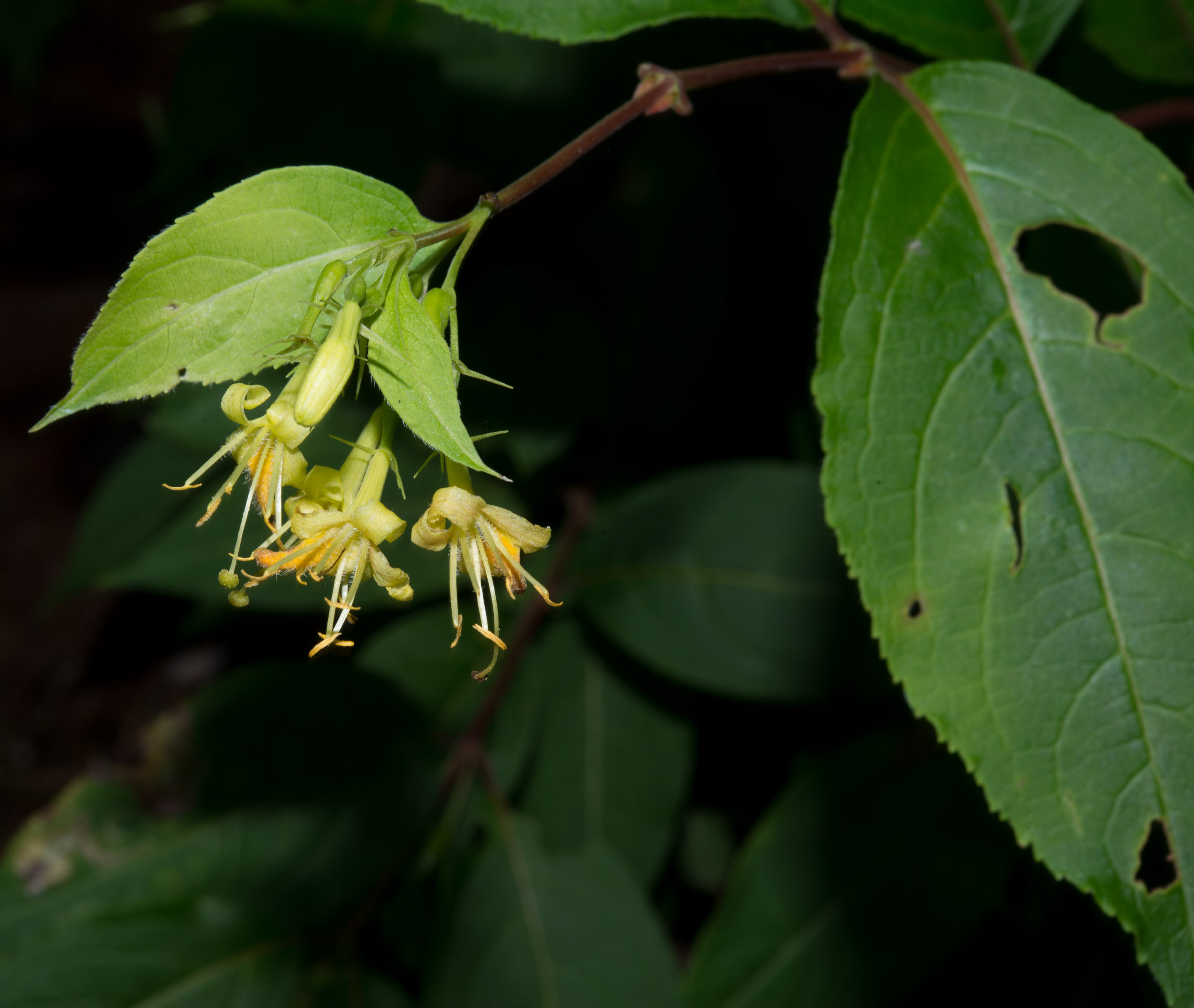
7/2/2015 · Bemis Rd., Pepperell, Massachusetts · ≈ 6 × 4½″ (14 × 12 cm) 

7/22/2012 · Wapack Trail, Pack Monadnock, Peterborough, New Hampshire · ≈ 6 × 7″ (15 × 17 cm) 

8/3/2012 · Bemis Rd Conservation Area, Pepperell, Massachusetts · ≈ 10 × 7″ (26 × 18 cm) 

6/20/2010 · Blue Hill Reservation, Milford, Massachusetts · ≈ 15 × 10″ (39 × 26 cm) 

6/22/2017 · Garden in the Woods, Framingham, Massachusetts · ≈ 5 × 3½″ (13 × 9.2 cm) 
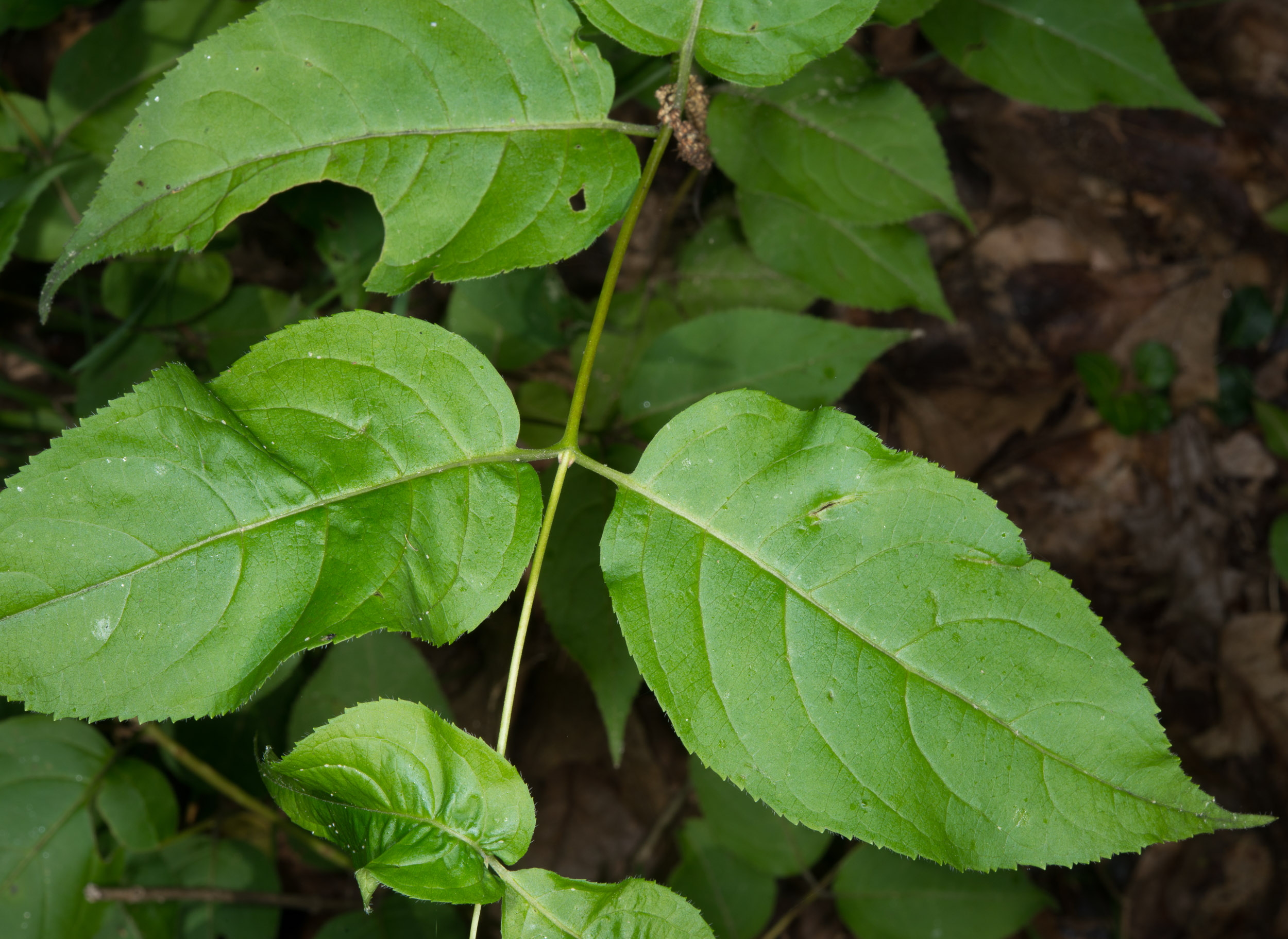
6/28/2014 · Beaver Brook Conservation Area, Hollis, New Hampshire · ≈ 9 × 7″ (23 × 16 cm) 
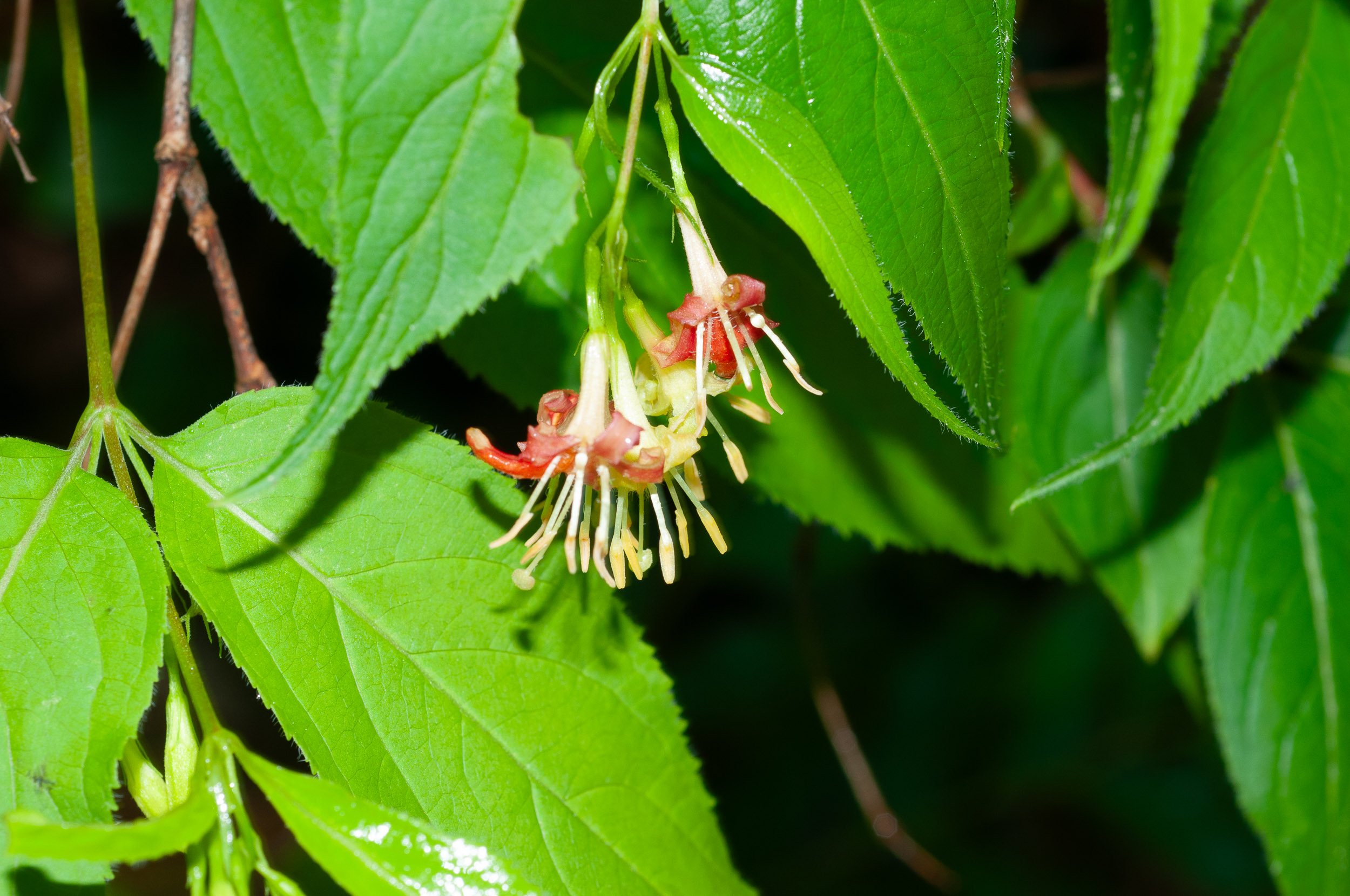
6/8/2012 · Squannacook River Wildlife Area, Townsend, Massachusetts · ≈ 6 × 4″ (15 × 10 cm)  ID is uncertain

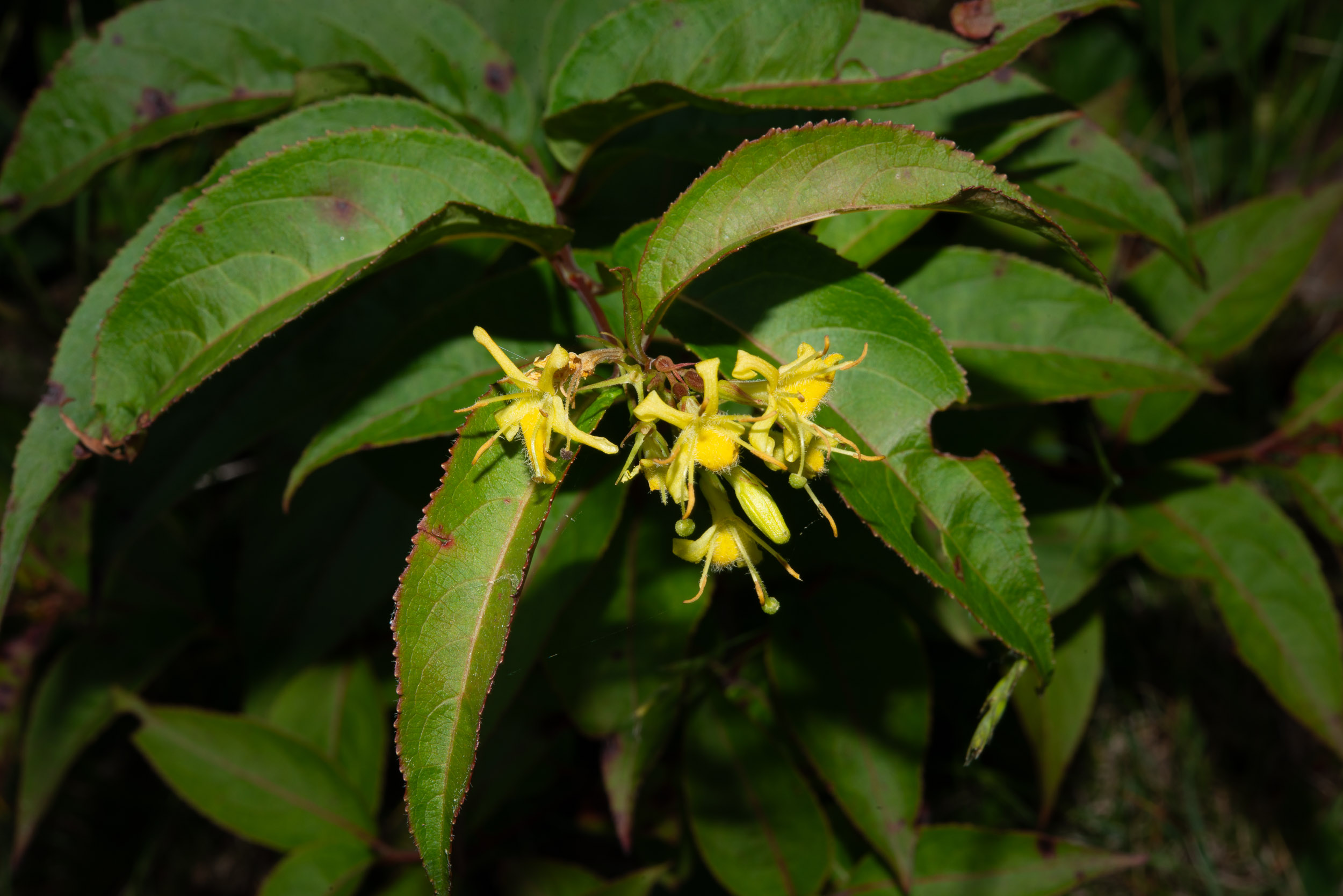
7/13/2015 · Mt. Ascutney State Park, Ascutney, Vermont · ≈ 8 × 5″ (19 × 12 cm) 
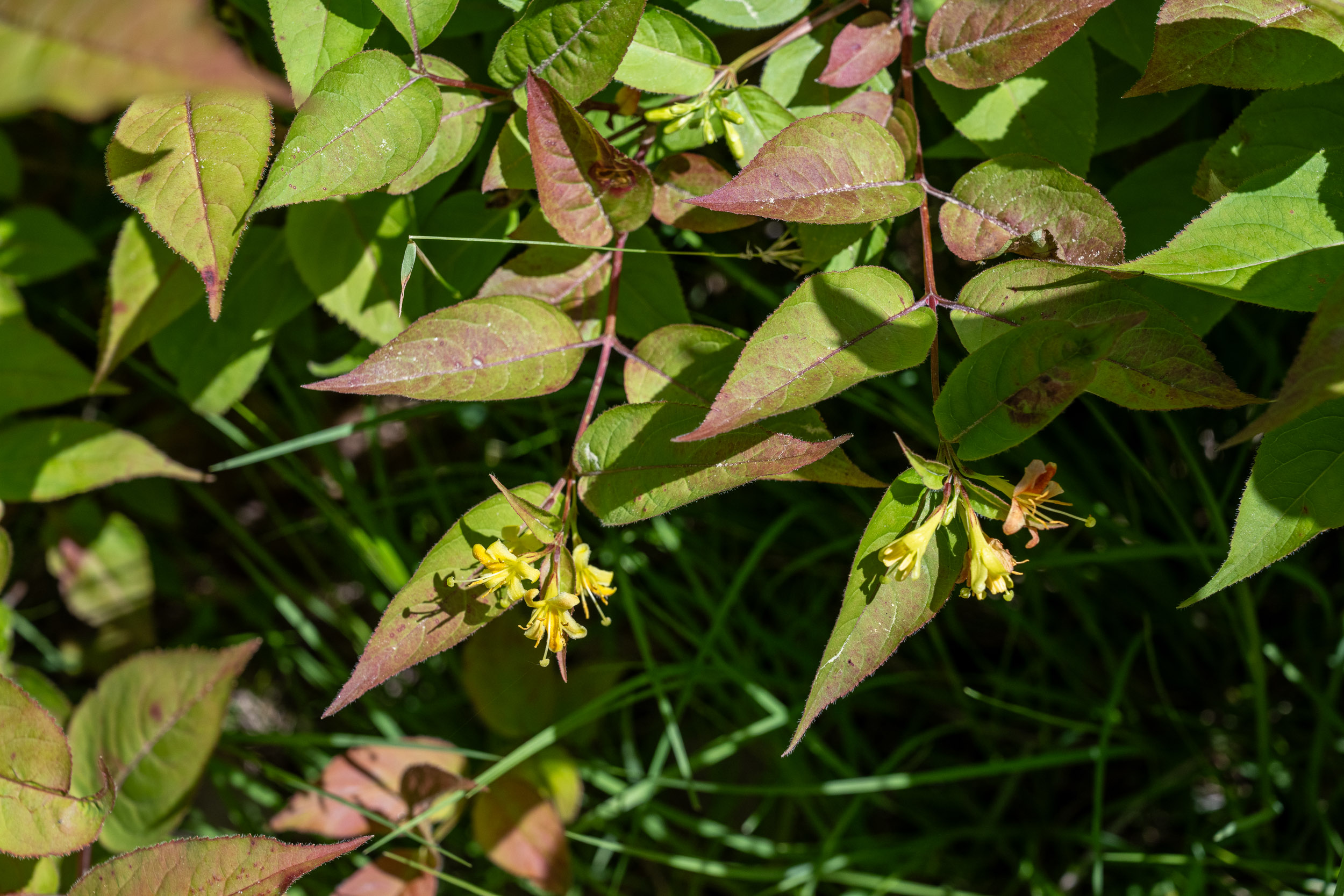
6/21/2025 · Hawk Mountain, Waterford, Maine · ≈ 11 × 7″ (27 × 18 cm) 
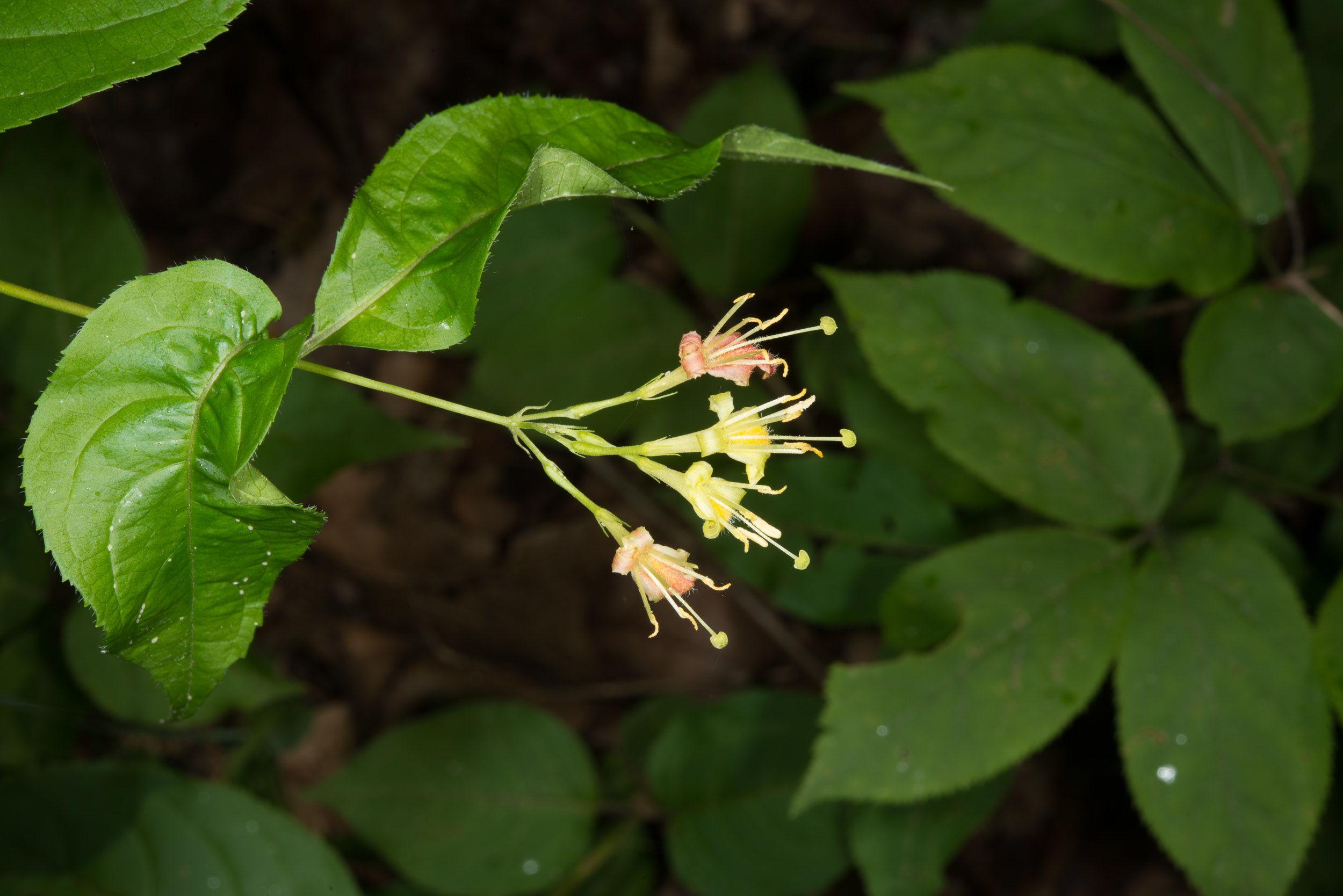
6/28/2014 · Beaver Brook Conservation Area, Hollis, New Hampshire · ≈ 8 × 5″ (19 × 12 cm) 
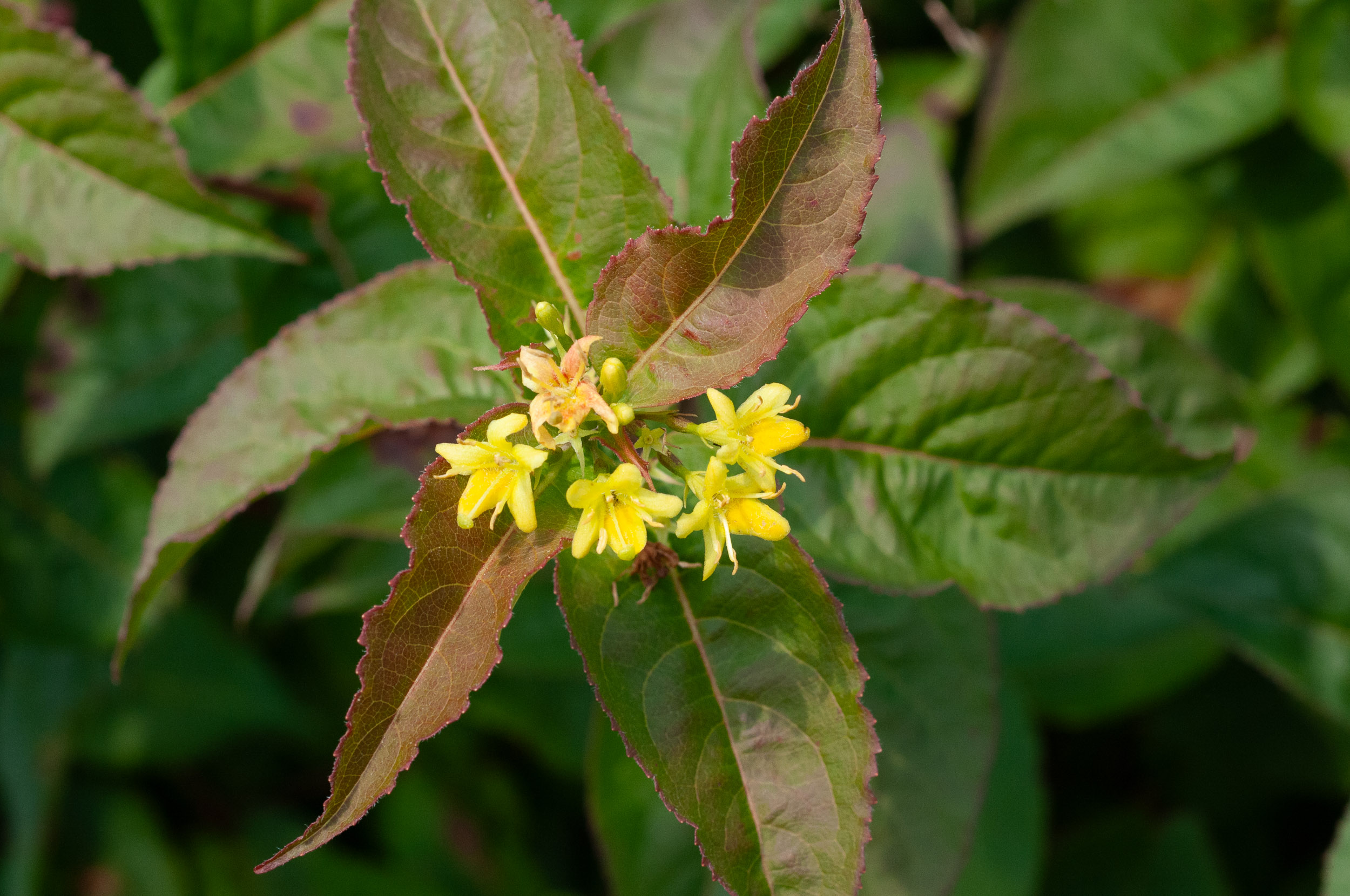
6/20/2010 · Blue Hill Reservation, Milford, Massachusetts · ≈ 7 × 4½″ (17 × 11 cm) 

6/8/2012 · Squannacook River Wildlife Area, Townsend, Massachusetts · ≈ 9 × 6″ (23 × 15 cm) ID is uncertain 
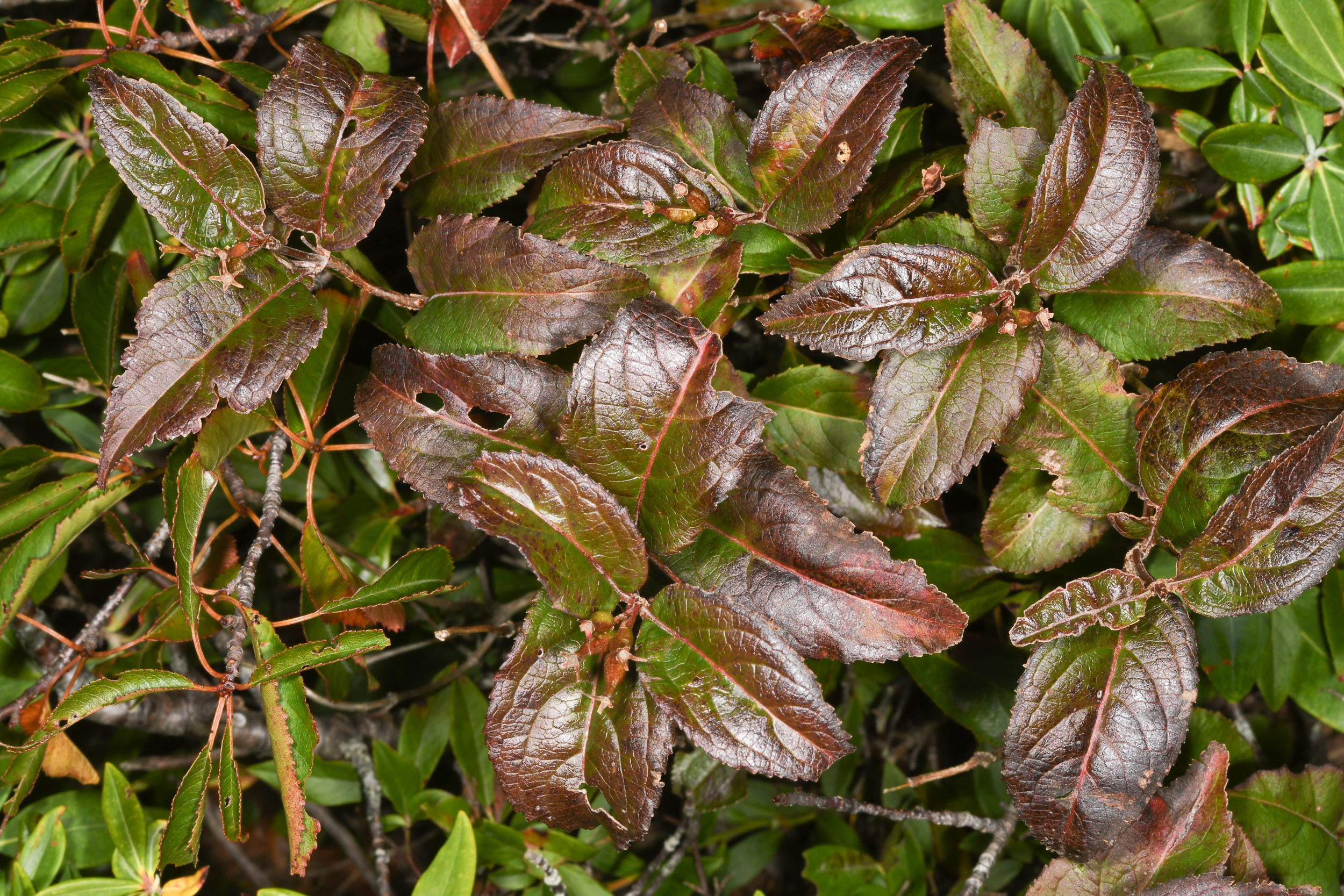
9/15/2016 · Cadillac Mountain Summit, Acadia National Park, Bar Harbor, Maine 

7/2/2015 · Bemis Rd., Pepperell, Massachusetts · ≈ 10 × 7″ (25 × 16 cm) 
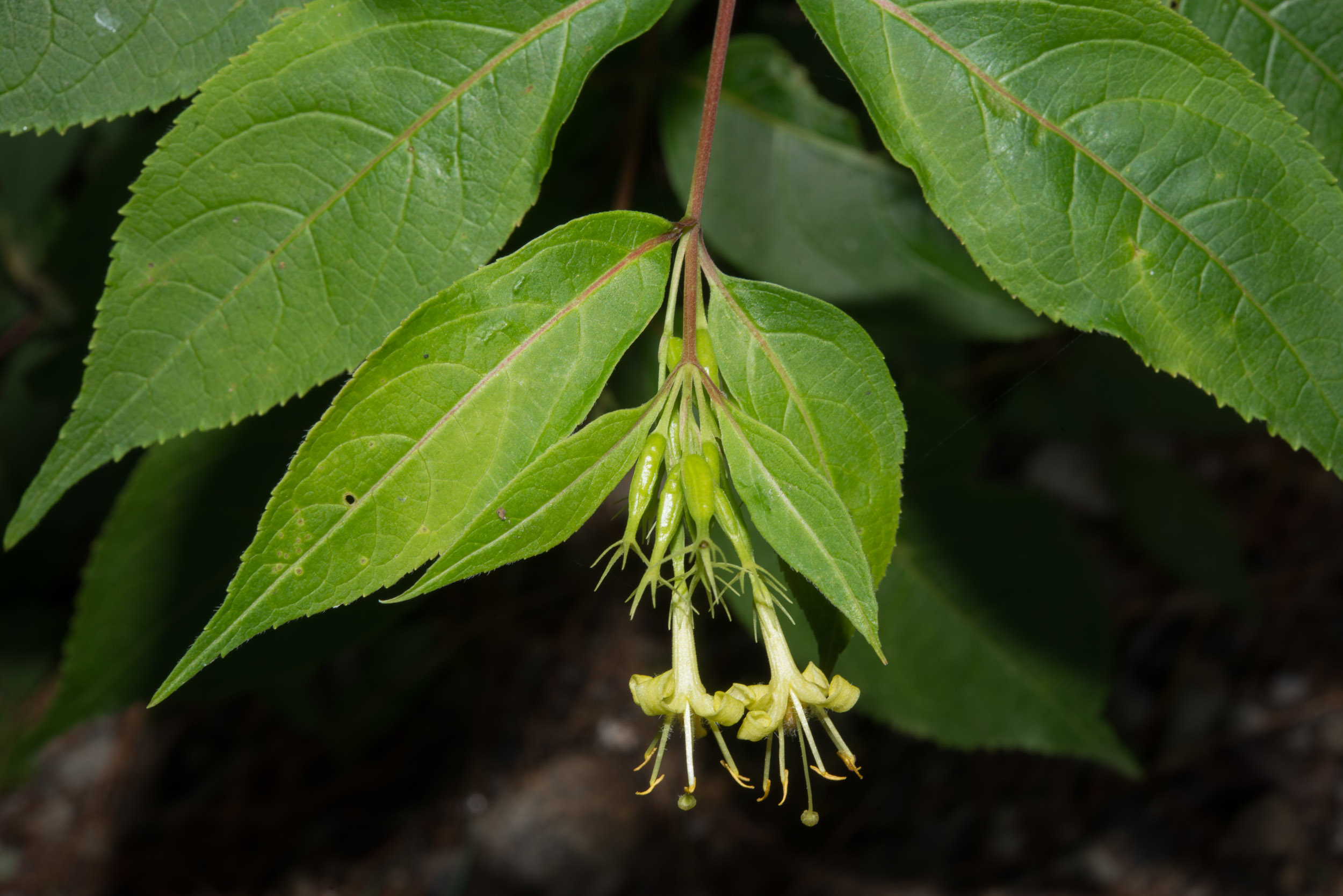
7/2/2015 · Bemis Rd., Pepperell, Massachusetts · ≈ 7 × 4½″ (18 × 12 cm) 

6/26/2024 · Morse Mountain, Phippsburg, Maine · ≈ 4 × 6″ (11 × 16 cm) 
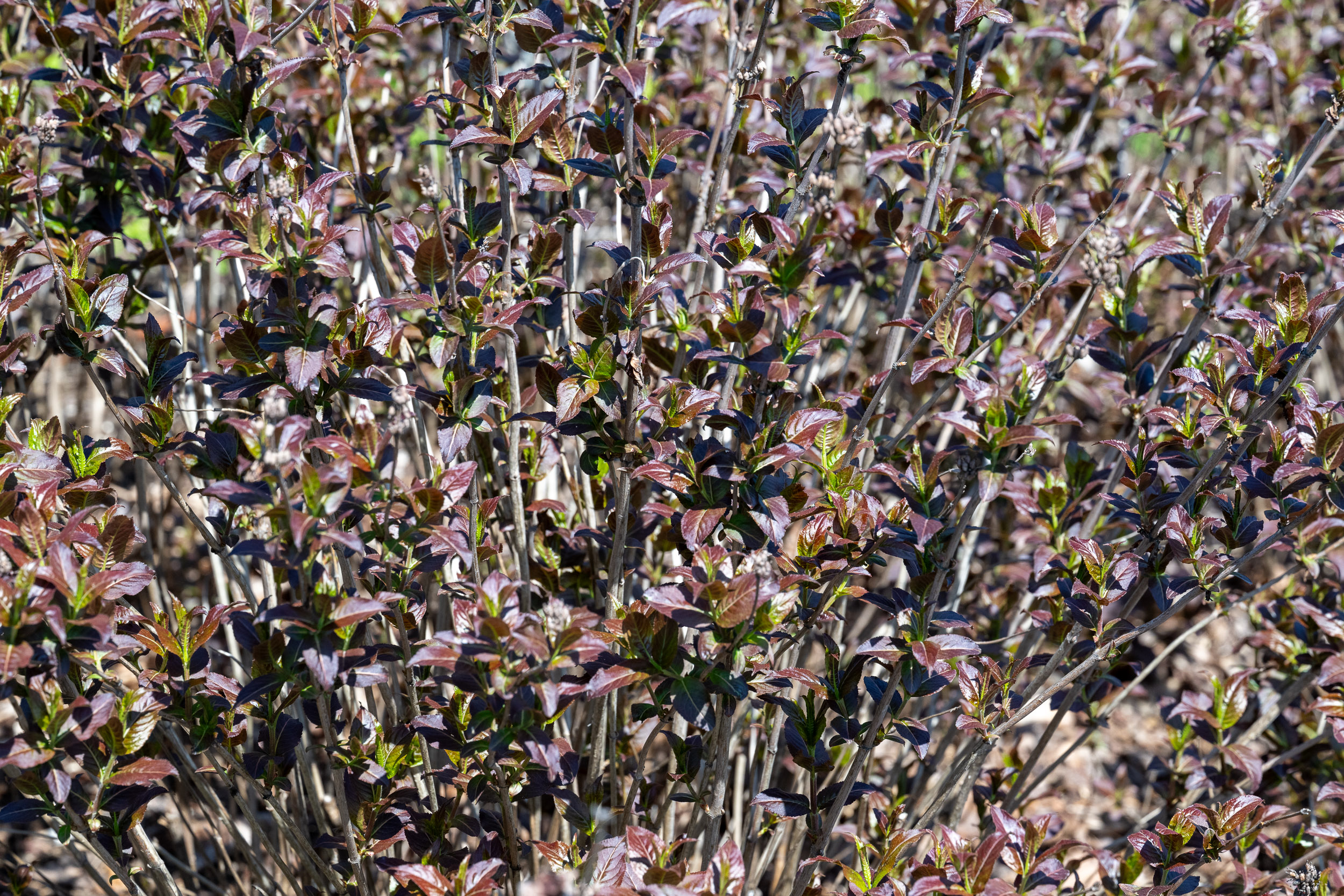
Might be Diervilla rivularis ‘Kodiak® Black’). · 5/12/2025 · Coastal Maine Botanical Gardens, Boothbay, Maine 

6/8/2012 · Squannacook River Wildlife Area, Townsend, Massachusetts · ≈ 5 × 3½″ (13 × 9.2 cm) ID is uncertain 

7/13/2015 · Mt. Ascutney State Park, Ascutney, Vermont · ≈ 5 × 3½″ (13 × 9.6 cm) 

7/2/2015 · Bemis Rd., Pepperell, Massachusetts · ≈ 3½ × 3″ (8.6 × 8.4 cm) 
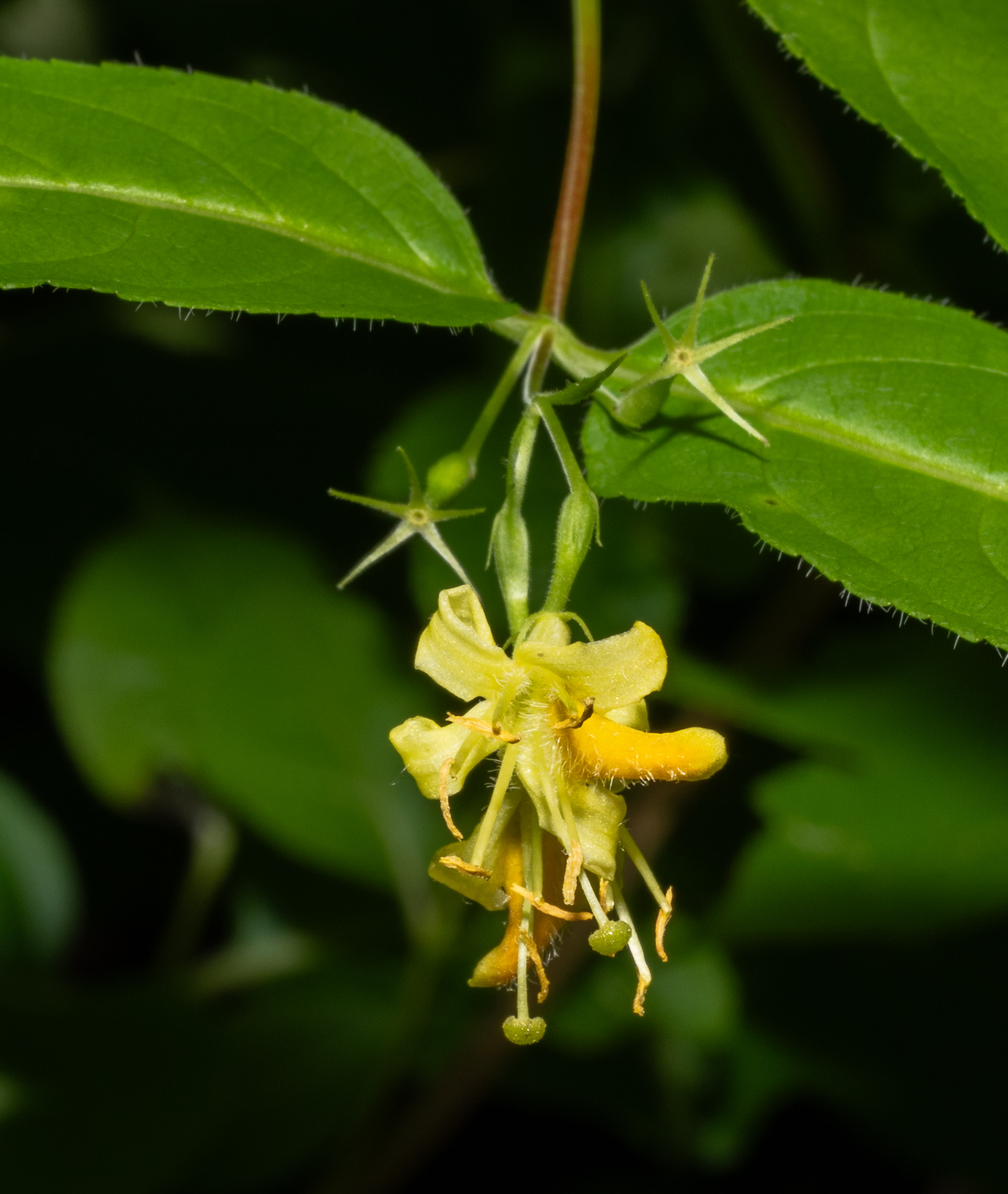
6/30/2025 · Buck's Ledge Community Forest, Bethel, Maine · ≈ 1¾ × 2″ (4.9 × 5.8 cm) 
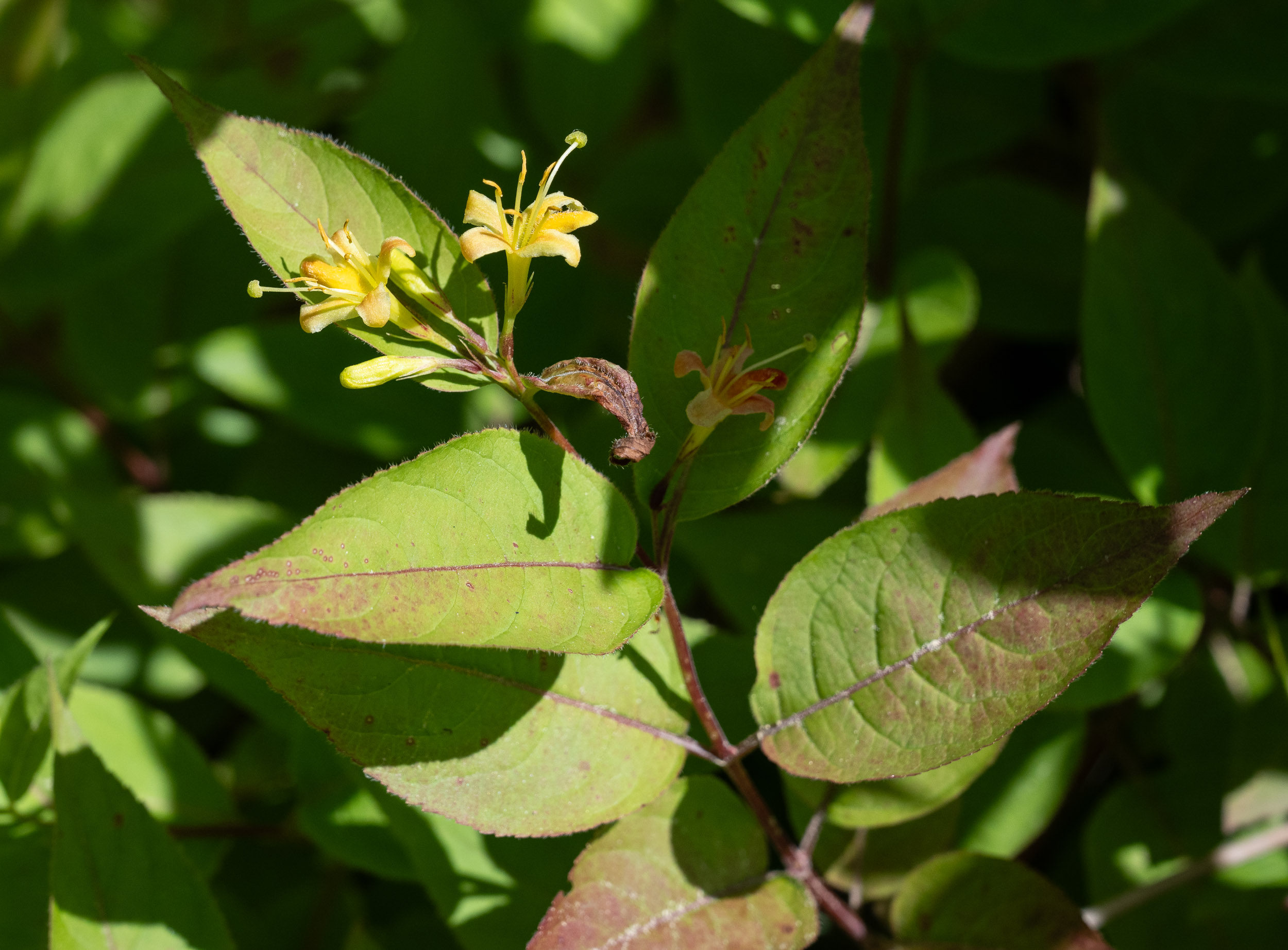
6/21/2025 · Hawk Mountain, Waterford, Maine · ≈ 6 × 4″ (15 × 11 cm) 
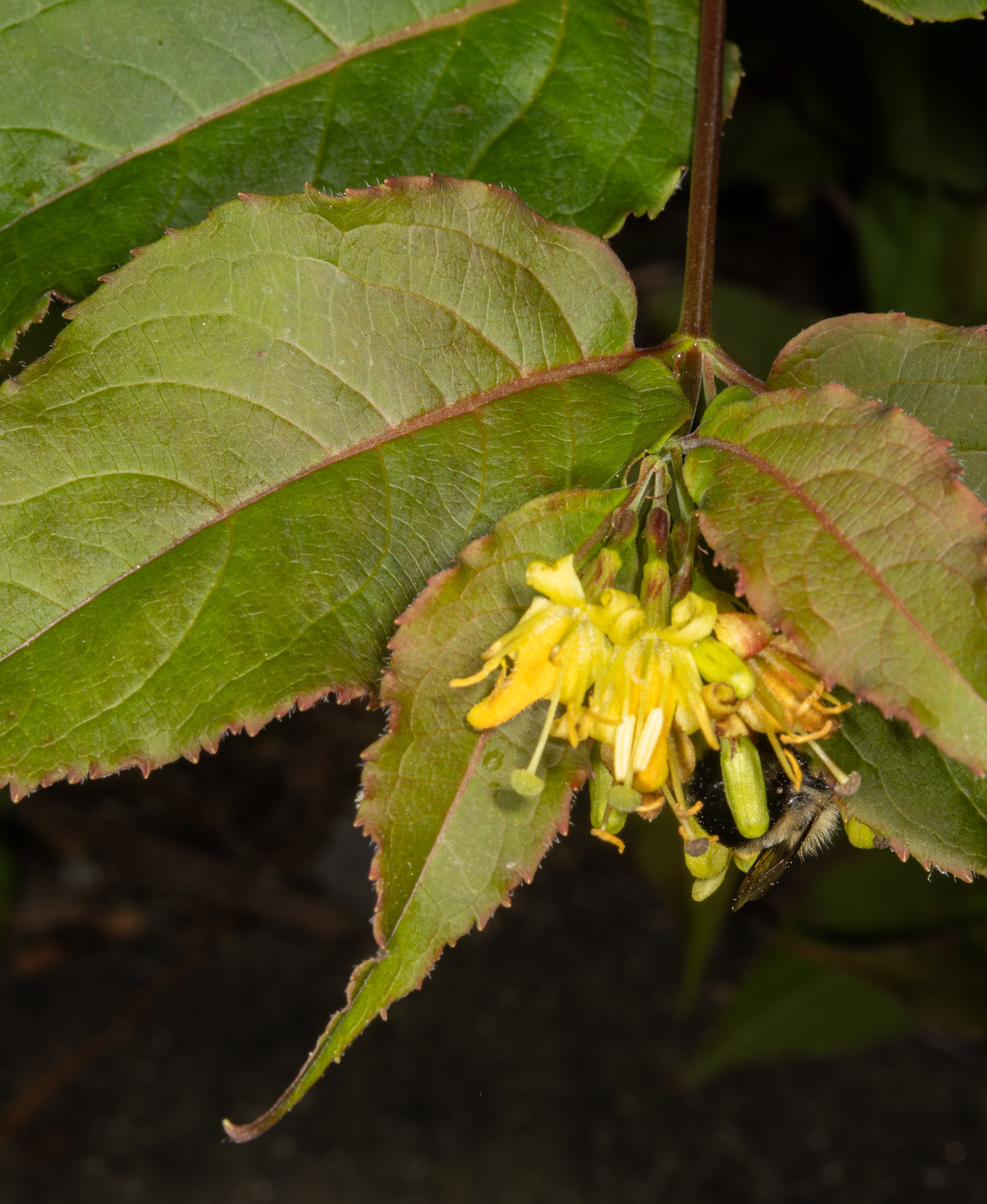
6/26/2024 · Morse Mountain, Phippsburg, Maine · ≈ 3½ × 4½″ (9.2 × 11 cm) 

6/20/2010 · Blue Hill Reservation, Milford, Massachusetts · ≈ 15 × 10″ (39 × 26 cm) 
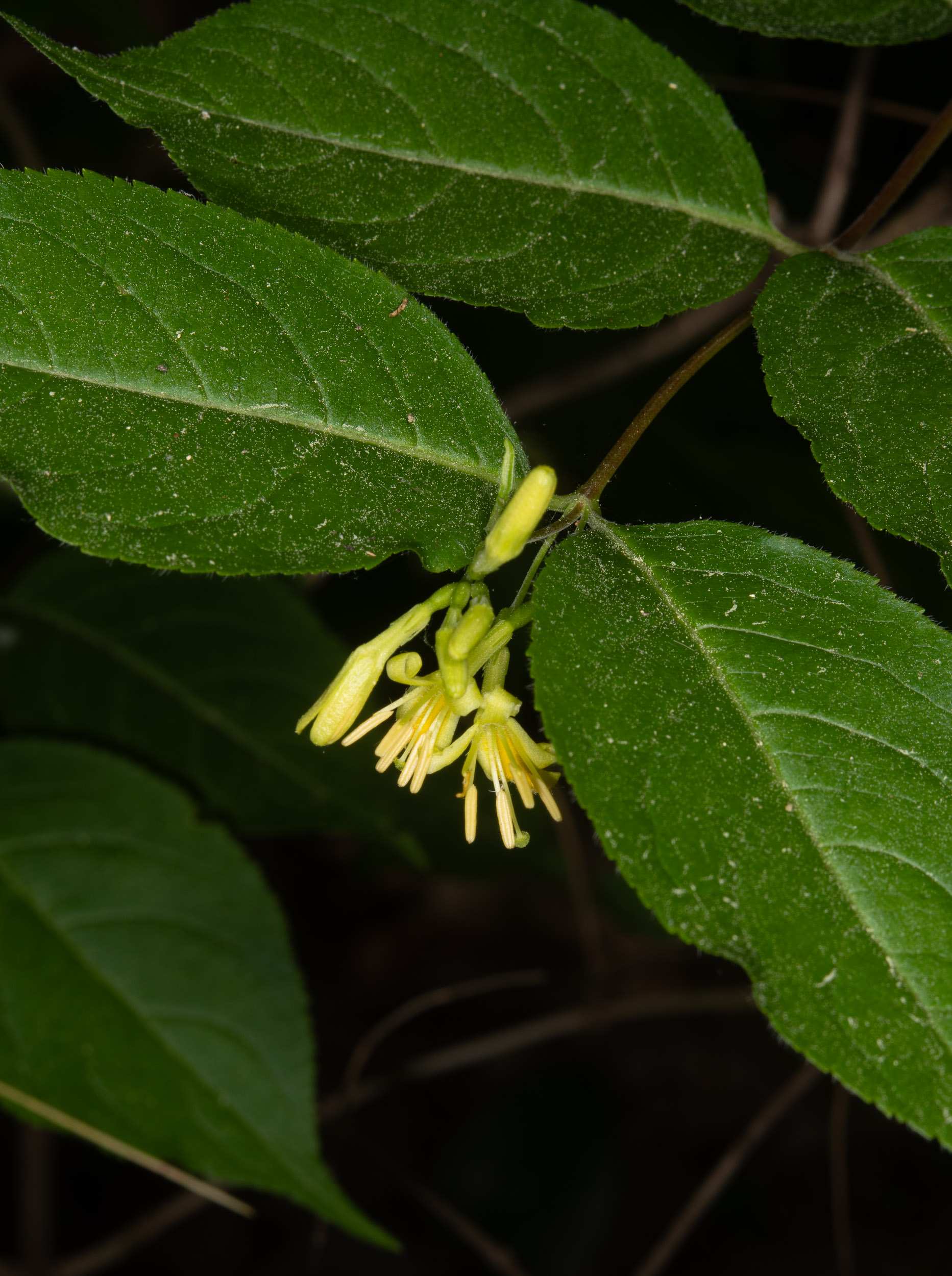
6/15/2017 · Jason’s Cutoff, Beaver Brook Conservation Area, Hollis, New Hampshire · ≈ 4 × 5″ (10 × 13 cm) 
| Kingdom | Plantae | Plants, but not fungi, lichens, or algae (from Stearn's Botanical Latin) |
| Subkingdom | Tracheobionta | Vascular plants—plants with a “circulatory system” for delivering water and nutrients |
| Division | Magnoliophyta | Flowering plants, also known as angiosperms |
| Class | Magnoliopsida | Dicotyledons—plants with two initial seed leaves |
| Subclass | Asteridae | A large class that encompasses asters |
| Order | Dipsacales | Includes viburnum, honeysuckle, snowberry, beautybush, twinflower, many others |
| Family | Diervillaceae | For Dr. Dièrville, a French surgeon credited with introducing it to Europe about 1700. |
| Genus | Diervilla | For Dr. Dièrville, a French surgeon credited with introducing it to Europe about 1700. |
| Species | lonicera | Either Latin for honeysuckle, though this is not a “true” honeysuckle; or named for Adam Lonitzer (1528-1586), a German herbalist, physician and botanist who wrote a standard herbal text that was reprinted many times between 1557 and 1783 |
Diervilla lonicera description by Thomas H. Kent, not updated.

© FloraFinder.org. All rights reserved.