Panicum crus-galli L.
Echinochloa crus-galli (L.) P. Beauv.
Barnyard grass
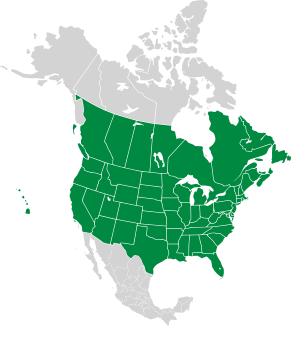
Barnyard grass occurs in tropical Asia and Africa, and Europe. First spotted in the Great Lakes region in the United States, it is found in moist areas throughout North America. In most areas it is considered an invasive species, because it absorbs up to 80% of the nitrogen that would otherwise grow forage crops. It absorbs so much nitrogen that it can poison livestock.
Plants: Culms (stems) are erect, up to 3′ (1 m) or rarely 5′ (1.5 m) high, or sometimes decumbent, lying flat. The grass may branch near the base.
Leaves: Grass blades are smooth and hairless, green sometimes tinged with purple, ⅛–½″ (5–15 mm) wide, 4–8″ (10–20 cm) long.
Flowers: Flowerheads, or panicles, are a group of racemes, each crowded with spikelets. Each spikelet is about ⅛″ (3 mm) long, and each raceme about 4″ (10 cm). The racemes are arranged around the stem rather like boughs of a Christmas tree, longer and further apart near the bottom. They may be green ranging to deep purple.
Fruits: Grains (seeds) are 1/32–1/16″ (1.3–2.2 mm) long, brown, and enclosed within the persistent lemma and palea. A single plant can produce 40,000 seeds per year.
Habitats: Roadsides, ditches, railway lines, disturbed areas, riverbanks, and the shores of lakes and ponds.
Online References:
References:

8/15/2013 · Groton Place and Sabine Woods, Groton, Massachusetts · ≈ 7 × 6″ (18 × 15 cm) 
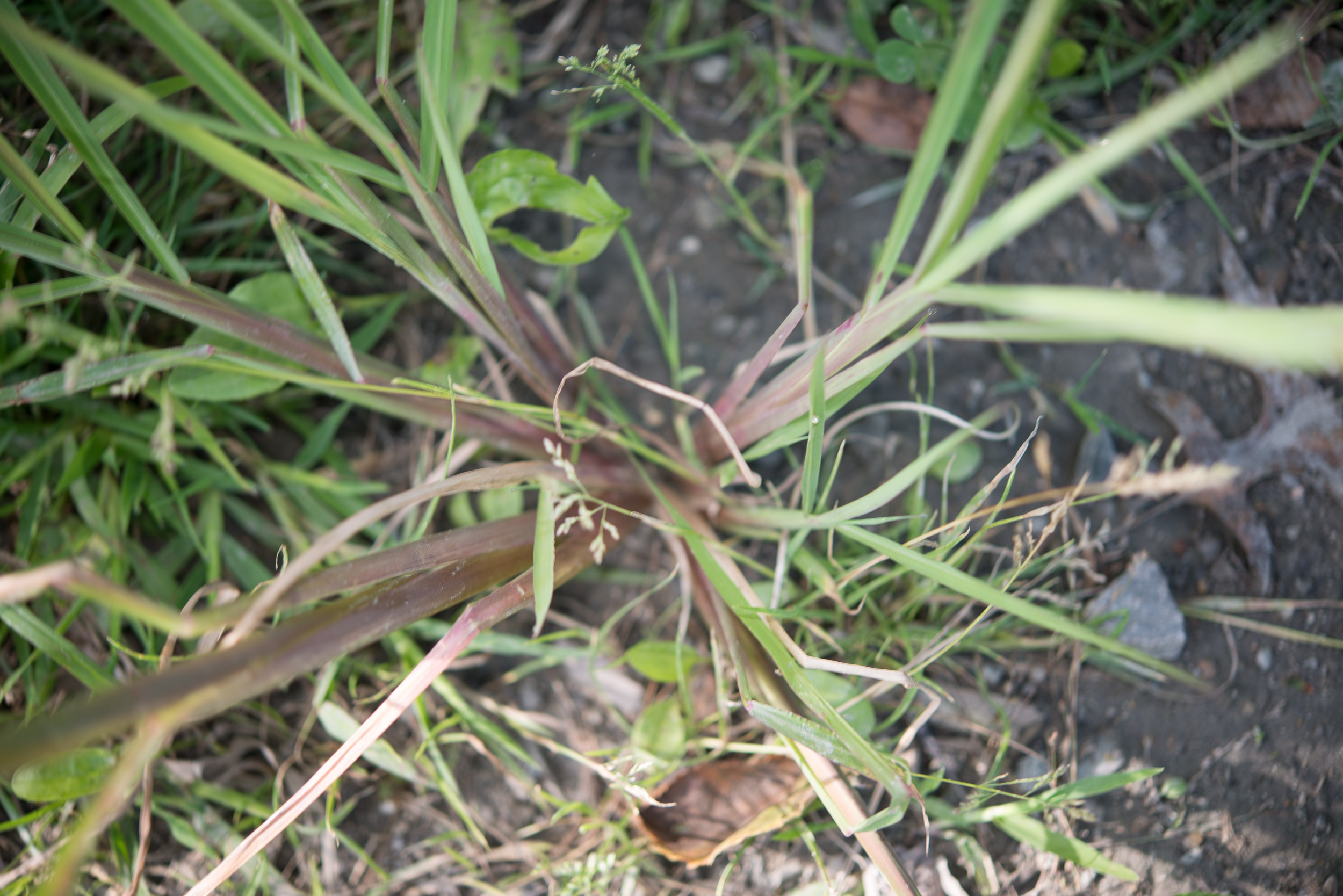
8/16/2013 · Nashua River Rail Trail, Groton Center, Groton, Massachusetts · ≈ 15 × 10″ (37 × 25 cm) 
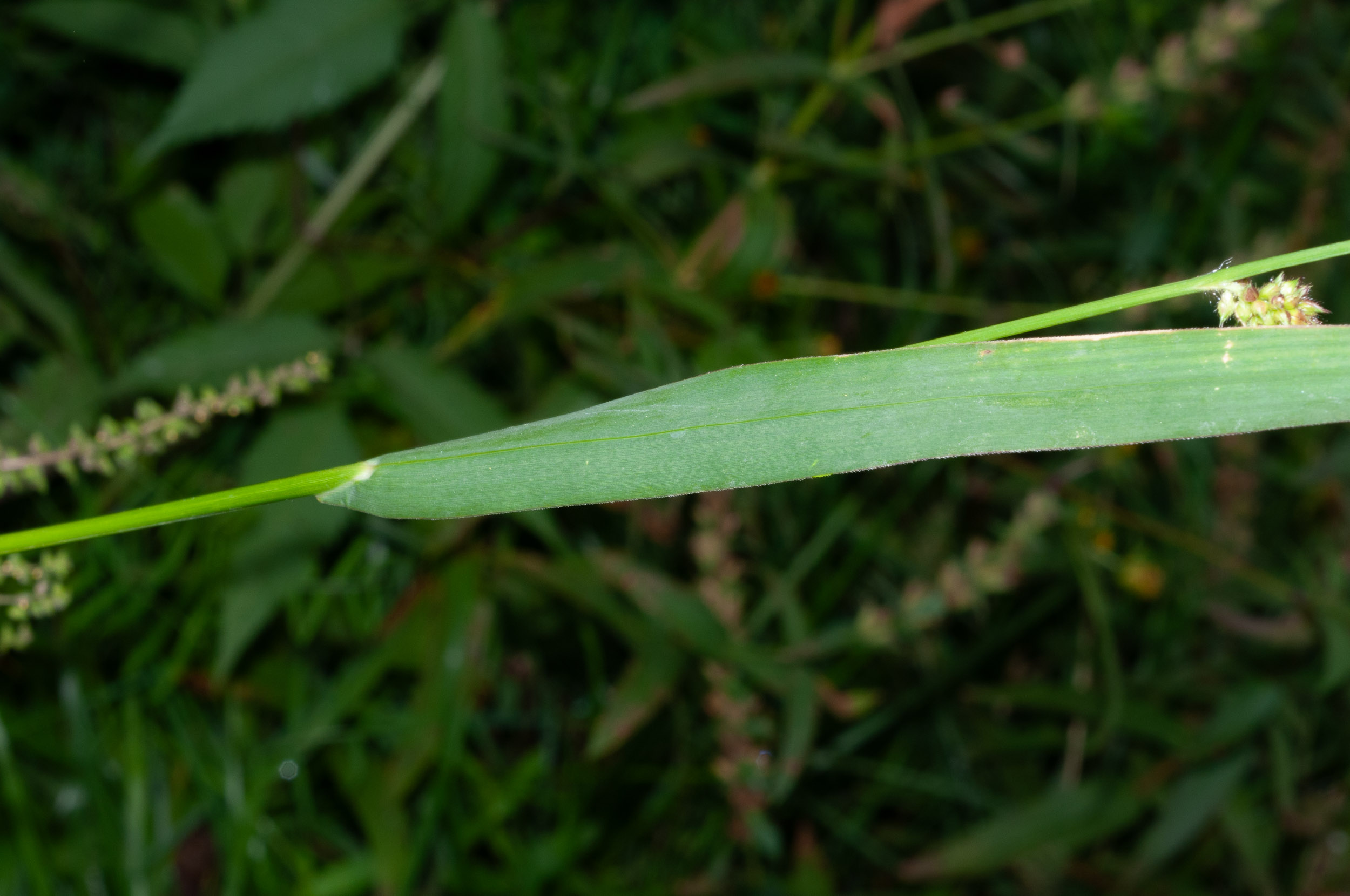
9/18/2010 · Nashua River Rail Trail, Groton Center, Groton, Massachusetts · ≈ 8 × 5″ (19 × 13 cm)  ID is uncertain

9/5/2010 · Nashua River Rail Trail, near Nashoba Hospital, Ayer, Massachusetts · ≈ 7 × 10″ (17 × 25 cm) ID is uncertain 
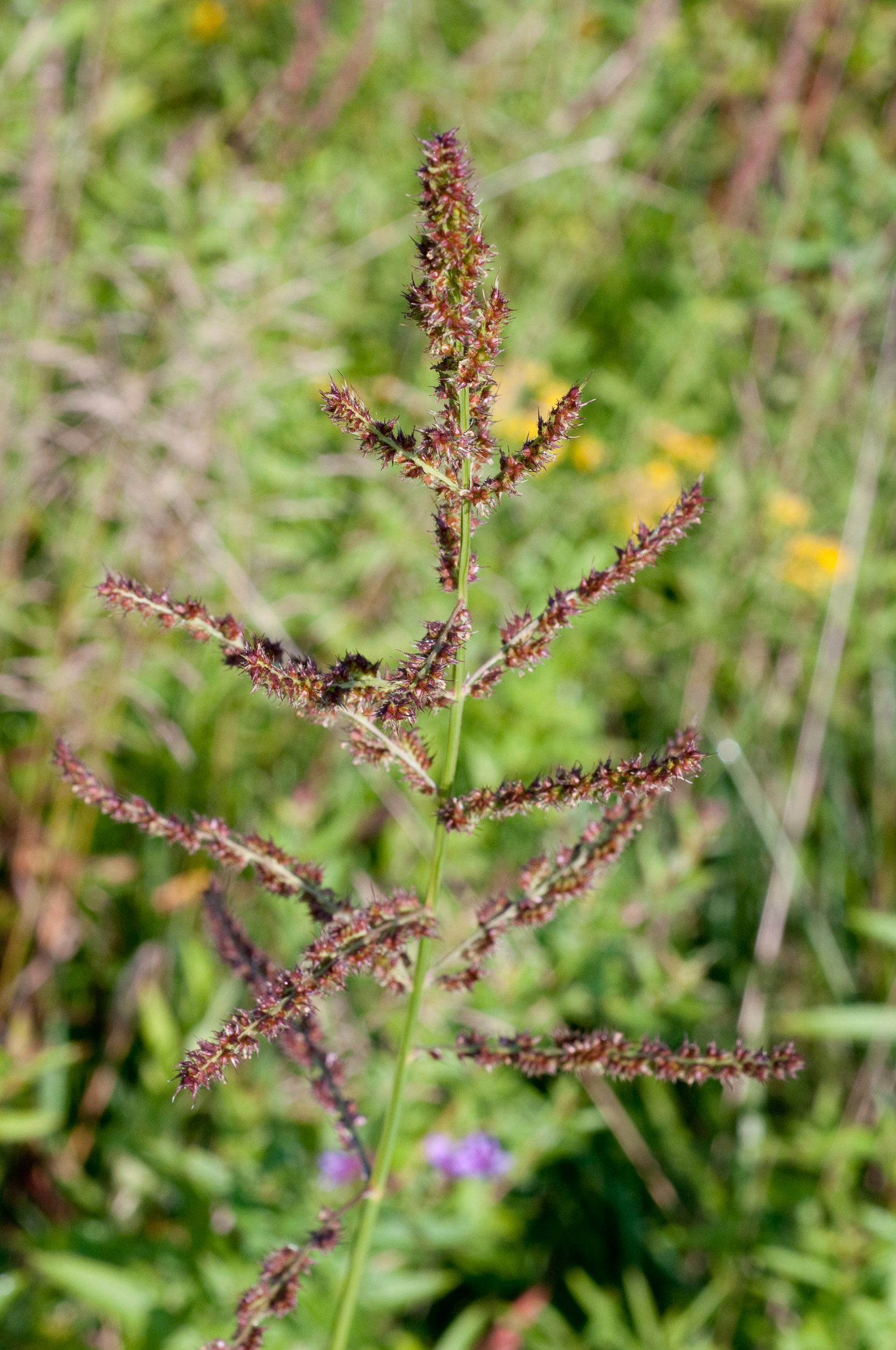
9/3/2009 · Nashua River Rail Trail, Ayer, Massachusetts · ≈ 7 × 11″ (18 × 27 cm) ID is uncertain 

8/28/2023 · Topsham, Maine 

9/3/2020 · Mitchell Field, Harpswell, Maine · ≈ 3½ × 5″ (8.8 × 12 cm) 
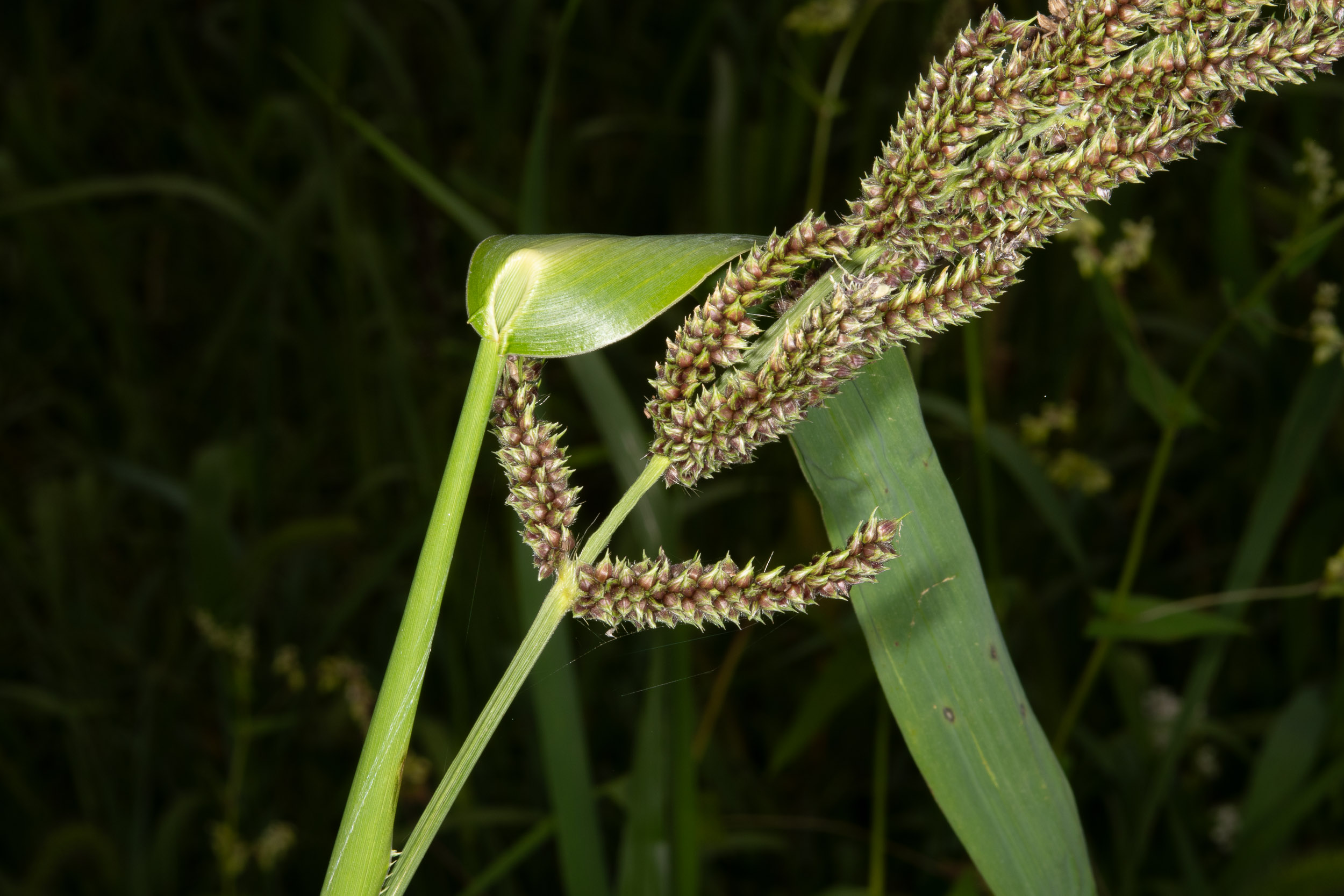
8/17/2019 · Wildflower Trail, Beaver Brook Conservation Area, Hollis, New Hampshire · ≈ 7 × 4½″ (18 × 12 cm) 
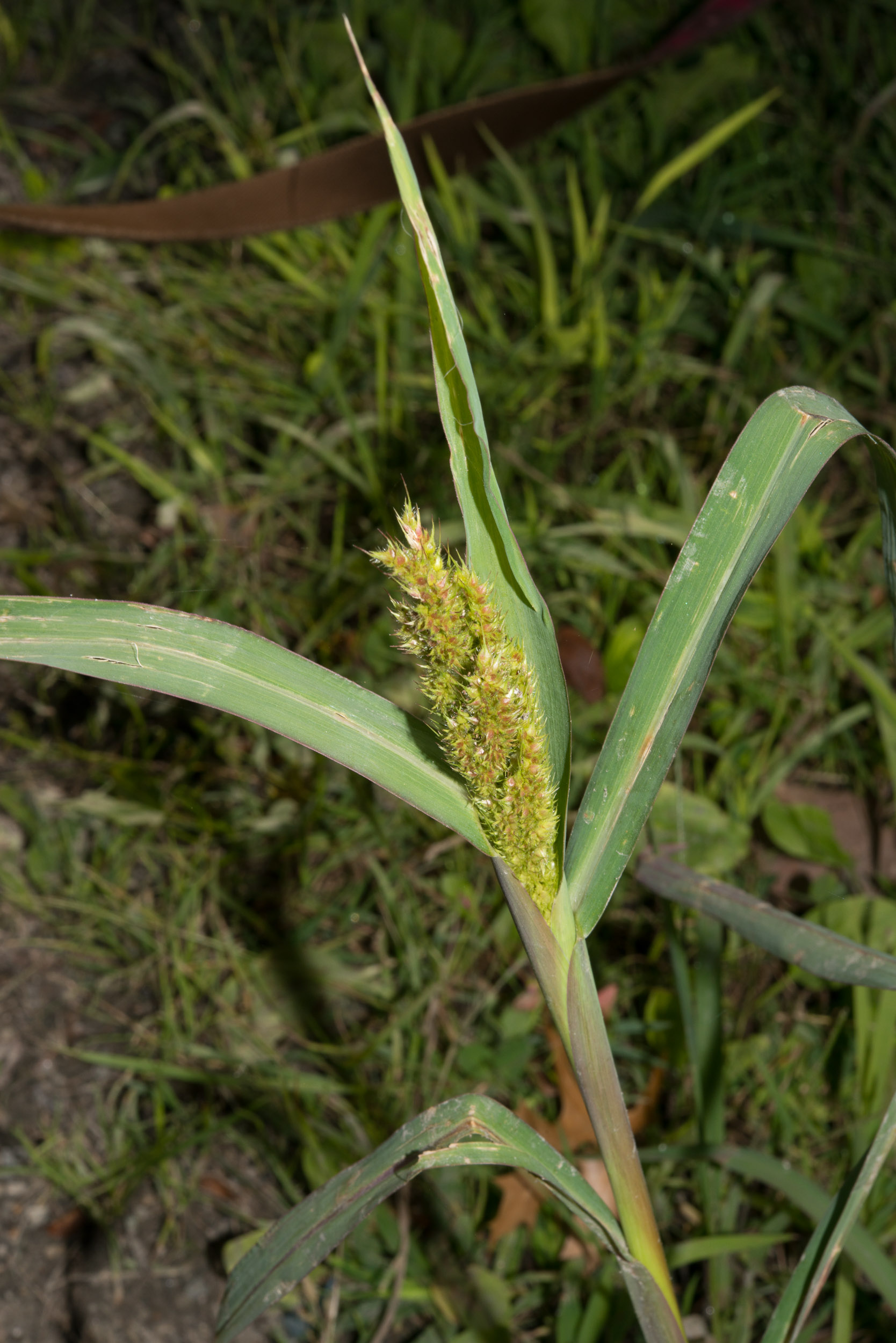
8/16/2013 · Nashua River Rail Trail, Groton Center, Groton, Massachusetts · ≈ 7 × 10″ (16 × 25 cm) 
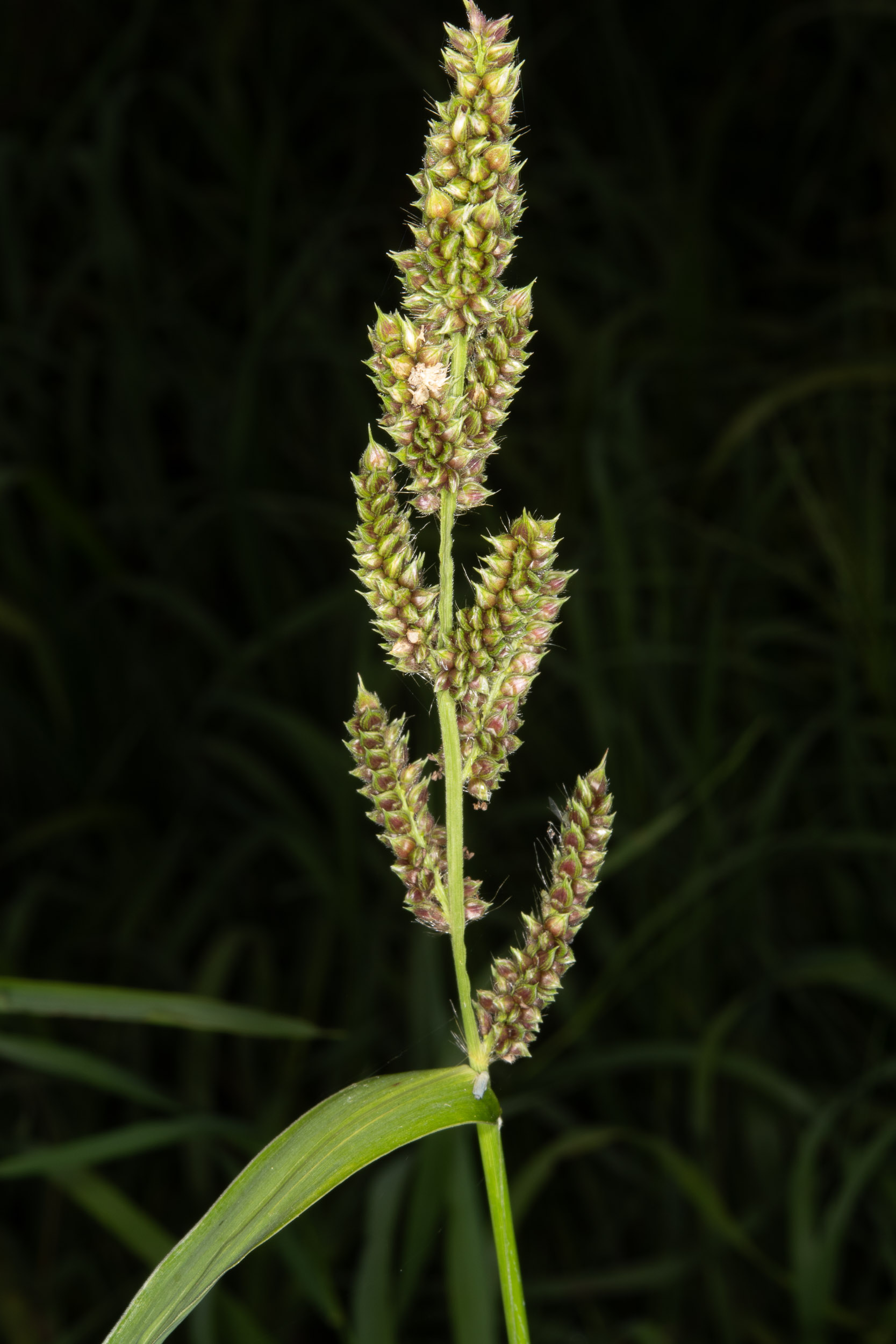
8/17/2019 · Wildflower Trail, Beaver Brook Conservation Area, Hollis, New Hampshire · ≈ 4 × 6″ (10 × 15 cm) 
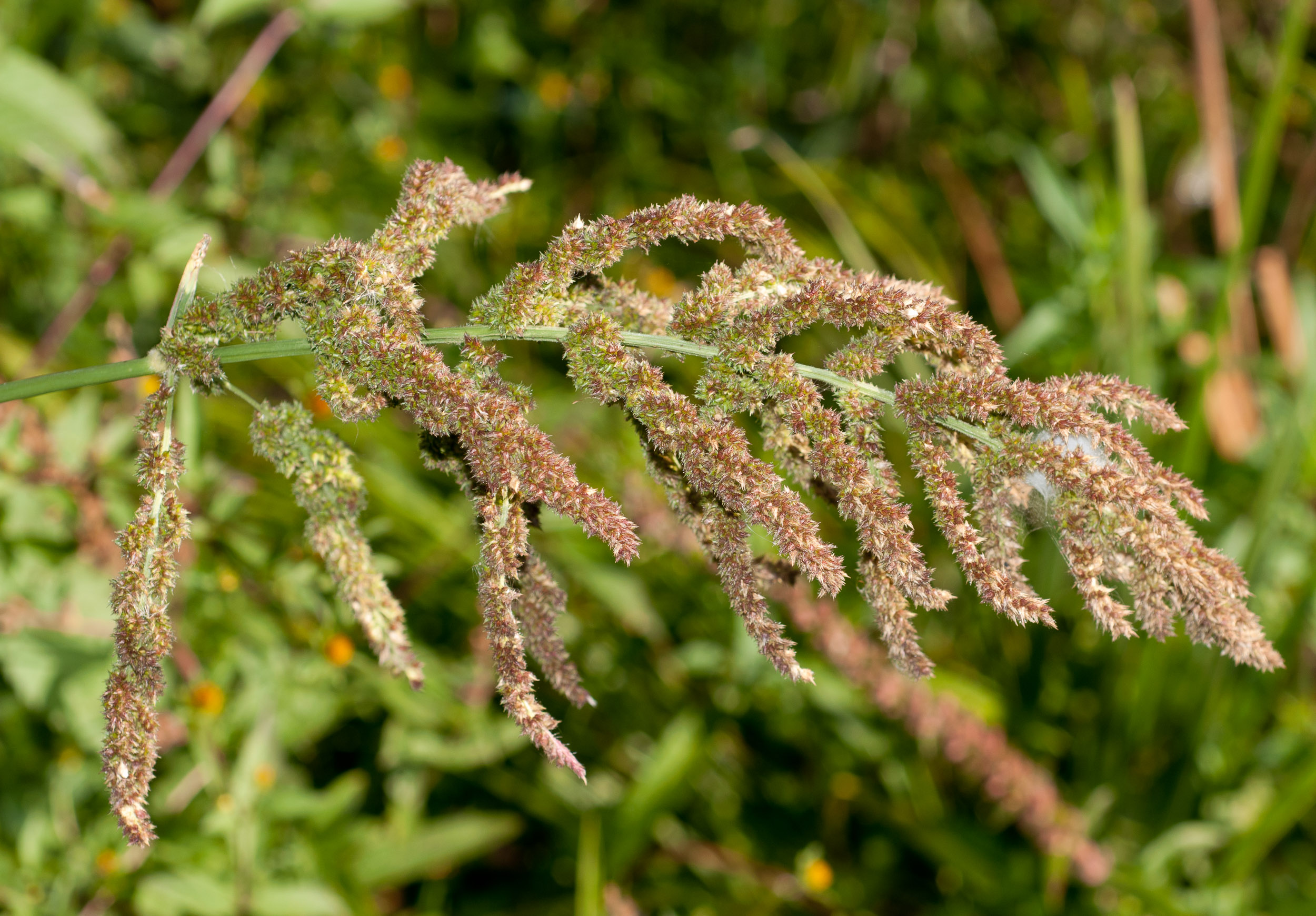
9/11/2010 · Nashua River Rail Trail, Groton Center, Groton, Massachusetts · ≈ 12 × 8″ (30 × 21 cm) ID is uncertain 
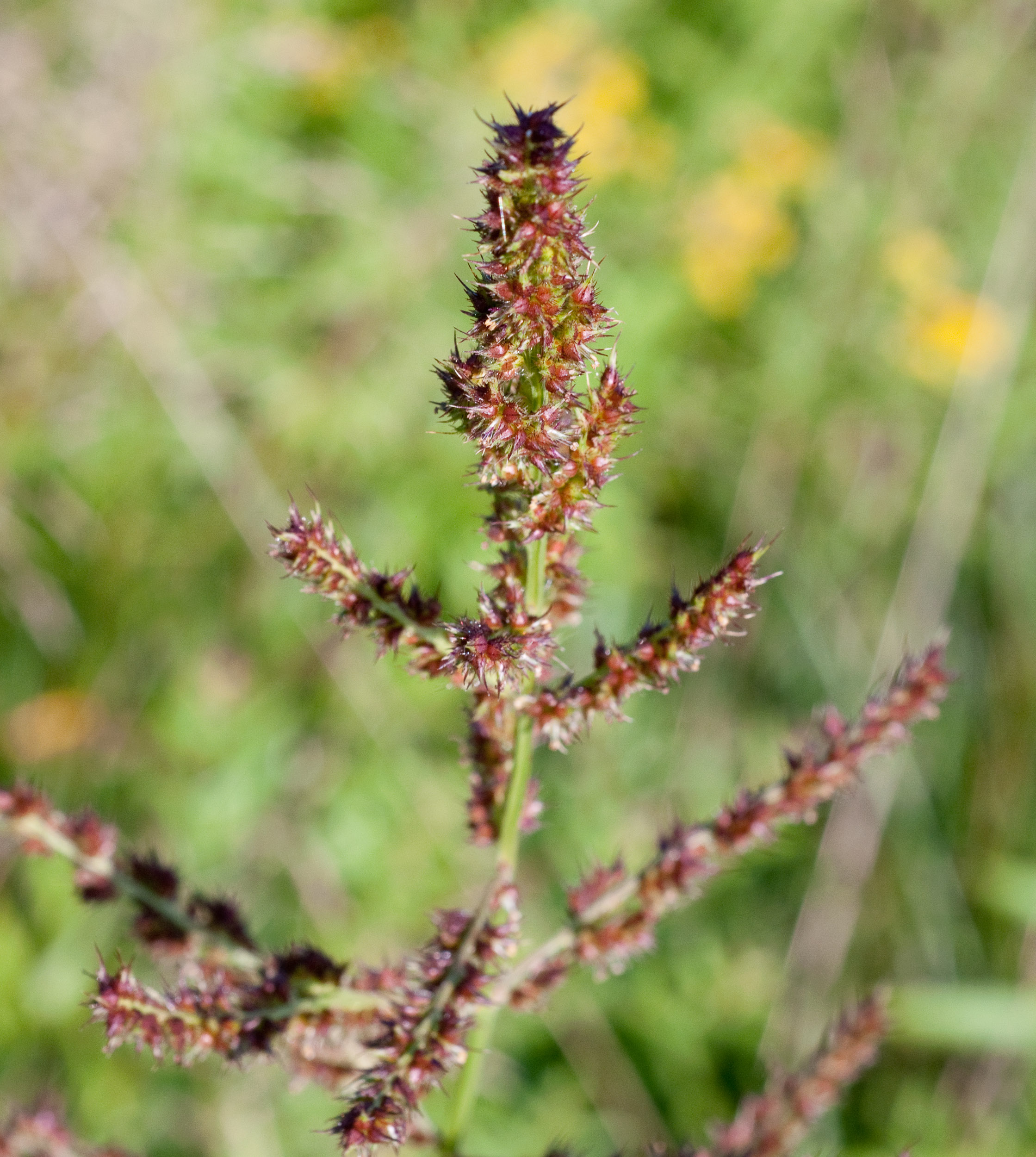
9/3/2009 · Nashua River Rail Trail, Ayer, Massachusetts · ≈ 4½ × 5″ (11 × 13 cm) ID is uncertain 
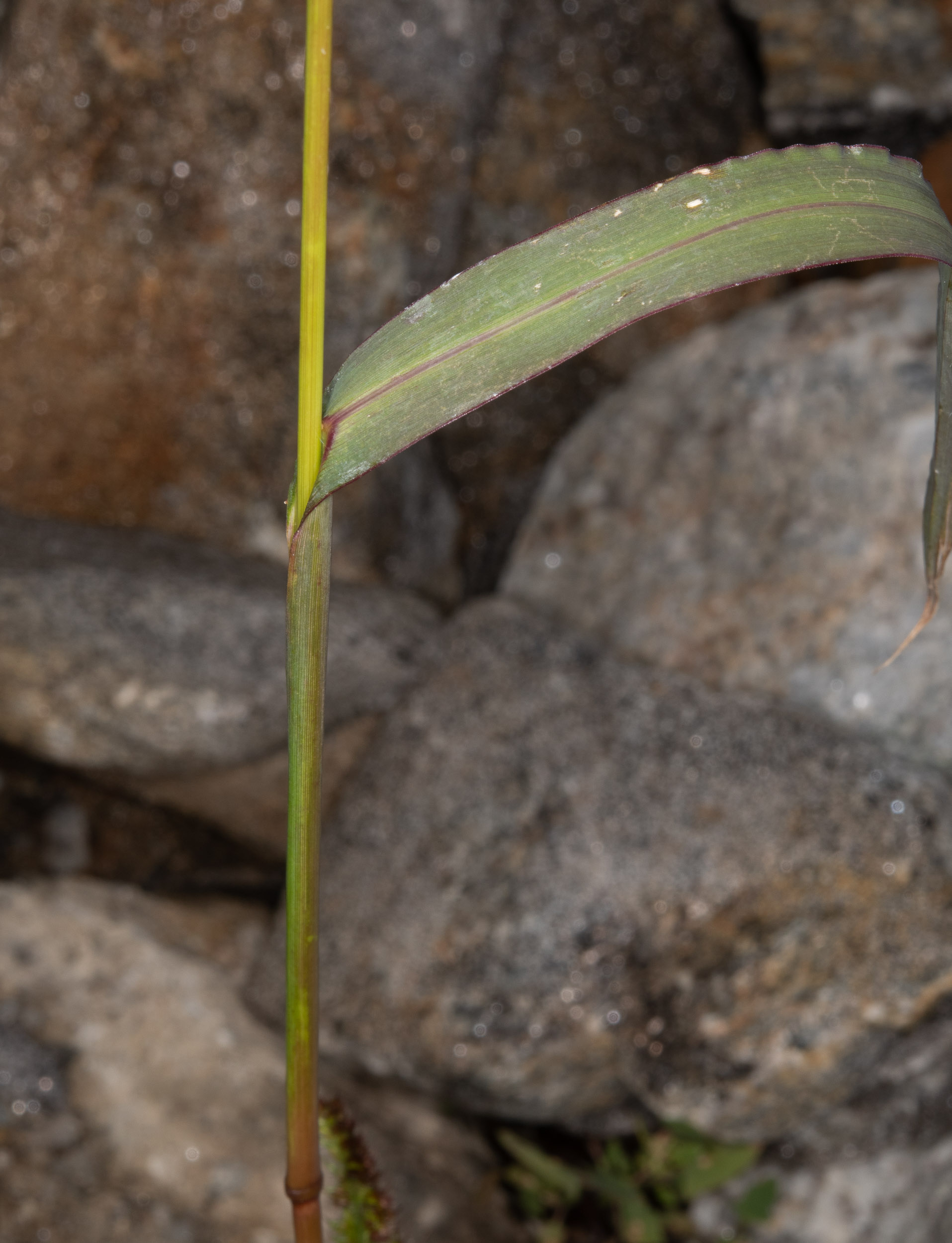
9/3/2020 · Mitchell Field, Harpswell, Maine · ≈ 4 × 6″ (11 × 14 cm) 
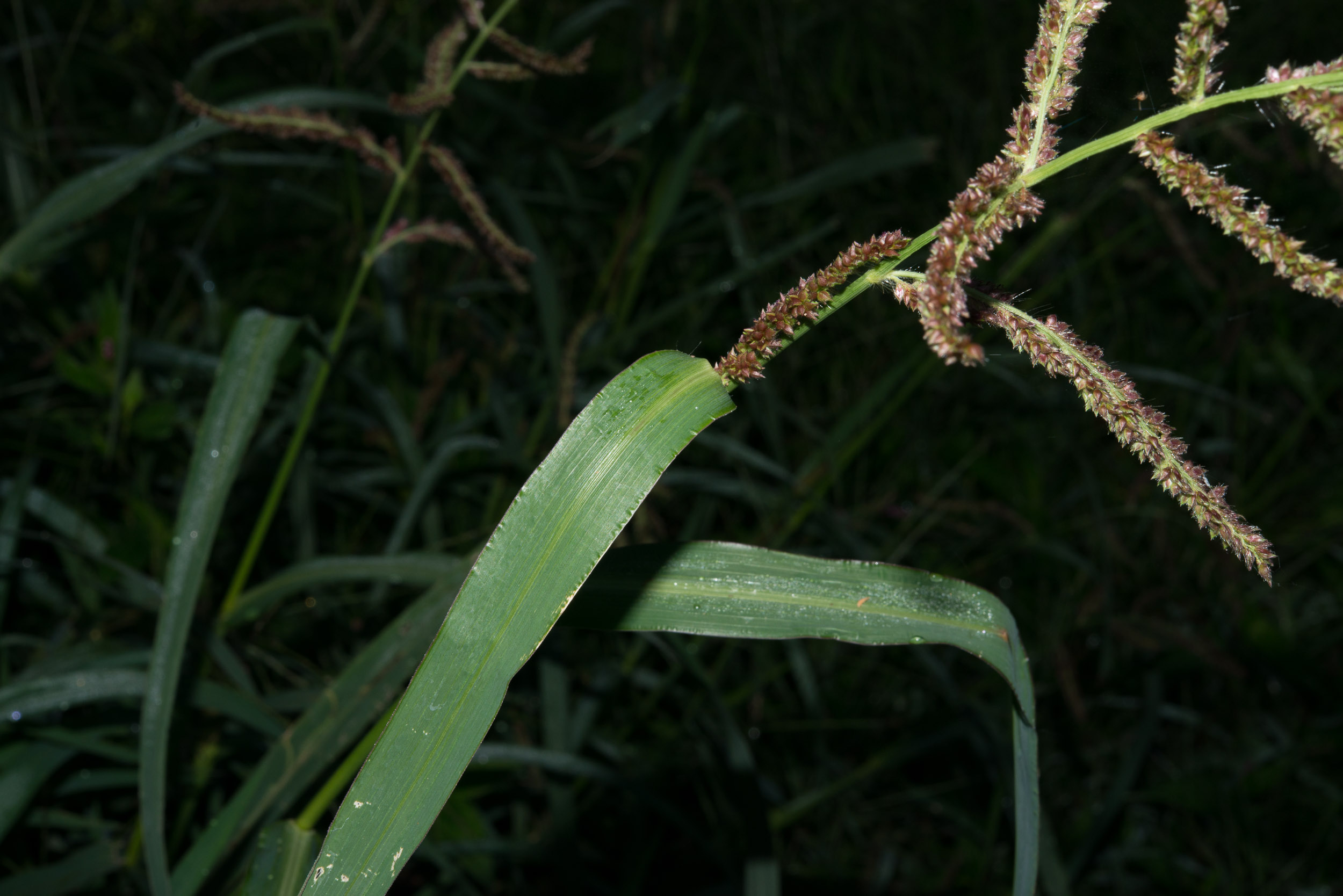
8/15/2013 · Groton Place and Sabine Woods, Groton, Massachusetts · ≈ 10 × 7″ (25 × 16 cm) 
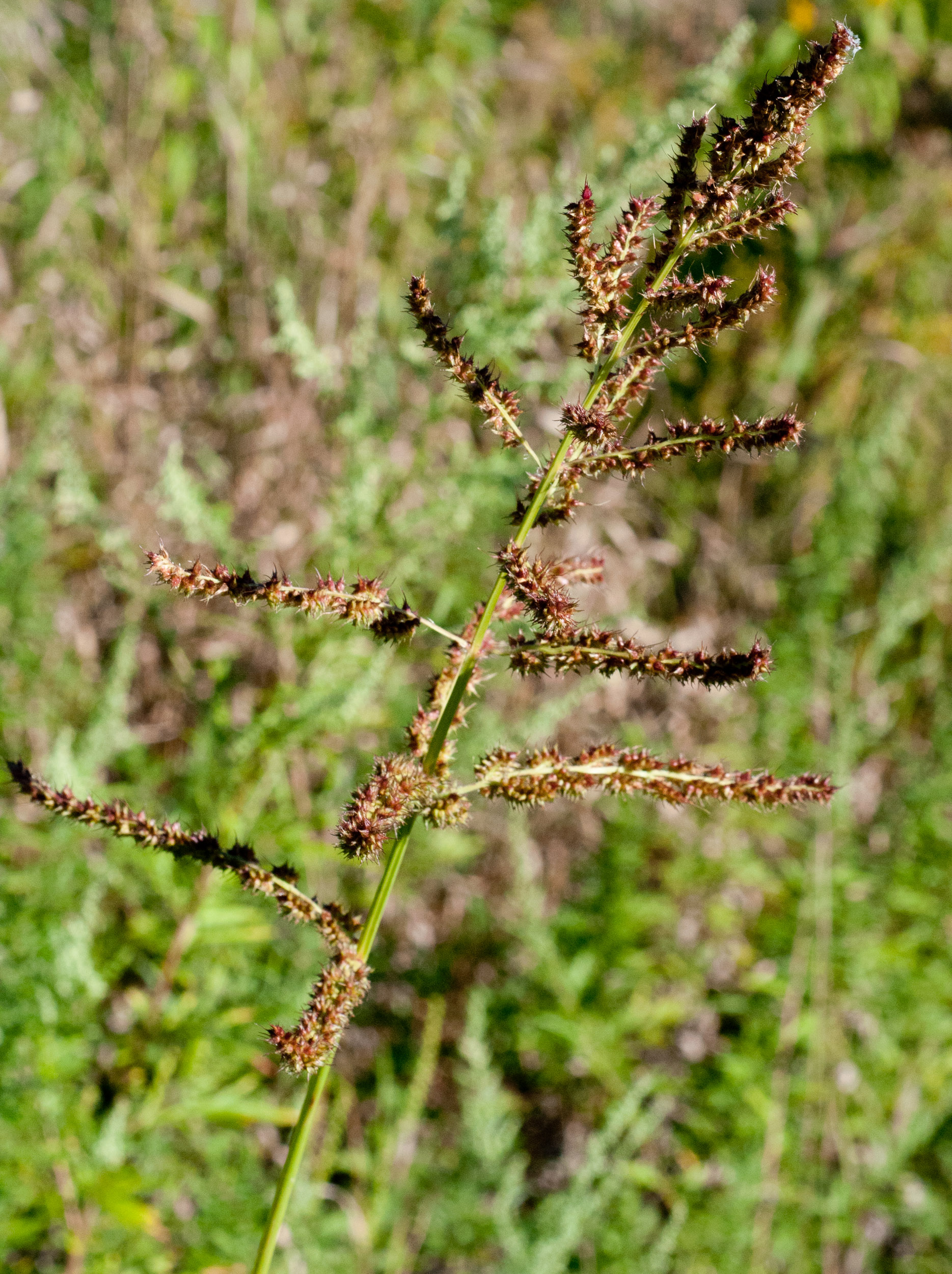
9/5/2010 · Nashua River Rail Trail, near Nashoba Hospital, Ayer, Massachusetts · ≈ 8 × 10″ (19 × 25 cm) ID is uncertain 
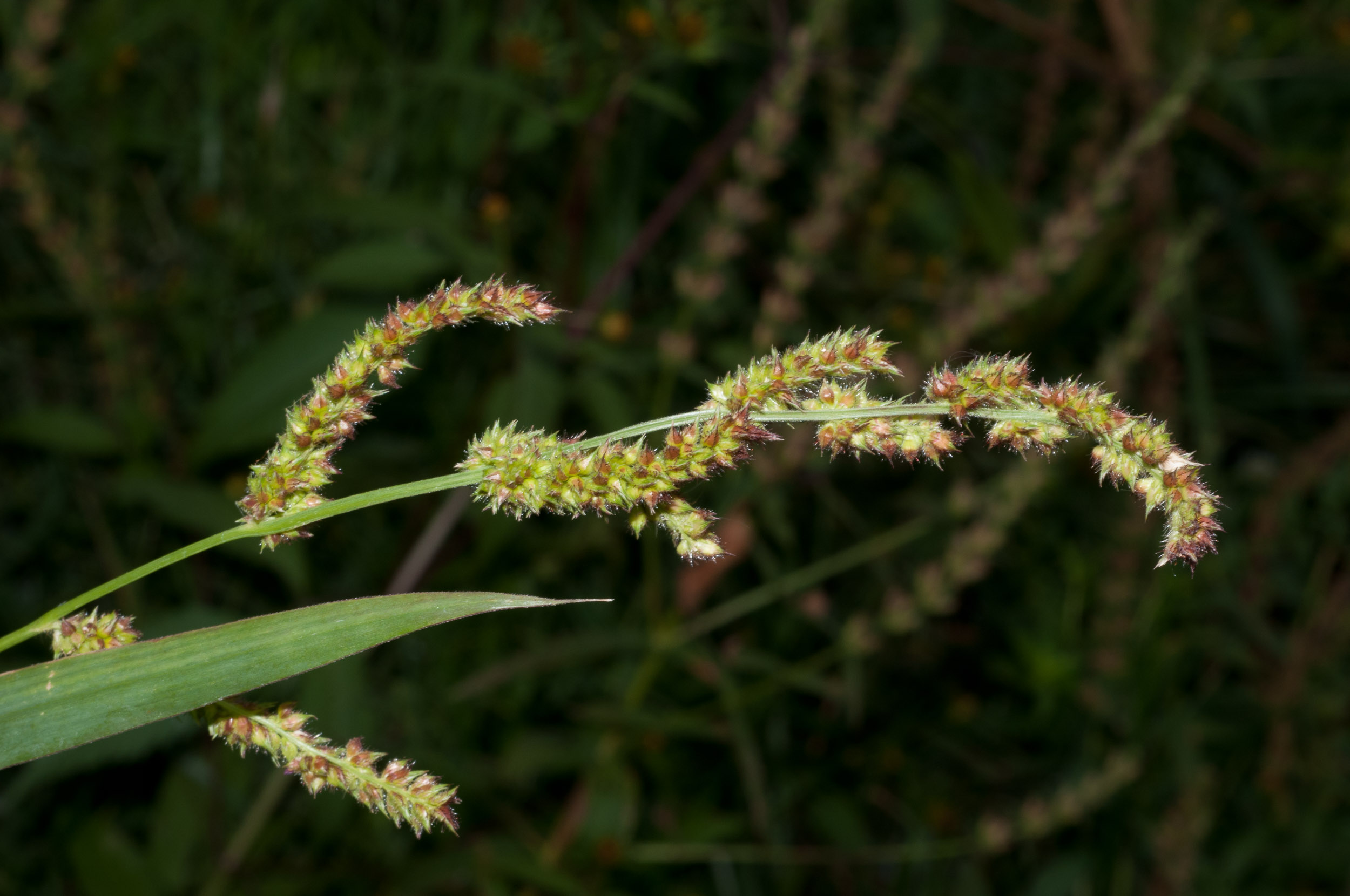
9/18/2010 · Nashua River Rail Trail, Groton Center, Groton, Massachusetts · ≈ 8 × 5″ (19 × 13 cm) ID is uncertain 
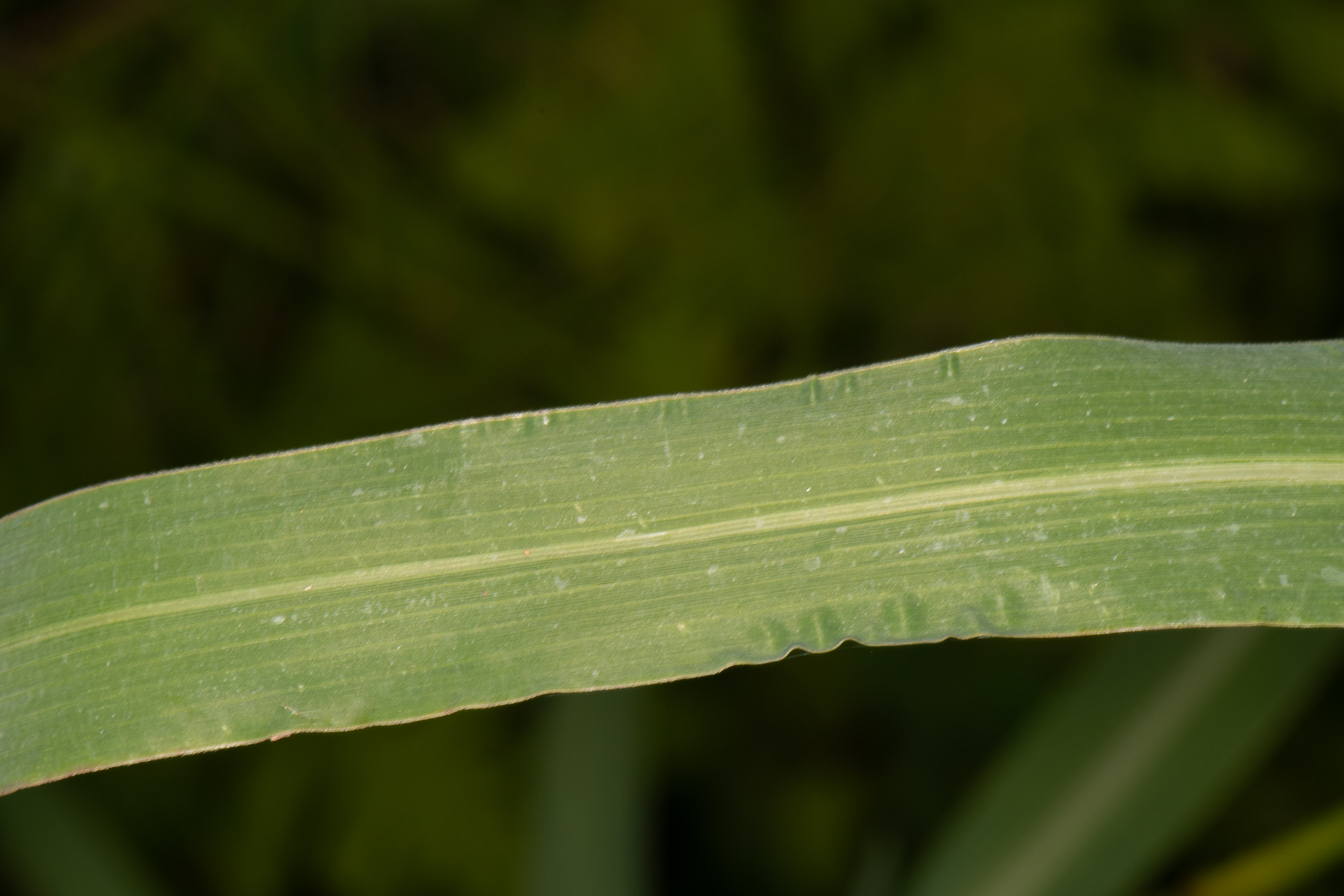
8/28/2021 · Otter Brrok Preserve, Harpswell Heritage Land Trust, Harpswell, Maine · ≈ 4½ × 3″ (11 × 7.9 cm) 
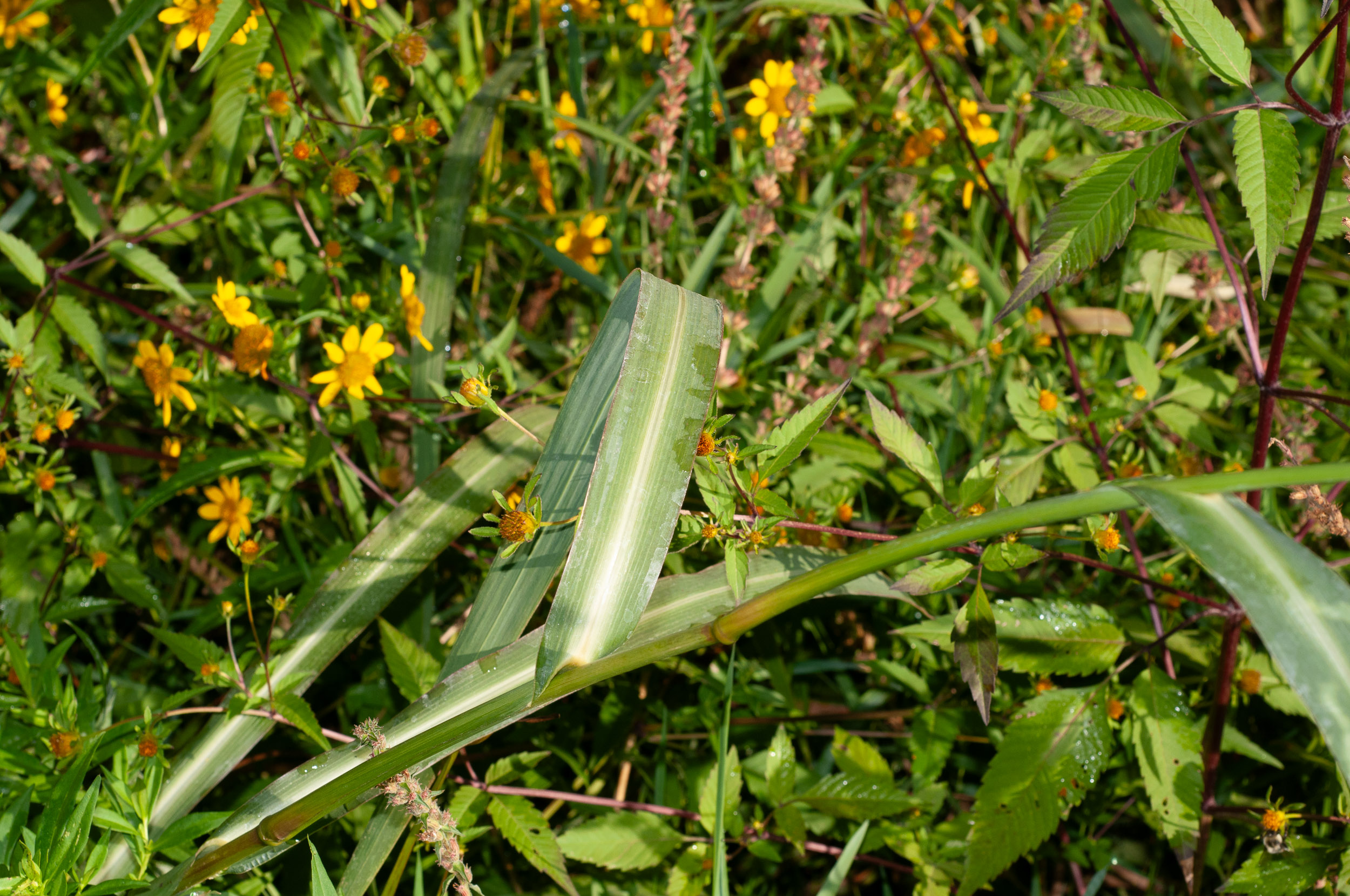
9/11/2010 · Nashua River Rail Trail, Groton Center, Groton, Massachusetts · ≈ 17 × 12″ (44 × 29 cm) ID is uncertain 
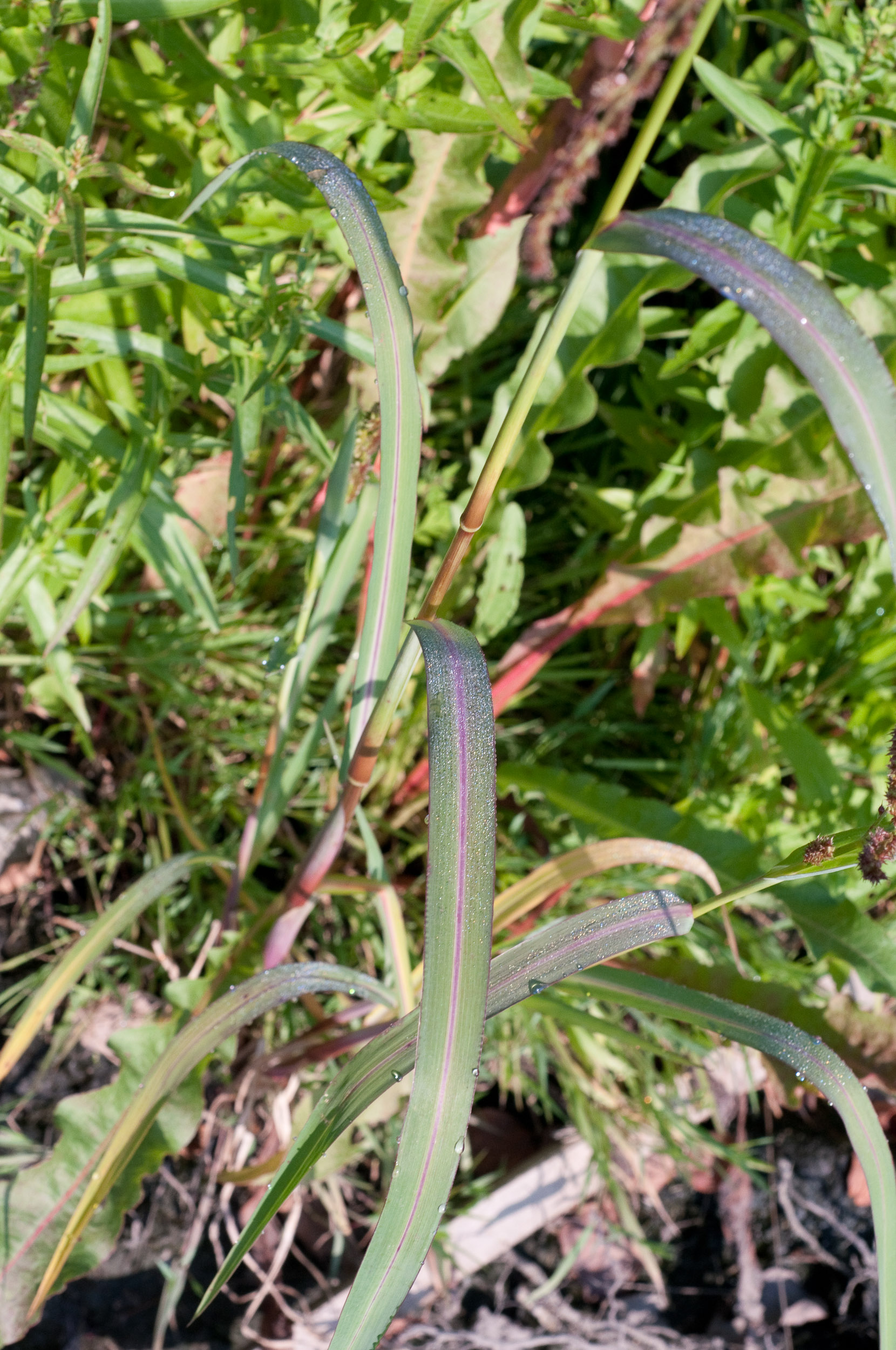
9/3/2009 · Nashua River Rail Trail, Ayer, Massachusetts · ≈ 12 × 17″ (29 × 44 cm) ID is uncertain 
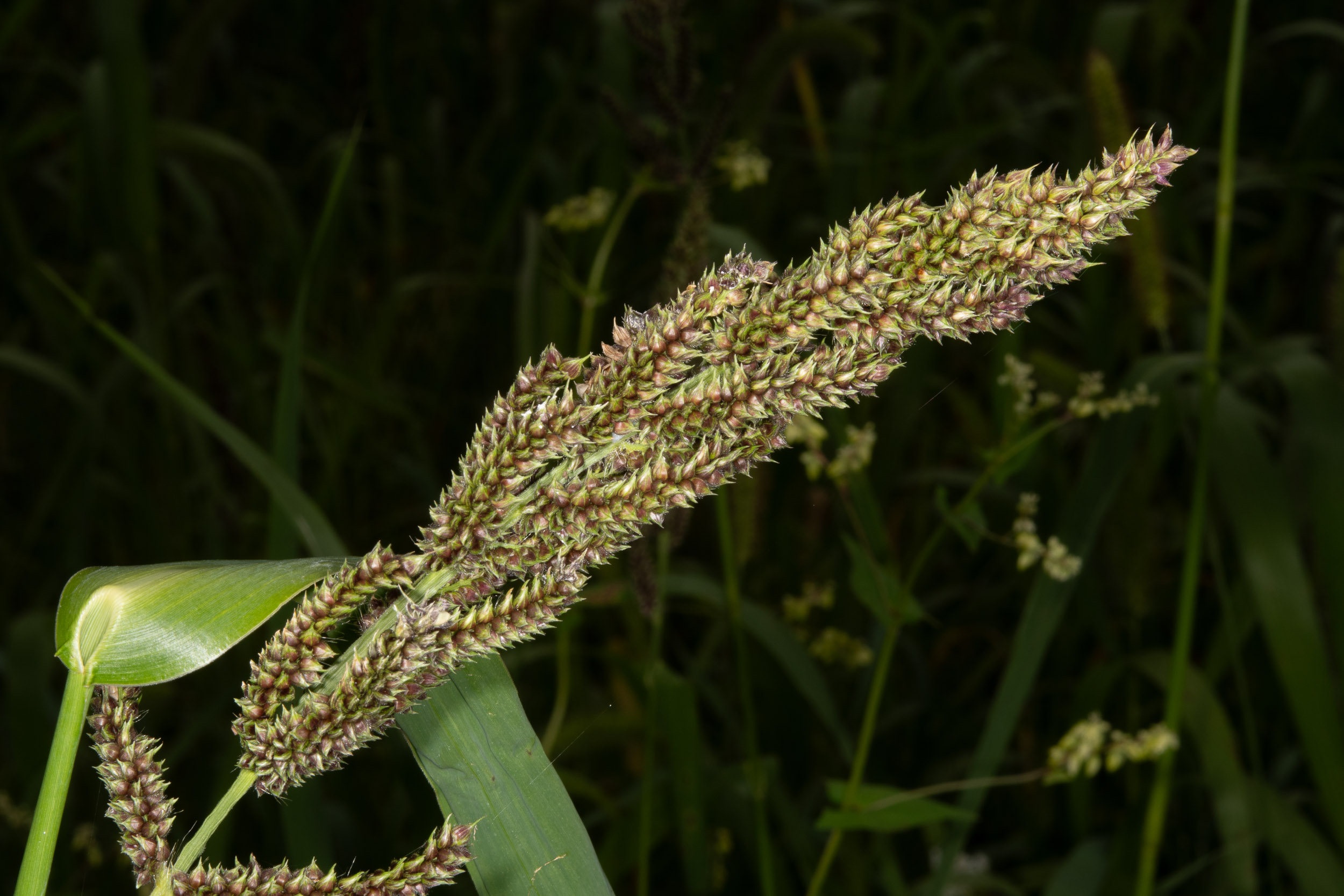
8/17/2019 · Wildflower Trail, Beaver Brook Conservation Area, Hollis, New Hampshire · ≈ 8 × 5″ (20 × 13 cm) 
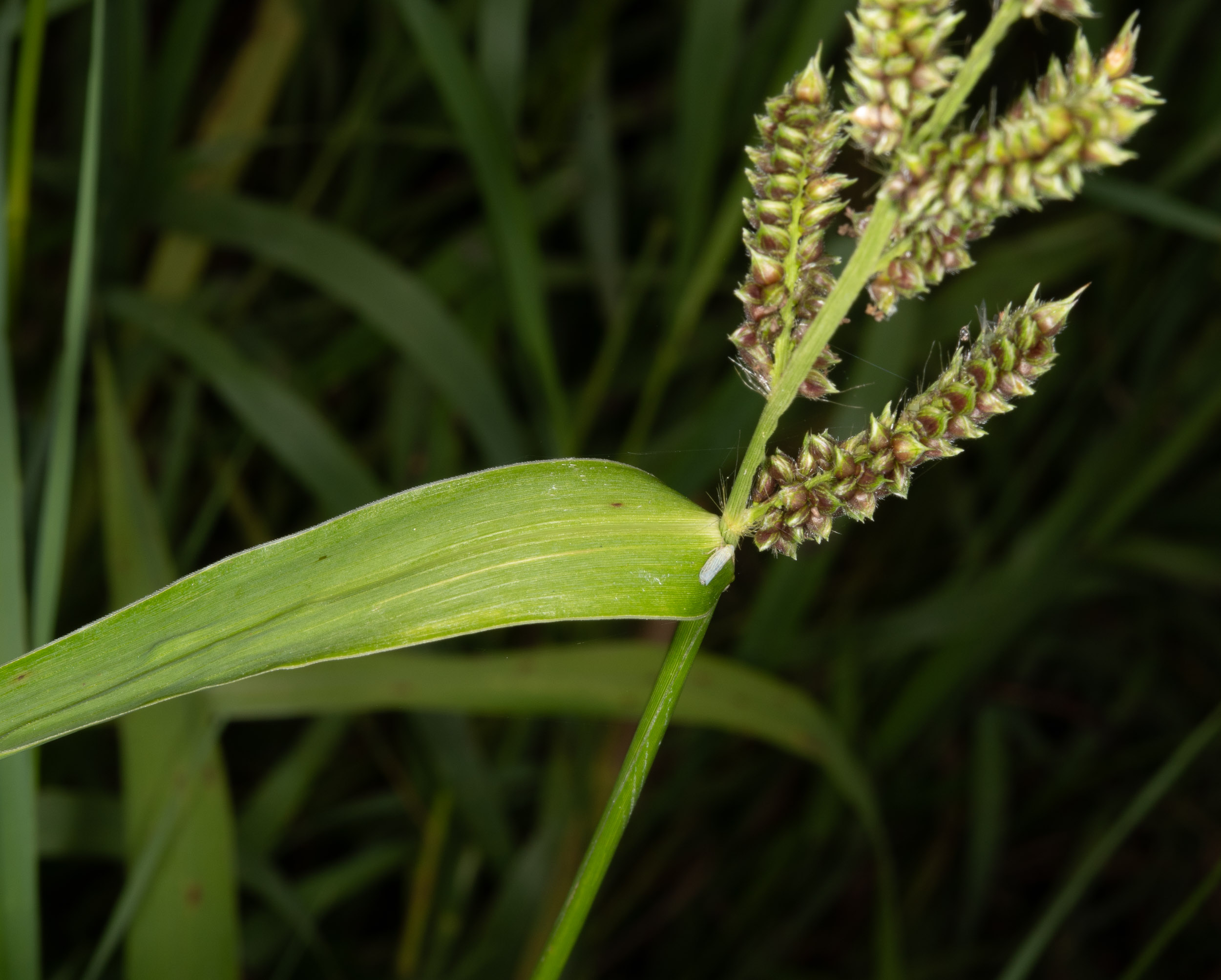
8/17/2019 · Wildflower Trail, Beaver Brook Conservation Area, Hollis, New Hampshire · ≈ 5 × 4″ (12 × 10 cm) 
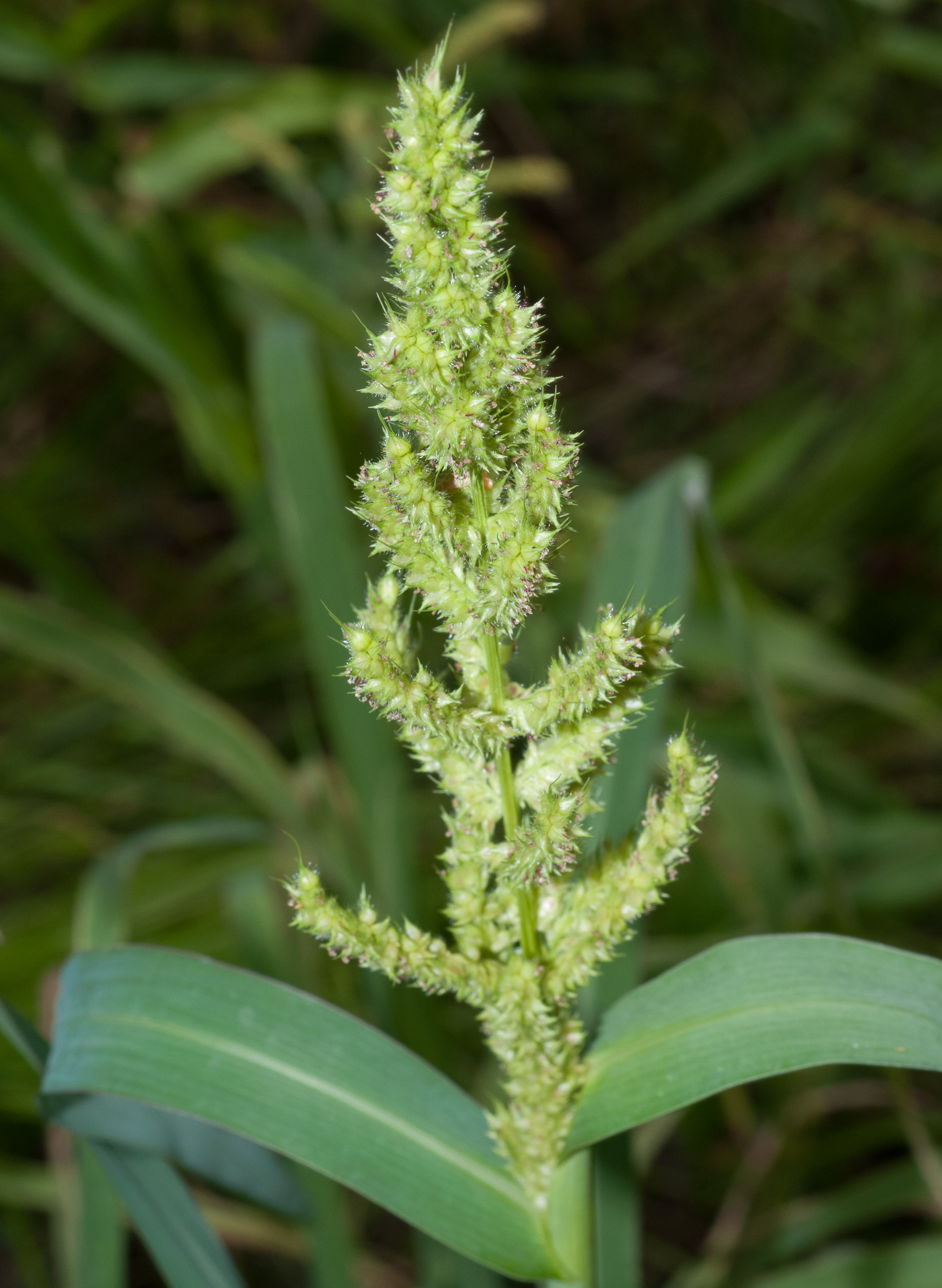
8/18/2010 · J. Harry Rich Woods, off Nod Rd., Groton, Massachusetts · ≈ 4½ × 6″ (11 × 16 cm) ID is uncertain 
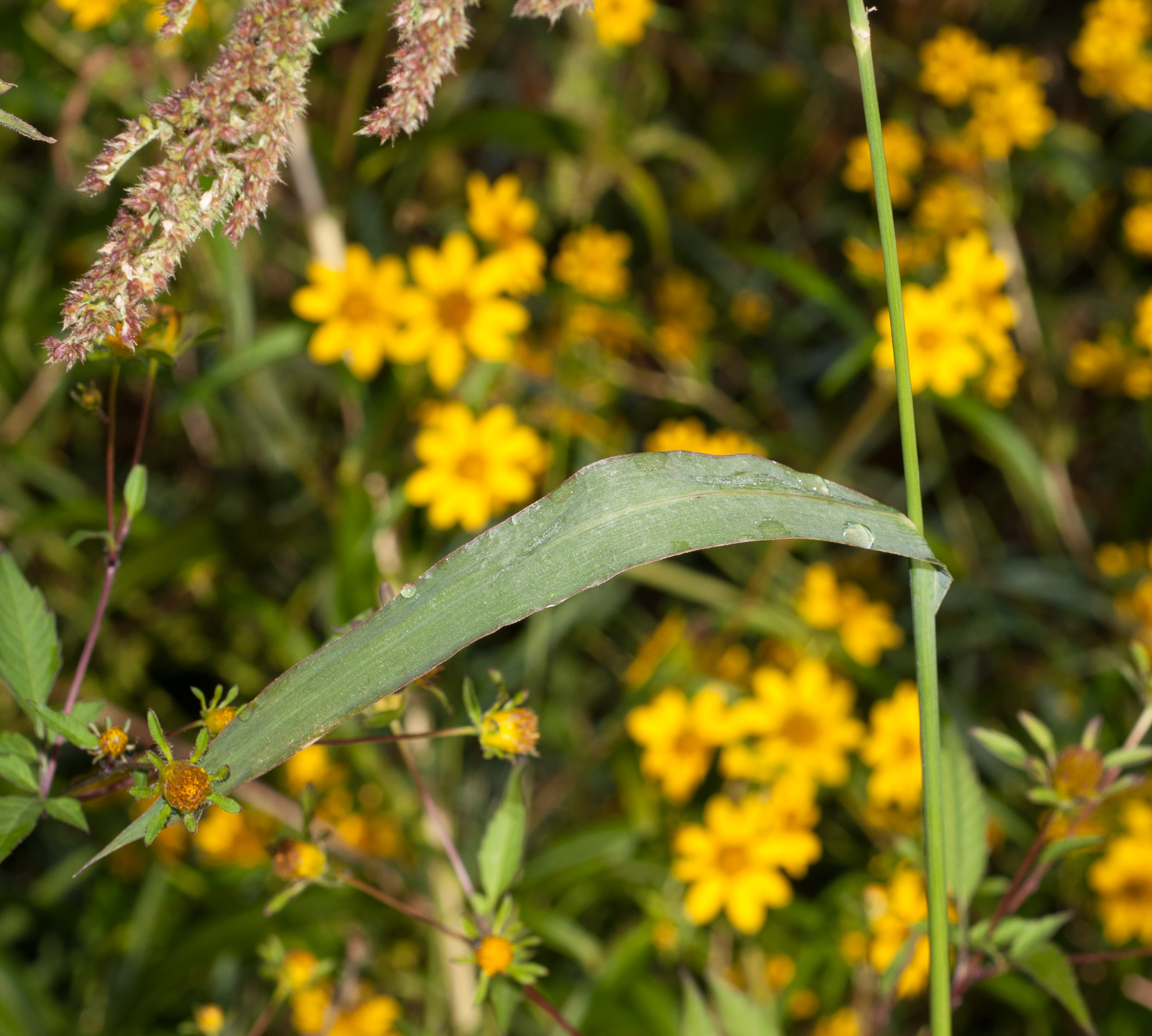
9/11/2010 · Nashua River Rail Trail, Groton Center, Groton, Massachusetts · ≈ 8 × 7″ (20 × 18 cm) ID is uncertain 

8/18/2010 · J. Harry Rich Woods, off Nod Rd., Groton, Massachusetts · ≈ 8 × 10″ (20 × 25 cm) ID is uncertain 
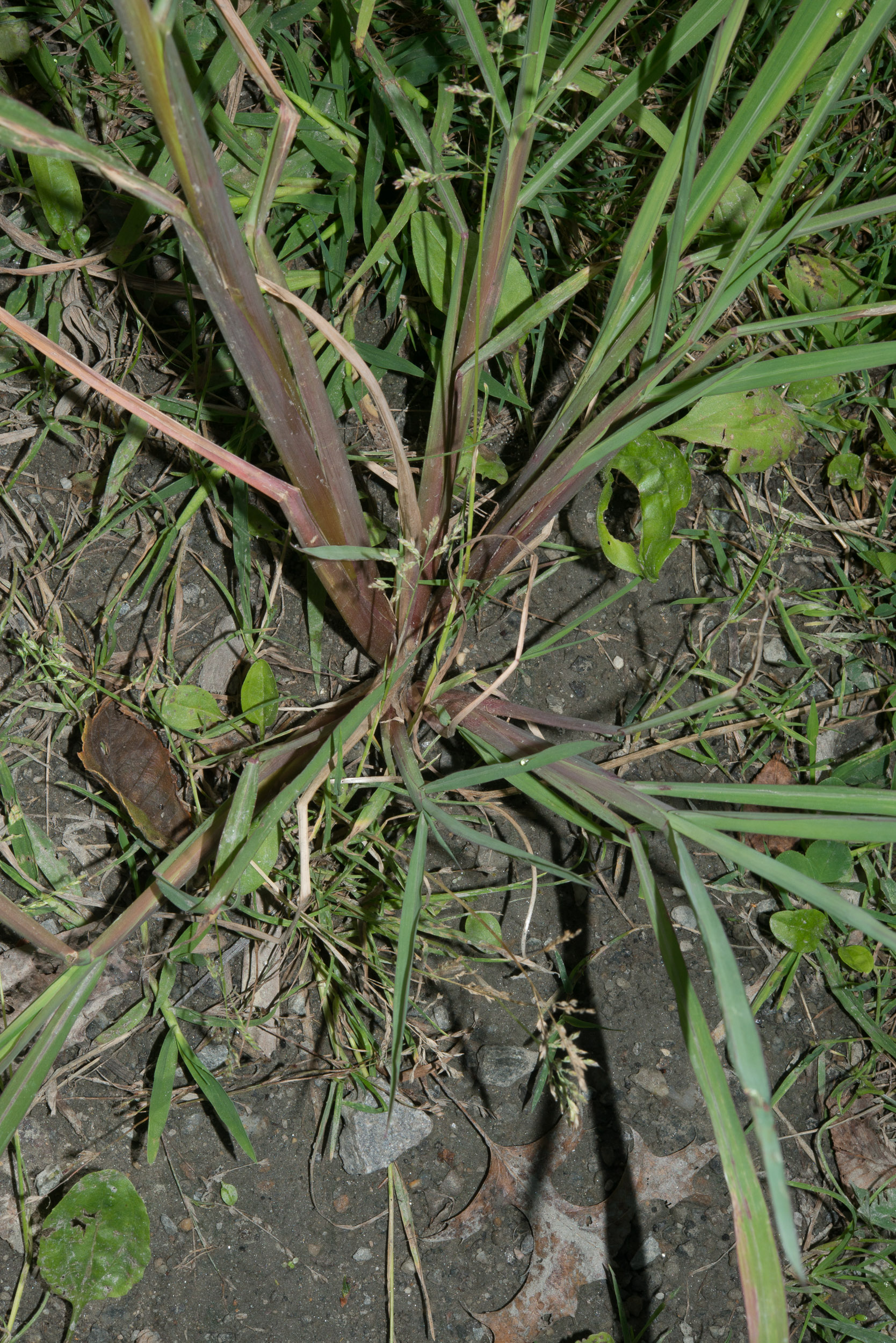
8/16/2013 · Nashua River Rail Trail, Groton Center, Groton, Massachusetts · ≈ 1 × 1½′ (31 × 47 cm) 
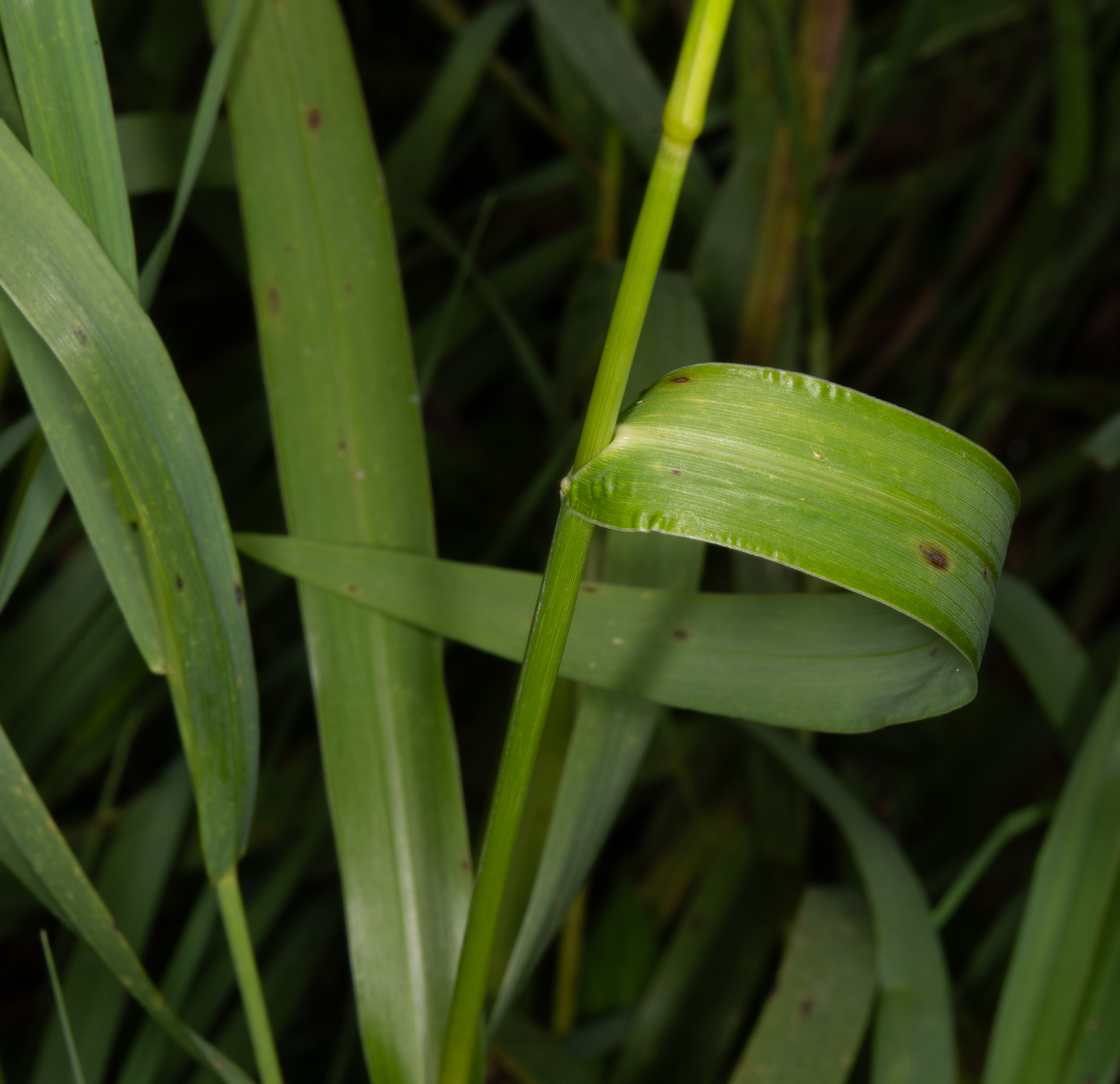
8/17/2019 · Wildflower Trail, Beaver Brook Conservation Area, Hollis, New Hampshire · ≈ 4½ × 4″ (11 × 11 cm) 
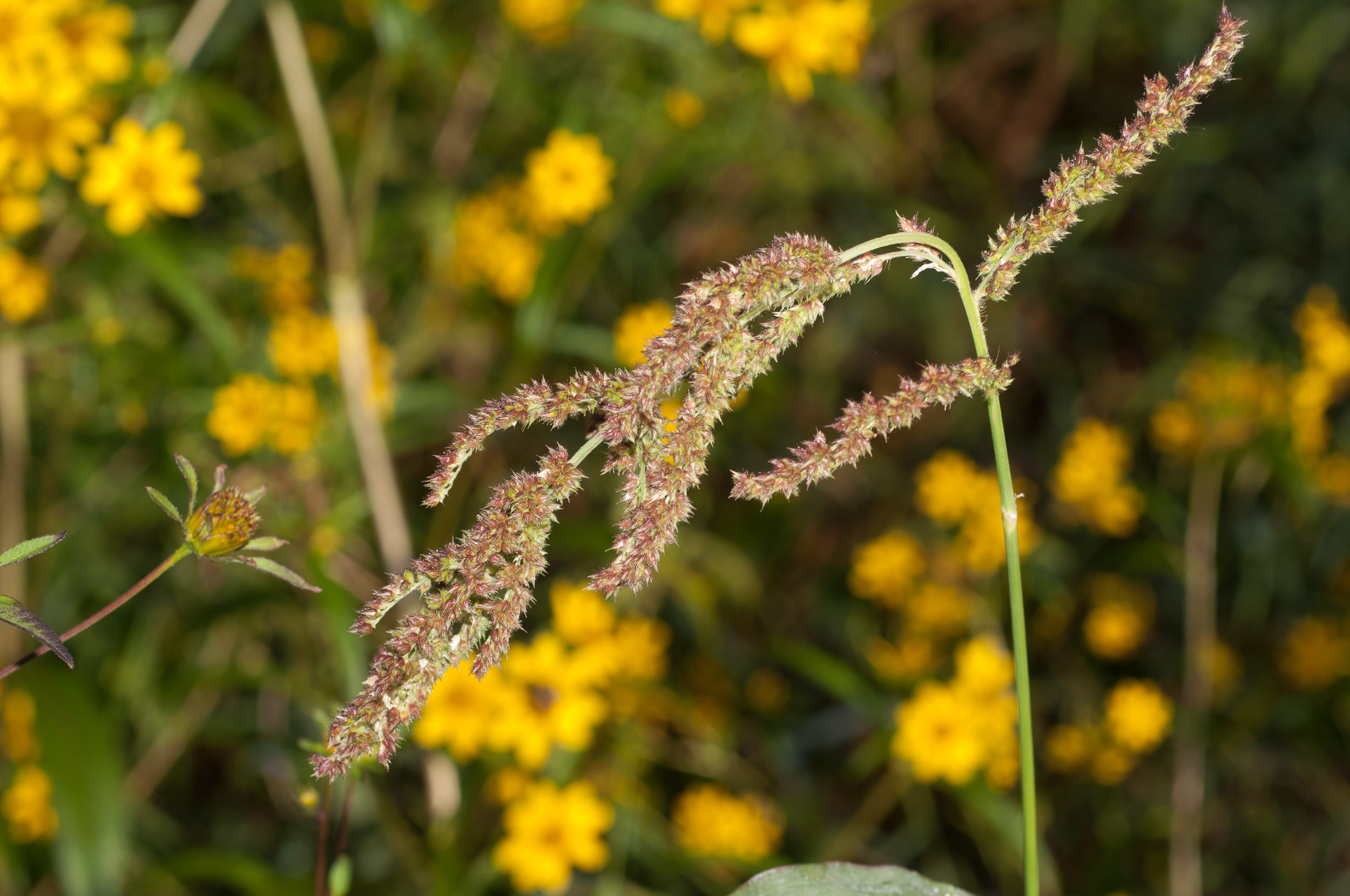
9/11/2010 · Nashua River Rail Trail, Groton Center, Groton, Massachusetts · ≈ 11 × 7″ (27 × 18 cm) ID is uncertain 
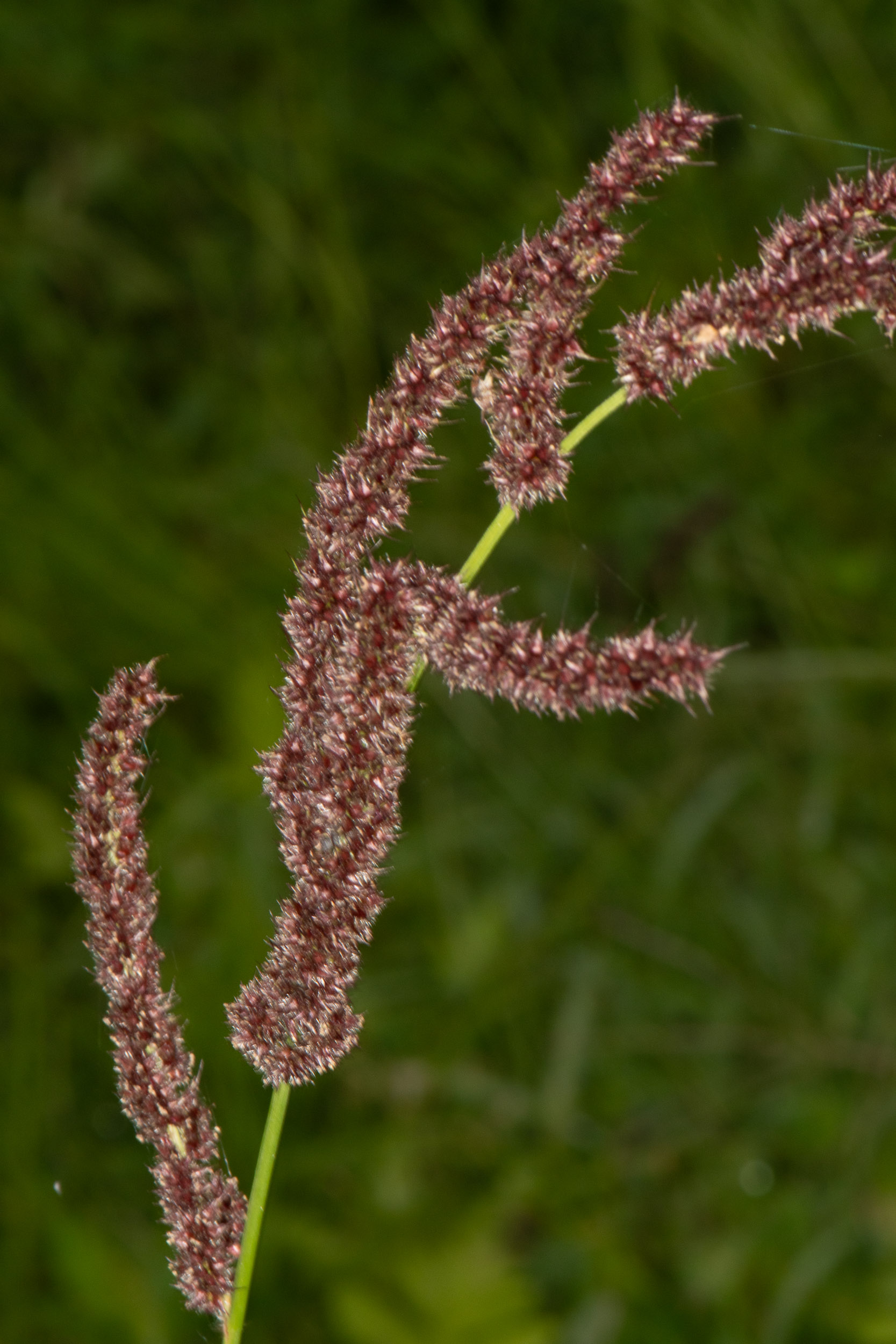
8/28/2021 · Otter Brrok Preserve, Harpswell Heritage Land Trust, Harpswell, Maine · ≈ 5 × 8″ (13 × 20 cm) 
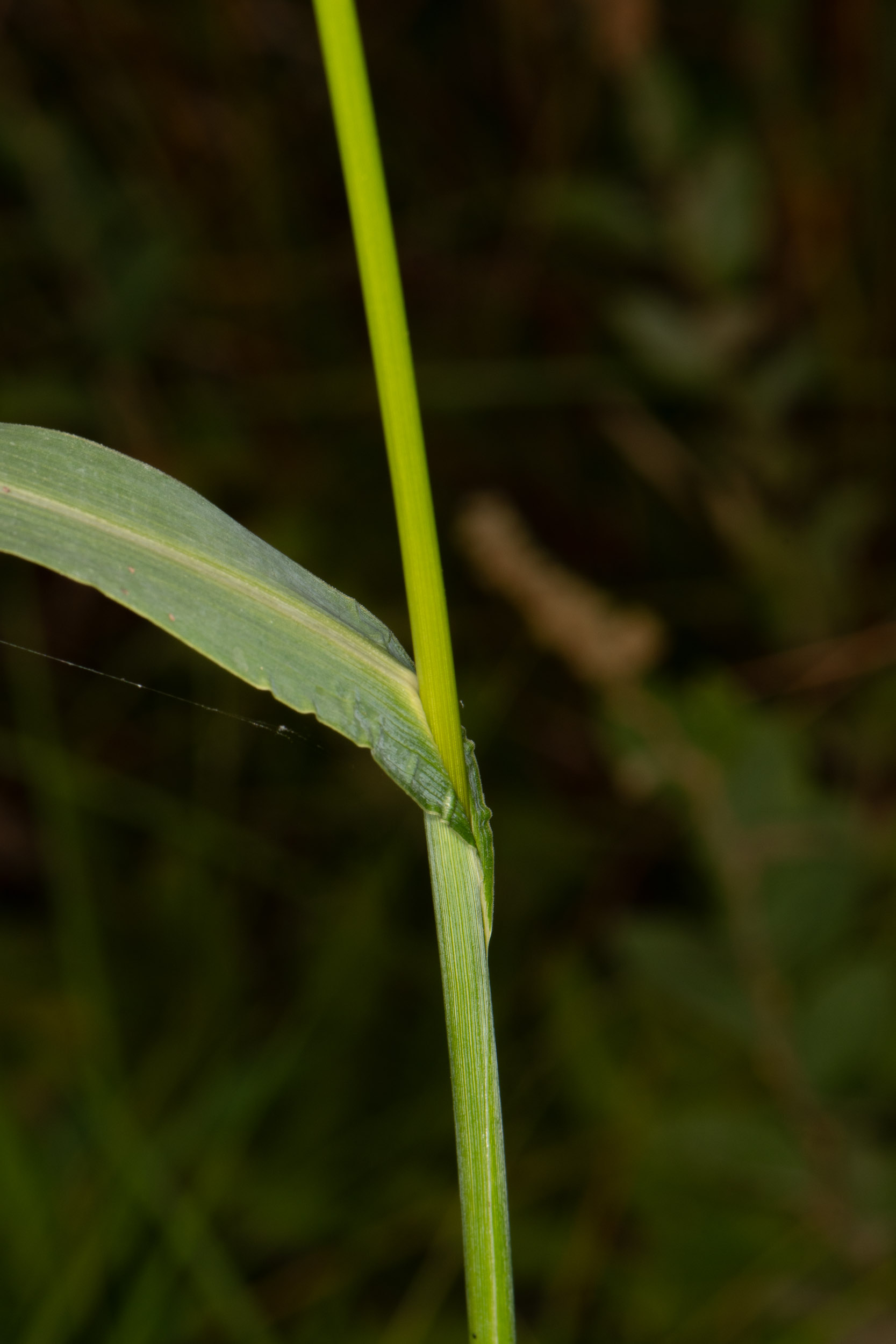
8/28/2021 · Otter Brrok Preserve, Harpswell Heritage Land Trust, Harpswell, Maine · ≈ 4 × 6″ (10 × 15 cm) 

8/28/2023 · Topsham, Maine 
| Kingdom | Plantae | Plants, but not fungi, lichens, or algae (from Stearn's Botanical Latin) |
| Subkingdom | Tracheobionta | Vascular plants—plants with a “circulatory system” for delivering water and nutrients |
| Division | Magnoliophyta | Flowering plants, also known as angiosperms |
| Class | Liliopsida | Monocots (plants with a single seed leaf); includes the lily family |
| Subclass | Commelinidae | Dayflowers and spiderworts, and several others |
| Order | Cyperales | Flowering plants including grasses |
| Family | Poaceae | Grasses (but not sedges or rushes) |
| Genus | Echinochloa | From the Greek echinos for “hedgehog” or “sea-urchin,” and chloe or chloa, “grass,” referring to the spikelets which are bristly |
| Species | crus-galli | From the Latin crus, “the leg or thigh,” and gallus, “a cock,” this specific epithet is supposed to mean “cock’s spur” |
Echinochloa crus-galli description by Thomas H. Kent, not updated.

© FloraFinder.org. All rights reserved.