Epilobium hirsutum L.
Great willowherb, hairy willow-herb, great hairy willowherb, apple-pie, cherry-pie, codlins-and-cream
Great willowherb is native to Europe, North Africa, and Asia, and introduced to North America and Australia. Like purple loosestrife, it is invasive in wetlands, and is considered an invasive species in some areas.
Plants: Up to 6½′ (2 m) high, with multiply-branched, hairy stems.
Leaves: opposite, ¾–4½ ⨉ ⅛–1¼″ (2–12 cm ⨉ 5–35 mm), widest near the base, serrated. They attach directly to the stem, and are hairy on both sides.
Flowers: Rose pink, about ⅞″ (2.5 cm) in diameter, with four notched petals.
Fruits: Seeds are flattened, about 1/32″ (1 mm) in size, with a “parachute” of white hairs.
Habitats: Stream banks, marshes.
Edibility: Leaves can be used to make a tea called “kaporie tea” in Russian.
Online References:
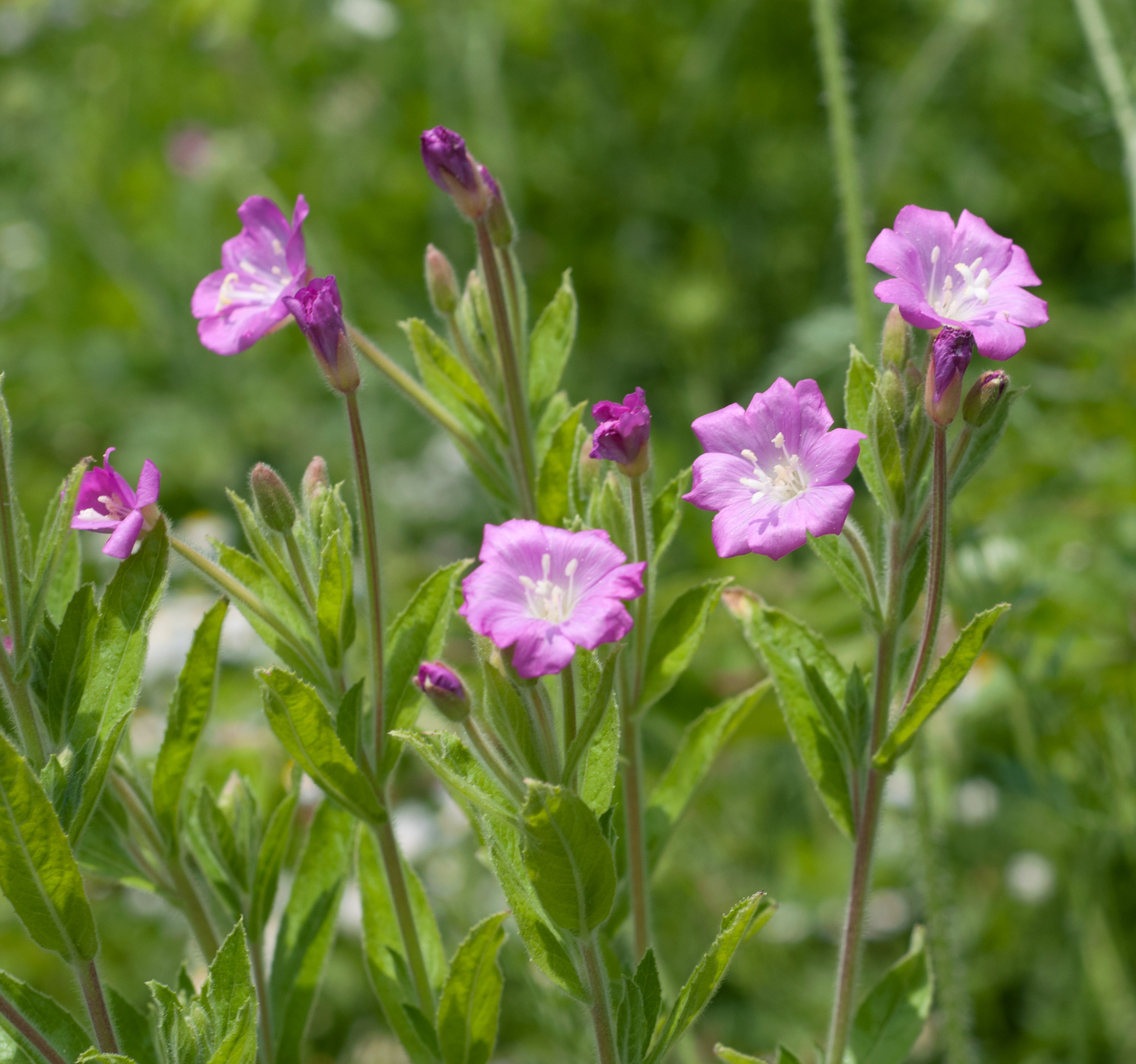
7/15/2012 · Slipway Restaurant, Thomaston, Maine · ≈ 7 × 6″ (16 × 15 cm) 

7/15/2012 · Slipway Restaurant, Thomaston, Maine · ≈ 3½ × 3″ (9.5 × 7.9 cm) 
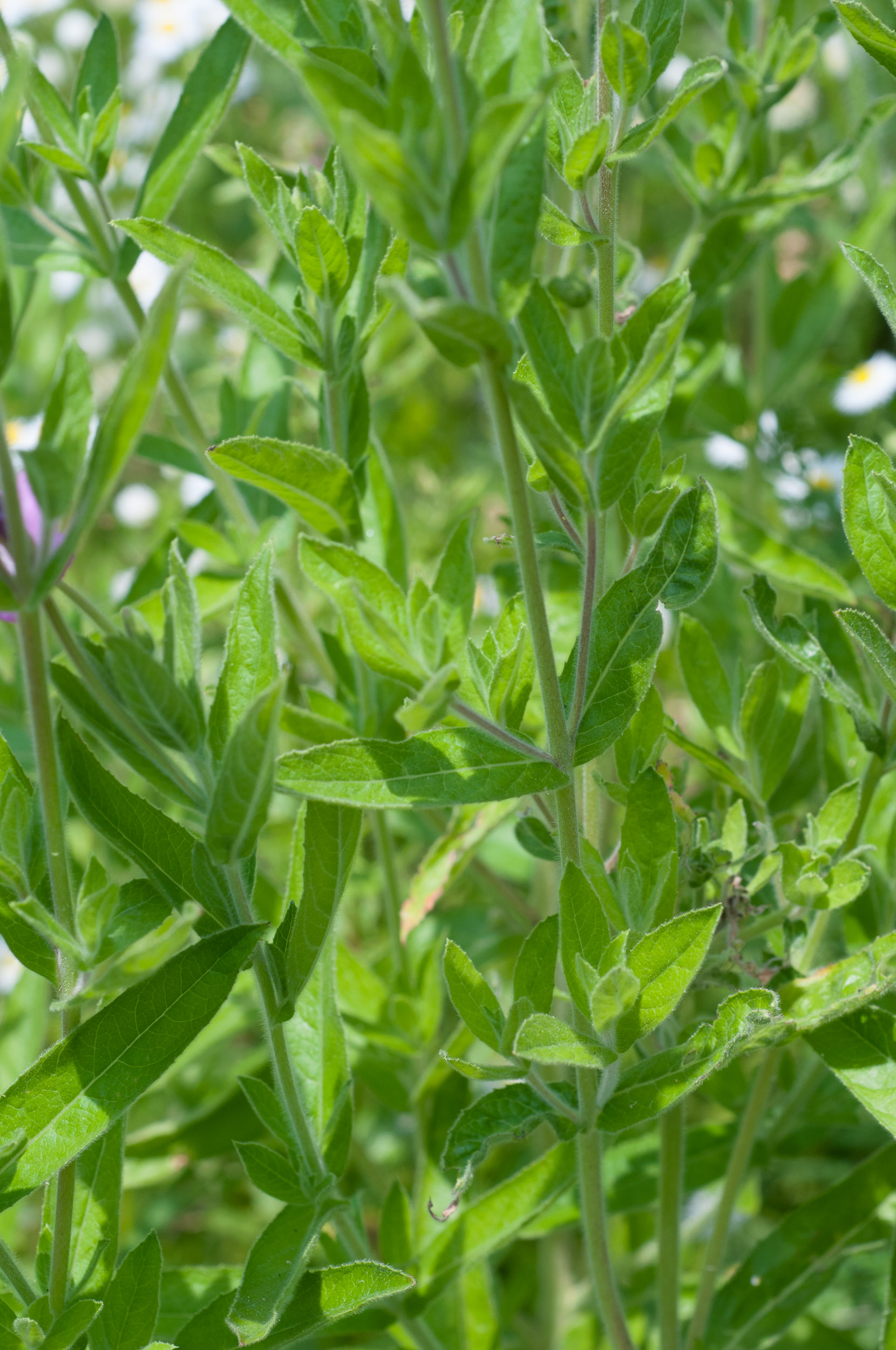
7/15/2012 · Slipway Restaurant, Thomaston, Maine · ≈ 7 × 11″ (18 × 27 cm) 
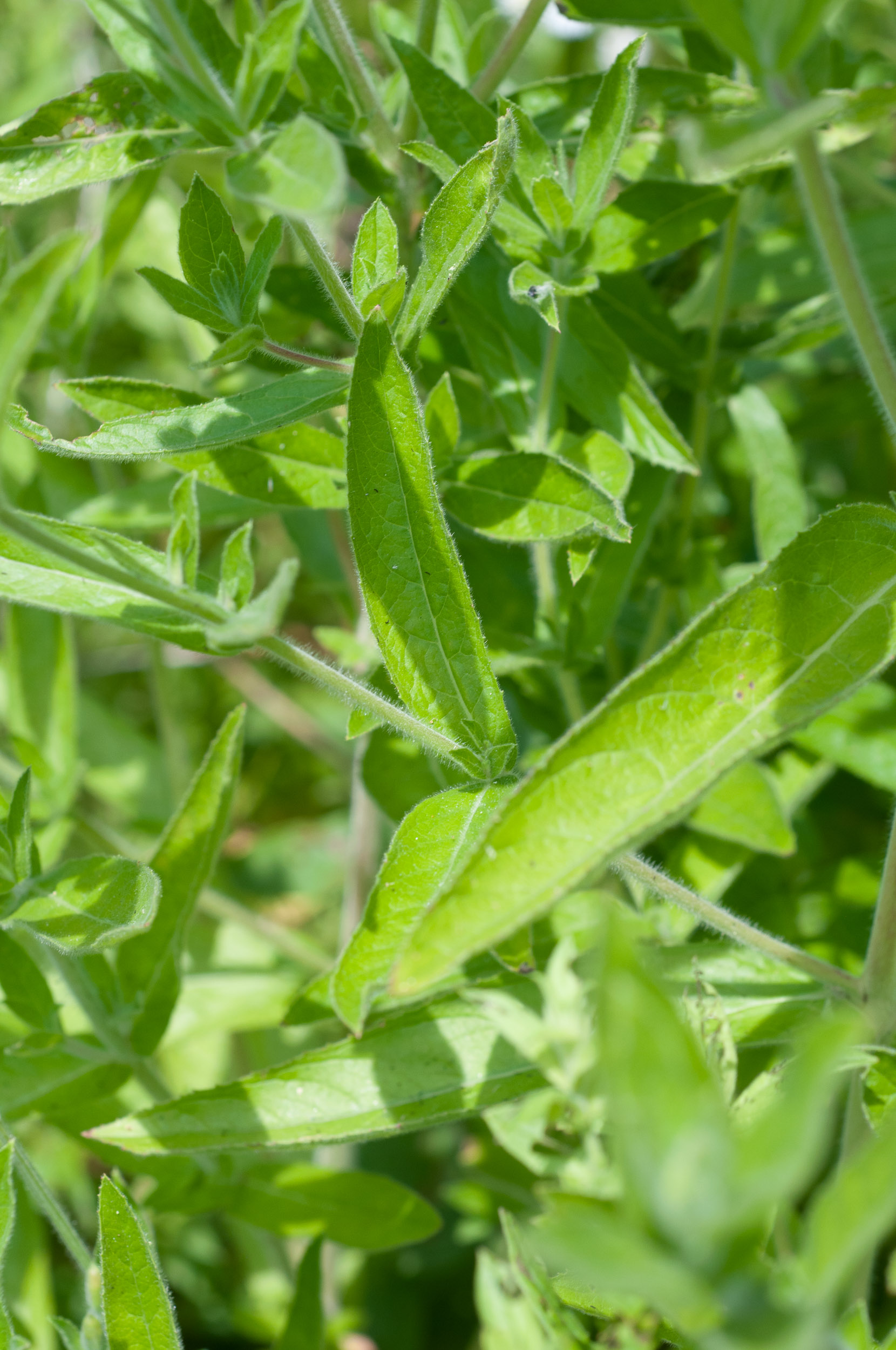
7/15/2012 · Slipway Restaurant, Thomaston, Maine · ≈ 6 × 9″ (14 × 22 cm) 
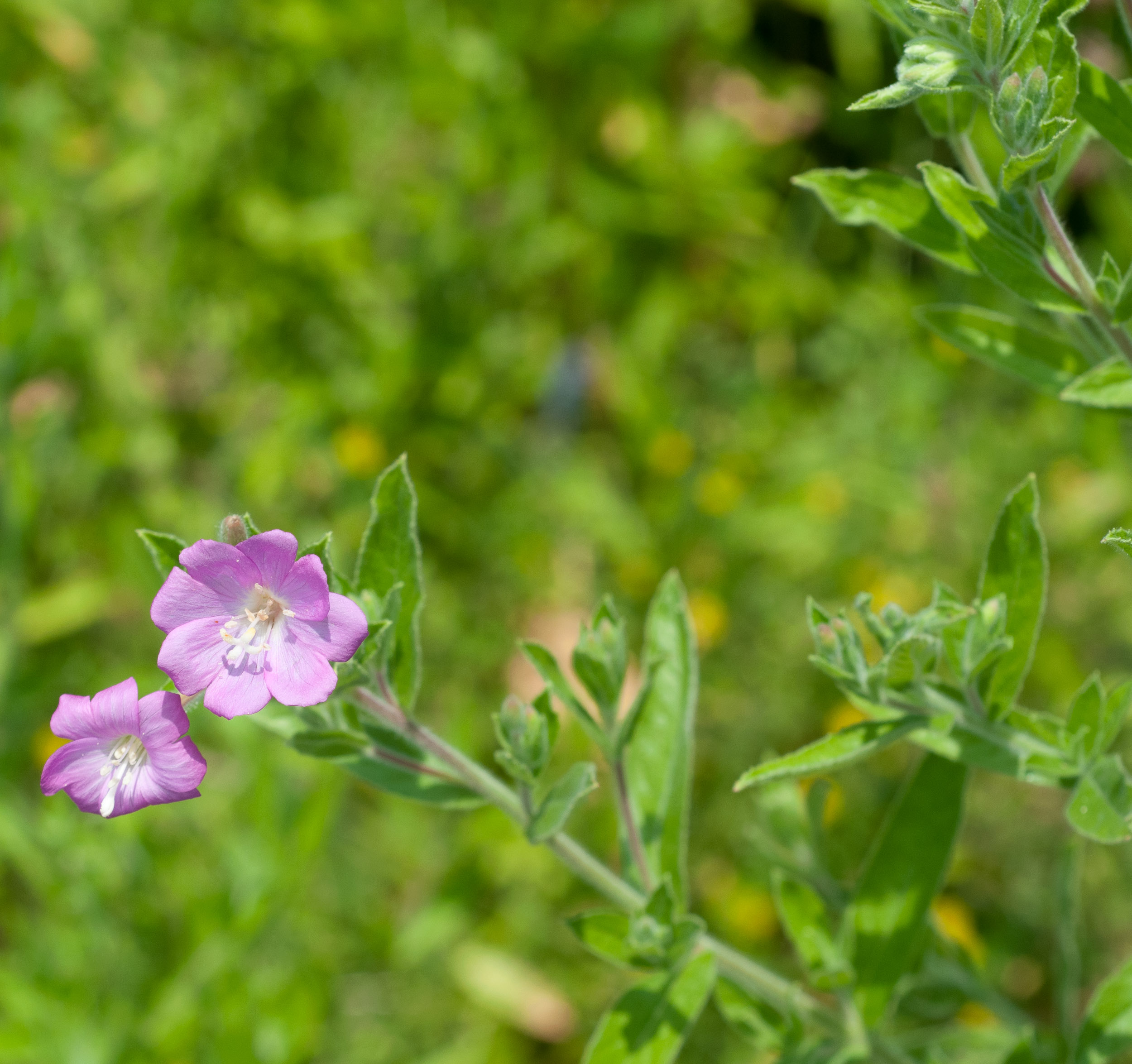
7/15/2012 · Slipway Restaurant, Thomaston, Maine · ≈ 7 × 6″ (16 × 15 cm) 
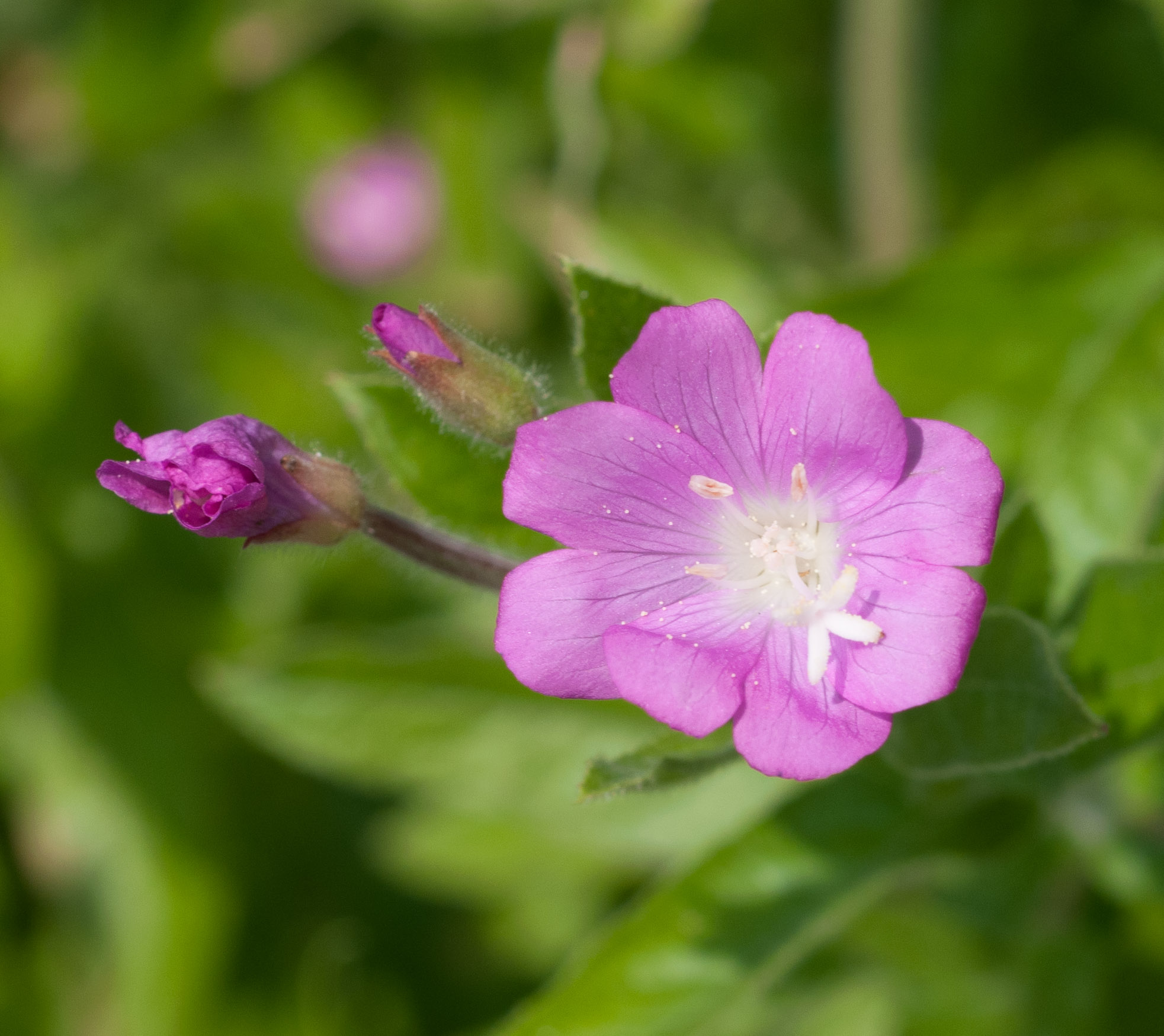
7/15/2012 · Slipway Restaurant, Thomaston, Maine · ≈ 3 × 2½″ (8.1 × 7.2 cm) 
| Kingdom | Plantae | Plants, but not fungi, lichens, or algae (from Stearn's Botanical Latin) |
| Subkingdom | Tracheobionta | Vascular plants—plants with a “circulatory system” for delivering water and nutrients |
| Division | Magnoliophyta | Flowering plants, also known as angiosperms |
| Class | Magnoliopsida | Dicotyledons—plants with two initial seed leaves |
| Subclass | Rosidae | Roses, legumes, proteas, dogwoods, hydrangeas, mistletoes, euphorbias, grapes, many more |
| Order | Myrtales | Includes myrtles, leadwoods, loosestrifes, pomegranates, evening primroses, many others |
| Family | Onagraceae | Willowherb/evening primrose family |
| Genus | Epilobium | From Greek epi, “upon,” and lobos, “a pod or capsule,” because the flower is attached directly to the ovary |
| Species | hirsutum | “Hairy” |
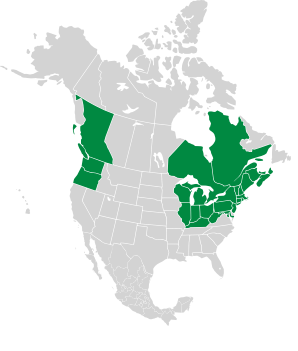
Epilobium hirsutum description by Thomas H. Kent, not updated.

© FloraFinder.org. All rights reserved.