Eupatorium capillifolium (Lam.) Small
Dogfennel
Dog fennel is a native of the eastern, especially southeastern, United States. Like “real” fennel, dog fennel has feathery leaves, and crushed leaves smell strongly. Most consider it a weed.
Plants: 1½–6½′ (50–200 cm) tall, erect, with several forked stems. Stems are round, light green or reddish to dark red or purple, and finely hairy. Stems are soft when young, becoming woody and tough later.
Leaves: Leaves are finely divided and needle-like. When crushed, they produce an unpleasant odor.
Flowers: A profusion of tiny, inconspicuous greenish-white flowers 1/16–⅛″ (2–3 mm) long appear all over the upper segments of the plant. Flowers appear from June to November.
Fruits: Small achenes ~1/32″ (1–1.5 mm) long.
Habitats: On roadsides, in flatwoods, marshes, and disturbed areas.

A scarlet-bodied wasp moth nectaring on buttonbush. The moth eats dog fennel shortly before mating, using the plant’s toxins for the defense of himself and his mate. 
Edibility: Poisonous  Dog fennel produces toxic
pyrrolizidine alkaloids to protect itself from insects. Though not intensely poisonous, forage animals can be
sickened. Scarlet-bodied wasp moths eat dog fennel, absorbing these toxins and using them
to protect their mates.
Dog fennel produces toxic
pyrrolizidine alkaloids to protect itself from insects. Though not intensely poisonous, forage animals can be
sickened. Scarlet-bodied wasp moths eat dog fennel, absorbing these toxins and using them
to protect their mates.
 |
Some similar species. |
Online References:
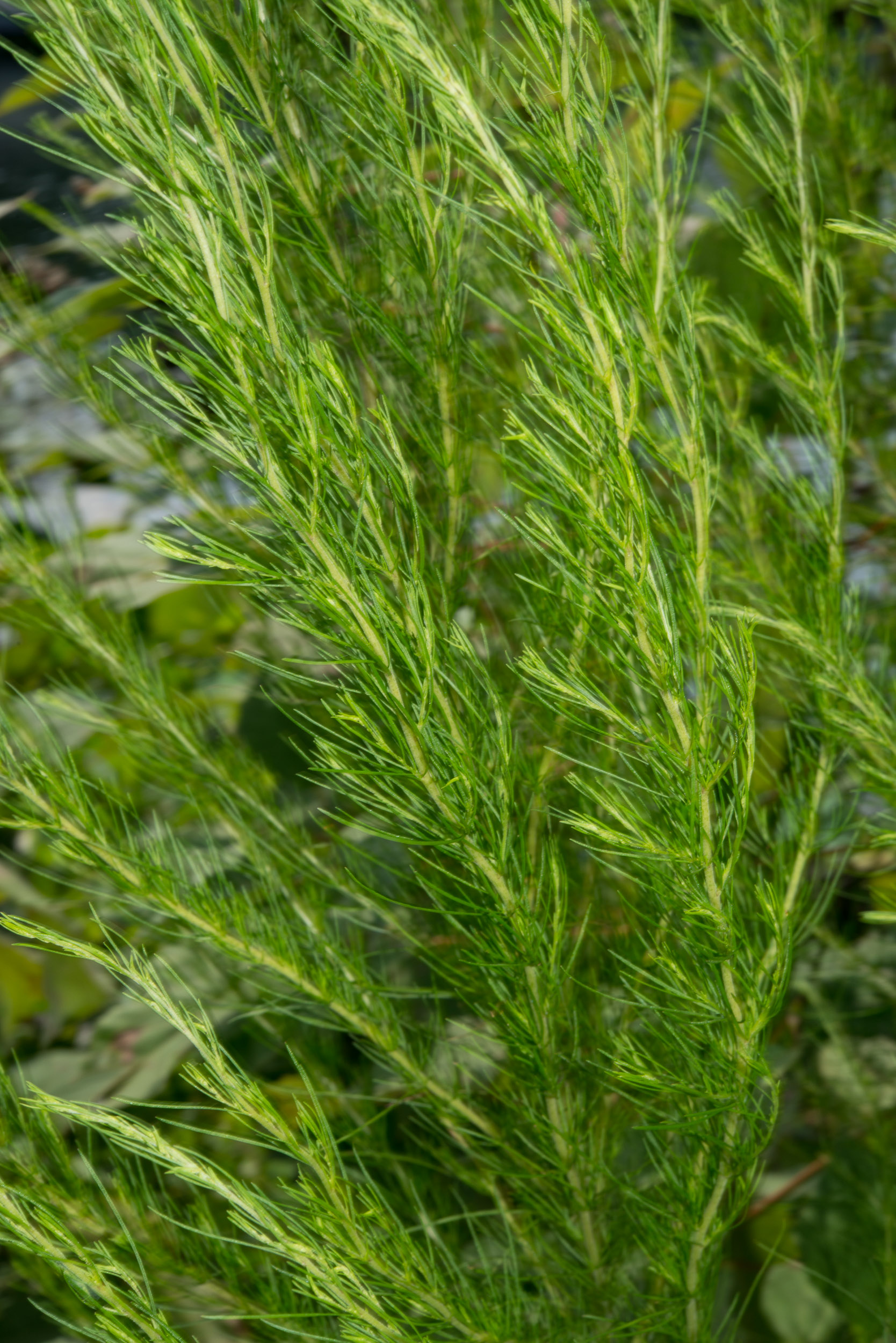
8/31/2013 · Lewis Ginter Botanical Garden, Richmond, Virginia · ≈ 7 × 10″ (16 × 25 cm) 

8/31/2013 · Riverside Park, James River, Midlothian, Virginia · ≈ 10 × 15″ (25 × 37 cm) 
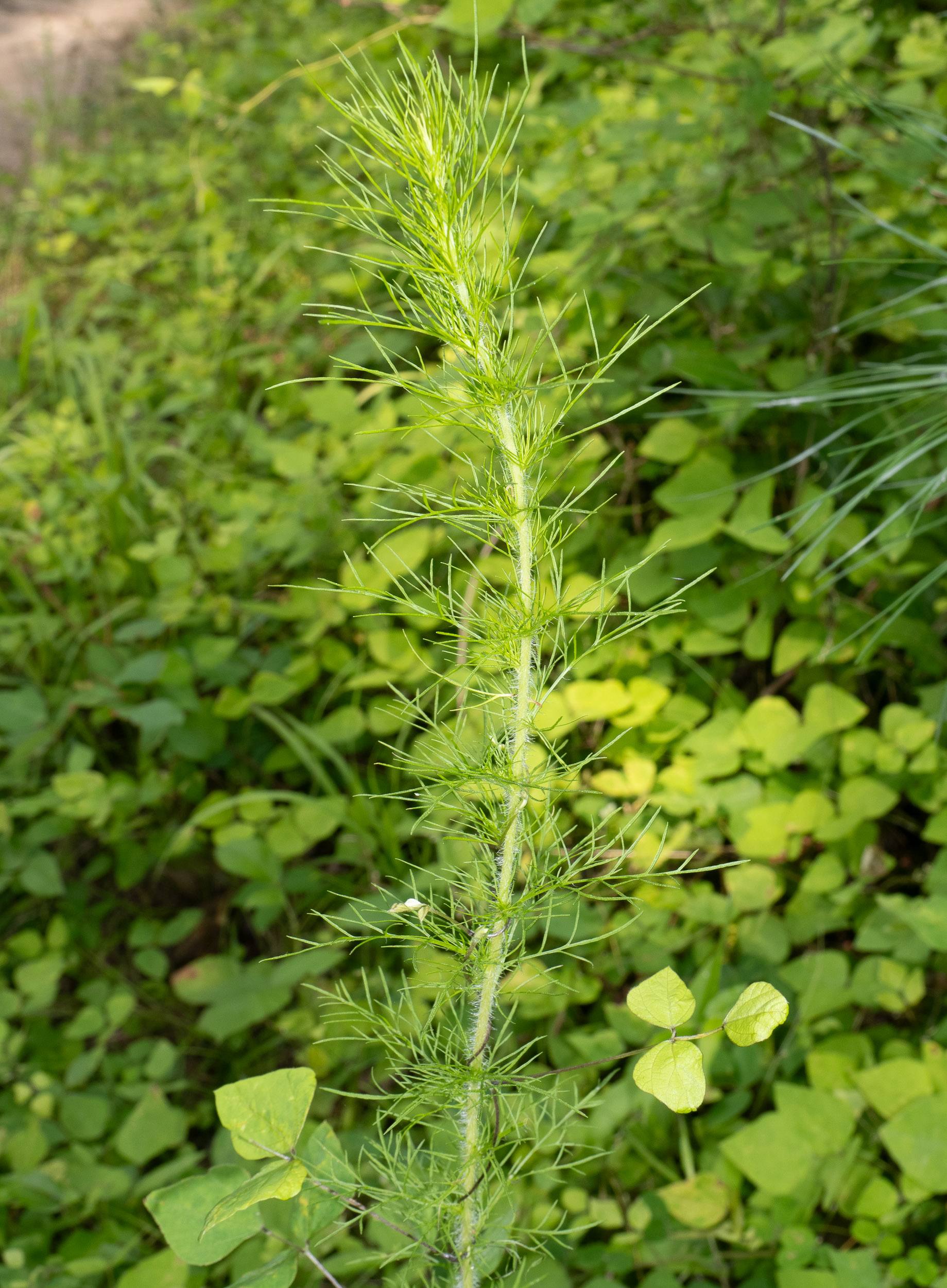
7/1/2023 · Pocahontas State Park, Chesterfield, Virginia 
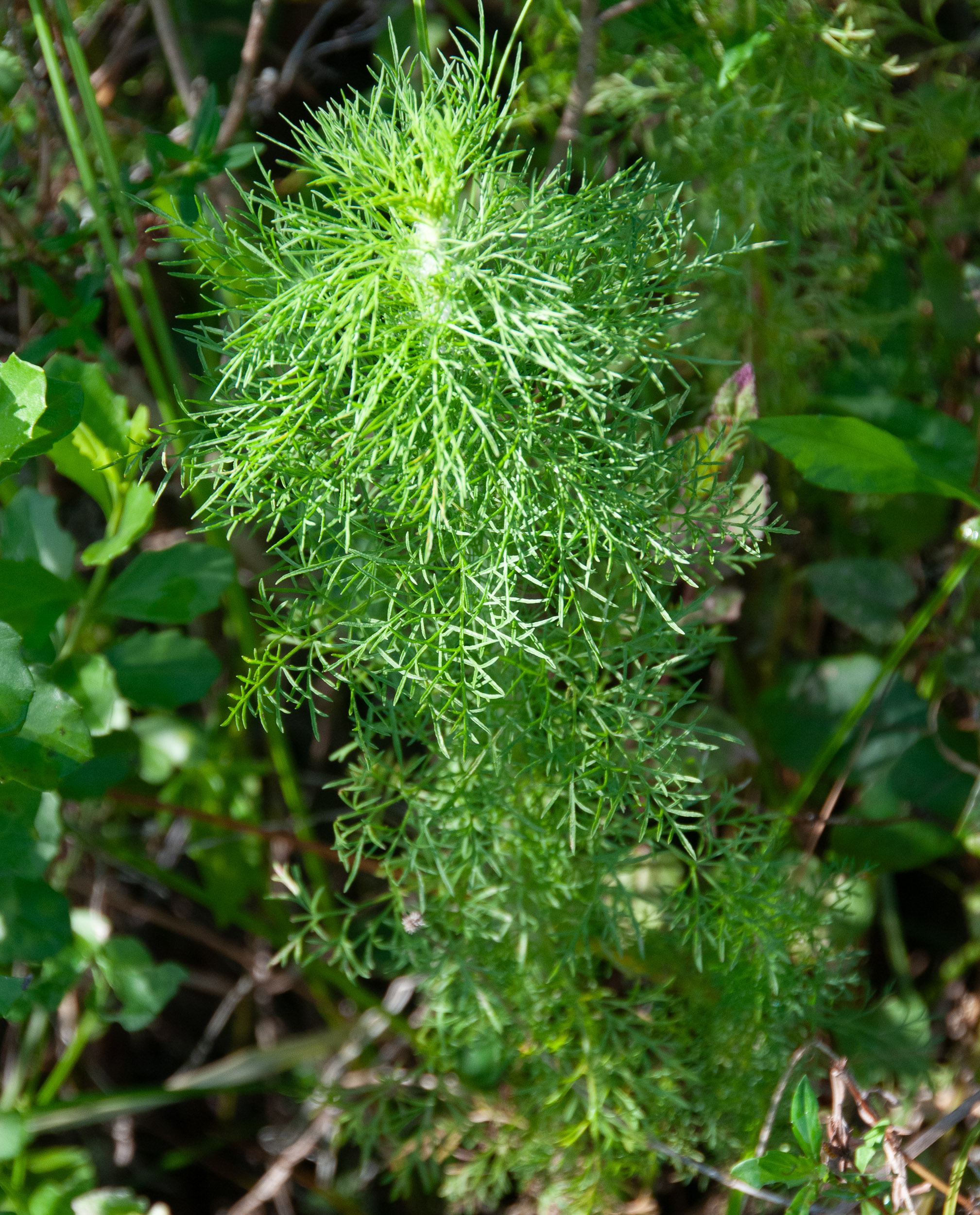
4/13/2015 · Ernest F. Coe Visitor Center, Everglades National Park, Florida · By Susan M. Kent · ≈ 6 × 8″ (15 × 19 cm) 
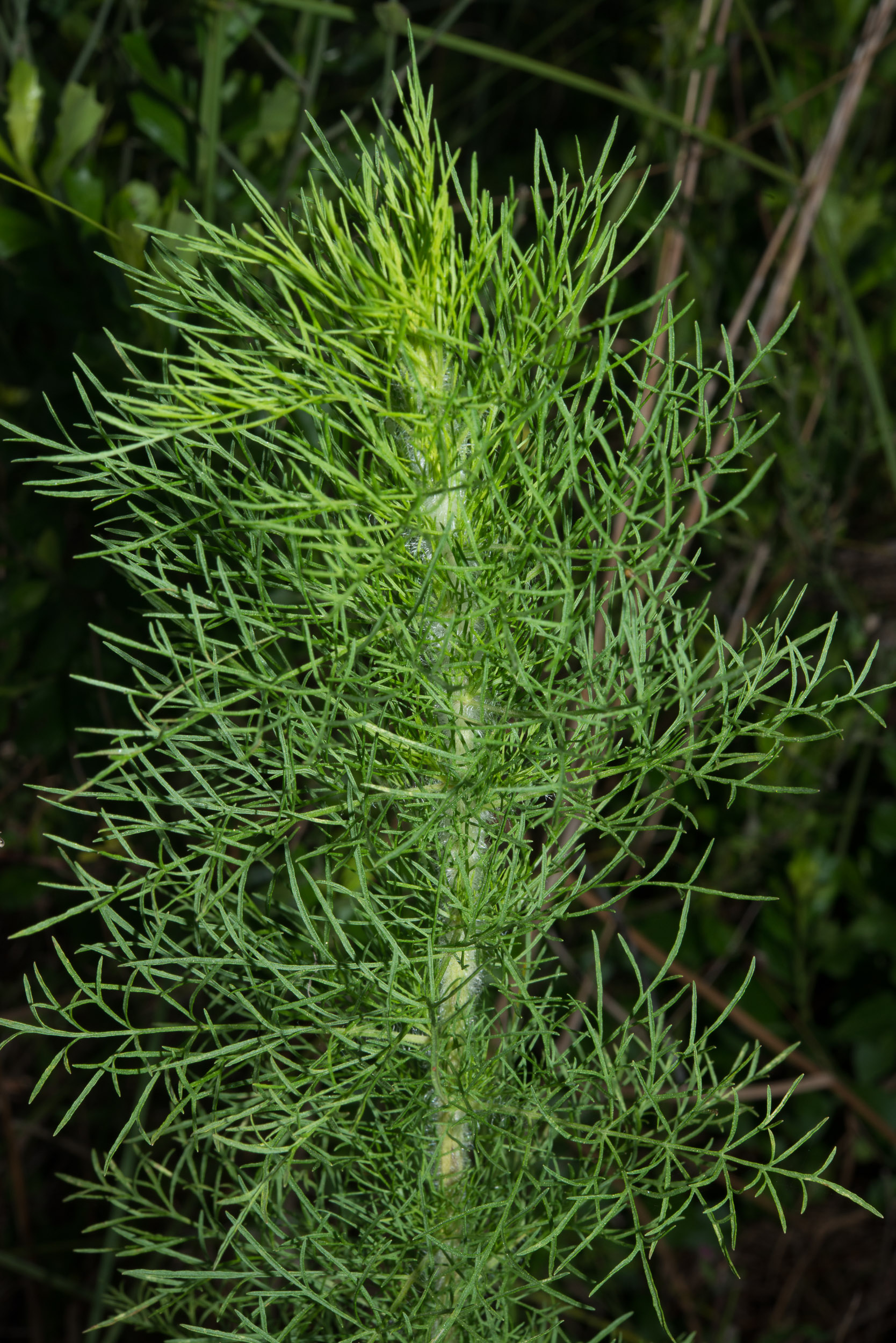
4/13/2015 · Ernest F. Coe Visitor Center, Everglades National Park, Florida · ≈ 6 × 9″ (16 × 23 cm) 
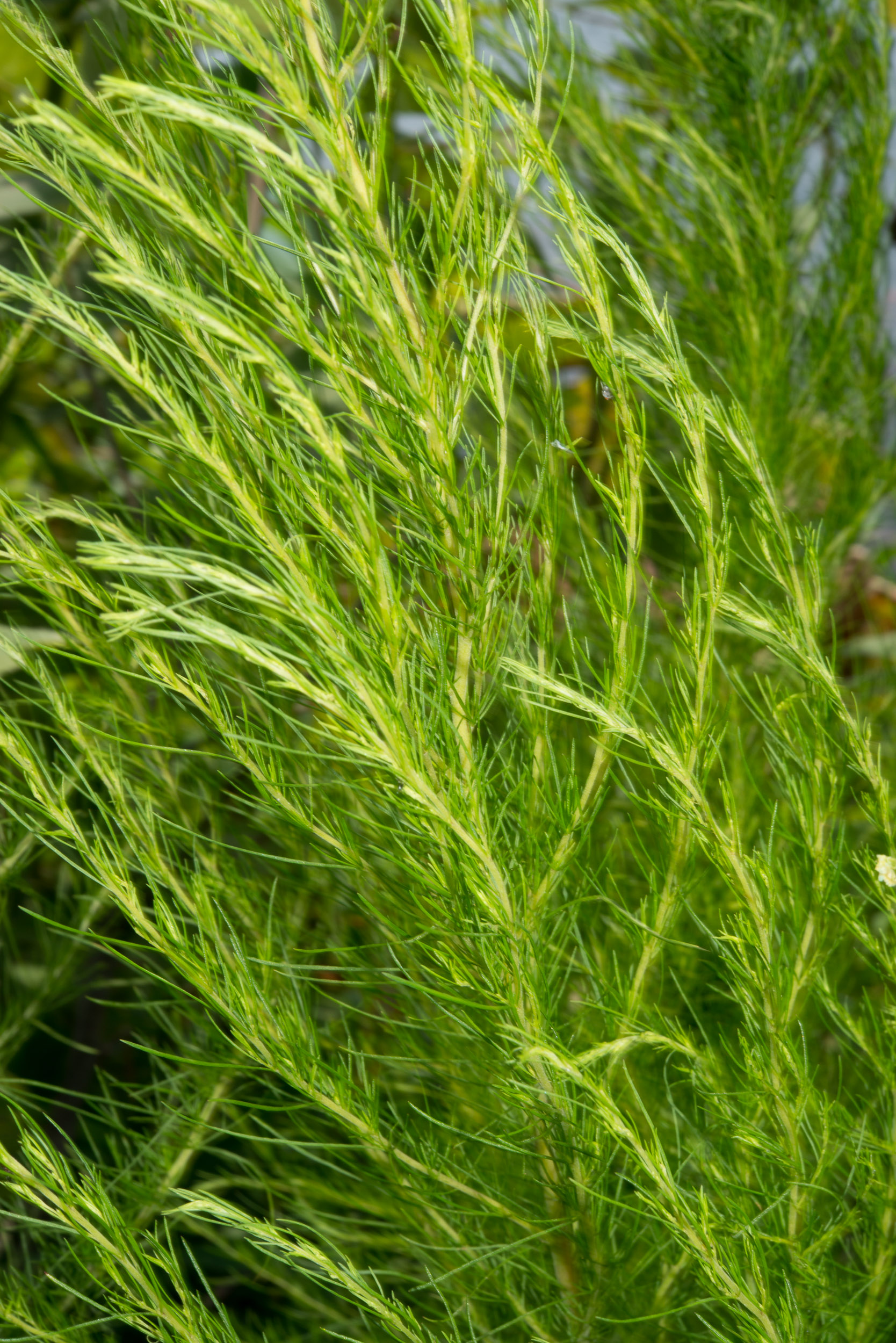
8/31/2013 · Lewis Ginter Botanical Garden, Richmond, Virginia · ≈ 7 × 10″ (16 × 25 cm) 
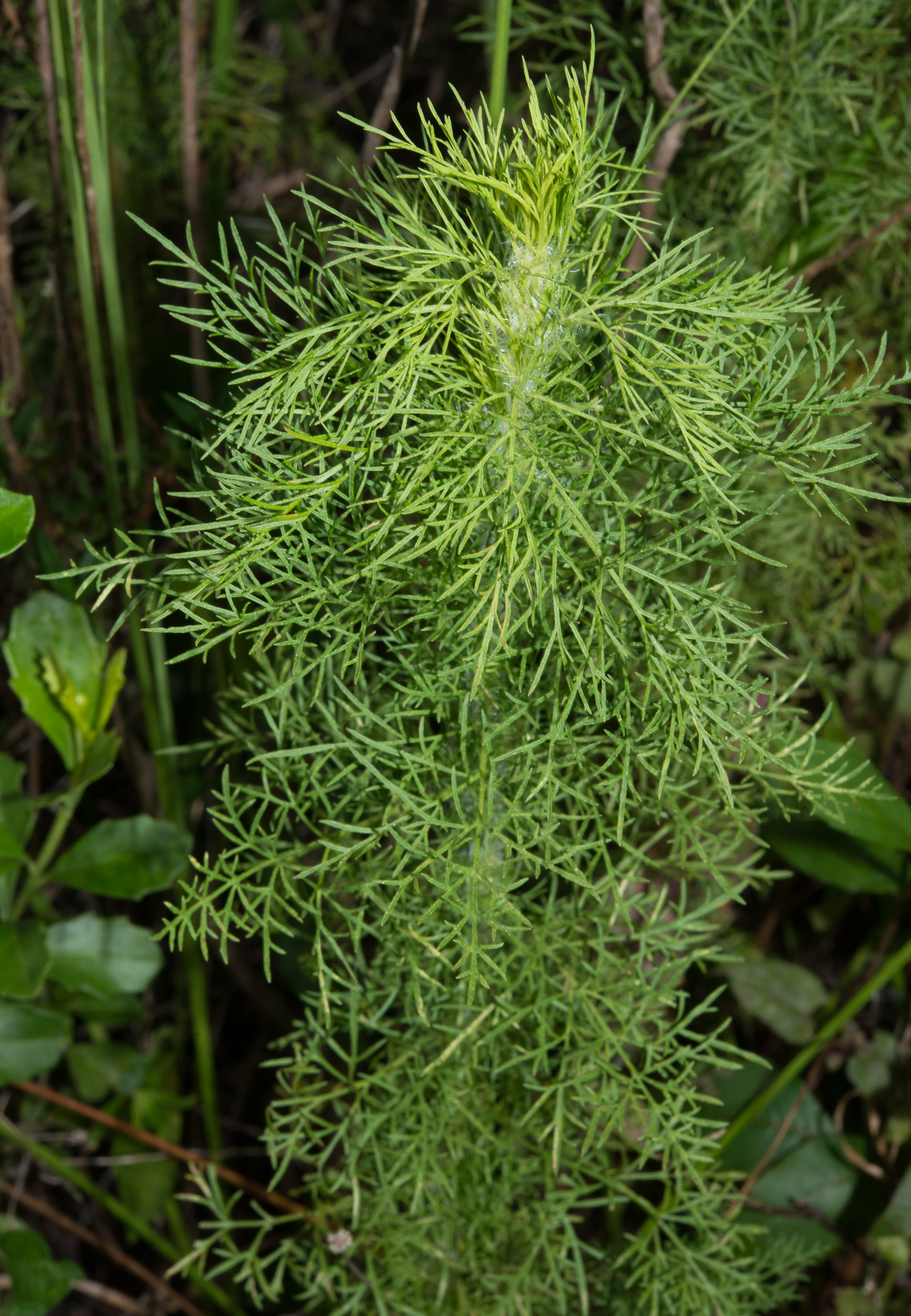
4/13/2015 · Ernest F. Coe Visitor Center, Everglades National Park, Florida · ≈ 6 × 8″ (14 × 21 cm) 
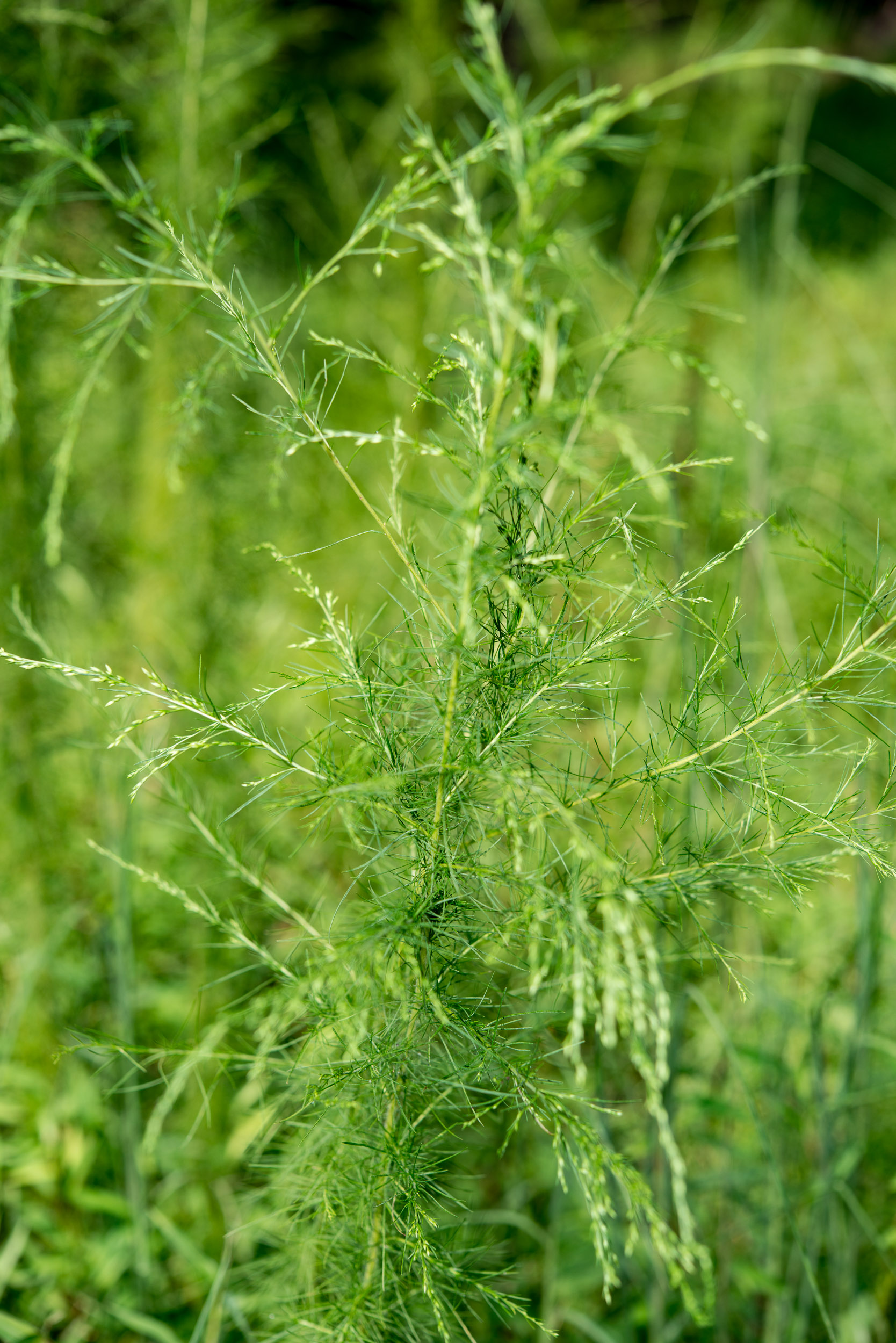
8/31/2013 · Riverside Park, James River, Midlothian, Virginia · ≈ 1 × 1½′ (31 × 47 cm) 
| Kingdom | Plantae | Plants, but not fungi, lichens, or algae (from Stearn's Botanical Latin) |
| Subkingdom | Tracheobionta | Vascular plants—plants with a “circulatory system” for delivering water and nutrients |
| Division | Magnoliophyta | Flowering plants, also known as angiosperms |
| Class | Magnoliopsida | Dicotyledons—plants with two initial seed leaves |
| Subclass | Asteridae | A large class that encompasses asters |
| Order | Asterales | Flowering plants with a central disk flower and surrounding petals, like daisies |
| Family | Asteraceae | The aster family, which also includes daisies and sunflowers; from the Greek ἀστήρ, “star,” for the star-shaped flowers |
| Genus | Eupatorium | From Mithridates Eupator, King of Pontus, who found an antidote to poison in one of the species |
| Species | capillifolium | From the Latin capill, “hair,” and foli(um), “a leaf;” referring to the thin segments of the leaves |
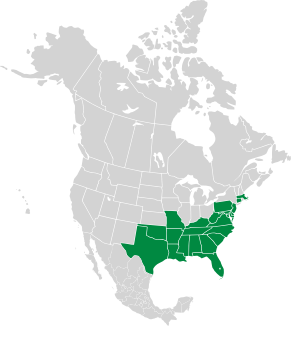
Eupatorium capillifolium description by Thomas H. Kent, not updated.

© FloraFinder.org. All rights reserved.