Euphorbia tirucalli L.
Indian tree spurge, naked lady, pencil tree, Madagascar milkbush, milkbush, finger tree, sticks of fire, sticks on fire milkbush
Pencil tree is a native of northeastern, central and southern Africa. It is also found in China, Indonesia, India, and the Philippines. It is not native to North America, but has become naturalized in some areas.
Plants: Branches are smooth, cylindrical, green, about the diameter of a pencil. (Branches may also have orange-red tips.) Shrubs are up to 20′ (6.1 m) high, with fragile, succulent branches. There are no spines.
Leaves: Small, oval, about ½″ (1.3 cm) long and less than ⅛″ (3.2 mm) wide. They fall off early, so usually the stems appear naked.
Flowers: Pale yellow and inconspicuous.
Fruits: Fruits are three-part capsules about ⅜″ (1.2 cm) in diameter, on ¼″ (8 mm) stalks, pale green, with a pink tinge, and softly hairy.
Habitats: The native plant favors black clay soils in southern Africa.
Edibility: Poisonous  The milky sap that oozes
from any broken part of this plant causes dermatitis and severe pain in some. It can cause
extreme pain and induce temporary blindness,
lasting several days, if it comes in contact with the eyes. If you get any in your eyes,
flush them with water for at least 15 minutes, then seek immediate medical attention.
Deaths have been recorded from ingestion.
The milky sap that oozes
from any broken part of this plant causes dermatitis and severe pain in some. It can cause
extreme pain and induce temporary blindness,
lasting several days, if it comes in contact with the eyes. If you get any in your eyes,
flush them with water for at least 15 minutes, then seek immediate medical attention.
Deaths have been recorded from ingestion.
Medical:
Online References:
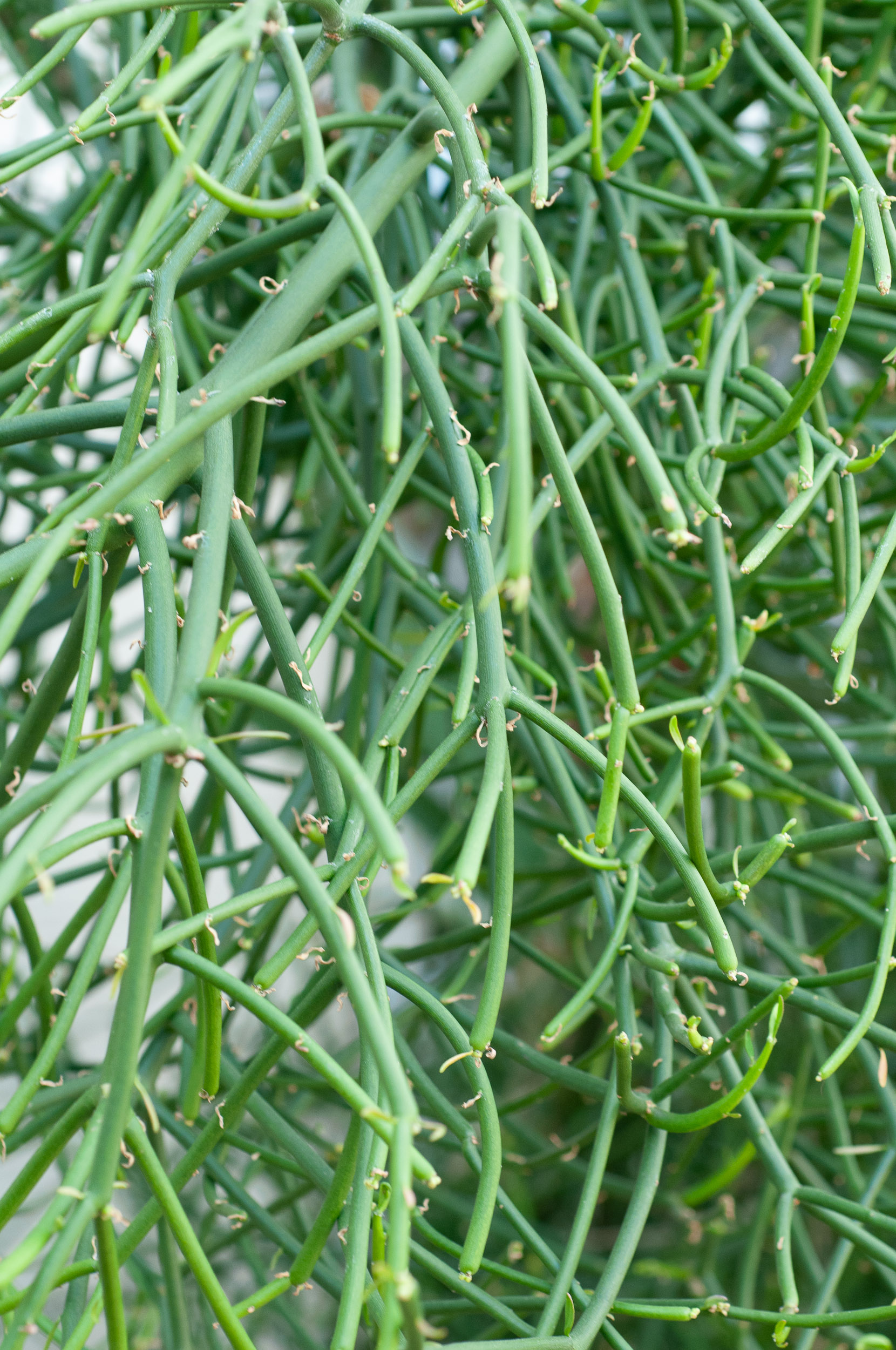
4/6/2011 · Howard Peters Rawlings Conservatory & Botanic Gardens, Druid Hill Park, Baltimore, Maryland · ≈ 9 × 14″ (23 × 35 cm) 
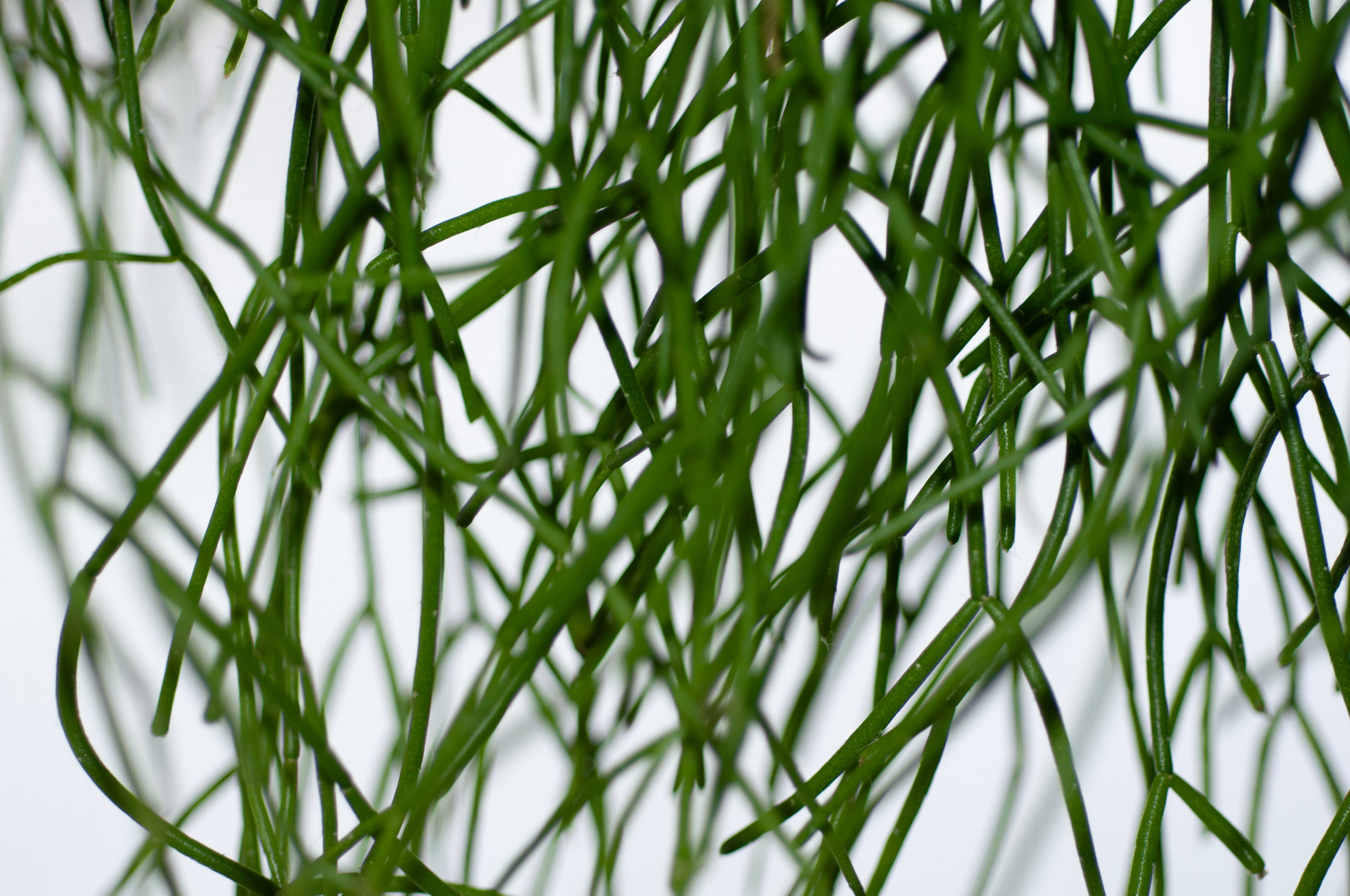
1/1/2011 · MacDonald-Zachos’, Milford, Pennsylvania · ≈ 5 × 3½″ (13 × 9.2 cm)  ID is uncertain
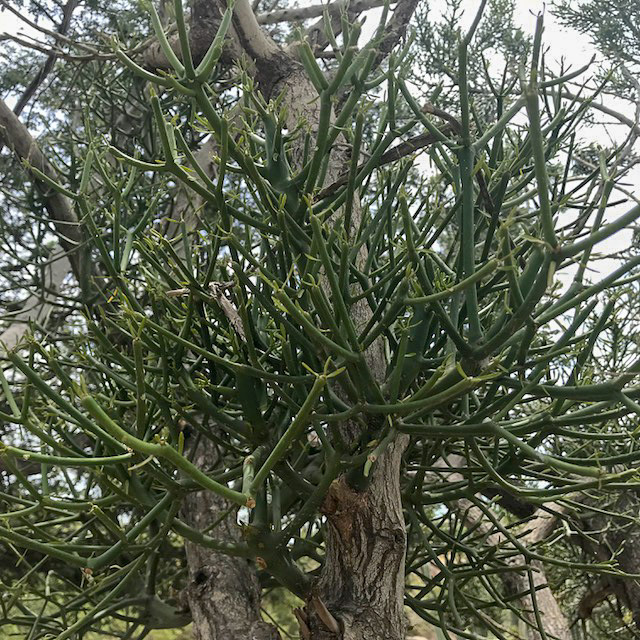
4/2/2018 · Aruba · By Heather A. Kent 

2/24/2010 · San Diego (Quail) Botanic Garden, Encinitas, California 

2/24/2010 · San Diego (Quail) Botanic Garden, Encinitas, California · ≈ 5 × 3½′ (1.5 × 1 m) 
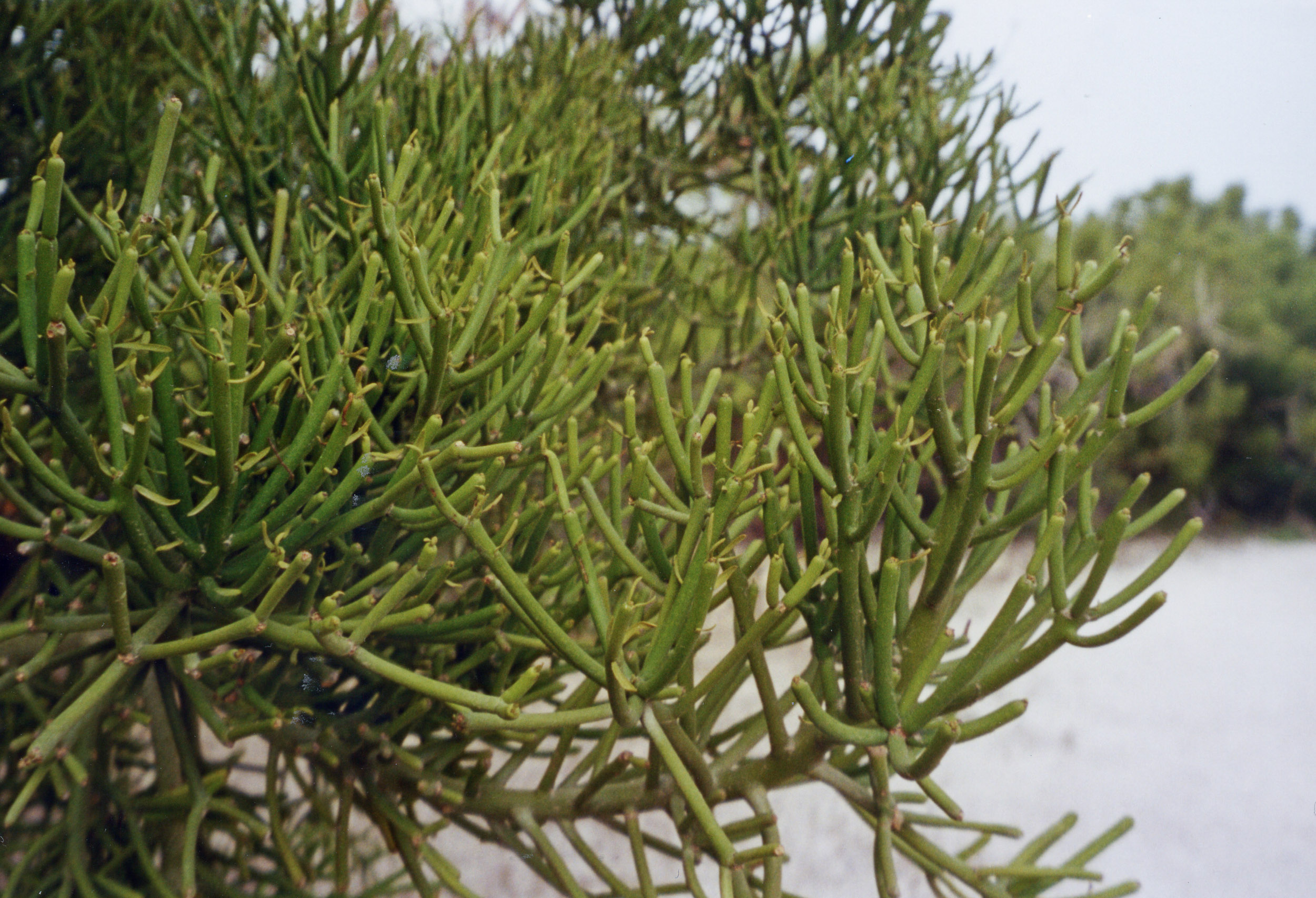
8/15/2003 · South Caicos, Turks and Caicos Islands · By Heather A. Kent ID is uncertain 

2/24/2010 · San Diego (Quail) Botanic Garden, Encinitas, California 

10/17/2009 · Susan & Raimond’s, Phoenix, Maryland · ≈ 8 × 5″ (19 × 13 cm) ID is uncertain 

1/1/2011 · MacDonald-Zachos’, Milford, Pennsylvania · ≈ 7 × 4½″ (17 × 11 cm) ID is uncertain 
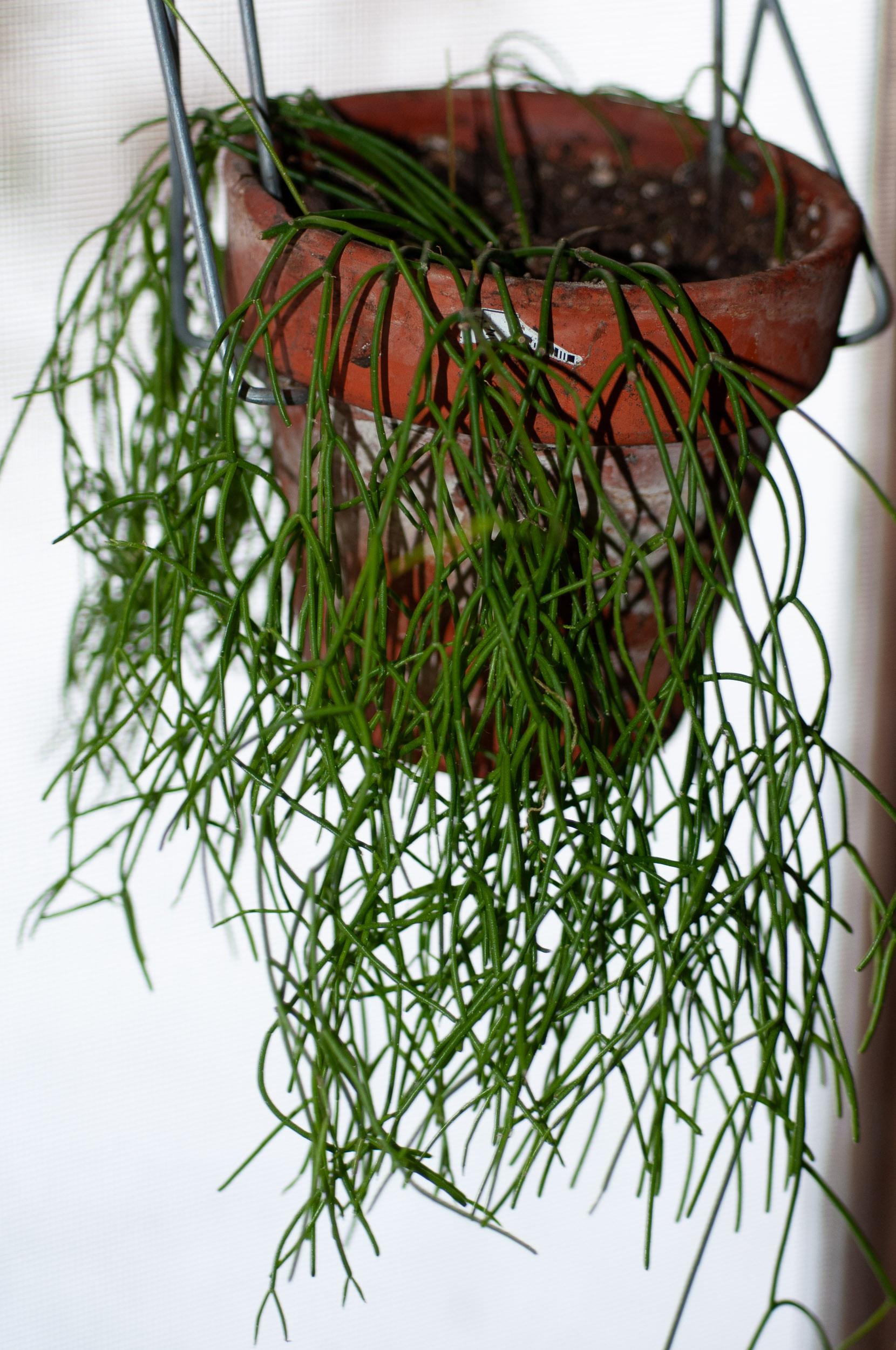
1/1/2011 · MacDonald-Zachos’, Milford, Pennsylvania · ≈ 7 × 11″ (18 × 27 cm) ID is uncertain 

4/2/2018 · Aruba · By Heather A. Kent 

4/2/2018 · Aruba · By Heather A. Kent 
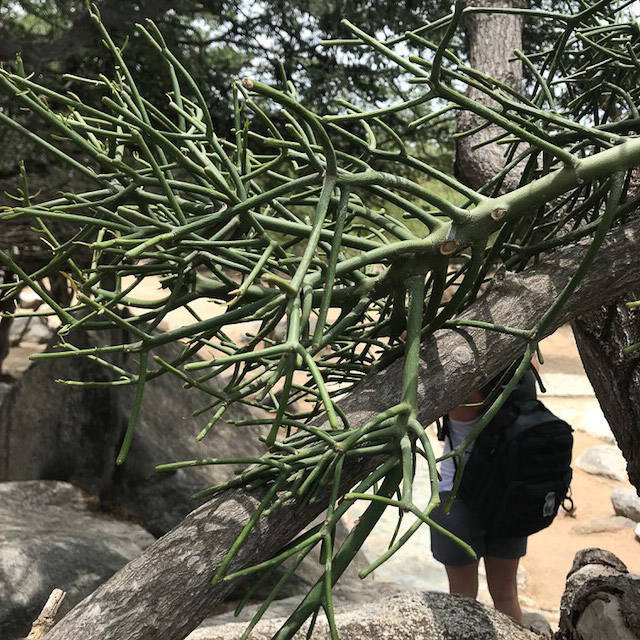
4/2/2018 · Aruba · By Heather A. Kent 

10/17/2009 · Susan & Raimond’s, Phoenix, Maryland · ≈ 17 × 12″ (44 × 29 cm) ID is uncertain 
| Kingdom | Plantae | Plants, but not fungi, lichens, or algae (from Stearn's Botanical Latin) |
| Subkingdom | Tracheobionta | Vascular plants—plants with a “circulatory system” for delivering water and nutrients |
| Division | Magnoliophyta | Flowering plants, also known as angiosperms |
| Class | Magnoliopsida | Dicotyledons—plants with two initial seed leaves |
| Subclass | Rosidae | Roses, legumes, proteas, dogwoods, hydrangeas, mistletoes, euphorbias, grapes, many more |
| Order | Malpighiales | A broad group encompassing 16,000 species |
| Family | Euphorbiaceae | Euphorbia or spurge family |
| Genus | Euphorbia | An extremely diverse-looking genus of mostly tropical and subtropical succulent plants. For Euphorbus, corpulent Greek physician of Juba II, King of Mauretania. Literally, “euphorbia” means “well-fed” |
| Species | tirucalli | From the Indian-Malayalam names tiru, “good,” and kalli, medicinal plant qualities. |

Euphorbia tirucalli description by Thomas H. Kent, not updated.

© FloraFinder.org. All rights reserved.