Hericium americanum Ginns 1984
Bear’s head tooth fungus
Bear’s head tooth fungus, a rather unwieldy name, is so named because ... well, to tell you the truth, I don’t get it. Growing out of the side of a hardwood, it resembles clusters of white hanging icicles, or perhaps a miniature frozen waterfall. We found one specimen well out of reach on a living oak tree, and spent considerable time fetching a stick long enough to dislodge it. See below for what we did with it. This species used to be called Hericium coralloides, but this name has since been reassigned, in what could reasonably be considered a groundbreaking contribution to the ongoing confusion about botanical naming, to another species. See Michael Kuo’s opinion on this matter...
Identification: These fungi are white or yellowish, usually found on hardwoods, rarely on conifers. They can appear on living or dead trees. Masses are 6–12″ (15–30 cm) in size, gelatinous in texture. The primary identifying characteristic is the long “icicles.” They fruit from July to October.
Edibility: When these are young (white, not yellowed or brownish), they are delicious. I chose to roast some for about 40 minutes, which reduced them in size, then cut them up and added them to a fettuccine alfredo dish. They tasted like a cross between lobster and scallops. There are many other recipes for it.
Online References:
Www.weirdworm.net (Bizarre plants)
References:

10/8/2006 · Milford, Pennsylvania 

10/8/2006 · Milford, Pennsylvania 
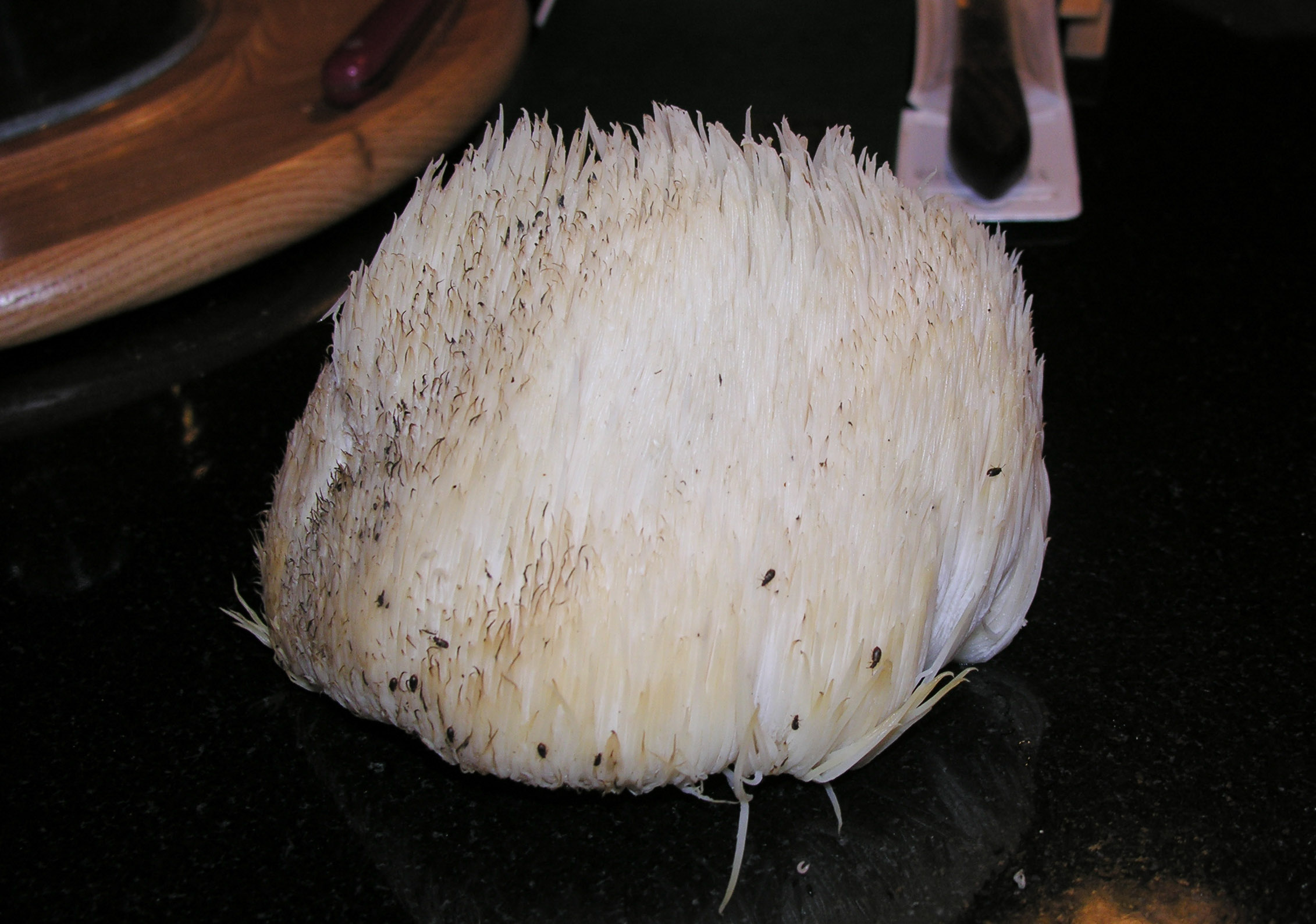
10/8/2006 · Milford, Pennsylvania 
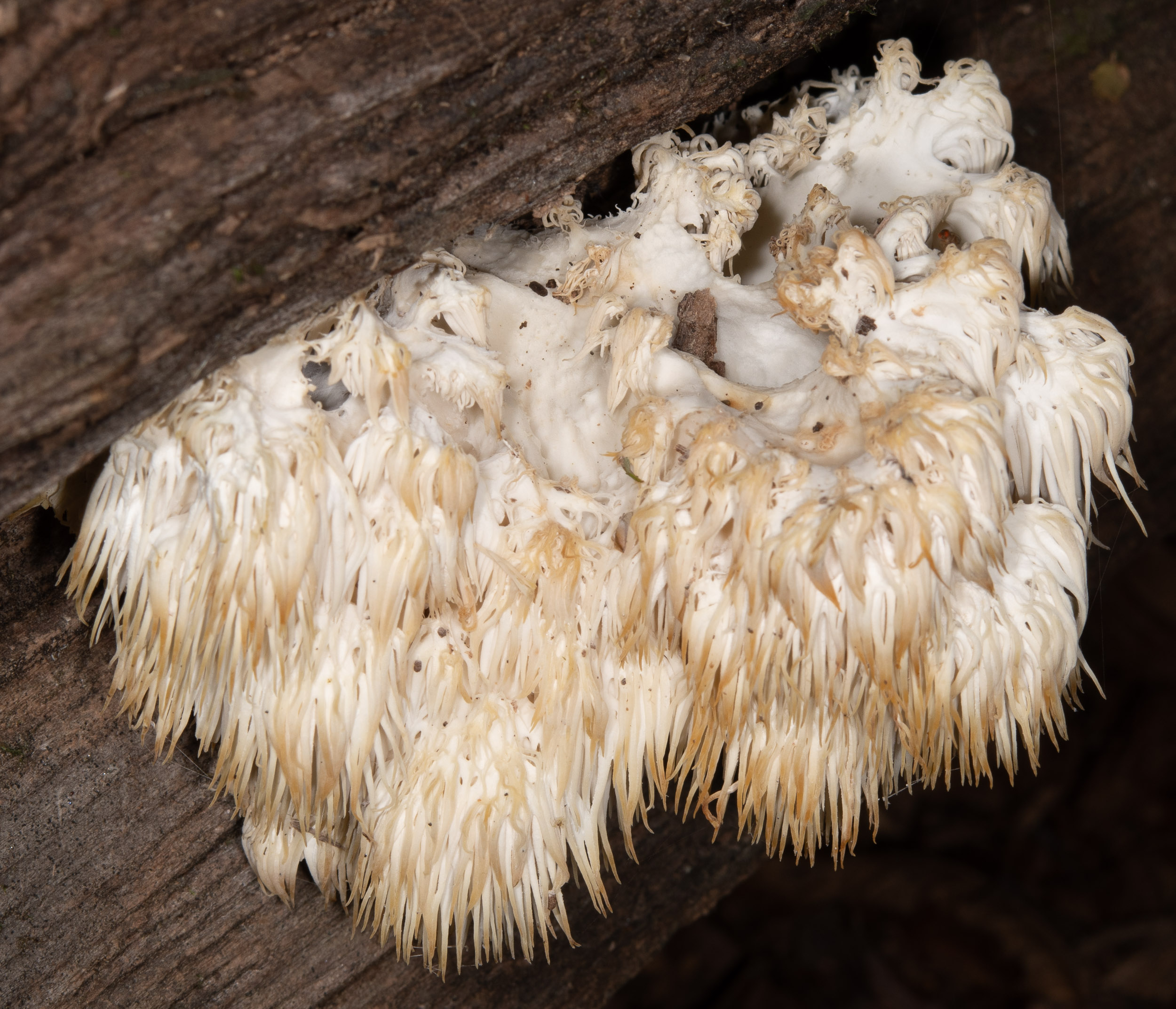
8/26/2017 · Skatutakee Mountain, Hancock, New Hampshire · ≈ 4½ × 4″ (12 × 10 cm) 

10/8/2006 · Milford, Pennsylvania 
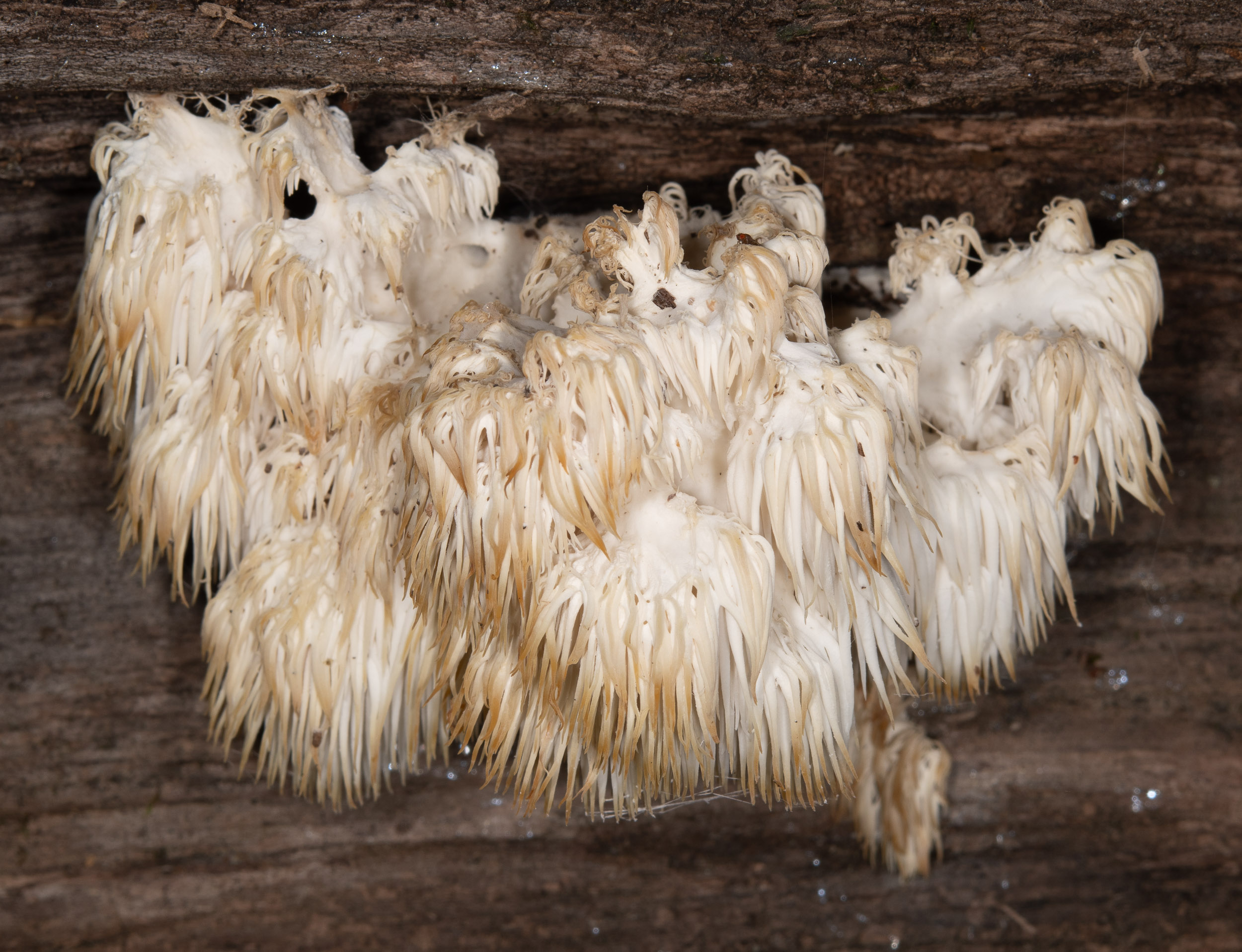
8/26/2017 · Skatutakee Mountain, Hancock, New Hampshire · ≈ 4½ × 3½″ (12 × 9.3 cm) 
| Roughly 75 people in North America are poisoned each year by mushrooms, often from eating a poisonous species that resembles an edible species. Though deaths are rare, there is no cure short of a liver transplant for severe poisoning. Don’t eat any mushroom unless you are absolutely certain of its identity! Please don’t trust the identifications on this site. We aren’t mushroom experts and we haven’t focused on safely identifying edible species. |
Hericium americanum description by Thomas H. Kent, not updated.

© FloraFinder.org. All rights reserved.