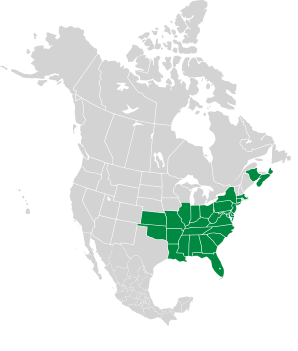
Hydrangea arborescens L. var. sterilis Torr. & A. Gray
Hydrangea arborescens L.
Smooth hydrangea, wild hydrangea
I haven’t been able to confirm whether Hydrangea arborescens is a true North American native, or naturalized. Hydrangeas are popular with gardeners. Common in foundation plantings and landscaping, colored varieties have been developed as well. See this Hydrangea comparison table.
Plants: These hydrangeas are loosely, widely branched deciduous shrubs that reach 3–5′ (91–152 cm) in height, and a spread of 4–6′ (1.2–1.8 m).
Leaves: Opposite, egg-shaped or rounded, dark green, wrinkled, and sharply toothed, 3–7″ (8–18 cm) across.
Flowers: Spherical white flowerheads—corymbs—are up to 6″ (15 cm) across. White fertile flowerheads bloom from May to July, continuing to bloom sporadically until September.
Fruits: Fruits are cup-shaped ribbed capsules.
Habitats: Acidic, moist clay or rocky wooded slopes, ravines, streambanks and bluff bases.
Online References:
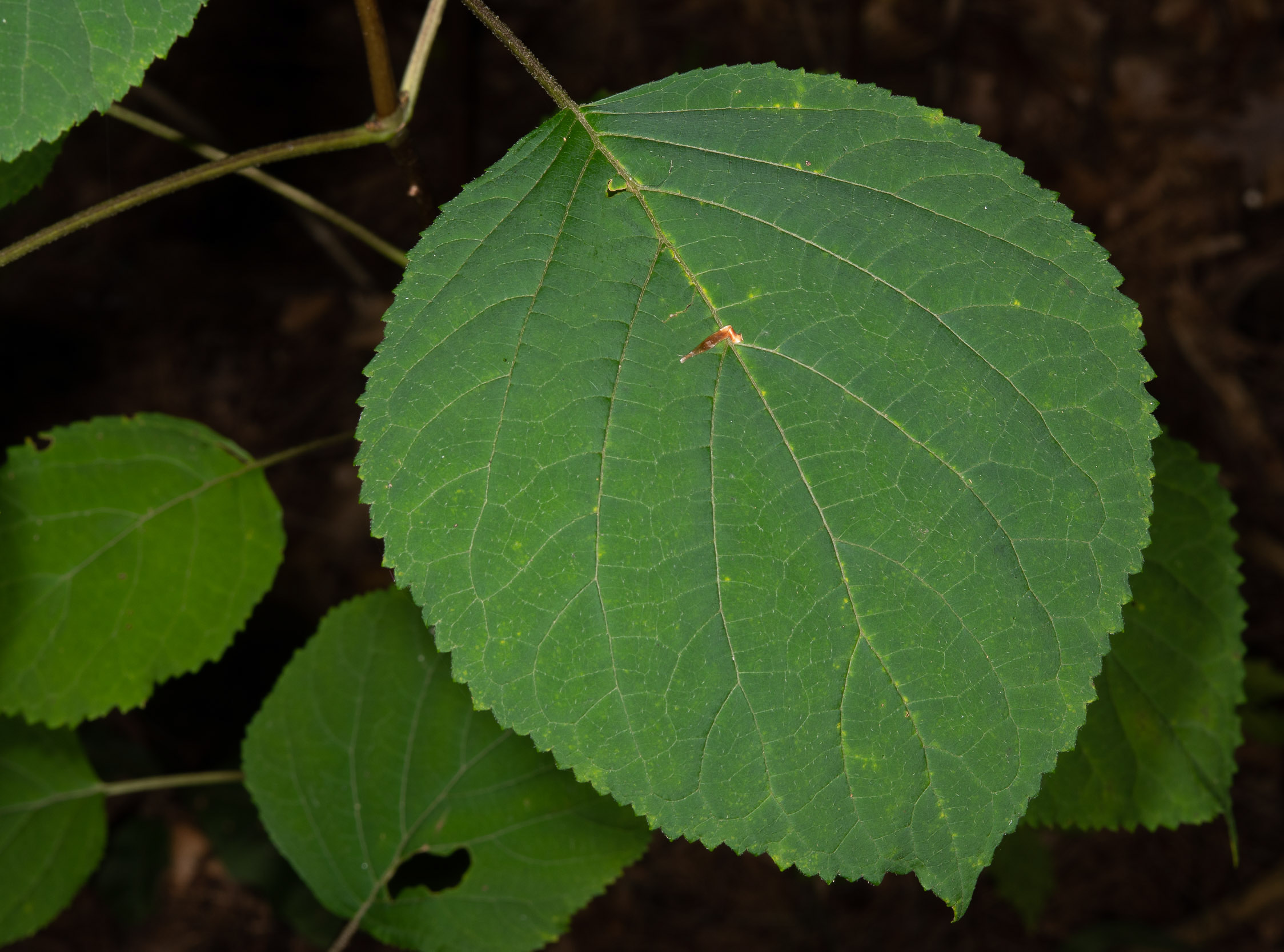
10/6/2018 · Marble Hill Conservation Area, Stow, Massachusetts 
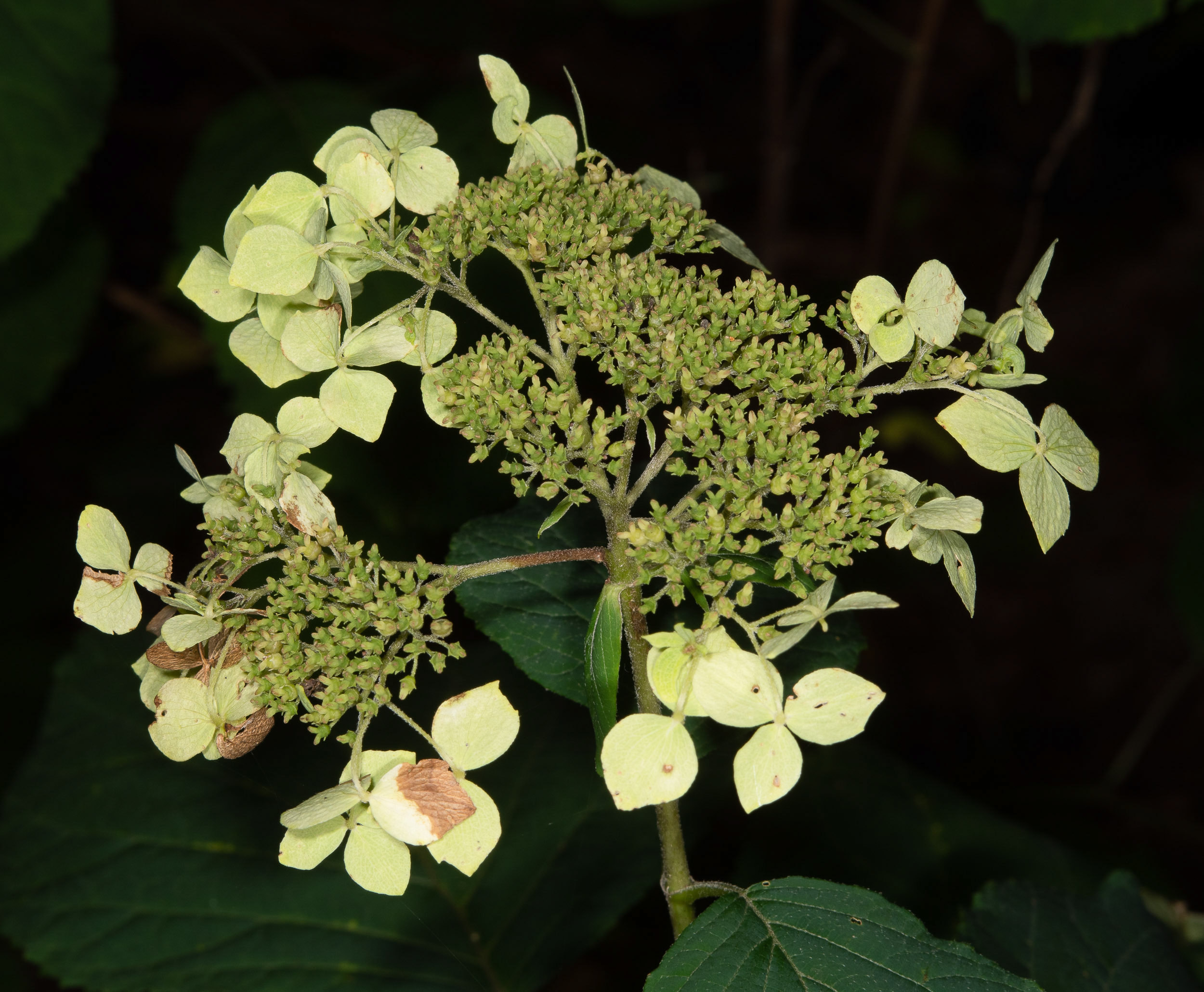
10/6/2018 · Marble Hill Conservation Area, Stow, Massachusetts 
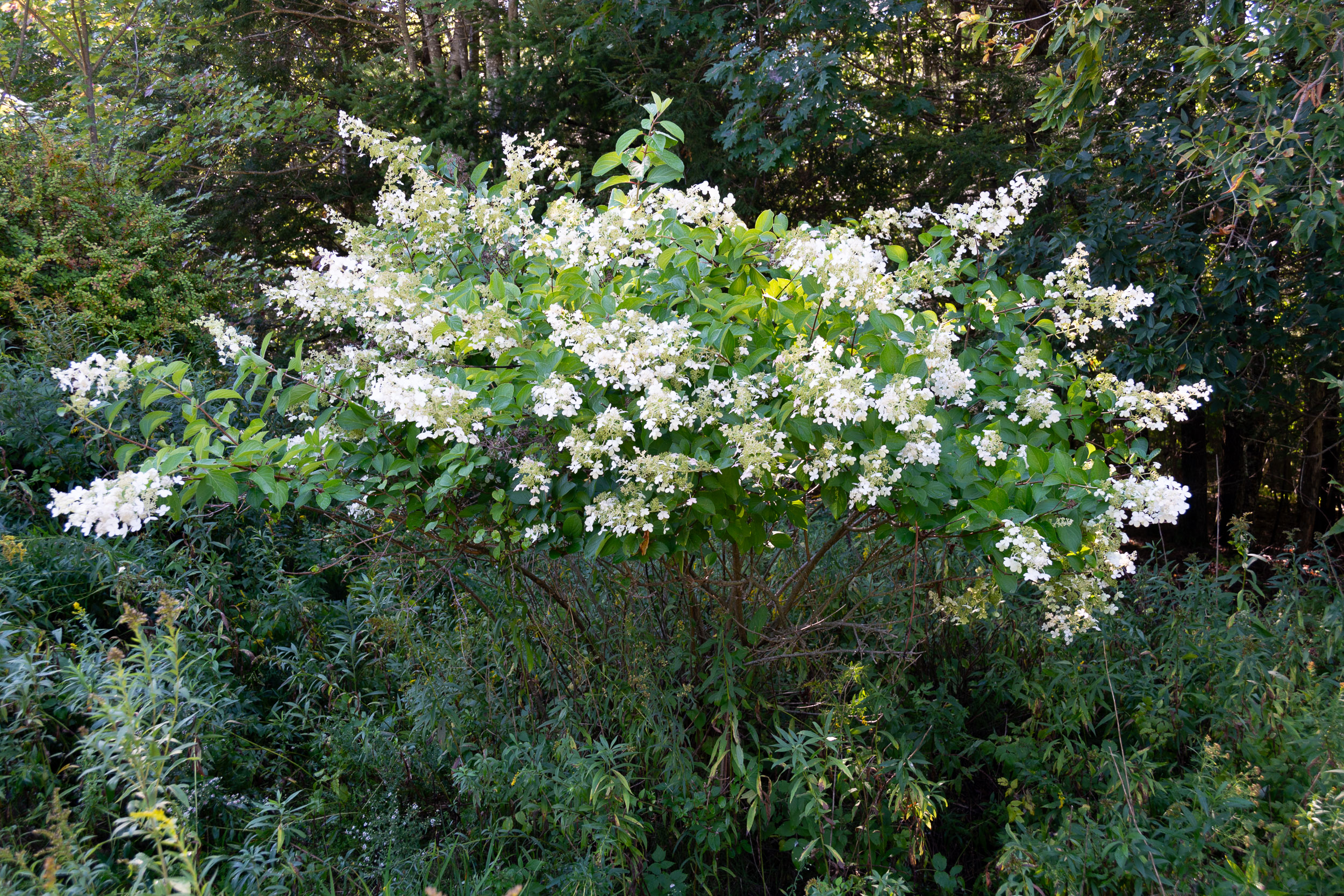
Possibly a garden escape. · 9/7/2021 · Highland Green, Topsham, Maine · ≈ 8 × 5′ (2.4 × 1.6 m) 
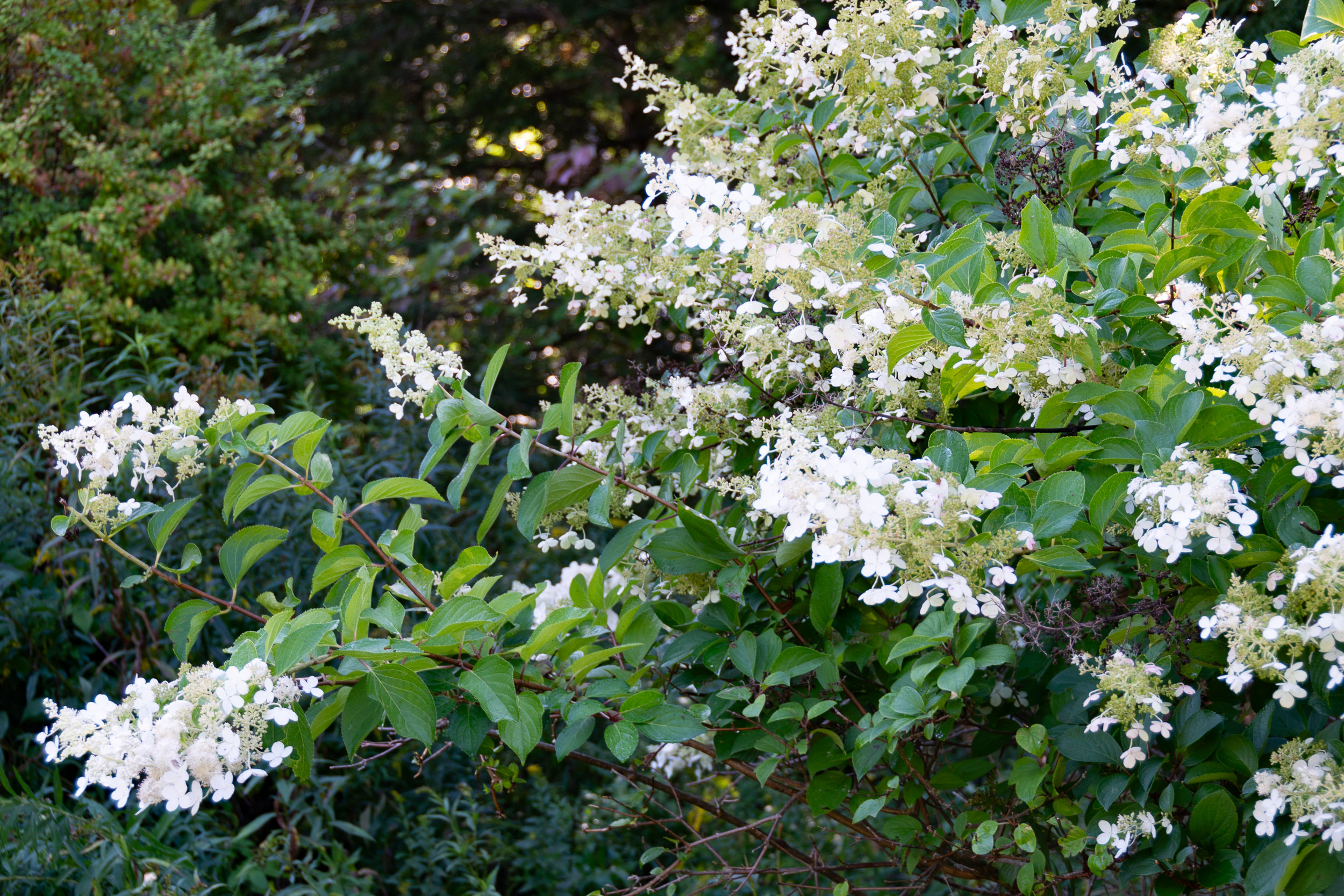
Possibly a garden escape. · 9/7/2021 · Highland Green, Topsham, Maine 
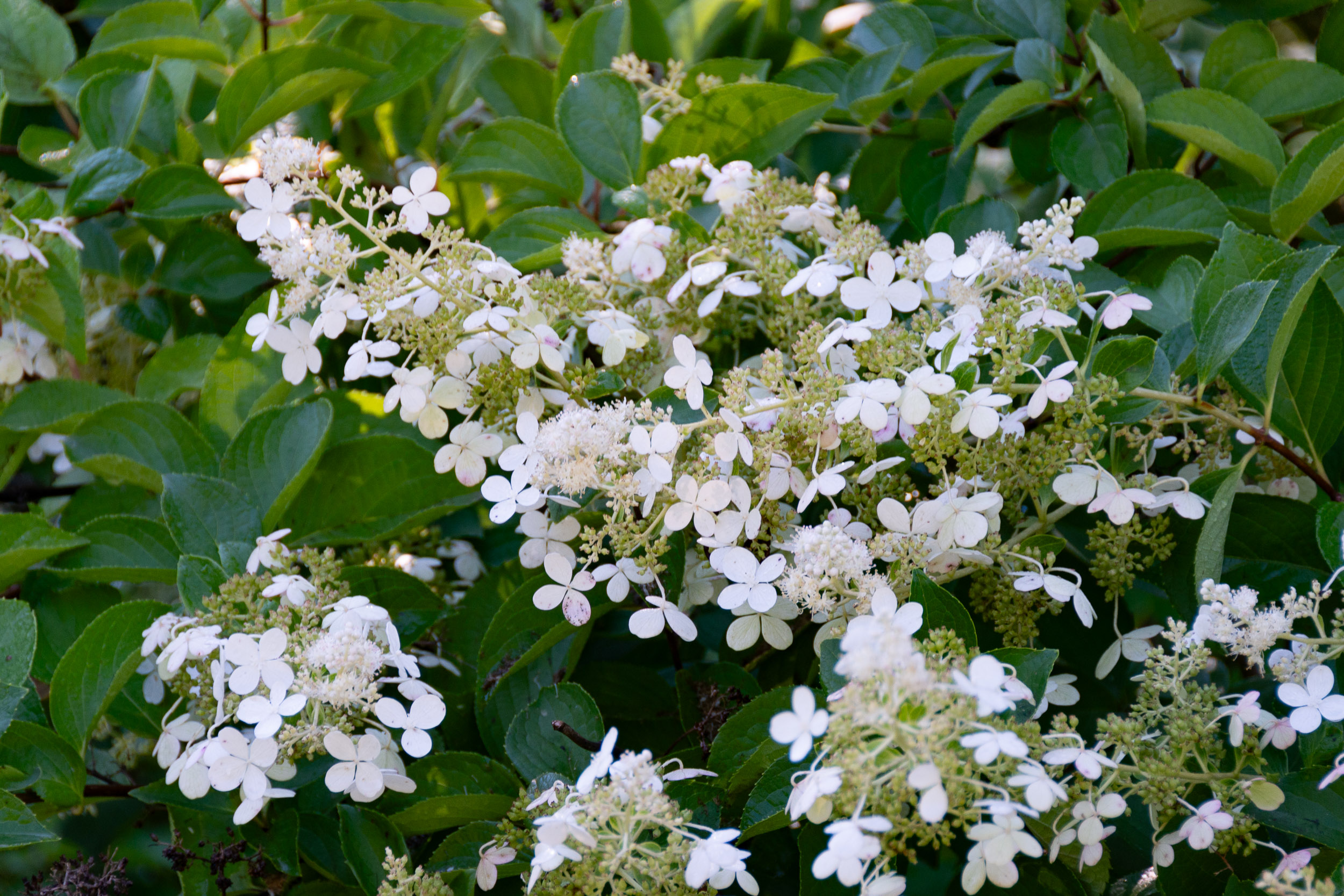
Possibly a garden escape. · 9/7/2021 · Highland Green, Topsham, Maine 
| Kingdom | Plantae | Plants, but not fungi, lichens, or algae (from Stearn's Botanical Latin) |
| Subkingdom | Tracheobionta | Vascular plants—plants with a “circulatory system” for delivering water and nutrients |
| Division | Magnoliophyta | Flowering plants, also known as angiosperms |
| Class | Magnoliopsida | Dicotyledons—plants with two initial seed leaves |
| Subclass | Rosidae | Roses, legumes, proteas, dogwoods, hydrangeas, mistletoes, euphorbias, grapes, many more |
| Order | Rosales | Rose family and eight others |
| Family | Hydrangeaceae | Hydrangea family |
| Genus | Hydrangea | From Greek hydro, “water,” and angeion, “vessel” |
| Species | arborescens | Woody or tree-like, becoming like a tree |
Hydrangea arborescens description by Thomas H. Kent, not updated.

© FloraFinder.org. All rights reserved.