Juncus tenuis Willd. var. multicornis E. Mey.
Juncus tenuis Willd. var. williamsii Fernald
Juncus tenuis Willd.
Path rush, slender rush, field rush, poverty rush, wiregrass
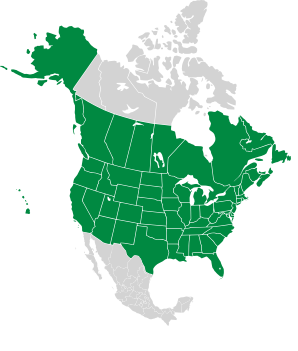
Path rush is native to and found throughout North America.
Plants: Path rush, so-called because it is tough enough to grow right in the middle of trails, is easy to miss at first, looking like grass from a distance. But it is very common. Path rush is less than 1′ (30 cm) high.
Leaves: Leaf blades are basal, and very thin, resembling pine needles, but up close they are narrow and flat, sometimes rolled slightly at the edges, resembling a slice of celery in cross-section. The blades are hairless, ~1/32″ (0.5–1 mm) wide, and medium green in color, darkening later in the season.
Flowers: Tiny light greenish flowers consist of three petals and three sepals. They look nearly identical to each other, creating starlike flowers about ¼″ (6.3 mm) around. Each petal and sepal is 1/16–3/16″ (3–5 mm) long. Flowers appear from April to May.
Fruits: Seed capsules are ovoid, about 1/16–3/16″ (3–5 mm) long and 1/16–⅛″ (2–3 mm) around. The petals and sepals remain, now loosely wrapped around the capsule. Each capsule has three sections, a small point on top, and is filled with tiny seeds less than 1/32″ (0.5 mm) long.
Habitats: Full sun to light shade, and clay-loam or gravelly soils and a wide range of wetness.
Online References:
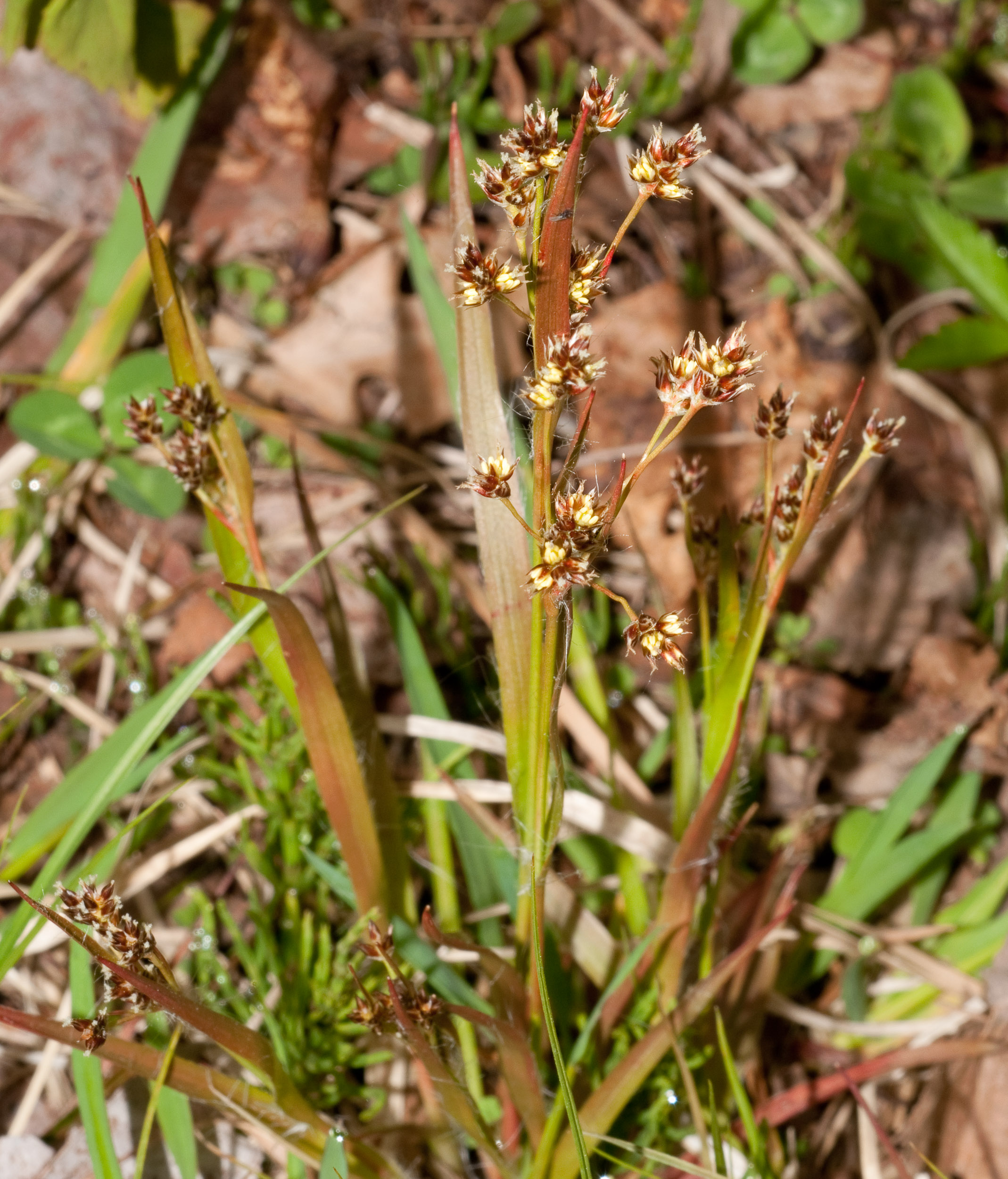
5/2/2010 · Nashua River Rail Trail, Groton Center, Groton, Massachusetts · ≈ 4 × 4½″ (10 × 12 cm)  ID is uncertain

6/26/2014 · J. Harry Rich State Forest, Groton, Massachusetts · ≈ 7 × 10″ (16 × 25 cm) 
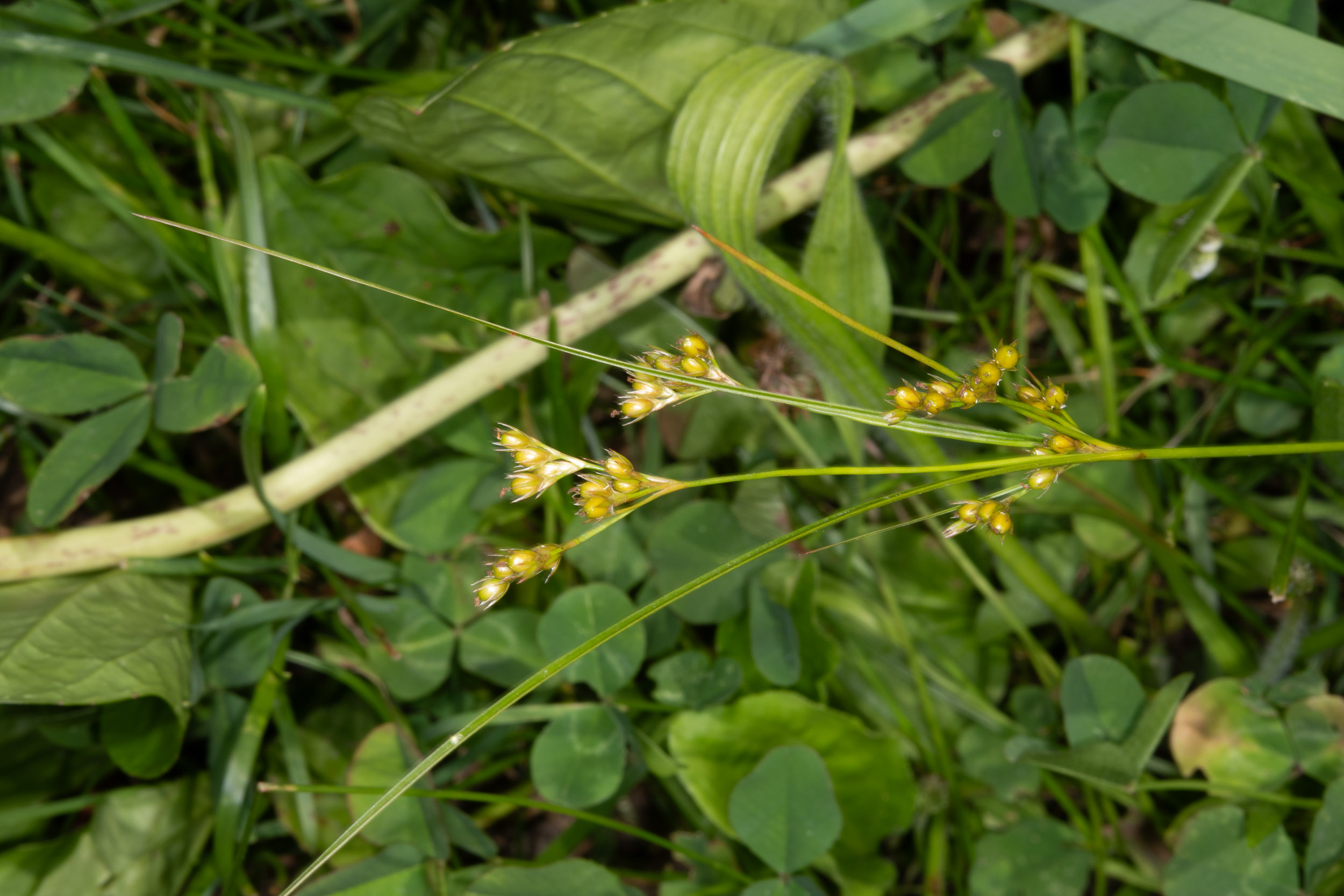
7/15/2019 · Beaver Brook Conservation Area, New Long Loop, Hollis, New Hampshire · ≈ 6 × 4″ (16 × 11 cm) 

7/26/2025 · River Point Conservation Area, Falmouth, Maine · ≈ 6 × 4″ (15 × 10 cm) 
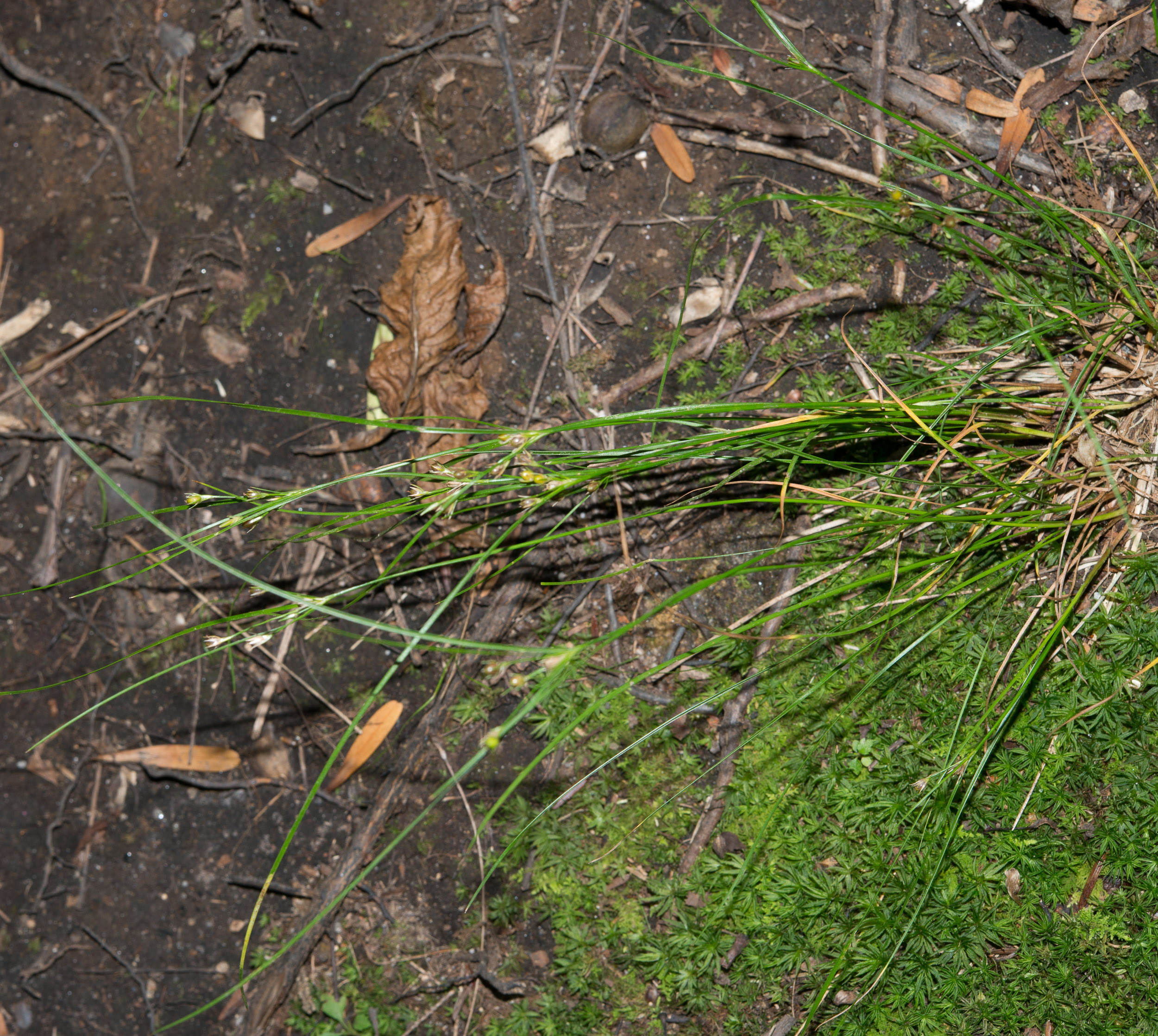
7/28/2013 · Andres Institute of Art, Big Bear Mountain, Brookline, New Hampshire · ≈ 11 × 10″ (28 × 25 cm) 

About 1" high. · 9/5/2010 · Tom and Susan’s, Pepperell, Massachusetts ID is uncertain 
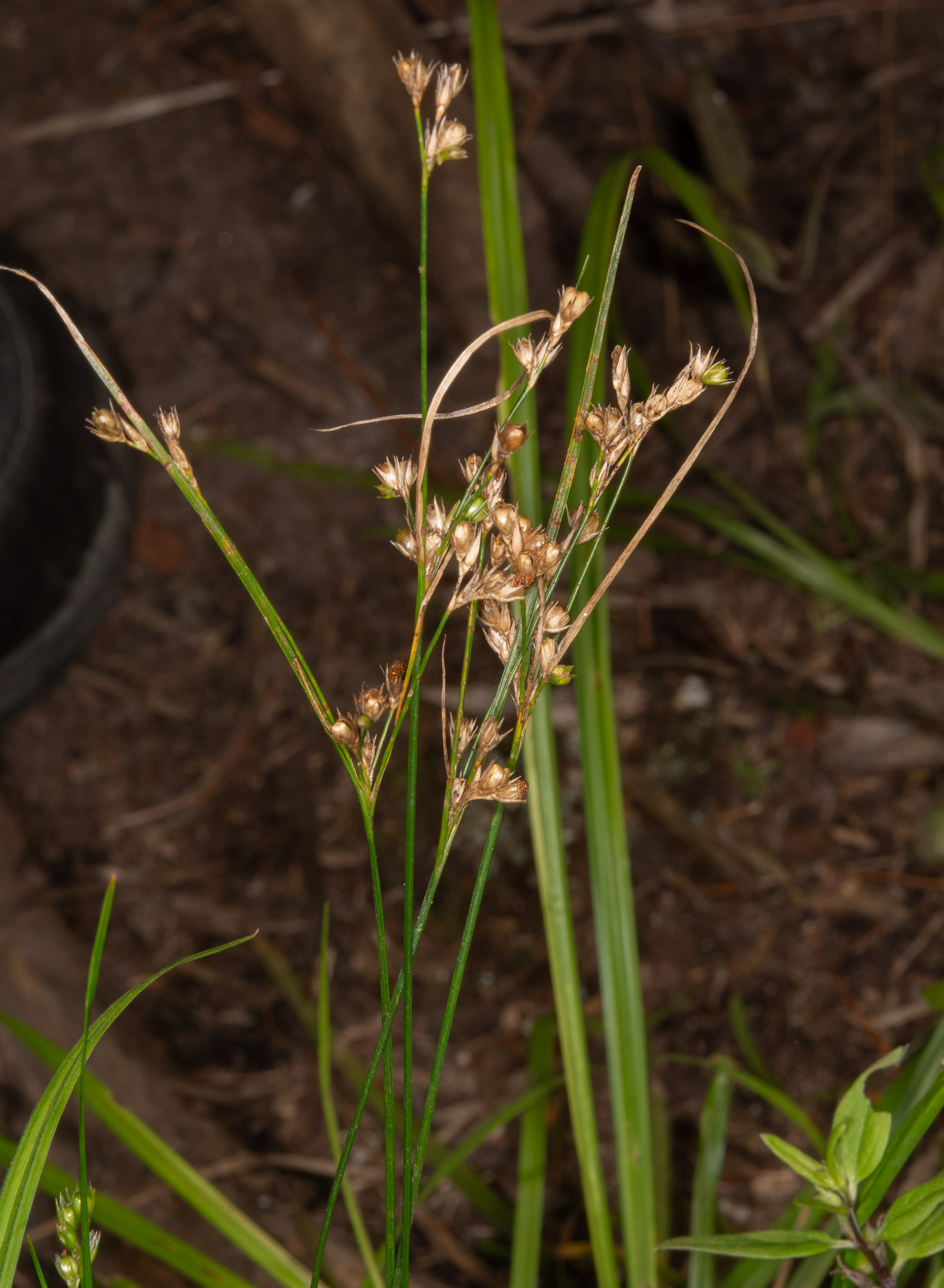
8/28/2020 · Jack’s and Litchfield Trails, Chase Reserve, Brunswick, Maine · ≈ 4 × 6″ (11 × 15 cm) 
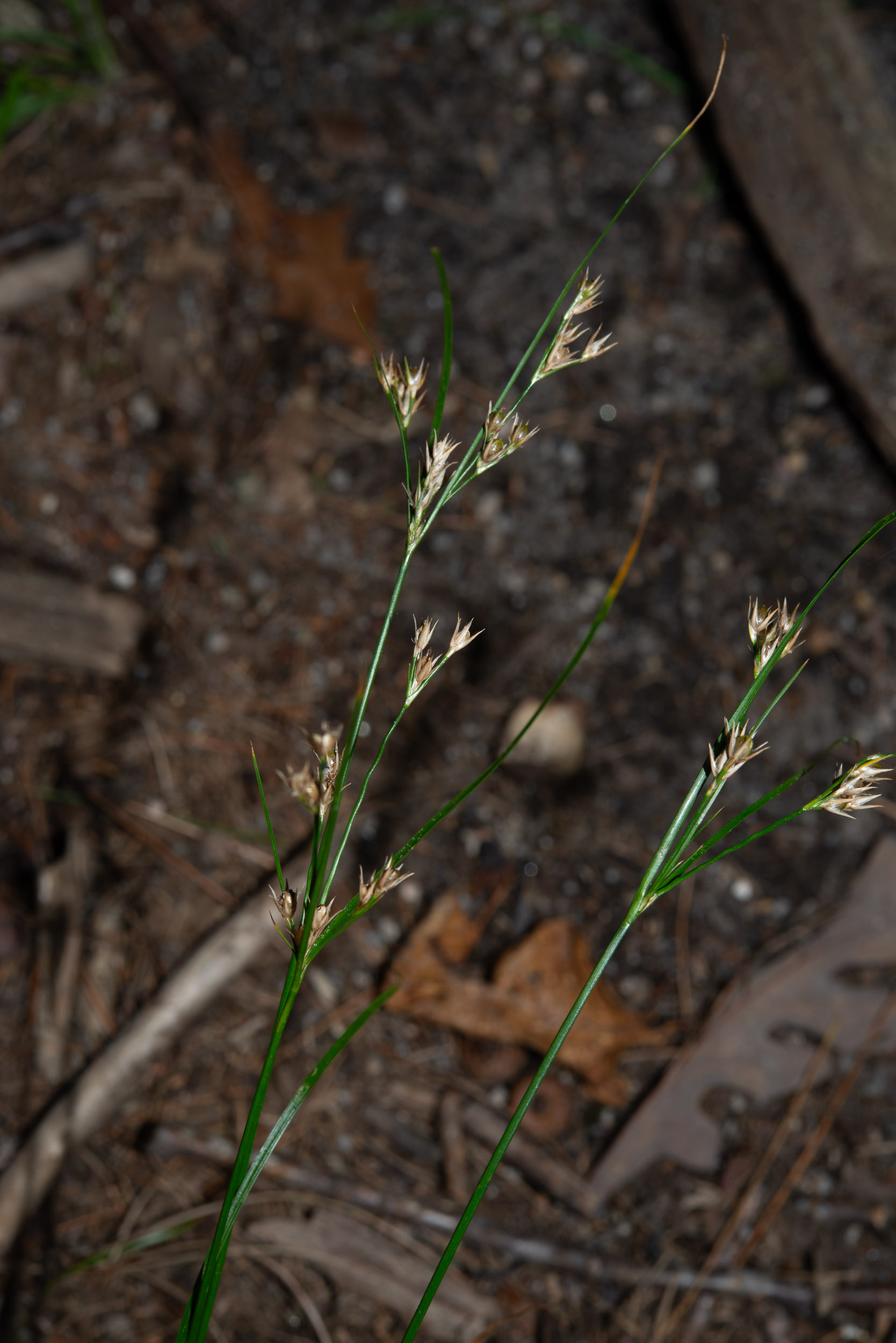
7/28/2013 · Andres Institute of Art, Big Bear Mountain, Brookline, New Hampshire · ≈ 6 × 8″ (14 × 20 cm) 

7/28/2013 · Andres Institute of Art, Big Bear Mountain, Brookline, New Hampshire · ≈ 5 × 6″ (13 × 14 cm) 
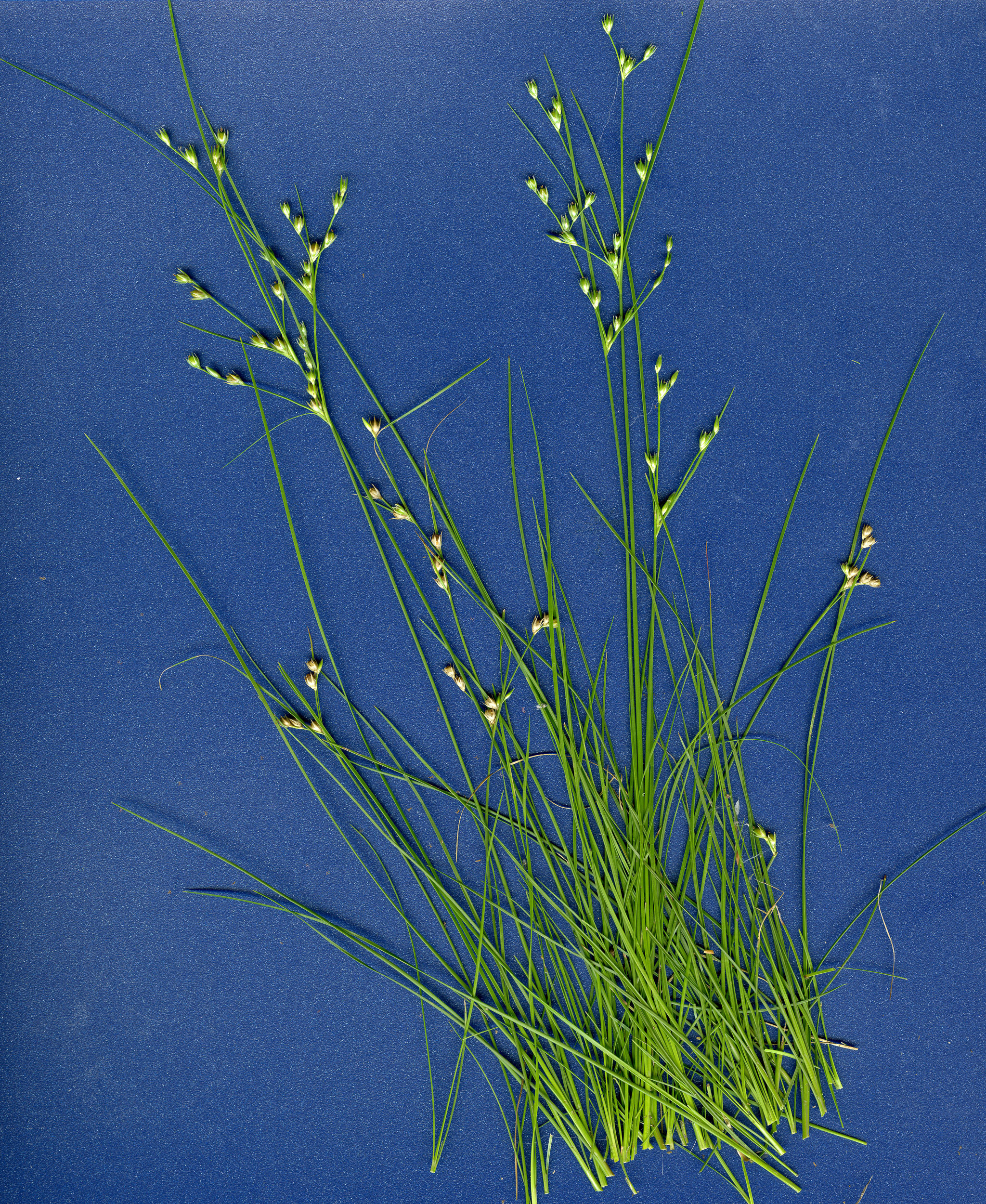
About 7 x 9". · 9/5/2010 · Tom and Susan’s, Pepperell, Massachusetts ID is uncertain 

7/26/2025 · River Point Conservation Area, Falmouth, Maine · ≈ 8 × 5″ (19 × 12 cm) 

7/28/2013 · Andres Institute of Art, Big Bear Mountain, Brookline, New Hampshire · ≈ 6 × 9″ (16 × 23 cm) 
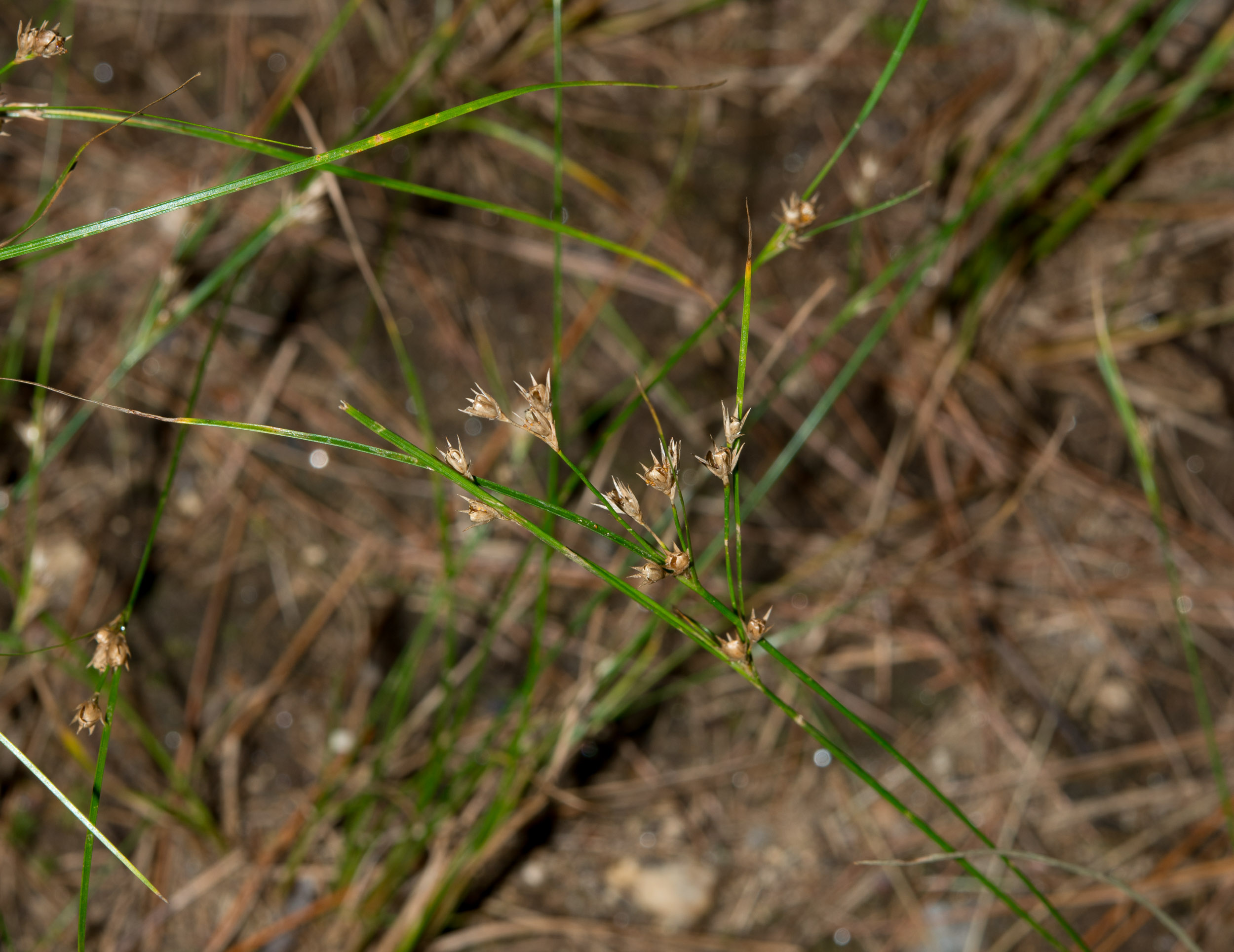
7/28/2013 · Andres Institute of Art, Big Bear Mountain, Brookline, New Hampshire · ≈ 6 × 4″ (14 × 10 cm) 
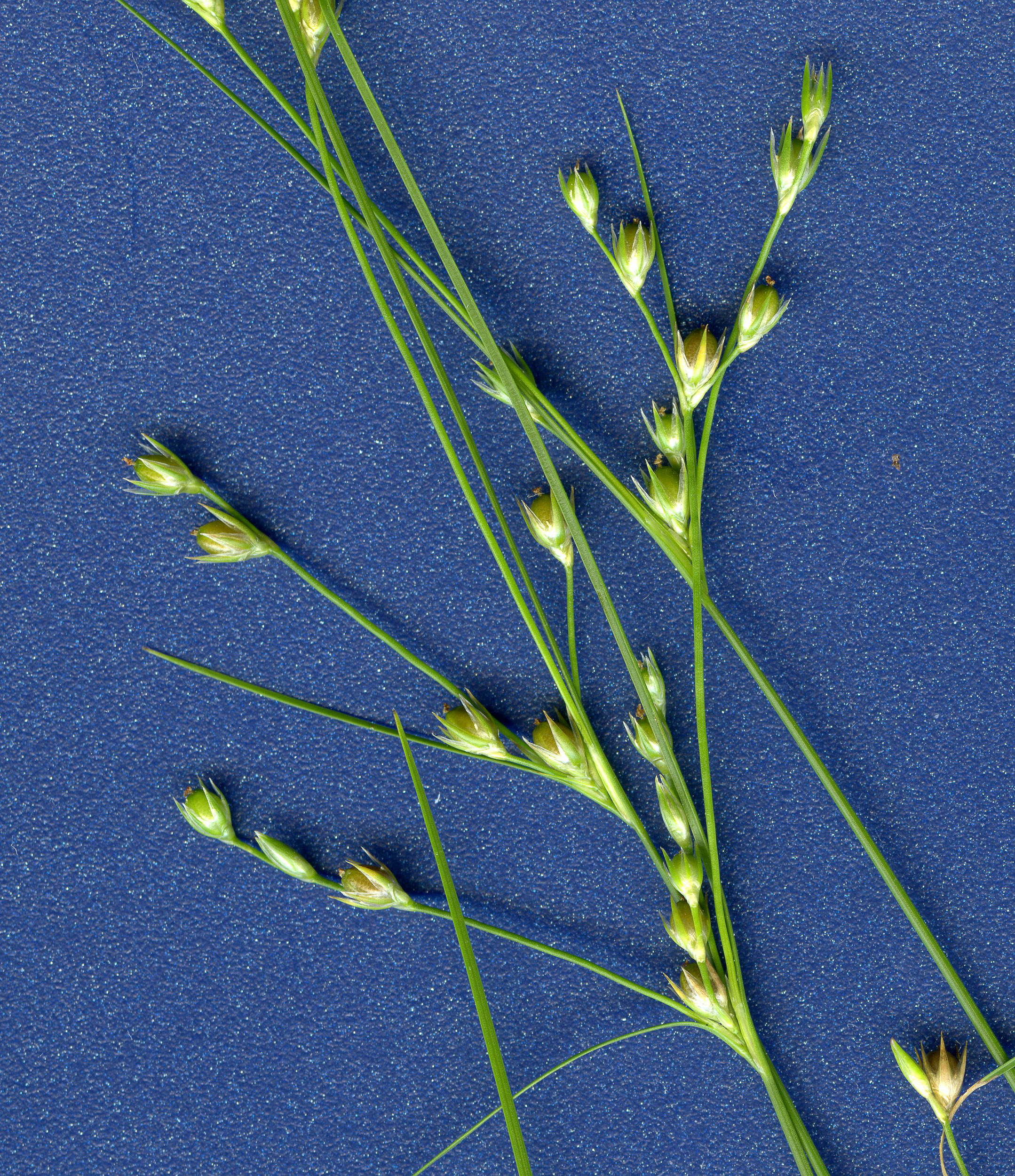
9/5/2010 · Tom and Susan’s, Pepperell, Massachusetts ID is uncertain 
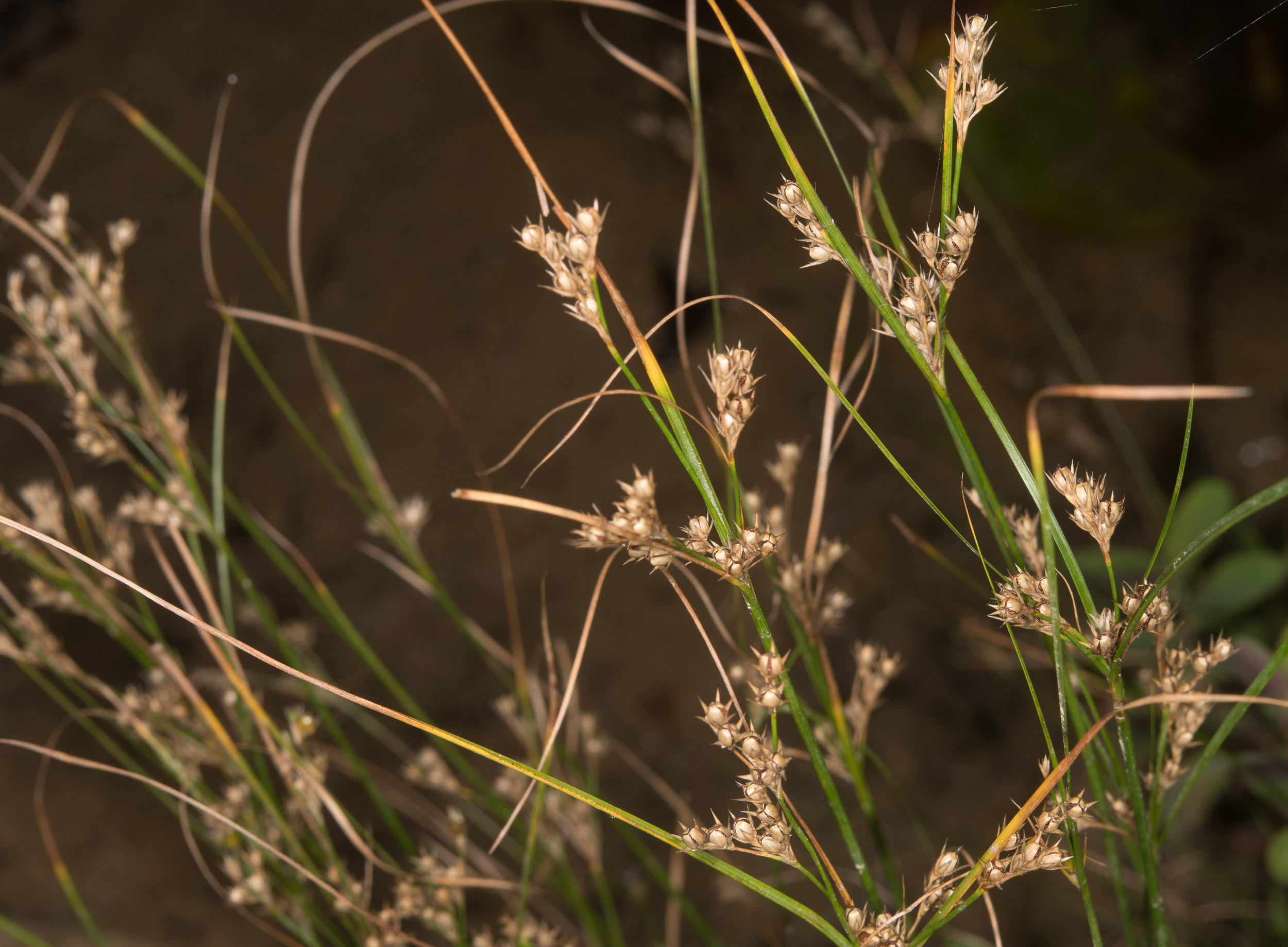
8/13/2017 · Burges Pond, Westford, Massachusetts · ≈ 7 × 4½″ (16 × 12 cm) 
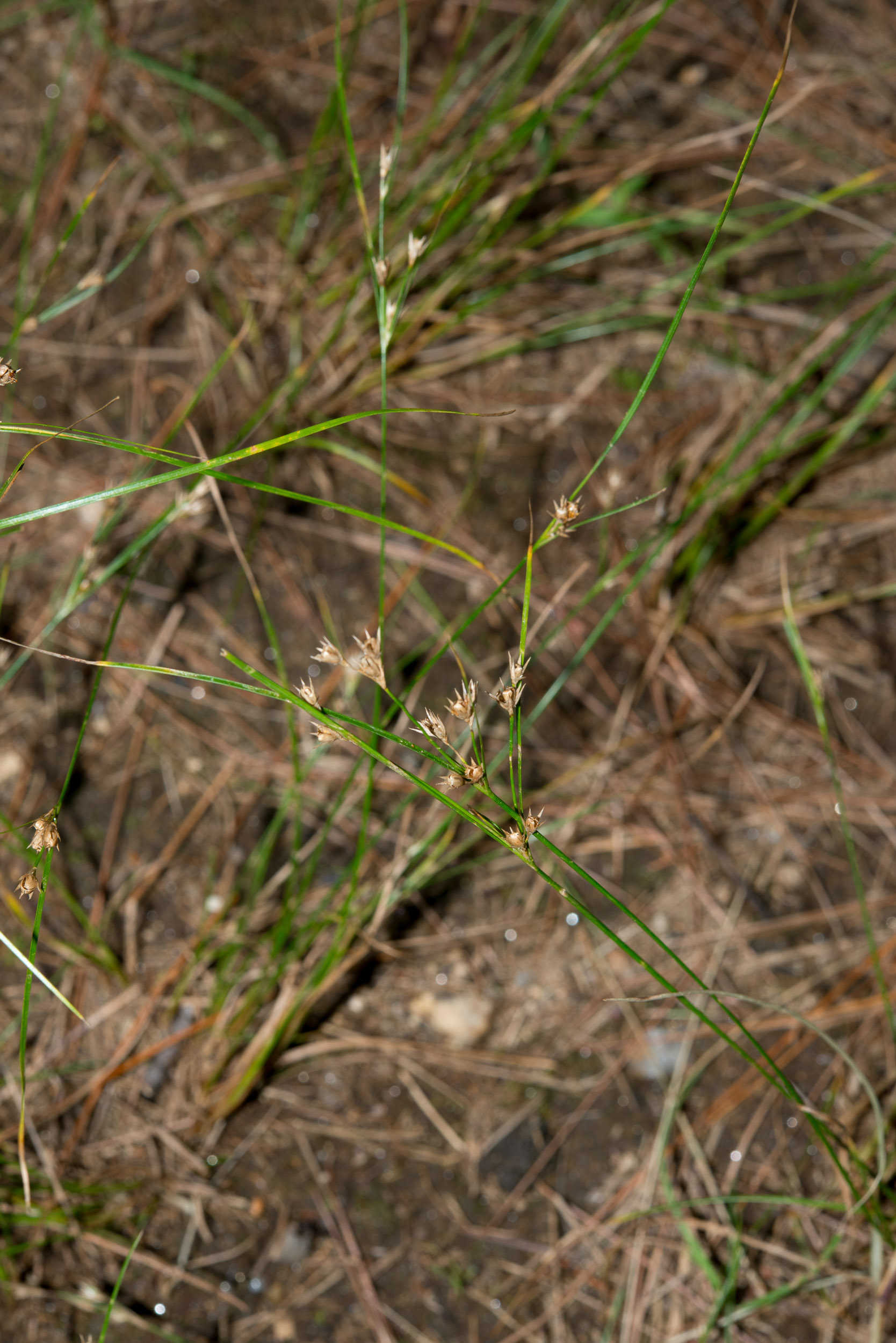
7/28/2013 · Andres Institute of Art, Big Bear Mountain, Brookline, New Hampshire · ≈ 6 × 8″ (14 × 20 cm) 
| Kingdom | Plantae | Plants, but not fungi, lichens, or algae (from Stearn's Botanical Latin) |
| Subkingdom | Tracheobionta | Vascular plants—plants with a “circulatory system” for delivering water and nutrients |
| Division | Magnoliophyta | Flowering plants, also known as angiosperms |
| Class | Liliopsida | Monocots (plants with a single seed leaf); includes the lily family |
| Subclass | Commelinidae | Dayflowers and spiderworts, and several others |
| Order | Juncales | Rushes, sedges, and other grasslike plants |
| Family | Juncaceae | Rush family |
| Genus | Juncus | Possibly from Latin jungere, “to join or bind,” because the stems were used for binding |
| Species | tenuis | “Slender” |
Juncus tenuis description by Thomas H. Kent, not updated.

© FloraFinder.org. All rights reserved.