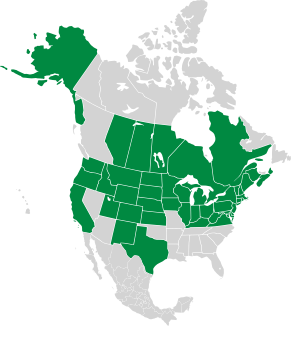
Lonicera tatarica L. var. latifolia Loudon
Lonicera tatarica L.
Tatarian honeysuckle
Tatarian honeysuckle is native to central Asia through southern Russia. Introduced to North America as an ornamental, this aggressive plant has become naturalized and widespread, and is invasive in some regions.
Plants: This honeysuckle grows into a large, densely branched shrub, up to 10–12′ (3–3.7 m) around. Shrubs for impenetrable thickets.
Leaves: Oval, with smooth edges and a bluish cast, 1½–2½ ⨉ 1–1½″ (3.8–6.3 ⨉ 2.5–3.8 cm), and opposite.
Flowers: Pairs of flowers, each about ¾″ (1.9 cm) around, may be white, pink, or rose in color. Each flower has five spatula-shaped, somewhat unruly-looking petals, and five anthers.
Fruits: Berries are orange to red, about ¼″ (6.3 mm) in diameter, often lasting through the winter. (By contrast, Japanese honeysuckle has small black berries.)
Habitats: In the US, it invades thickets, open woodlands, roadsides and fence rows. It prefers moist, loamy soil, with partial sun.
 |
Some honeysuckles |
Online References:
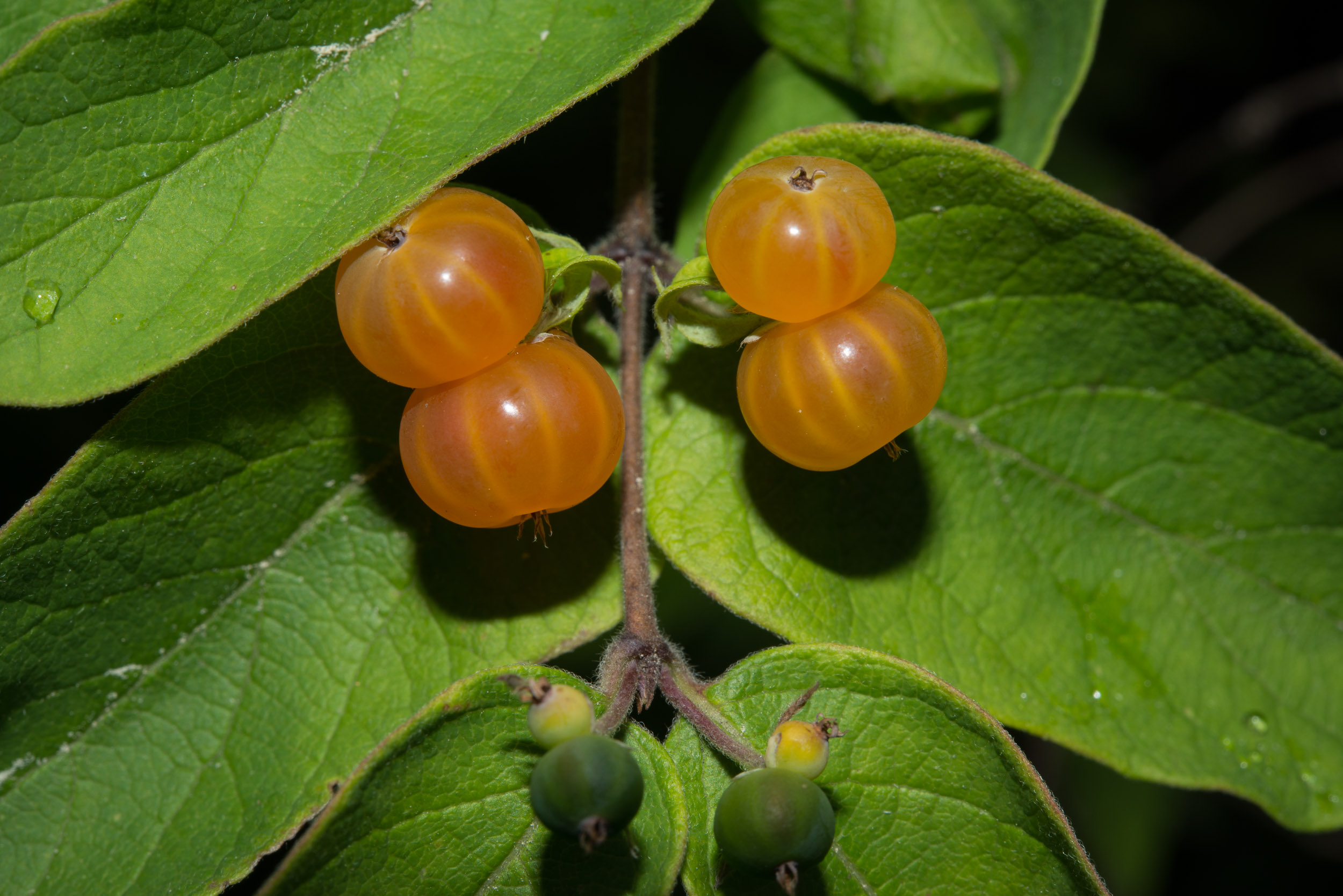
6/27/2013 · Nashua River Rail Trail, Groton Center, Groton, Massachusetts · ≈ 5 × 3″ (12 × 8.4 cm) 

7/8/2024 · Wolfe’s Neck State Park, Freeport, Maine 
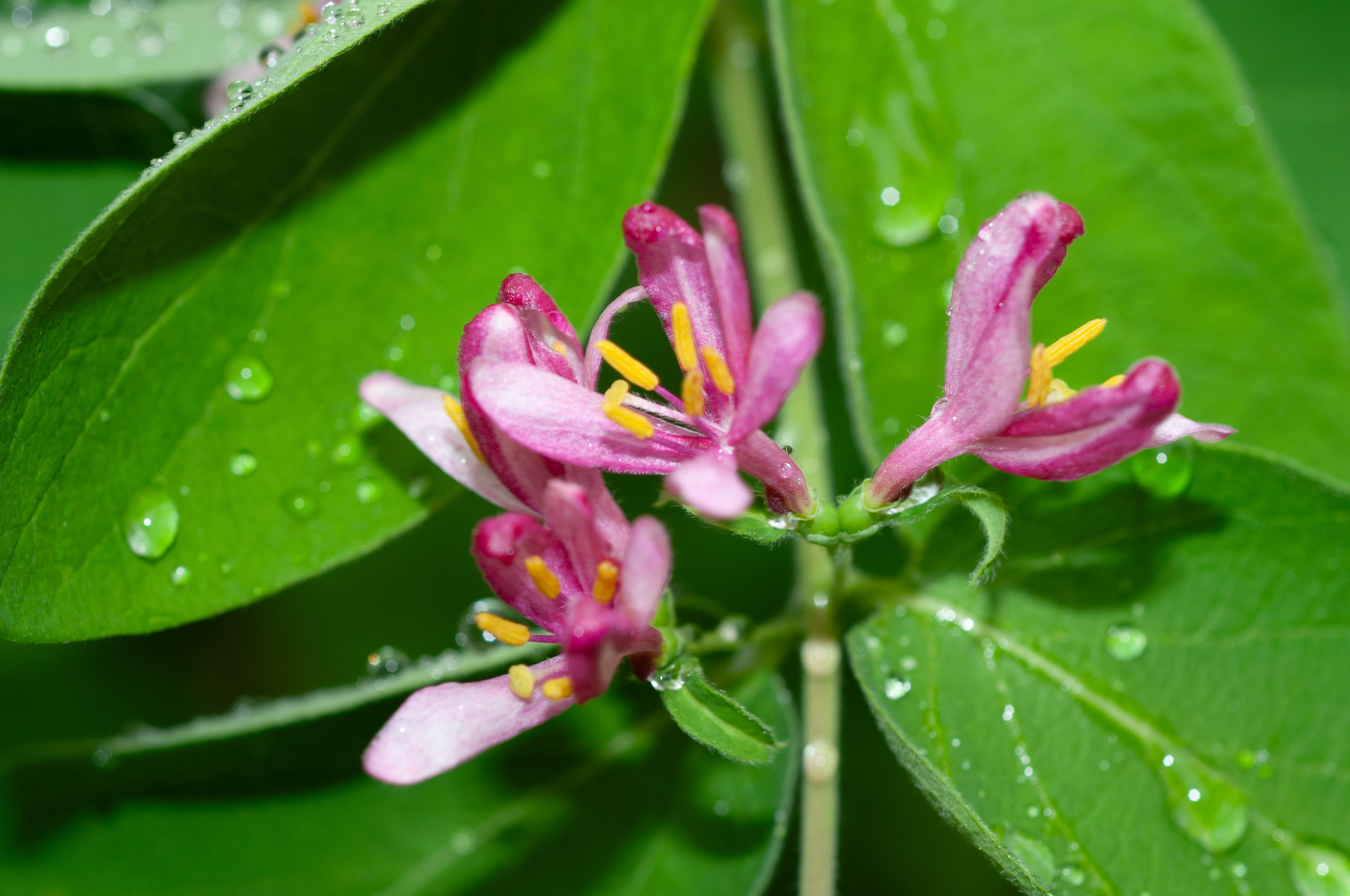
5/9/2012 · Nashua River Rail Trail, Groton Center, Groton, Massachusetts · ≈ 4½ × 3″ (11 × 7.9 cm) 
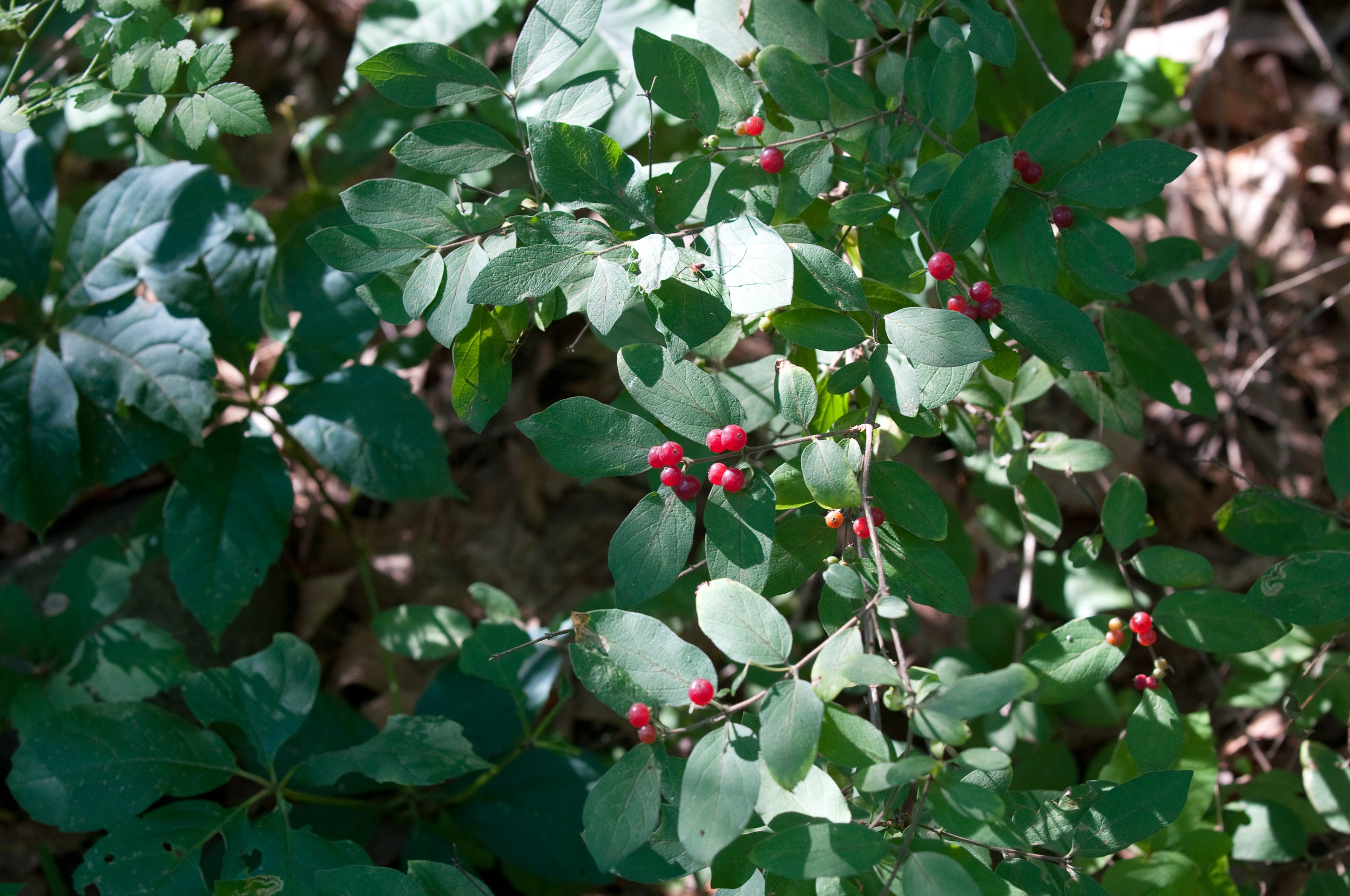
7/11/2009 · Nashua River Rail Trail, near NH Line, Dunstable, Massachusetts · ≈ 1½ × 1′ (50 × 33 cm) 
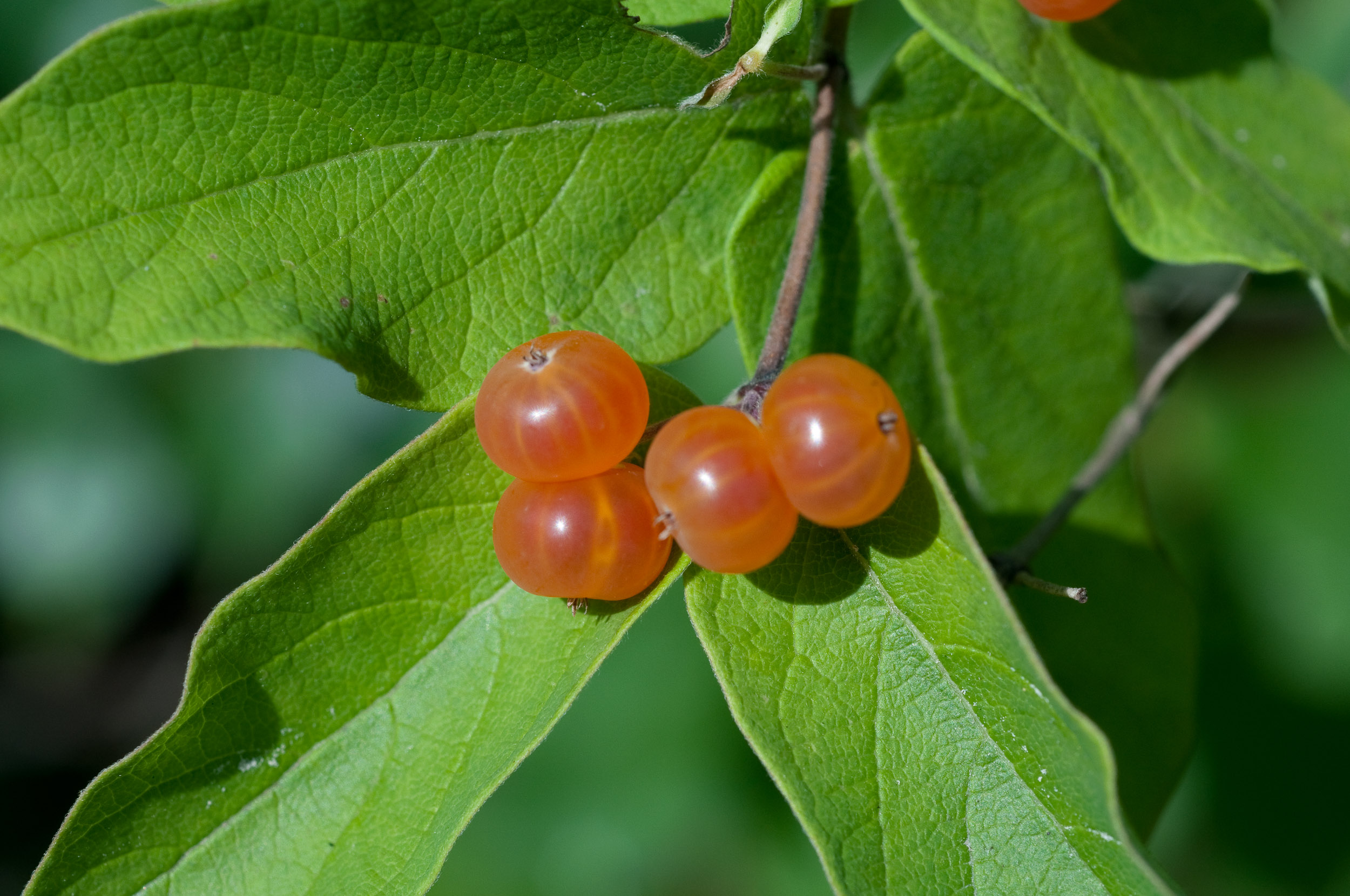
6/26/2010 · Nashua River Rail Trail, Groton Center, Groton, Massachusetts · ≈ 4½ × 3″ (11 × 7.9 cm)  ID is uncertain
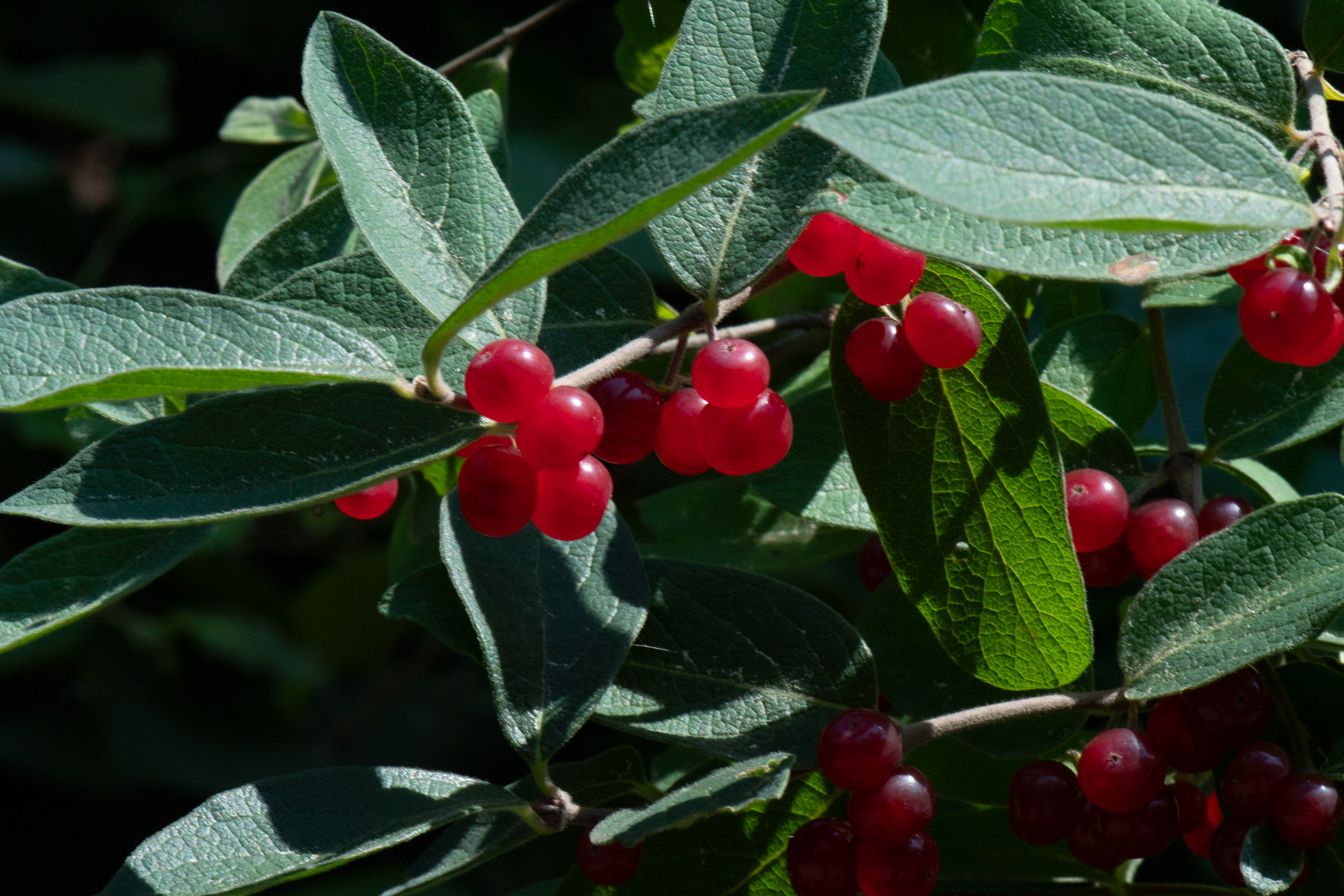
7/22/2021 · Mitchell Field, Harpswell, Maine · ≈ 8 × 5″ (20 × 13 cm) 
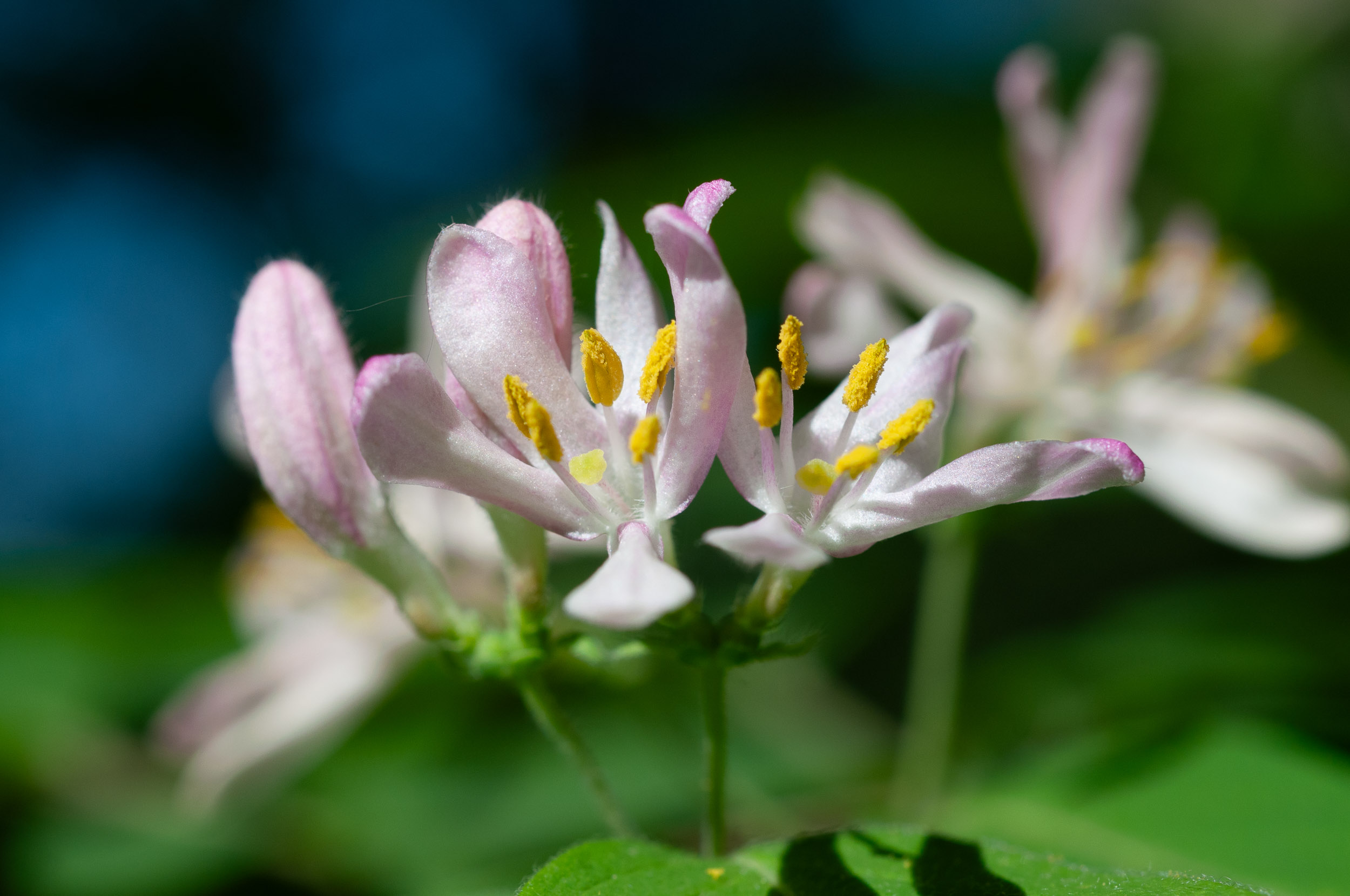
5/7/2010 · Nashua River Rail Trail, Groton Center, Groton, Massachusetts · ≈ 3½ × 2½″ (9.8 × 6.6 cm) 
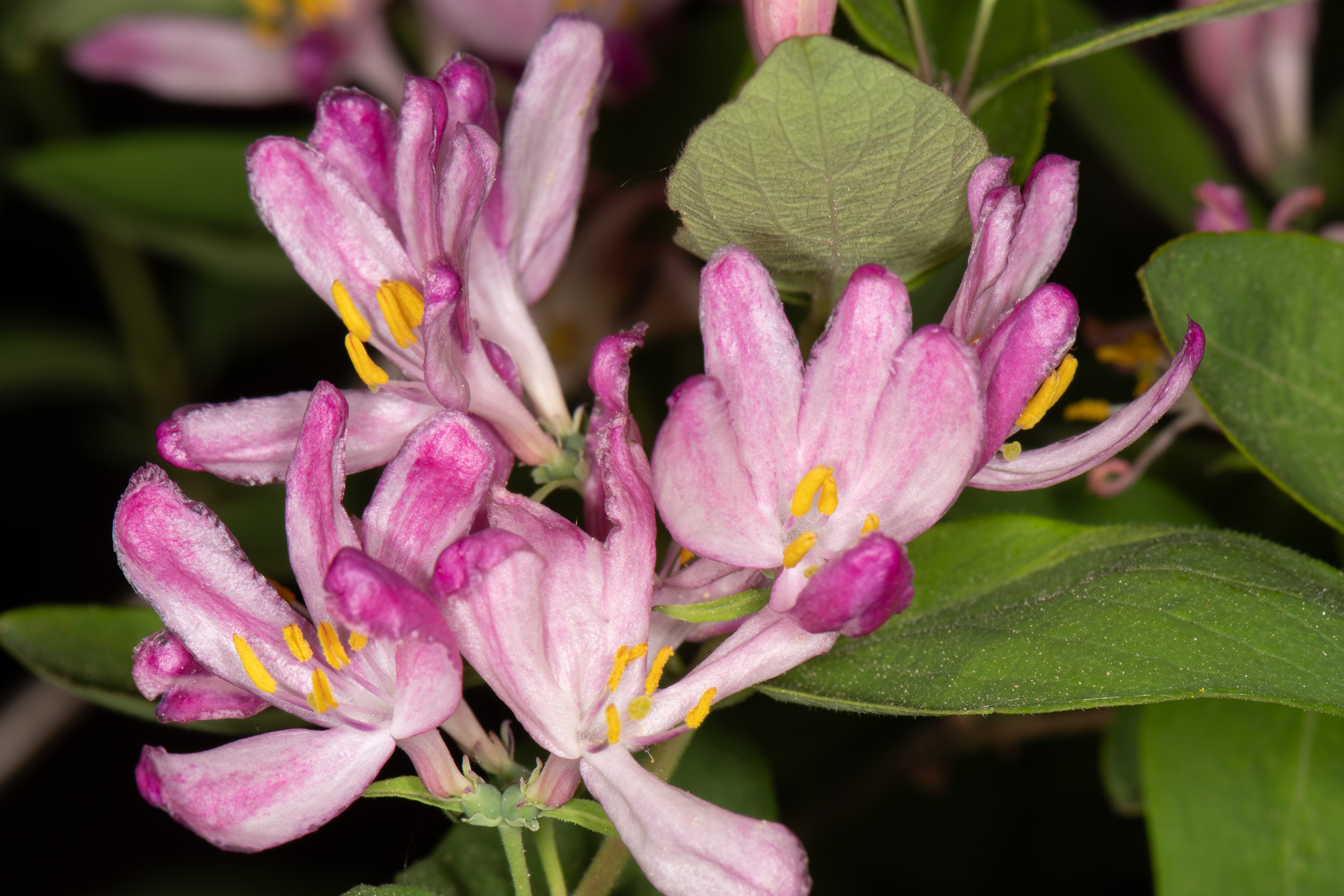
5/21/2021 · Skolfield Shores Preserve, Harpswell, Maine · ≈ 4 × 2½″ (10 × 7 cm) 
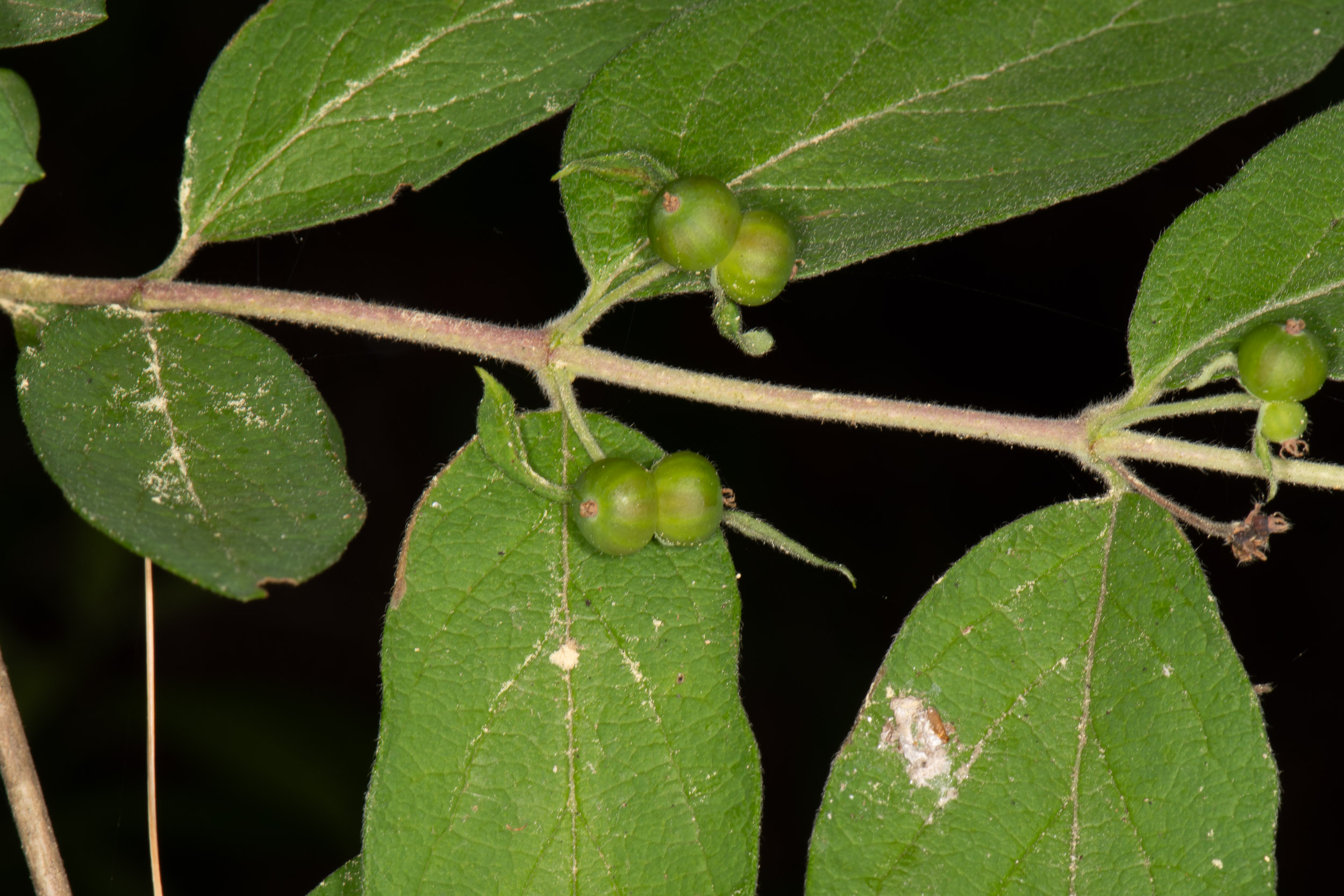
6/27/2021 · Maquoit Bay Preserve, Brunswick, Maine · ≈ 5 × 3½″ (13 × 9 cm) 
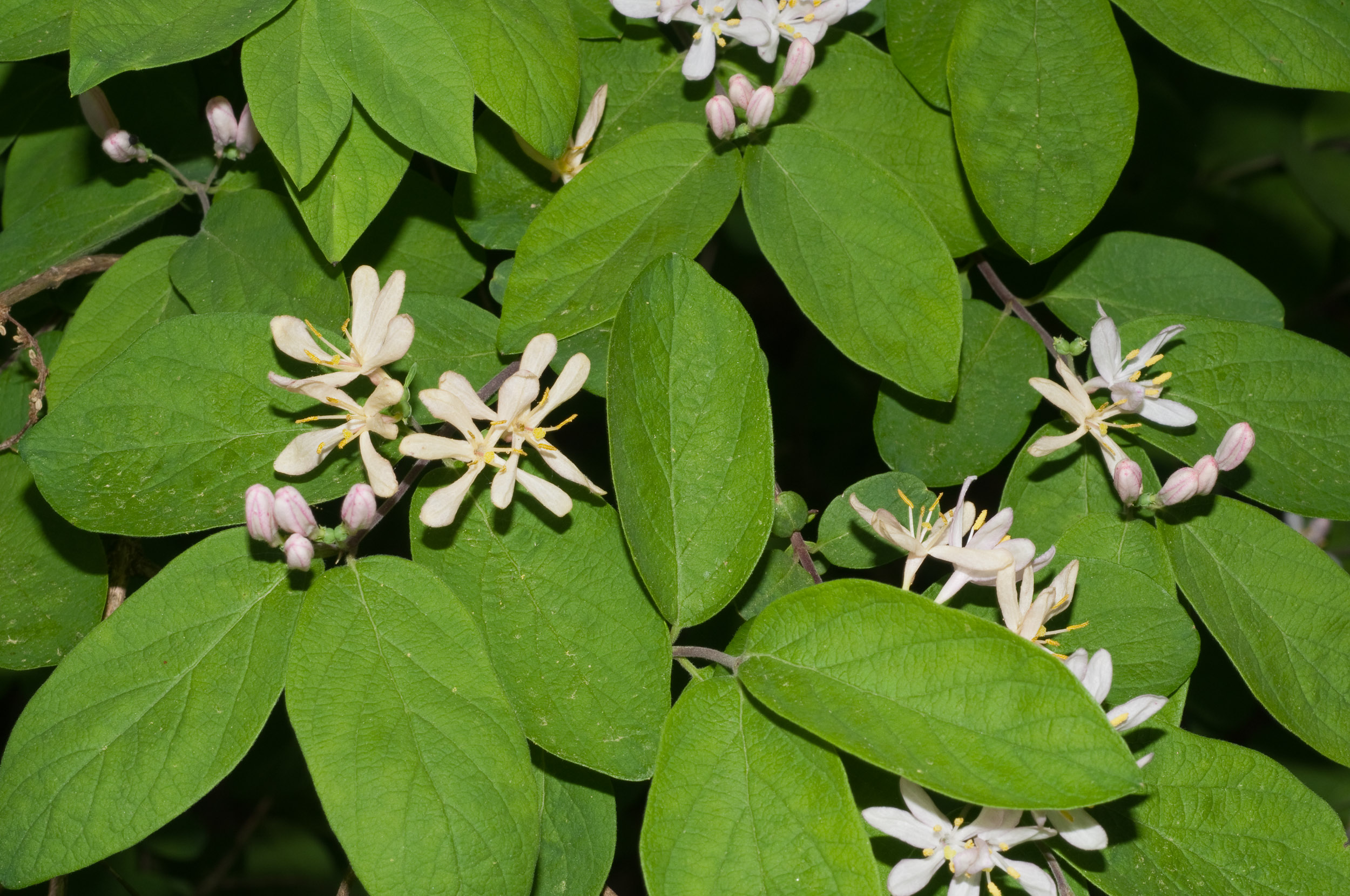
5/4/2010 · Nashua River Rail Trail, East Pepperell, Massachusetts · ≈ 9 × 6″ (22 × 14 cm) ID is uncertain 
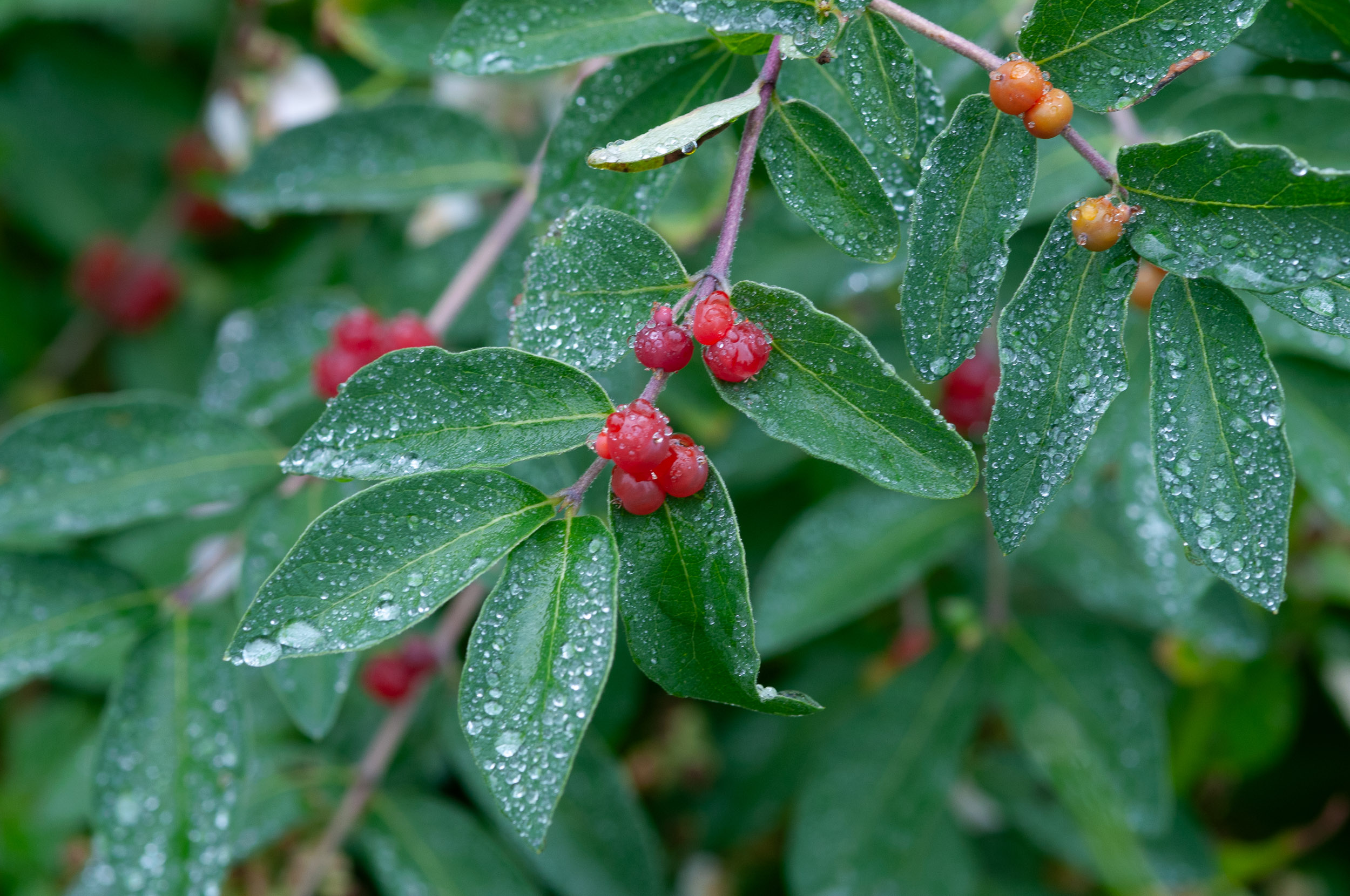
6/11/2010 · Nashua River Rail Trail, Groton Center, Groton, Massachusetts · ≈ 8 × 5″ (20 × 13 cm) ID is uncertain 
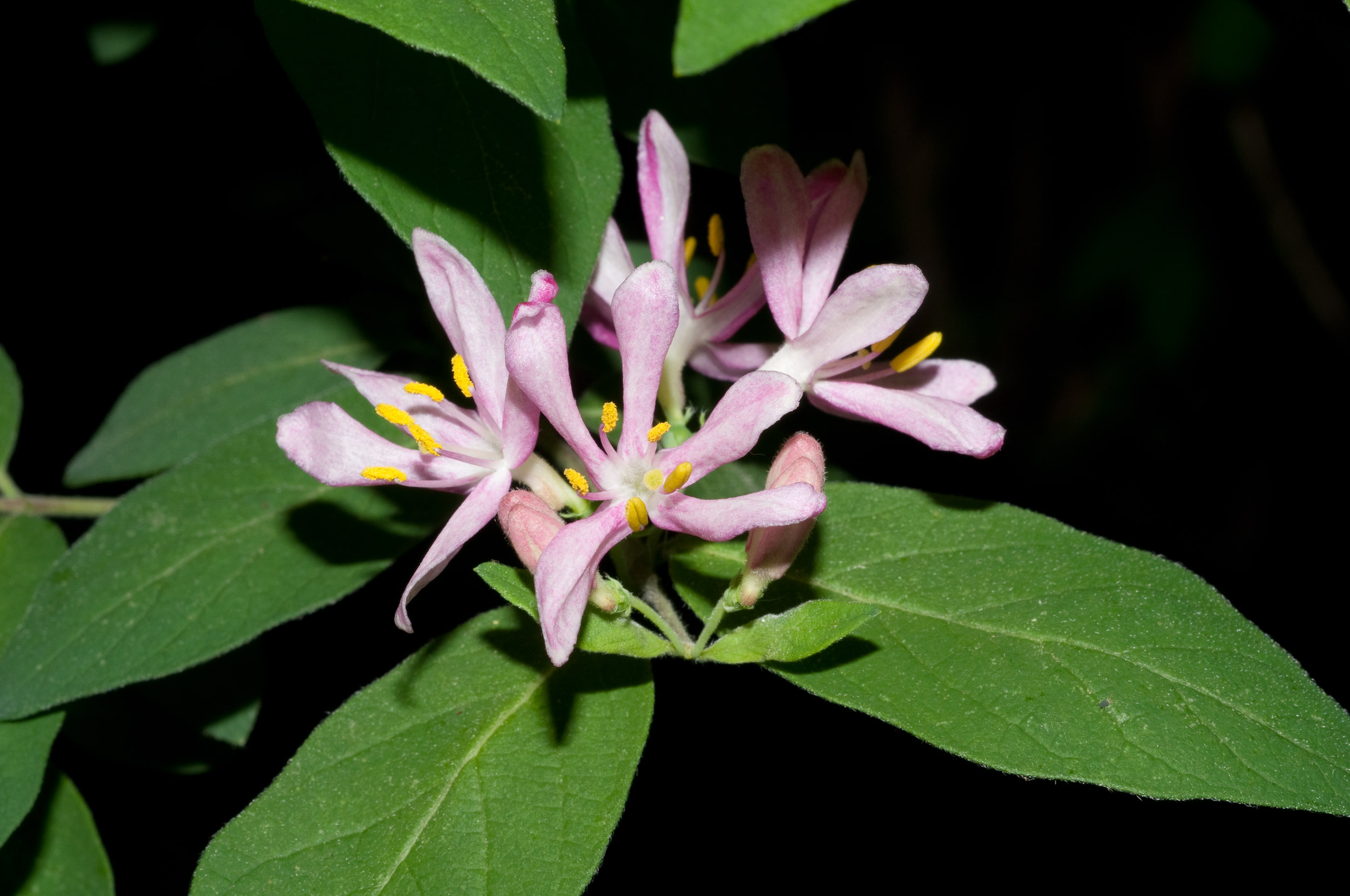
5/7/2010 · Nashua River Rail Trail, Groton Center, Groton, Massachusetts · ≈ 5 × 3½″ (13 × 9.2 cm) 
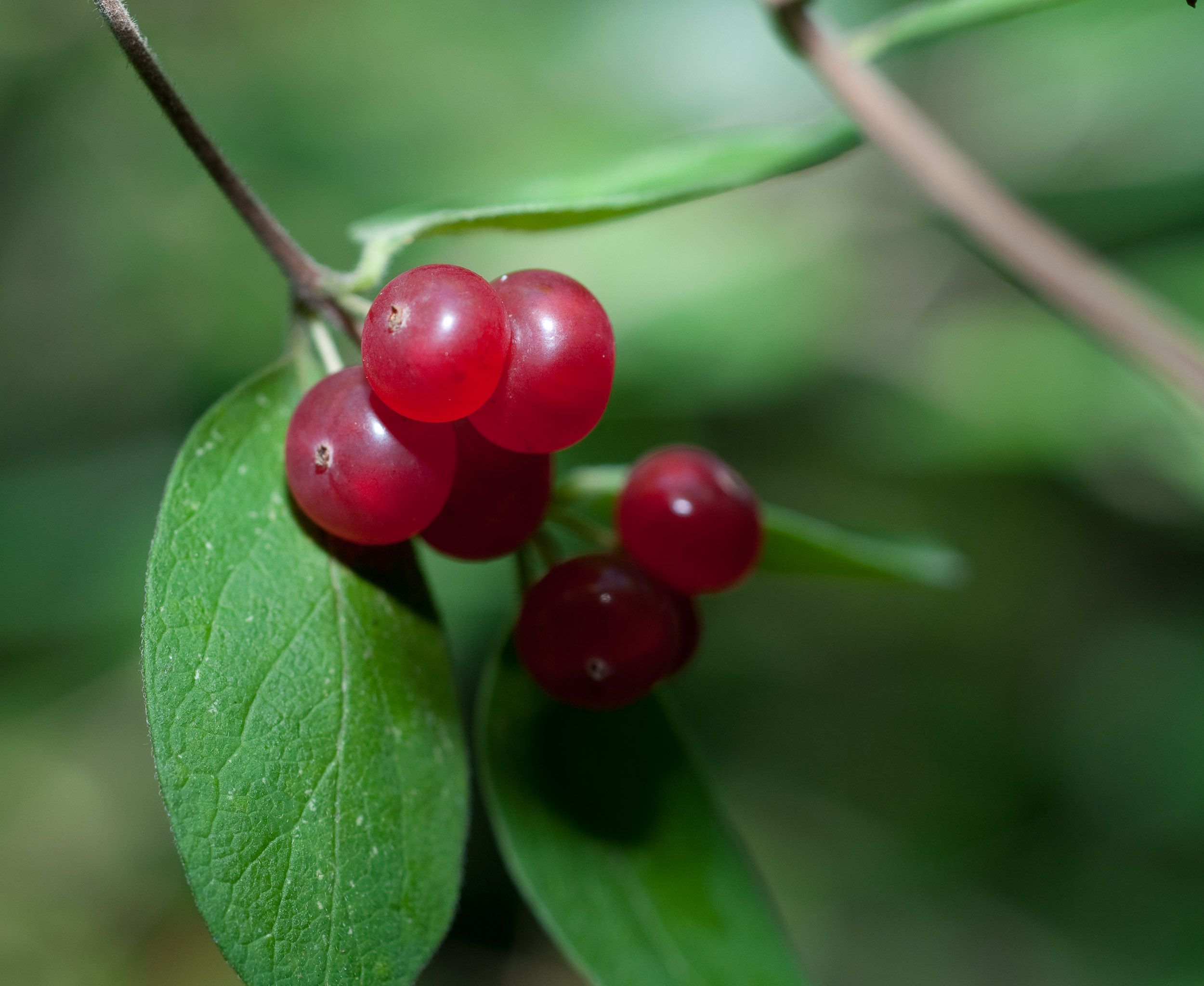
8/6/2009 · Nashua River Rail Trail, Groton, Massachusetts · ≈ 4½ × 3½″ (11 × 9.2 cm) 
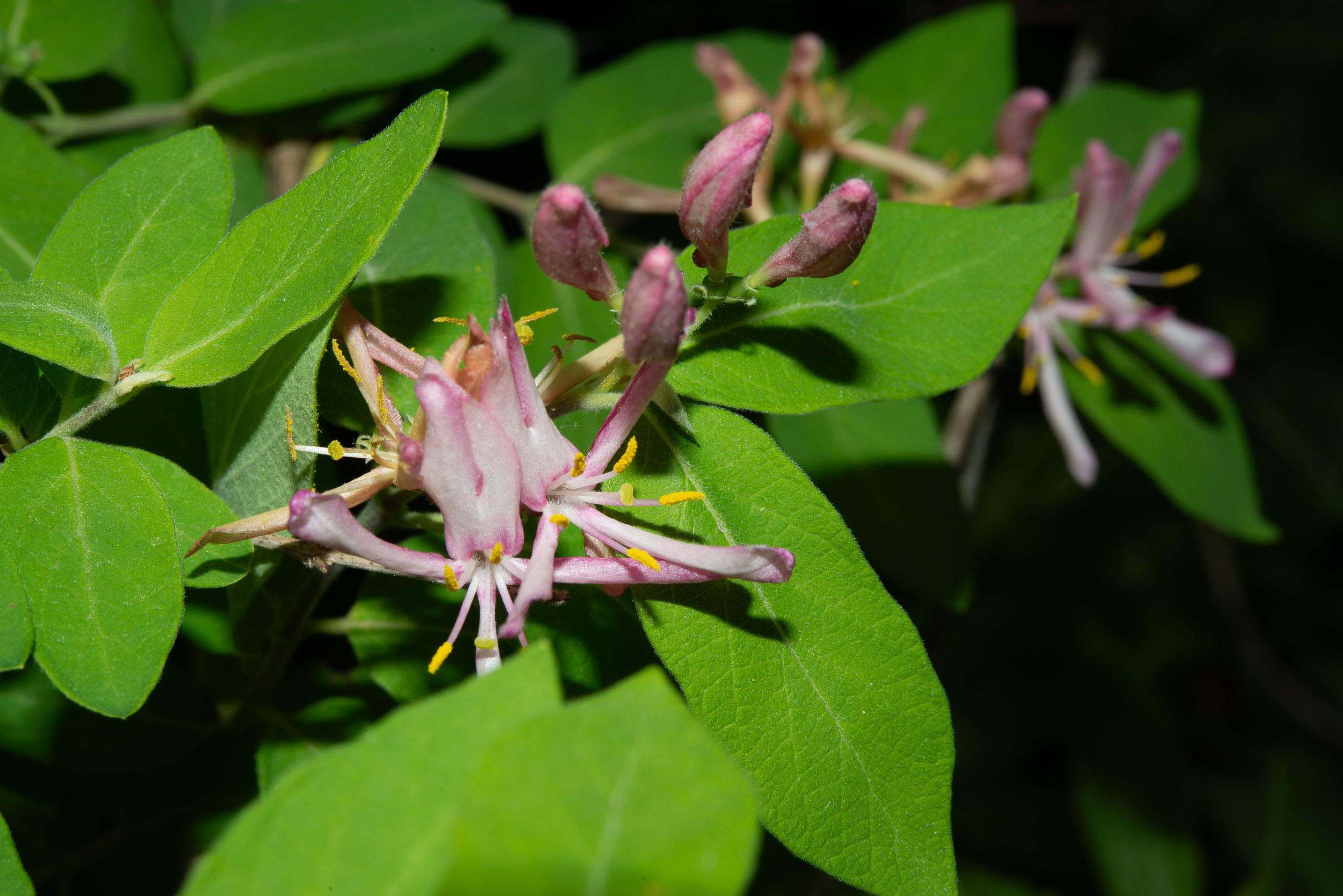
5/27/2014 · Dunstable Rural Land Trust, Dunstable, Massachusetts · ≈ 6 × 4″ (15 × 10 cm) 
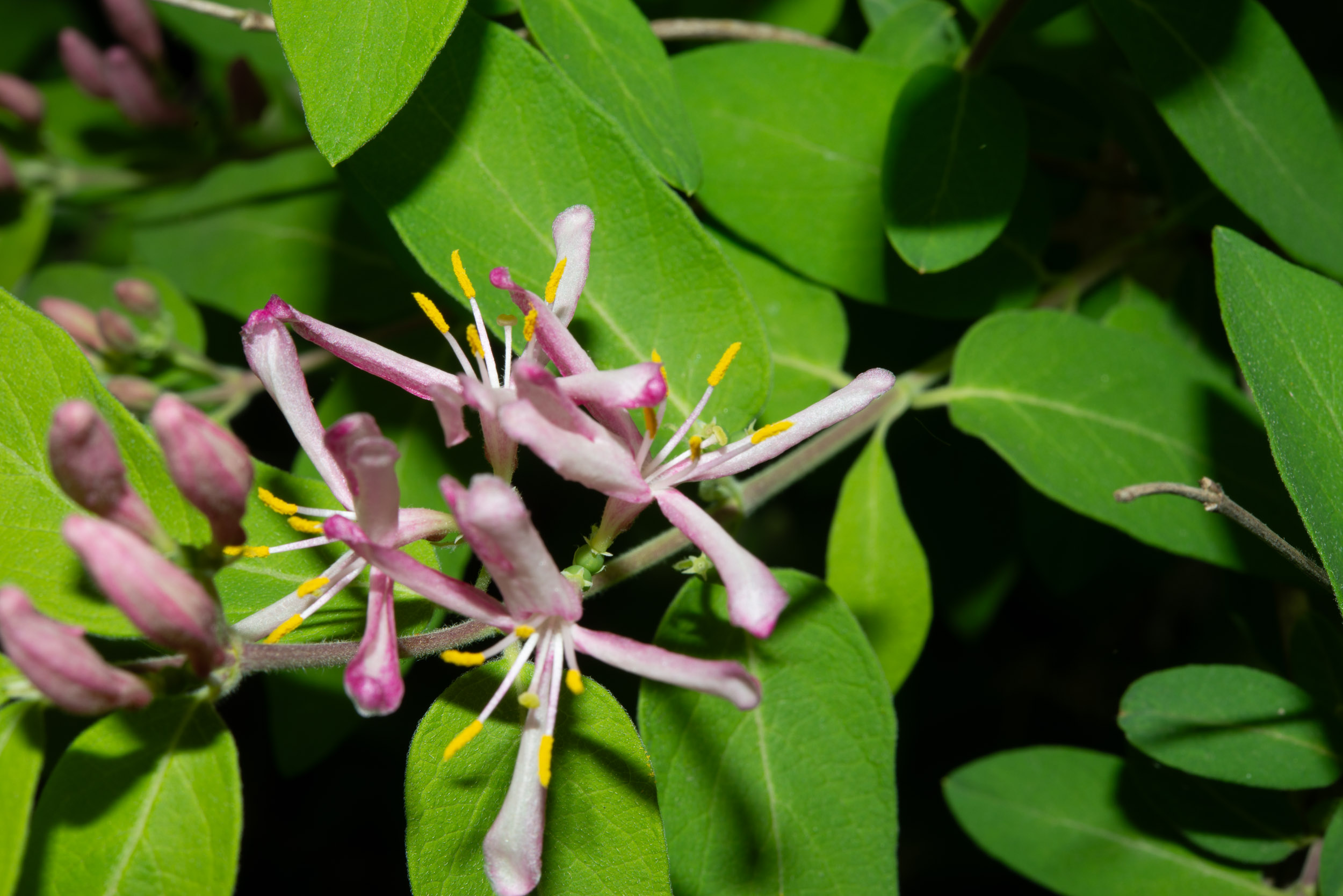
5/27/2014 · Dunstable Rural Land Trust, Dunstable, Massachusetts · ≈ 6 × 4″ (16 × 10 cm) 
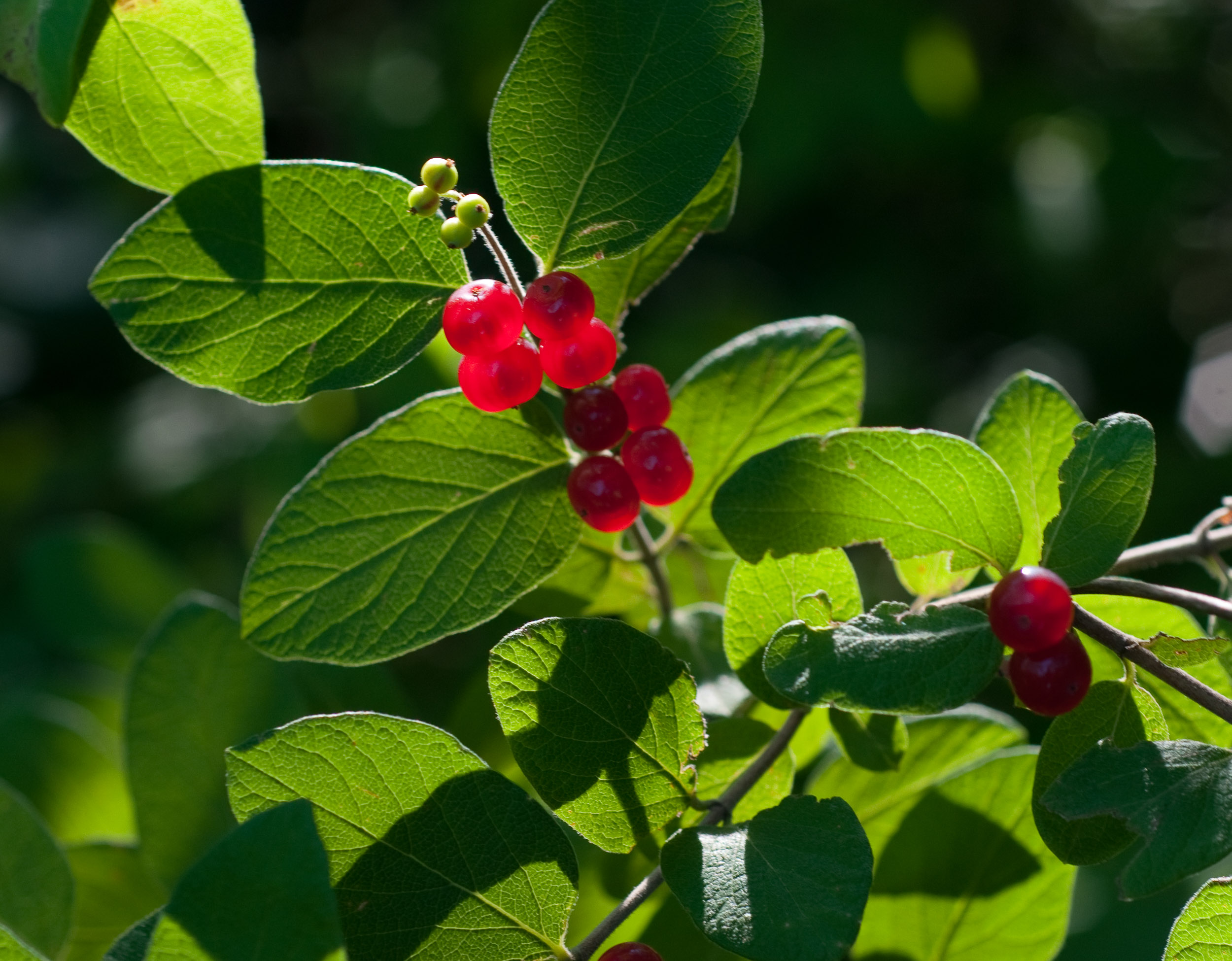
6/30/2010 · Nashua River Rail Trail, Groton Center, Groton, Massachusetts · ≈ 6 × 5″ (16 × 12 cm) ID is uncertain 
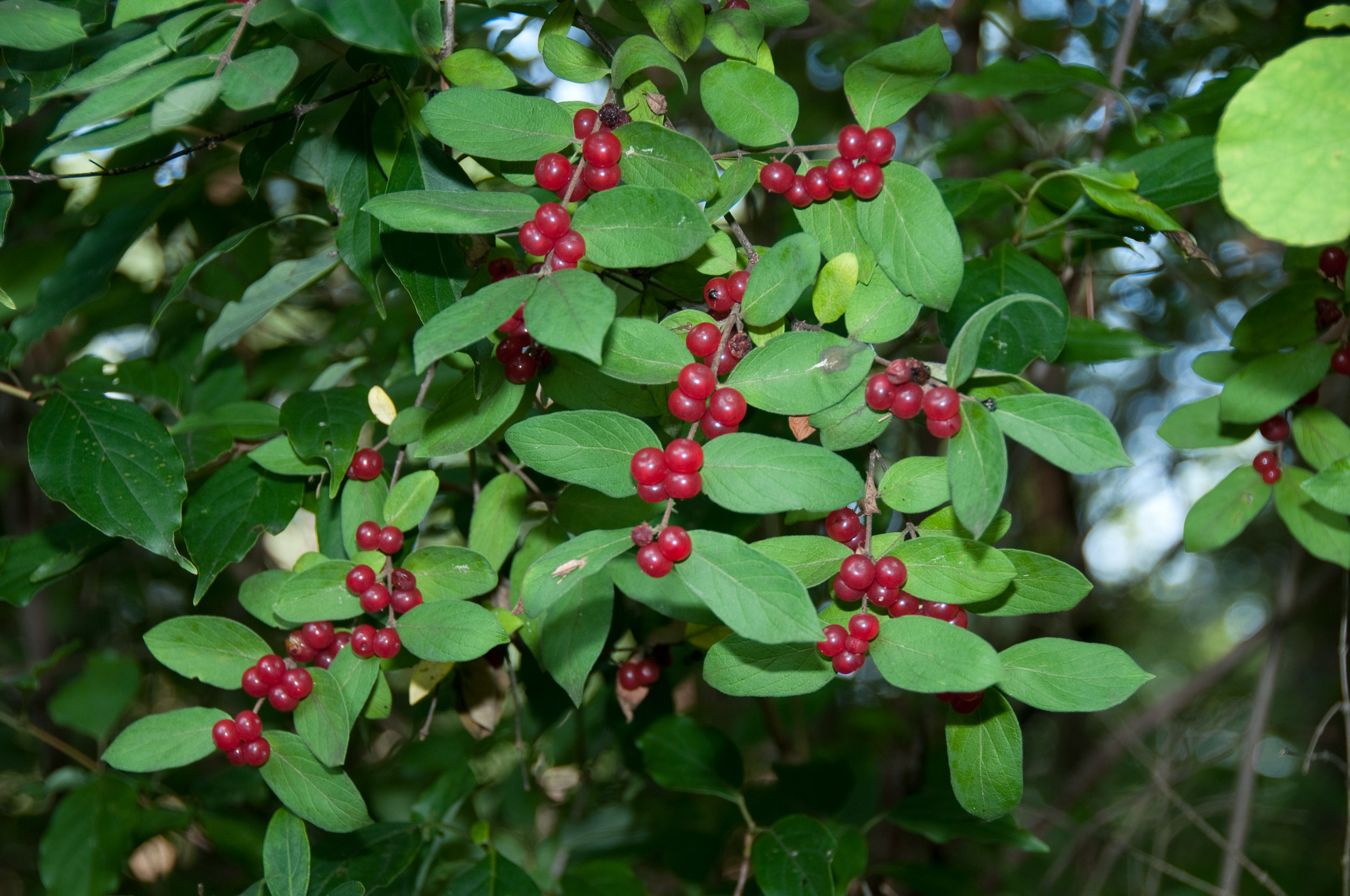
8/4/2009 · Near Nashoba Hospital, Ayer, Massachusetts · ≈ 14 × 10″ (36 × 24 cm) 
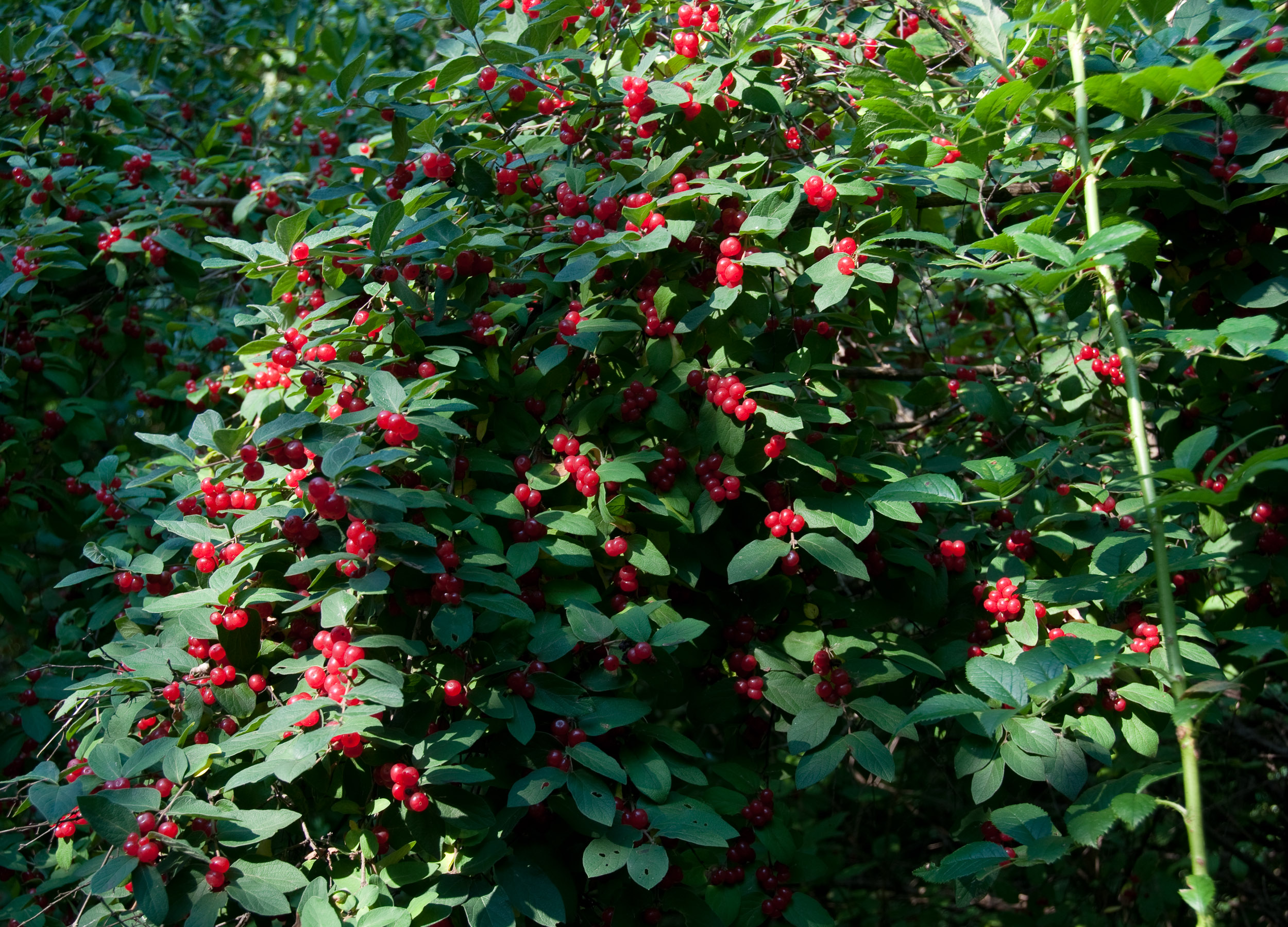
8/4/2009 · Near Nashoba Hospital, Ayer, Massachusetts · ≈ 2 × 1½′ (69 × 50 cm) 
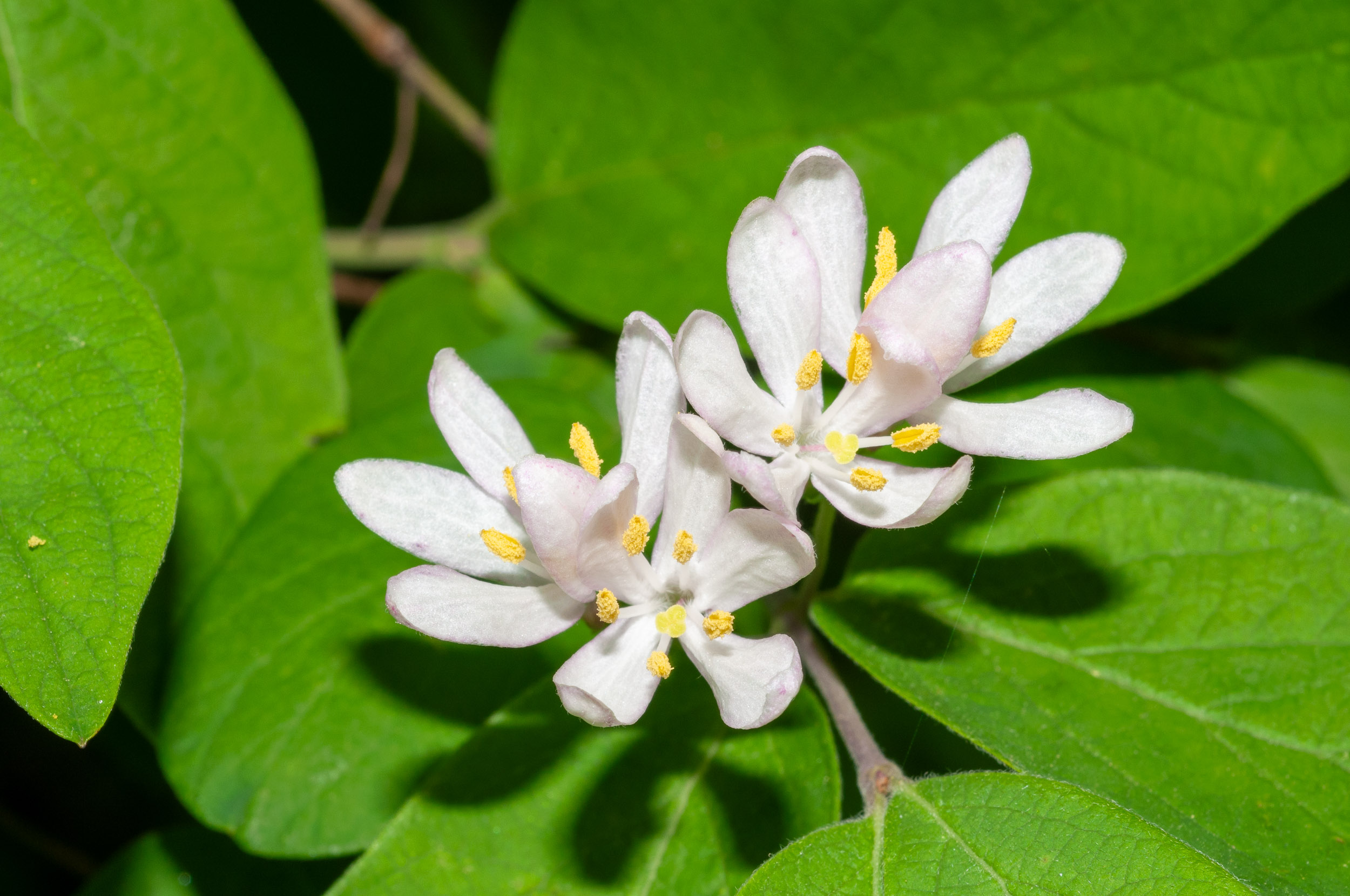
5/4/2010 · Nashua River Rail Trail, East Pepperell, Massachusetts · ≈ 4½ × 3″ (11 × 7.9 cm) ID is uncertain 
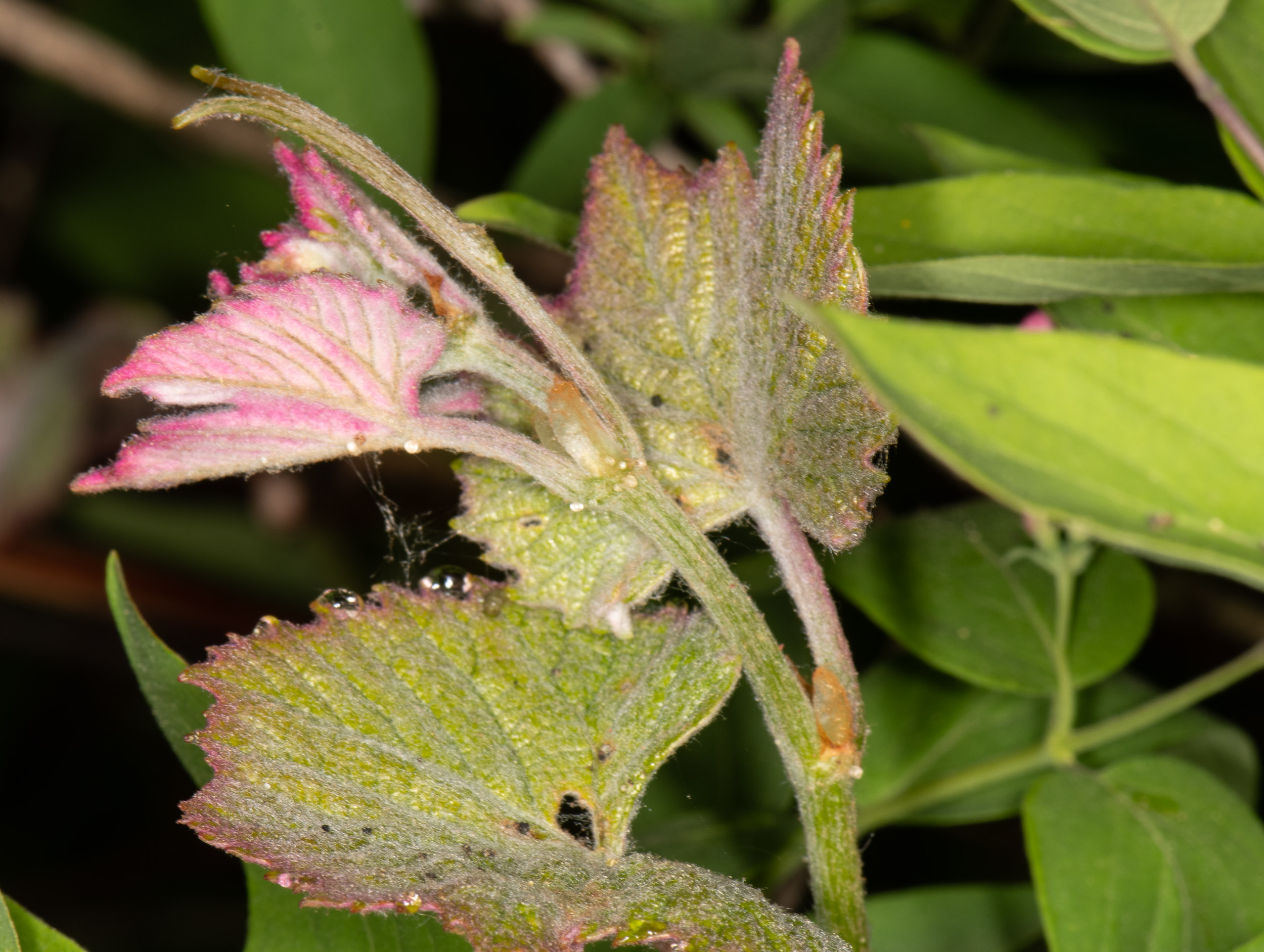
5/21/2021 · Skolfield Shores Preserve, Harpswell, Maine · ≈ 4 × 3″ (10 × 8.1 cm) 
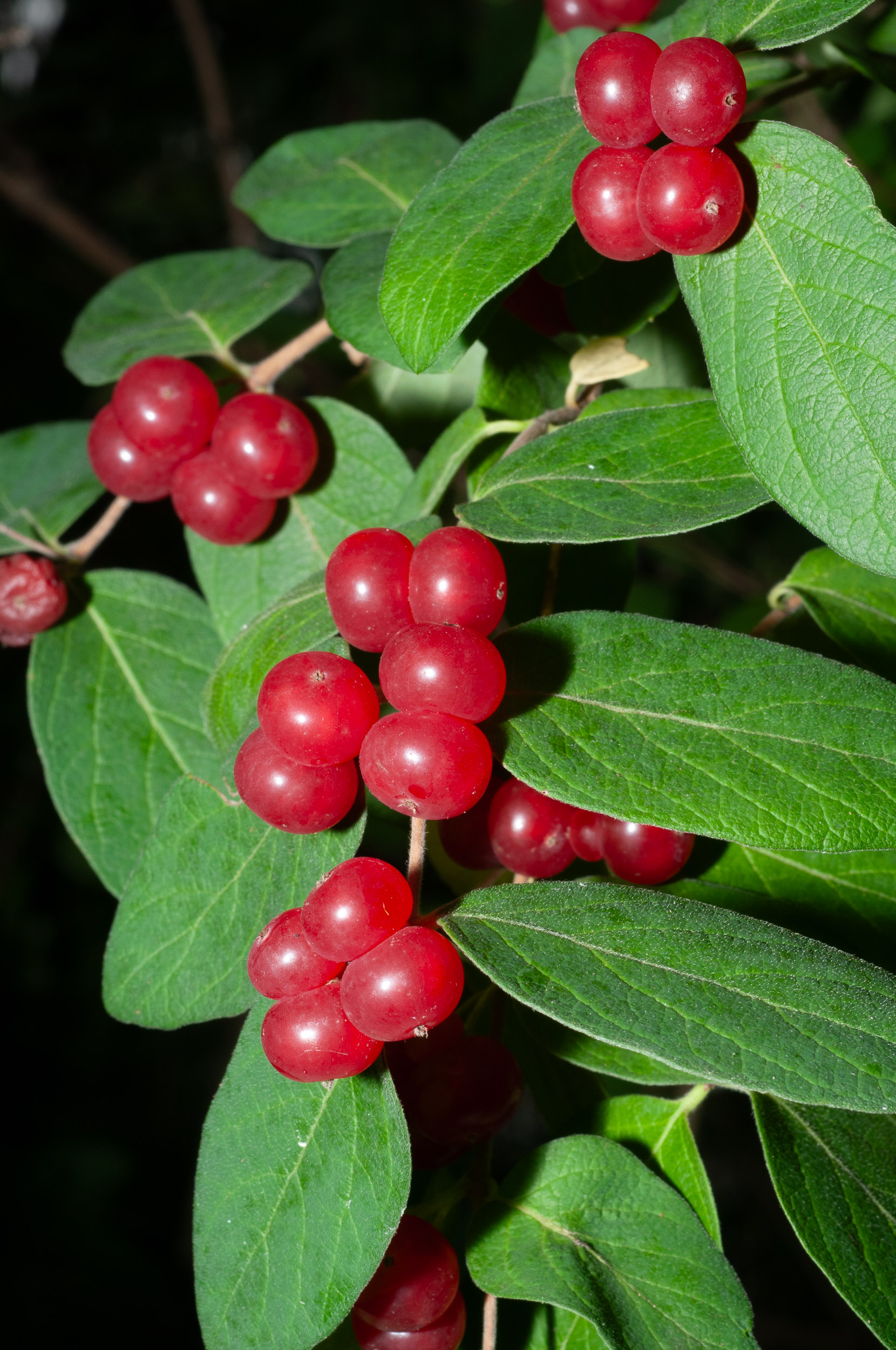
8/4/2010 · Nashua River Rail Trail, Groton Center, Groton, Massachusetts · ≈ 4½ × 7″ (11 × 17 cm) 
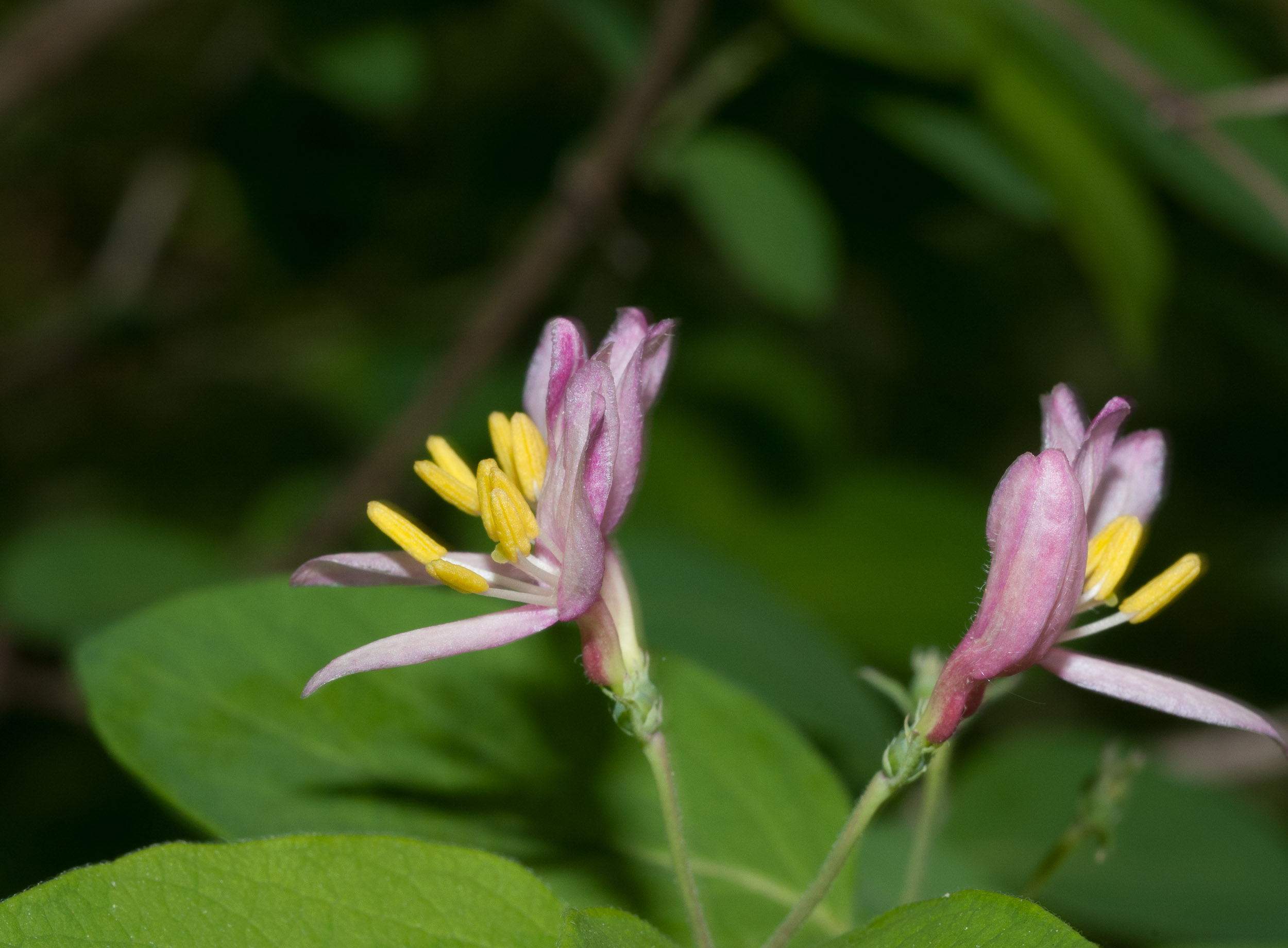
5/11/2010 · Nashua River Rail Trail, Pepperell, Massachusetts · ≈ 4 × 3″ (10 × 7.9 cm) 
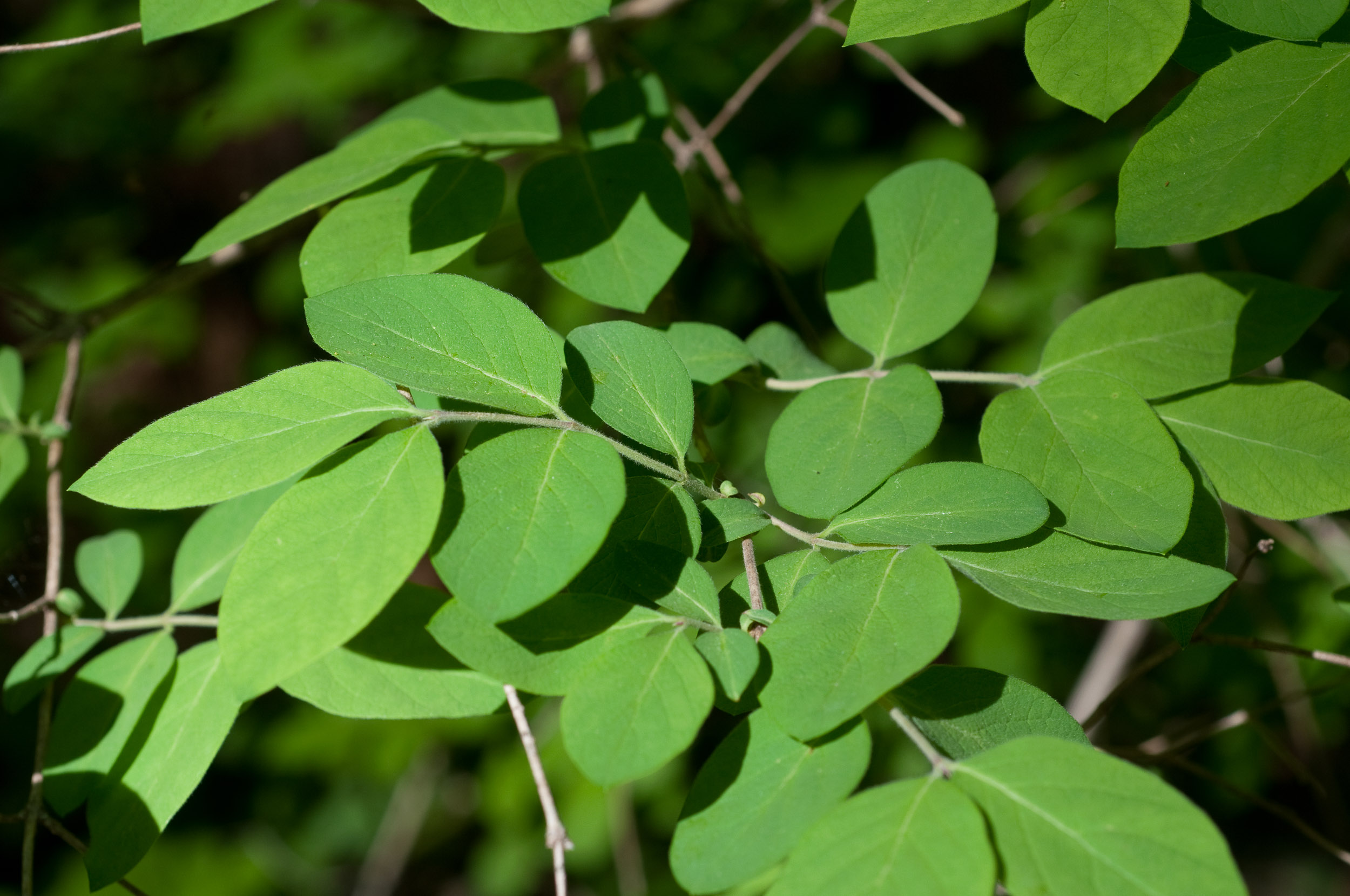
5/7/2010 · Nashua River Rail Trail, Groton Center, Groton, Massachusetts · ≈ 9 × 6″ (22 × 14 cm) 
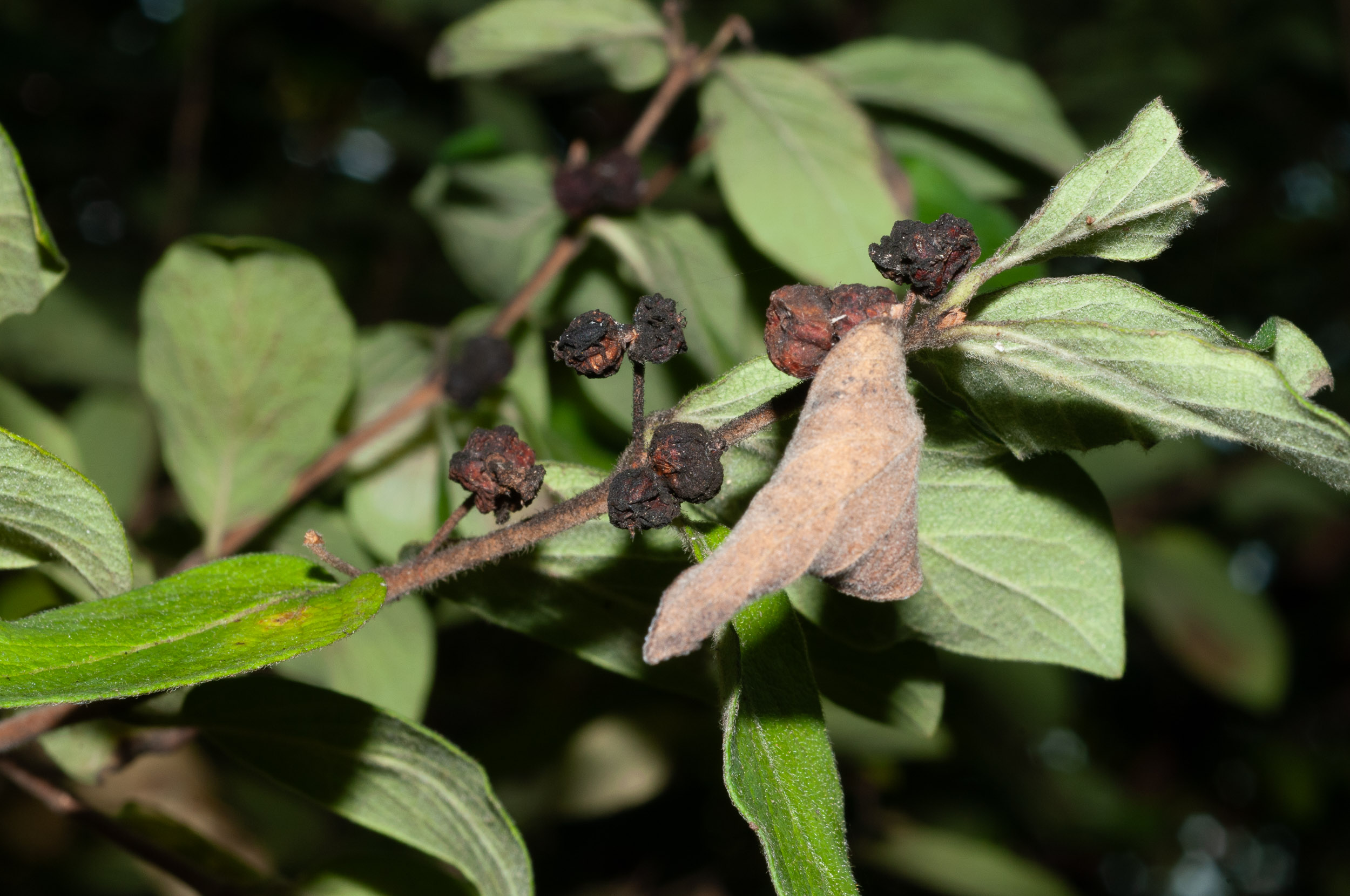
These honeysuckle “raisins” resulted from a very dry summer. · 9/21/2010 · Unquetynasset Brook, Nashua River Rail Trail, Dunstable, Massachusetts · ≈ 5 × 3½″ (13 × 9.2 cm) ID is uncertain 
| Kingdom | Plantae | Plants, but not fungi, lichens, or algae (from Stearn's Botanical Latin) |
| Subkingdom | Tracheobionta | Vascular plants—plants with a “circulatory system” for delivering water and nutrients |
| Division | Magnoliophyta | Flowering plants, also known as angiosperms |
| Class | Magnoliopsida | Dicotyledons—plants with two initial seed leaves |
| Subclass | Asteridae | A large class that encompasses asters |
| Order | Dipsacales | Includes viburnum, honeysuckle, snowberry, beautybush, twinflower, many others |
| Family | Caprifoliaceae | Honeysuckle family |
| Genus | Lonicera | Either Latin for honeysuckle, though this is not a “true” honeysuckle; or named for Adam Lonitzer (1528-1586), a German herbalist, physician and botanist who wrote a standard herbal text that was reprinted many times between 1557 and 1783 |
| Species | tatarica | Tartaria was the name for a great tract of northern and central Asia |
Lonicera tatarica description by Thomas H. Kent, not updated.

© FloraFinder.org. All rights reserved.