Lyonia ligustrina (L.) DC.
Maleberry, he-huckleberry
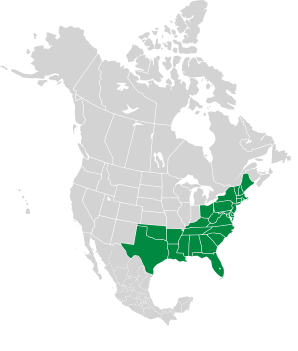
Maleberry is native to eastern North America. Northern maleberry, L. ligustrina var. ligustrina, is fully deciduous, while its southern counterpart, L. ligustrina var. foliosiflora, occurs at elevations of less than 1000′ (304 m) in more southern locales, and is more likely to retain leaves in the winter.
Plants: A branching deciduous shrub 3–13′ (1–4 m) tall. The bark has longitudinal furrows.
Leaves: Gray-green leaves are elliptic, obovate, or ovate, and ¾–3½ ⨉ ⅜–1¾″ (2–9.5 ⨉ 1–4.5 cm) in size. Each leaf has minute teeth and appressed hairs visible at higher magnification (5-10x).
Flowers: Large racemes of white, urnlike flowers, each 1/16–⅛ ⨉ 1/16–⅛″ (2–4 ⨉ 2–4.5 mm) in size.
Fruits: Roughly round capsules contain five valves, opening when dry and containing seeds 1/32–1/16″ (0.7–1.7 mm) long.
Habitats: Most common in wetlands such as bogs. Less common in drier habitats, and at higher elevations in warmer climates.
Edibility: Fruits are hard and dry, and inedible.
Edibility: Poisonous  . Flowers, leaves and sap
are toxic to humans and animals. Fruits are hard and dry, and inedible, and likely also toxic.
. Flowers, leaves and sap
are toxic to humans and animals. Fruits are hard and dry, and inedible, and likely also toxic.
Online References:

5/12/2016 · Wildlife Pond Trail, Beaver Brook Association, Hollis, New Hampshire 

9/9/2010 · Pine Meadow Conservation Trust Land, Groton Harvard Road, Ayer, Massachusetts · ≈ 4½ × 4″ (11 × 10 cm) 

8/15/2025 · Sabino Head Road, Fort Baldwin State Park, Phippsburg, Maine · ≈ 7 × 4½″ (17 × 11 cm) 
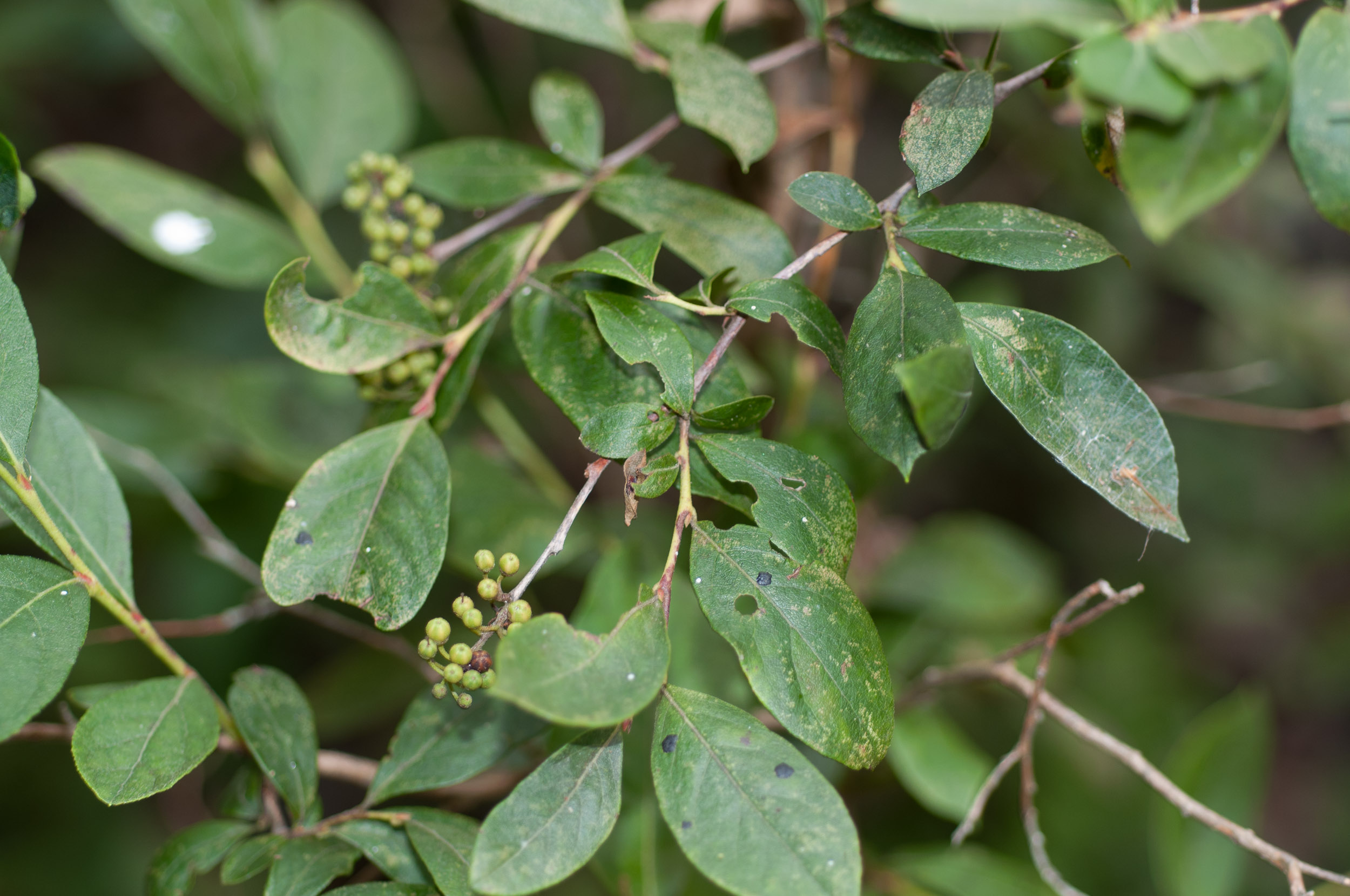
9/9/2010 · Pine Meadow Conservation Trust Land, Groton Harvard Road, Ayer, Massachusetts · ≈ 9 × 6″ (23 × 15 cm) 

8/3/2025 · Saco Heath Preserve, Saco, Maine · ≈ 5 × 4″ (13 × 10 cm) 
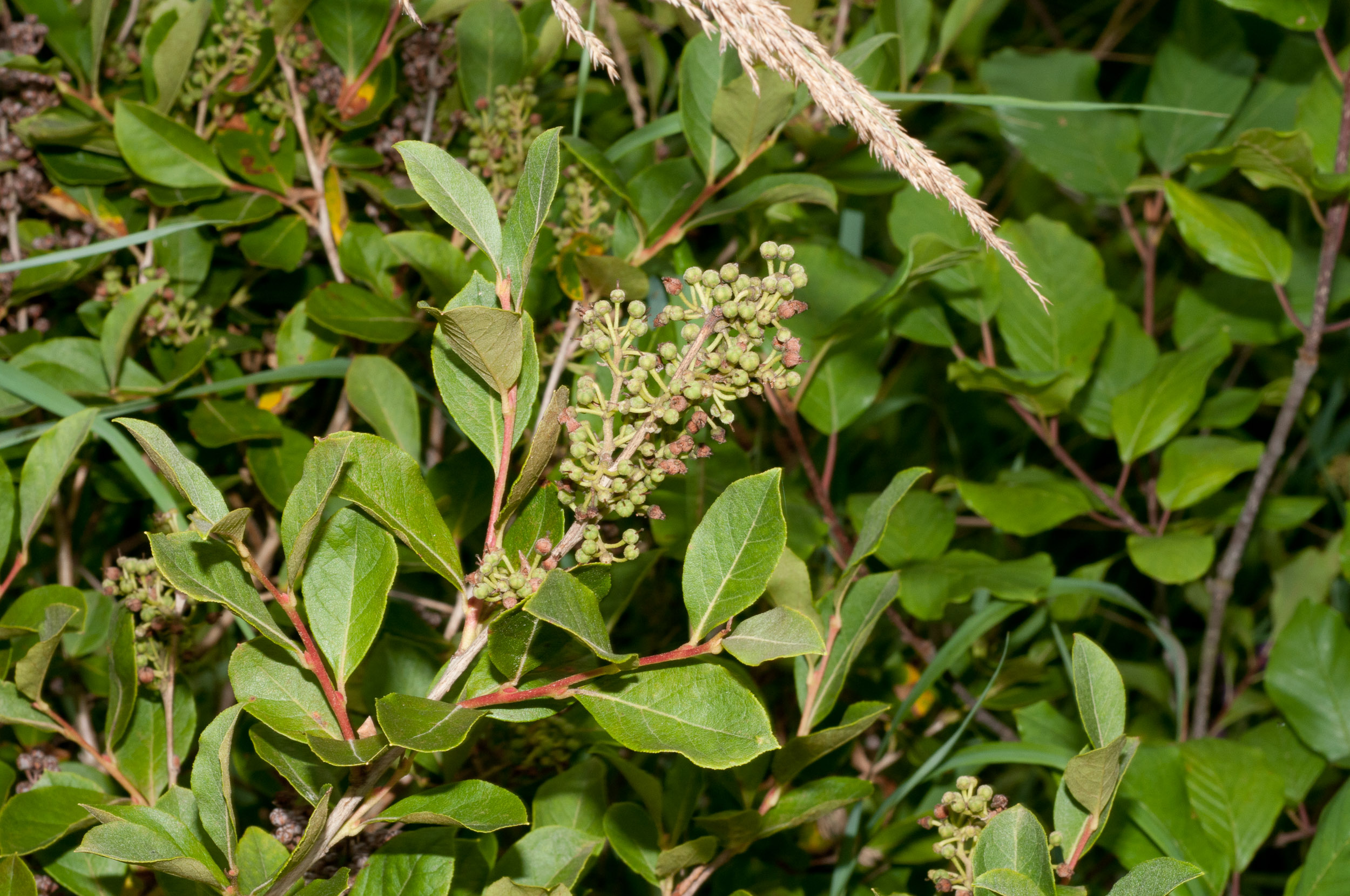
7/16/2010 · Nashua River Rail Trail, Groton Center, Groton, Massachusetts · ≈ 11 × 7″ (27 × 18 cm) 
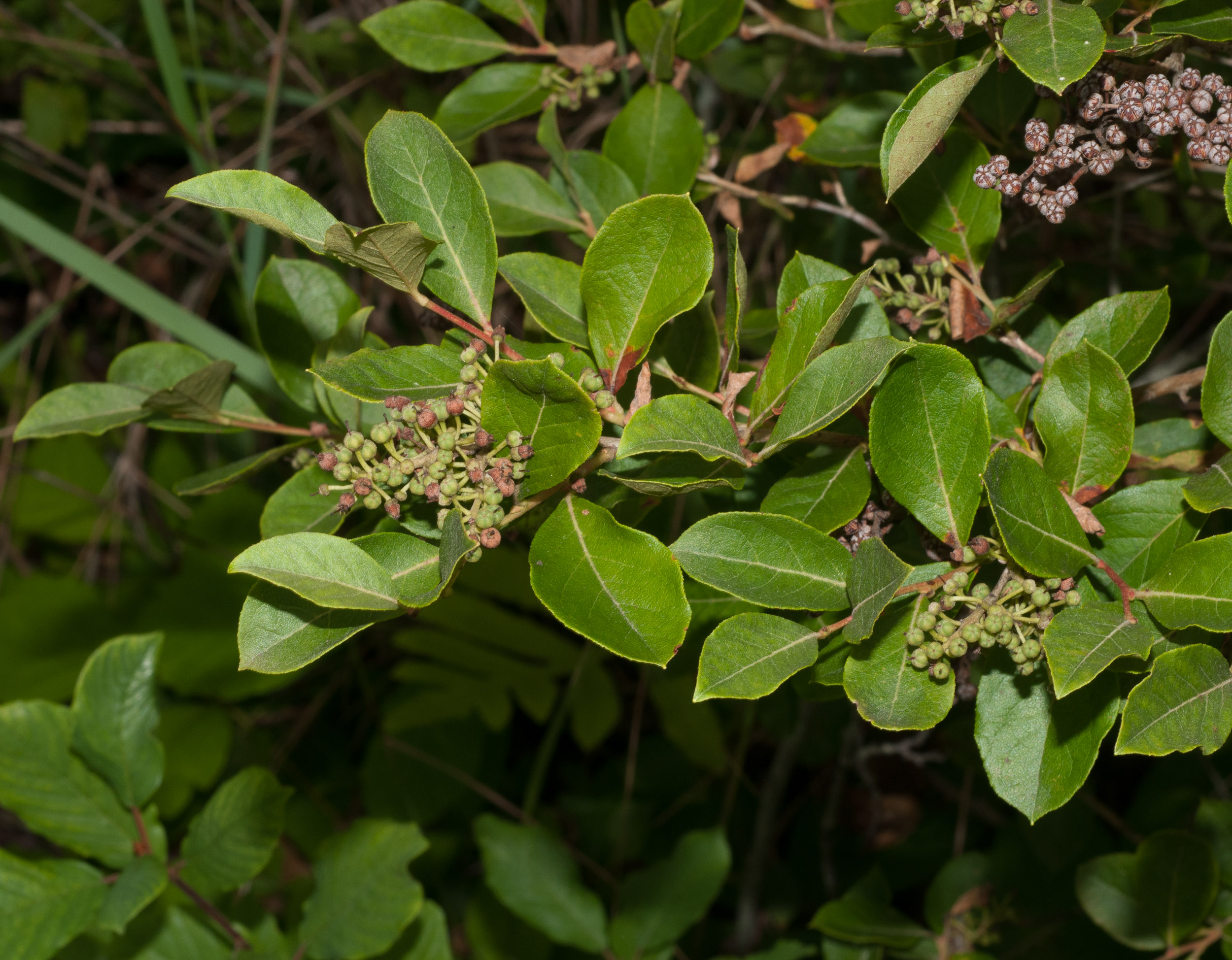
7/16/2010 · Nashua River Rail Trail, Groton Center, Groton, Massachusetts · ≈ 9 × 7″ (23 × 18 cm) 

9/9/2010 · Pine Meadow Conservation Trust Land, Groton Harvard Road, Ayer, Massachusetts · ≈ 6 × 4½″ (15 × 11 cm) 
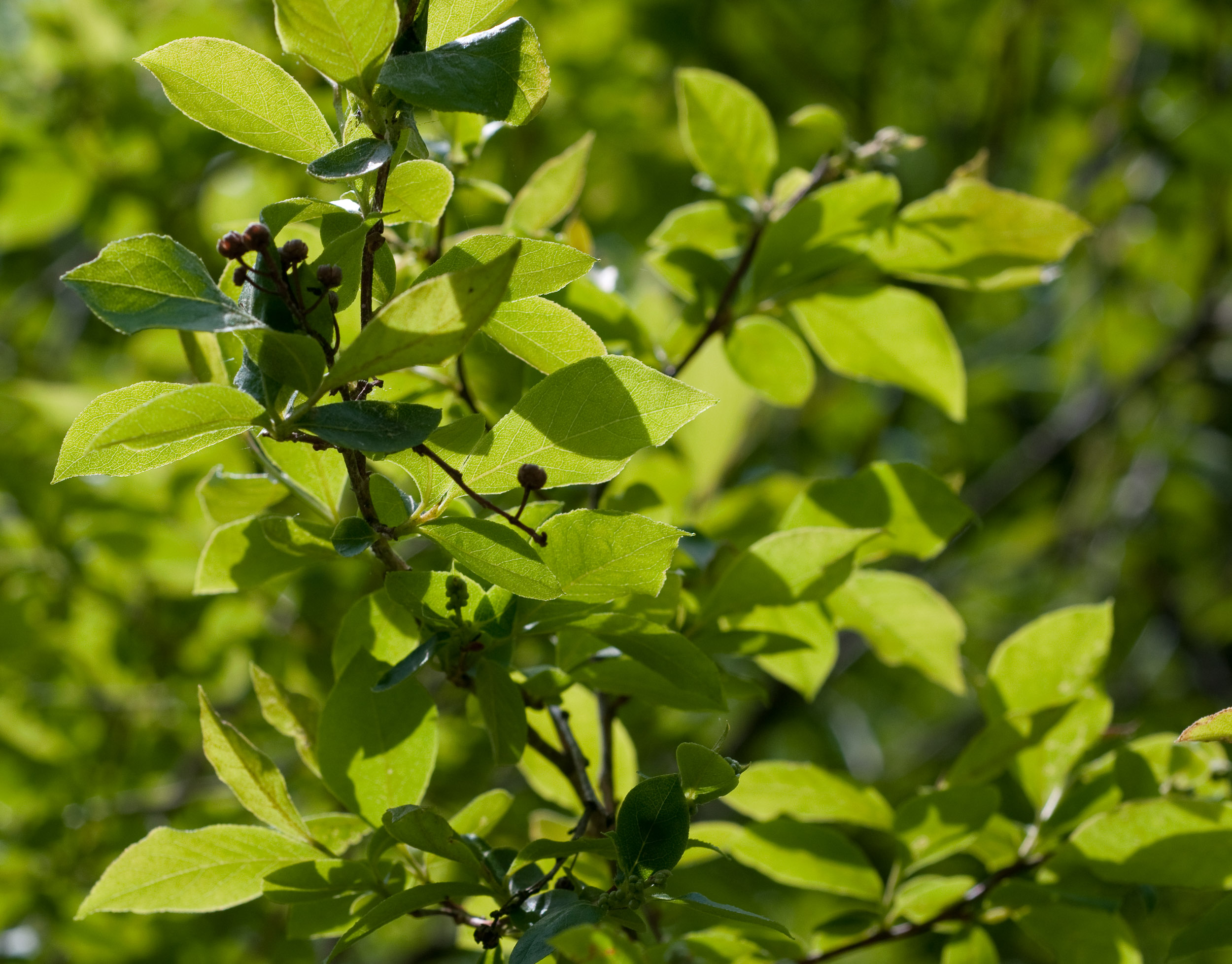
5/22/2010 · Garden in the Woods, Framingham, Massachusetts · ≈ 8 × 6″ (20 × 15 cm) 
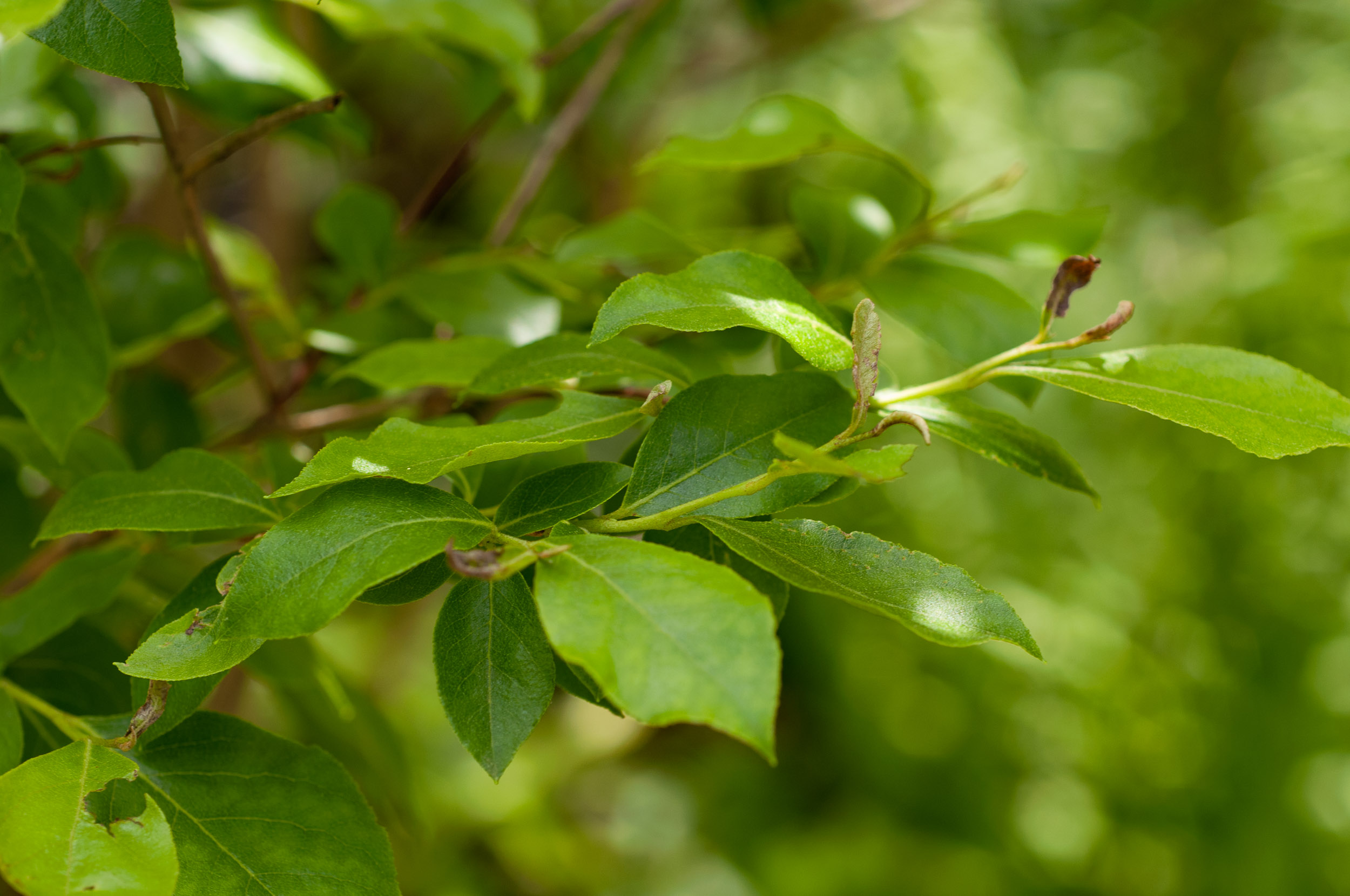
5/22/2010 · Garden in the Woods, Framingham, Massachusetts · ≈ 2 × 1′ (59 × 39 cm) 

8/15/2025 · Sabino Head Road, Fort Baldwin State Park, Phippsburg, Maine · ≈ 7 × 4½″ (17 × 11 cm) 
| Kingdom | Plantae | Plants, but not fungi, lichens, or algae (from Stearn's Botanical Latin) |
| Subkingdom | Tracheobionta | Vascular plants—plants with a “circulatory system” for delivering water and nutrients |
| Division | Magnoliophyta | Flowering plants, also known as angiosperms |
| Class | Magnoliopsida | Dicotyledons—plants with two initial seed leaves |
| Subclass | Asteridae | A large class that encompasses asters |
| Order | Ericales | Tea, persimmon, blueberry, Brazil nut, azalea, many others |
| Family | Ericaceae | Heath or heather family |
| Genus | Lyonia | For For John Lyon, 1818 Scottish gardener and collector of American plants |
| Species | ligustrina | Named for the resemblance to the (unrelated) privet Ligustrum |
Lyonia ligustrina description by Thomas H. Kent, not updated.

© FloraFinder.org. All rights reserved.