Pedicularis canadensis L.
Common lousewort, Canadian lousewort
Common lousewort is a North American native.
Plants: A herbaceous perennial, plants are up to 12″ (30 cm) tall, forming clonal colonies. The term lousewort, meaning “louse plant,” reflects a long-discredited belief that livestock grazing on the plants picked up lice.
Leaves: Most leaves are dense basal rosettes. All are soft and hairy, and up to 8″ (20 cm) long. Leaves are alternate, lanceolate to oblong, deeply incised, wavy, and irregularly toothed. They may appear reddish purple under sunlight. Lousewort is hemiparasitic—dependent in part on energy siphoned from nearby plants, rather than solely on sunlight. It creates tissue connections between its roots and those of host plants. It is also able to grow without access to host plants.
Flowers: The inflorescence is a spike atop the stem. Yellow flowers (sometimes pink, reddish purple, or even bicolored) appear from the bottom of the stalk, working their way up. Flowers appear from April to June.
Fruits: Brown seed capsules ⅜–⅝″ (1.2–1.6 cm) long disperse themselves through explosive dehiscence.
Habitats: Forests, barrens, dry woodlands, sandy oak savannas, upland prairies, and rocky riparian woodlands.
Online References:
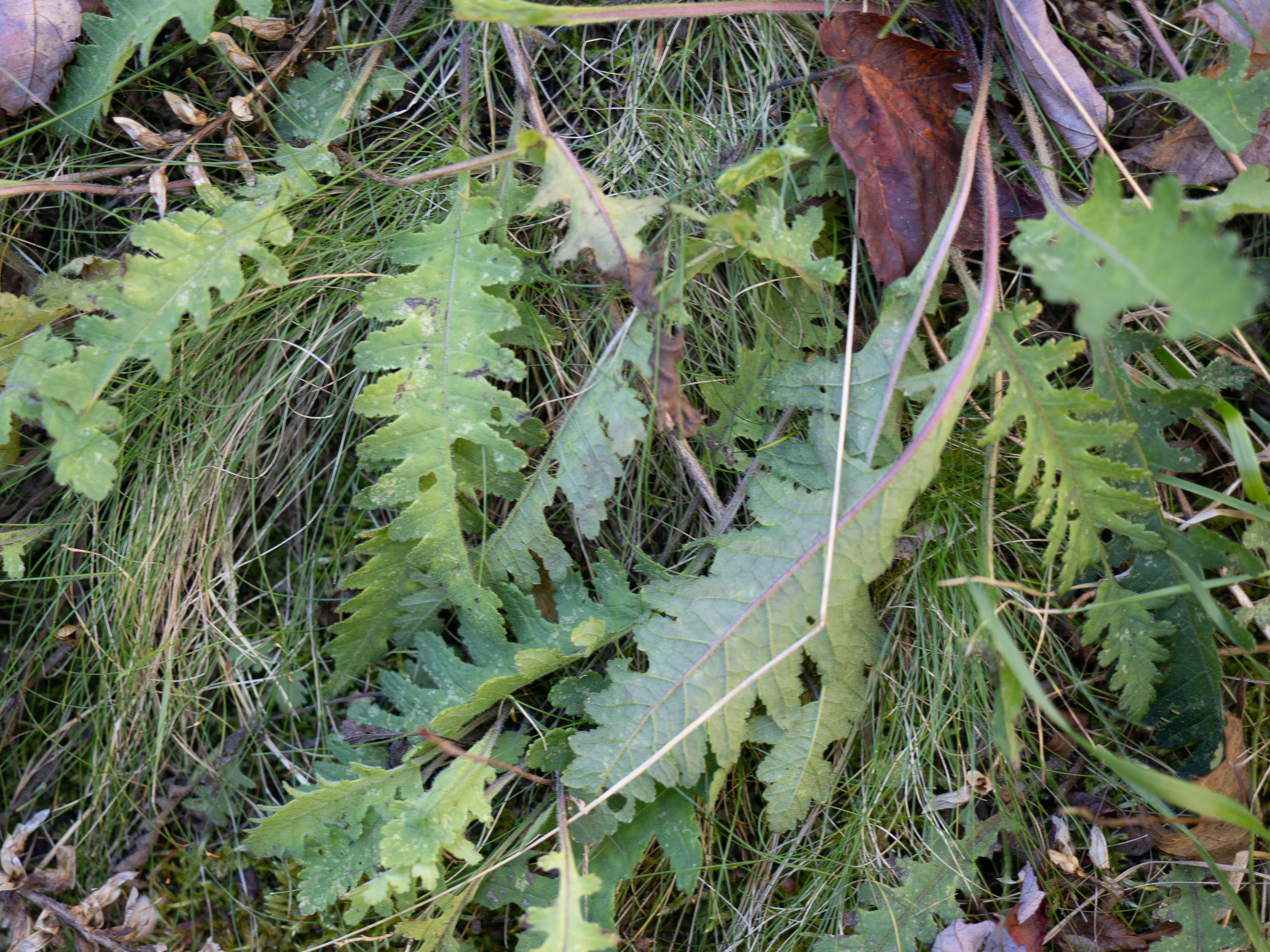
10/18/2024 · Spruce Mountain, Rockland, Maine 
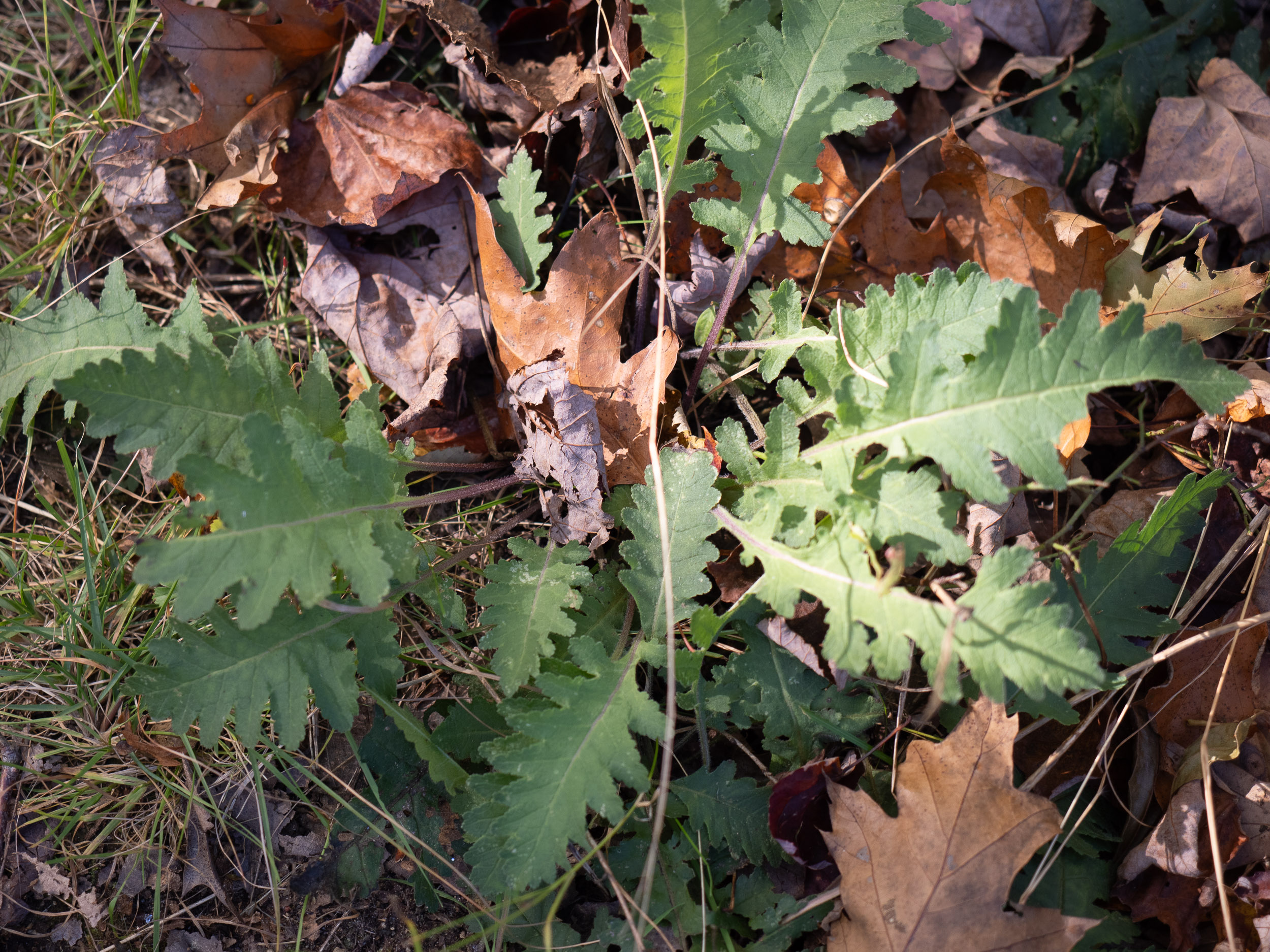
10/18/2024 · Spruce Mountain, Rockland, Maine 
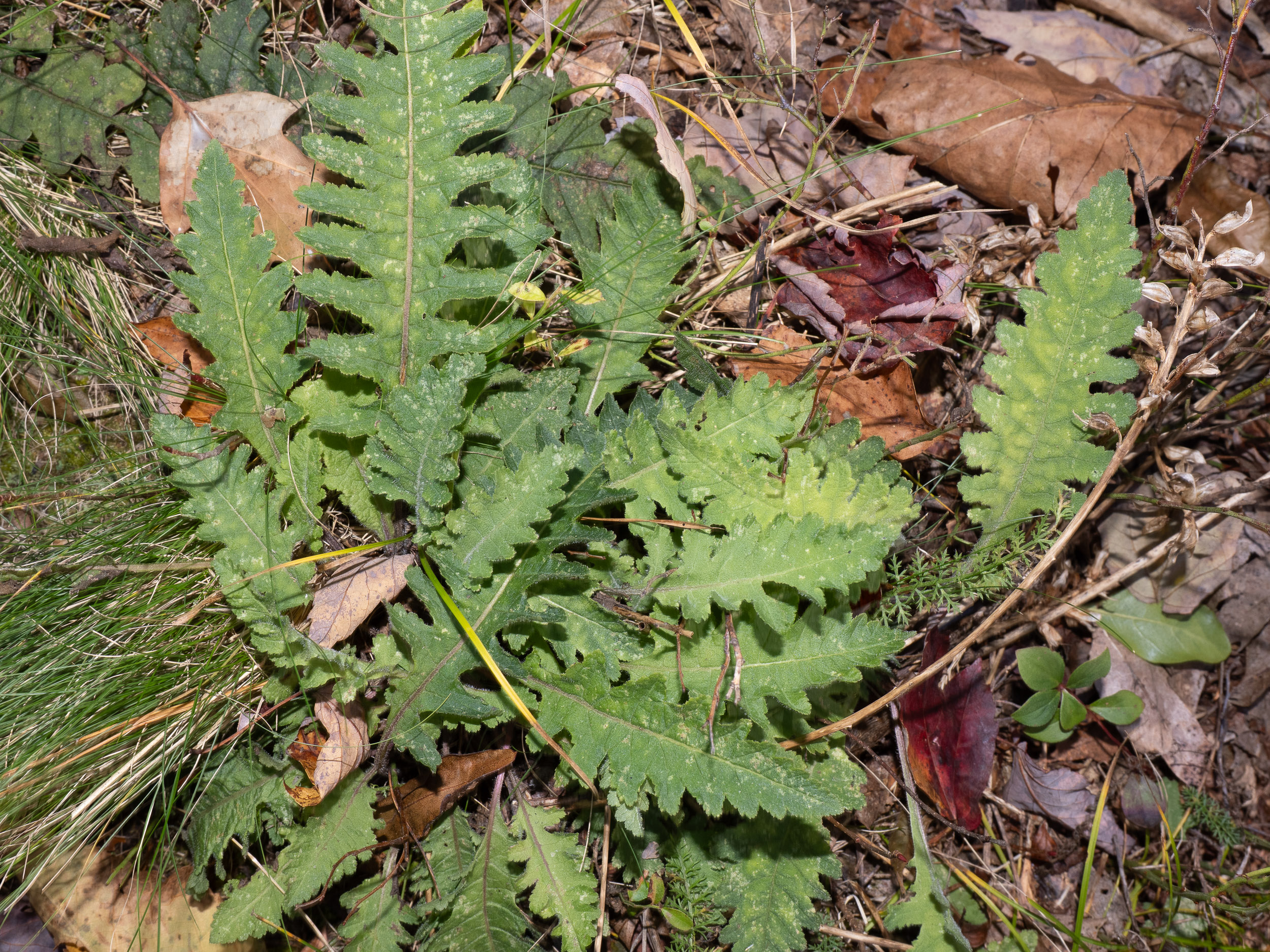
10/18/2024 · Spruce Mountain, Rockland, Maine 
| Kingdom | Plantae | Plants, but not fungi, lichens, or algae (from Stearn's Botanical Latin) |
| Subkingdom | Tracheobionta | Vascular plants—plants with a “circulatory system” for delivering water and nutrients |
| Division | Magnoliophyta | Flowering plants, also known as angiosperms |
| Class | Magnoliopsida | Dicotyledons—plants with two initial seed leaves |
| Subclass | Asteridae | A large class that encompasses asters |
| Order | Lamiales | Aromatic herbs and shrubs, including lavender, lilac, olive, jasmine, ash, teak, snapdragon, sesame, psyllium, garden sage, mint, basil, and rosemary |
| Family | Orobanchaceae | Broomrape family of parasitic plants |
| Genus | Pedicularis | From the Latin pediculus, “louse,” referring to the old English belief that when cattle grazed on these plants, they became infested with lice. The common head and body louse that typically infect human beings is called Pediculus humanus |
| Species | canadensis | “Of or referring to Canada” |
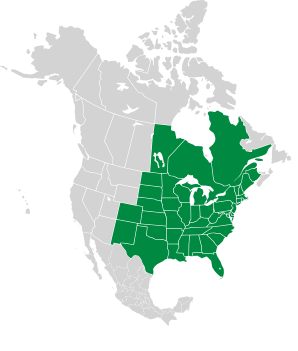
Pedicularis canadensis description by Thomas H. Kent, not updated.

© FloraFinder.org. All rights reserved.