Phleum pratense L. var. nodosum (L.) Huds.
Phleum pratense L. ssp. nodosum (L.) Arcang.
Phleum pratense L.
Timothy
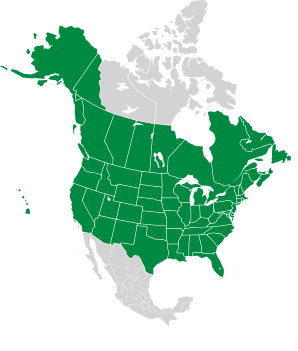
Timothy is a grass native to Europe, now abundant throughout North America and most of the world. It came to North America on the heels of early settlers and was first described here in 1711. Timothy Hanson promoted its use as hay in 1720, his first name becoming its common name. It is widely used for this purpose now, typically mixed with alfalfa for better nutritional balance. Some people are allergic to the pollen, which is released in prodigious quantities during the first half of summer.
Plants: 1½–5′ (50–150 cm) high.
Leaves: 1½′ ⨉ ⅜″ (45 ⨉ 1 cm), and are dull green to grayish-blue.
Flowers: The seedhead is pale gray-green, unbranched and cylindrical, about 2½–7 ⨉ ¼–⅜″ (7–17 cm ⨉ 8–10 mm). The narrow, neat seedheads are the most distinguishing feature.
Fruits: Seedheads become light brown in the fall. Seeds are tiny—there are about 1.2 million per pound.
Habitats: Timothy is adapted to a cool and humid climate. It thrives best on rich, moist bottomlands and clay loams.
Online References:
References:
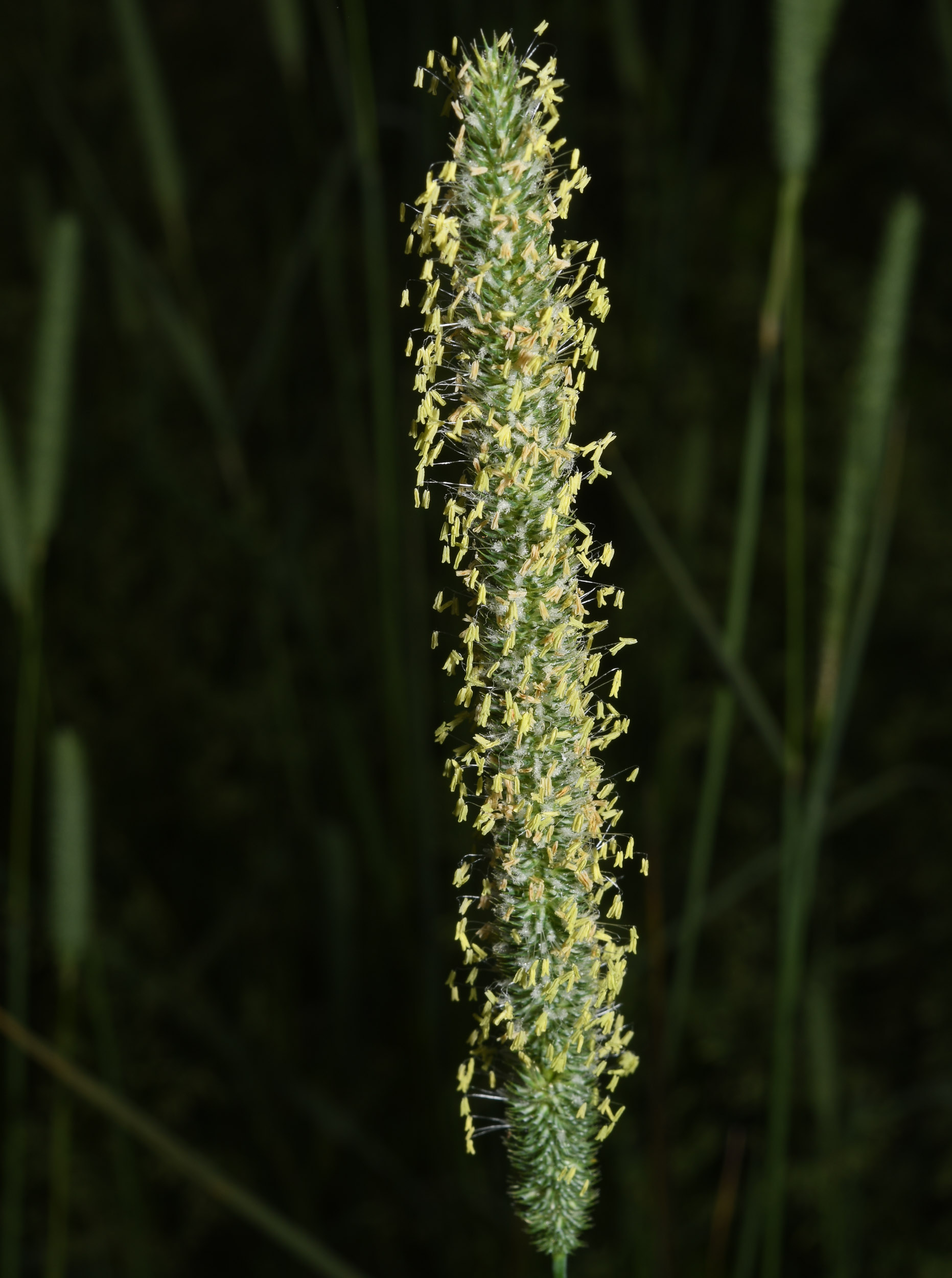
6/22/2016 · Nashua River Rail Trail, Groton, Groton, Massachusetts 
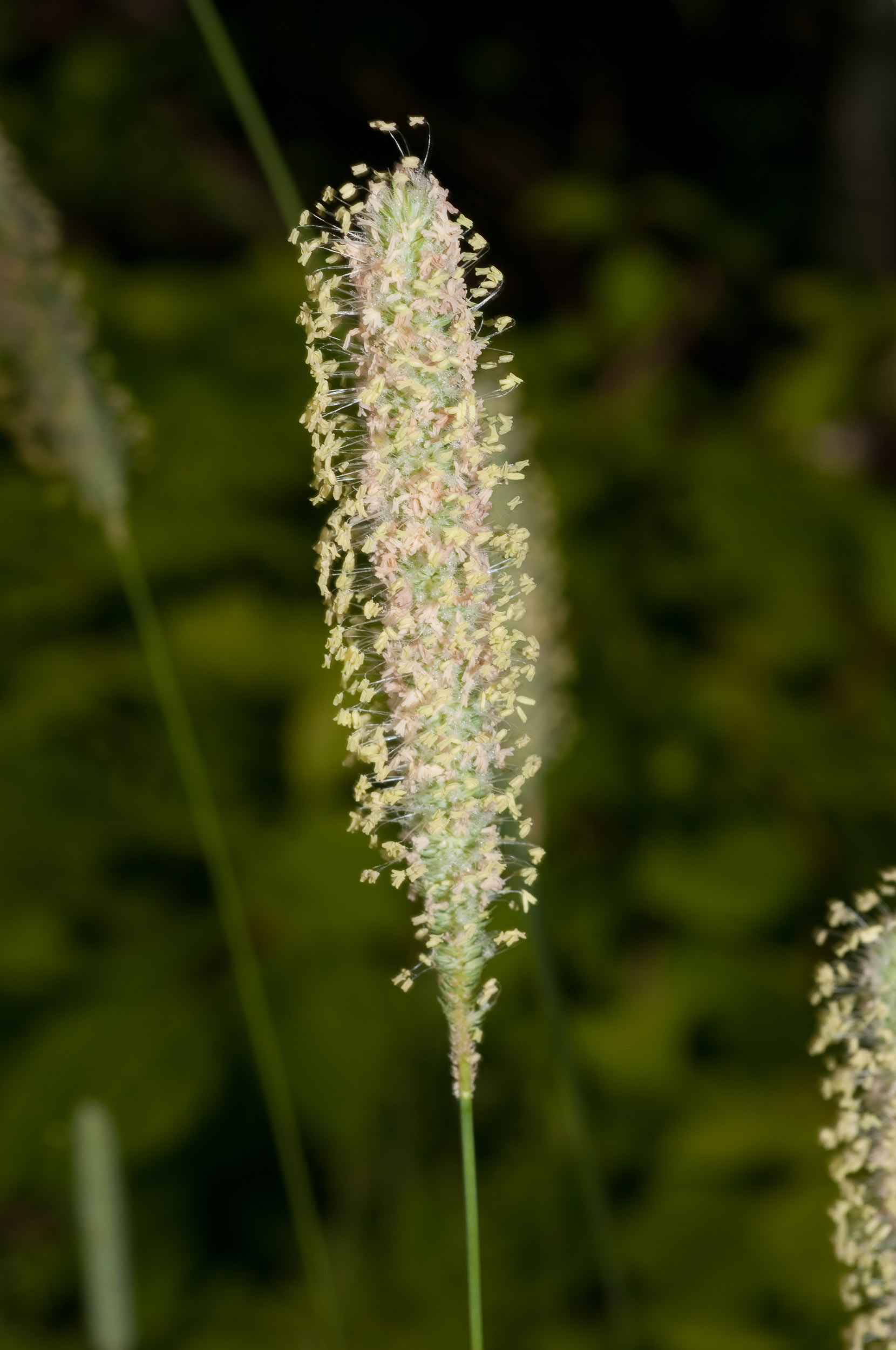
6/21/2010 · Nashua River Rail Trail, Groton Center, Groton, Massachusetts · ≈ 4 × 6″ (10 × 15 cm) 
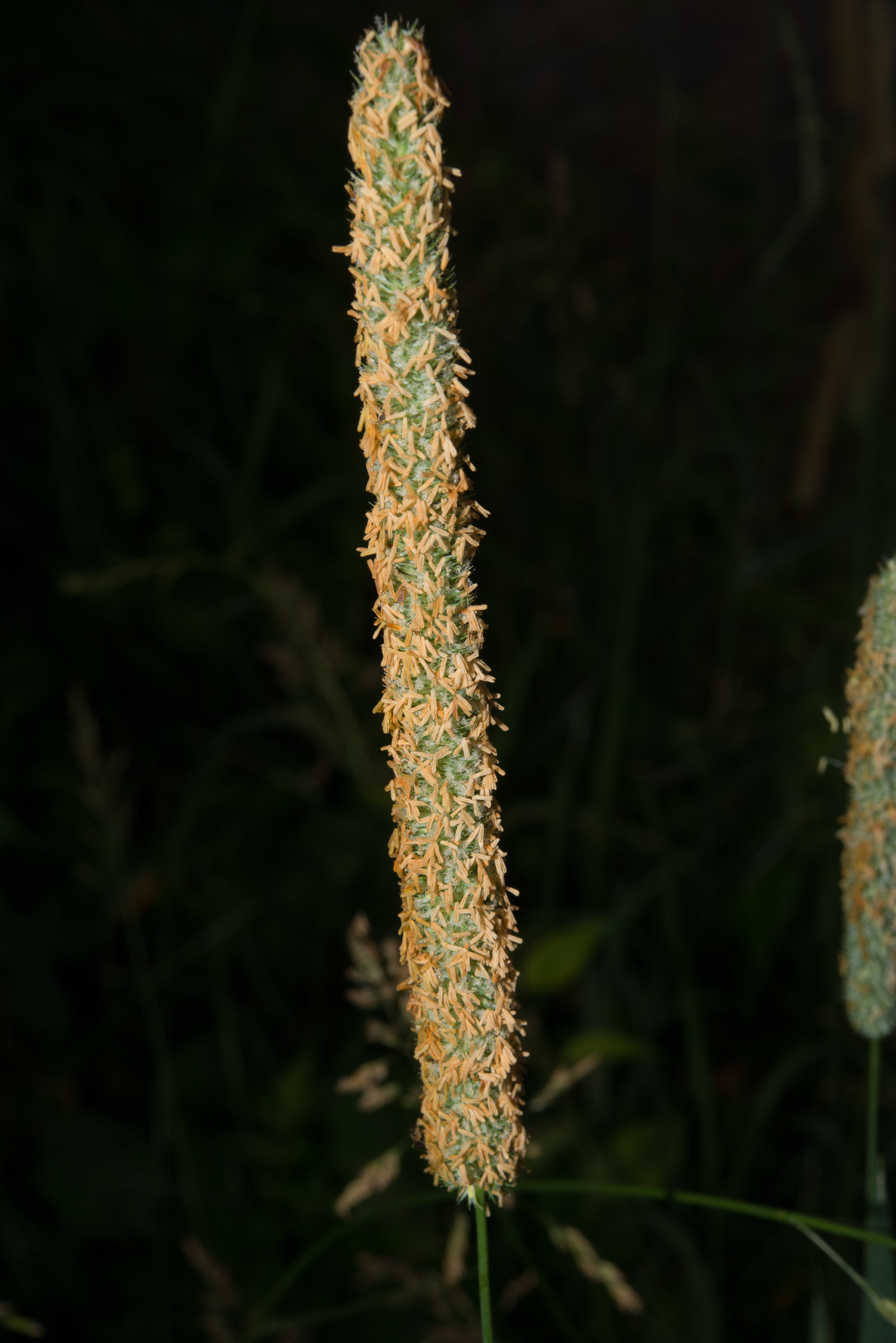
6/27/2013 · Nashua River Rail Trail, Groton Center, Groton, Massachusetts · ≈ 5 × 8″ (12 × 19 cm) 
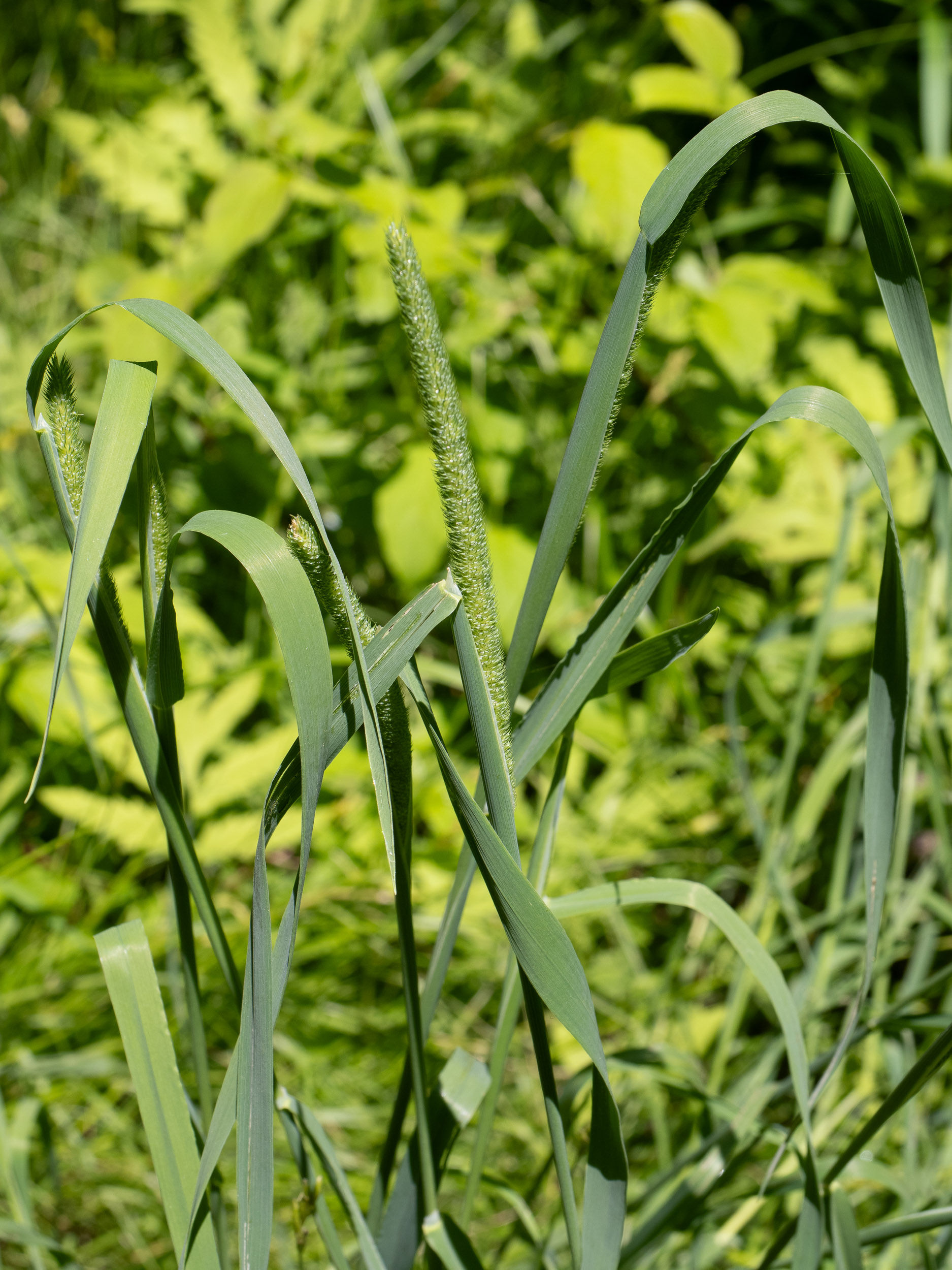
6/22/2023 · Florida Lake Park, Freeport, Maine 
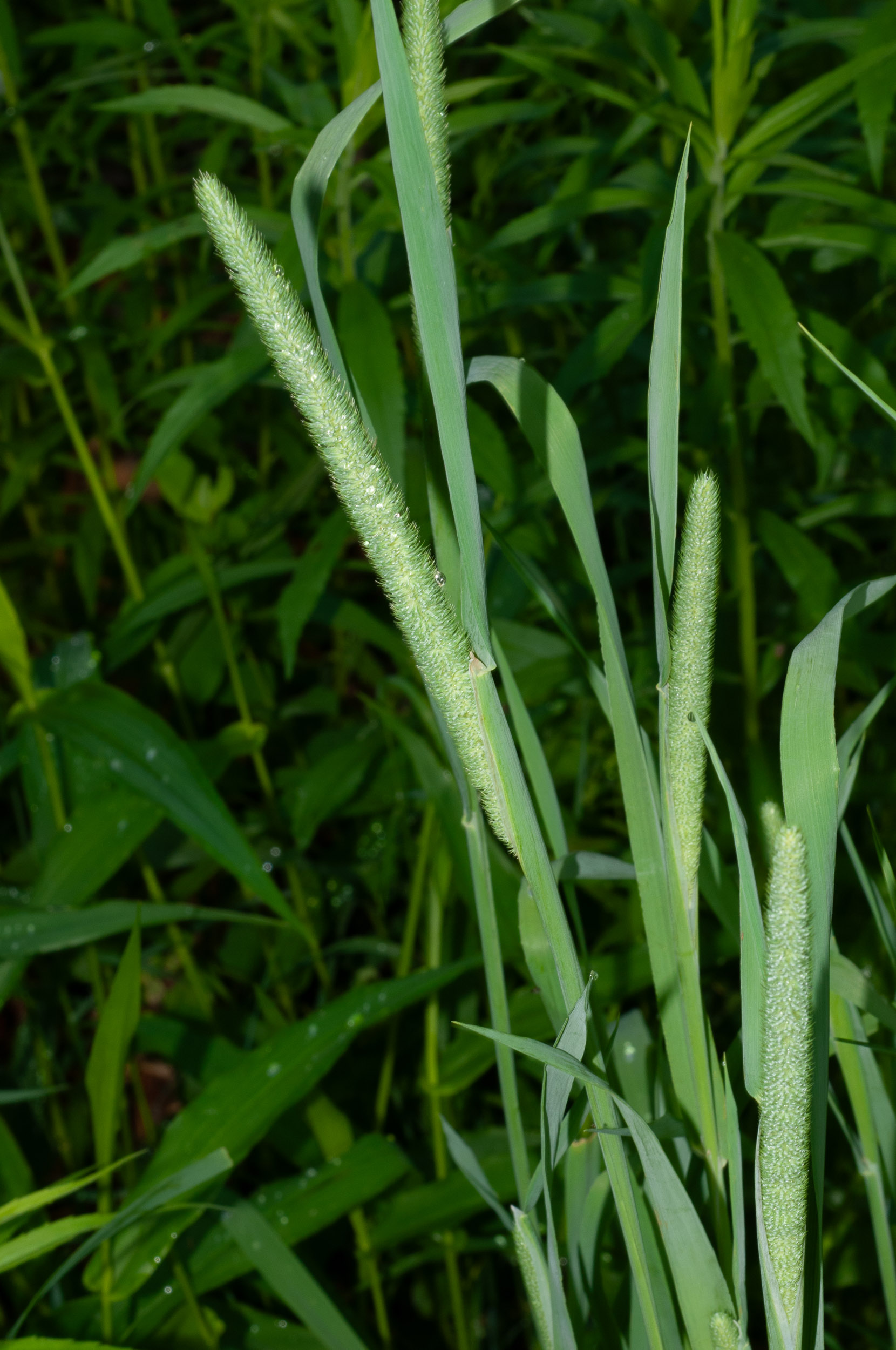
6/4/2010 · Nashua River Rail Trail, Ayer, Massachusetts · ≈ 7 × 11″ (18 × 27 cm) 
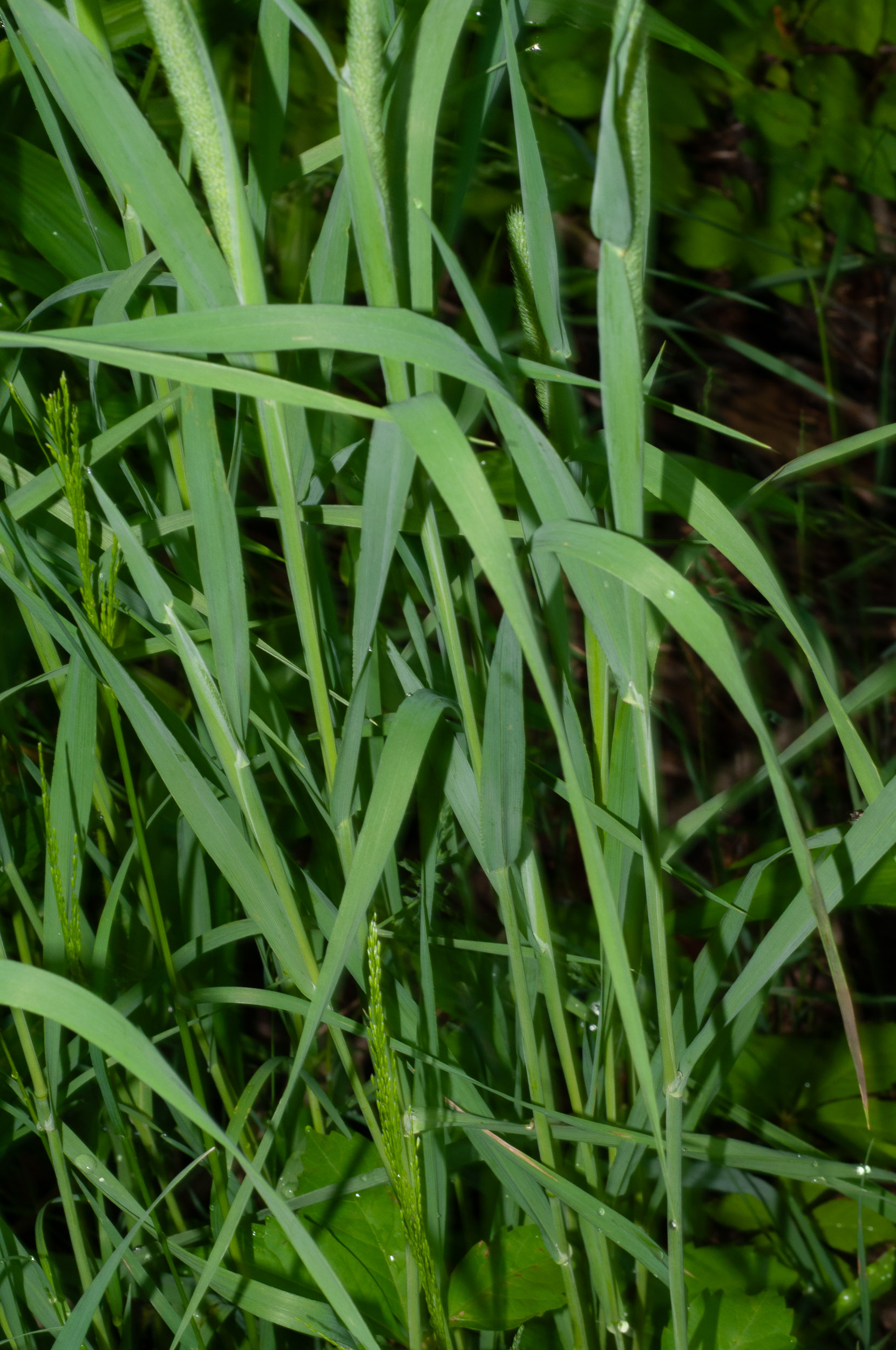
6/4/2010 · Nashua River Rail Trail, Ayer, Massachusetts · ≈ 9 × 14″ (23 × 35 cm) 
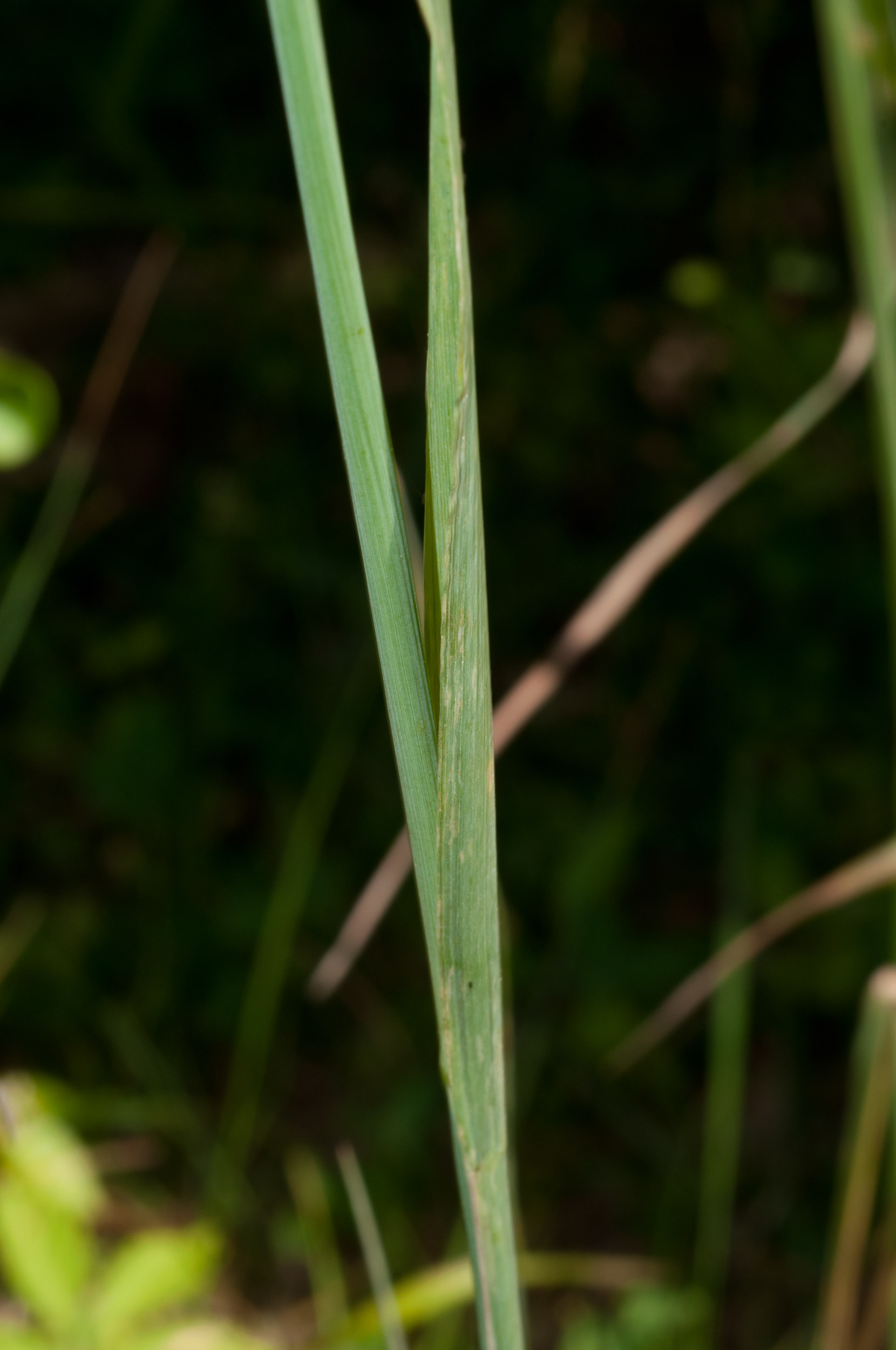
6/13/2011 · Great Falls State Park, Washington, DC · ≈ 3½ × 5″ (9.2 × 13 cm) 
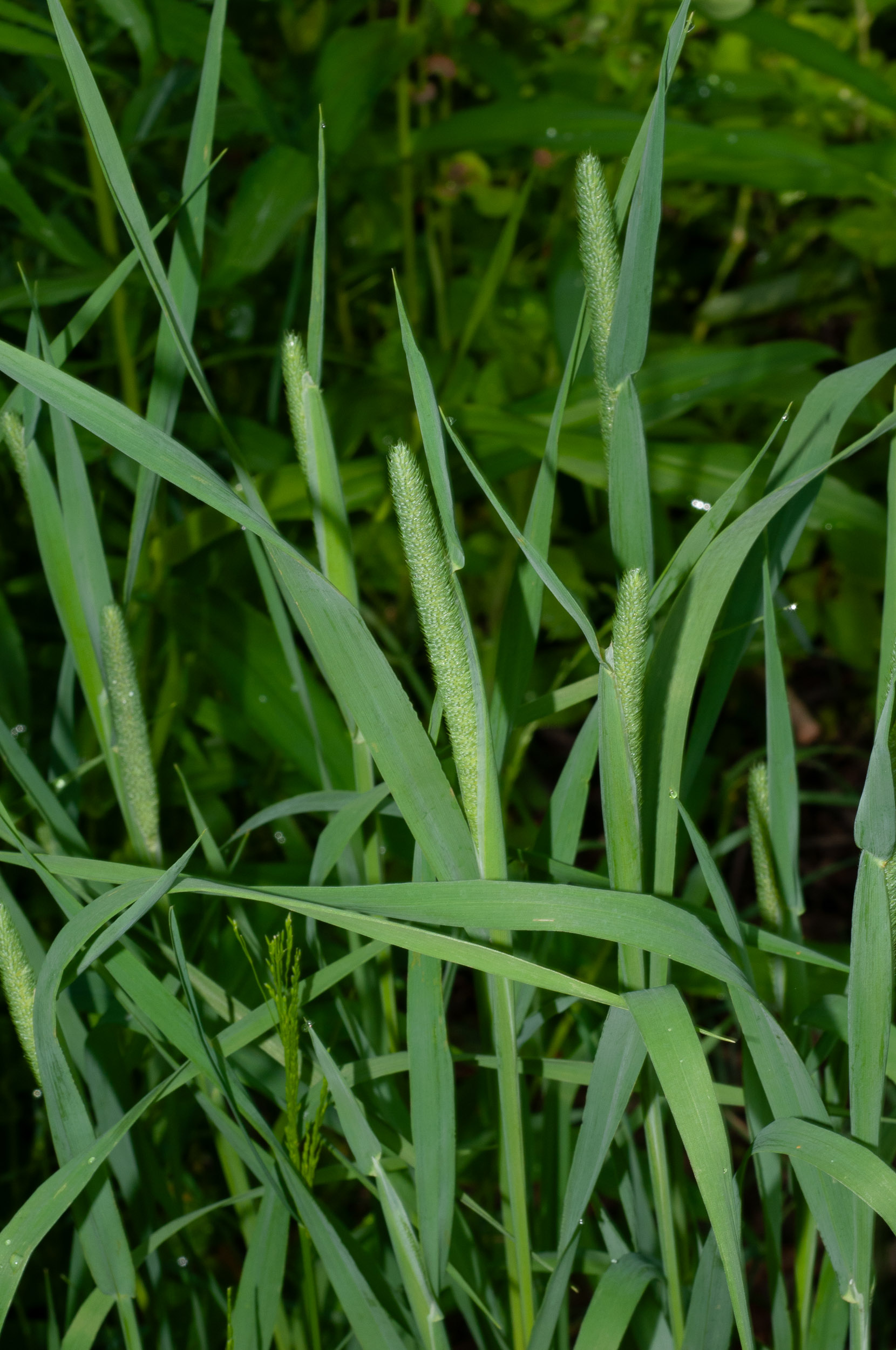
6/4/2010 · Nashua River Rail Trail, Ayer, Massachusetts · ≈ 7 × 11″ (18 × 27 cm) 
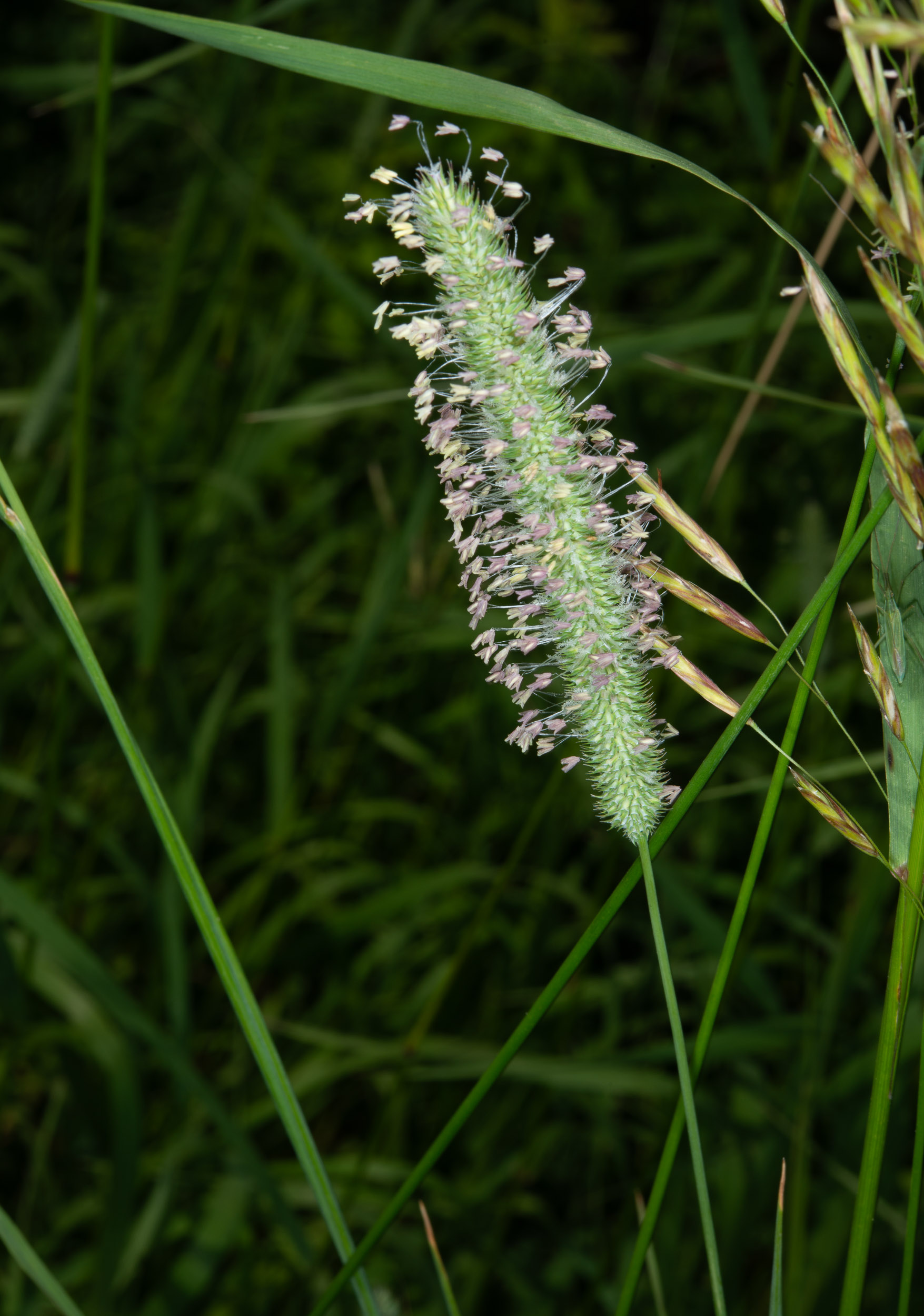
6/28/2014 · Beaver Brook Conservation Area, Hollis, New Hampshire · ≈ 5 × 7″ (12 × 18 cm) 
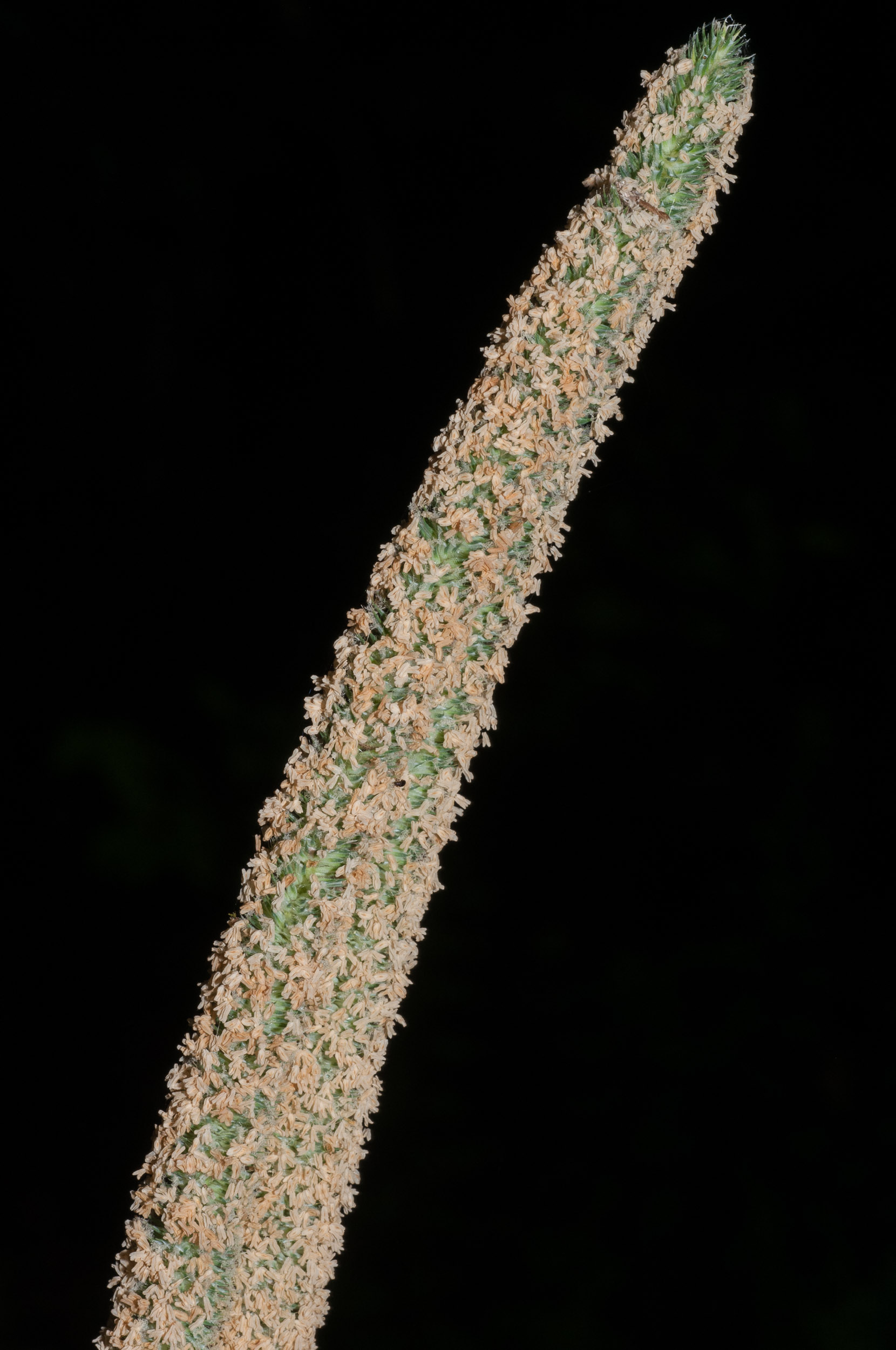
7/14/2012 · Gordon and Kathy’s, Prospect, Maine · ≈ 4½ × 7″ (11 × 17 cm) 
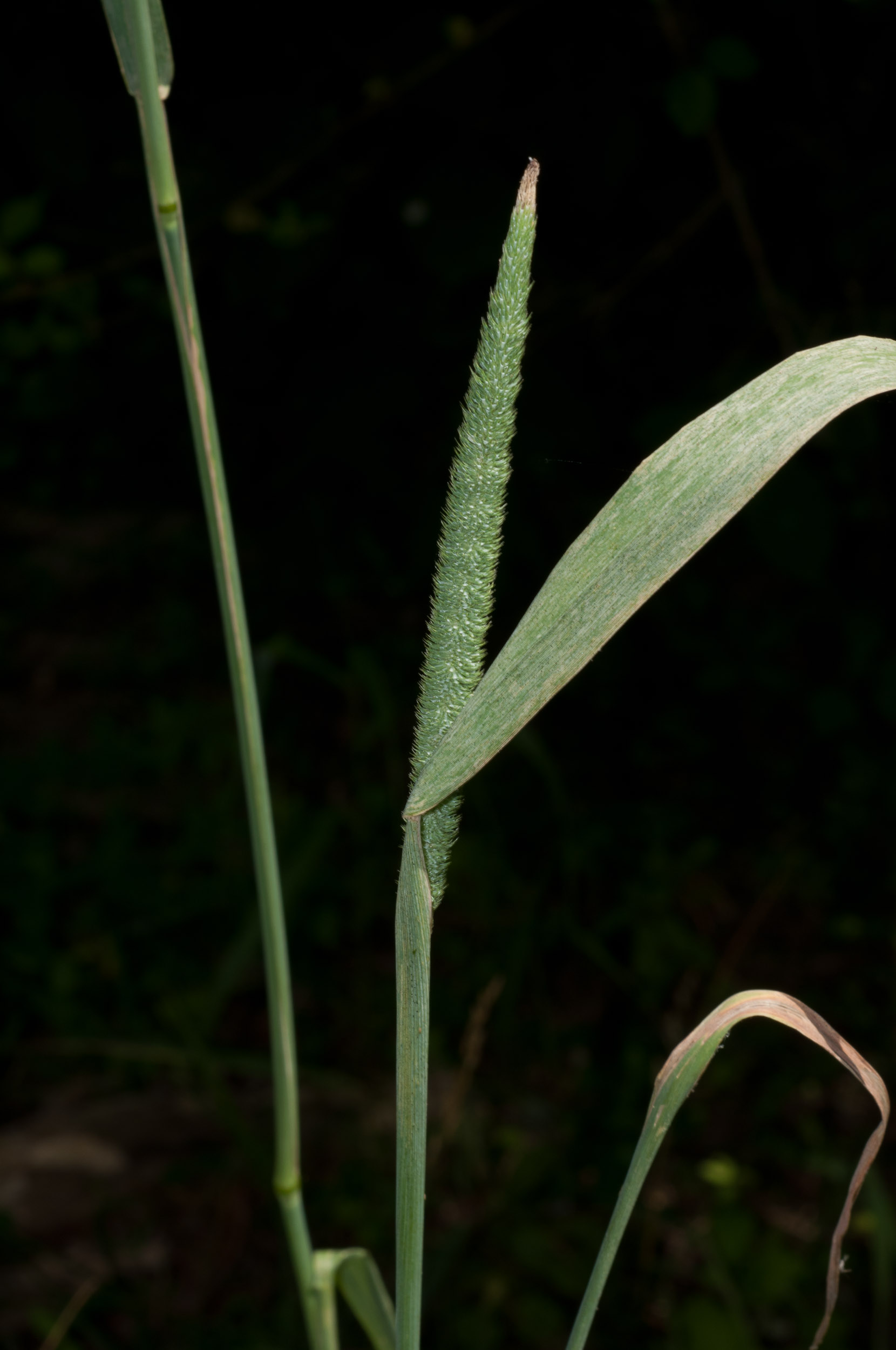
6/13/2011 · Great Falls State Park, Washington, DC · ≈ 6 × 9″ (14 × 22 cm) 
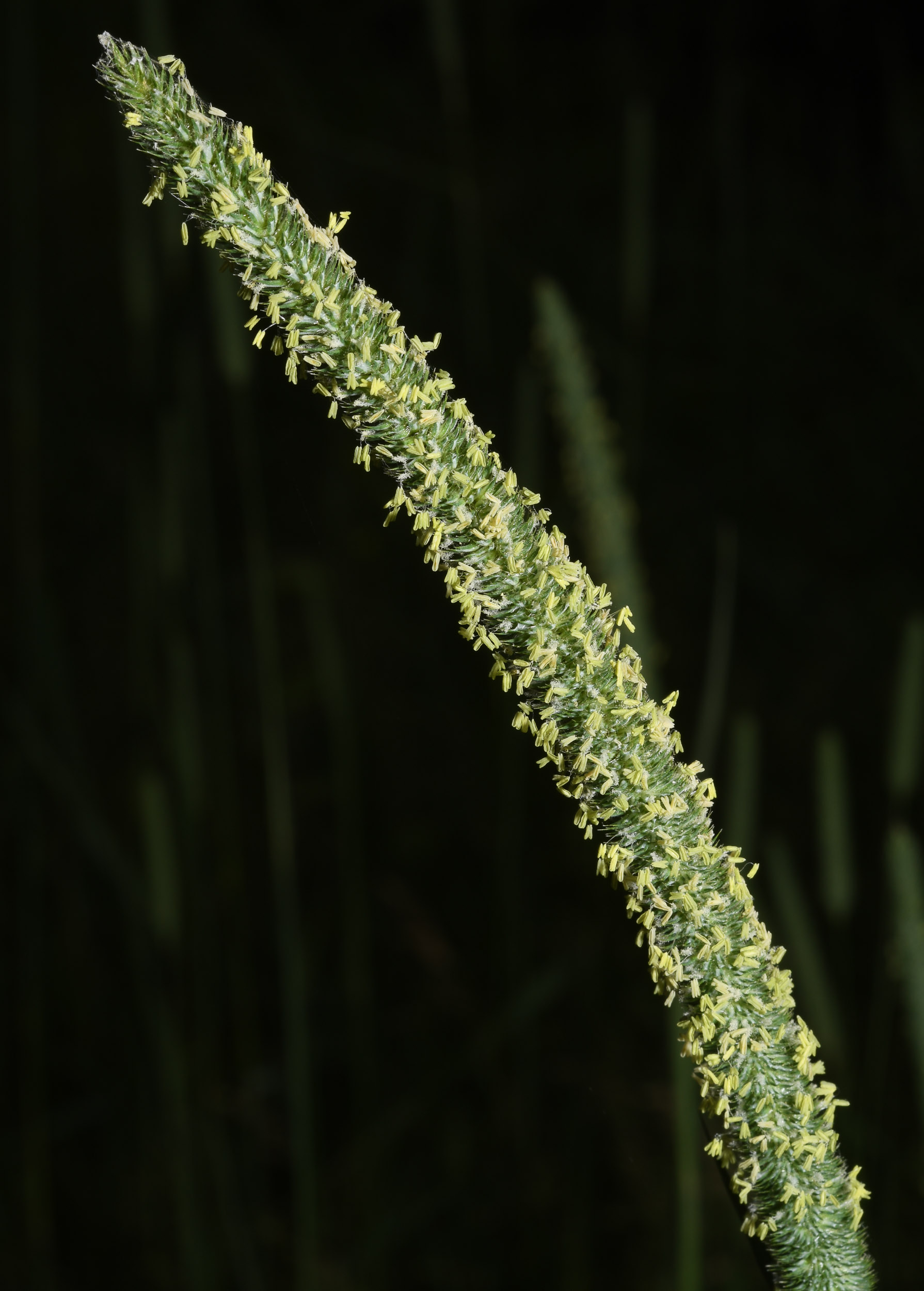
6/22/2016 · Nashua River Rail Trail, Groton, Groton, Massachusetts 
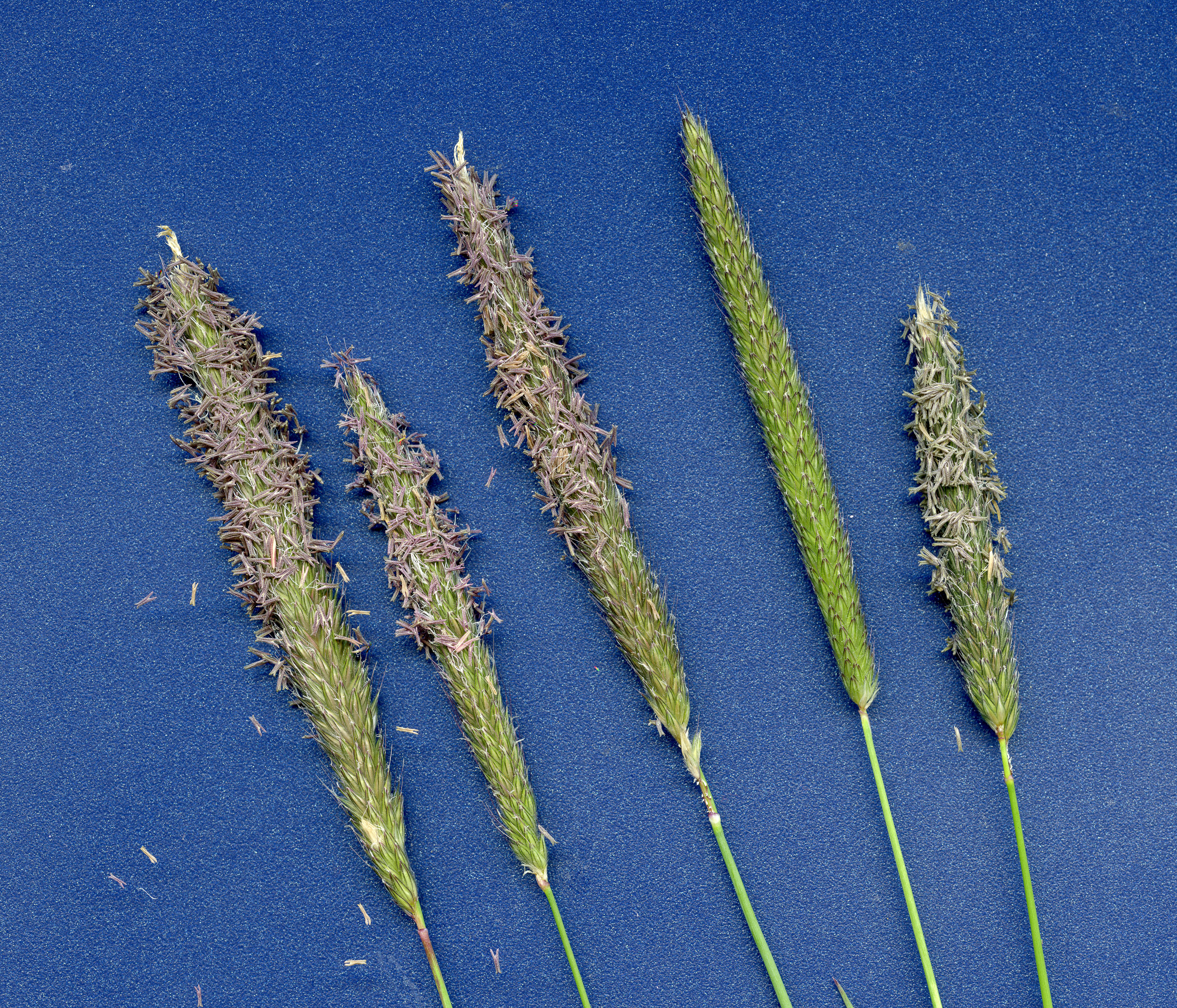
1/5/2026 · Nashua River Rail Trail, Nashoba, Ayer, Massachusetts 
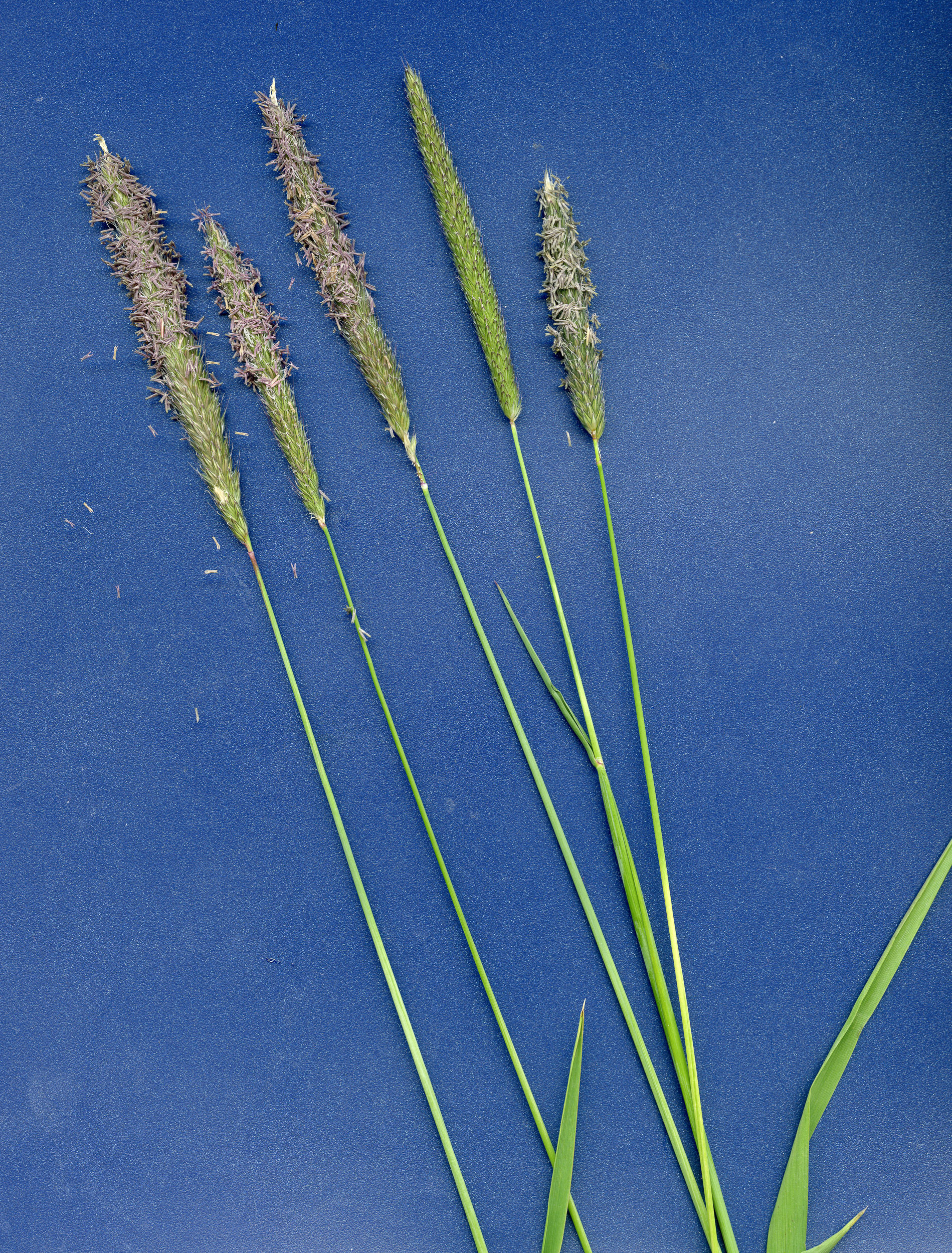
1/5/2026 · Nashua River Rail Trail, Nashoba, Ayer, Massachusetts 
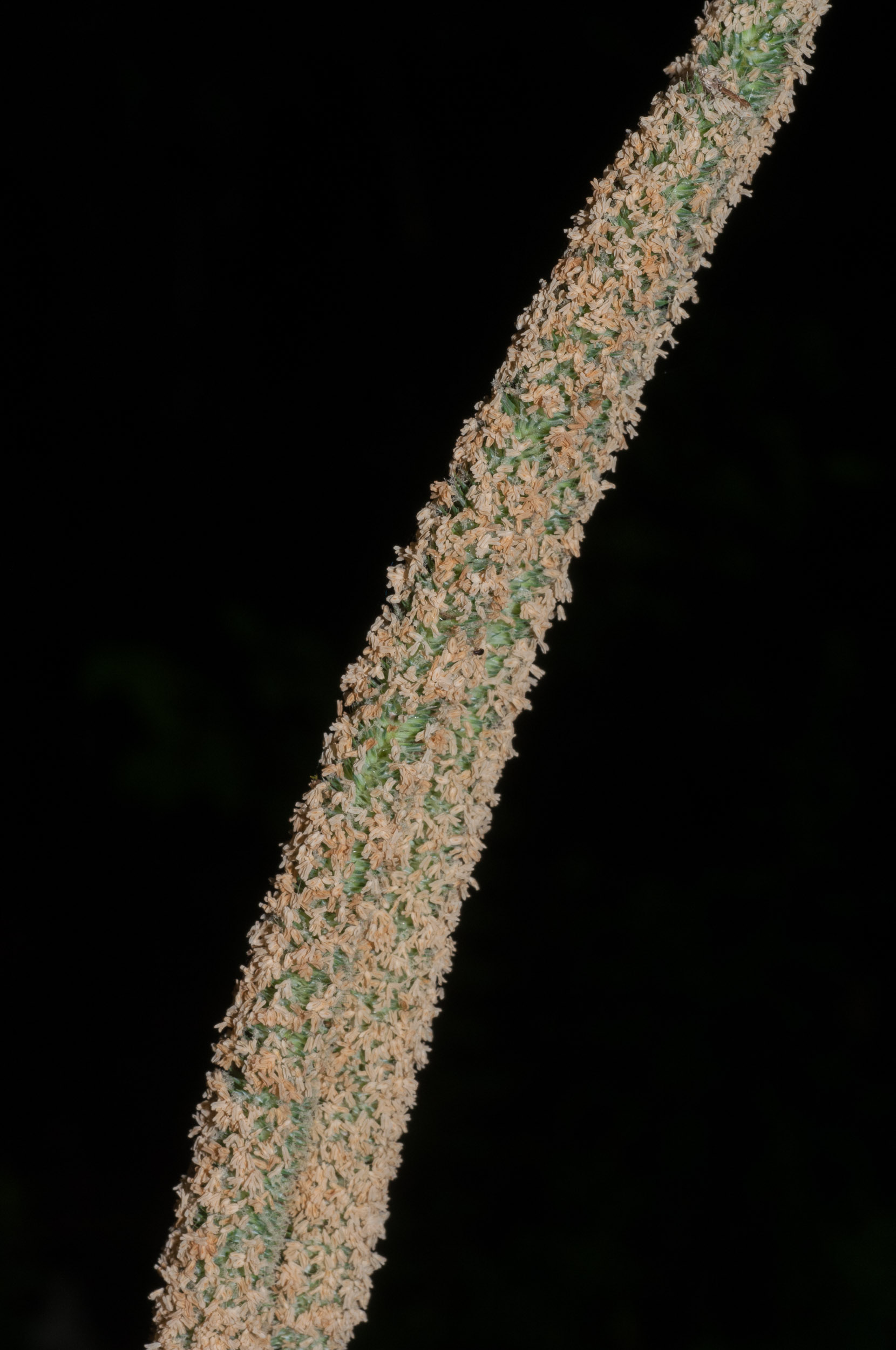
7/14/2012 · Gordon and Kathy’s, Prospect, Maine · ≈ 4½ × 7″ (11 × 17 cm) 
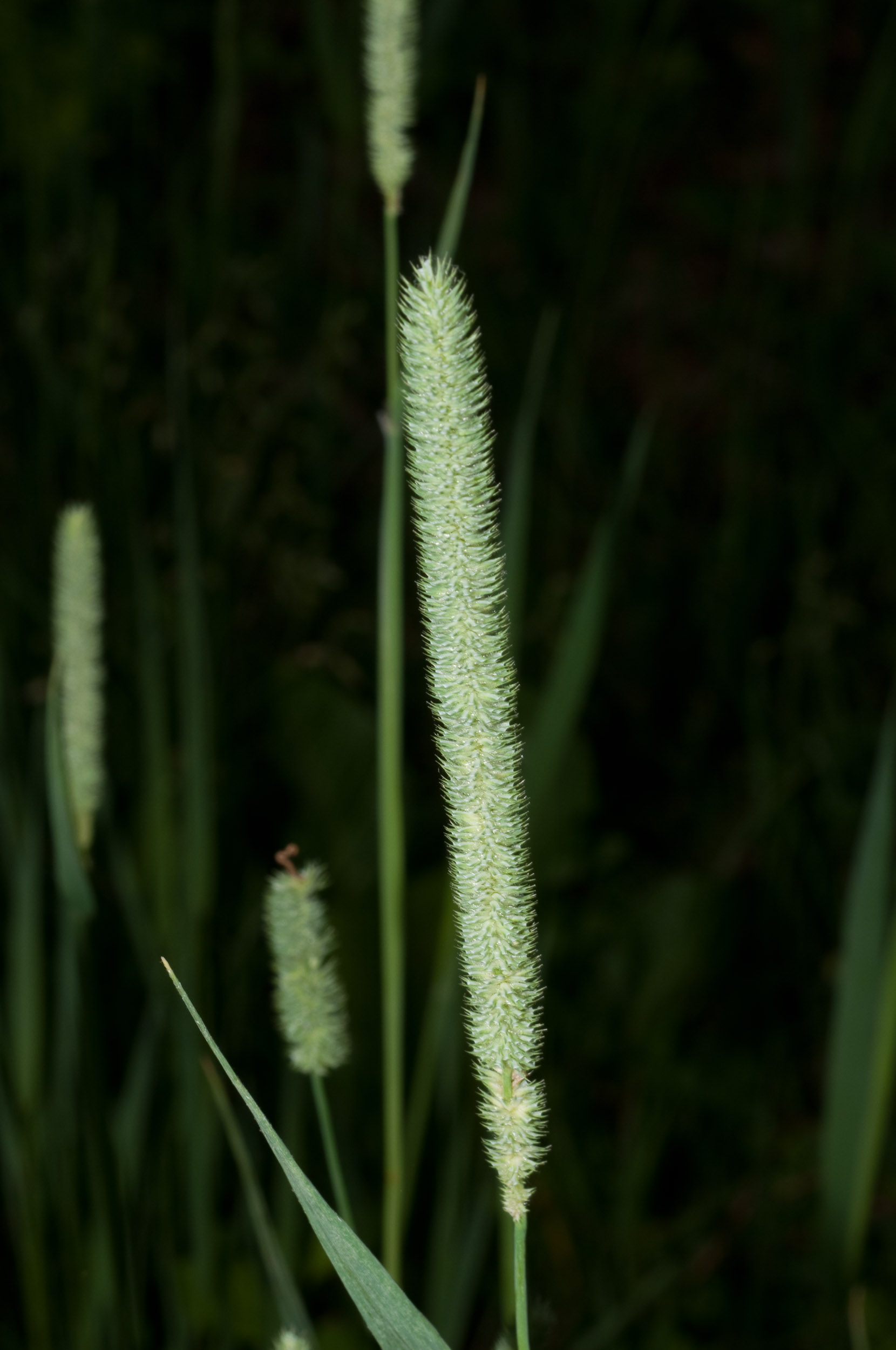
6/1/2010 · Nashua River Rail Trail, Groton Center, Groton, Massachusetts · ≈ 4½ × 7″ (11 × 17 cm)  ID is uncertain
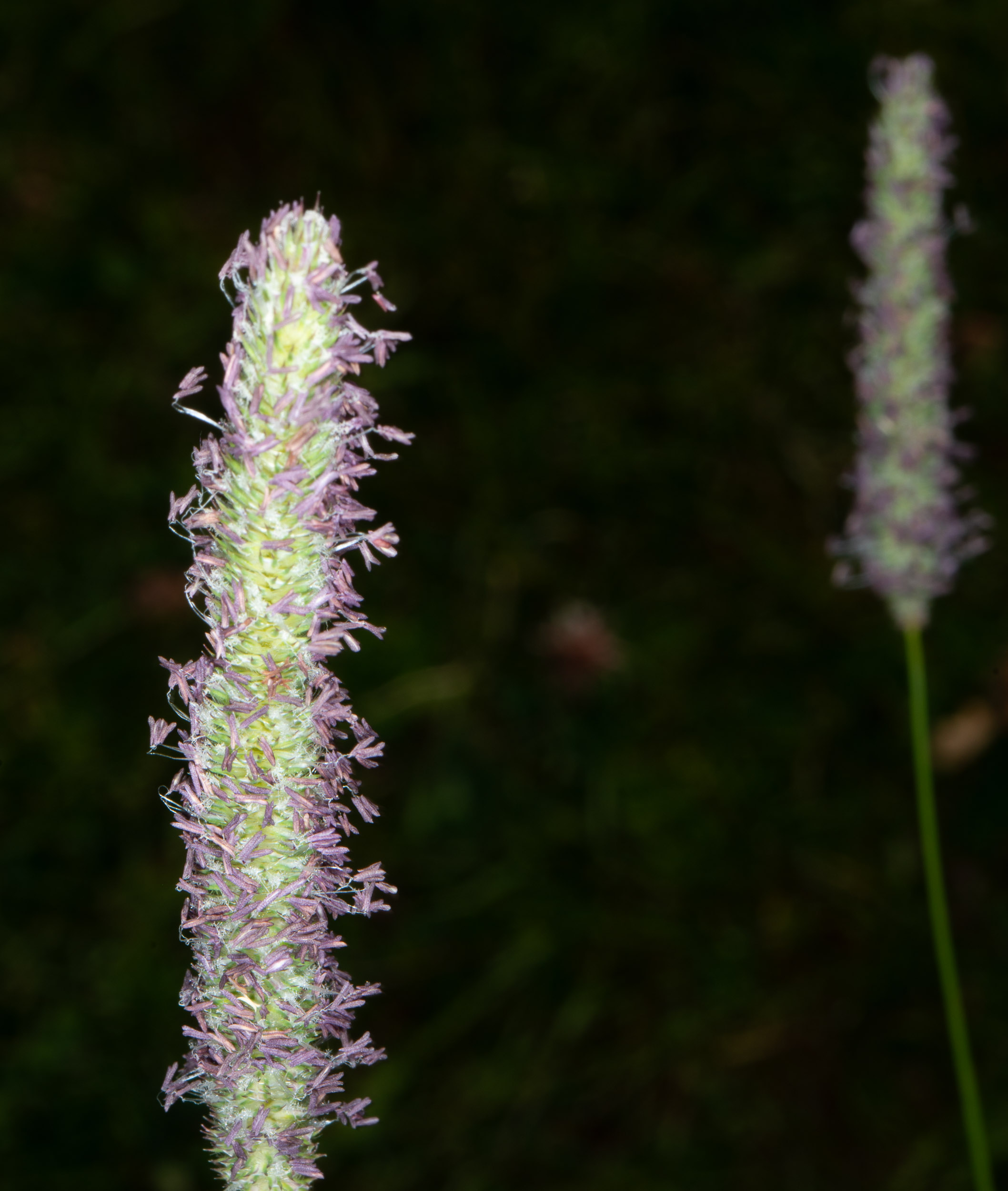
6/29/2014 · Mount Agamenticus, York, Maine · ≈ 3½ × 4″ (8.6 × 10 cm) 
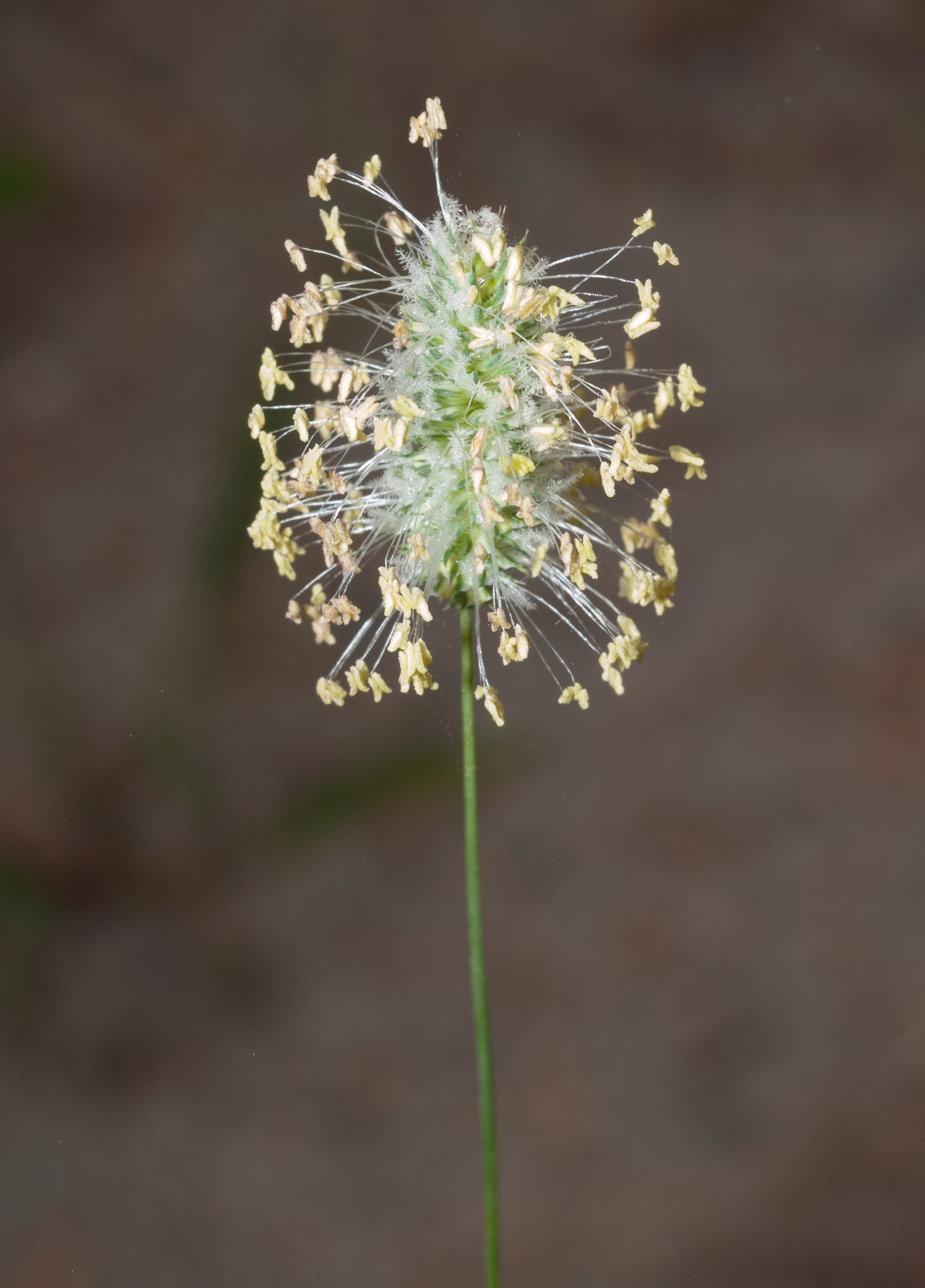
8/18/2010 · J. Harry Rich Woods, off Nod Rd., Groton, Massachusetts · ≈ 2½ × 4″ (7.2 × 10 cm) 
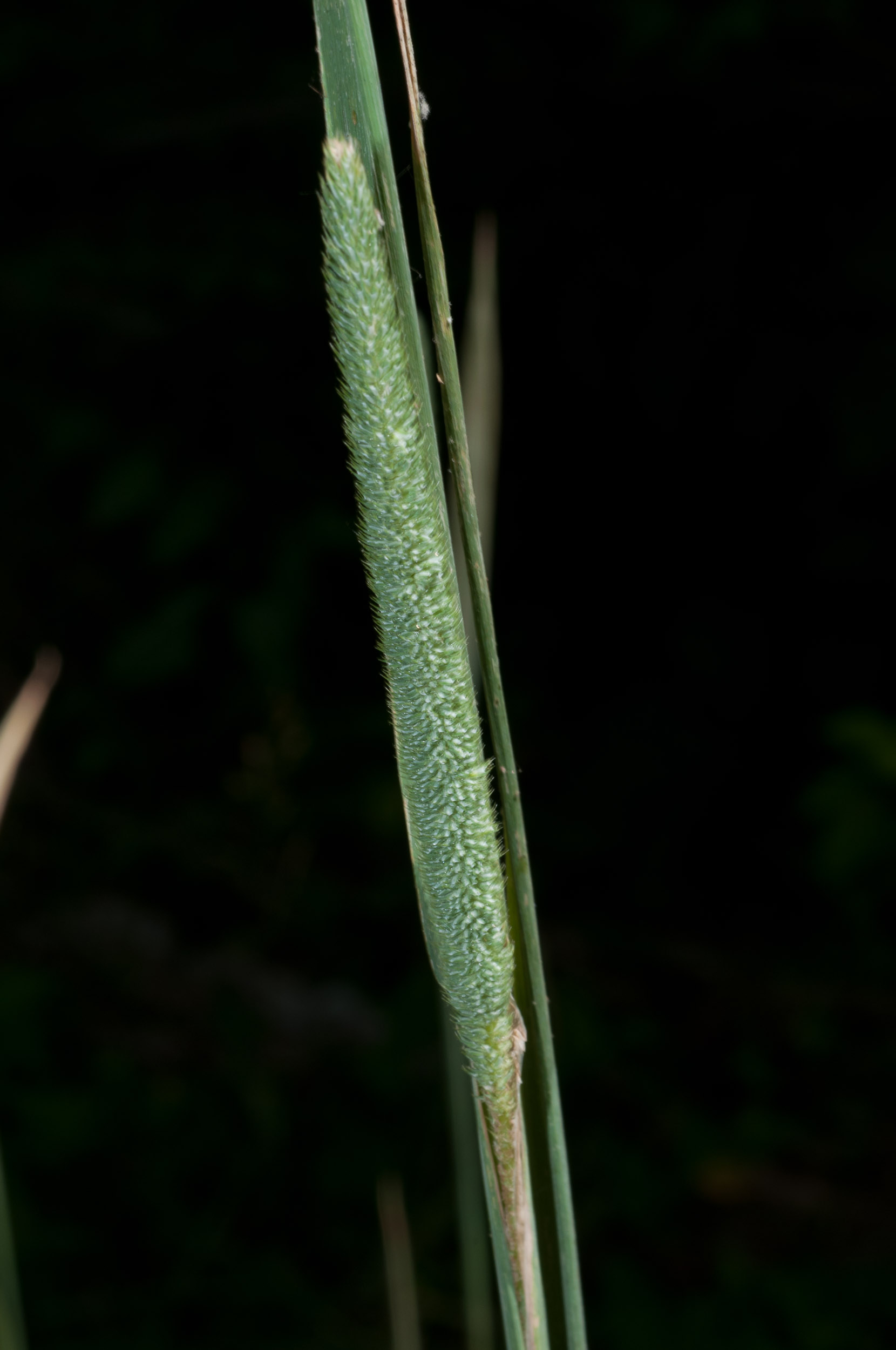
6/13/2011 · Great Falls State Park, Washington, DC · ≈ 4 × 6″ (10 × 15 cm) 
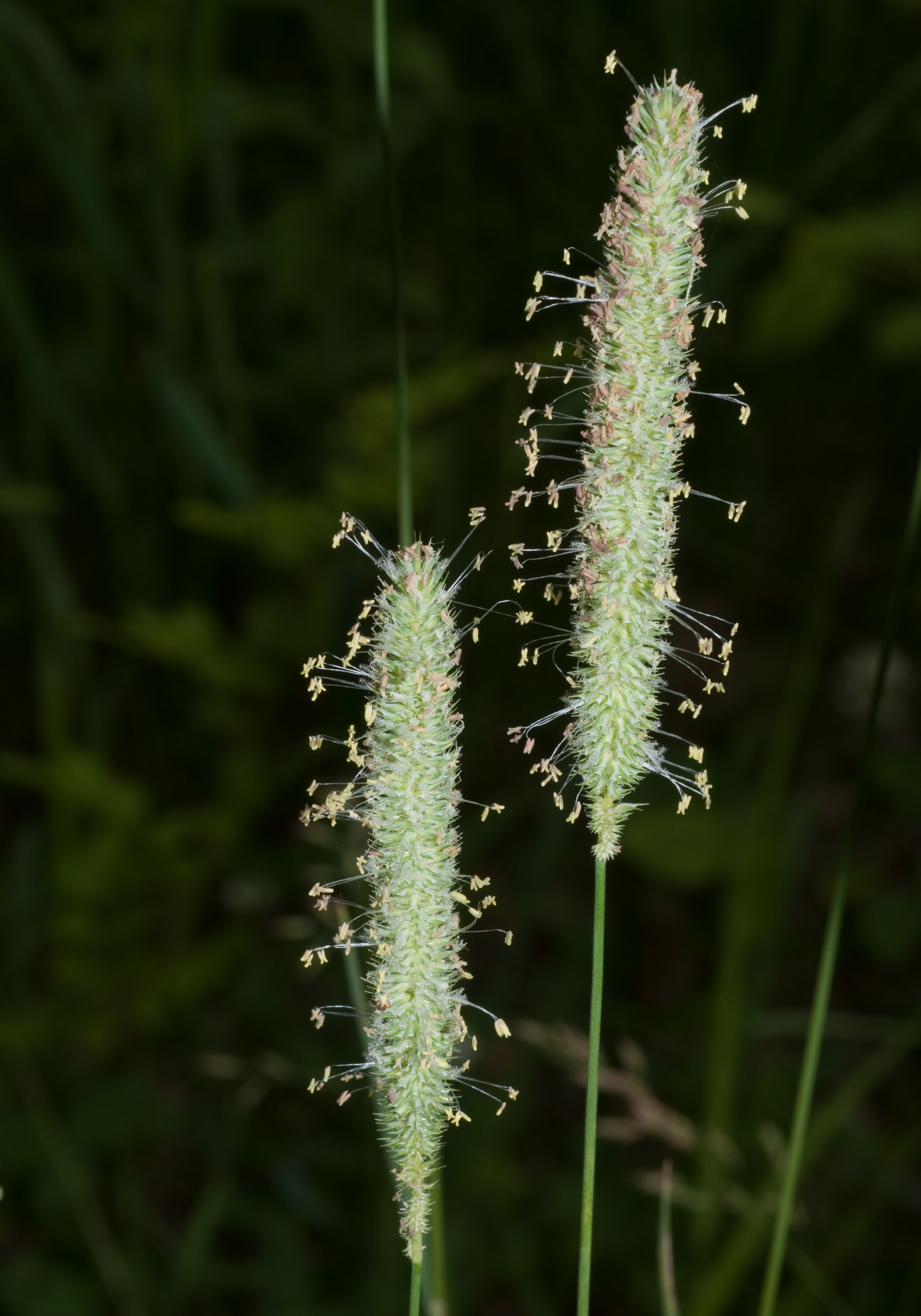
6/16/2010 · Nashua River Rail Trail, Groton Center, Groton, Massachusetts · ≈ 4 × 6″ (10 × 14 cm) 
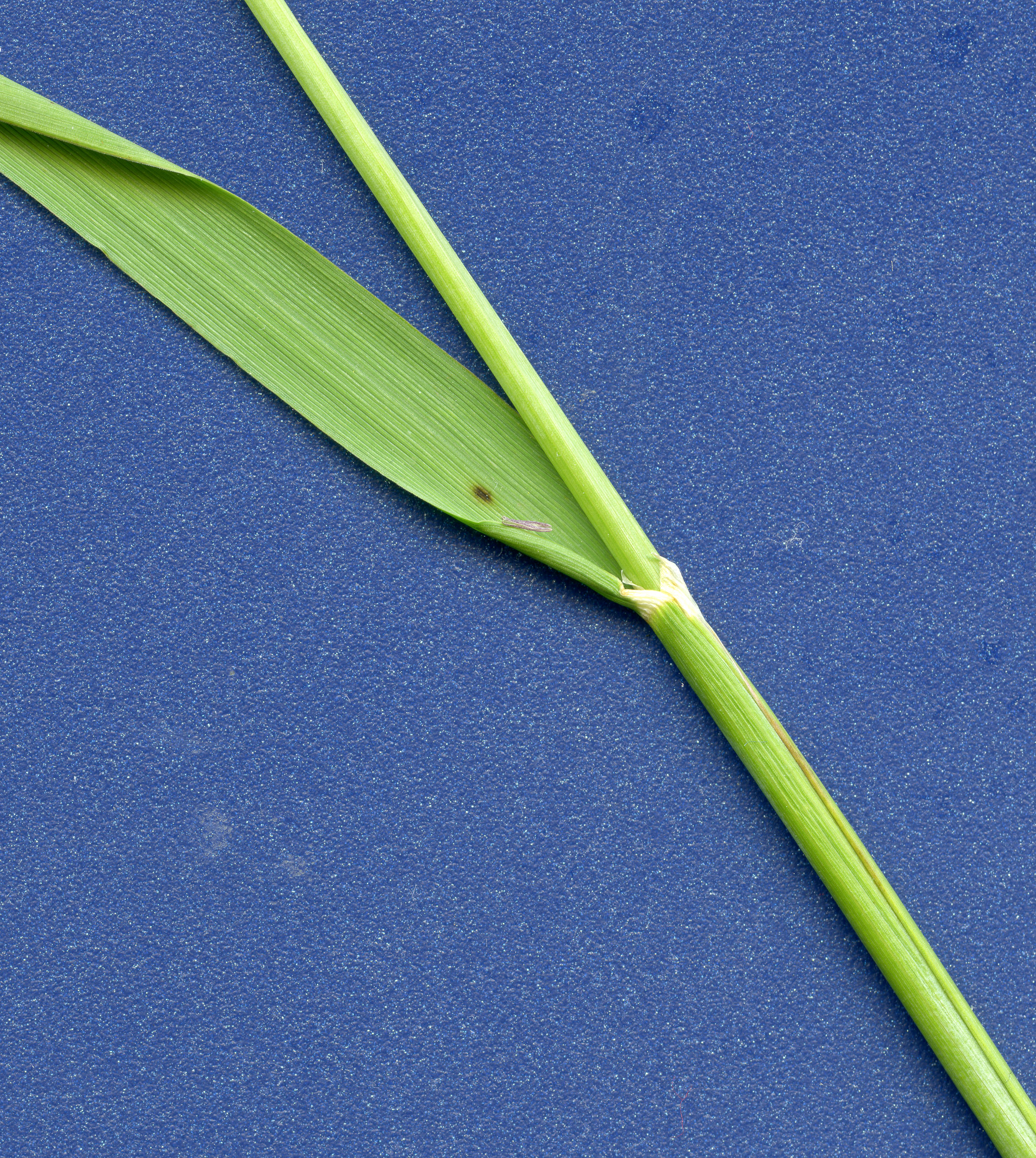
1/5/2026 · Nashua River Rail Trail, Nashoba, Ayer, Massachusetts 
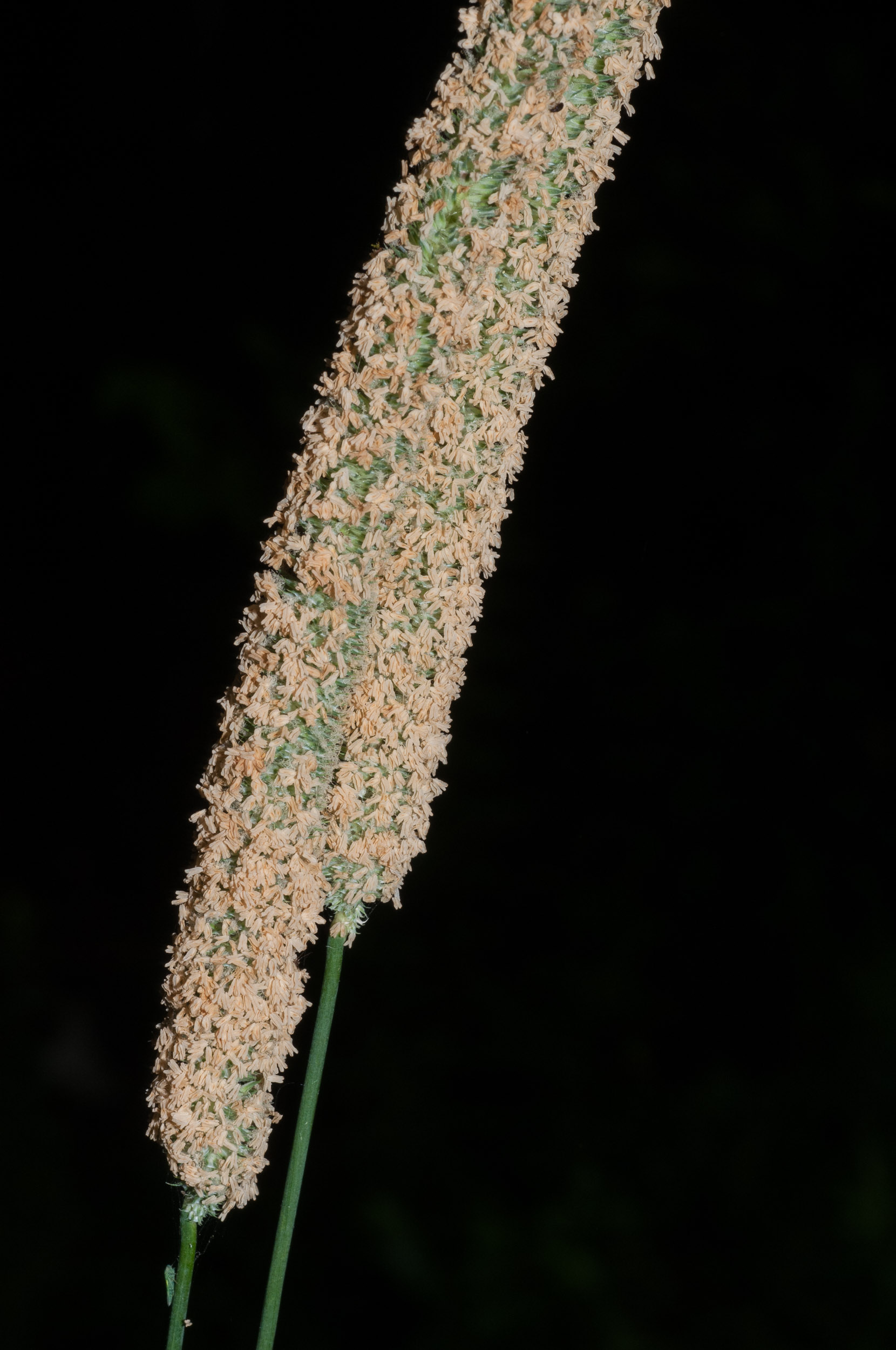
7/14/2012 · Gordon and Kathy’s, Prospect, Maine · ≈ 4½ × 7″ (11 × 17 cm) 
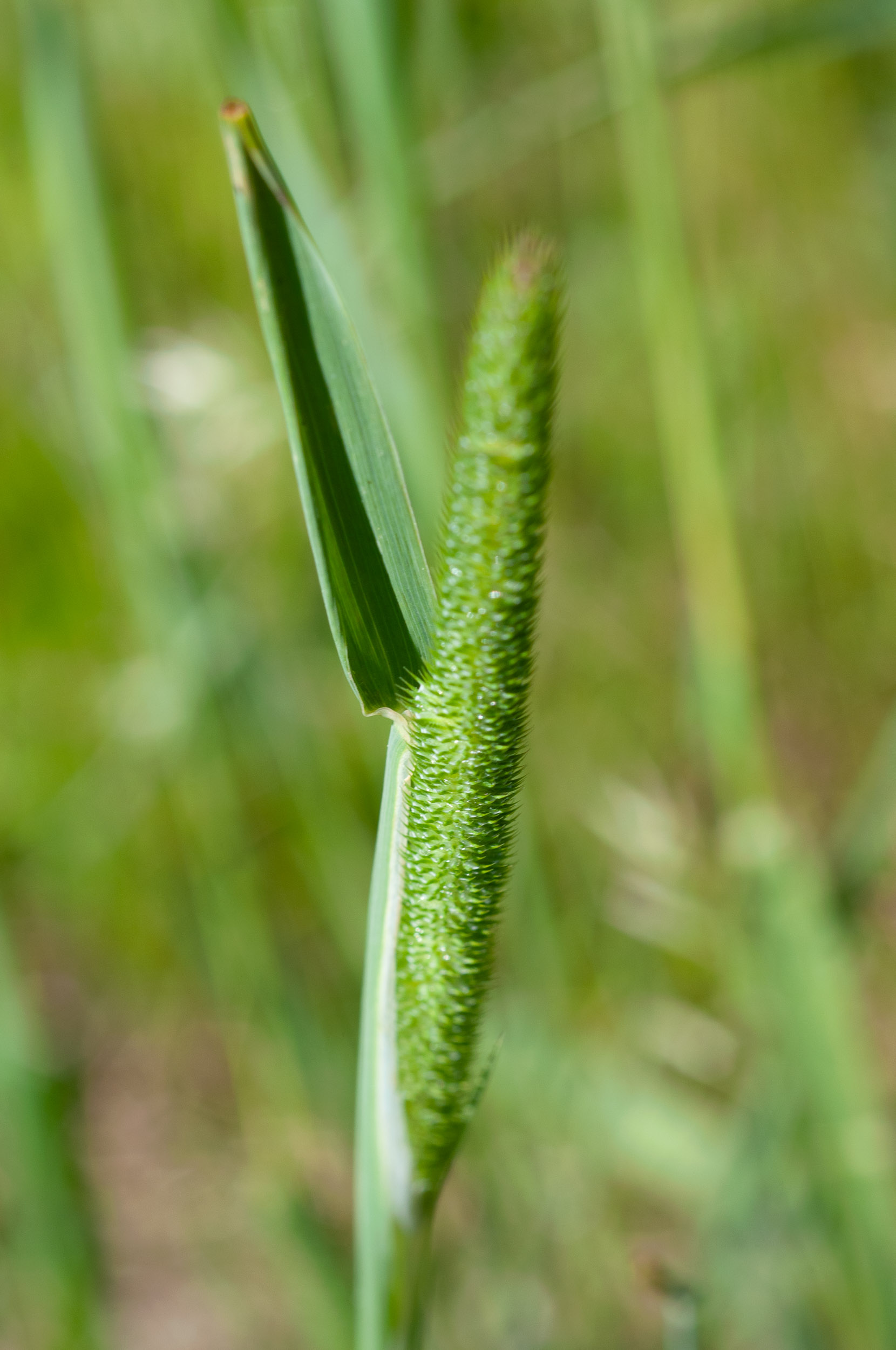
6/8/2012 · Townsend Wildlife Management Area, Townsend, Massachusetts · ≈ 3½ × 5″ (9.2 × 13 cm) 
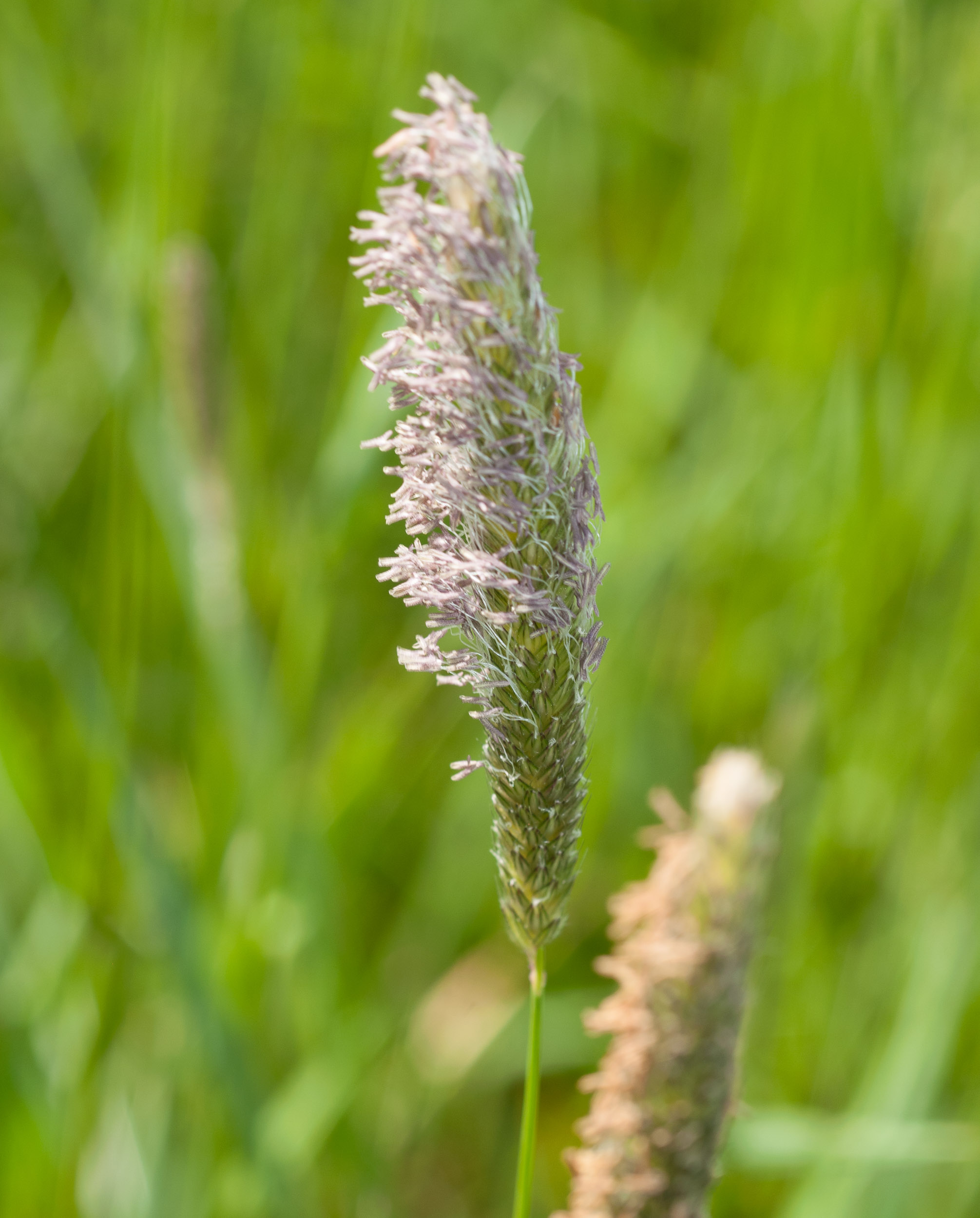
5/11/2012 · Nashua River Rail Trail, Nashoba Hospital, Ayer, Massachusetts · ≈ 3½ × 4½″ (9.2 × 11 cm) ID is uncertain 
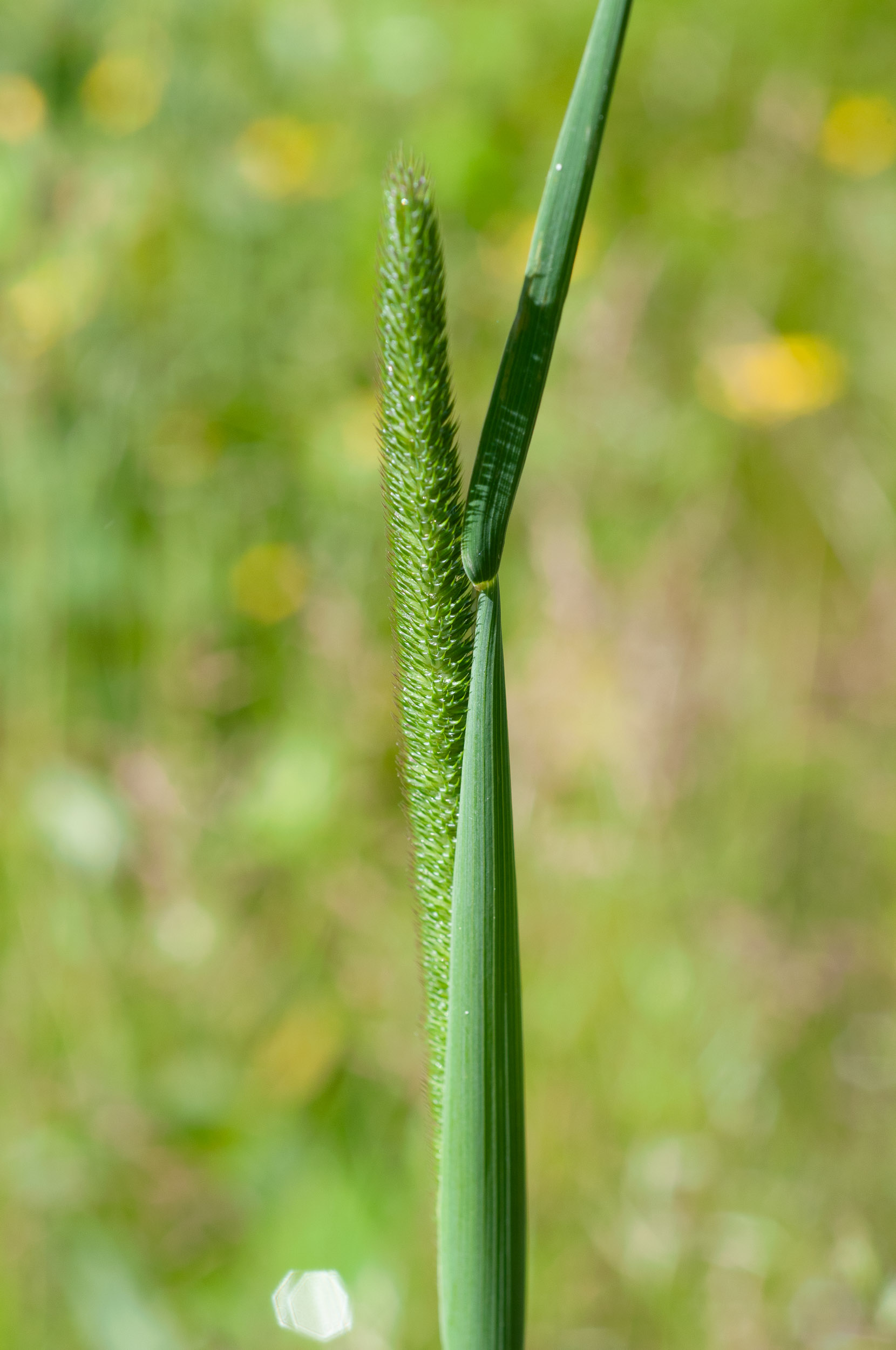
6/8/2012 · Townsend Wildlife Management Area, Townsend, Massachusetts · ≈ 4½ × 7″ (11 × 17 cm) 
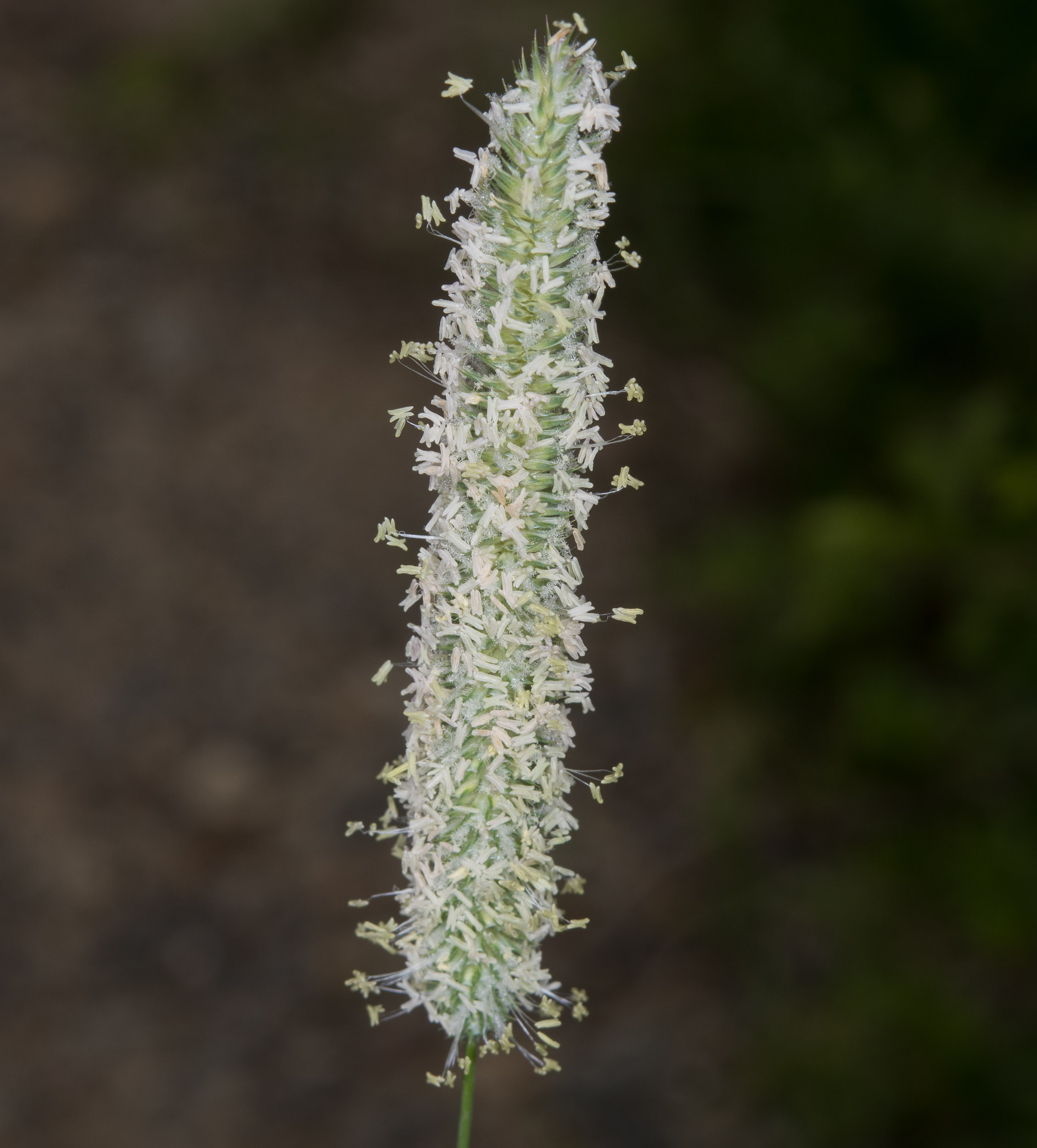
7/6/2017 · Mt. Watatic, access road, Ashby, Massachusetts · ≈ 3½ × 4″ (9 × 10 cm) 
| Kingdom | Plantae | Plants, but not fungi, lichens, or algae (from Stearn's Botanical Latin) |
| Subkingdom | Tracheobionta | Vascular plants—plants with a “circulatory system” for delivering water and nutrients |
| Division | Magnoliophyta | Flowering plants, also known as angiosperms |
| Class | Liliopsida | Monocots (plants with a single seed leaf); includes the lily family |
| Subclass | Commelinidae | Dayflowers and spiderworts, and several others |
| Order | Cyperales | Flowering plants including grasses |
| Family | Poaceae | Grasses (but not sedges or rushes) |
| Genus | Phleum | From ancient Greek phleos, for a type of swamp-growing grass |
| Species | pratense | “Growing in meadows” |
Phleum pratense description by Thomas H. Kent, not updated.

© FloraFinder.org. All rights reserved.