Podophyllum peltatum L.
Mayapple, mandrake root, American mandrake, raccoon berry, wild lemon, Indian apple, duck’s foot, hog apple, umbrella plant, ground lemon
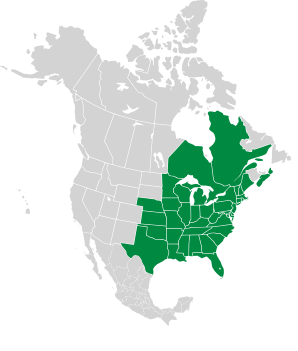
Mayapple is a native of North America. The common name “umbrella plant” refers to the appearance of the young plants, which look like shiny, tightly furled umbrellas.
Plants: 12–16″ (30–40 cm) high, sometimes growing in dense clonal colonies.
Leaves: Fertile plants are topped by 2-3 leaves 8–12″ (20–30 cm) in diameter. Each leaf has 5-9 deeply cut lobes. Sterile plants are topped by a single, umbrella-like leaf.
Flowers: Fertile plants have a single white to pinkish flower, growing from the point where the two leaf stems intersect, 1–1¾″ (3–5 cm) in diameter, with 6 petals, sometimes up to 9.
Fruits: Resembles an apple, and is 1¼–2″ (3.2–5 cm) around.
Habitats: Rich woods and fields, pastures.
Edibility: Poisonous  Leaves, stems and roots are
poisonous. The yellow, soft, ripe fruits are edible if they have not been treated with pesticides.
Washed with warm water, the lemon-like fruit can be made into jam or jelly. Ripe fruits are also
edible raw, but they aren’t very tasty that way (”insipid,” according to one source),
and can cause discomfort if they are not fully ripe.
Leaves, stems and roots are
poisonous. The yellow, soft, ripe fruits are edible if they have not been treated with pesticides.
Washed with warm water, the lemon-like fruit can be made into jam or jelly. Ripe fruits are also
edible raw, but they aren’t very tasty that way (”insipid,” according to one source),
and can cause discomfort if they are not fully ripe.
Medical:

From Köhler, Franz Eugen, Medizinal-Pflantzen, Gera-Untermhaus, FE Köhler, 1887. 
Online References:

5/23/2016 · Wildflower Trail, Beaver Brook Conservation Area, Hollis, New Hampshire 
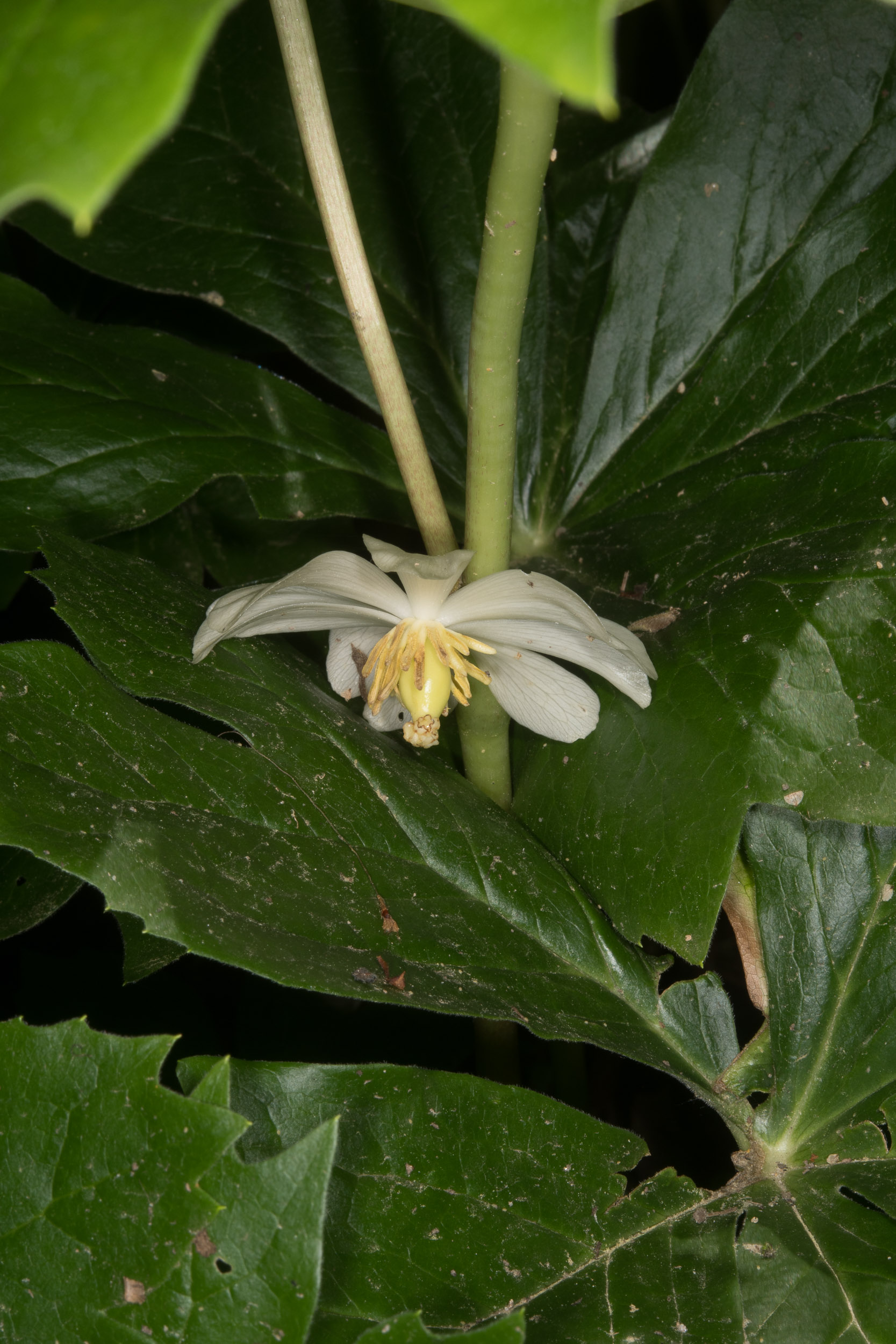
5/28/2017 · Wildflower Trail, Beaver Brook Conservation Area, Hollis, New Hampshire · ≈ 5 × 8″ (13 × 20 cm) 
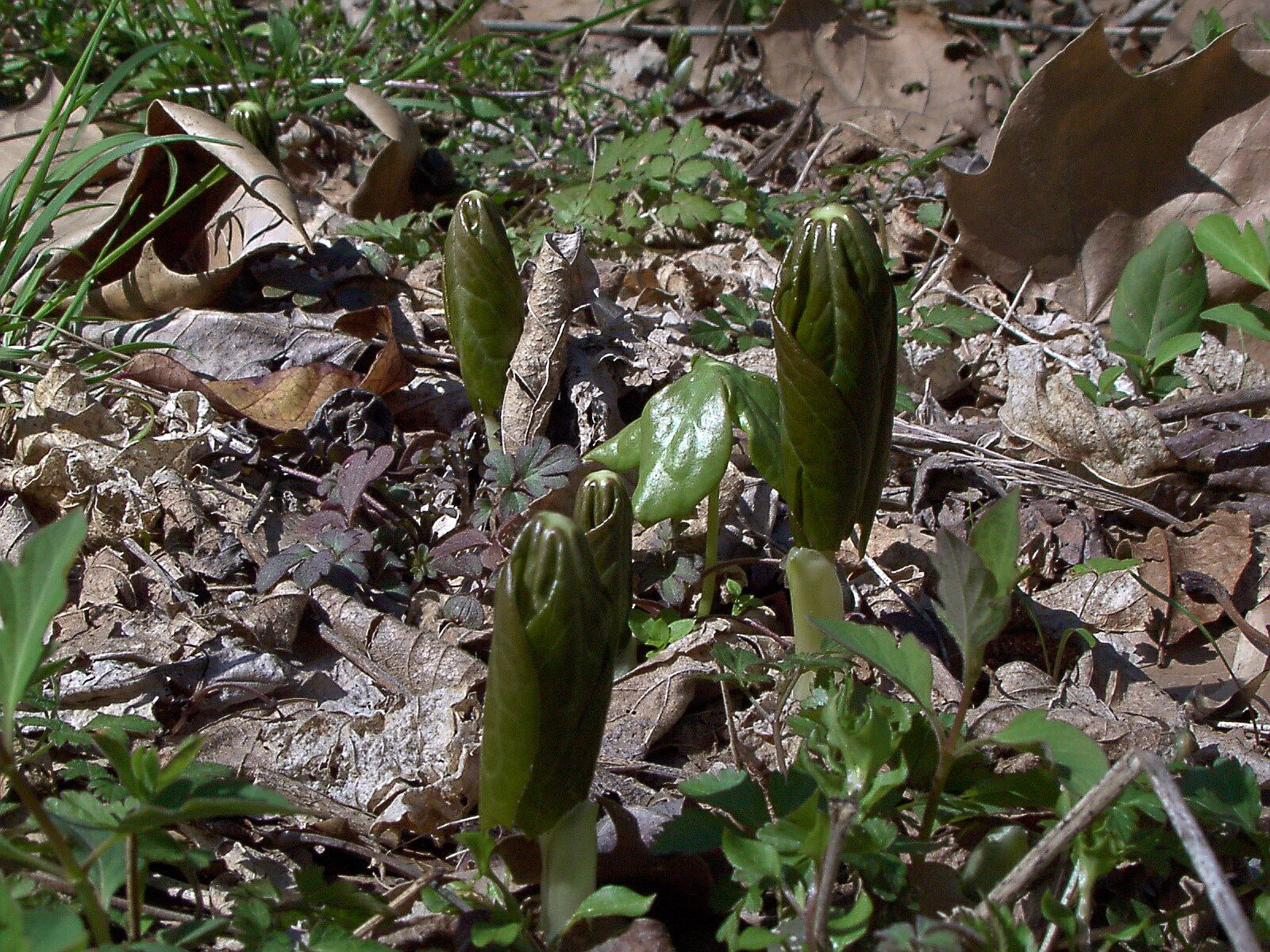
3/5/2000 · Memphis, Tennessee · By Tim Chandler 
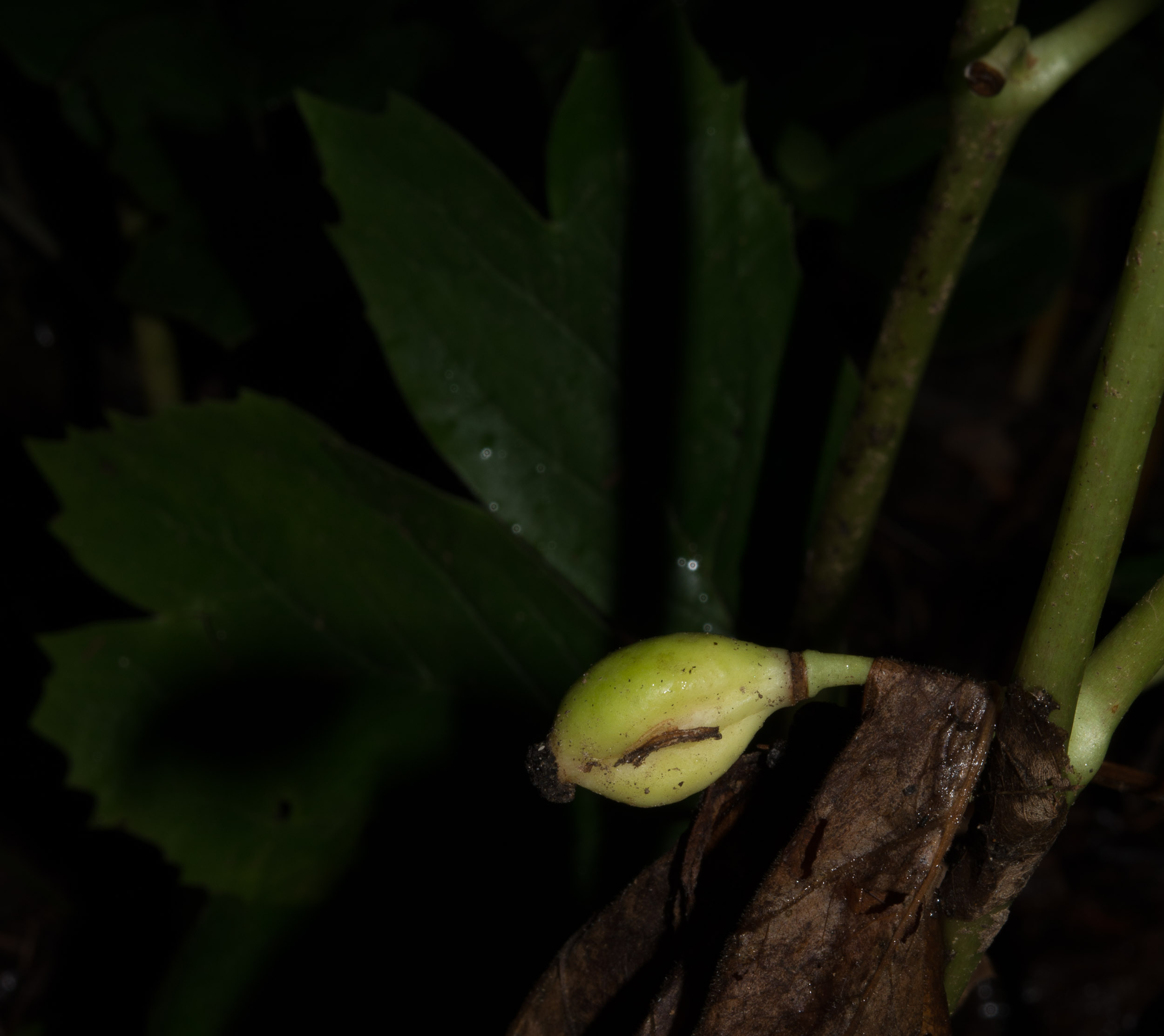
7/10/2013 · Beaver Brook Conservation Area, Hollis, New Hampshire · ≈ 5 × 4½″ (13 × 12 cm) 
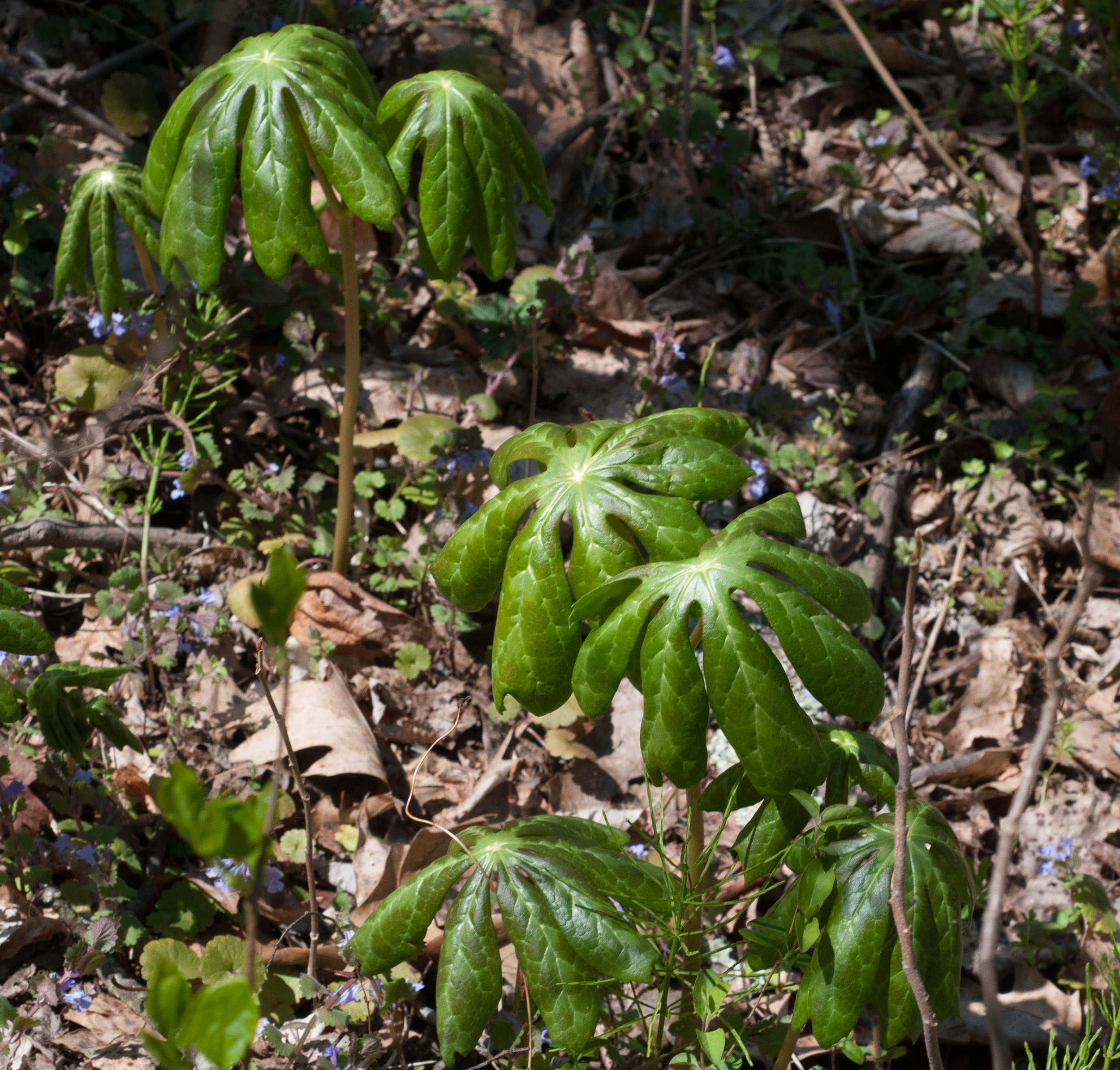
4/8/2012 · North Central Railroad Trail, Monkton Rd, Sparks, Maryland · ≈ 1 × 1′ (36 × 34 cm) 
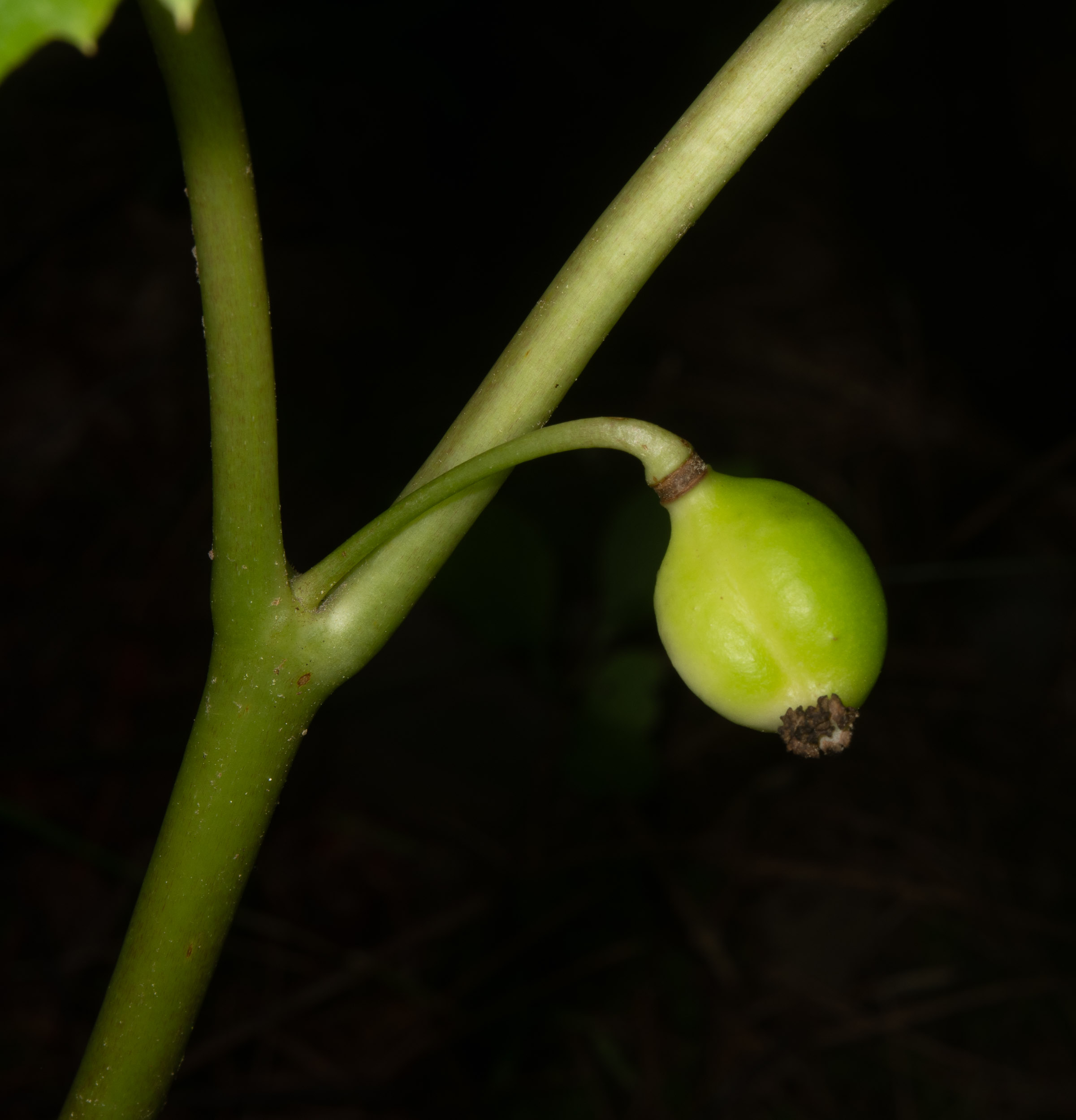
7/28/2017 · Porcupine Trail, Beaver Brook Conservation Area, Hollis, New Hampshire · ≈ 4 × 4″ (10 × 11 cm) 
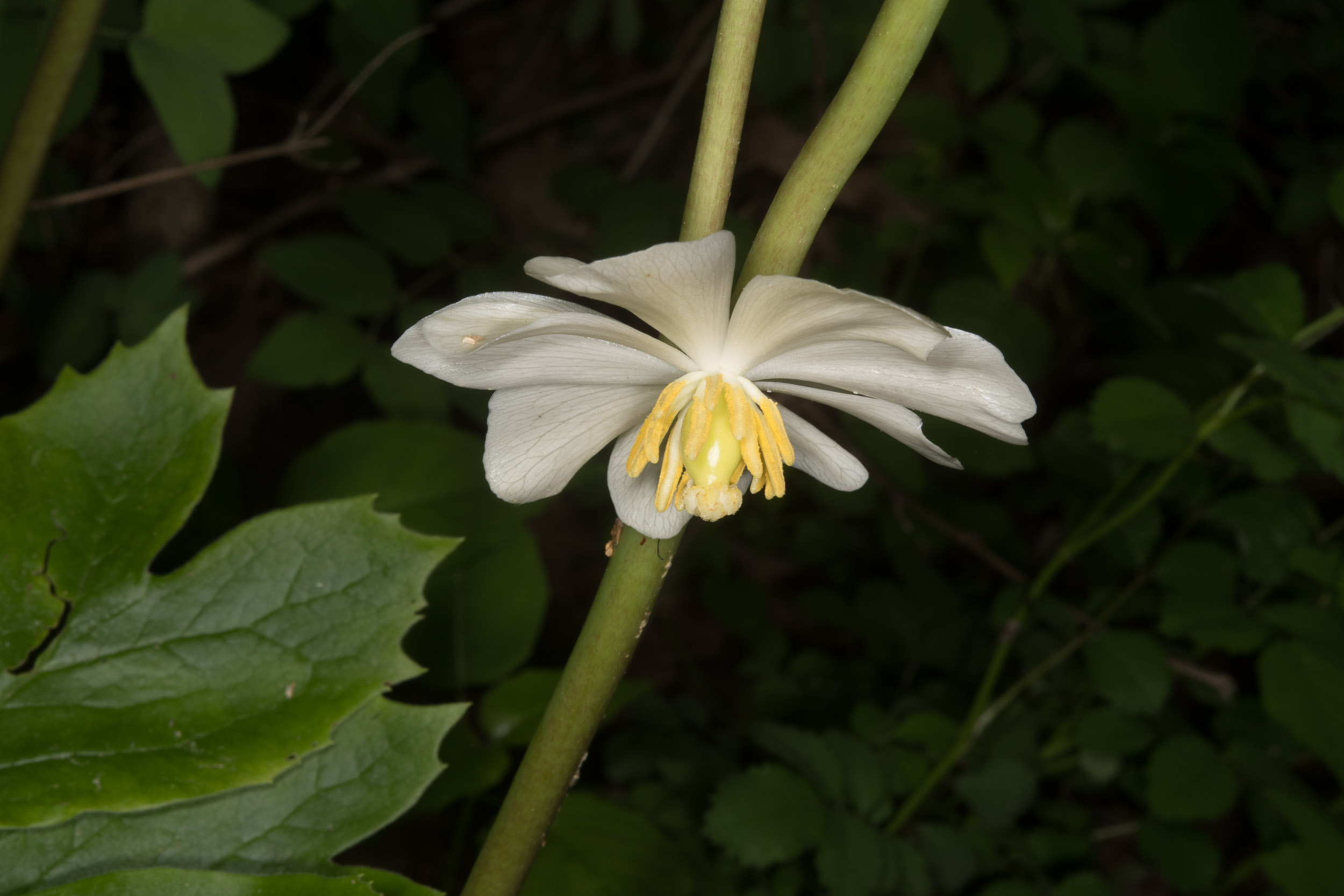
5/28/2017 · Wildflower Trail, Beaver Brook Conservation Area, Hollis, New Hampshire · ≈ 7 × 4½″ (18 × 12 cm) 
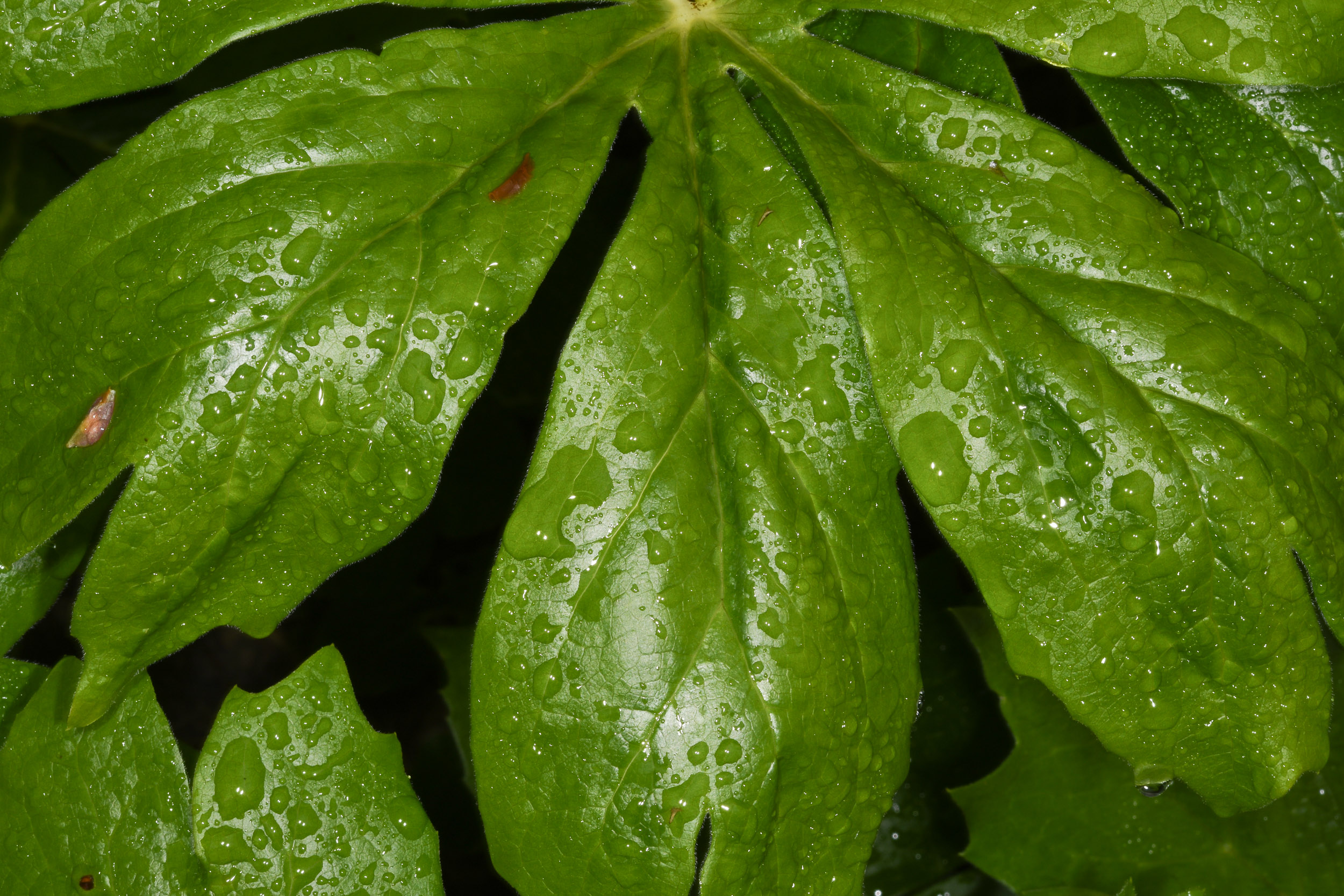
5/5/2016 · Wildflower Trail, Beaver Brook Conservation Area, Hollis, New Hampshire 
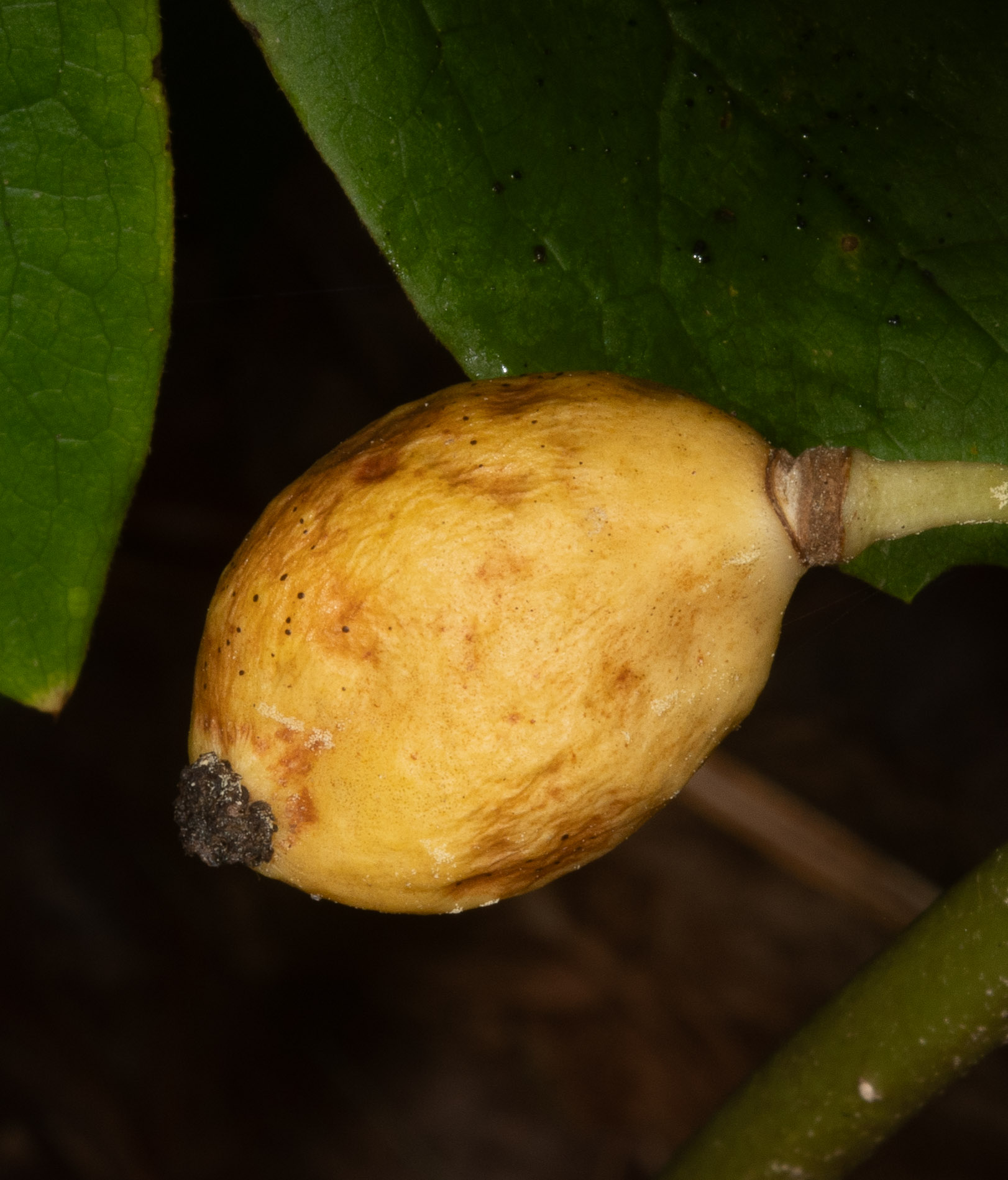
8/17/2019 · Wildflower Trail, Beaver Brook Conservation Area, Hollis, New Hampshire · ≈ 2 × 2½″ (5.4 × 6.3 cm) 

5/21/2013 · Beaver Brook Conservation Area, Hollis, New Hampshire · ≈ 6 × 7″ (15 × 18 cm) 

5/15/1979 · Virginia · By Tim Chandler 
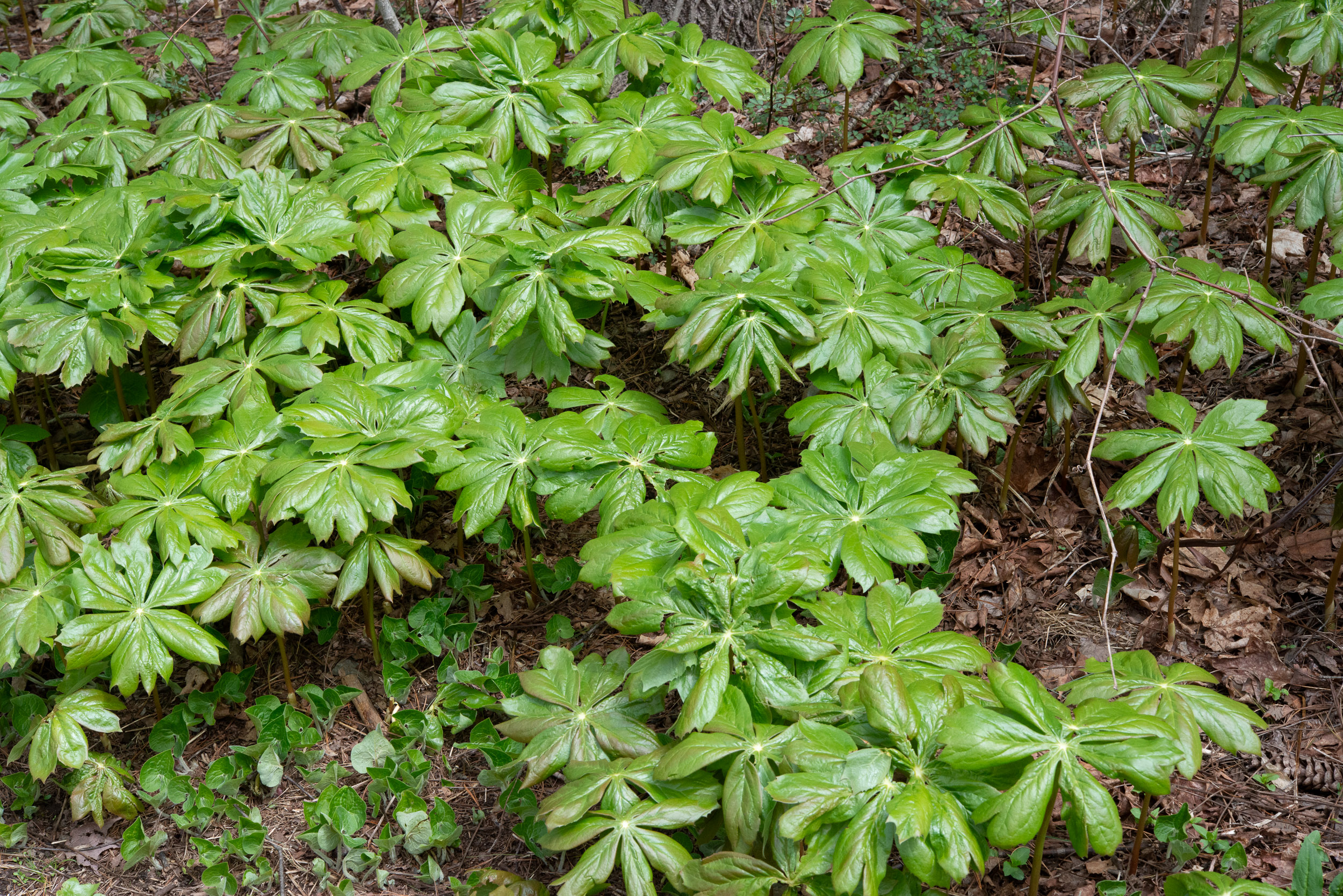
5/3/2014 · Beaver Brook Conservation Area, Hollis, New Hampshire 

5/26/2024 · McLaughlin Garden and Homestead, South Paris, Maine 
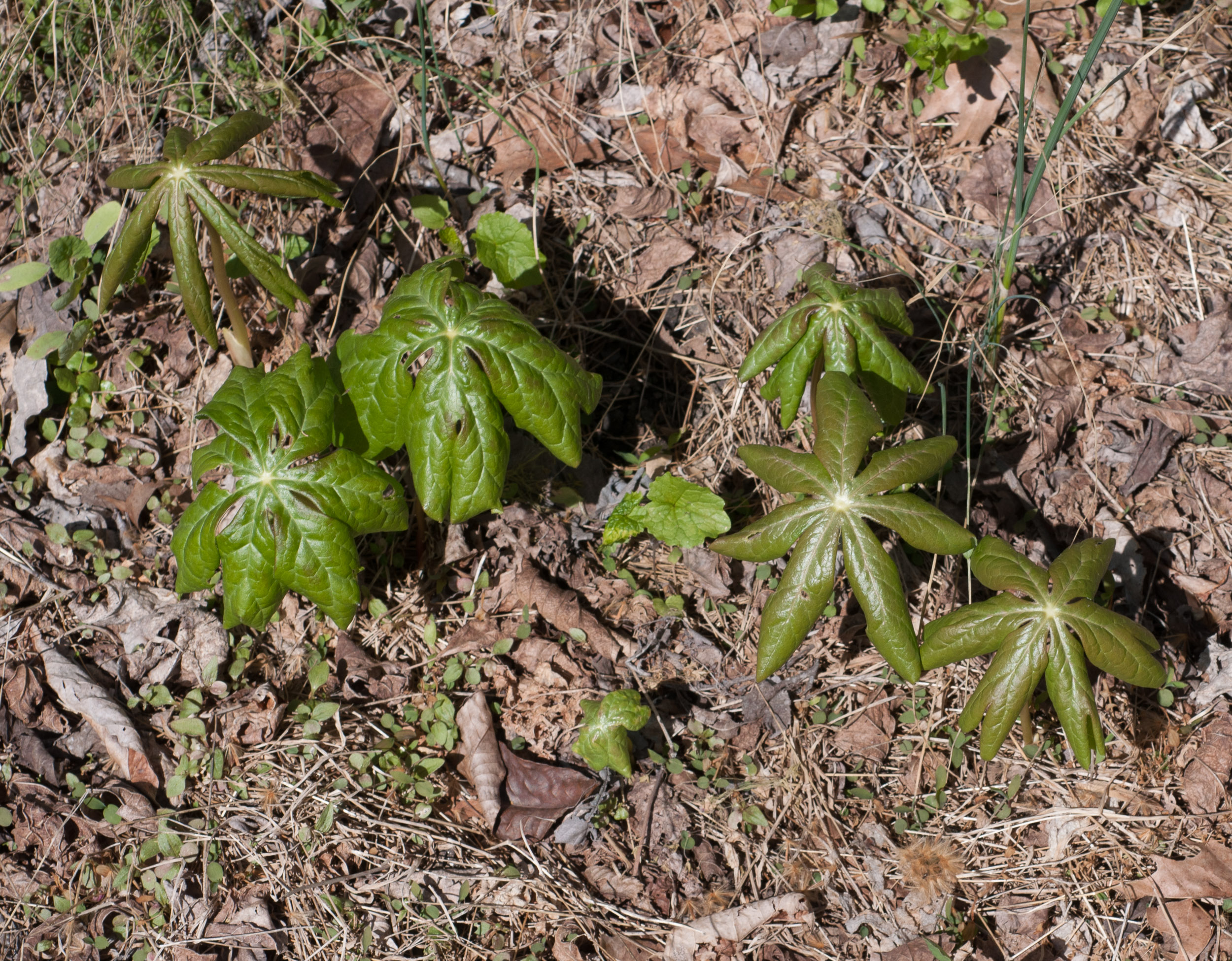
4/6/2012 · North Central Railroad Trail, Sparks, Maryland · ≈ 1½ × 1′ (44 × 34 cm) 
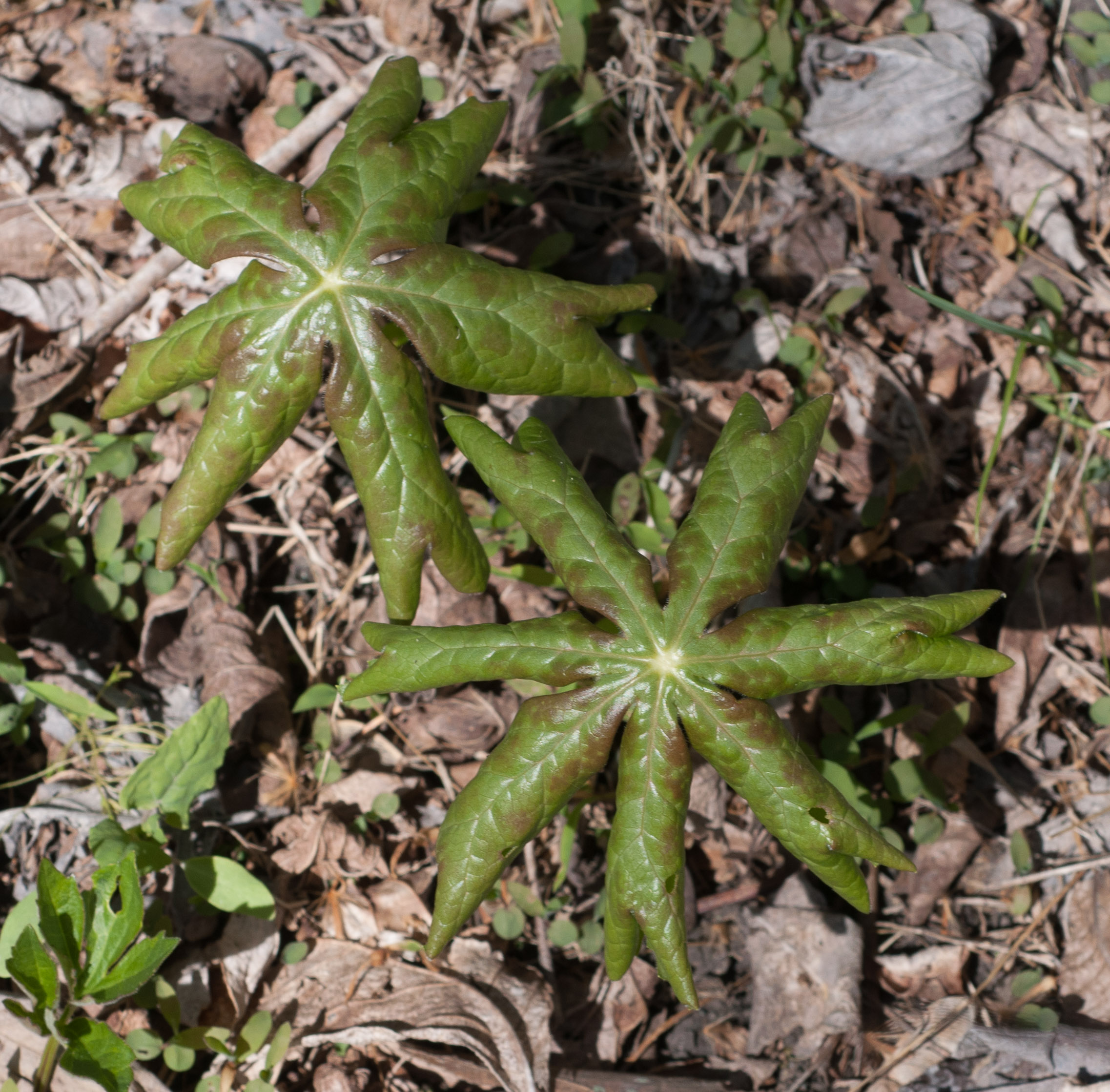
4/6/2012 · North Central Railroad Trail, Sparks, Maryland · ≈ 8 × 8″ (20 × 20 cm) 
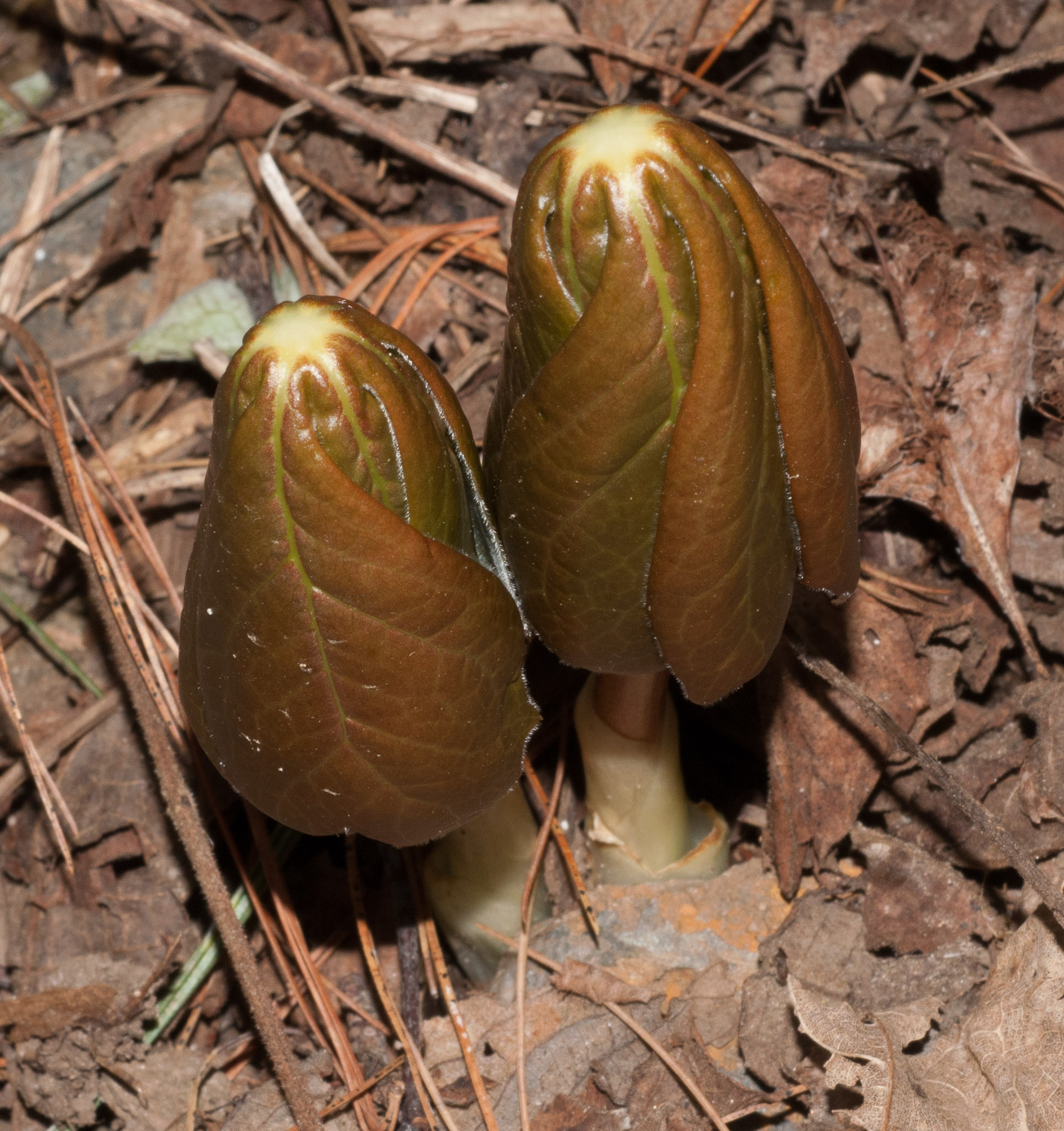
4/16/2013 · Beaver Brook Conservation Area, Hollis, New Hampshire · ≈ 3½ × 4″ (9.7 × 10 cm) 
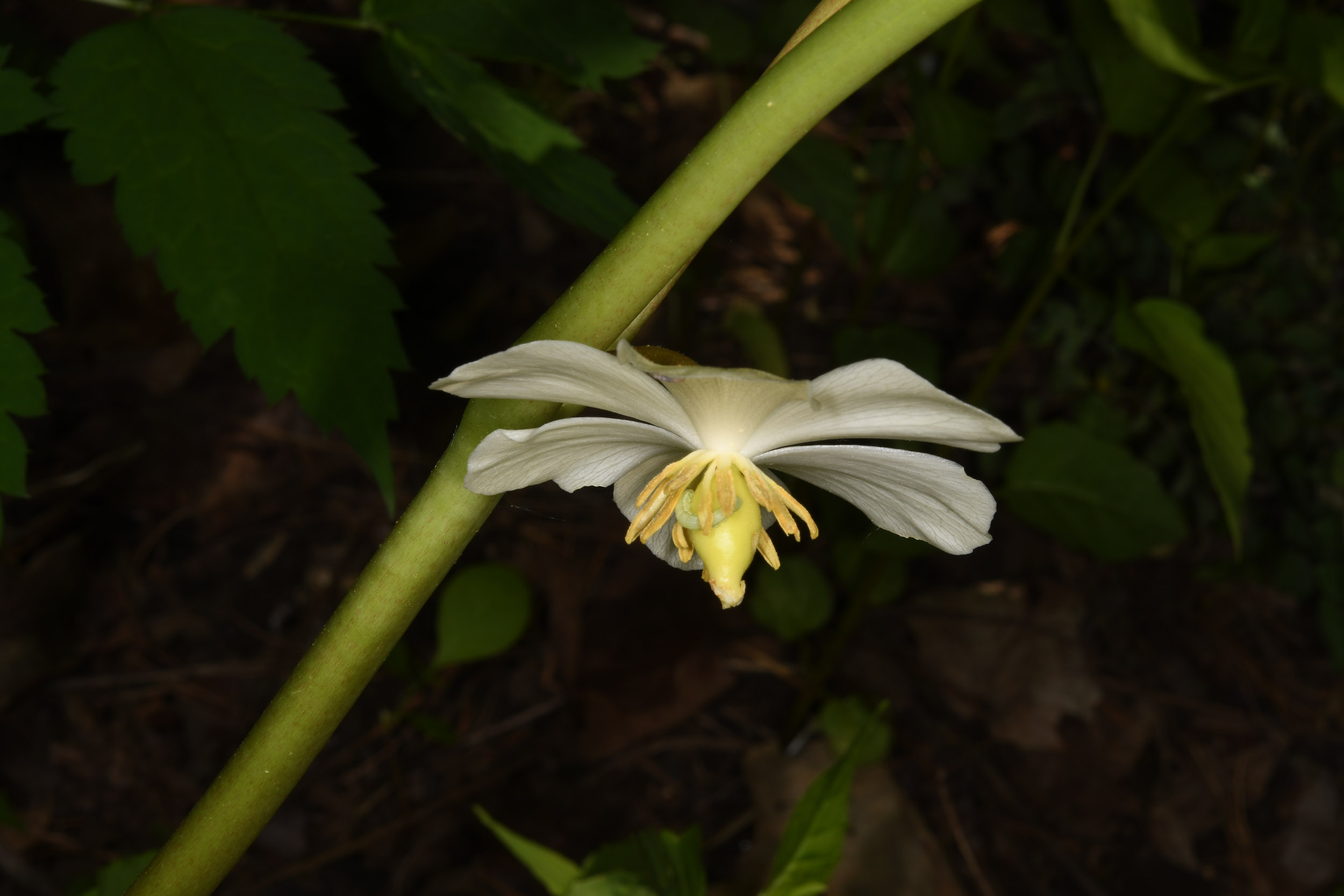
5/23/2016 · Wildflower Trail, Beaver Brook Conservation Area, Hollis, New Hampshire 
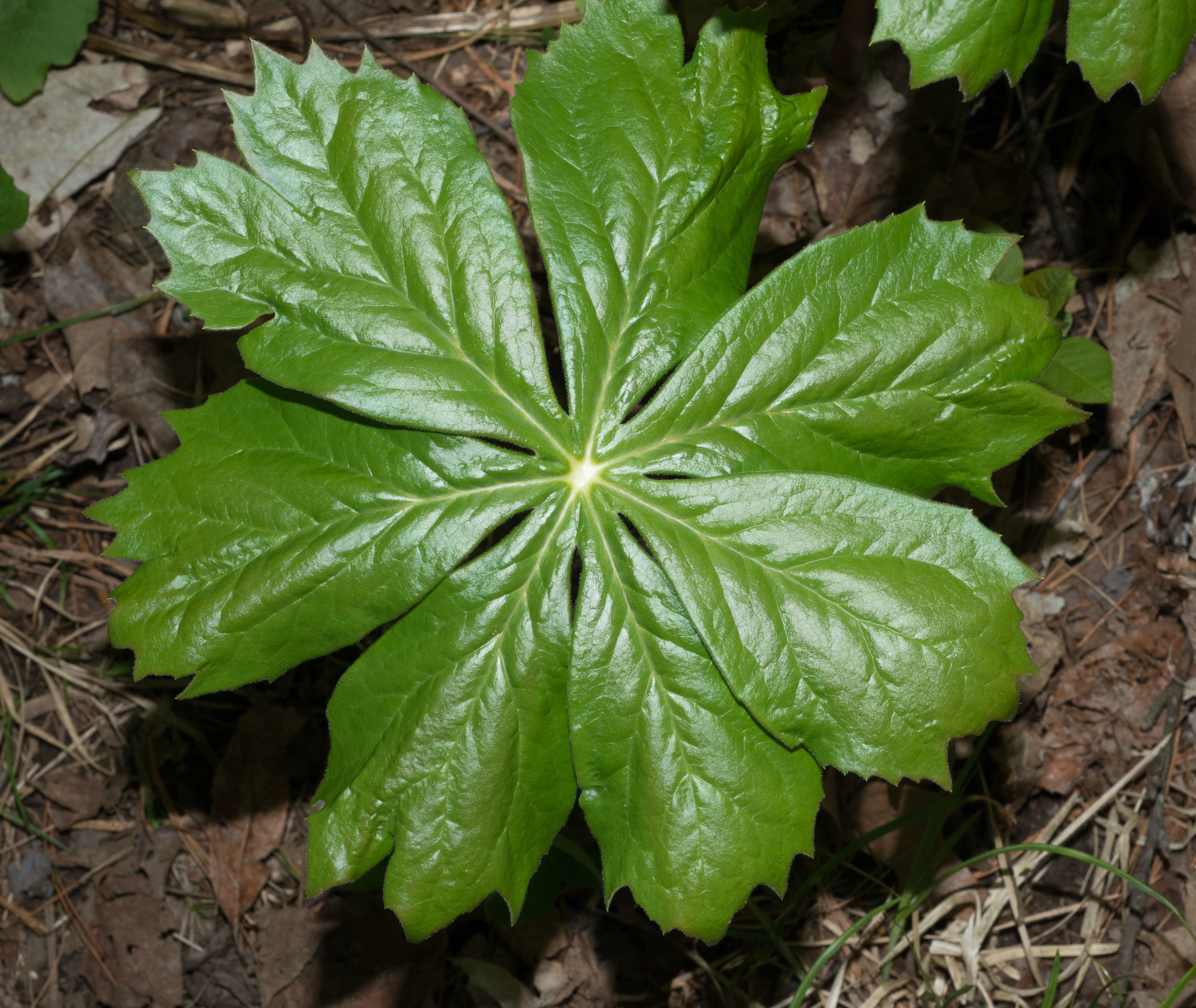
4/29/2013 · Beaver Brook Conservation Area, Hollis, New Hampshire · ≈ 12 × 10″ (30 × 25 cm) 
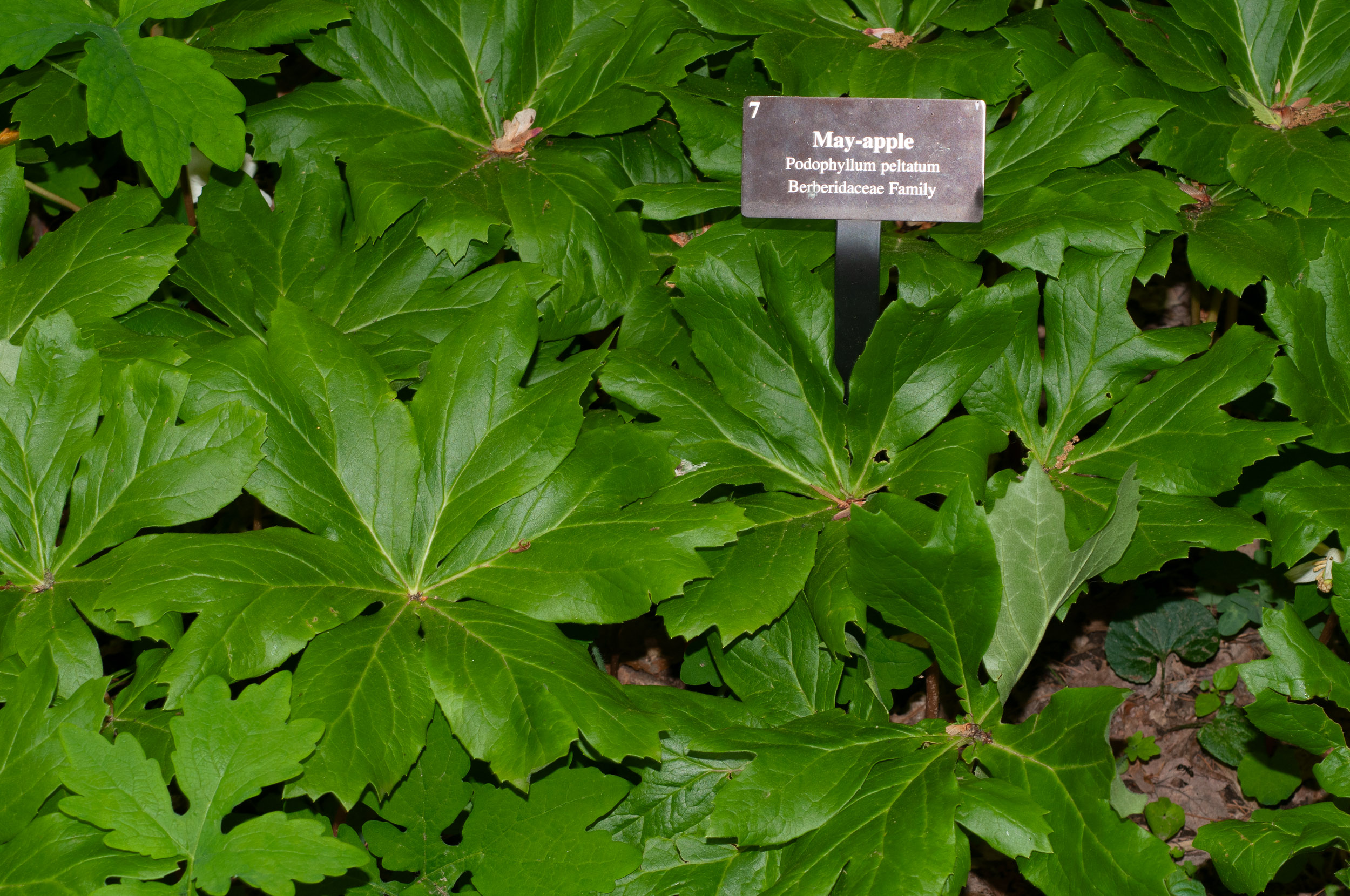
5/14/2012 · Acton Arboretum, Acton, Massachusetts · ≈ 2 × 1′ (62 × 41 cm) 
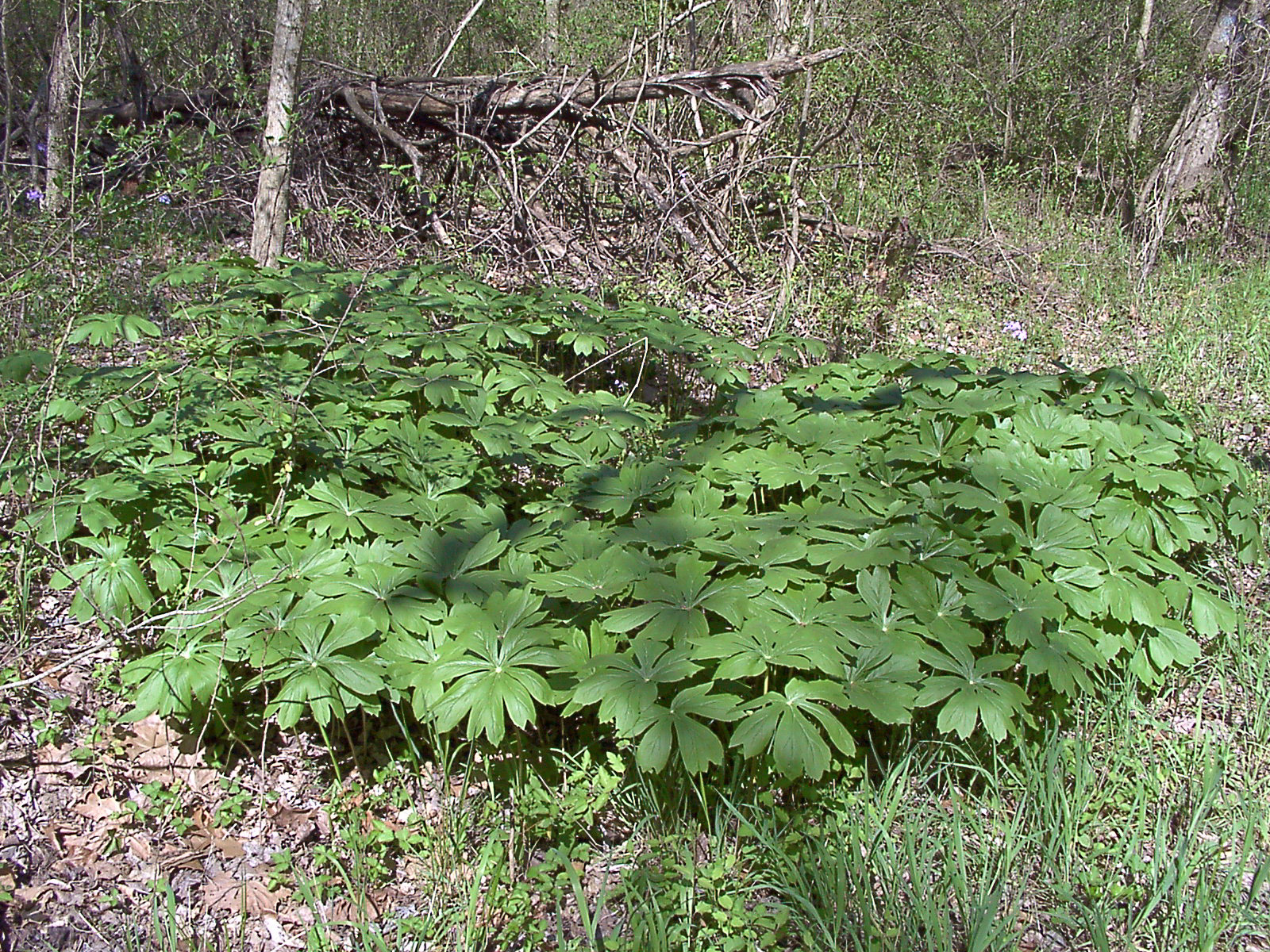
3/26/1998 · Memphis, Tennessee · By Tim Chandler 
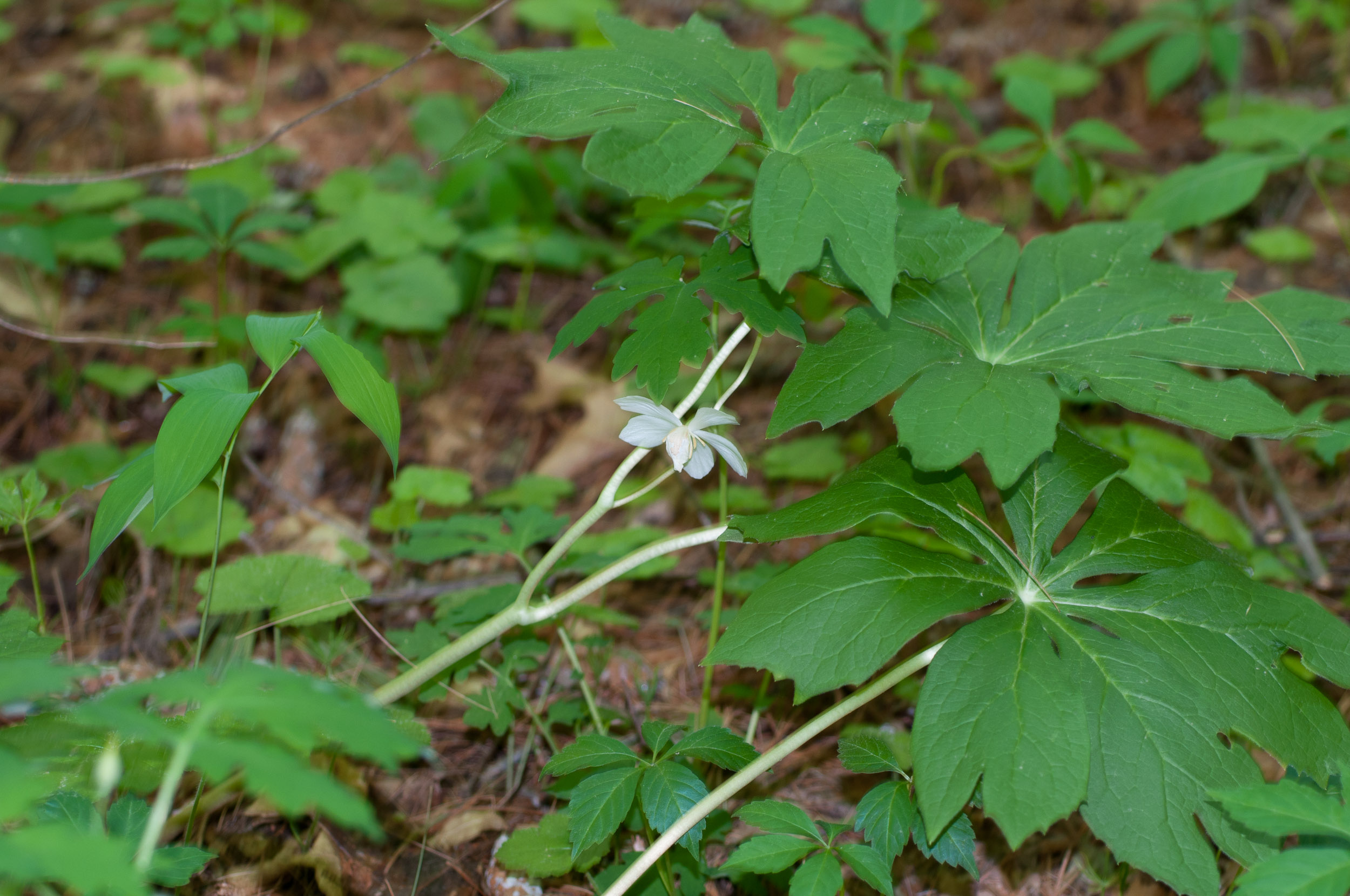
5/15/2010 · Garden in the Woods, Framingham, Massachusetts · ≈ 2 × 1′ (62 × 41 cm) 
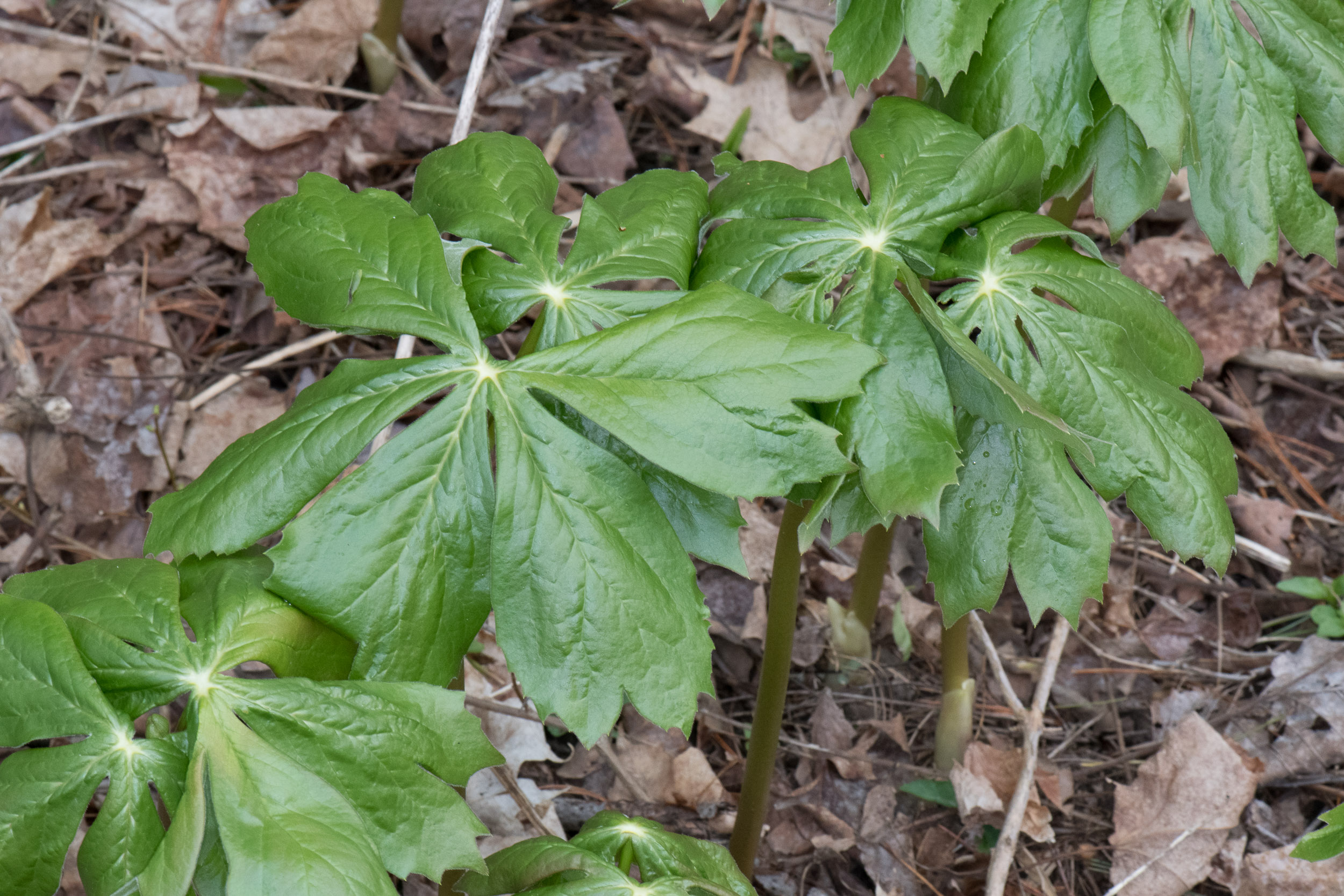
4/23/2016 · Big Tree/Porcupine Trail, Beaver Brook Conservation Area, Hollis, Massachusetts 
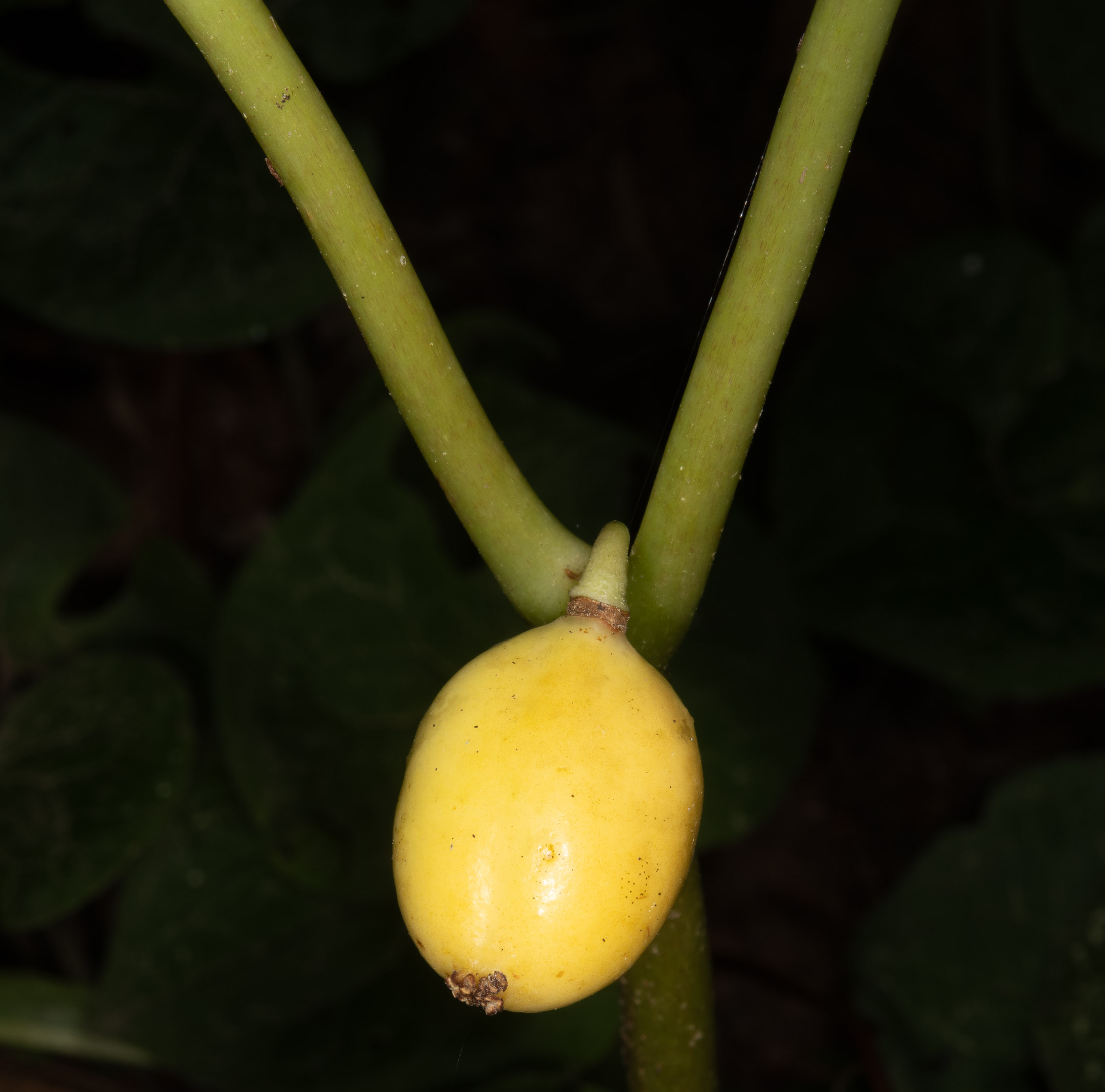
8/17/2019 · Wildflower Trail, Beaver Brook Conservation Area, Hollis, New Hampshire · ≈ 4 × 4″ (10 × 10 cm) 
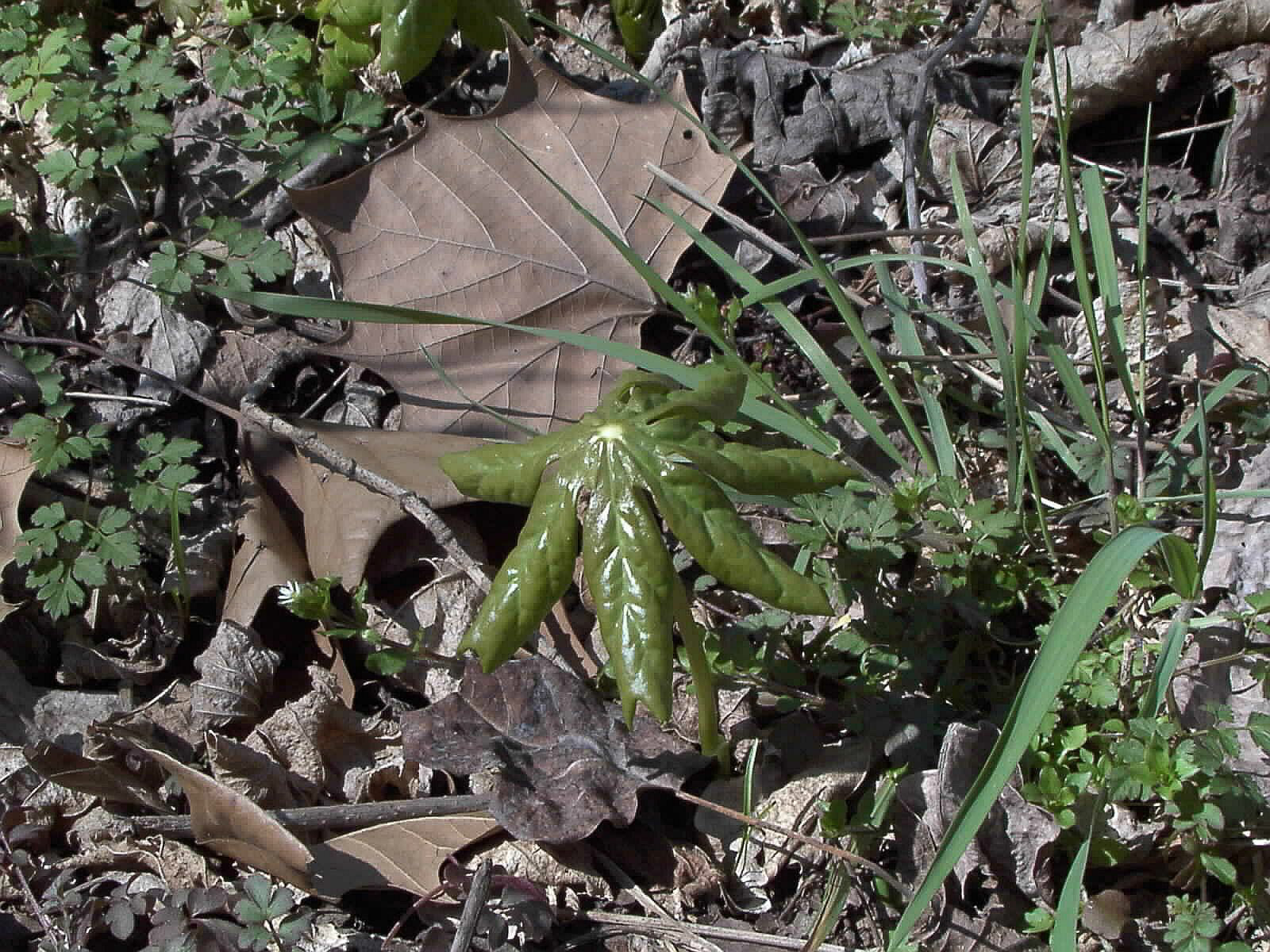
3/5/2000 · Memphis, Tennessee · By Tim Chandler 
| Kingdom | Plantae | Plants, but not fungi, lichens, or algae (from Stearn's Botanical Latin) |
| Subkingdom | Tracheobionta | Vascular plants—plants with a “circulatory system” for delivering water and nutrients |
| Division | Magnoliophyta | Flowering plants, also known as angiosperms |
| Class | Magnoliopsida | Dicotyledons—plants with two initial seed leaves |
| Subclass | Magnoliidae | Includes magnolias, nutmeg, bay laurel, cinnamon, avocado, black pepper, and many others |
| Order | Ranunculales | Basal (evolved earlier) eudicots, also called “true dicots” |
| Family | Berberidaceae | Barberry family |
| Genus | Podophyllum | From Greek pous or podos, ”foot,“ and phyllon, ”leaf,“ and references the shape of the leaves in this species |
| Species | peltatum | Shield-shaped |
Podophyllum peltatum description by Thomas H. Kent, not updated.

© FloraFinder.org. All rights reserved.