Triclisperma paucifolia (Willd.) Nieuwl.
Polygala paucifolia Willd.
Fringed polygala, gaywings, fringed milkwort
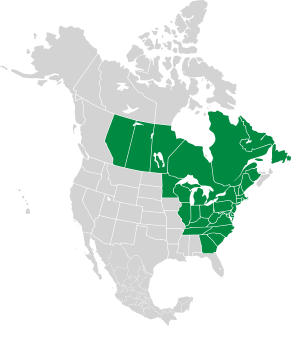
Fringed polygala is a North American native plant. Polygala means “much milk,” a reference to fringed polygala’s reputed ability to stimulate the production of milk in people and other mammals.
When I first noticed these tiny but colorful flowers, I thought they must be violets, which were also in bloom. On closer inspection, though, they look much different, more like orchids, for which they are sometimes mistaken. But these flowers have a fringed center and two large opposing petals, hence the name “gaywings.”
Plants: Evergreen, and less than 6″ (15 cm) in height.
Leaves: Upper leaves are oval, and near the top of the stem, just beneath the flowers. They are not separated into leaflets, and they are entire, that is, not divided. Leaf edges are rough, but not toothed. They are 1–1½ ⨉ ½–¾″ (2.5–3.8 ⨉ 1.3–1.9 cm).
Flowers: Each diminutive plant sports one to four flowers. They are a bright magenta or pink color, about ¾–1″ (1.9–2.5 cm) in size. Rarely, flowers are white, or blue to purple. Each flower has two showy side petals—the “wings”—and a central tubelike structure. The tube is comprised of two smaller equally bright petals, and a third, which extends a bit further, ending in a bright pink or white “pom pom.” Five sepals are largely enclosed within the pink tube. Flowers appears from May to June.
Fruits: Capsules are somewhat heart-shaped, up to ⅛″ (6 mm) long.
Habitats: In all forests, except the wettest and the driest, most often with fir, cedar, birch, aspen, hemlock, and pines. It is common near shorelines, in calcerous or sandy soils.
Medical: Fringed polygala was once believed to contain compounds that stimulate milk production in nursing mammals. It has also been used historically for abscesses, boils, and sores.
Online References:
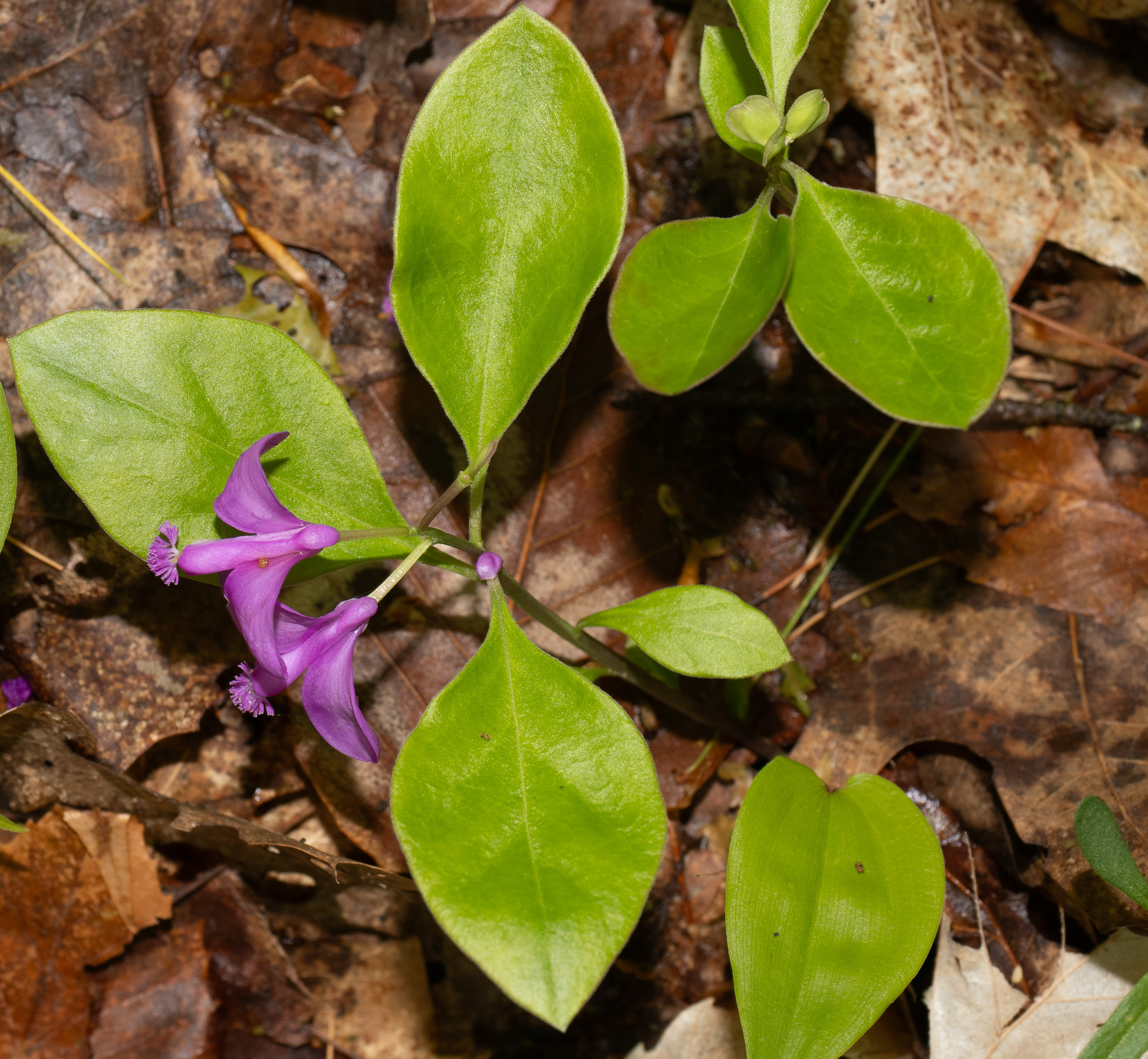
5/25/2023 · Maquoit Bay Conservation Land, Brunswick, Maine 
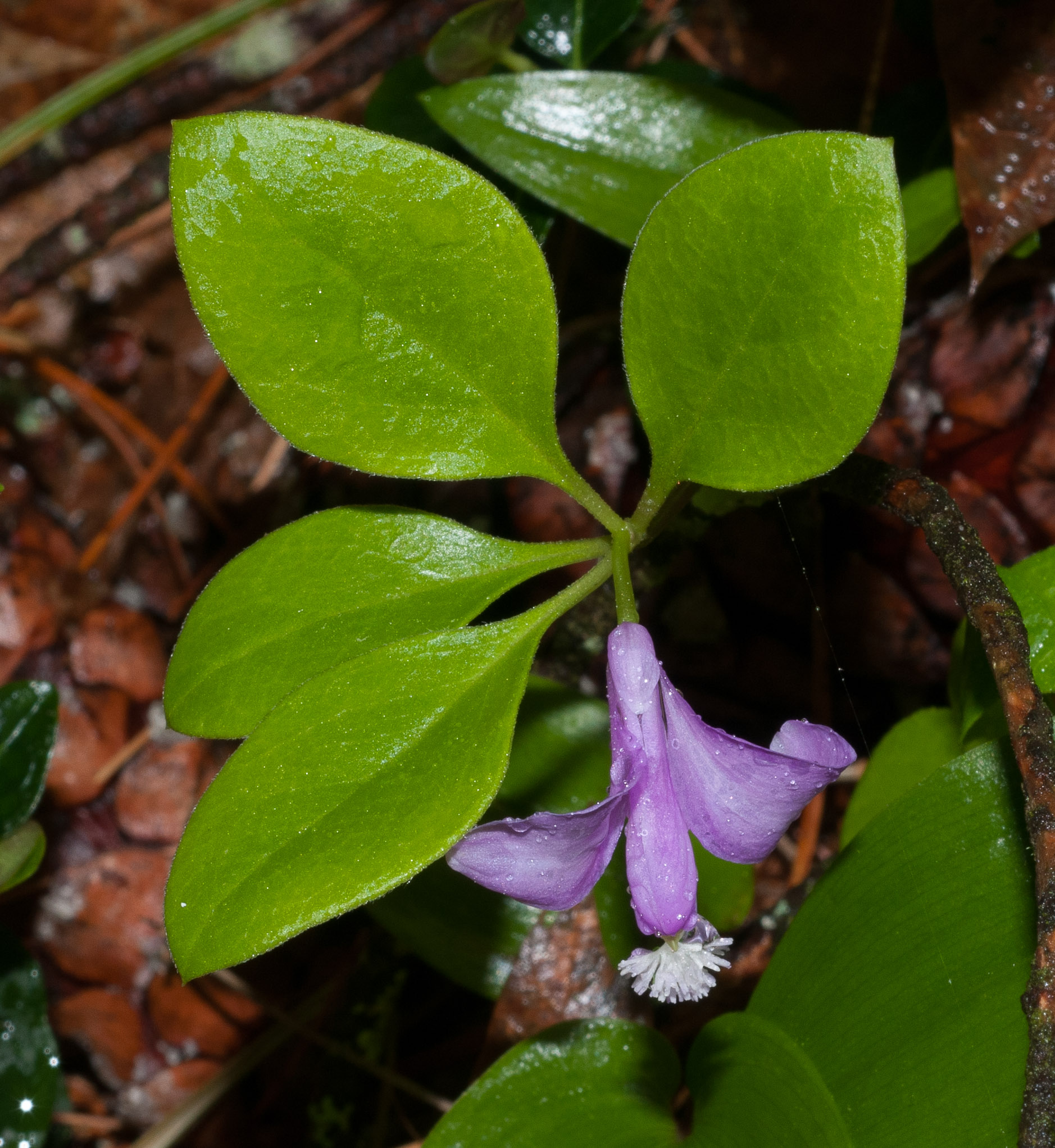
5/14/2010 · Beaver Brook Conservation Area, Hollis, New Hampshire · ≈ 3 × 3″ (7.8 × 8.5 cm) 
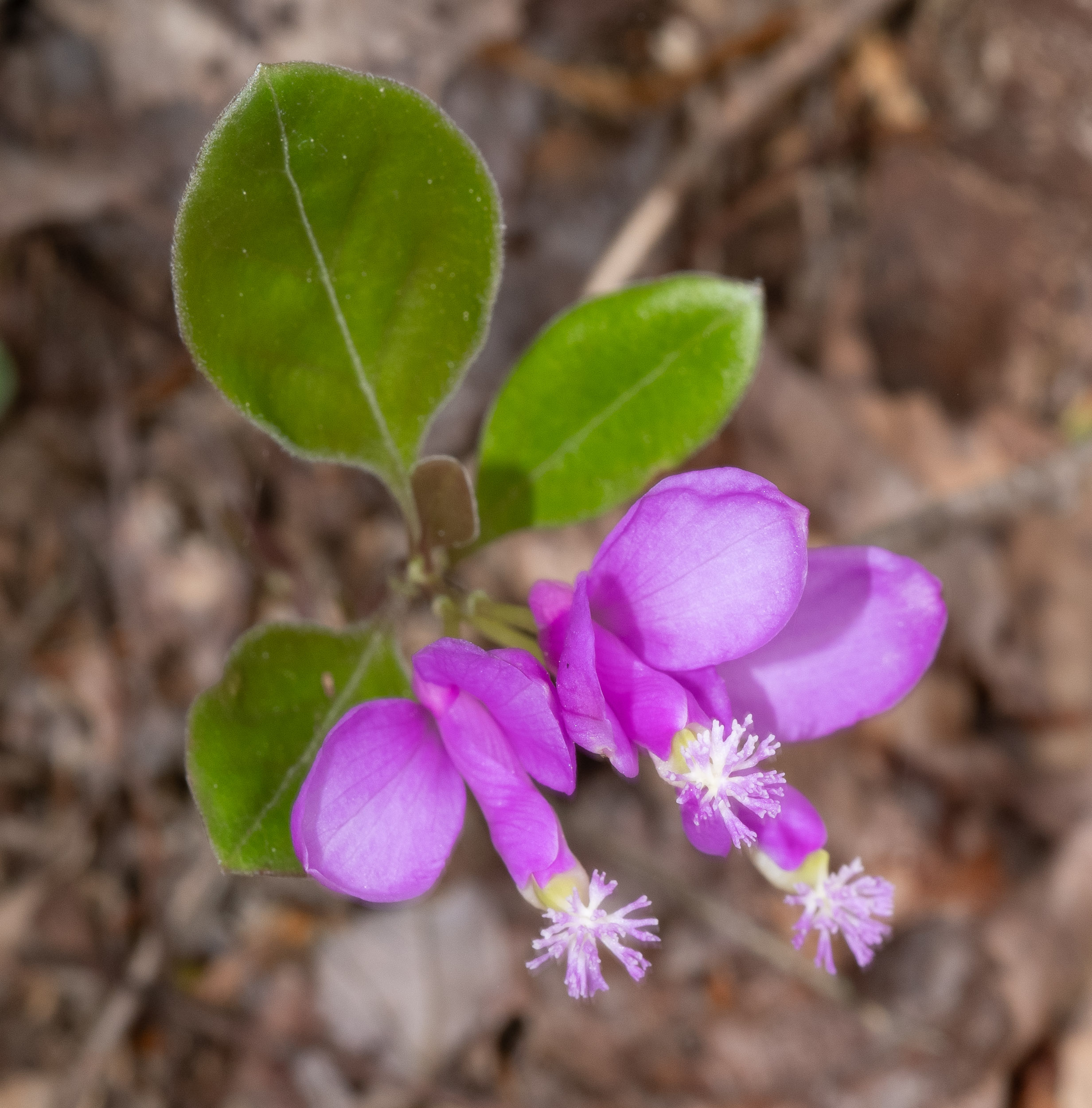
5/12/2023 · Long Reach Preserve, Harpswell, Maine 
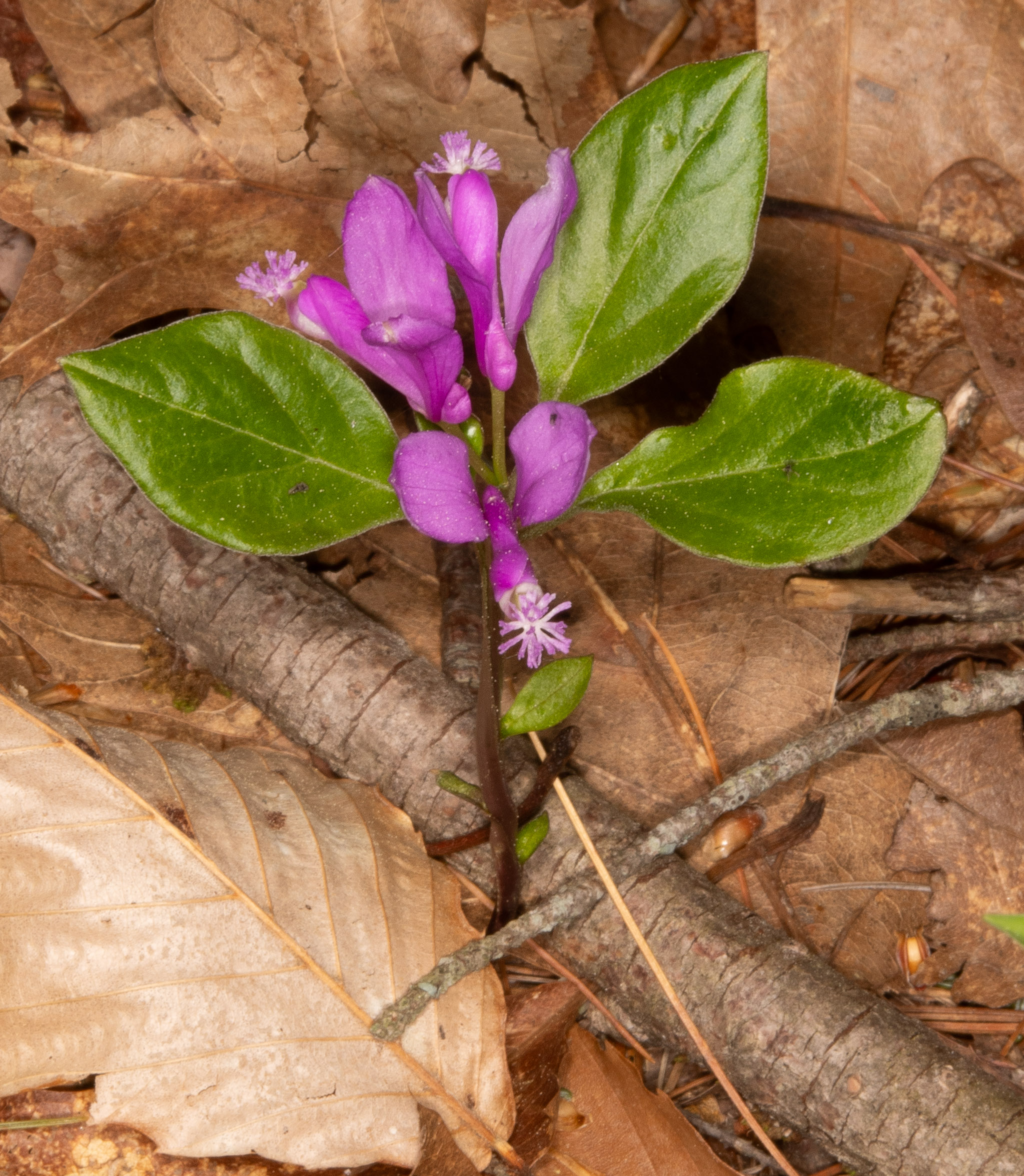
5/17/2021 · Bijhouwer Forest, Phippsburg, Maine · ≈ 3½ × 4″ (9.1 × 10 cm) 
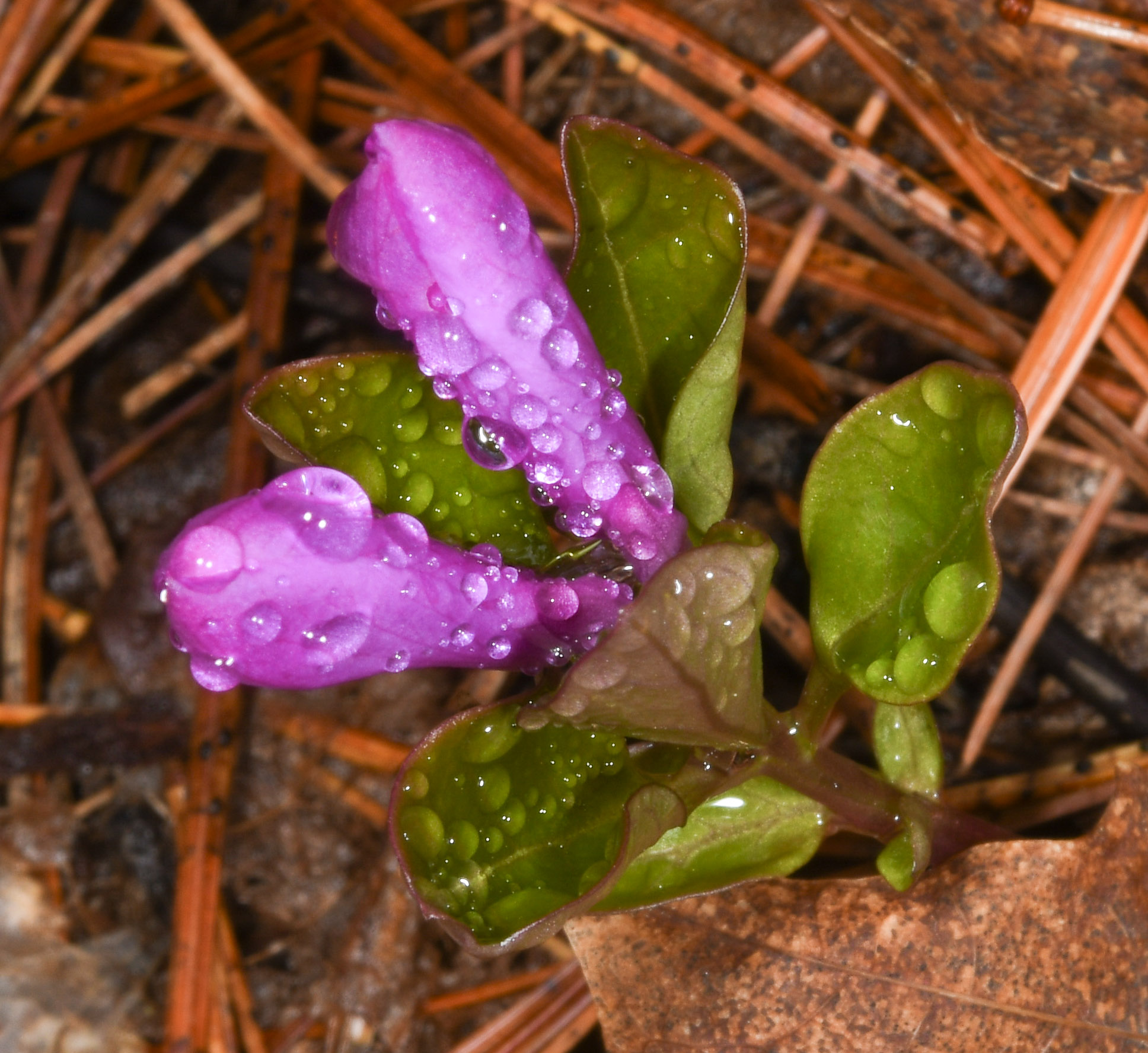
5/5/2016 · Wildflower Trail, Beaver Brook Conservation Area, Hollis, New Hampshire 
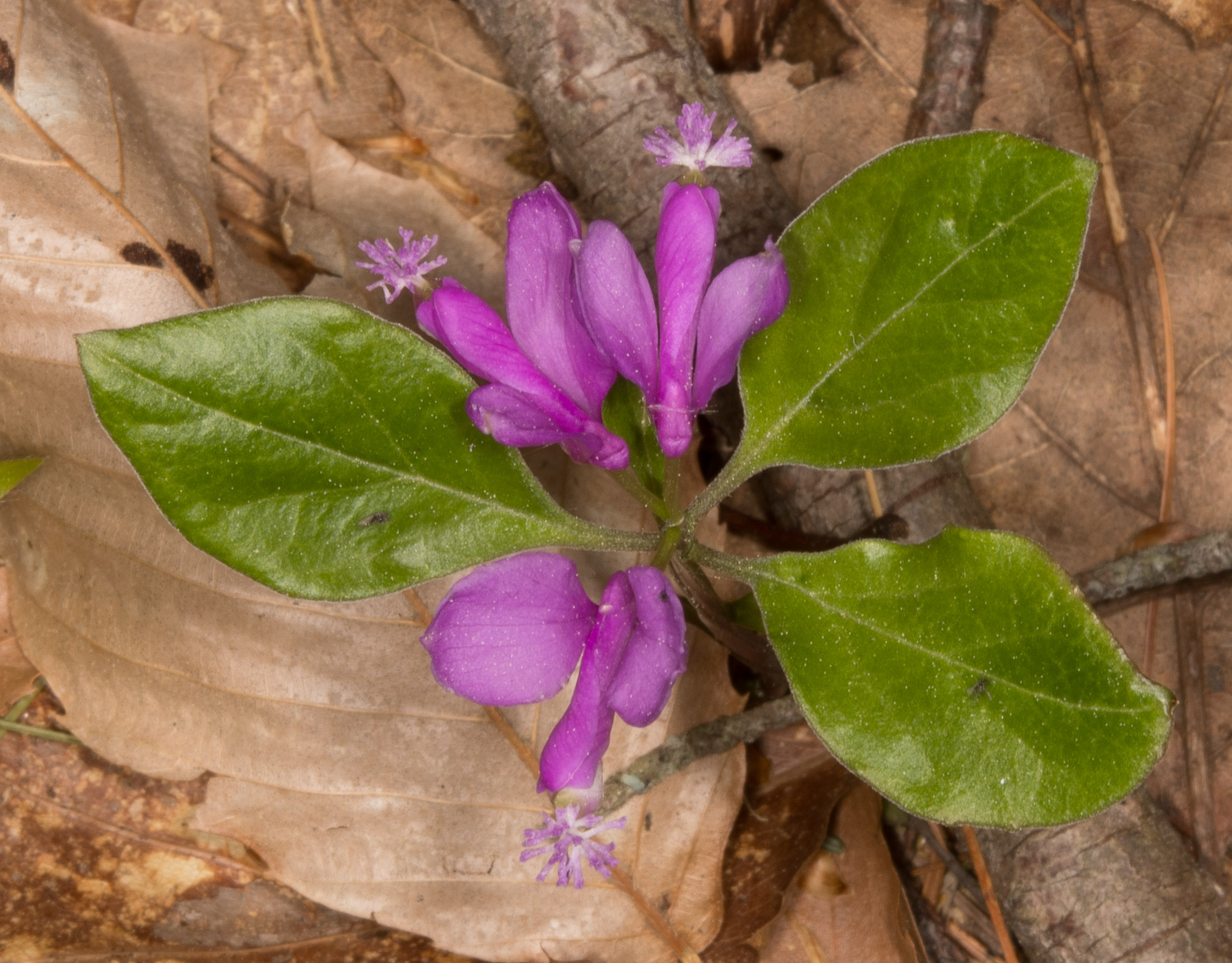
5/17/2021 · Bijhouwer Forest, Phippsburg, Maine · ≈ 3½ × 2½″ (8.6 × 6.7 cm) 
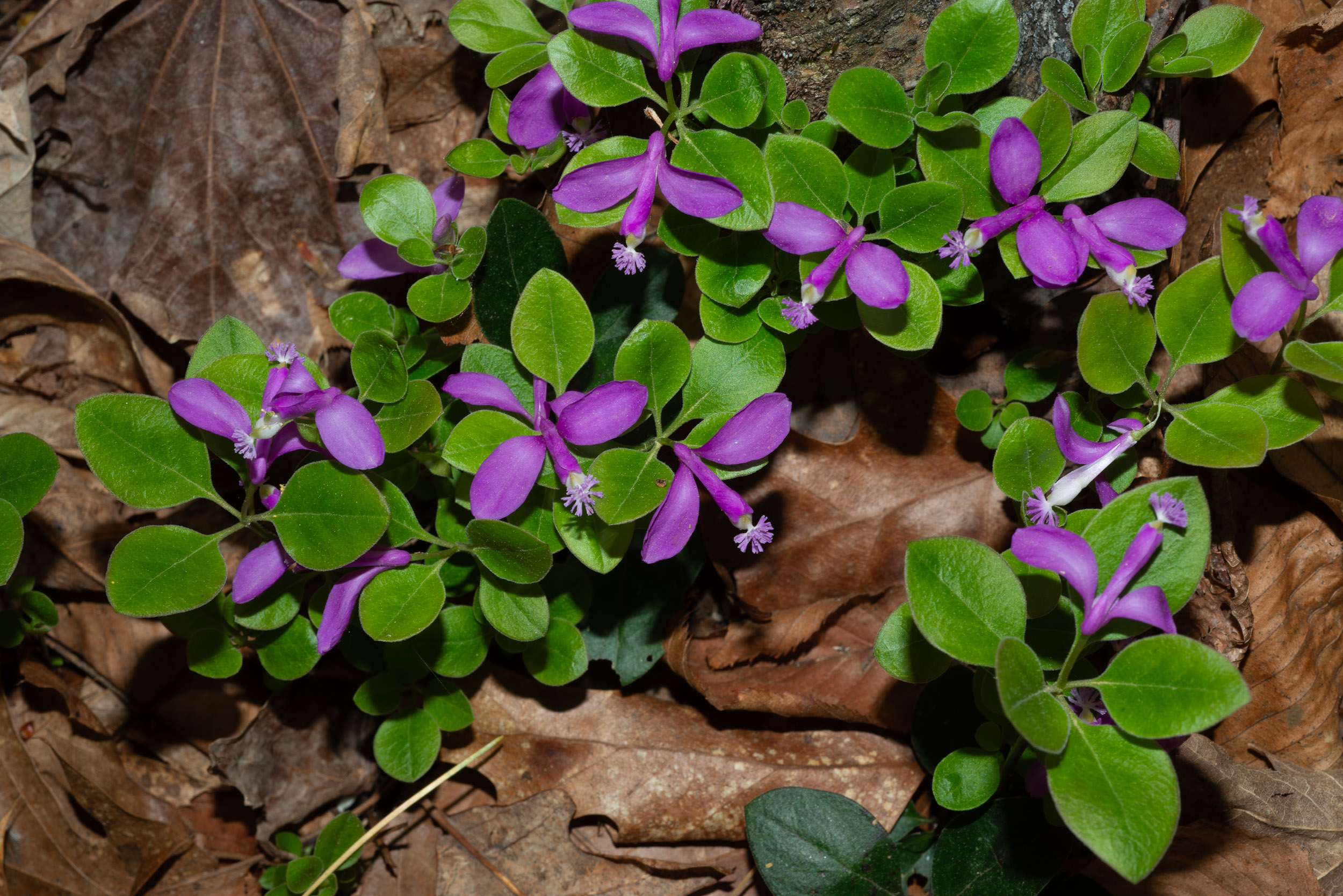
5/14/2013 · Beaver Brook Conservation Area, Hollis, New Hampshire · ≈ 11 × 7″ (26 × 17 cm) 
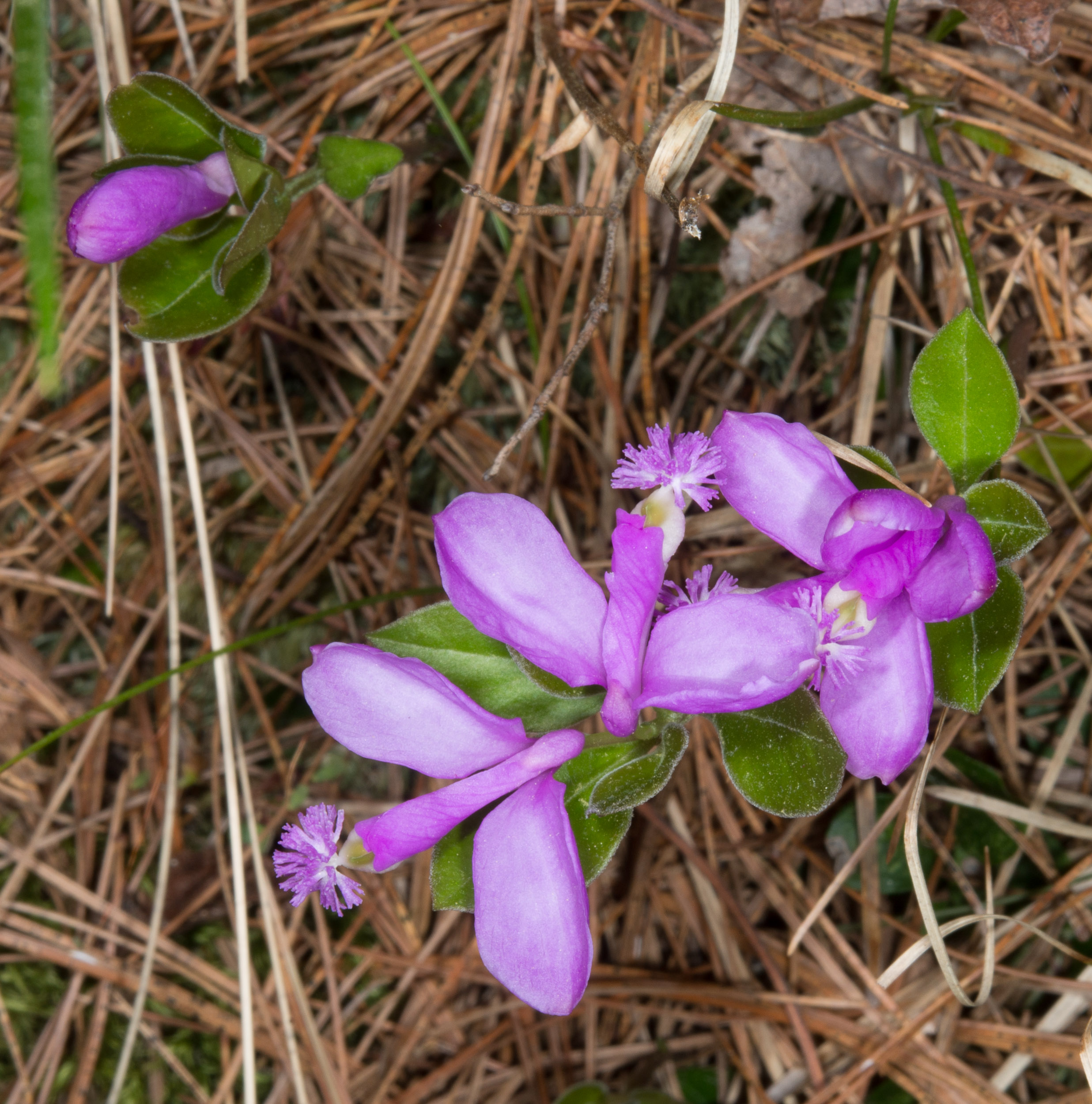
5/14/2015 · Silver Lake, Hollis, New Hampshire · ≈ 3½ × 3½″ (8.7 × 8.8 cm) 
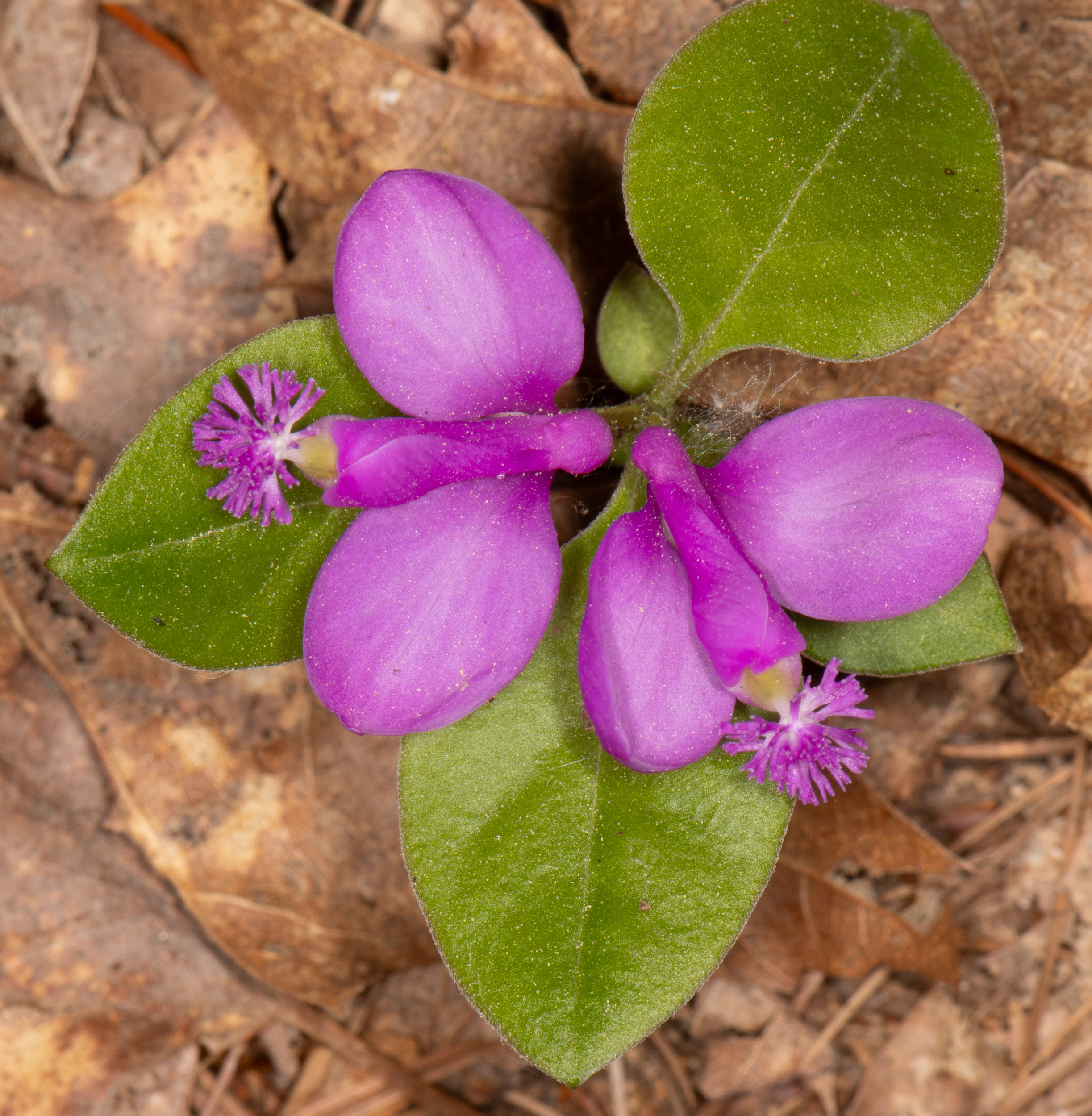
5/20/2021 · Eaton Farm Preserve, Wiscasset, Maine · ≈ 3 × 3″ (7.4 × 7.5 cm) 
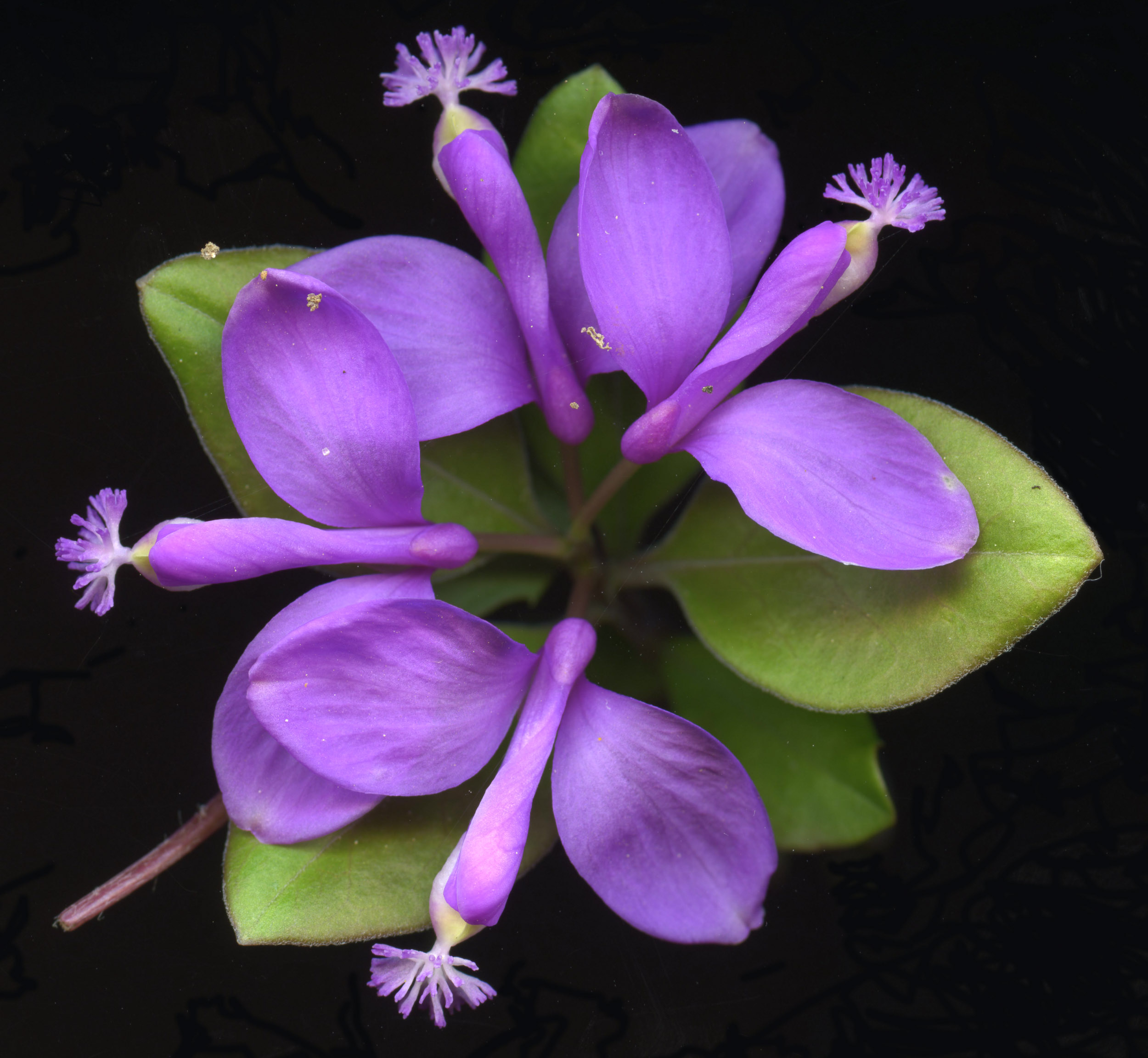
5/14/2022 · Cathance River Conservation Area, Topsham, Maine 
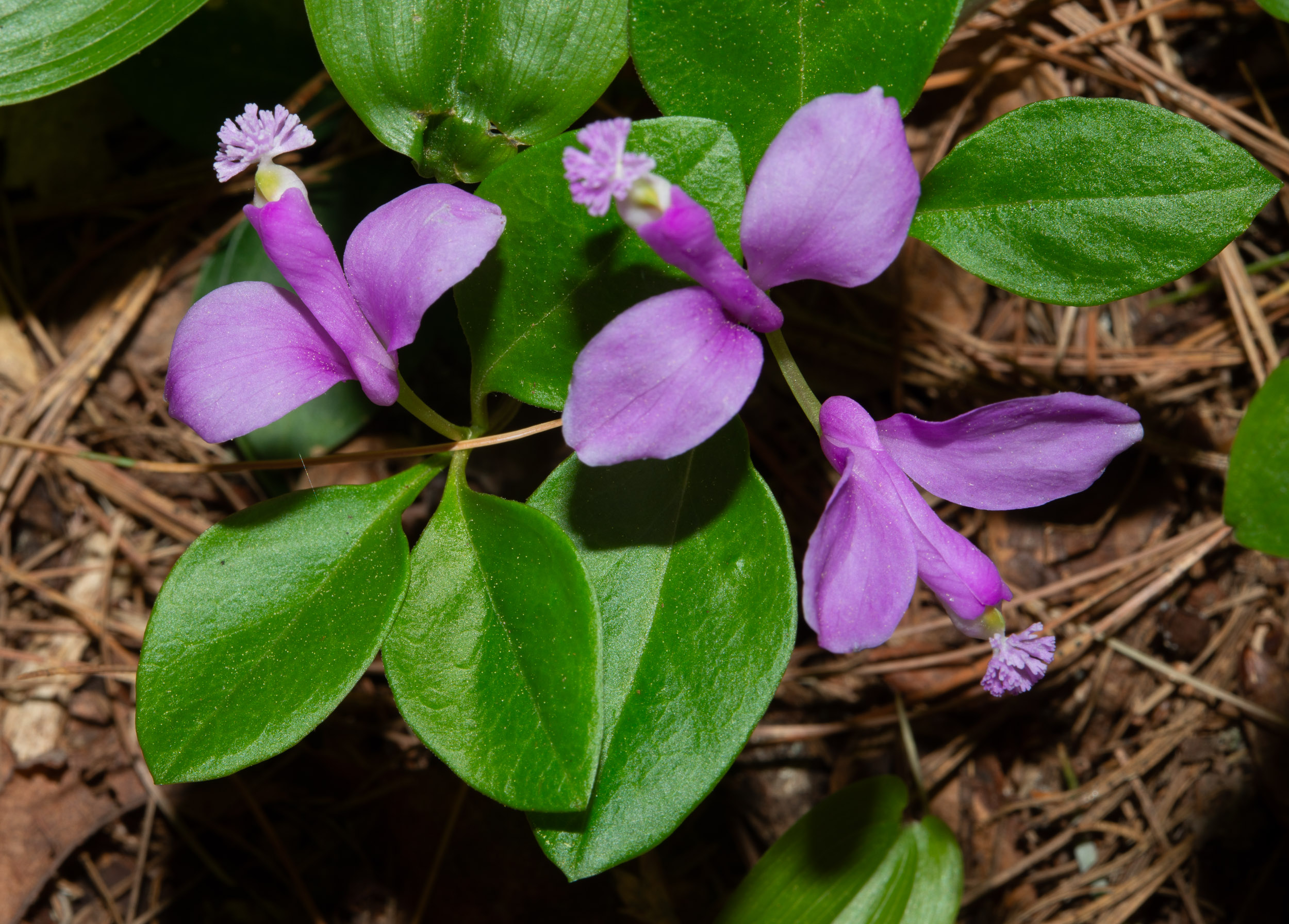
5/20/2014 · Beaver Brook Conservation Area, Hollis, New Hampshire · ≈ 5 × 3½″ (12 × 8.9 cm) 
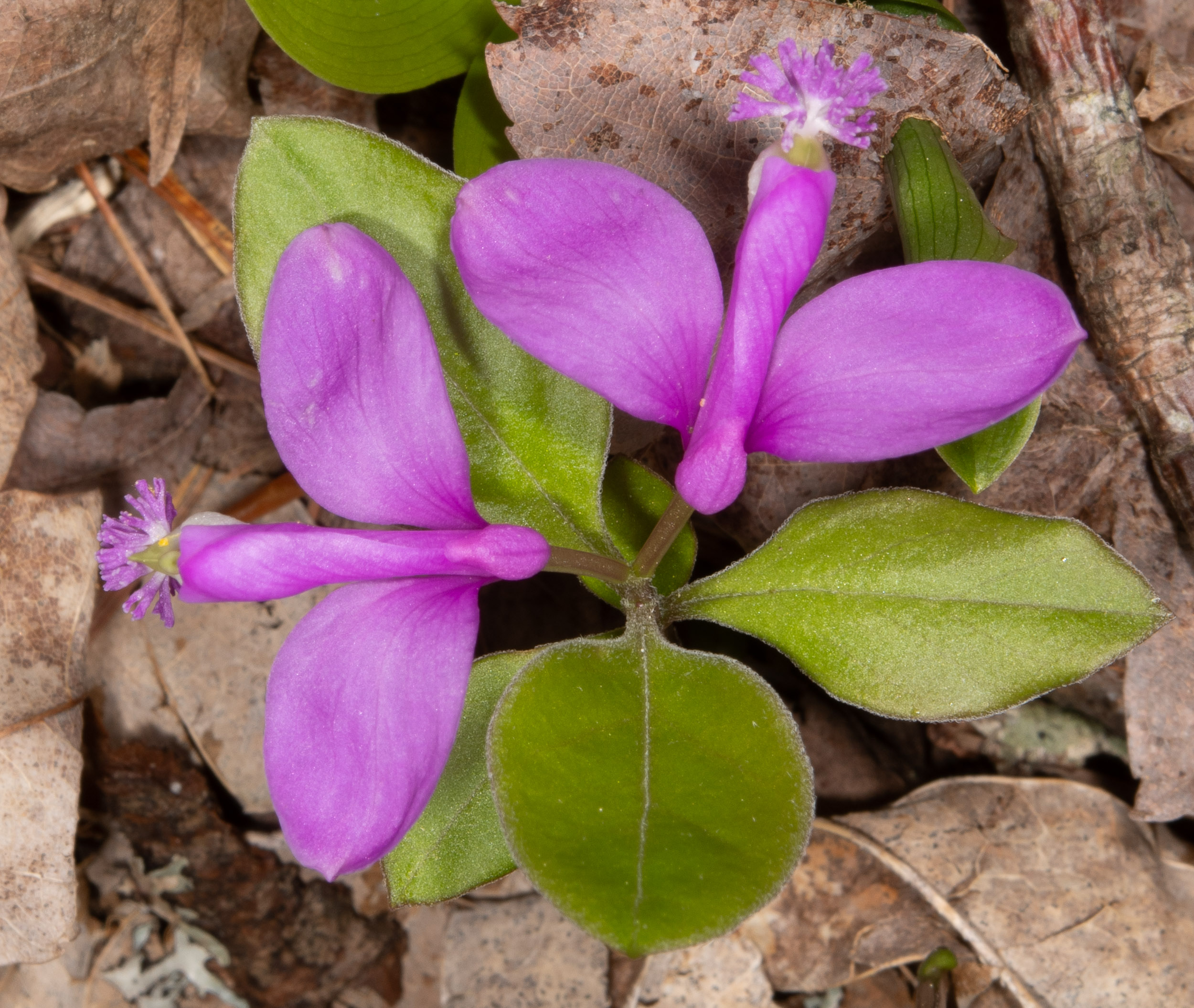
5/17/2024 · Robert P. Tristam Coffin Wildflower Preserve, Woolwich, Maine · ≈ 2½ × 2″ (7.1 × 6 cm) 
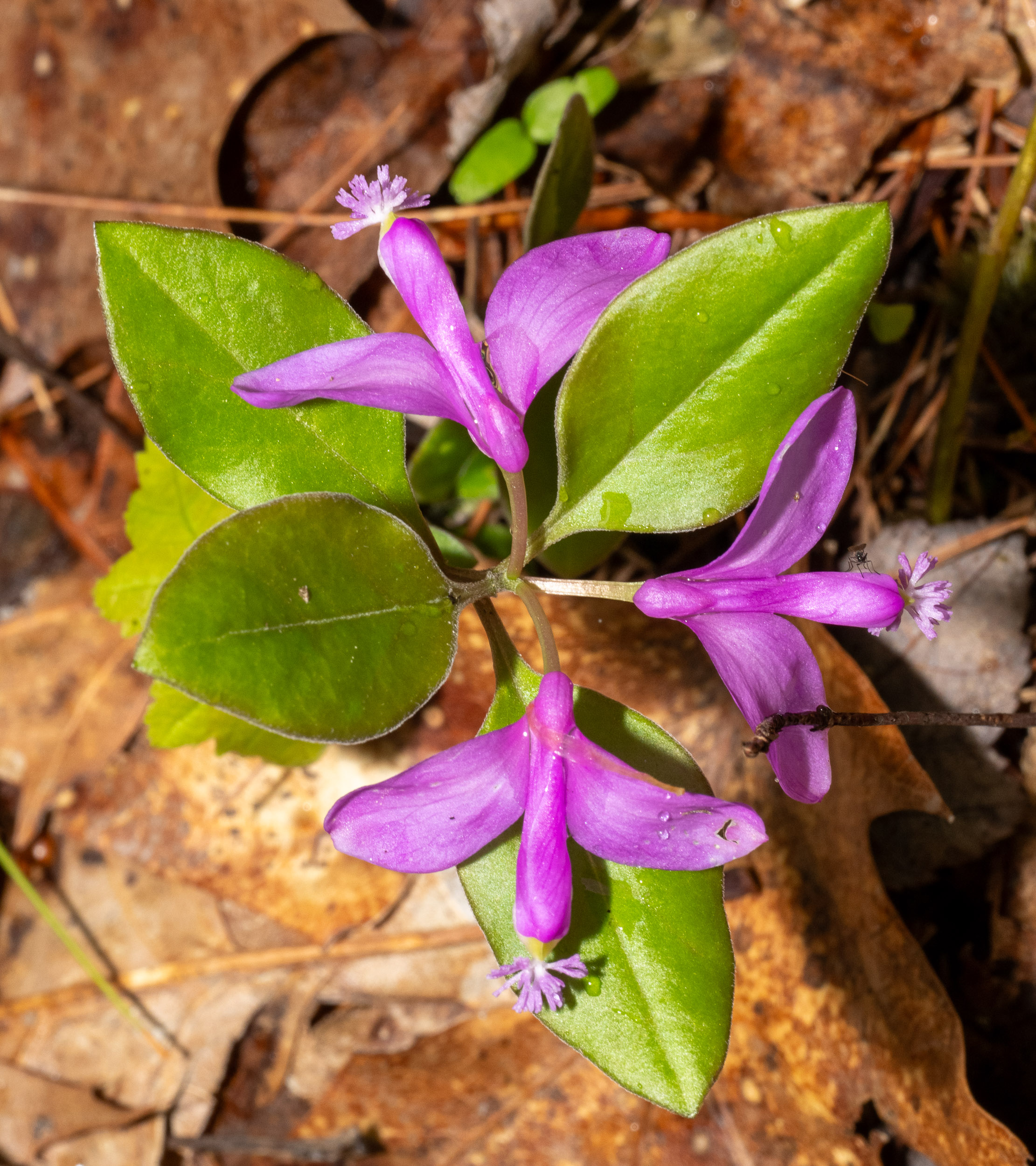
5/18/2025 · Center Point Preserve, Bowdoinham, Maine · ≈ 3 × 3½″ (8.3 × 9.4 cm) 
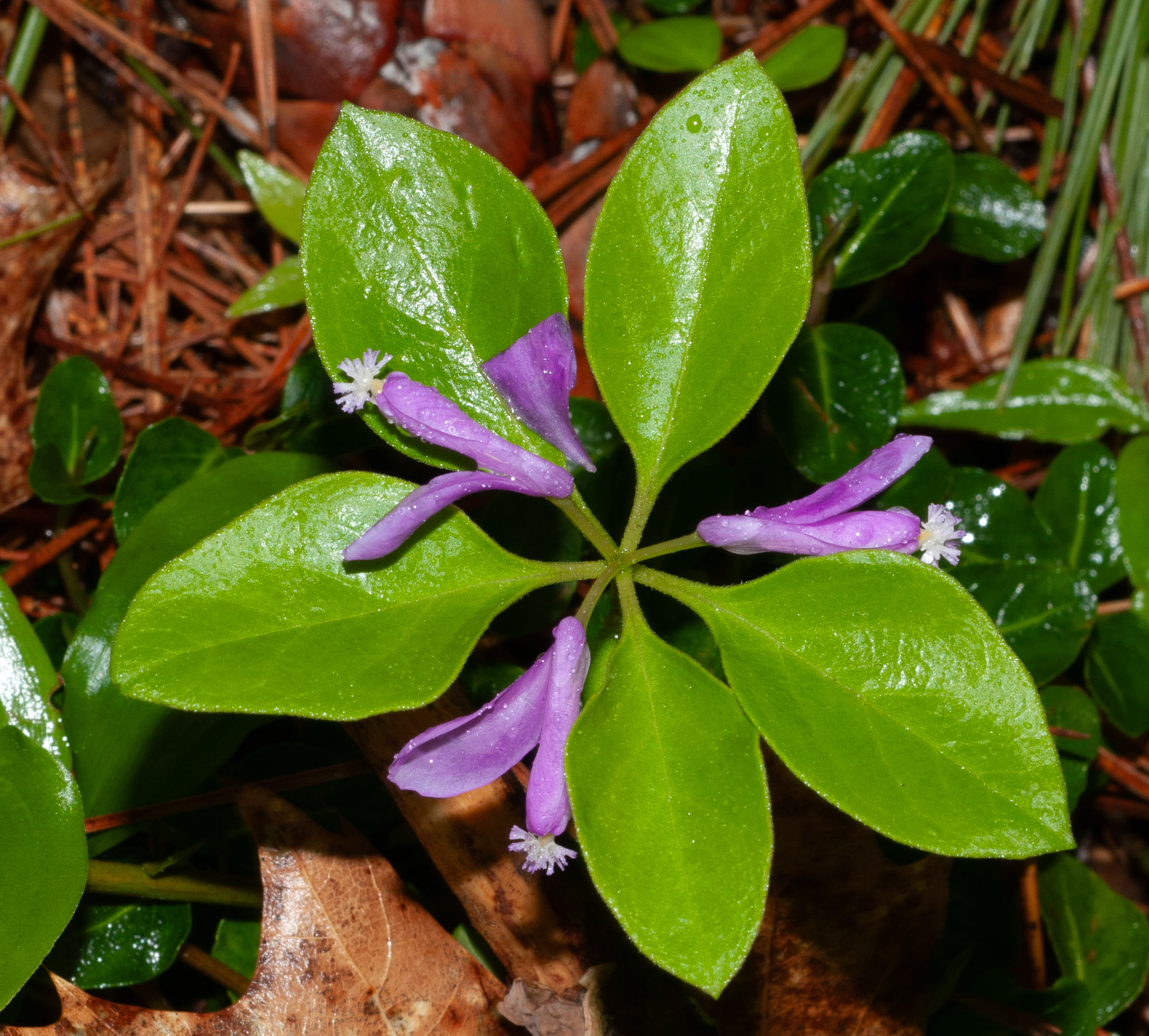
5/14/2010 · Beaver Brook Conservation Area, Hollis, New Hampshire · ≈ 4 × 3½″ (10 × 9.6 cm) 
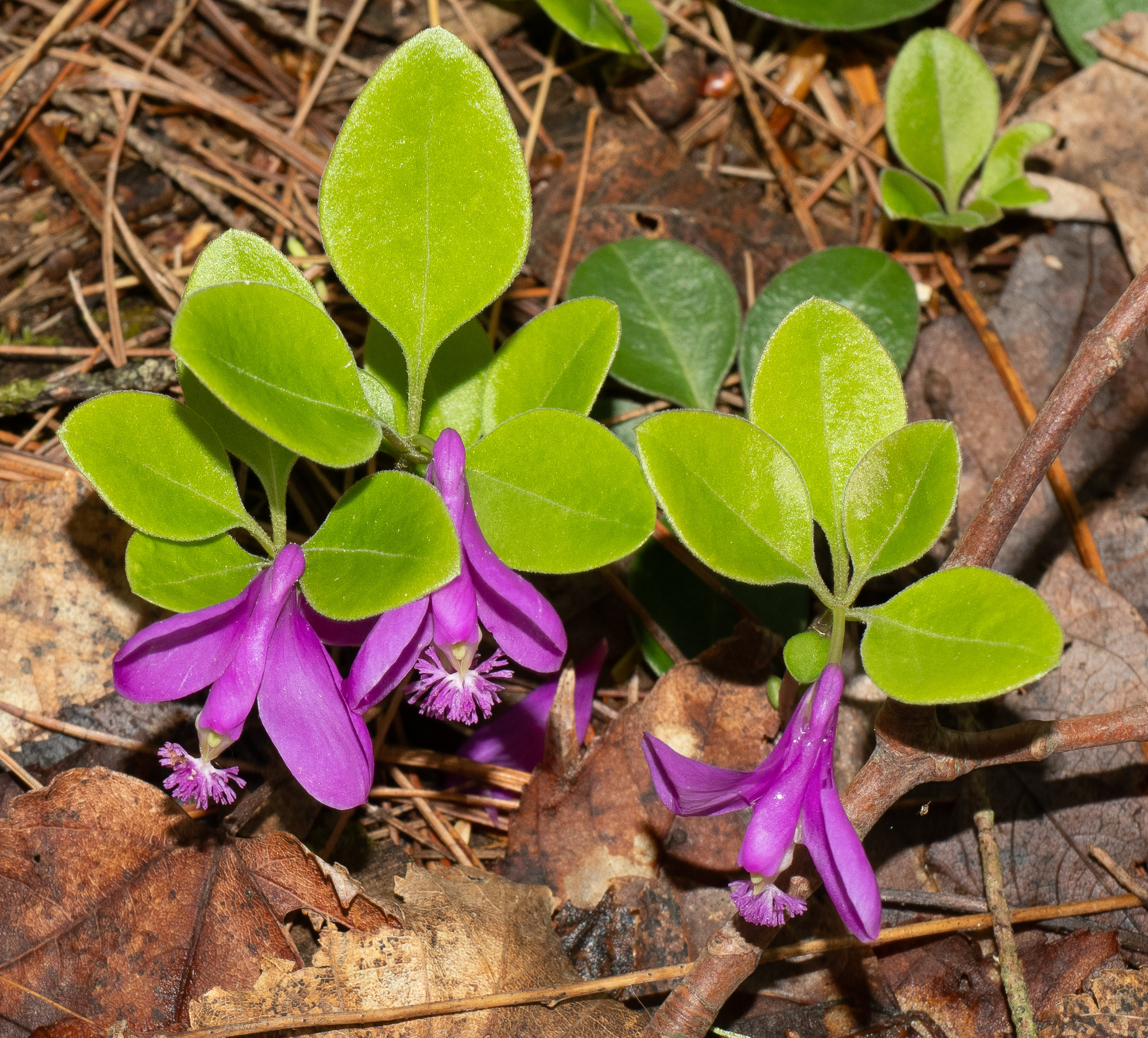
5/25/2023 · Maquoit Bay Conservation Land, Brunswick, Maine 
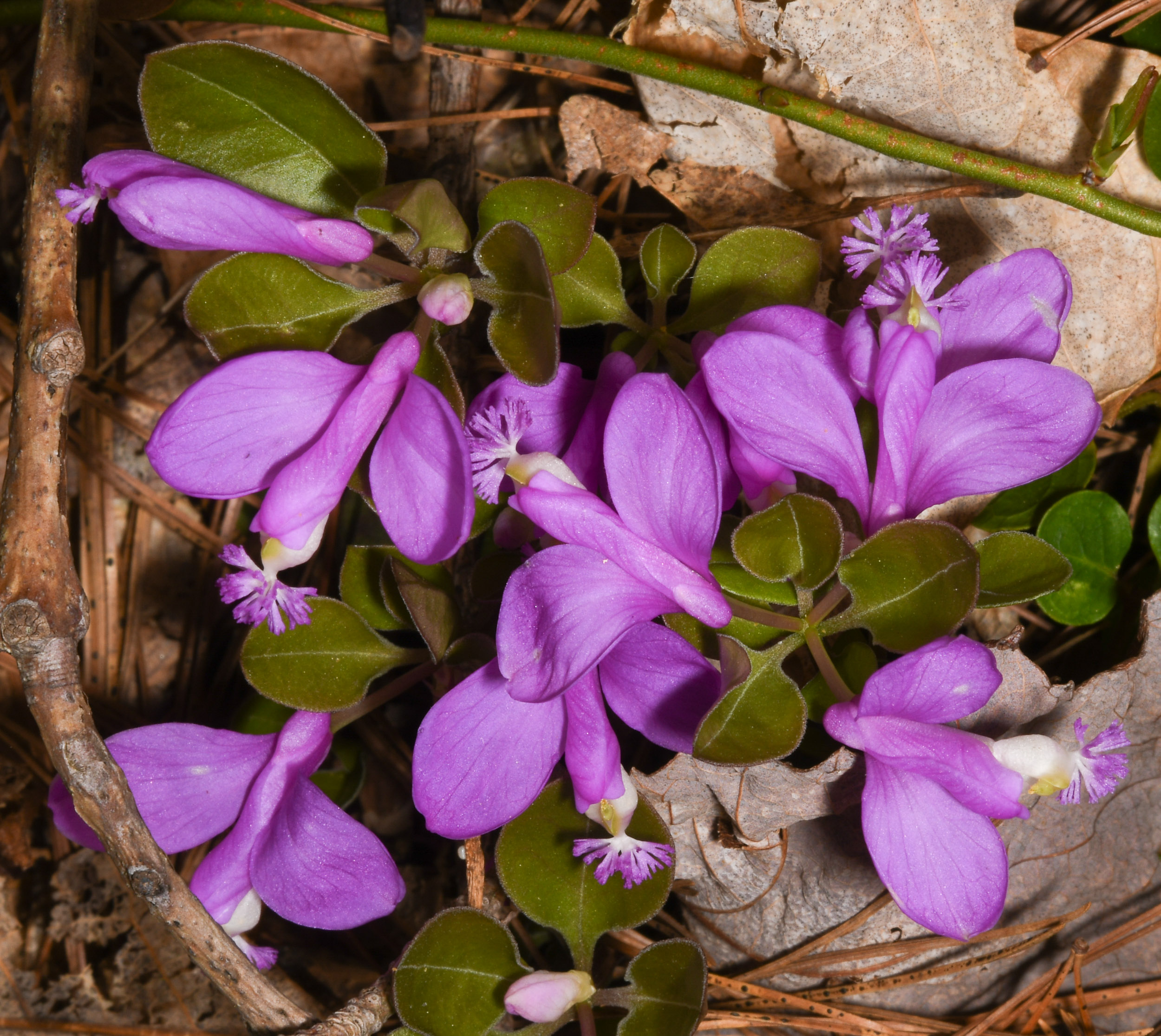
5/12/2016 · Wildlife Pond Trail, Beaver Broo, Hollis, New Hampshire 
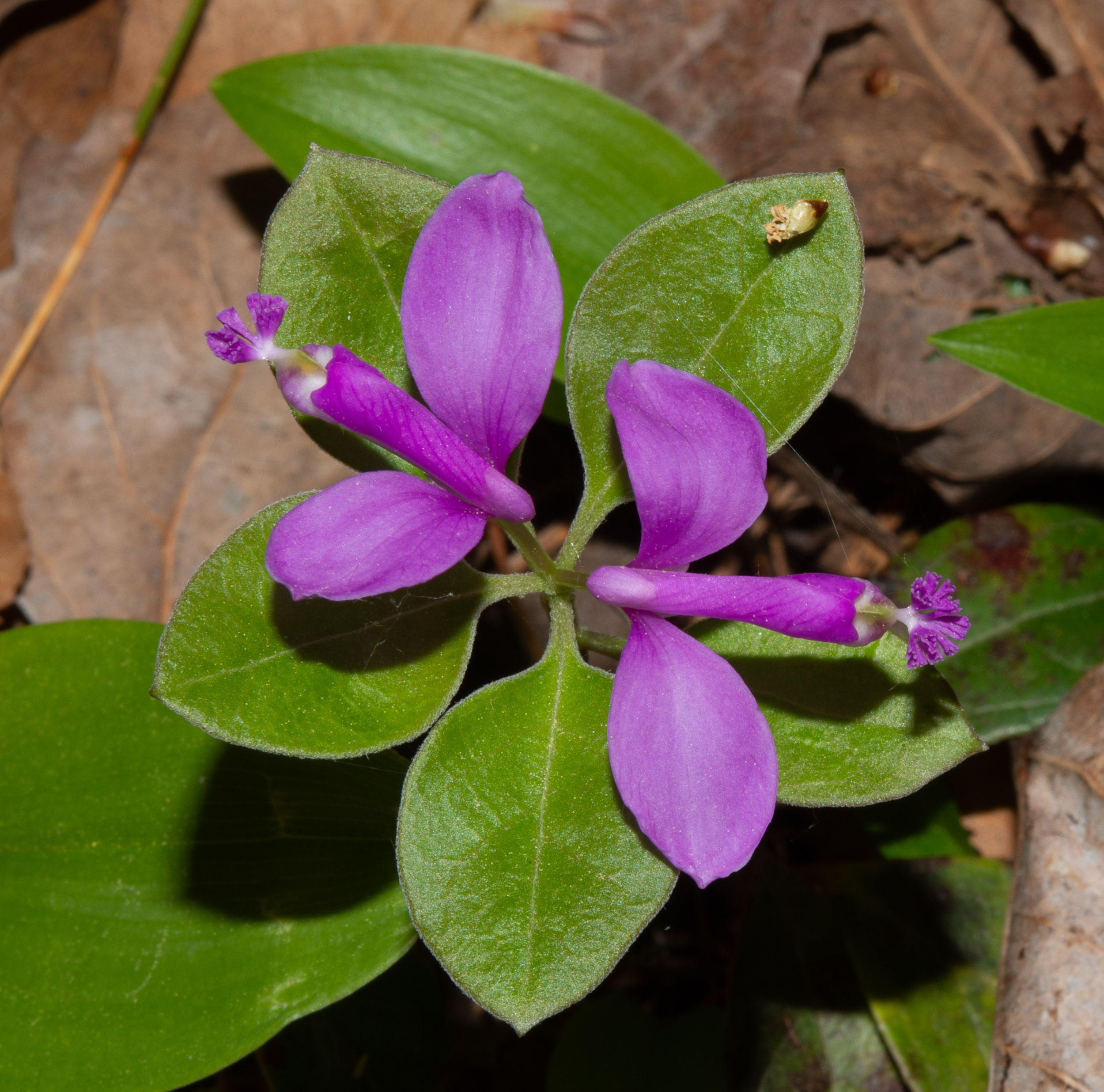
5/20/2014 · Beaver Brook Conservation Area, Hollis, New Hampshire · ≈ 3 × 3″ (7.6 × 7.5 cm) 
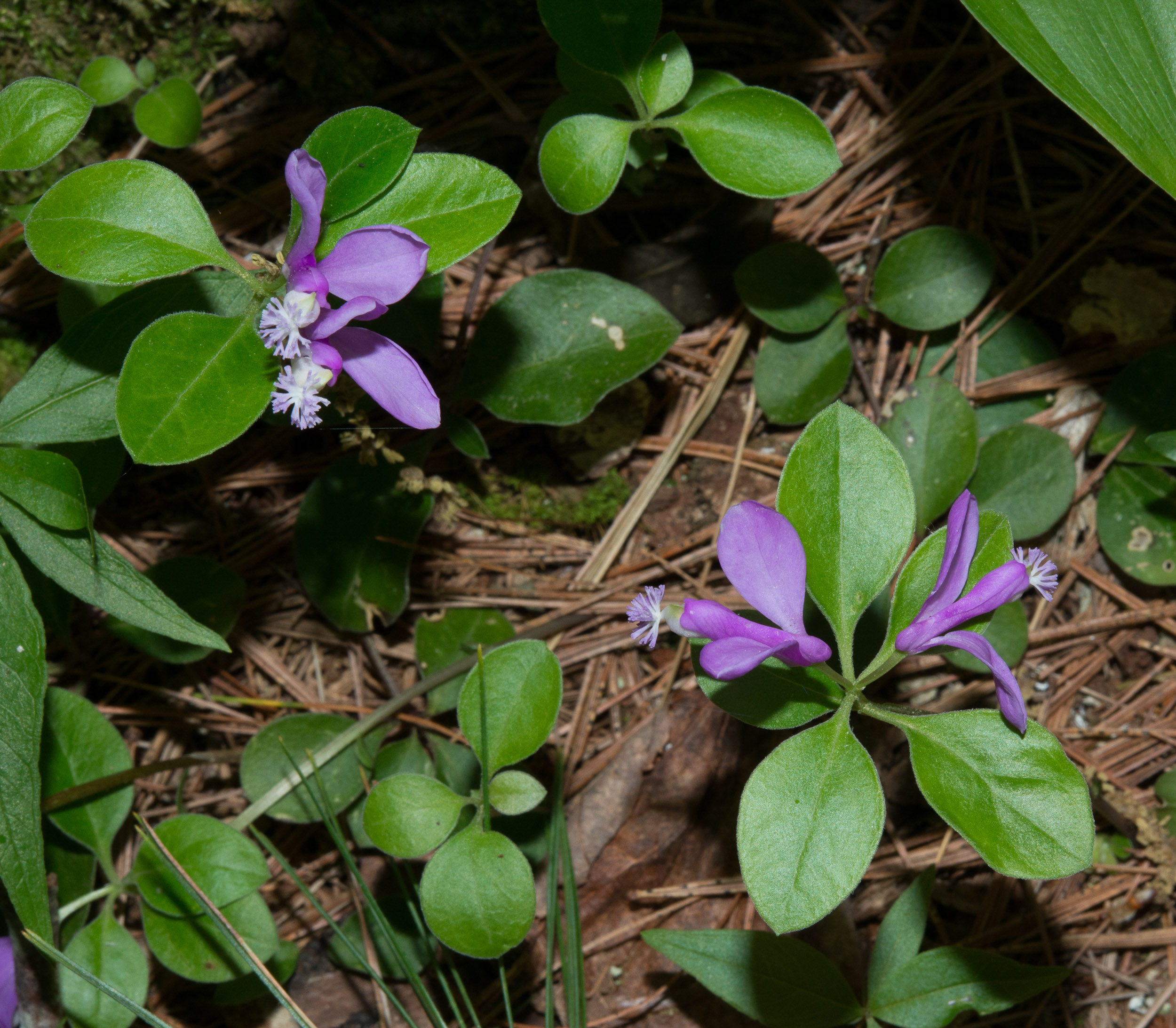
5/21/2013 · Beaver Brook Conservation Area, Hollis, New Hampshire · ≈ 6 × 5″ (14 × 12 cm) 
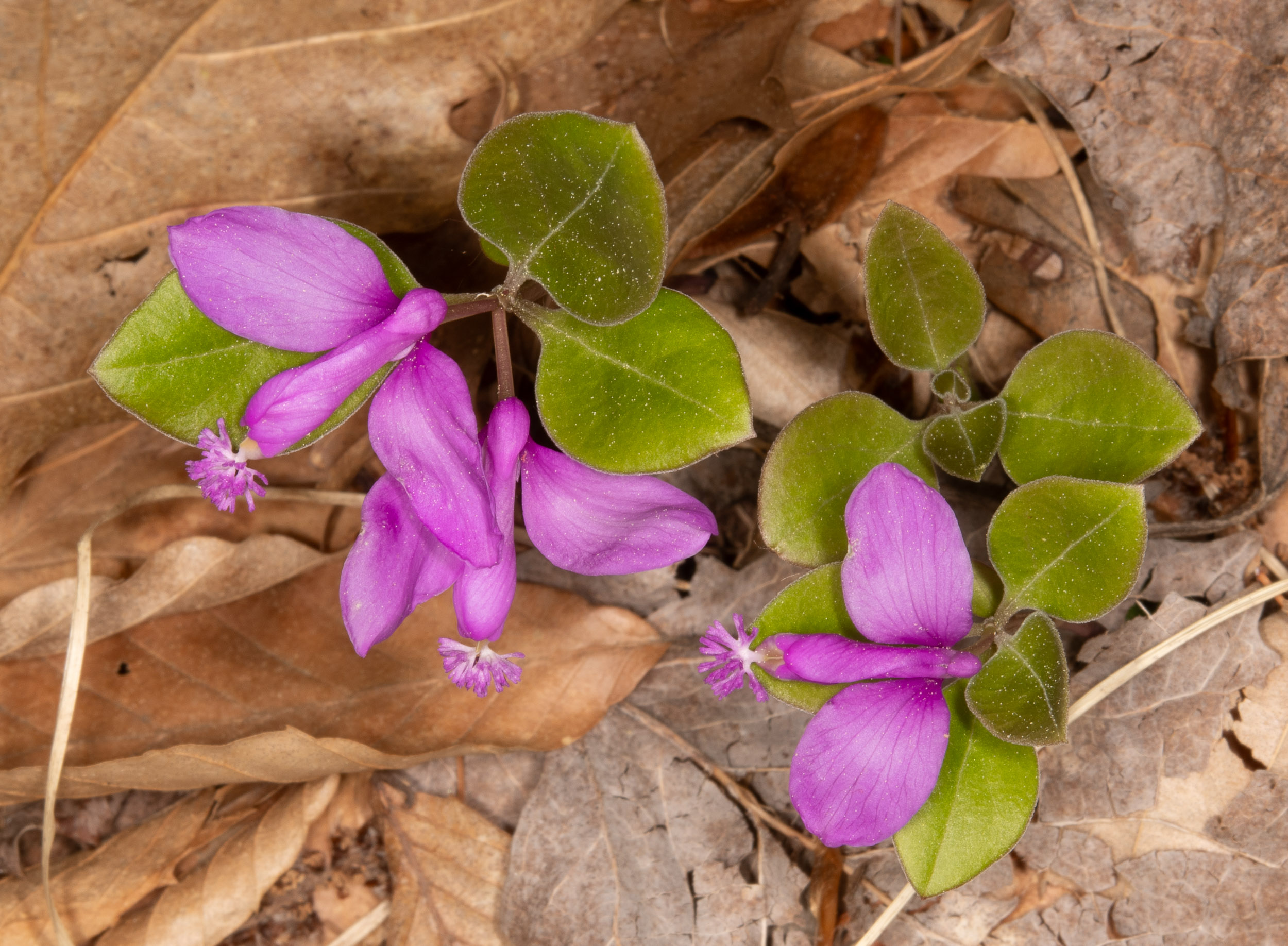
5/17/2021 · Bijhouwer Forest, Phippsburg, Maine · ≈ 4 × 3″ (10 × 7.8 cm) 
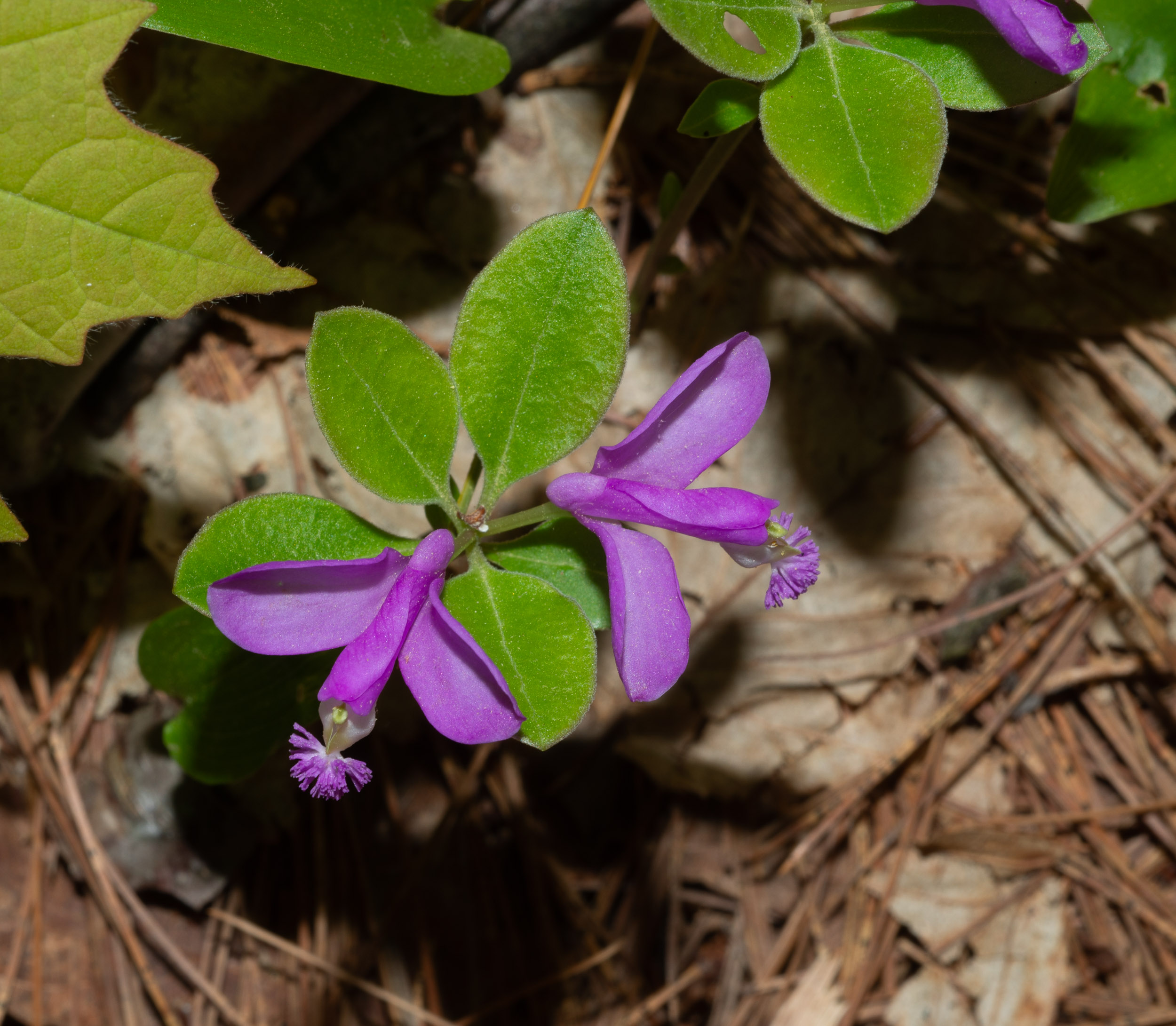
5/14/2013 · Beaver Brook Conservation Area, Hollis, New Hampshire · ≈ 5 × 4″ (12 × 10 cm) 
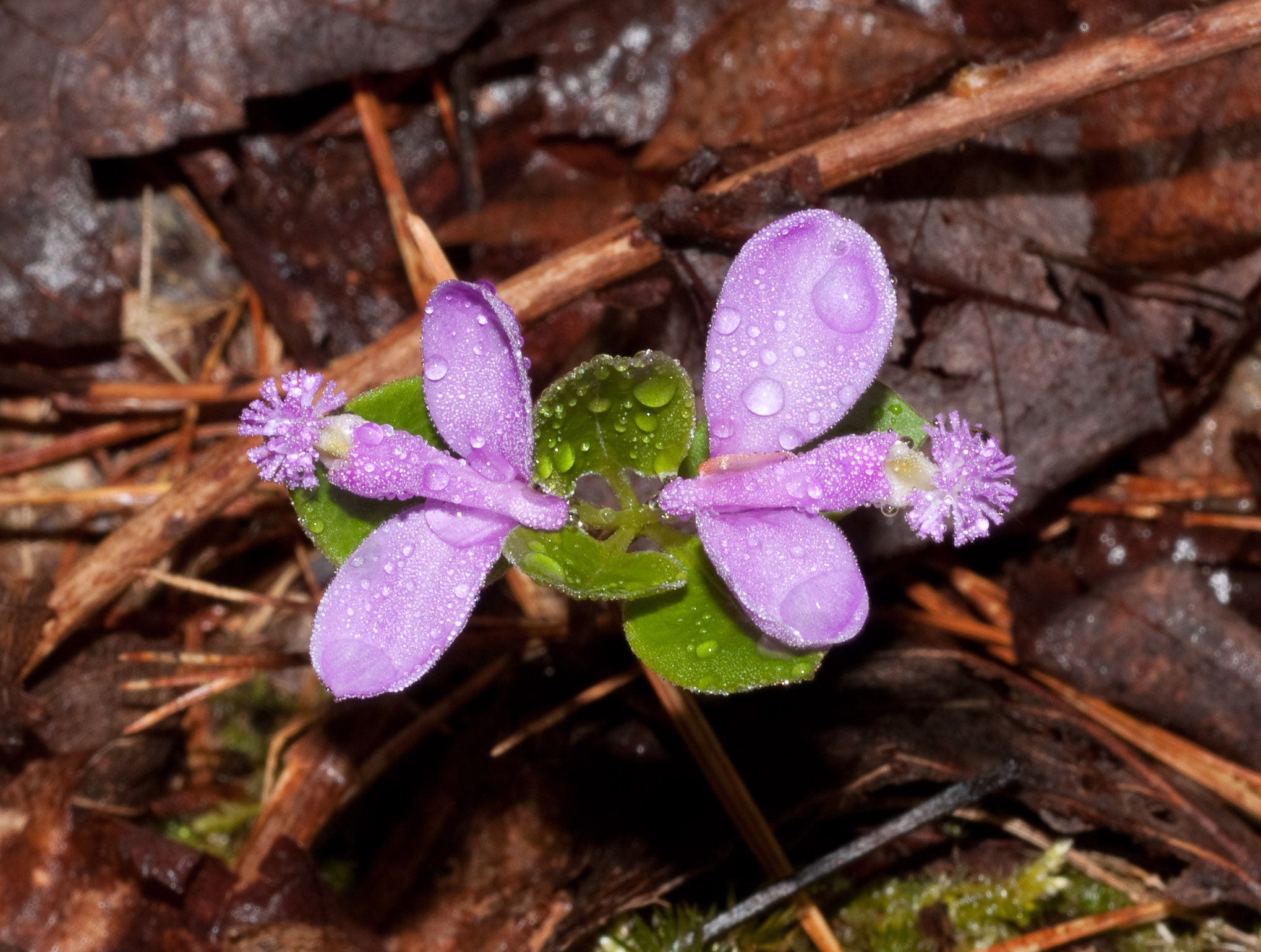
5/5/2010 · Nashua River Rail Trail, Pepperell, Massachusetts · ≈ 3 × 2½″ (8.4 × 6.4 cm) 
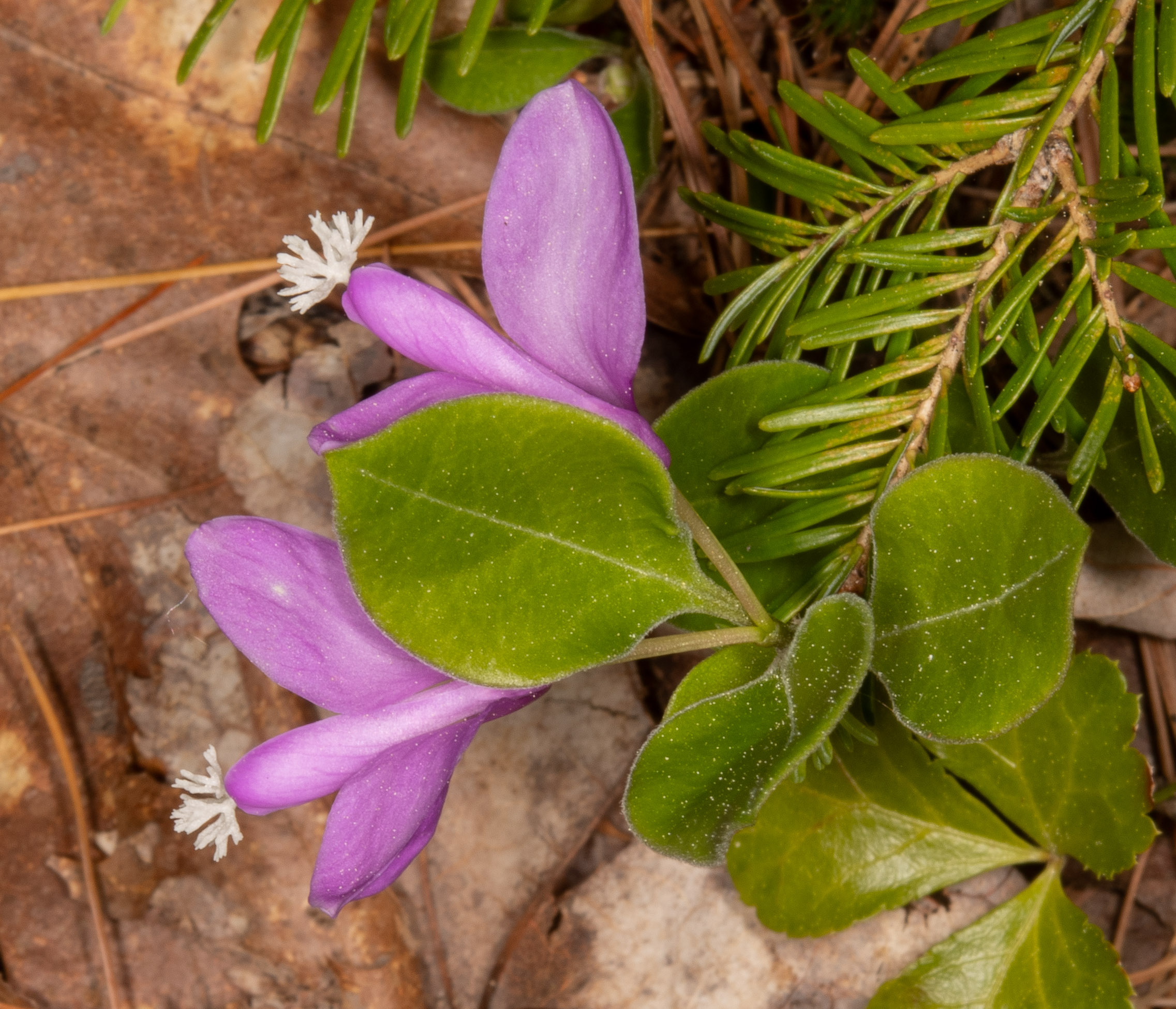
5/17/2021 · Bijhouwer Forest, Phippsburg, Maine · ≈ 3 × 2½″ (7.5 × 6.5 cm) 
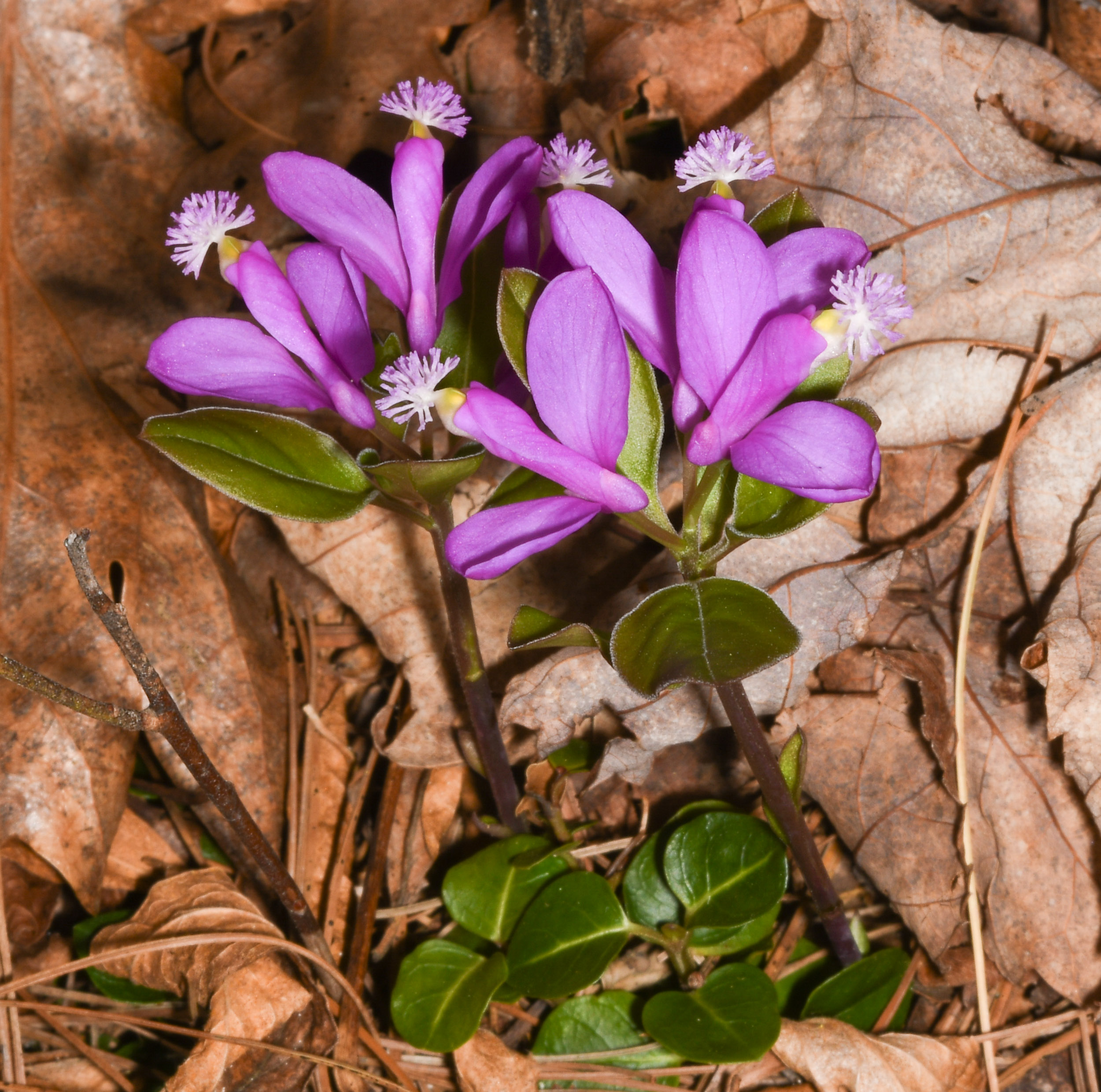
5/12/2016 · Wildlife Pond Trail, Beaver Broo, Hollis, New Hampshire 
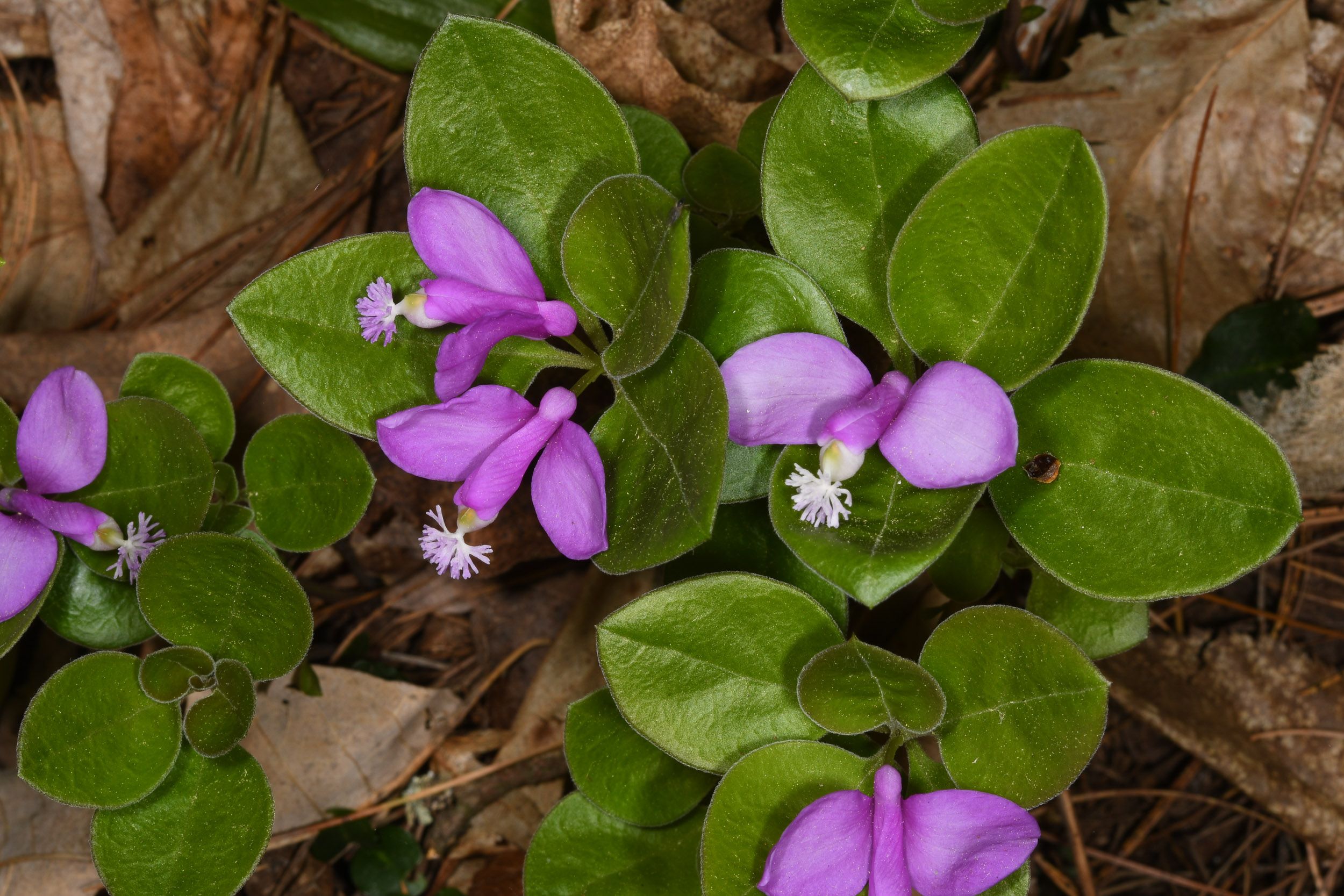
5/17/2016 · Worcester Road Trails, Beaver Br, Hollis, New Hampshire 
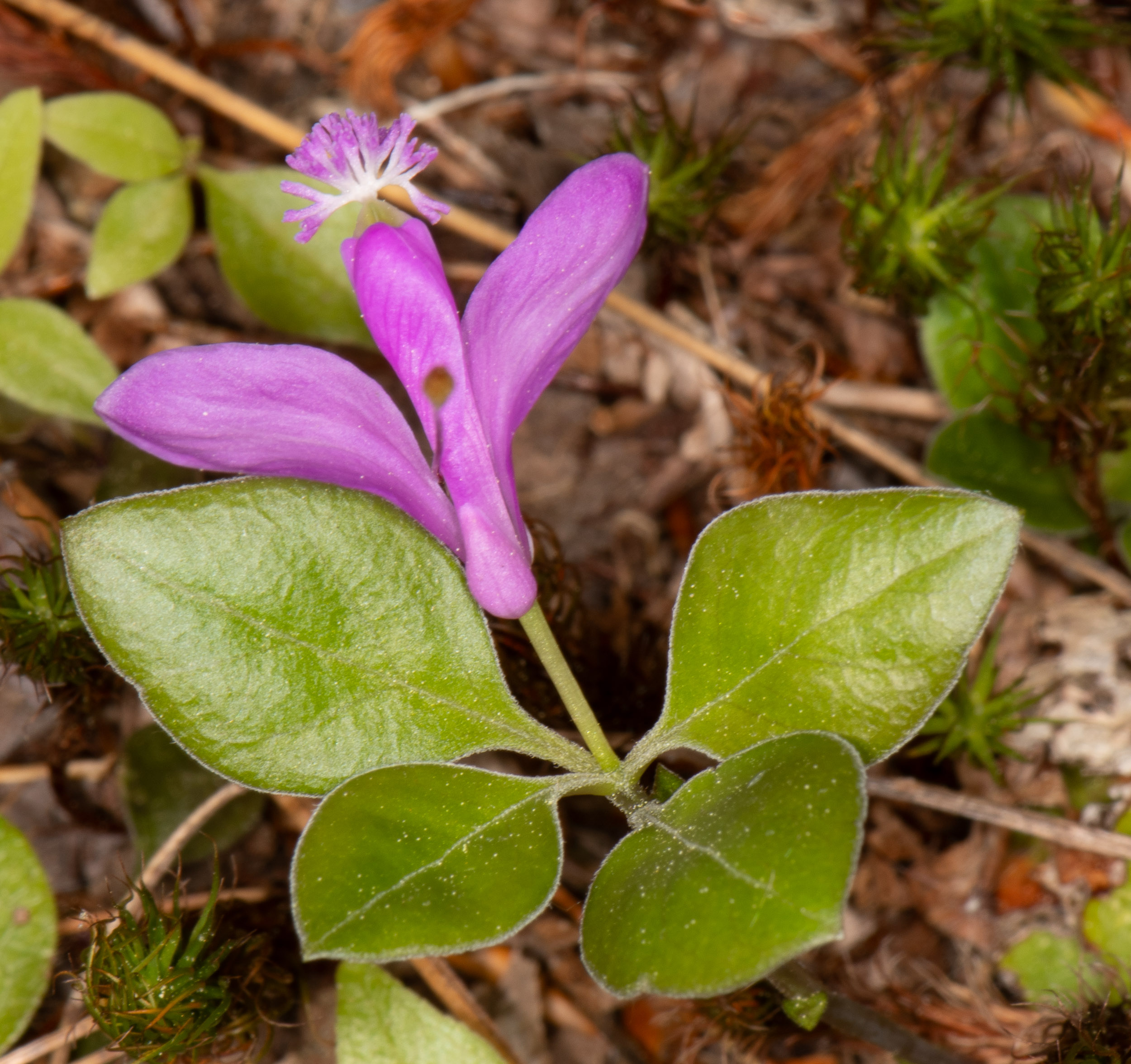
5/19/2021 · Heath Trail, Highland Green, Topsham, Maine · ≈ 2½ × 2½″ (6.7 × 6.3 cm) 
| Kingdom | Plantae | Plants, but not fungi, lichens, or algae (from Stearn's Botanical Latin) |
| Subkingdom | Tracheobionta | Vascular plants—plants with a “circulatory system” for delivering water and nutrients |
| Division | Magnoliophyta | Flowering plants, also known as angiosperms |
| Class | Magnoliopsida | Dicotyledons—plants with two initial seed leaves |
| Subclass | Rosidae | Roses, legumes, proteas, dogwoods, hydrangeas, mistletoes, euphorbias, grapes, many more |
| Order | Polygalales | Includes milkwort, krameria, and Barbados cherry families |
| Family | Polygalaceae | Milkwort family. Also called Diclidantheraceae, Moutabeaceae, Xanthophyllaceae) |
| Genus | Polygala | From Greek polys, “many or much,” and gala, “milk,” since some of these species were believed to increase milk yields in cattle |
| Species | paucifolia | With little foliage, literally “few-leaved” |
Polygala paucifolia description by Thomas H. Kent, not updated.

© FloraFinder.org. All rights reserved.