Saponaria officinalis L. var. glaberrima Ser.
Saponaria officinalis L.
Common soapwort, bouncing bet, soapwort
Common soapwort is native to Europe, but naturalized in North America, where it is now widespread. “Soapwort,” meaning “soapy plant,” derives from the saponins it contains—the roots produce lather when mixed with water. It is an invasive in many North American habitats.
Plants: Up to 2′ (70 cm) high. Stems may be tinged with red.
Leaves: lLong and narrow, 1½–4½″ (4–12 cm) long, and attached directly to the stem
Flowers: Flowers are in large clusters, varying from white to pink. Each flower has five large, rounded petals, sometimes curled back, and is 1″ (2.5 cm) in diameter. They flower from June to October.
Fruits: Each flower contains a capsule of seeds that resembles a small sack.
Habitats: Cool places at low or moderate elevations under hedgerows and along the shoulders of roadways or field boundaries.
Edibility: Poisonous  The saponins in this plant make
it moderately poisonous. Used carefully, though, it is an ingredient in tahini, and in beer brewing.
Online References:

8/18/2012 · Nashua River Rail Trail, Groton Center, Groton, Massachusetts · ≈ 6 × 4″ (15 × 10 cm) 
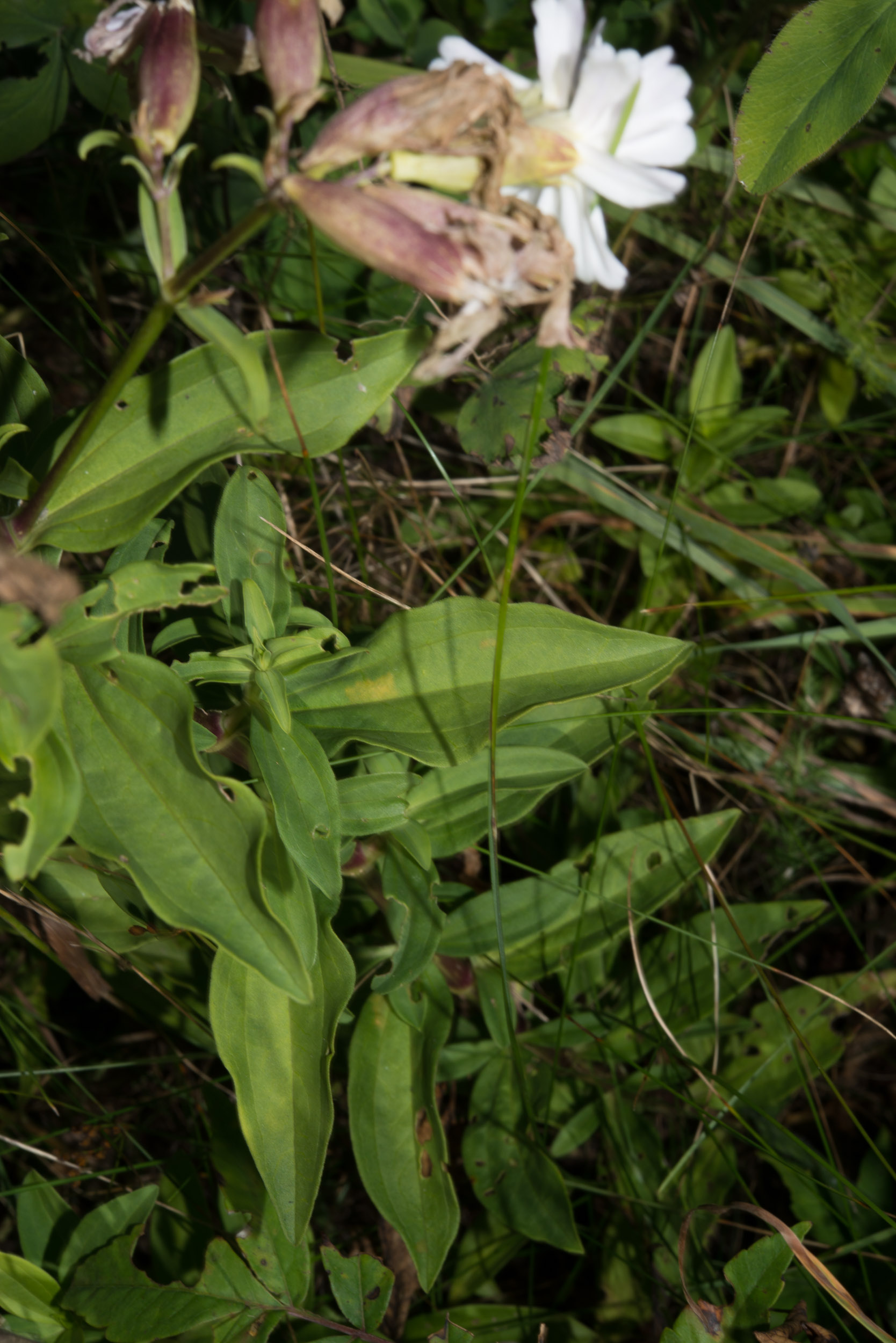
8/6/2013 · Dunstable Rural Land Trust, Dunstable, Massachusetts · ≈ 7 × 10″ (16 × 25 cm)  ID is uncertain


7/12/2010 · Nashua River Rail Trail, Groton, Massachusetts · ≈ 9 × 6″ (22 × 14 cm) 
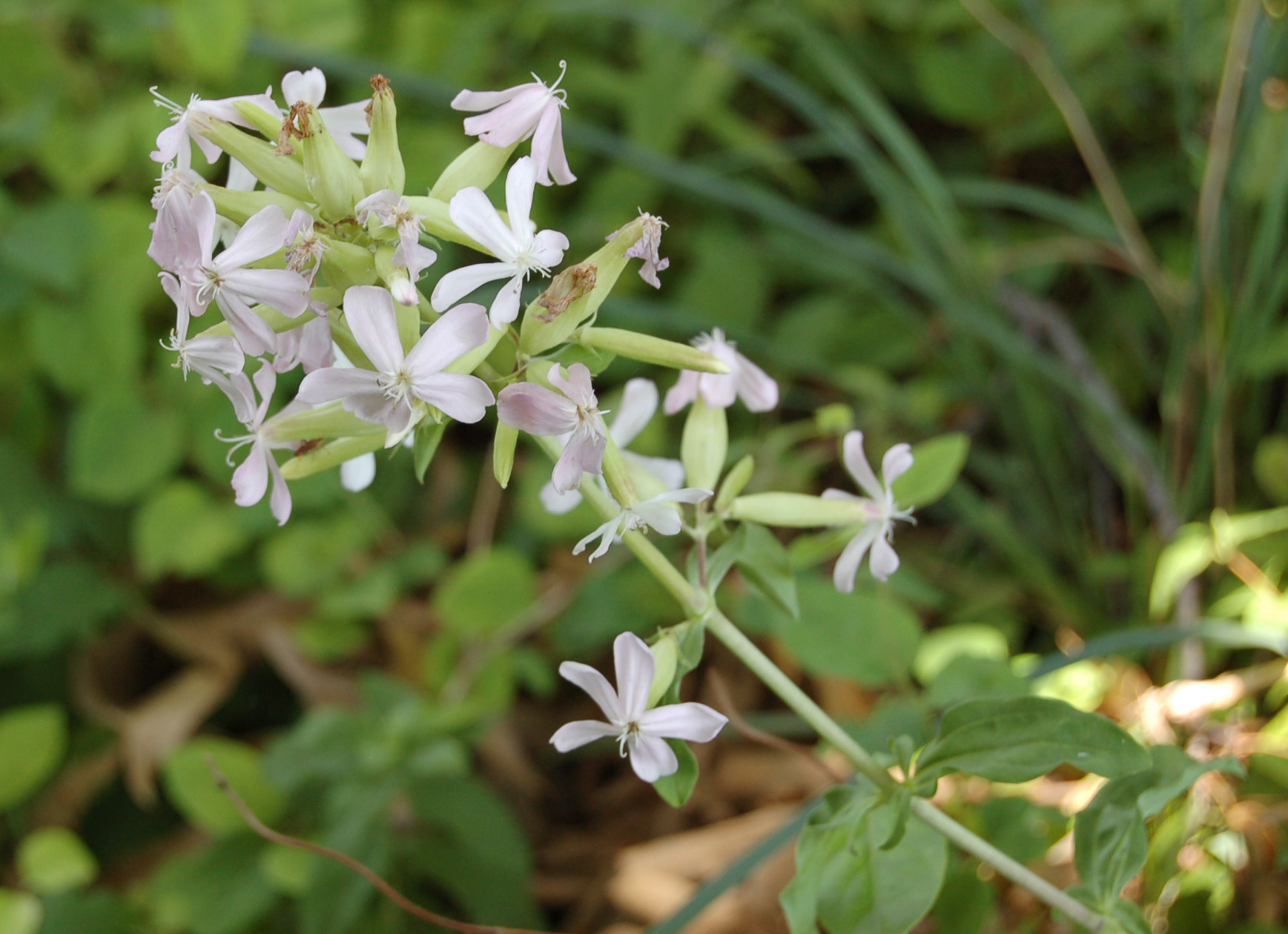
7/11/2008 · By Jacquelyn Boyt 

8/26/2010 · Nashua River Rail Trail, Groton Center, Groton, Massachusetts · ≈ 8 × 6″ (19 × 15 cm) 
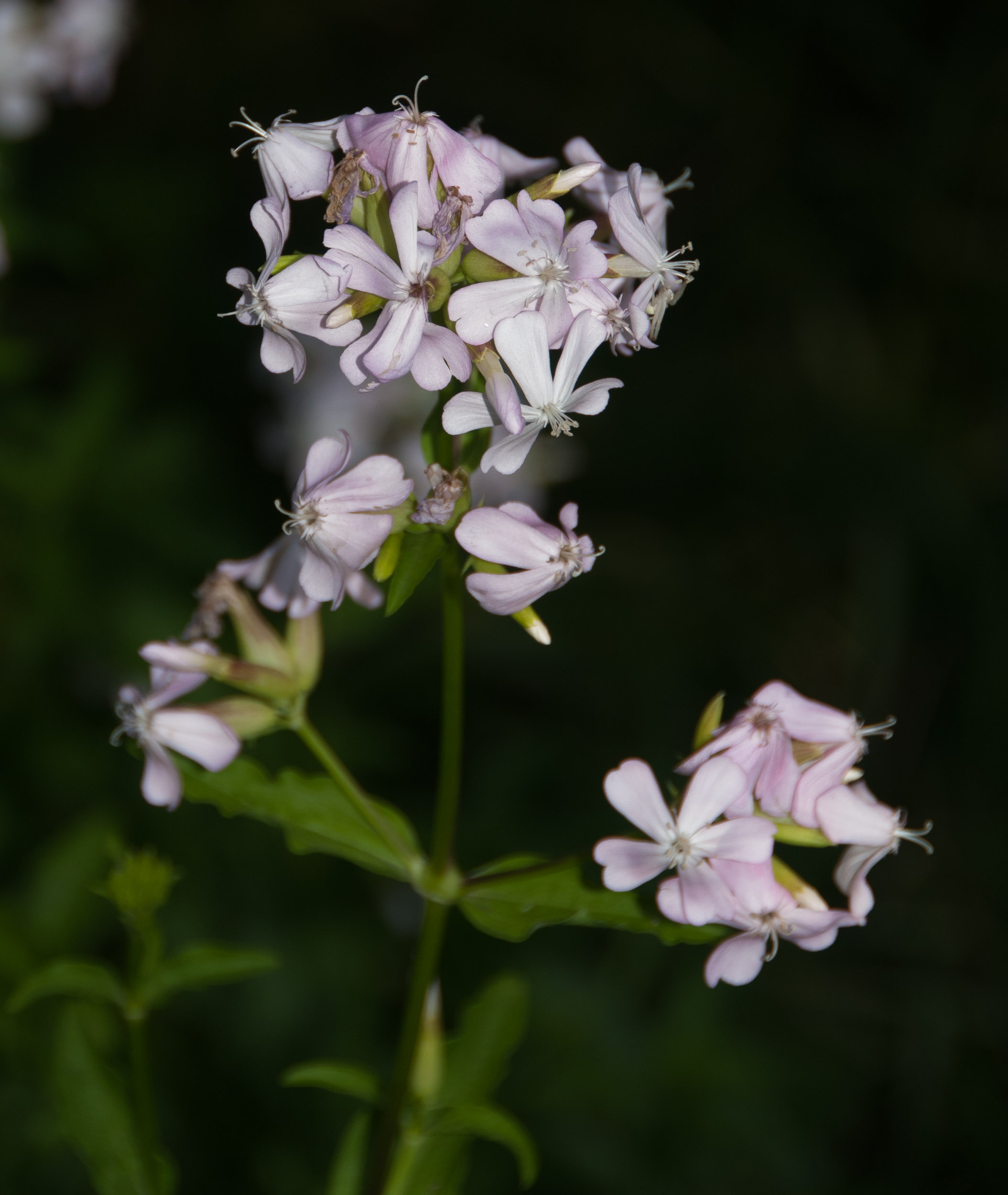
7/28/2009 · Near Nashua River Boat Ramp, Groton, Massachusetts · ≈ 4½ × 5″ (11 × 13 cm) ID is uncertain 

7/12/2010 · Nashua River Rail Trail, Groton, Massachusetts · ≈ 9 × 8″ (23 × 20 cm) 

7/28/2009 · Near Nashua River Boat Ramp, Groton, Massachusetts · ≈ 10 × 16″ (26 × 41 cm) ID is uncertain 

7/8/2010 · Nashua River Rail Trail, Groton Center, Groton, Massachusetts · ≈ 6 × 5″ (16 × 13 cm) 
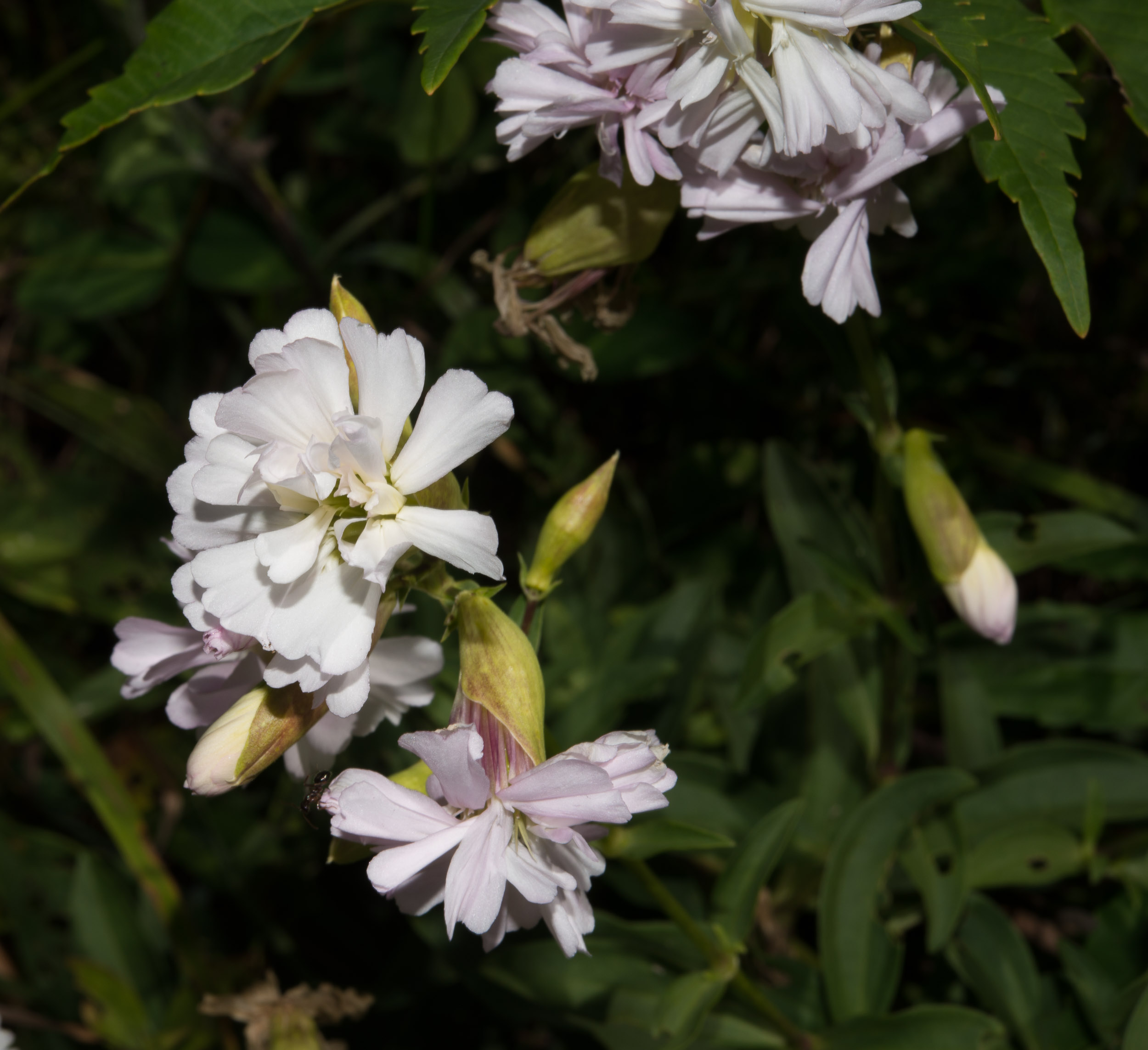
This is a double-flowered variety. · 8/6/2013 · Dunstable Rural Land Trust, Dunstable, Massachusetts · ≈ 6 × 5″ (14 × 13 cm) ID is uncertain 

7/12/2010 · Nashua River Rail Trail, Groton, Massachusetts · ≈ 11 × 7″ (27 × 18 cm) 

7/8/2010 · Nashua River Rail Trail, Groton Center, Groton, Massachusetts · ≈ 8 × 7″ (21 × 16 cm) 

7/12/2010 · Nashua River Rail Trail, Groton, Massachusetts · ≈ 5 × 4½″ (13 × 11 cm) 

7/8/2010 · Nashua River Rail Trail, Groton Center, Groton, Massachusetts · ≈ 7 × 6″ (17 × 14 cm) 
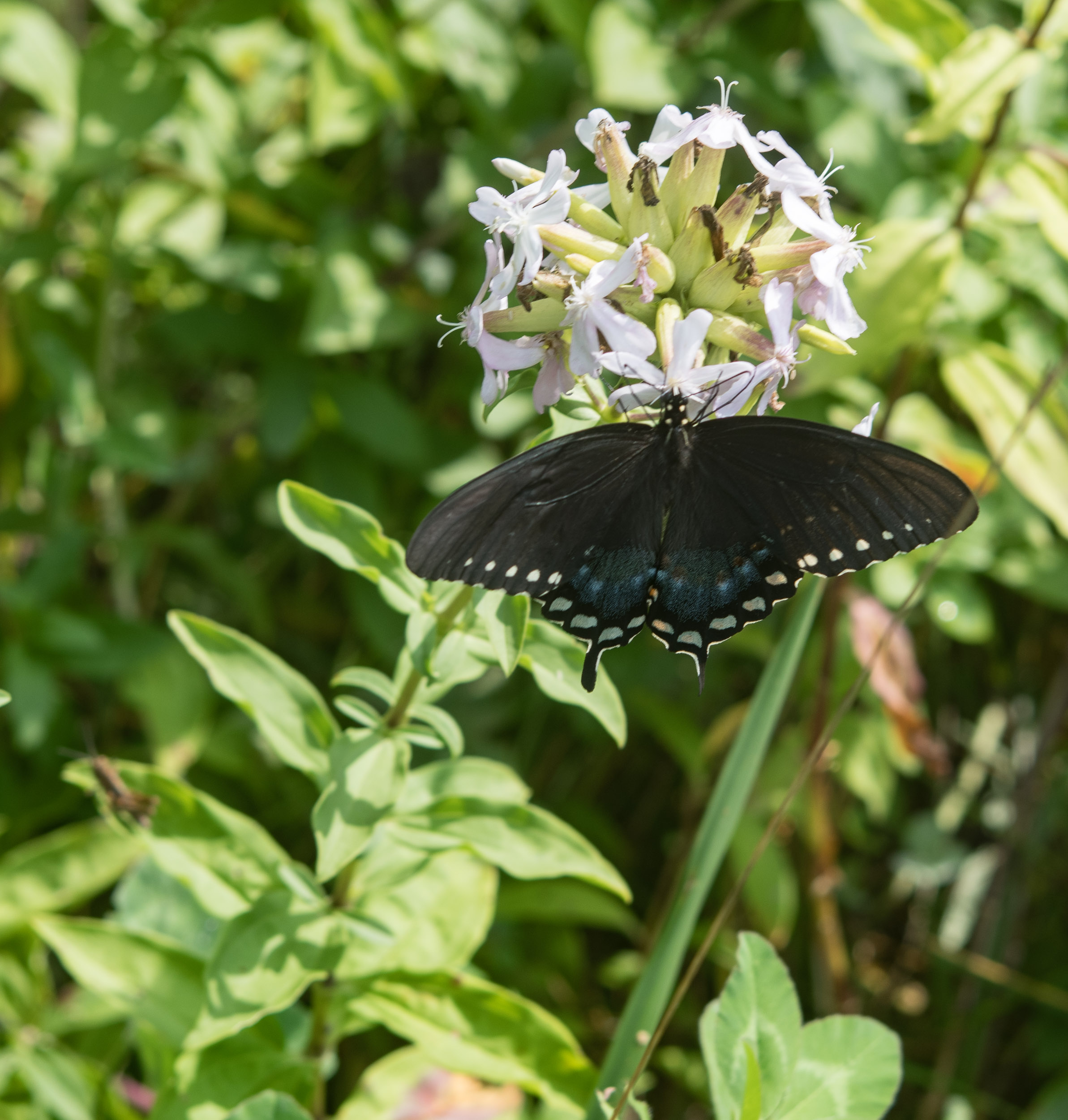
That’s an eastern black swallowtail (Papilio polyxenes asterius). · 7/23/2017 · Pine Grove Furnace State Park, Pennsylvania · ≈ 8 × 9″ (21 × 22 cm) 
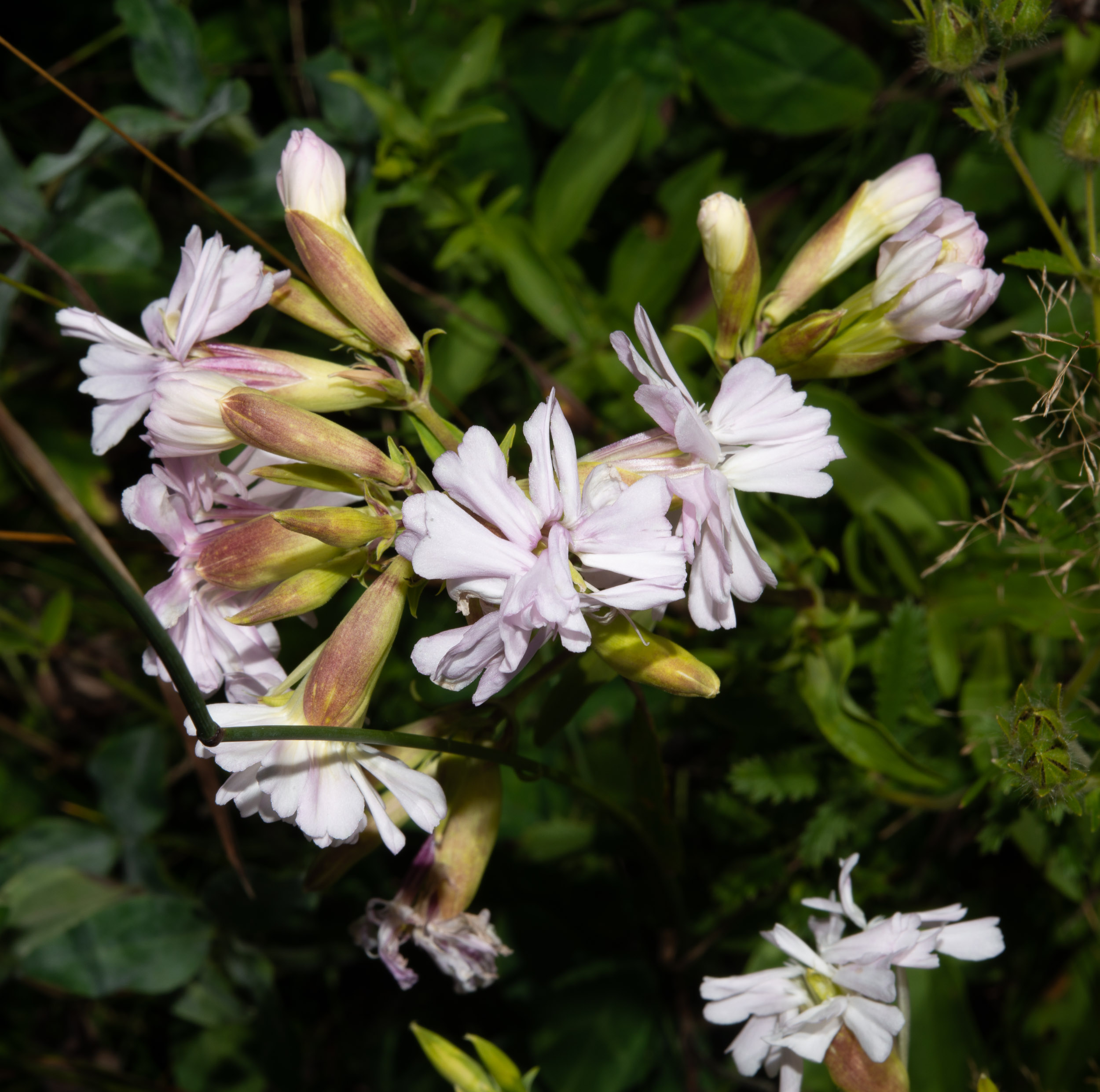
This is a double-flowered variety. · 8/6/2013 · Dunstable Rural Land Trust, Dunstable, Massachusetts · ≈ 6 × 6″ (15 × 15 cm) ID is uncertain 
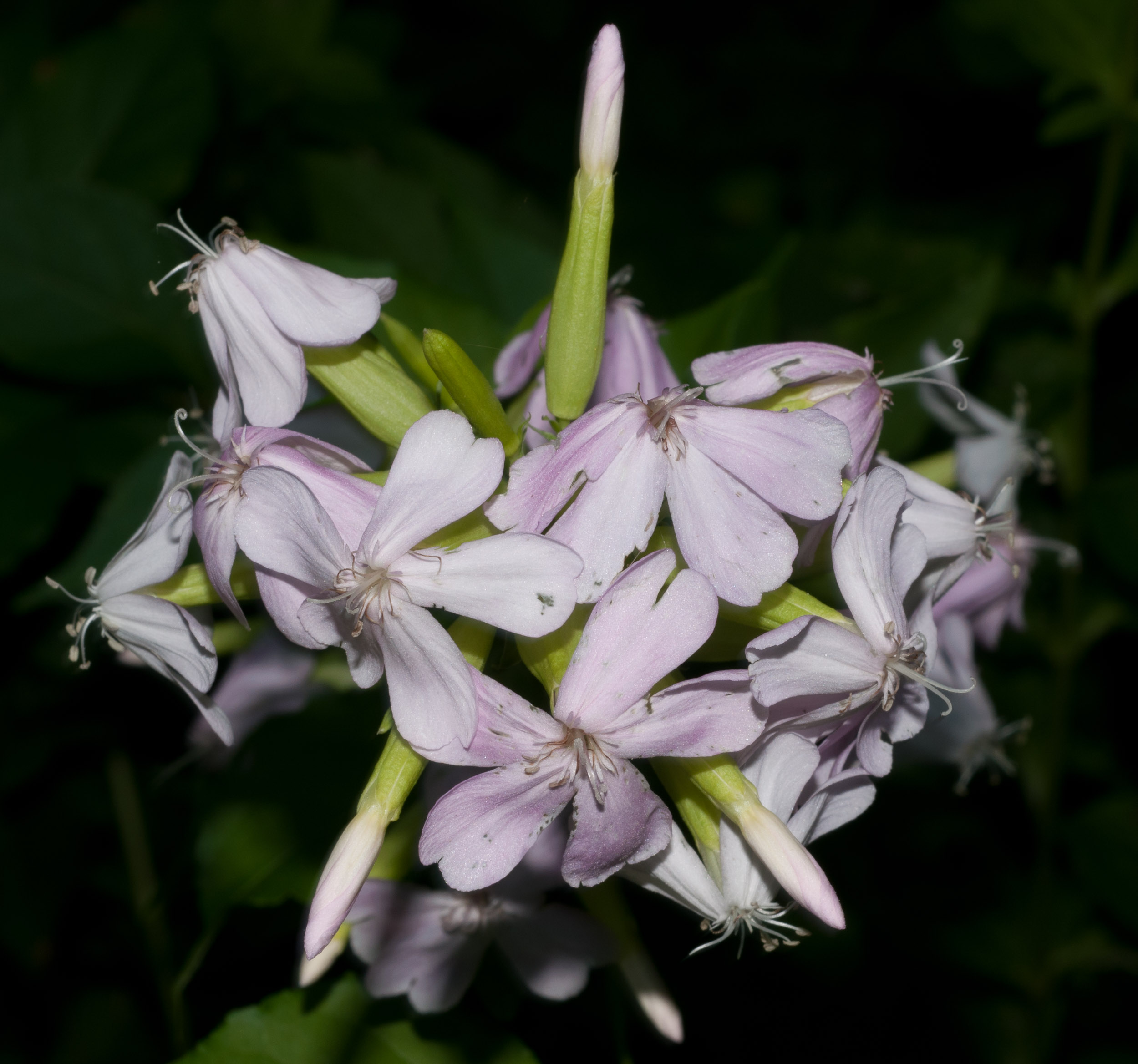
7/12/2010 · Nashua River Rail Trail, Groton, Massachusetts · ≈ 5 × 4½″ (12 × 11 cm) 
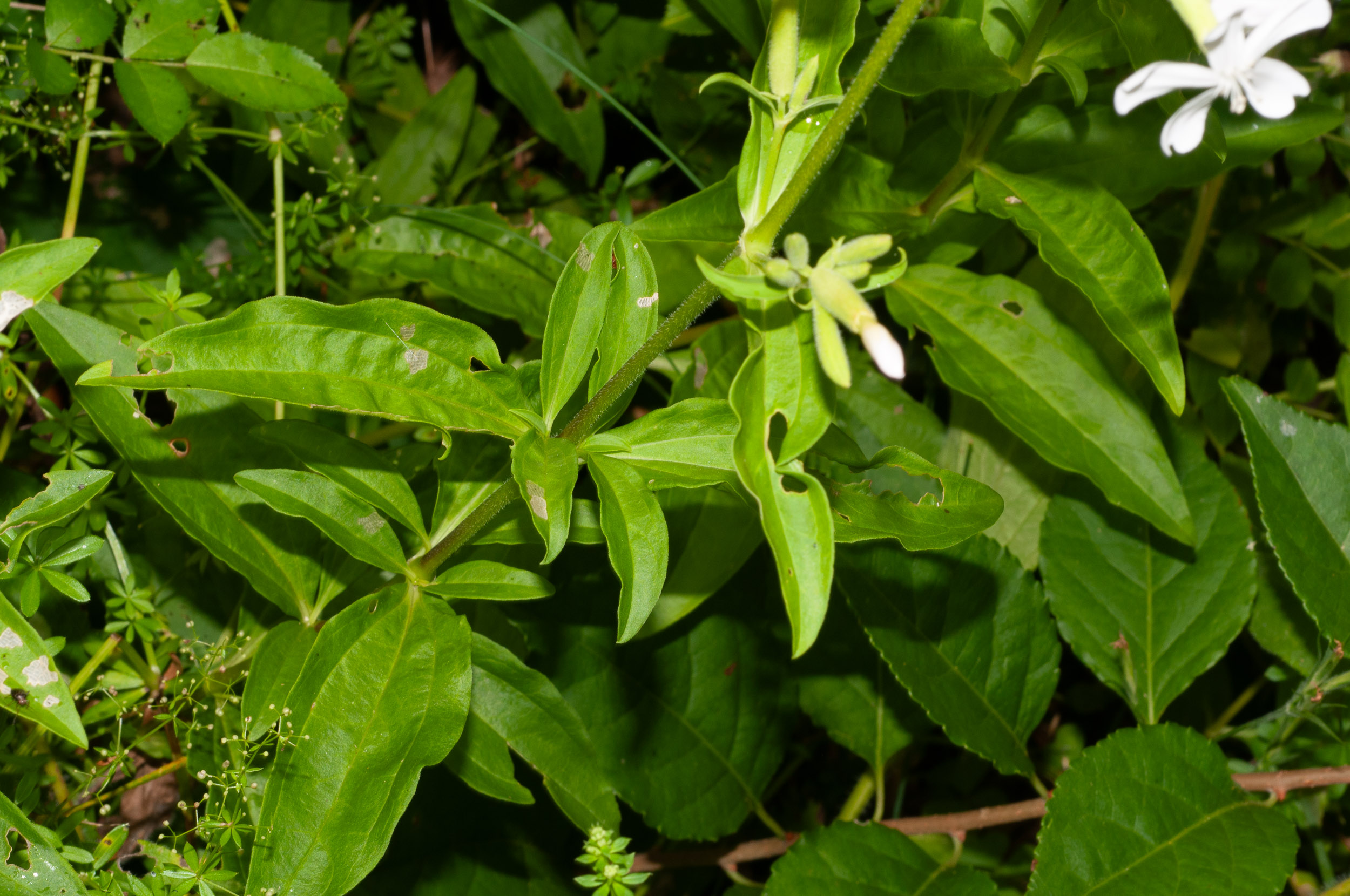
7/8/2010 · Nashua River Rail Trail, Groton Center, Groton, Massachusetts · ≈ 11 × 7″ (27 × 18 cm) 
| Kingdom | Plantae | Plants, but not fungi, lichens, or algae (from Stearn's Botanical Latin) |
| Subkingdom | Tracheobionta | Vascular plants—plants with a “circulatory system” for delivering water and nutrients |
| Division | Magnoliophyta | Flowering plants, also known as angiosperms |
| Class | Magnoliopsida | Dicotyledons—plants with two initial seed leaves |
| Subclass | Caryophyllidae | Cacti, many other succulents, carnivorous plants, and leadworts |
| Order | Caryophyllales | Includes cacti, carnations, amaranths, ice plants, and many carnivorous plants |
| Family | Caryophyllaceae | Pink or carnation family |
| Genus | Saponaria | Sometimes called soapwort, the name derives from the Latin sapo, “soap,” for its soap-producing qualities |
| Species | officinalis | Possessed of real or supposed medicinal qualities |
Saponaria officinalis description by Thomas H. Kent, not updated.

© FloraFinder.org. All rights reserved.
