Sedum L.
Stonecrop
[An article has not been written yet.]
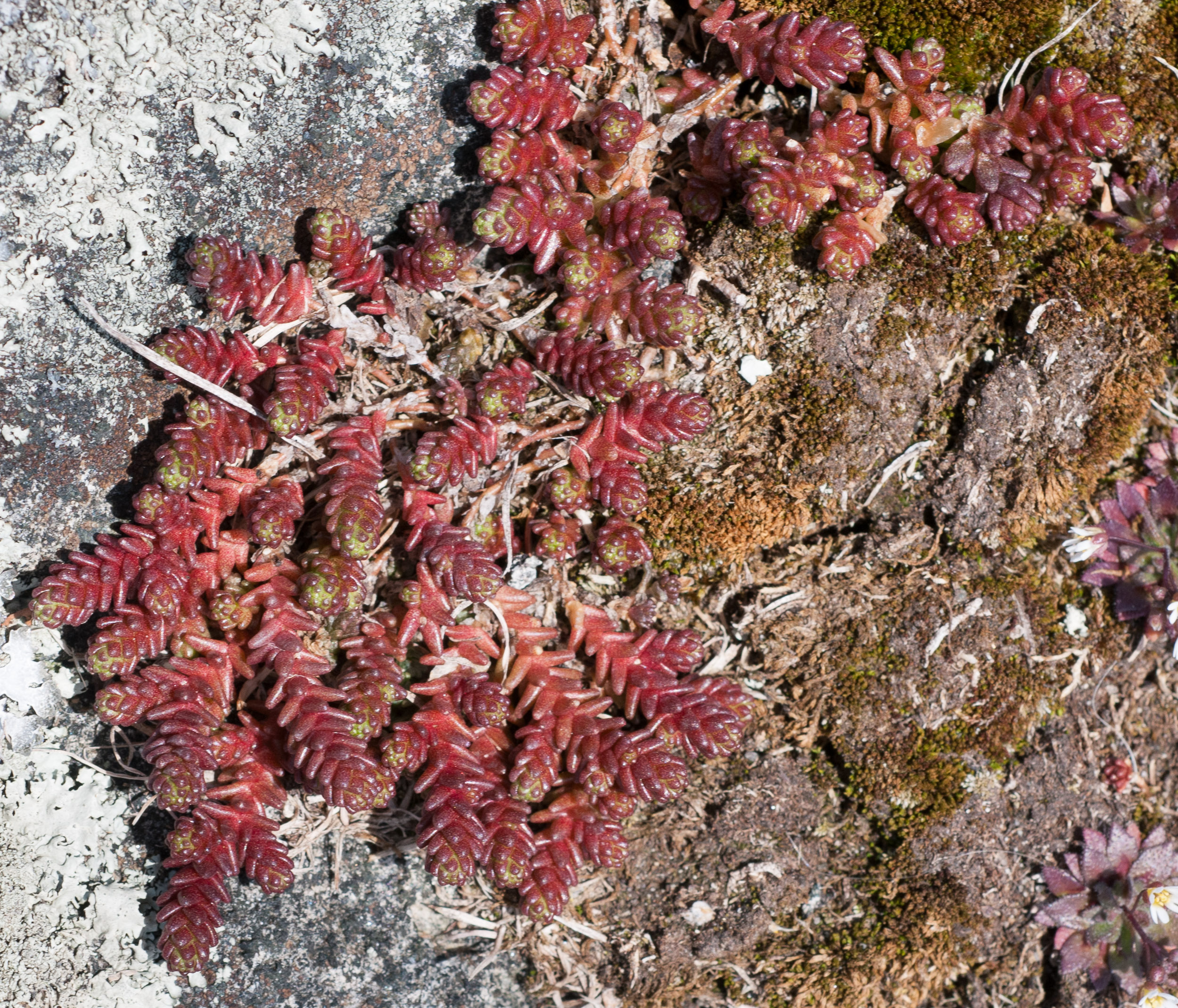
(Sedum) · 3/31/2013 · Marshall Point Lighthouse, Port Clyde, Maine · ≈ 4½ × 4″ (12 × 10 cm)  Species not yet identified


(Sedum) · 5/20/2012 · J. Harry Rich State Forest, Groton, Massachusetts · ≈ 8 × 5″ (19 × 13 cm) Species not yet identified 
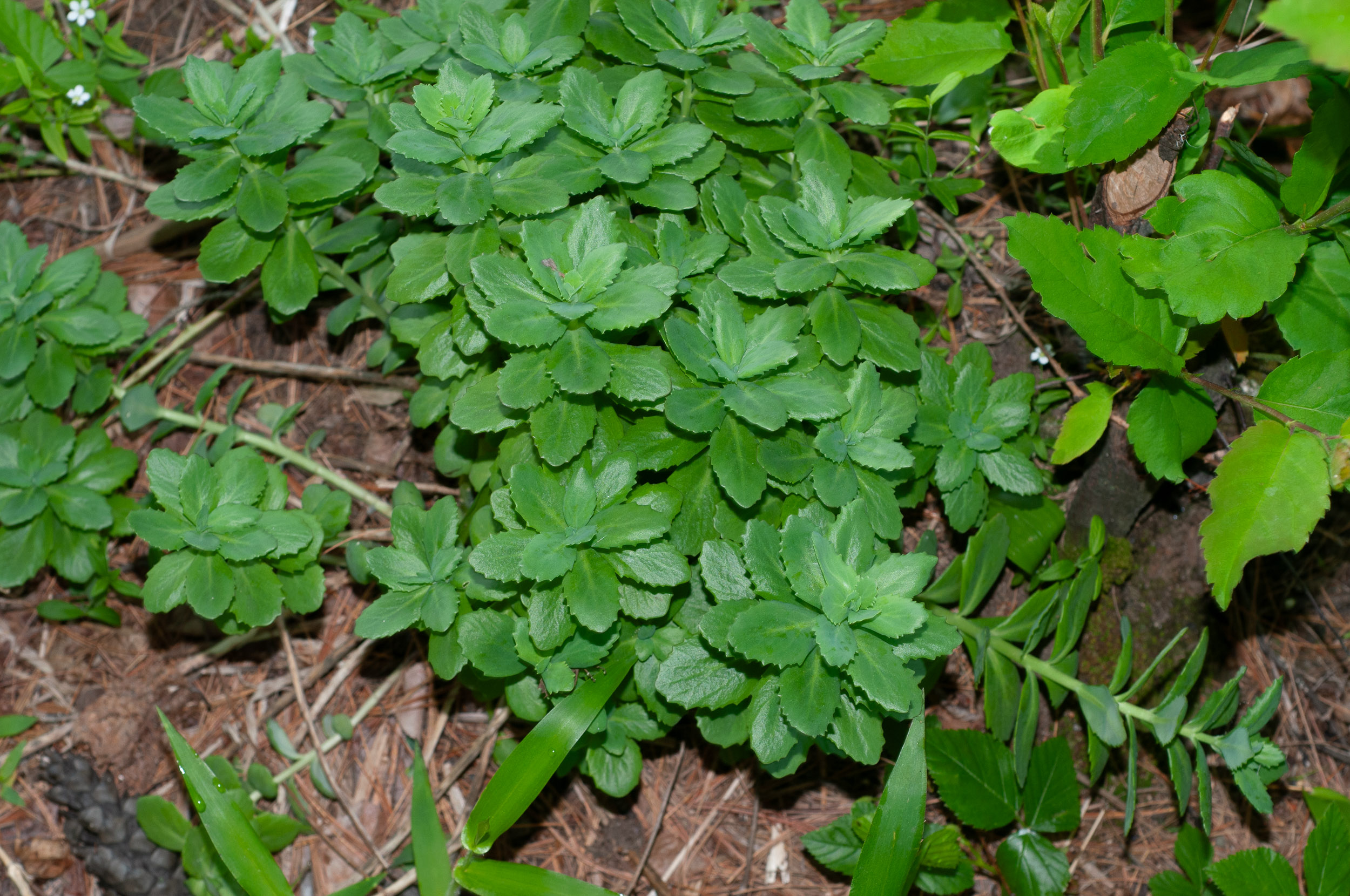
(Sedum) · 5/20/2012 · J. Harry Rich State Forest, Groton, Massachusetts · ≈ 17 × 12″ (44 × 29 cm) Species not yet identified 

(Sedum) · 7/17/2013 · Near Nashua River Boat Ramp, Groton, Massachusetts · ≈ 9 × 6″ (22 × 15 cm) Species not yet identified 
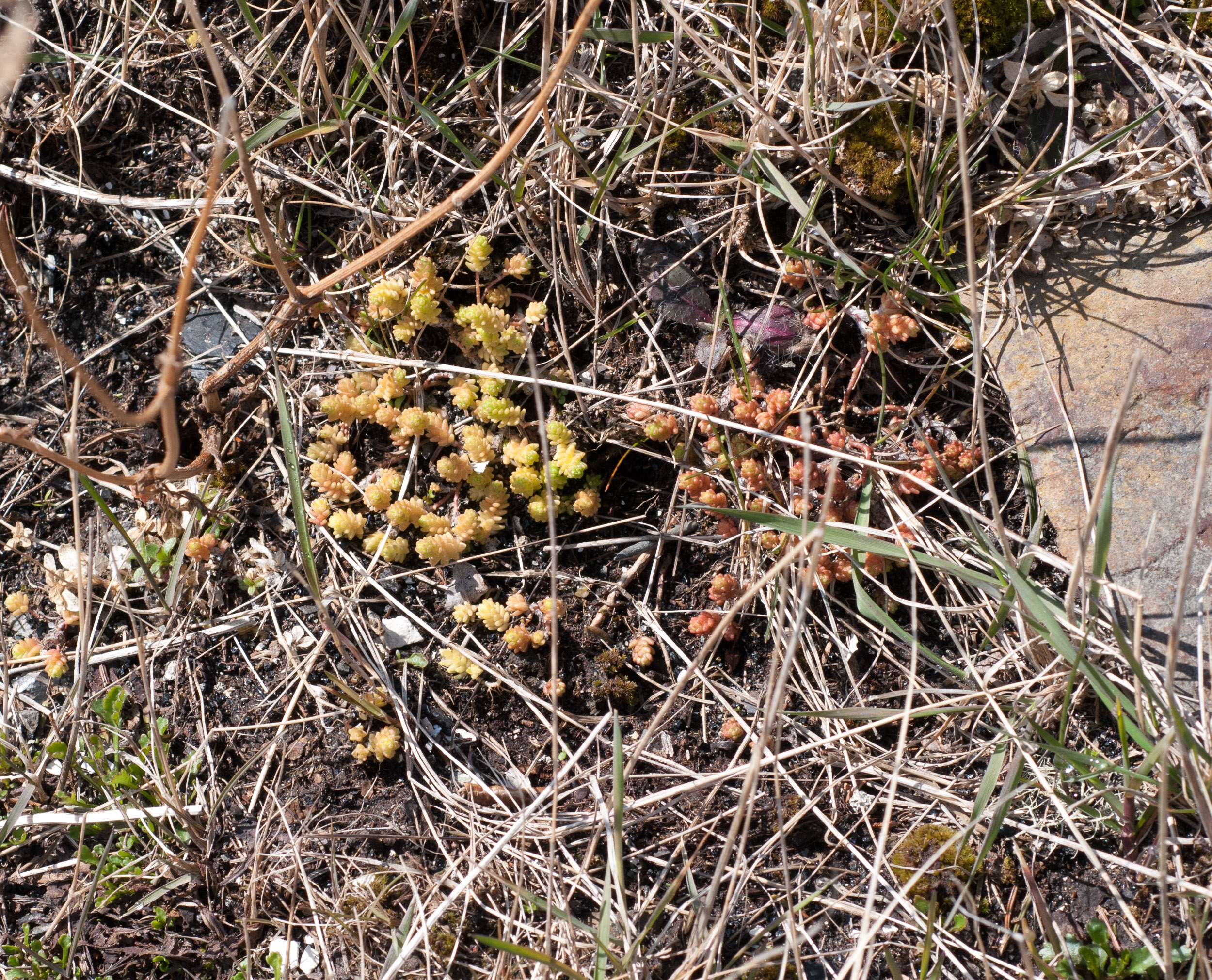
(Sedum) · 4/3/2010 · Owl’s Head Lighthouse, Owl’s Head, Maine · ≈ 11 × 9″ (26 × 21 cm) Species not yet identified 
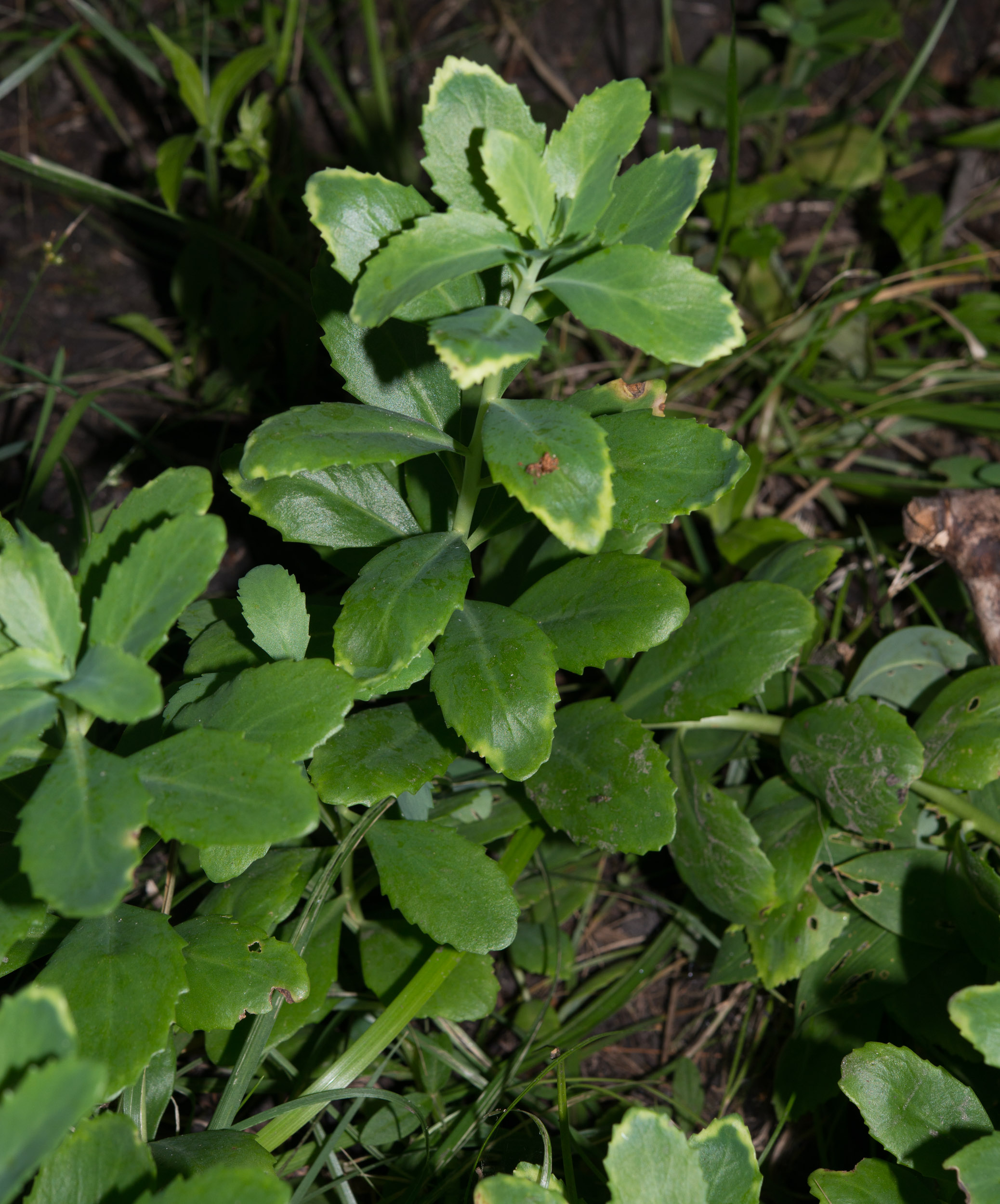
(Sedum) · 7/17/2013 · Near Nashua River Boat Ramp, Groton, Massachusetts · ≈ 10 × 12″ (25 × 30 cm) Species not yet identified 
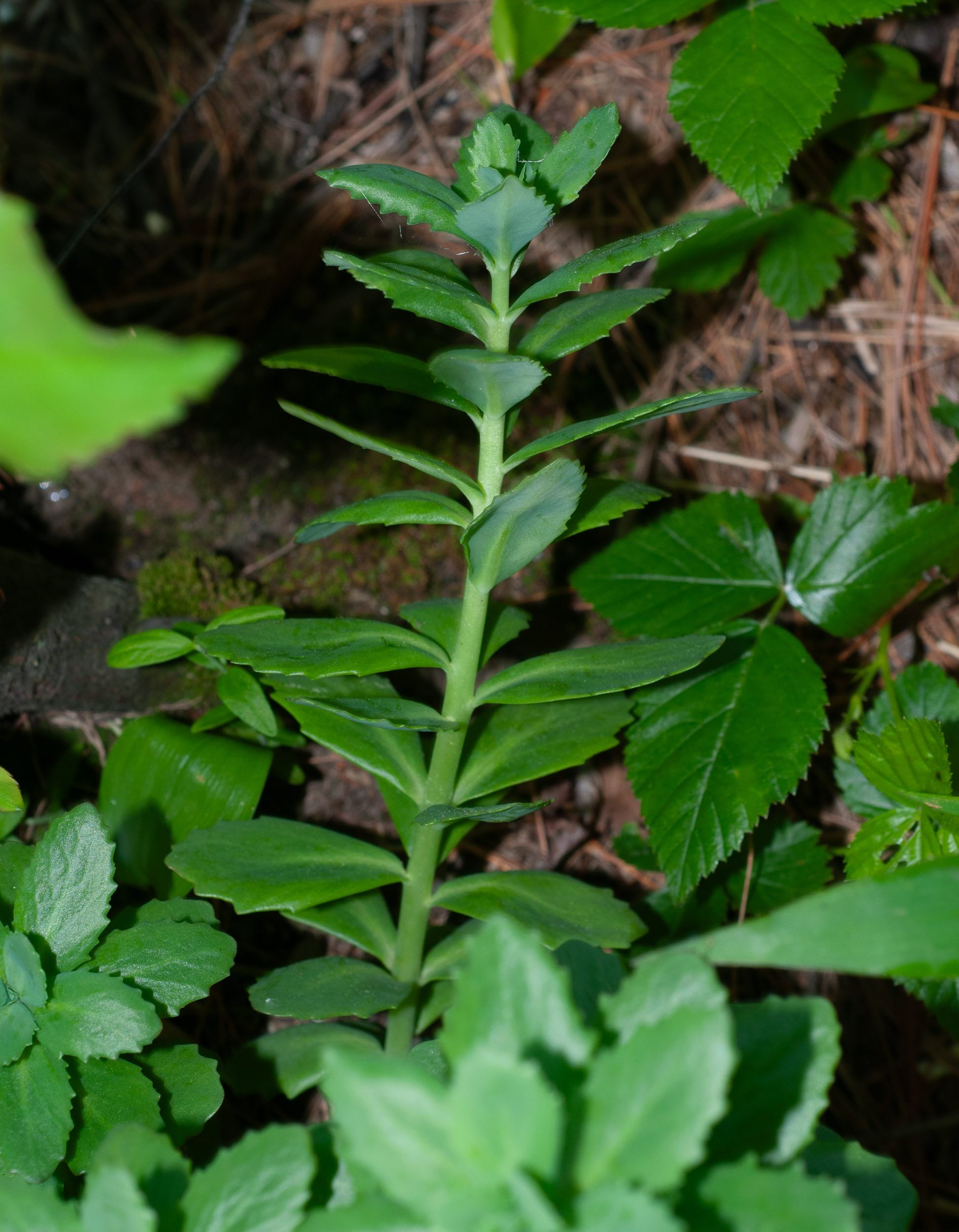
(Sedum) · 5/20/2012 · J. Harry Rich State Forest, Groton, Massachusetts · ≈ 8 × 6″ (20 × 15 cm) Species not yet identified 
| Kingdom | Plantae | Plants, but not fungi, lichens, or algae (from Stearn's Botanical Latin) |
| Subkingdom | Tracheobionta | Vascular plants—plants with a “circulatory system” for delivering water and nutrients |
| Division | Magnoliophyta | Flowering plants, also known as angiosperms |
| Class | Magnoliopsida | Dicotyledons—plants with two initial seed leaves |
| Subclass | Rosidae | Roses, legumes, proteas, dogwoods, hydrangeas, mistletoes, euphorbias, grapes, many more |
| Order | Rosales | Rose family and eight others |
| Family | Crassulaceae | Succulents that store water in leaves |
| Genus | Sedum | From the Latin sedo, “to sit,” in reference to the manner in which some species attach themselves to stones or walls |
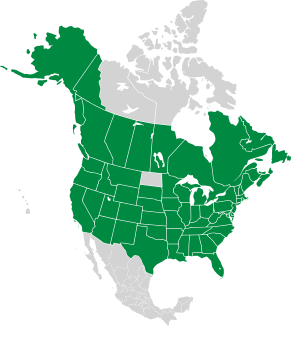
Sedum description by Thomas H. Kent, not updated.

© FloraFinder.org. All rights reserved.