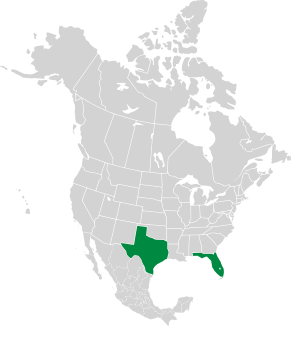
Bumelia celastrina Kunth
Bumelia celastrina Kunth var. angustifolia (Nutt.) R.W. Long
Sideroxylon celastrinum (Kunth) T.D. Penn.
Saffron plum
[An article has not been written yet.]
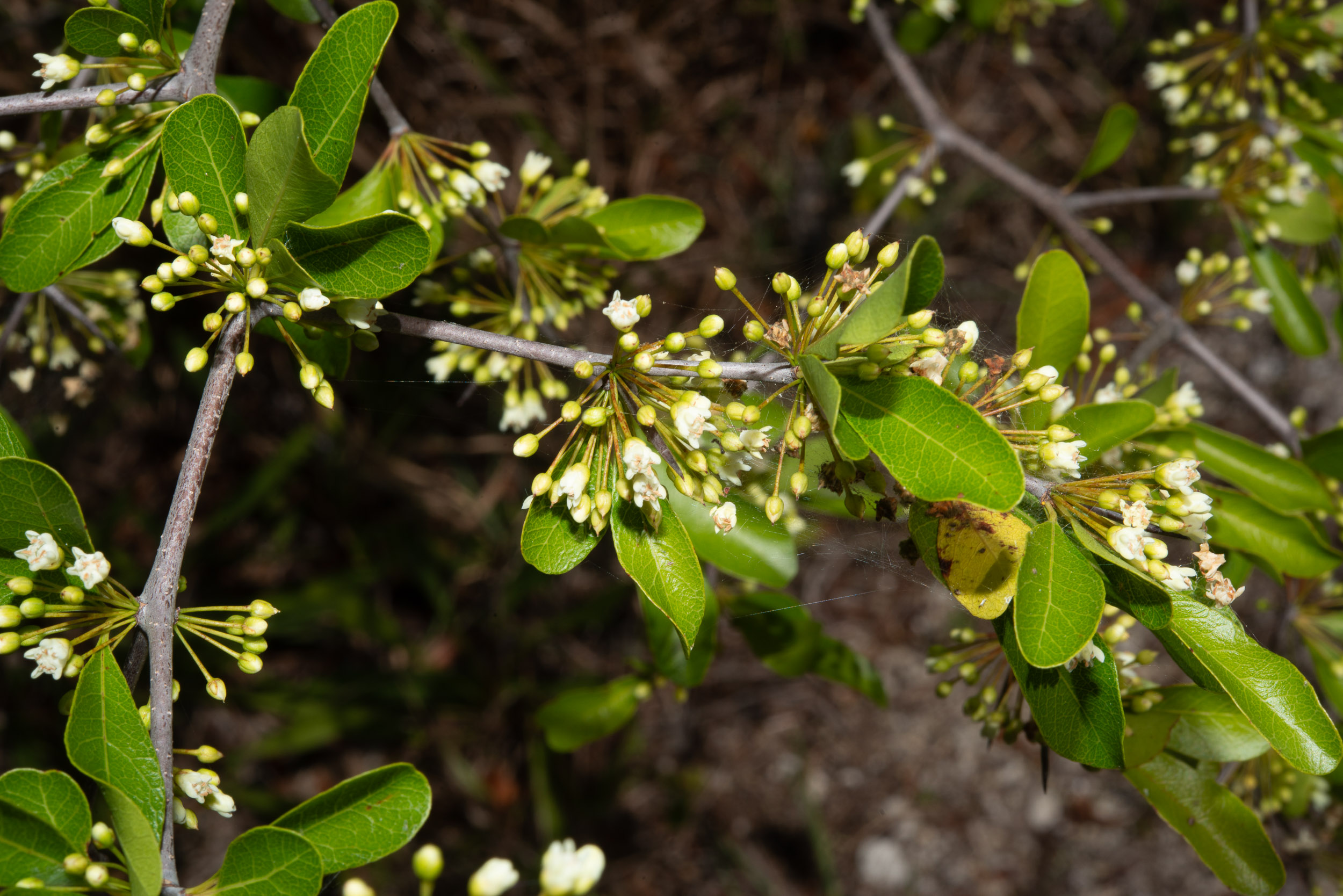
4/15/2015 · Ten Thousand Islands National Wildlife Refuge Marsh Trail, Florida · ≈ 8 × 5″ (19 × 12 cm)  ID is uncertain
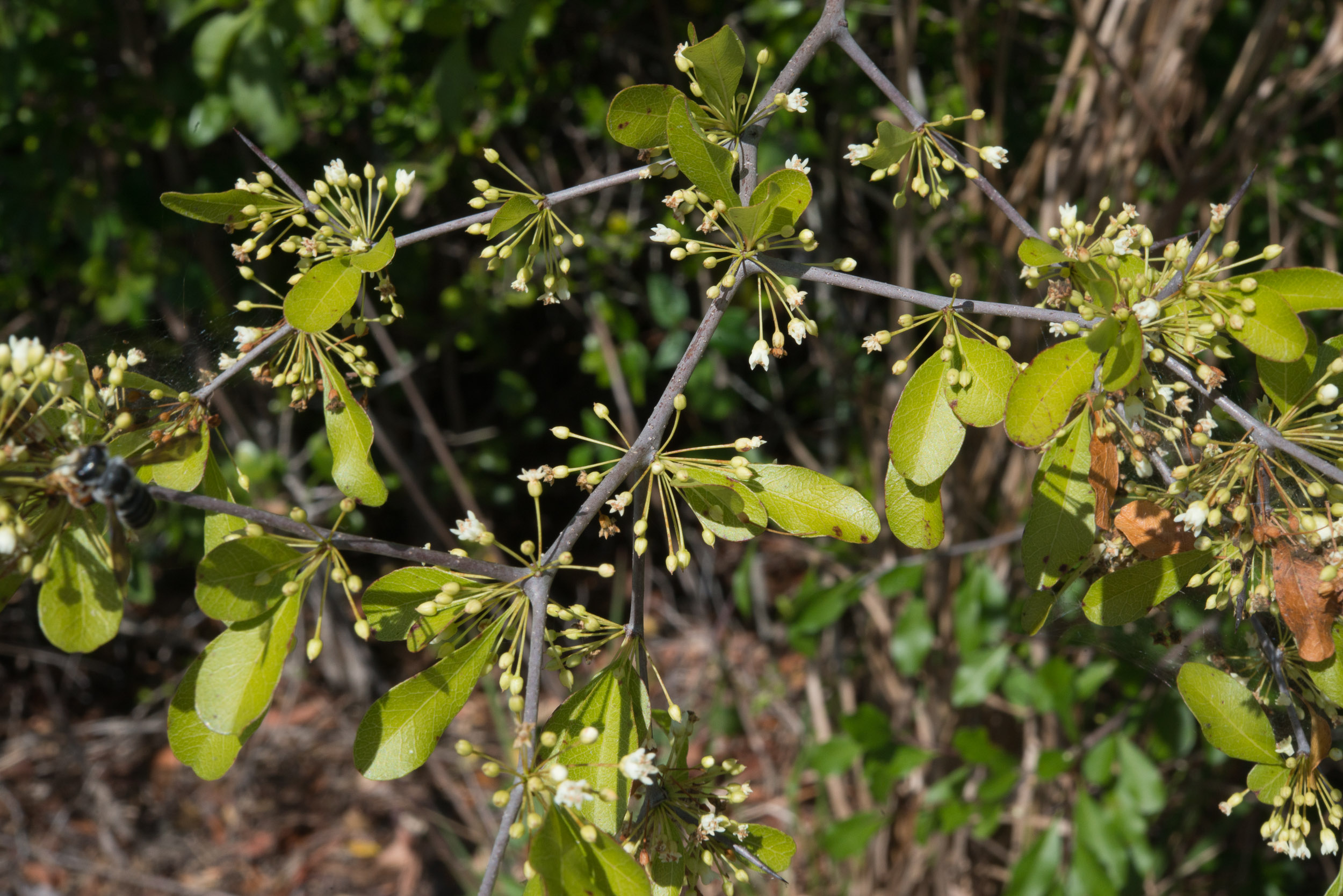
4/15/2015 · Ten Thousand Islands National Wildlife Refuge Marsh Trail, Florida · ≈ 9 × 6″ (23 × 16 cm) ID is uncertain 
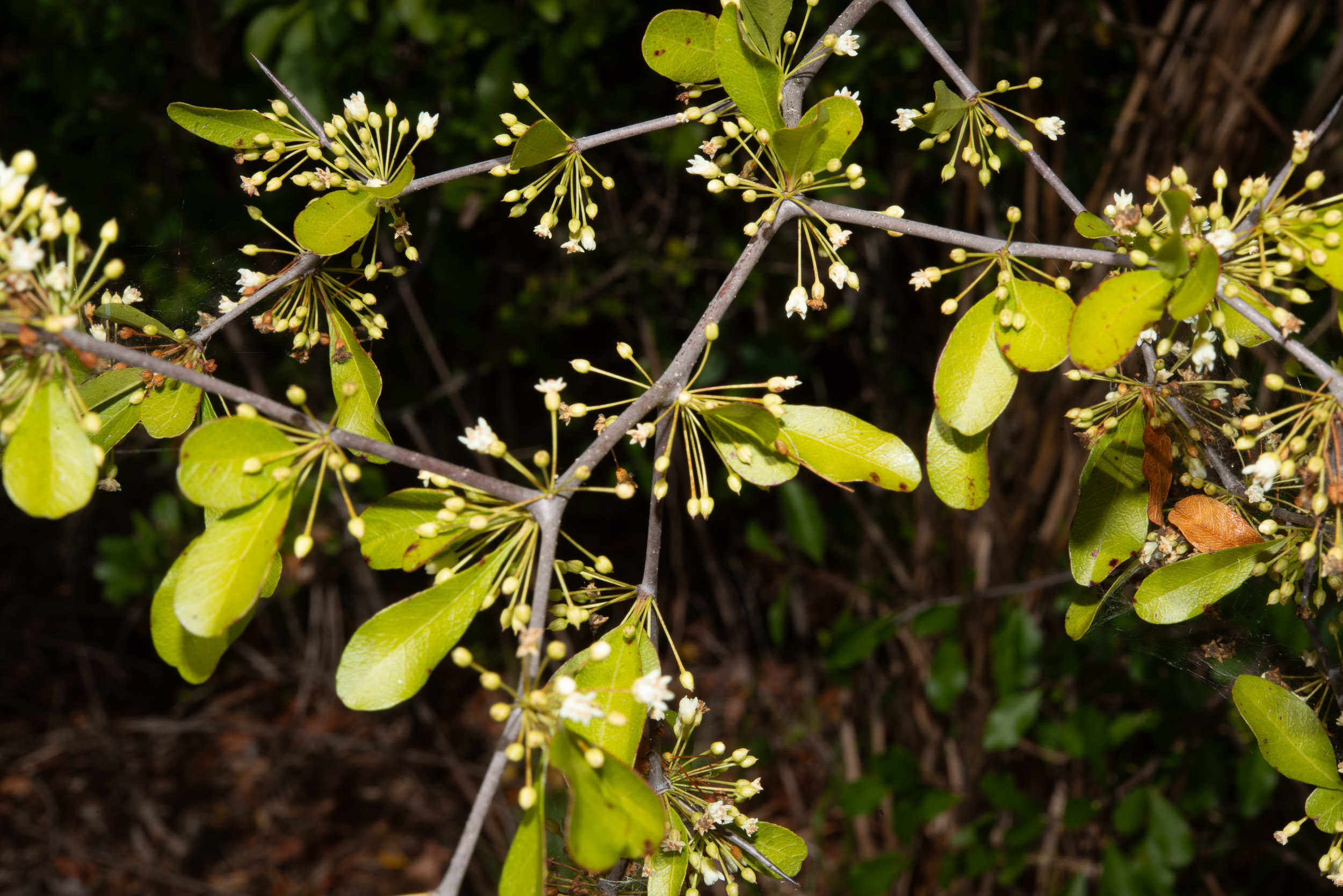
4/15/2015 · Ten Thousand Islands National Wildlife Refuge Marsh Trail, Florida · ≈ 9 × 6″ (23 × 16 cm) ID is uncertain 
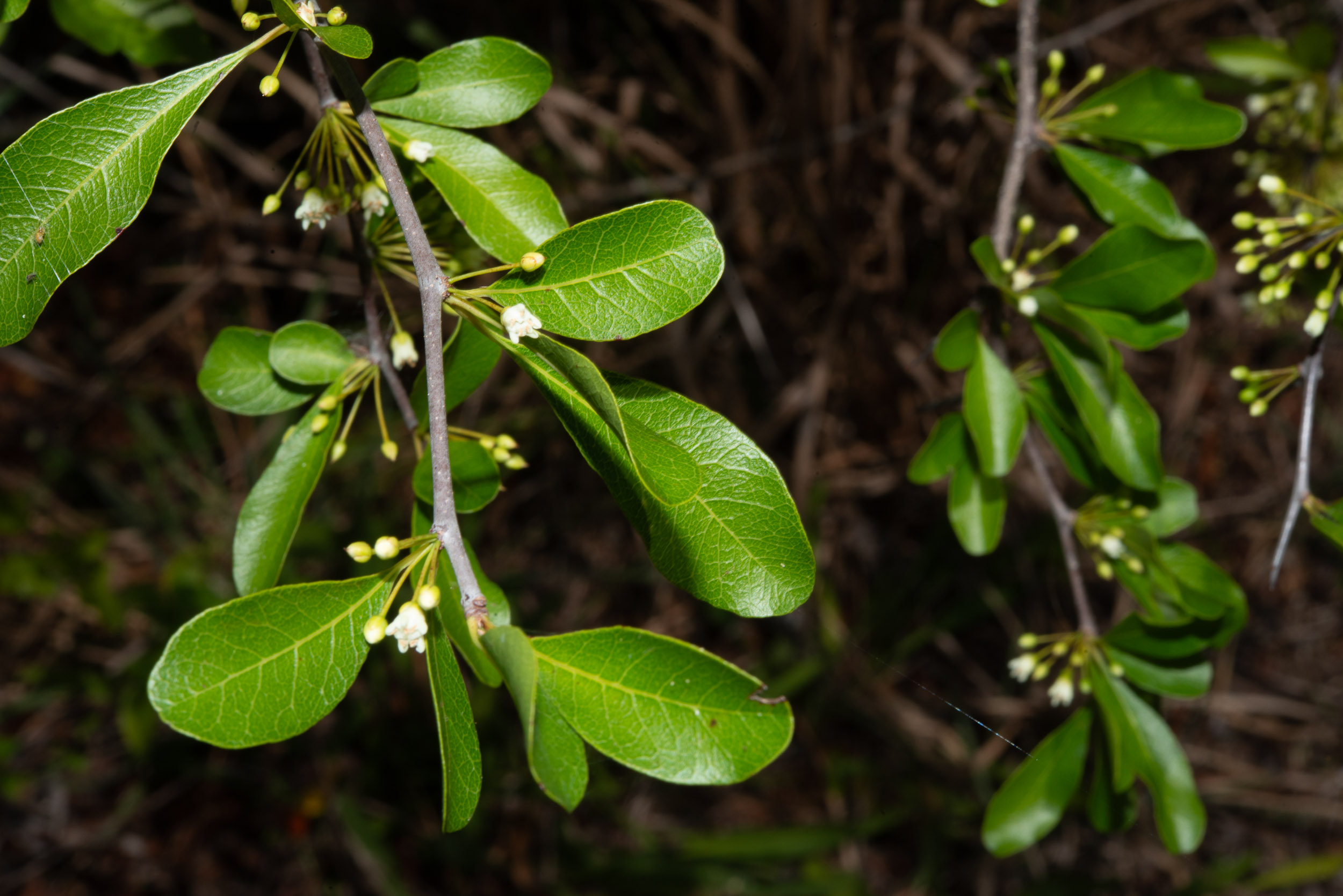
4/15/2015 · Ten Thousand Islands National Wildlife Refuge Marsh Trail, Florida · ≈ 8 × 5″ (19 × 12 cm) ID is uncertain 
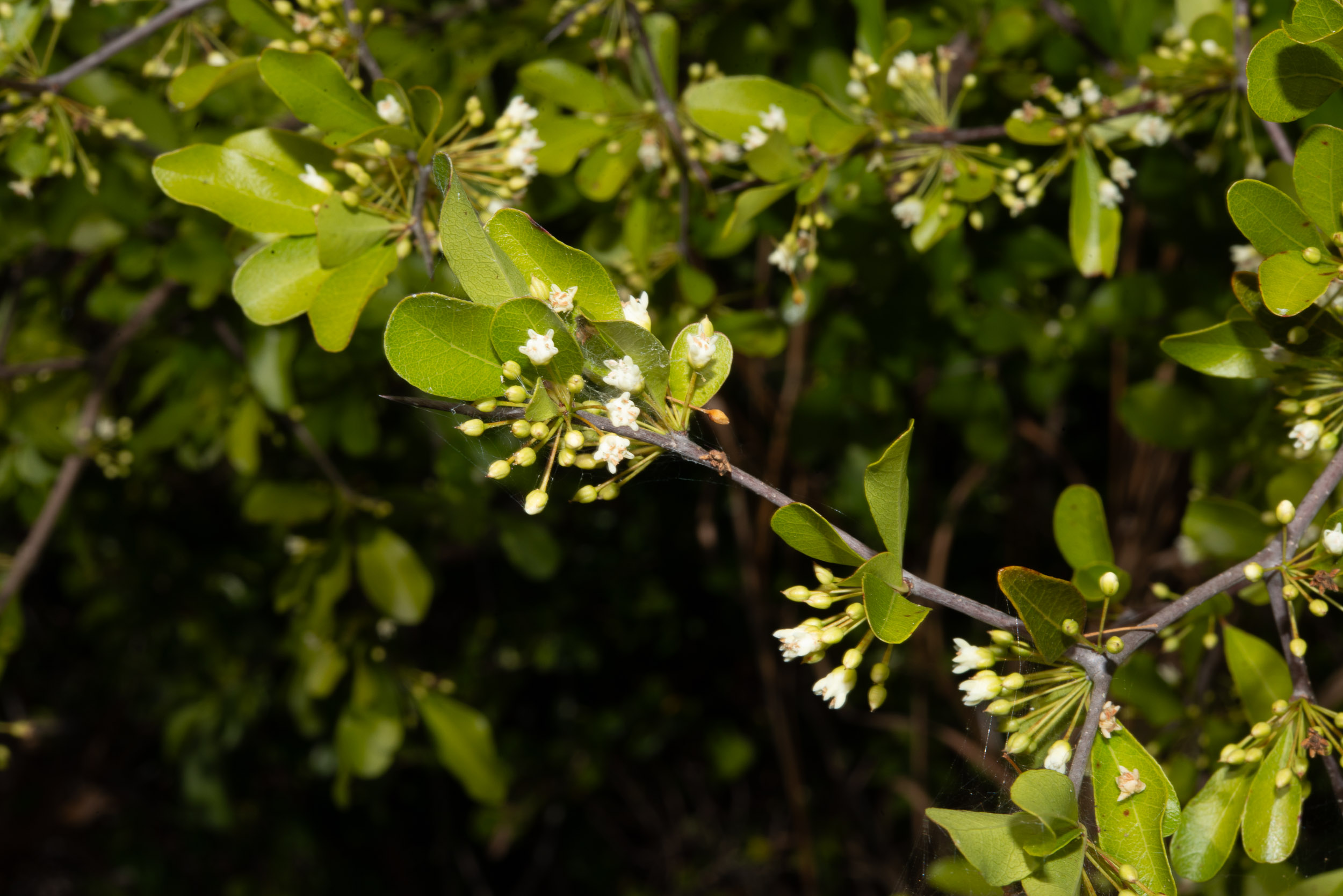
4/15/2015 · Ten Thousand Islands National Wildlife Refuge Marsh Trail, Florida · ≈ 8 × 5″ (19 × 12 cm) ID is uncertain 
| Kingdom | Plantae | Plants, but not fungi, lichens, or algae (from Stearn's Botanical Latin) |
| Subkingdom | Tracheobionta | Vascular plants—plants with a “circulatory system” for delivering water and nutrients |
| Division | Magnoliophyta | Flowering plants, also known as angiosperms |
| Class | Magnoliopsida | Dicotyledons—plants with two initial seed leaves |
| Subclass | Asteridae | A large class that encompasses asters |
| Order | Ericales | Tea, persimmon, blueberry, Brazil nut, azalea, many others |
| Family | Sapotaceae | A genus of tropical trees that yield latex or edible oils. From Sapota, an obsolete genus of the sapodilla tree, and -aceae |
| Genus | Sideroxylon | From the Greek sideros, “iron,” and xylon, “wood” |
| Species | celastrinum |
Sideroxylon celastrinum description by Thomas H. Kent, not updated.

© FloraFinder.org. All rights reserved.