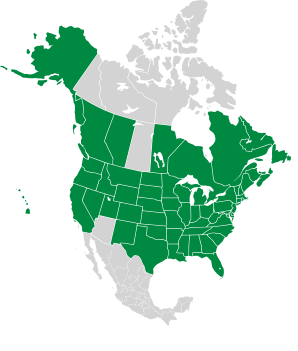
Sisymbrium officinale (L.) Scop. var. leiocarpum DC.
Sisymbrium officinale (L.) Scop.
Hedge mustard
It is native to Europe, including Britain, south and east from Scandanavia to North Africa and the Near East. It is naturalized in North America.
Plants: Plants are 1½–3½′ (45–106 cm) high, with an erect light green to purplish green stem that is round, branched, and leafy.
Leaves: A basal rosette of leaves form first, looking a little like dandelion leaves (petiolate-pinnatifid). Lower leaves are up to 8 ⨉ 2″ (20 ⨉ 5 cm). Upper leaves are oblong-lanceolate, often hastate, becoming progressively smaller, and are divided into three lobes.
Flowers: Stems are tipped by narrow racemes of small pale yellow flowers. Each flower has four petals, four green to yellow sepals, a central style, and several stamens.
Fruits: Narrow, cylindrical seedpods (siliques), less than ⅝″ (1.7 cm) in length.
Medical: Hedge mustard does not have any proven uses. Folk medicine sometimes used it for laryngitis and hoarseness, chronic bronchitis, and inflammation of the gallbladder.
Habitats: Hedge banks, uncultivated ground, disturbed areas, waste ground, meadows, and cultivated land.
Online References:
References:
Clemants, Steven; Gracie, Carol, Wildflowers in the Field and Forest, Oxford University Press, 2006, p. 144
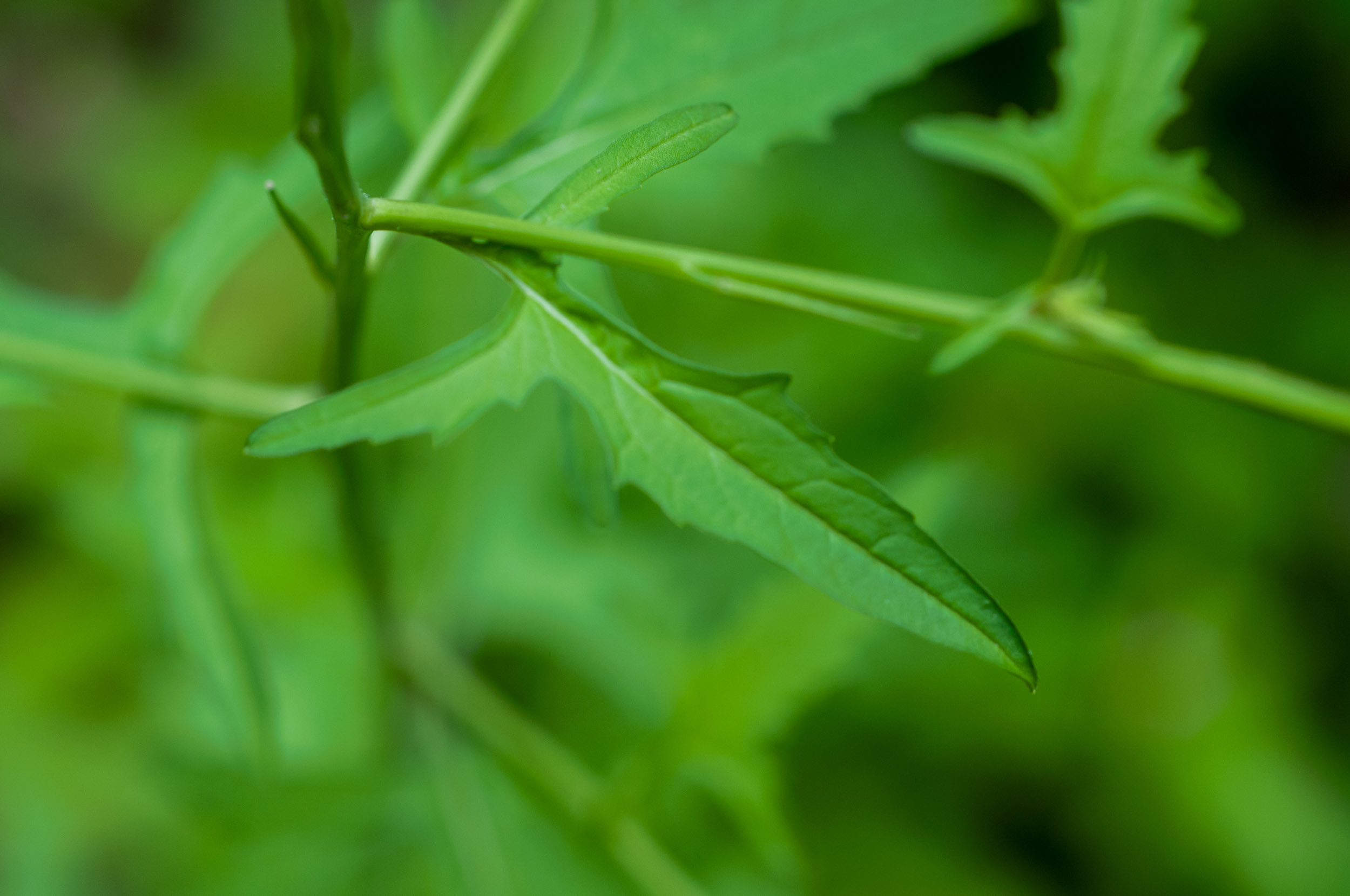
6/26/2012 · Nashua River Rail Trail, Dunstable, Dunstable, Massachusetts · ≈ 5 × 3½″ (13 × 9.2 cm) 

6/9/2018 · Virginia · ≈ 7 × 5″ (17 × 13 cm) 
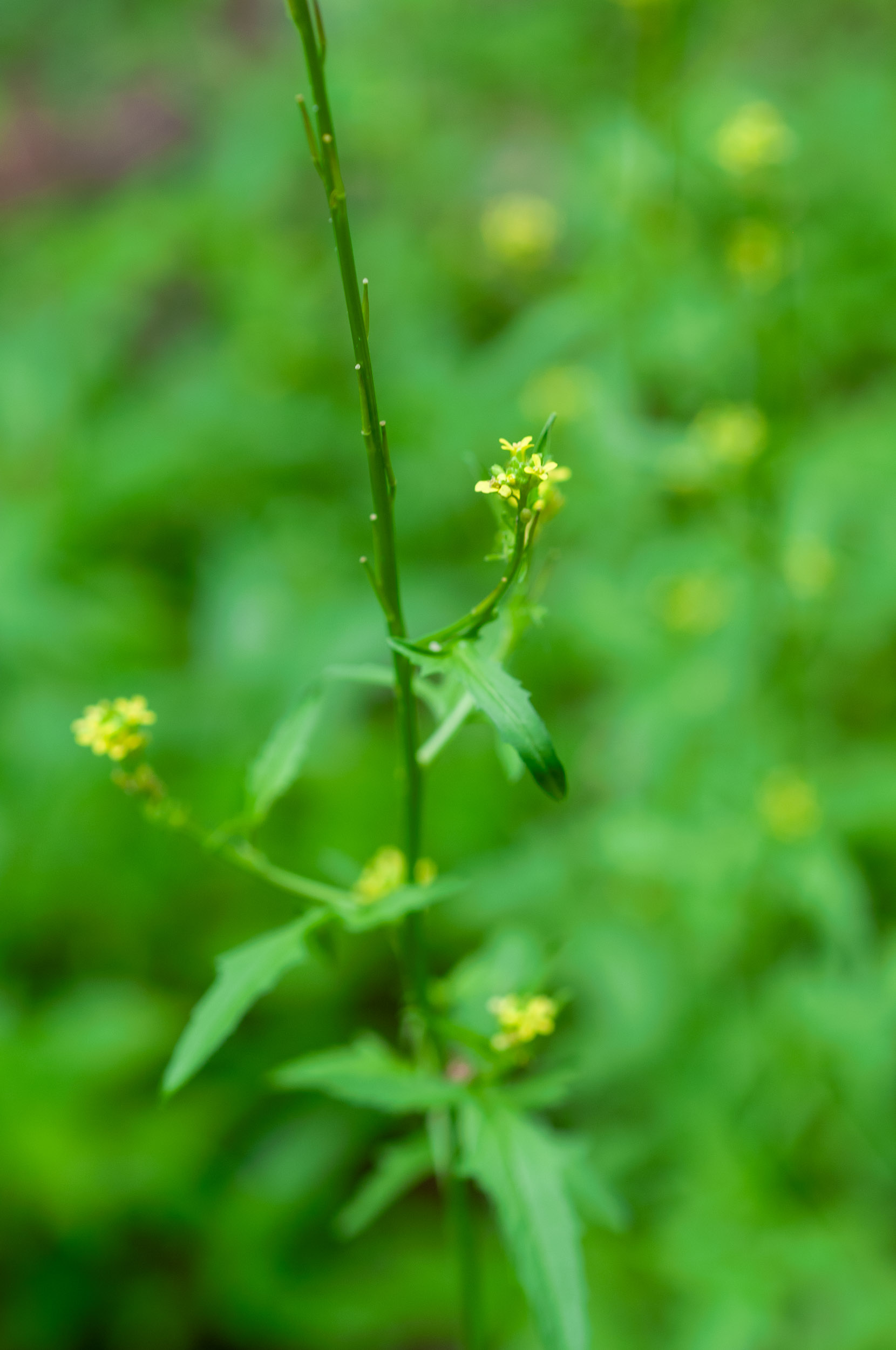
6/26/2012 · Nashua River Rail Trail, Dunstable, Dunstable, Massachusetts · ≈ 4½ × 7″ (11 × 17 cm) 

6/9/2018 · Virginia · ≈ 7 × 6″ (17 × 14 cm) 
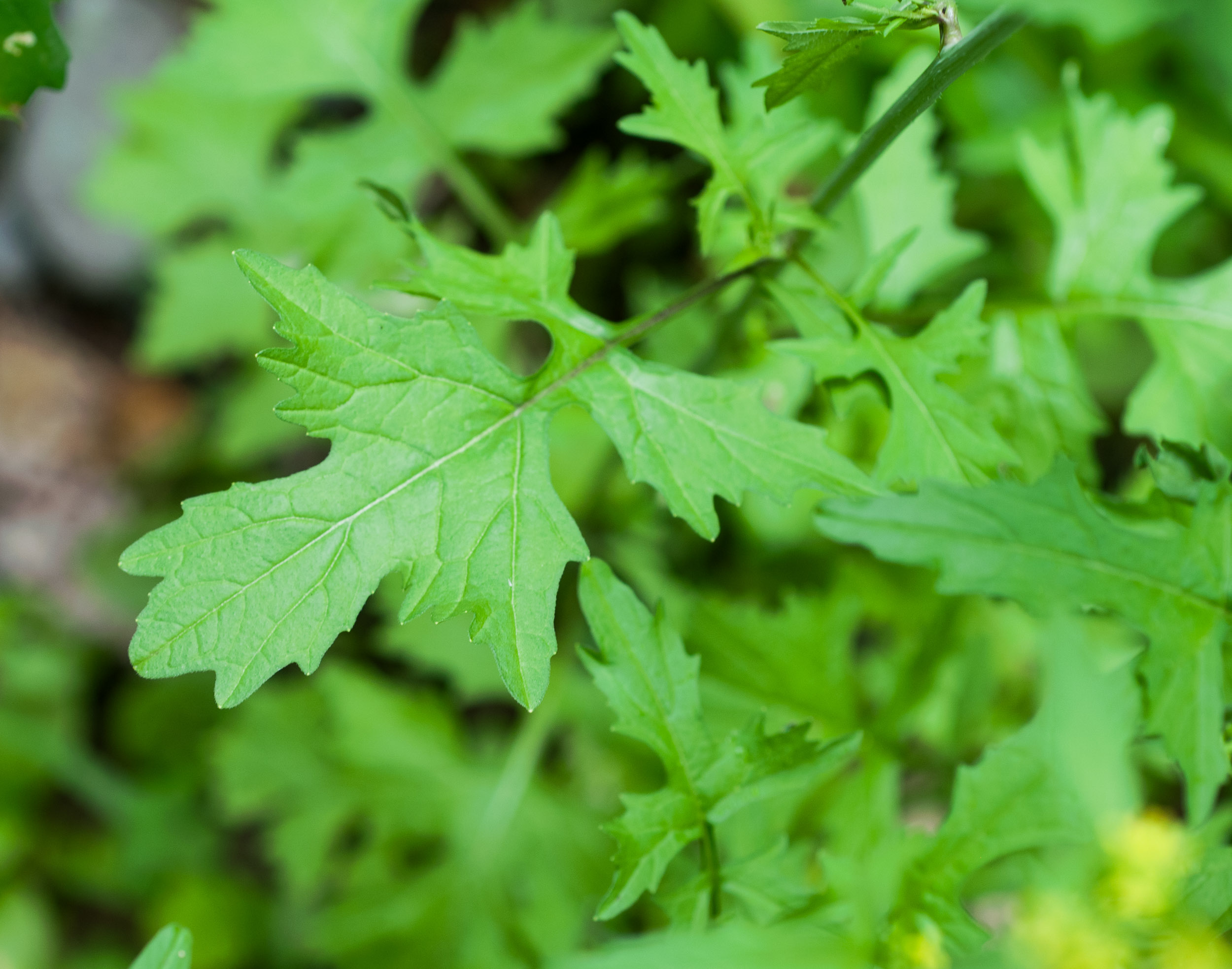
6/26/2012 · Nashua River Rail Trail, Dunstable, Dunstable, Massachusetts · ≈ 7 × 6″ (18 × 14 cm) 
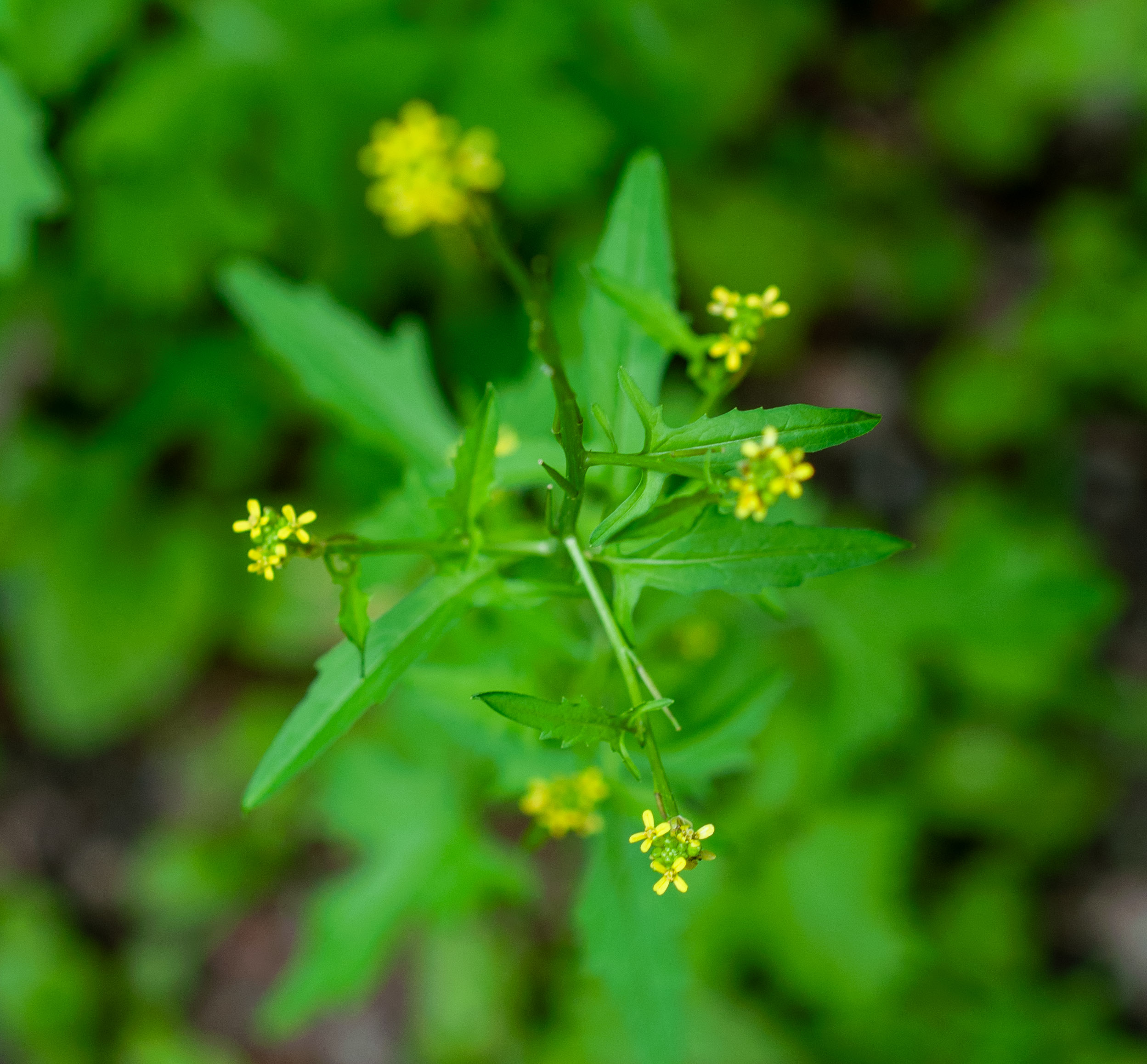
6/26/2012 · Nashua River Rail Trail, Dunstable, Dunstable, Massachusetts · ≈ 5 × 5″ (13 × 12 cm) 
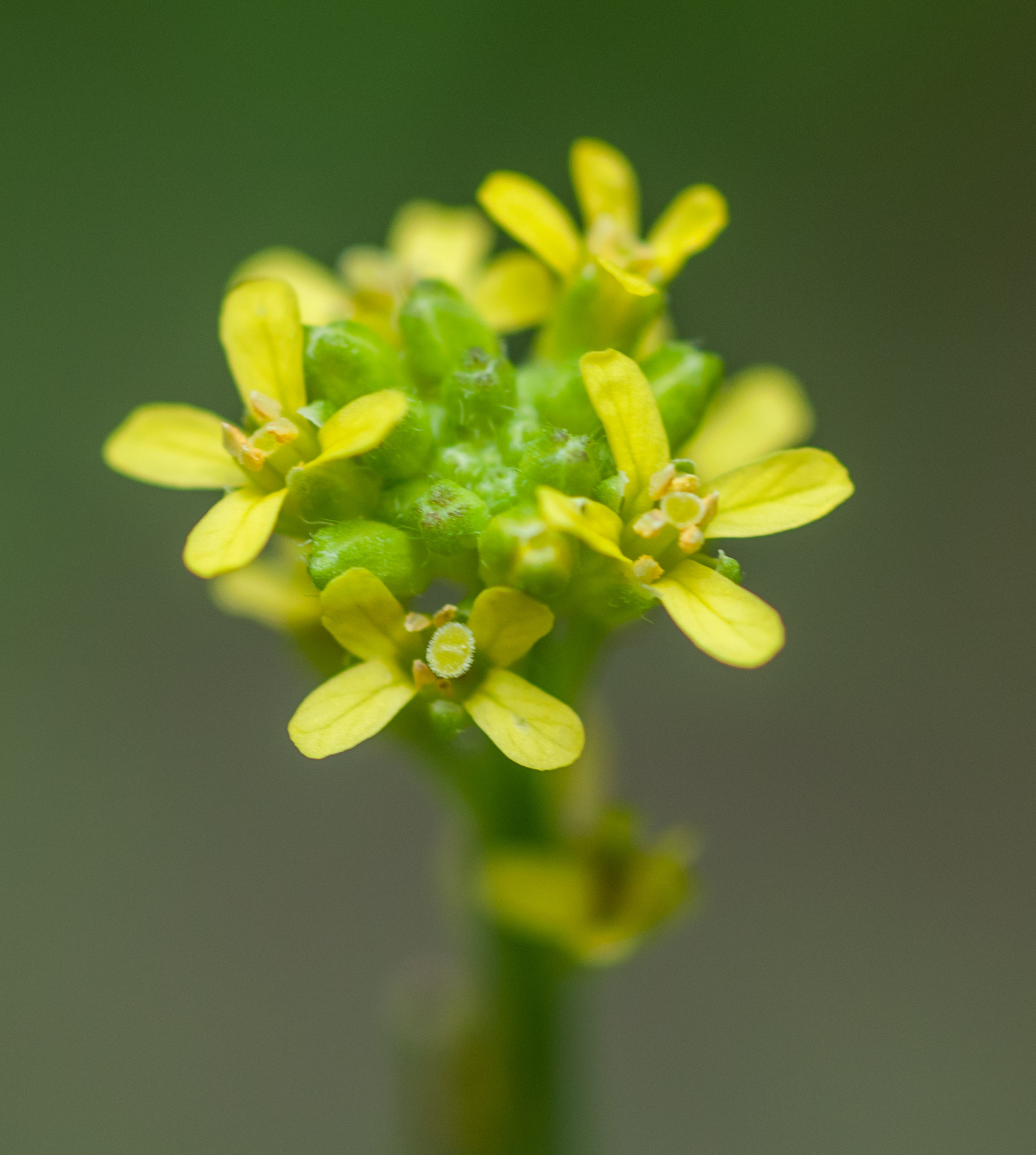
6/26/2012 · Nashua River Rail Trail, Dunstable, Dunstable, Massachusetts · ≈ 1½ × 1¾″ (4.1 × 4.5 cm) 
| Kingdom | Plantae | Plants, but not fungi, lichens, or algae (from Stearn's Botanical Latin) |
| Subkingdom | Tracheobionta | Vascular plants—plants with a “circulatory system” for delivering water and nutrients |
| Division | Magnoliophyta | Flowering plants, also known as angiosperms |
| Class | Magnoliopsida | Dicotyledons—plants with two initial seed leaves |
| Subclass | Rosidae | Roses, legumes, proteas, dogwoods, hydrangeas, mistletoes, euphorbias, grapes, many more |
| Order | Brassicales | Mustard, cabbage, caper, papaya, nasturtiums, many others; most produce mustard oil |
| Family | Brassicaceae | Mustards, cabbages |
| Genus | Sisymbrium | A Greek name for some plant of the mustard family |
| Species | officinale | Sold as an herb, often applied to plants with real or supposed medicinal qualities |
Sisymbrium officinale description by Thomas H. Kent, not updated.

© FloraFinder.org. All rights reserved.