Solanum carolinense L.
Carolina horsenettle, horsenettle
Carolina horsenettle is a North American native, considered an invasive in many southern habitats.
Plants: Up to 3′ (1 m) tall, with round, hairy, spiny stems that become a bit woody with age.
Leaves: Alternate, glossy, on petioles (stems) up to ¾″ (2 cm) long. They are elliptic-oblong to ovate. Smaller leaves are unlobed, while larger ones are often lobed, vaguely resembling oak leaves. They are up to 8 ⨉ 2½″ (20 ⨉ 7 cm), and emit a potato-like odor when crushed.
Flowers: Flowers appear in small racemes at angles to the main stem. The racemes lengthen when the flowers begin producing fruit. Each flower is white to lilac to purple in color, a five-pointed star, with five yellow stamens like a miniature bunch of bananas in the center. They appear from May to October.
Fruits: Berries are green when immature, streaked with different shades of green, turning yellow when mature.
Habitats: Pastures, roadsides, railroad margins, and disturbed areas.
Edibility: Poisonous.  All parts of the plant
contain solanine glycoalkaloids, part of the plant’s natural defenses. Ingesting any part of the plant can
cause fever, headache, scratchy throat, nausea, vomiting, and diarrhea. Ingesting the fruit can cause
abdominal pain, circulatory and respiratory depression, or even death.
All parts of the plant
contain solanine glycoalkaloids, part of the plant’s natural defenses. Ingesting any part of the plant can
cause fever, headache, scratchy throat, nausea, vomiting, and diarrhea. Ingesting the fruit can cause
abdominal pain, circulatory and respiratory depression, or even death.
 |
Similar species. |
Online References:
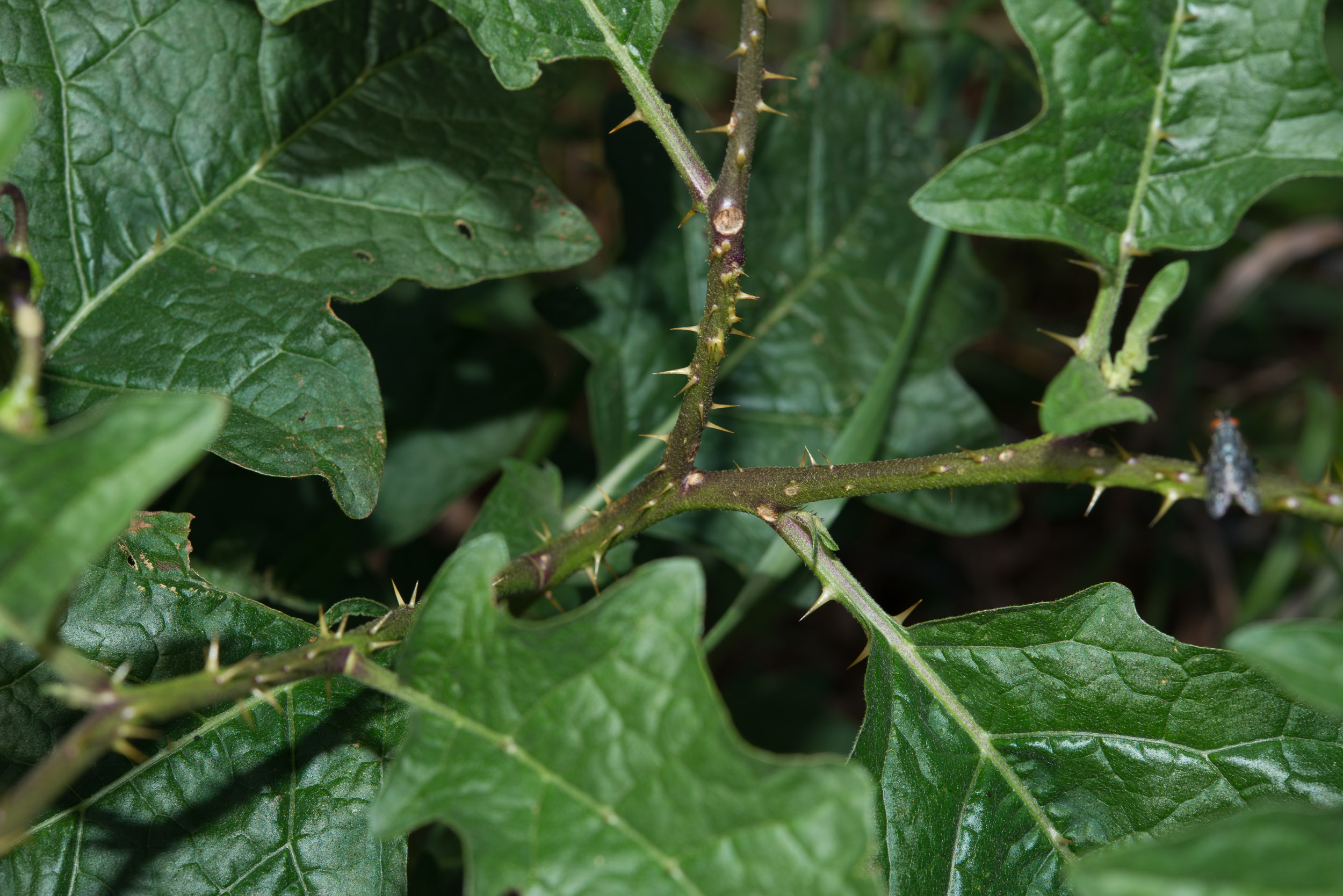
7/21/2013 · Gibbet Hill, Groton, Massachusetts · ≈ 9 × 6″ (22 × 15 cm) 

6/13/2011 · Alexandria, Virginia · ≈ 4 × 6″ (10 × 14 cm) 
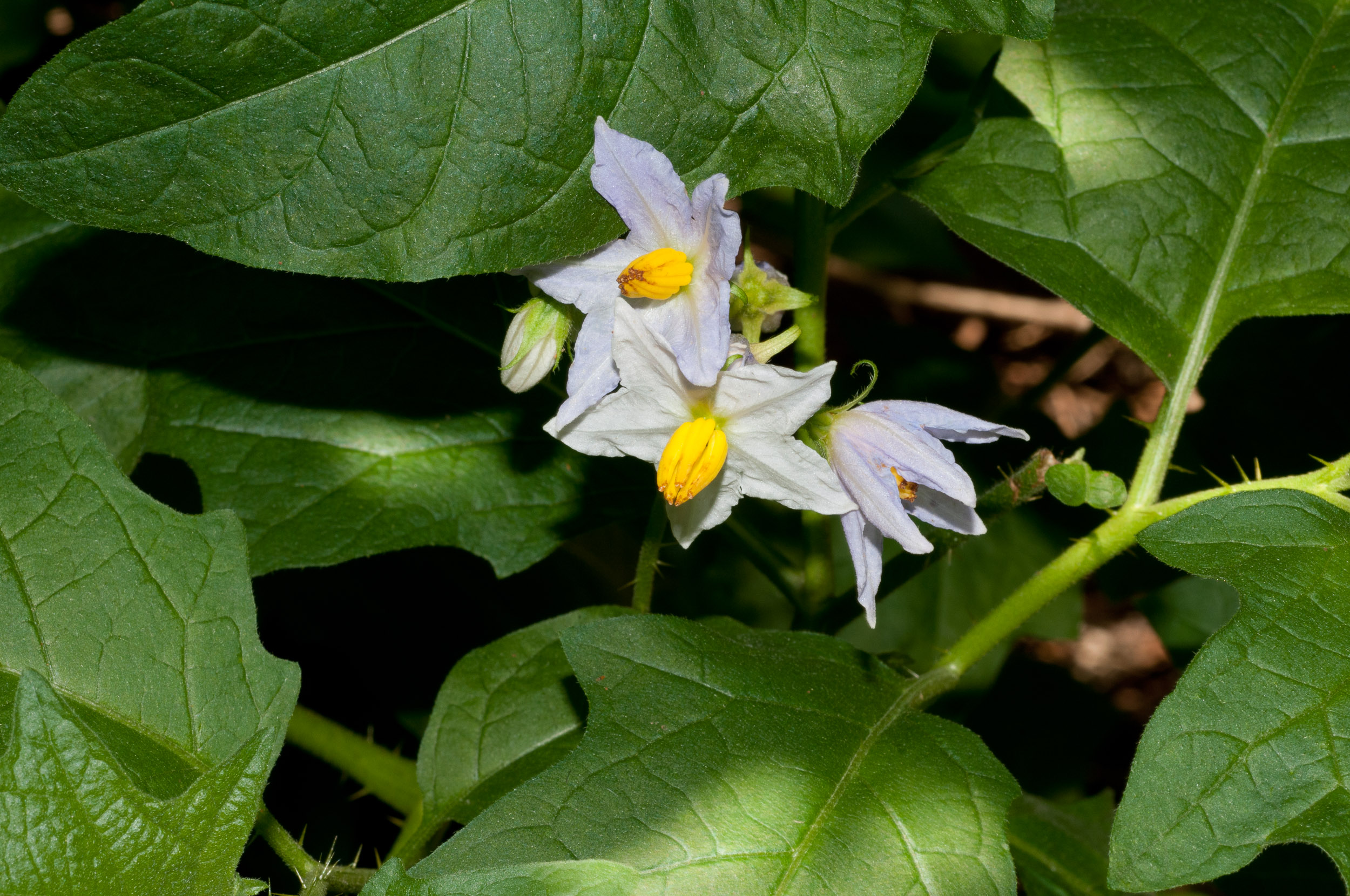
6/13/2011 · Alexandria, Virginia · ≈ 7 × 4½″ (17 × 11 cm) 
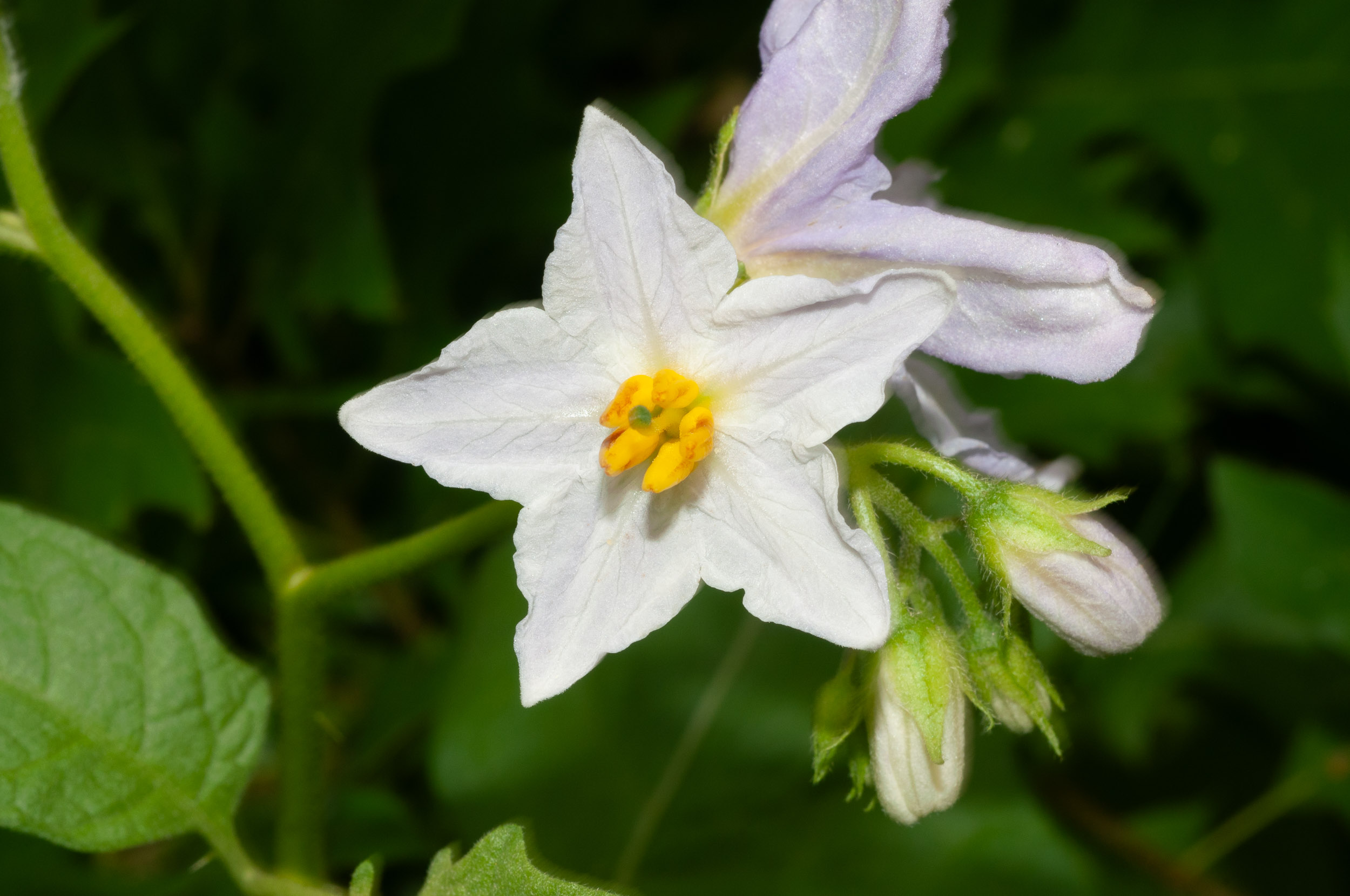
7/7/2012 · Gibbet Hill, Groton, Massachusetts · ≈ 4½ × 3″ (11 × 7.9 cm) 
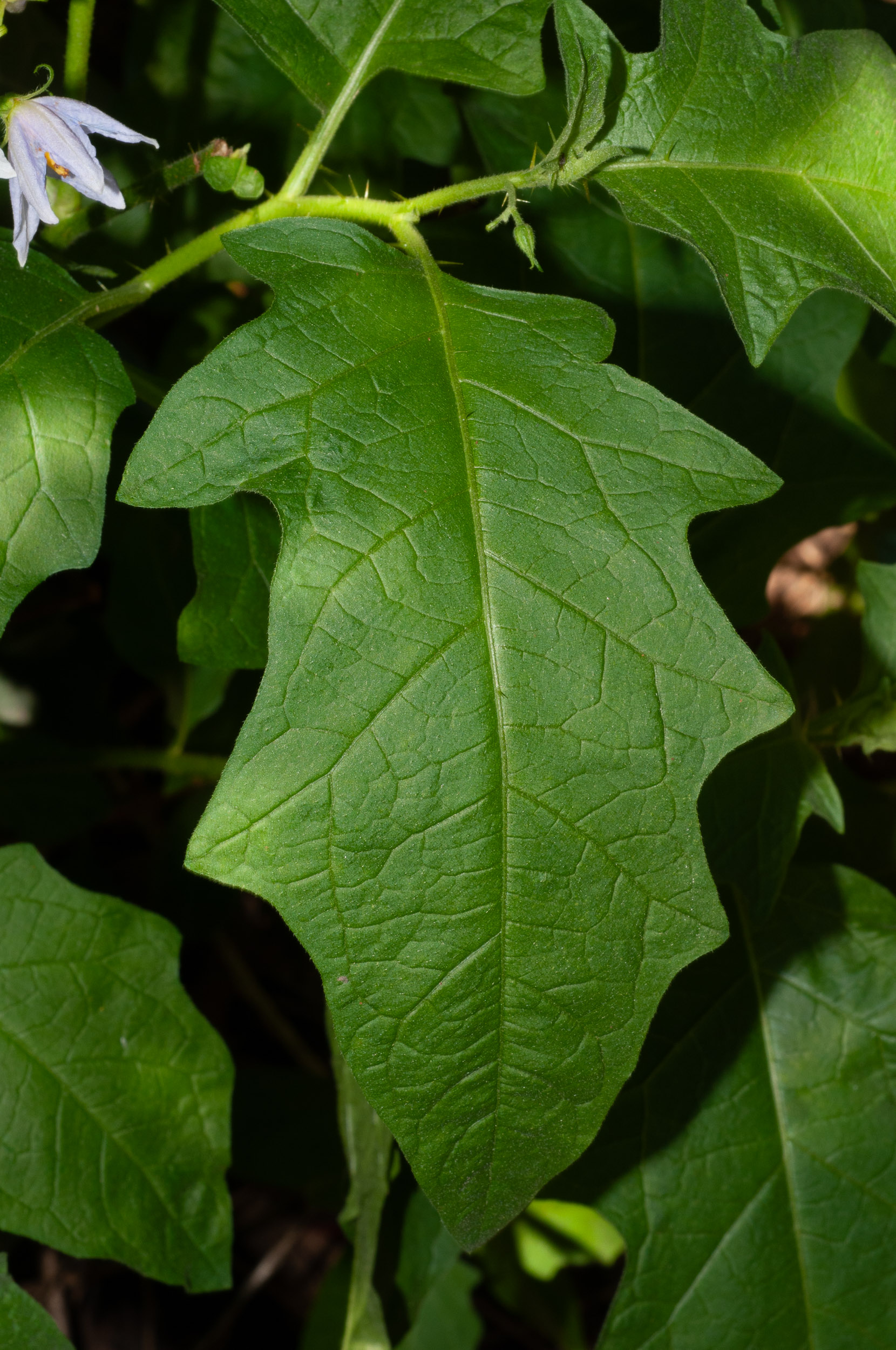
6/13/2011 · Alexandria, Virginia · ≈ 6 × 9″ (14 × 22 cm) 
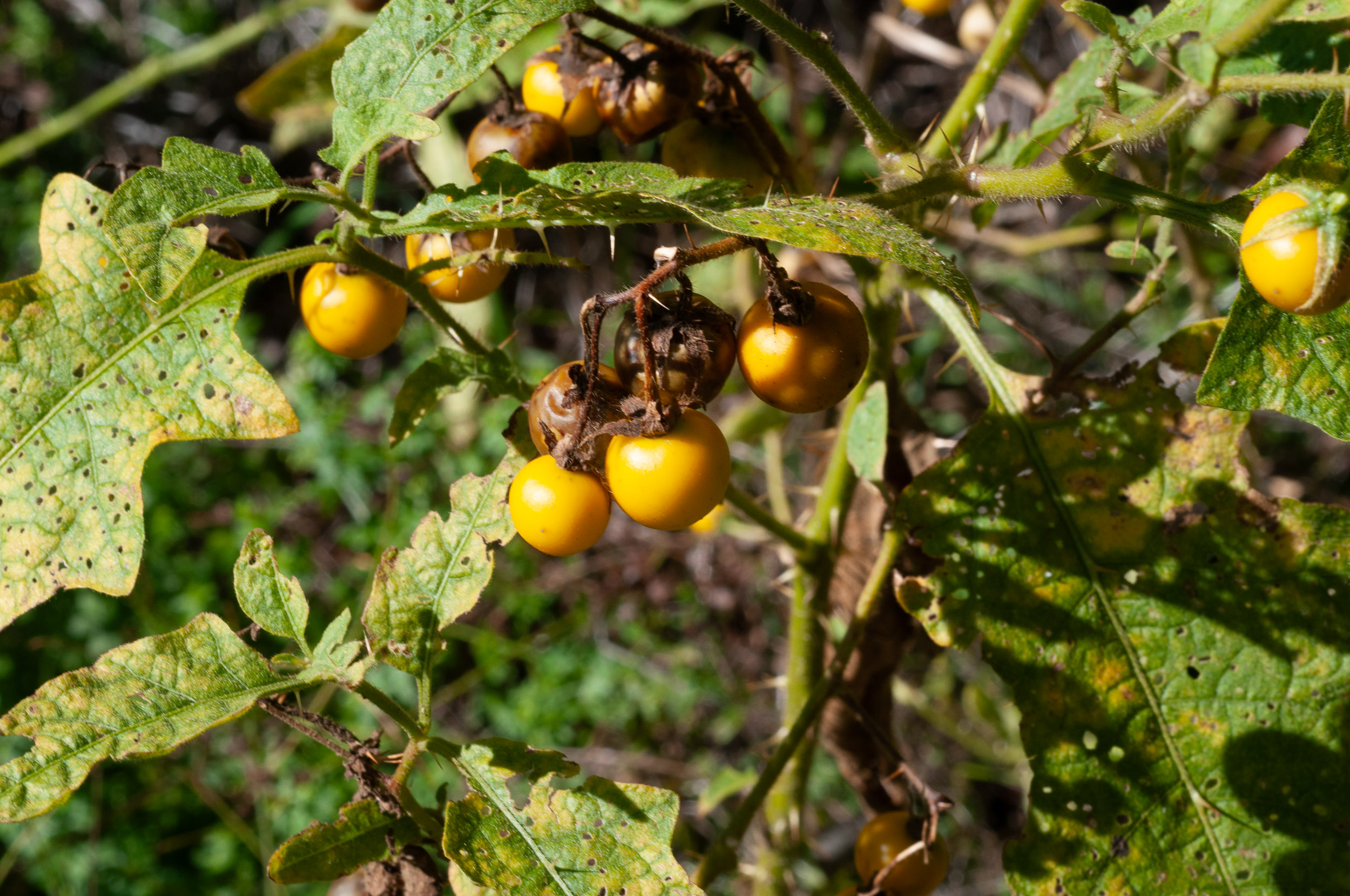
10/2/2010 · Near Huckleberry Ridge State Forest, Greenville/Orange, New York · ≈ 8 × 5″ (19 × 13 cm) 
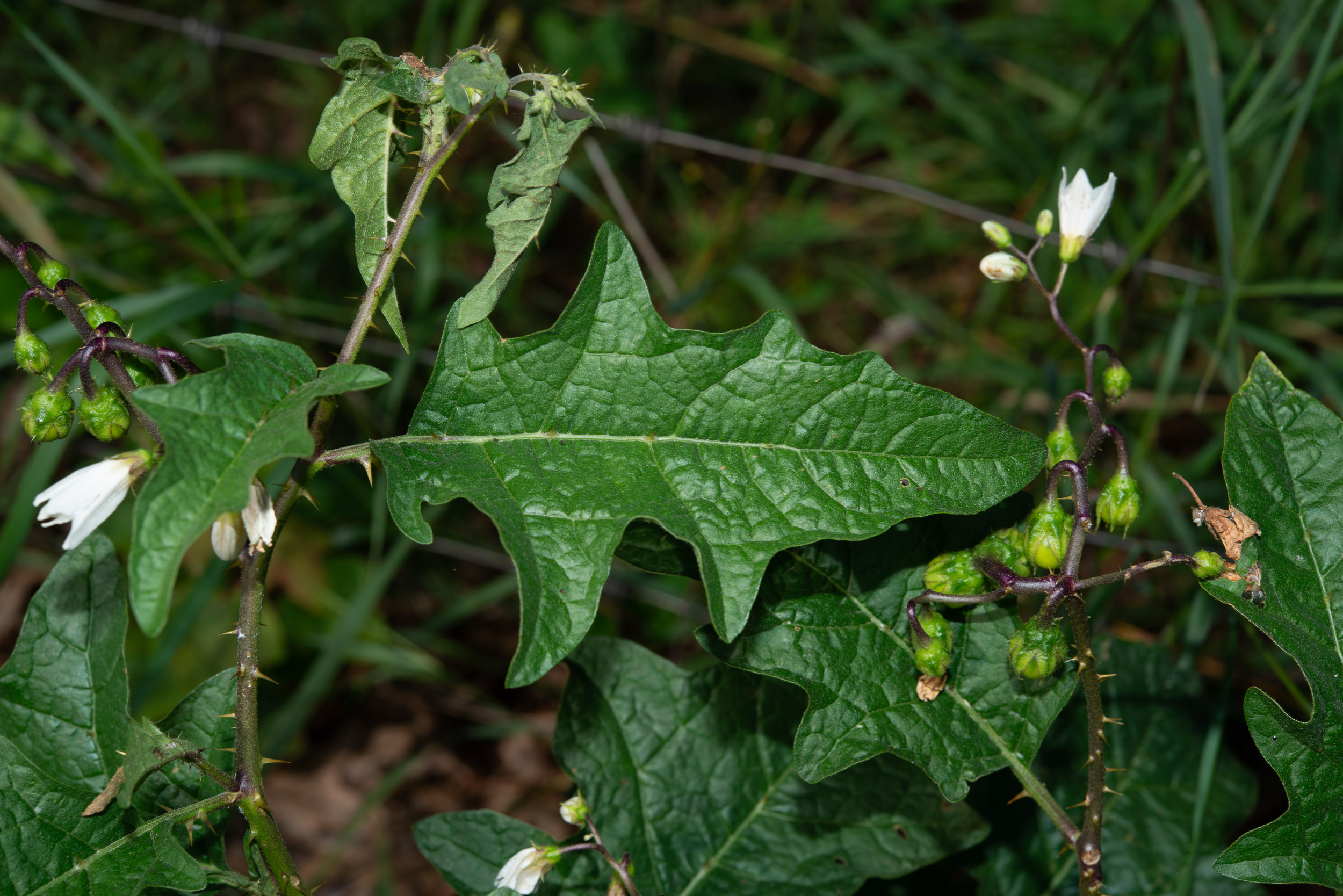
7/21/2013 · Gibbet Hill, Groton, Massachusetts · ≈ 11 × 7″ (28 × 18 cm) 
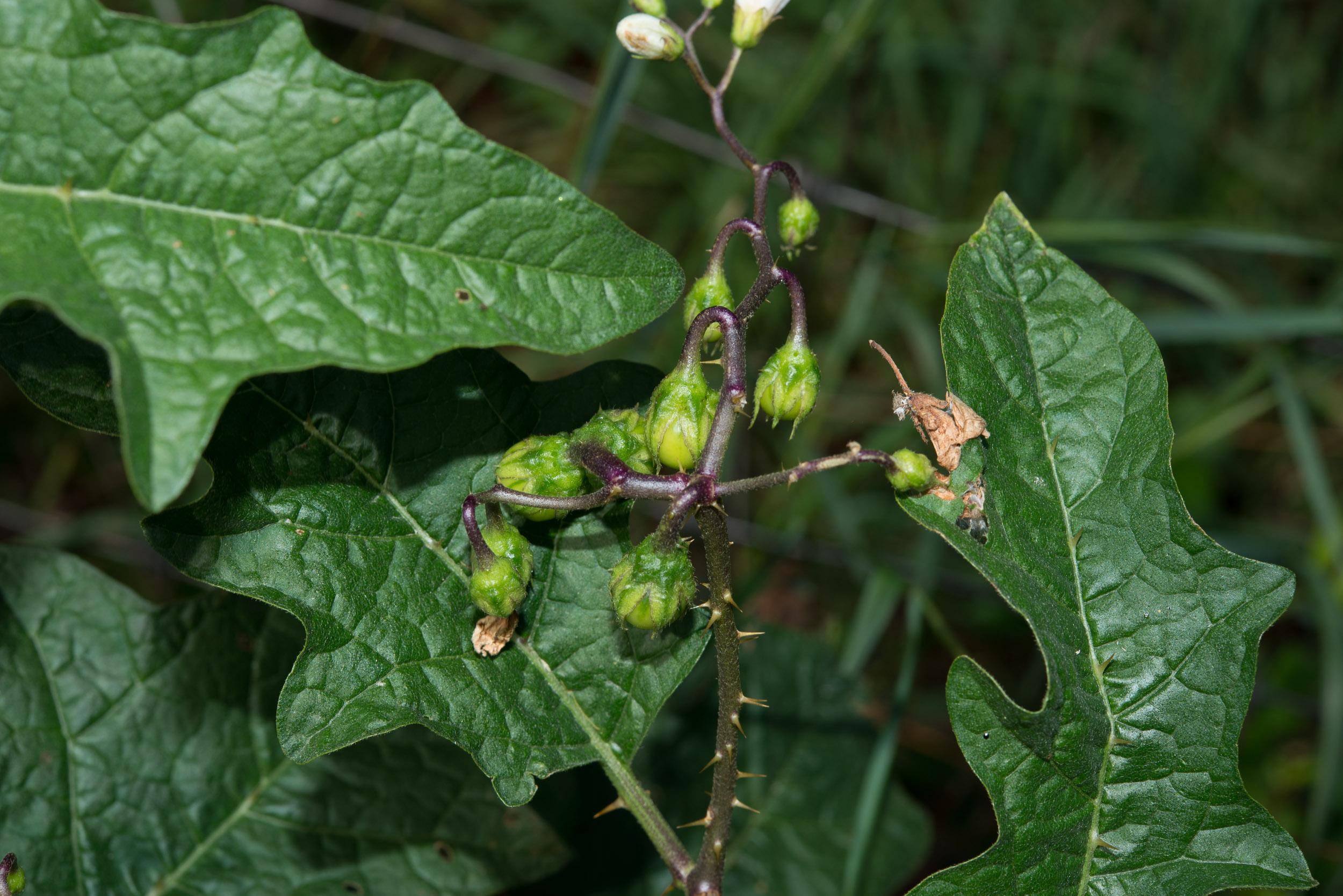
7/21/2013 · Gibbet Hill, Groton, Massachusetts · ≈ 9 × 6″ (22 × 15 cm) 
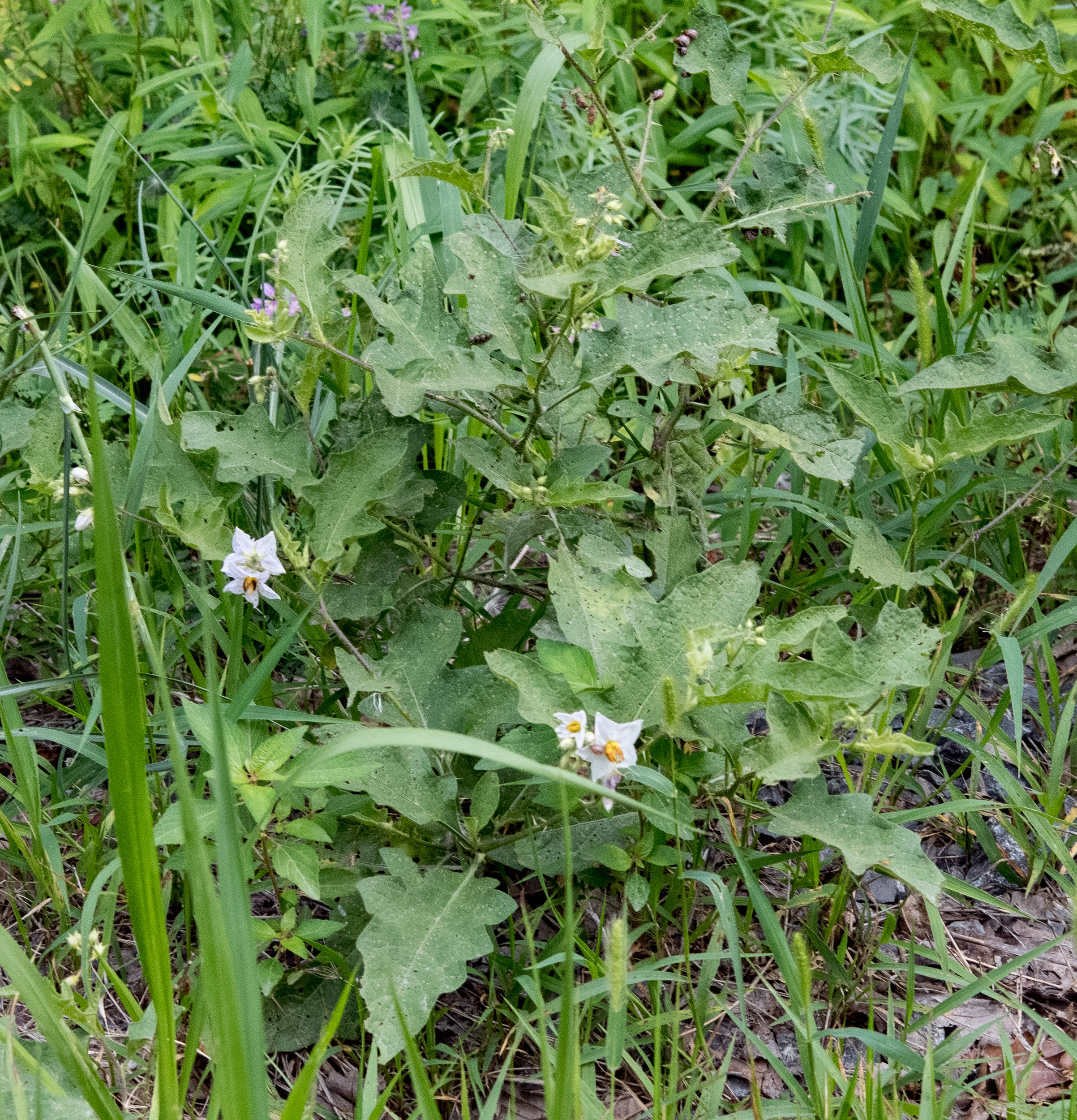
7/27/2016 · Michaux State Forest, Caledonia State Park, Fayetteville, Pennsylvania 
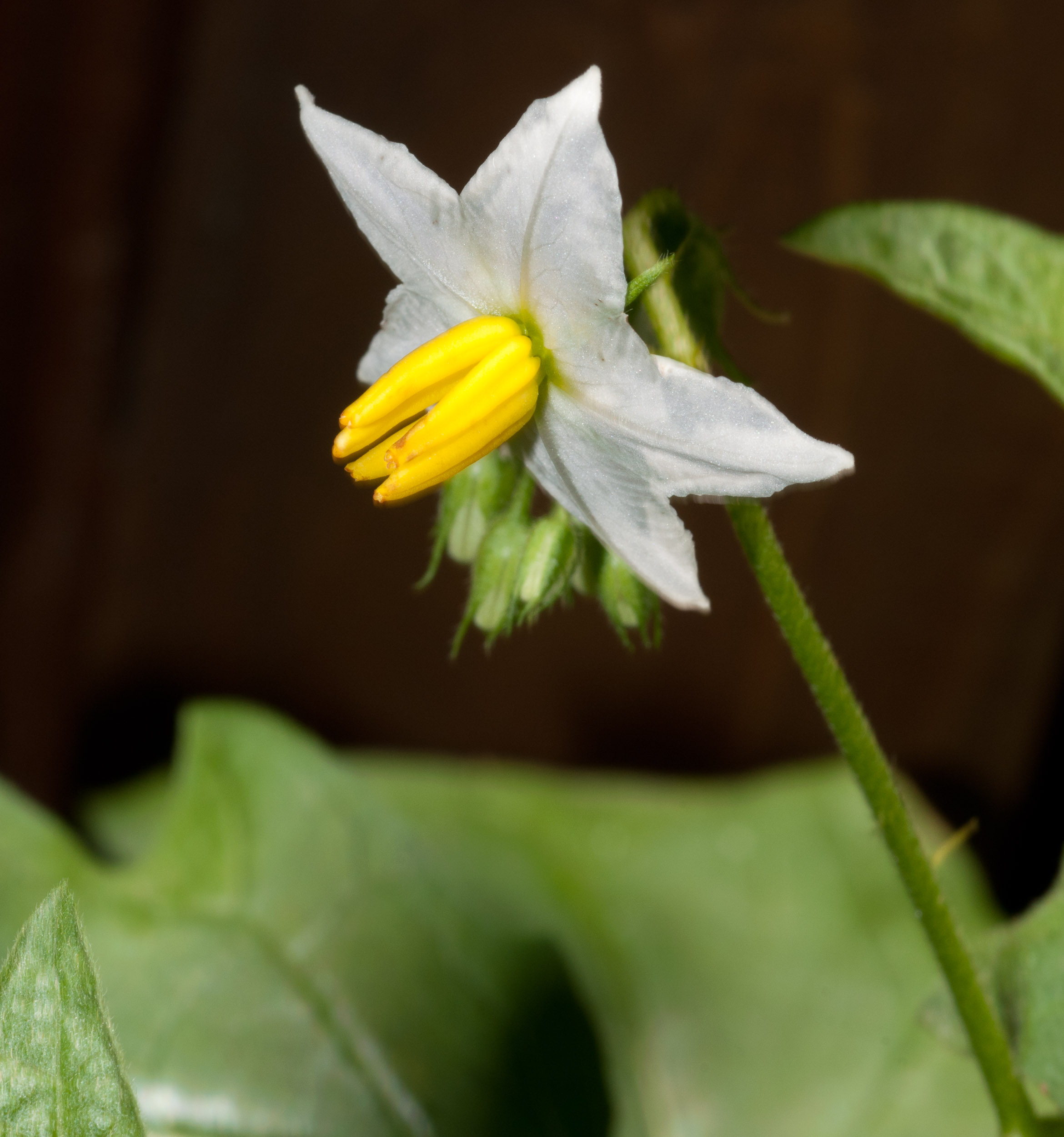
6/13/2011 · Alexandria, Virginia · ≈ 3 × 3″ (7.9 × 8.4 cm) 
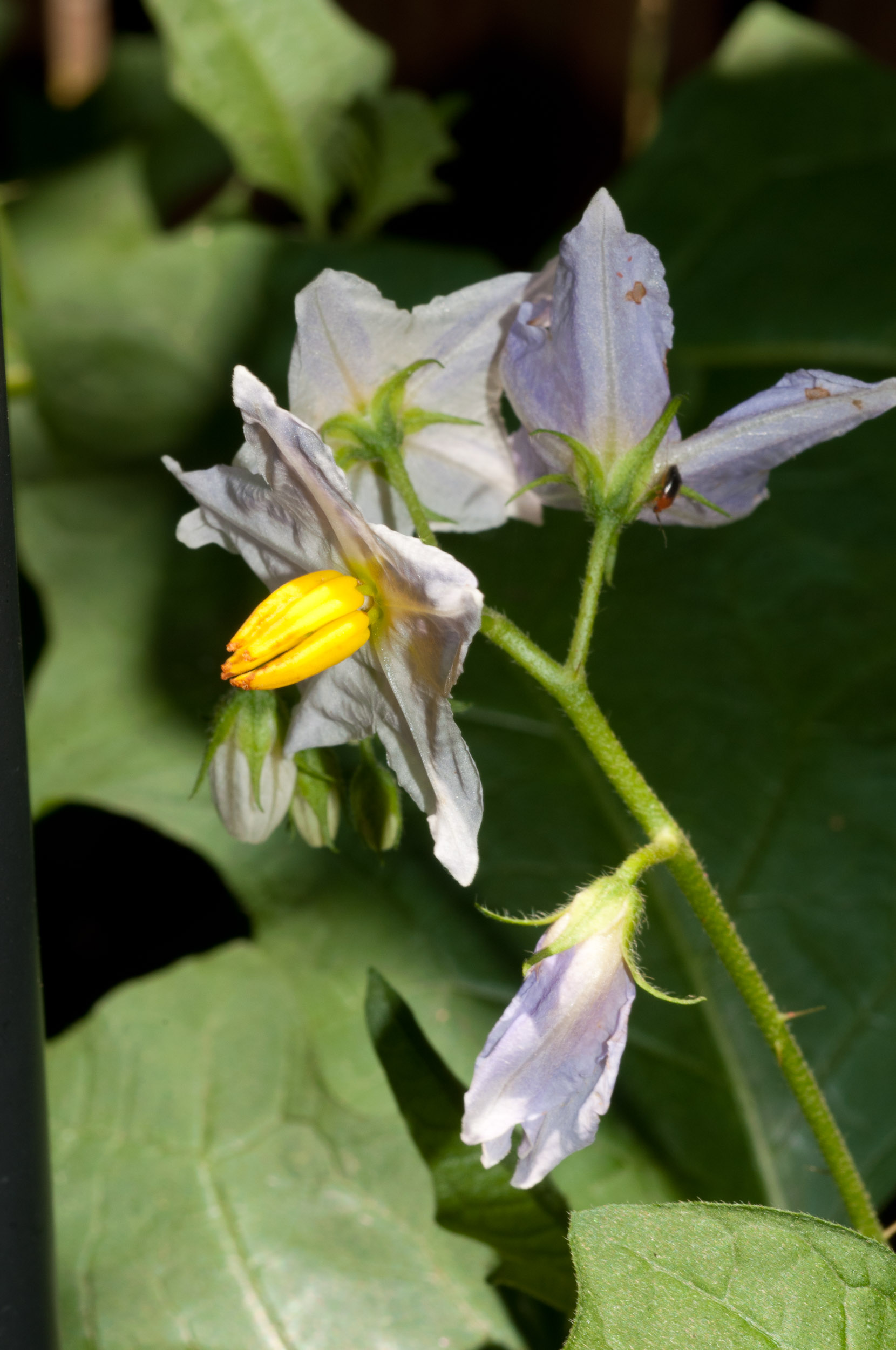
6/13/2011 · Alexandria, Virginia · ≈ 3½ × 5″ (9.2 × 13 cm) 
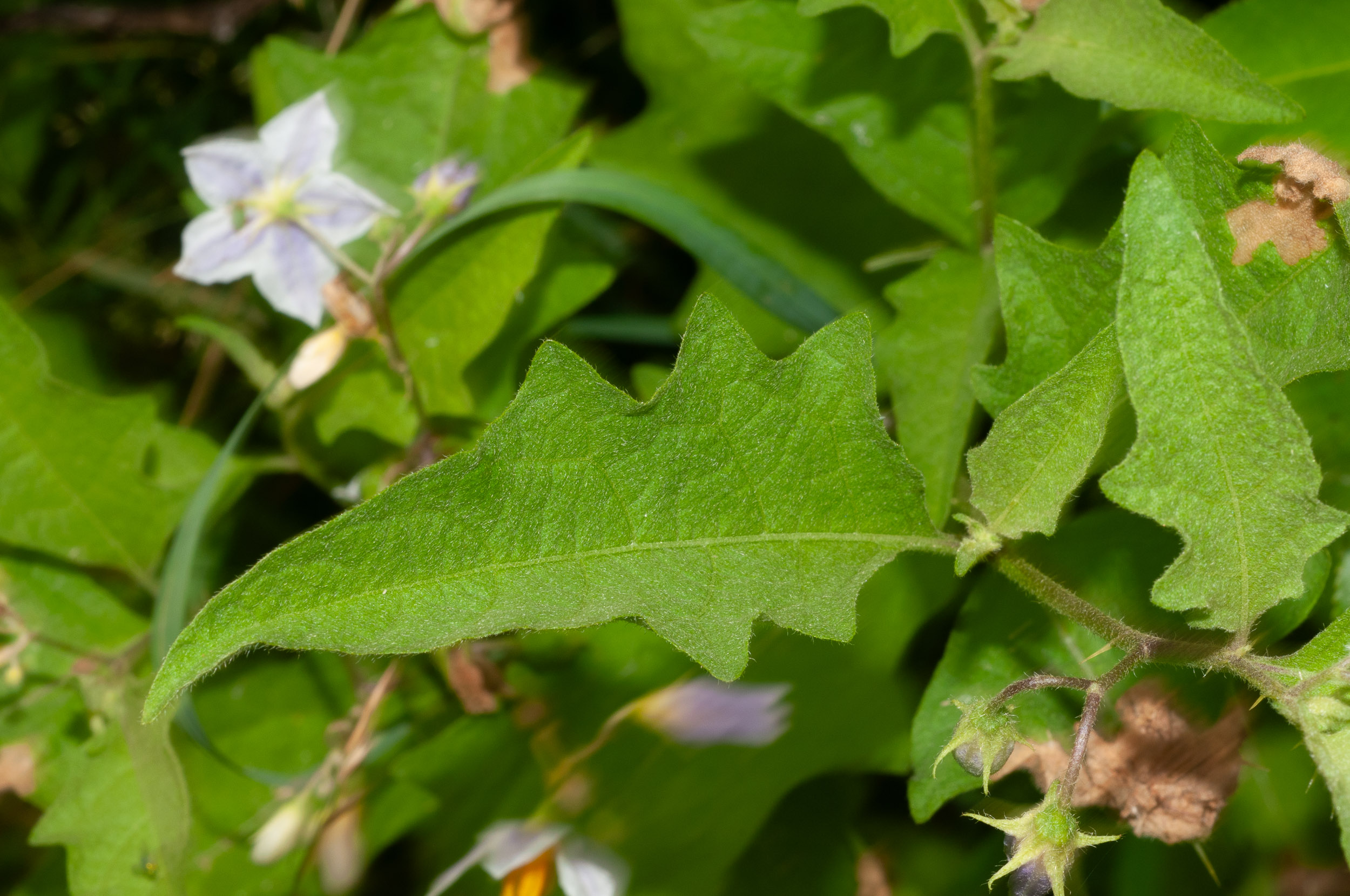
7/7/2012 · Gibbet Hill, Groton, Massachusetts · ≈ 7 × 4½″ (17 × 11 cm) 
| Kingdom | Plantae | Plants, but not fungi, lichens, or algae (from Stearn's Botanical Latin) |
| Subkingdom | Tracheobionta | Vascular plants—plants with a “circulatory system” for delivering water and nutrients |
| Division | Magnoliophyta | Flowering plants, also known as angiosperms |
| Class | Magnoliopsida | Dicotyledons—plants with two initial seed leaves |
| Subclass | Asteridae | A large class that encompasses asters |
| Order | Solanales | Potatoes, eggplants, tomatoes, peppers, tobacco, petunias, sweet potatoes, morning glories, many others |
| Family | Solanaceae | Nightshade or potato family |
| Genus | Solanum | “Quieting,” for the narcotic effect of some species |
| Species | carolinense | “Of or from the Carolinas” |
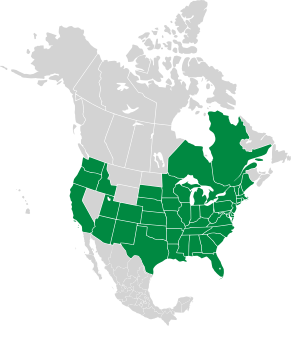
Solanum carolinense description by Thomas H. Kent, not updated.

© FloraFinder.org. All rights reserved.