Syringa vulgaris L.
Lilac, common lilac
[An article has not been written yet.]
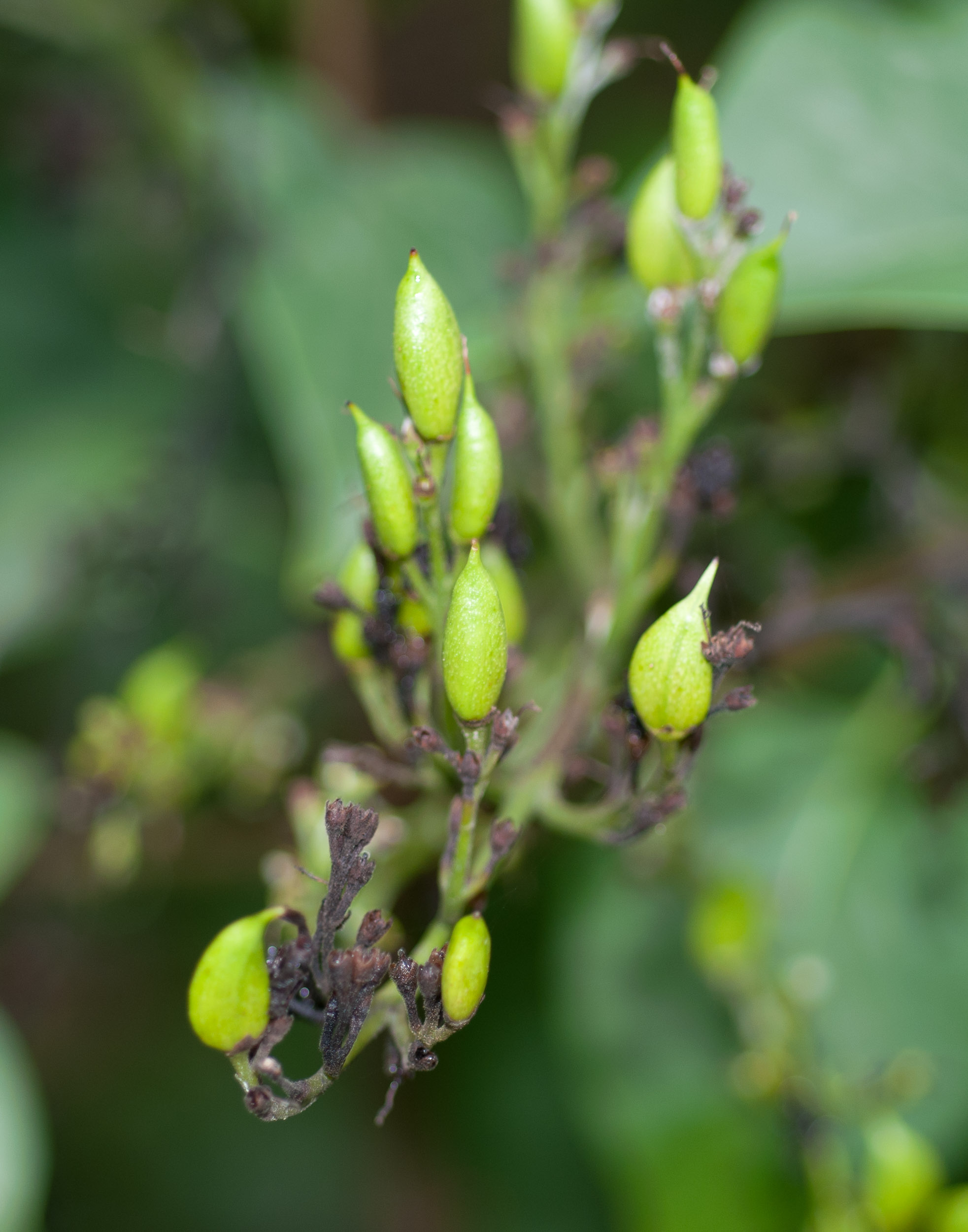
7/24/2010 · Acton Arboretum, Acton, Massachusetts · ≈ 4 × 5″ (10 × 13 cm) 
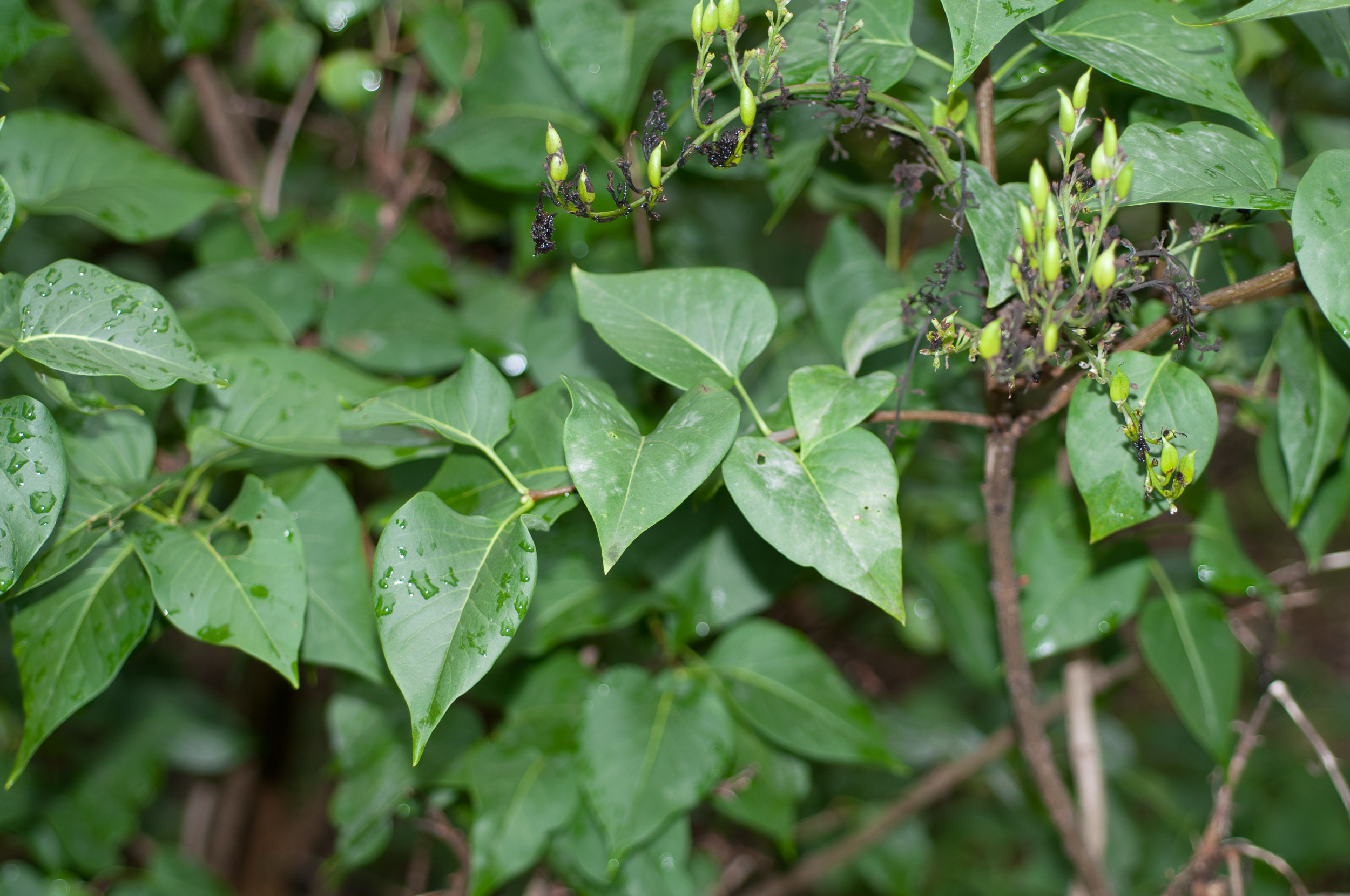
7/24/2010 · Acton Arboretum, Acton, Massachusetts · ≈ 17 × 12″ (44 × 29 cm) 
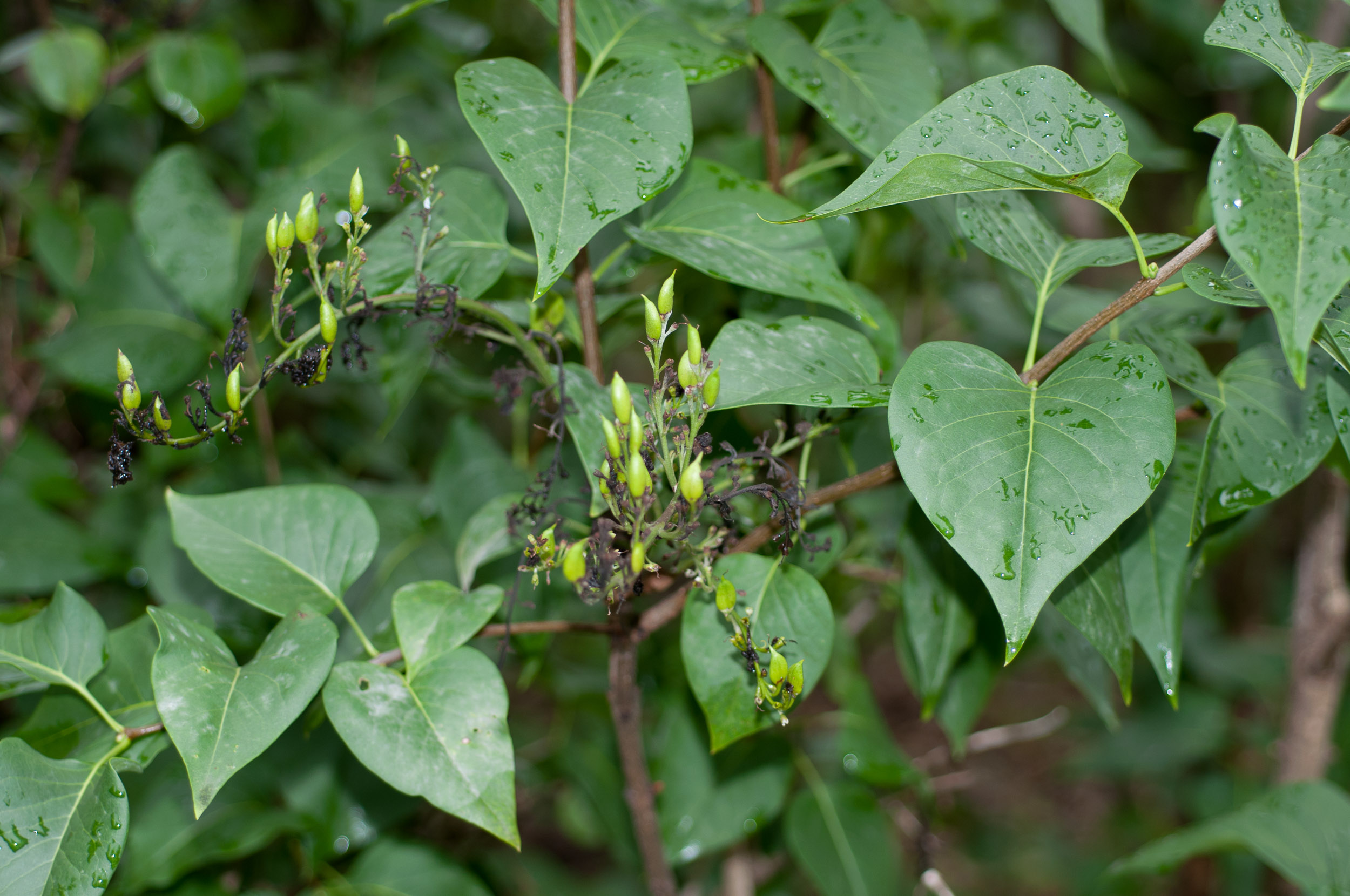
7/24/2010 · Acton Arboretum, Acton, Massachusetts · ≈ 17 × 12″ (44 × 29 cm) 
| Kingdom | Plantae | Plants, but not fungi, lichens, or algae (from Stearn's Botanical Latin) |
| Subkingdom | Tracheobionta | Vascular plants—plants with a “circulatory system” for delivering water and nutrients |
| Division | Magnoliophyta | Flowering plants, also known as angiosperms |
| Class | Magnoliopsida | Dicotyledons—plants with two initial seed leaves |
| Subclass | Asteridae | A large class that encompasses asters |
| Order | Lamiales | Aromatic herbs and shrubs, including lavender, lilac, olive, jasmine, ash, teak, snapdragon, sesame, psyllium, garden sage, mint, basil, and rosemary |
| Family | Oleaceae | Temperate climate shrubs, trees and a few vines, include forsythia, ash, jasmine, privet, olive, lilac, and many others |
| Genus | Syringa | From Ancient Greek σῦριγξ (sûrinx, “pan pipes”) |
| Species | vulgaris | Common |
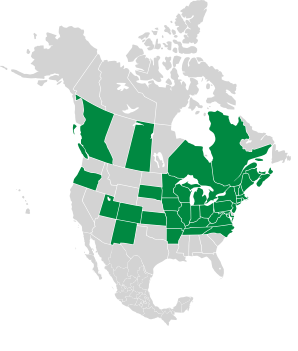
Syringa vulgaris description by Thomas H. Kent, not updated.

© FloraFinder.org. All rights reserved.