Valeriana officinalis L.
Valerian, garden heliotrope, all-heal, garden valerian
Valerian is native to Europe and Asia, and naturalized in temperate North America. Occasionally it is invasive.
Plants: 1½–5′ (45–152 cm) tall and 1–4′ (30–121 cm) around. The central stem is light green (sometimes dark red). Leaves, stems, flowers and roots are scented.
Leaves: A clump of basal foliage, with deep lobes, produces tall stems with only a few opposite or whorled leaves. Leaves are up to 8″ (20 cm) long, odd pinnate, with 7-10 leafet pairs plus the odd one at the tip. Leaflets are more or less lanceolate, and may be toothed.
Flowers: Flat or rounded panicles 2–5″ (5–12 cm) in diameter contain fragrant densely packed white to pale pink florets. Each trumpet-shaped floret is up to ¼″ (6.3 mm) long, and has five rounded petals and three cream-colored stamens. June to July.
Fruits: Brown seeds 1/16–⅛″ (2–5 mm).
Habitats: Dryer soils and full sun.
Edibility: Roots are used to make a medicinal tea.
Medical: Valerian roots have sedative and anti-anxiety properties, and are heavily promoted as herbal medicines.
Online References:
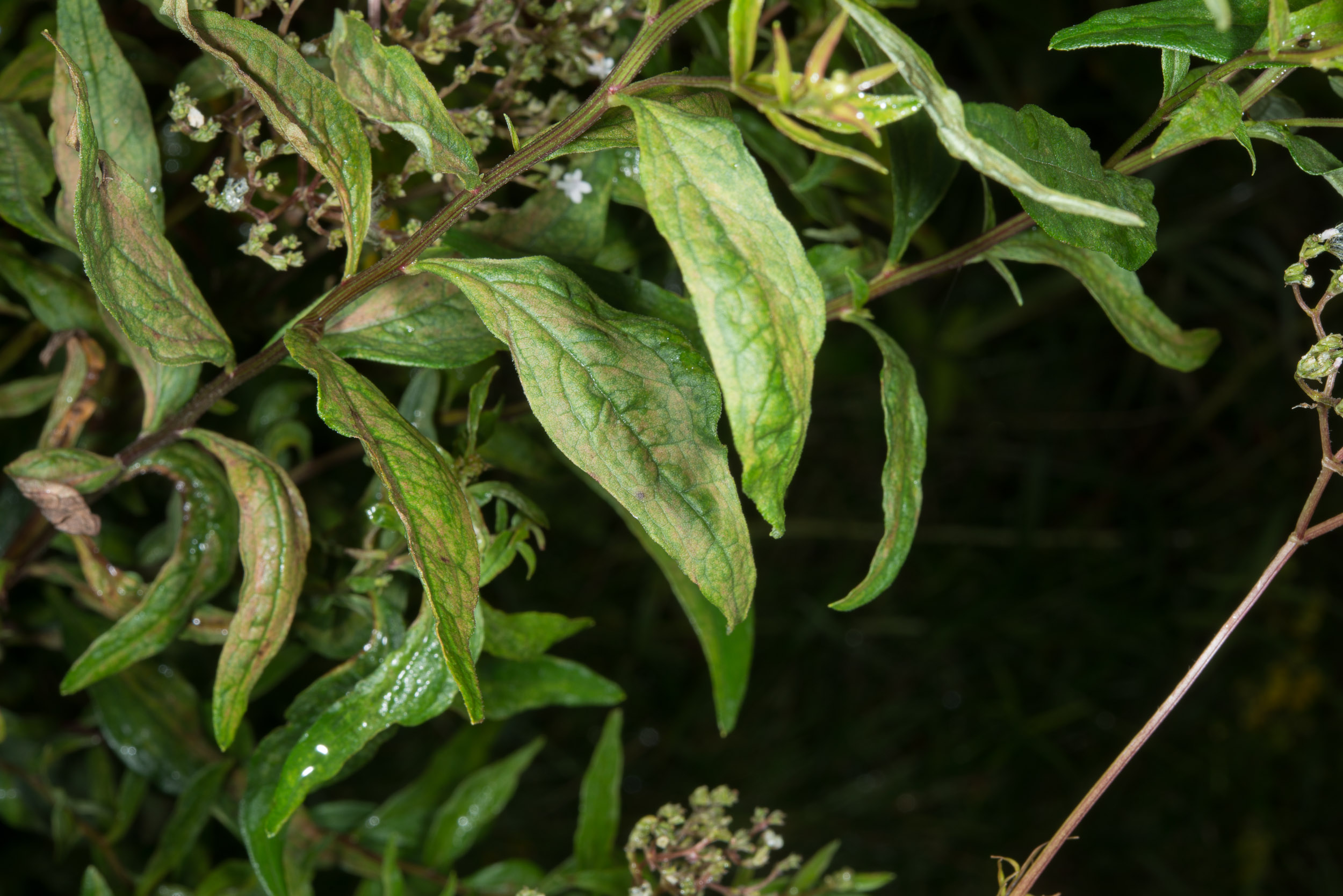
8/17/2014 · Bald Mountain, Franconia Notch Area, White Mountains, New Hampshire · ≈ 8 × 5″ (19 × 13 cm) 

7/15/2012 · Slipway Restaurant, Thomaston, Maine · ≈ 7 × 8″ (17 × 20 cm)  ID is uncertain

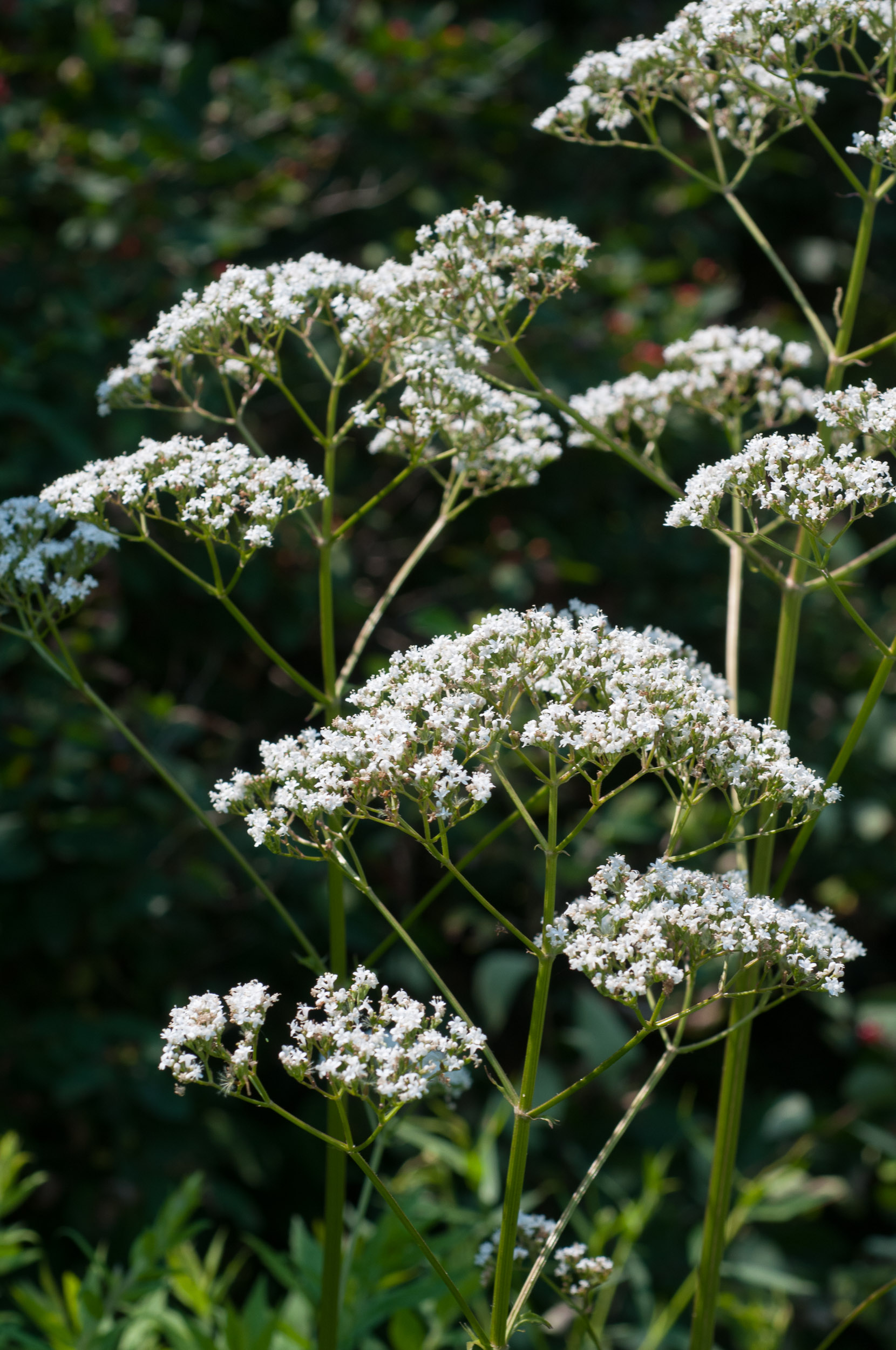
7/15/2012 · Slipway Restaurant, Thomaston, Maine · ≈ 9 × 14″ (23 × 35 cm) ID is uncertain 
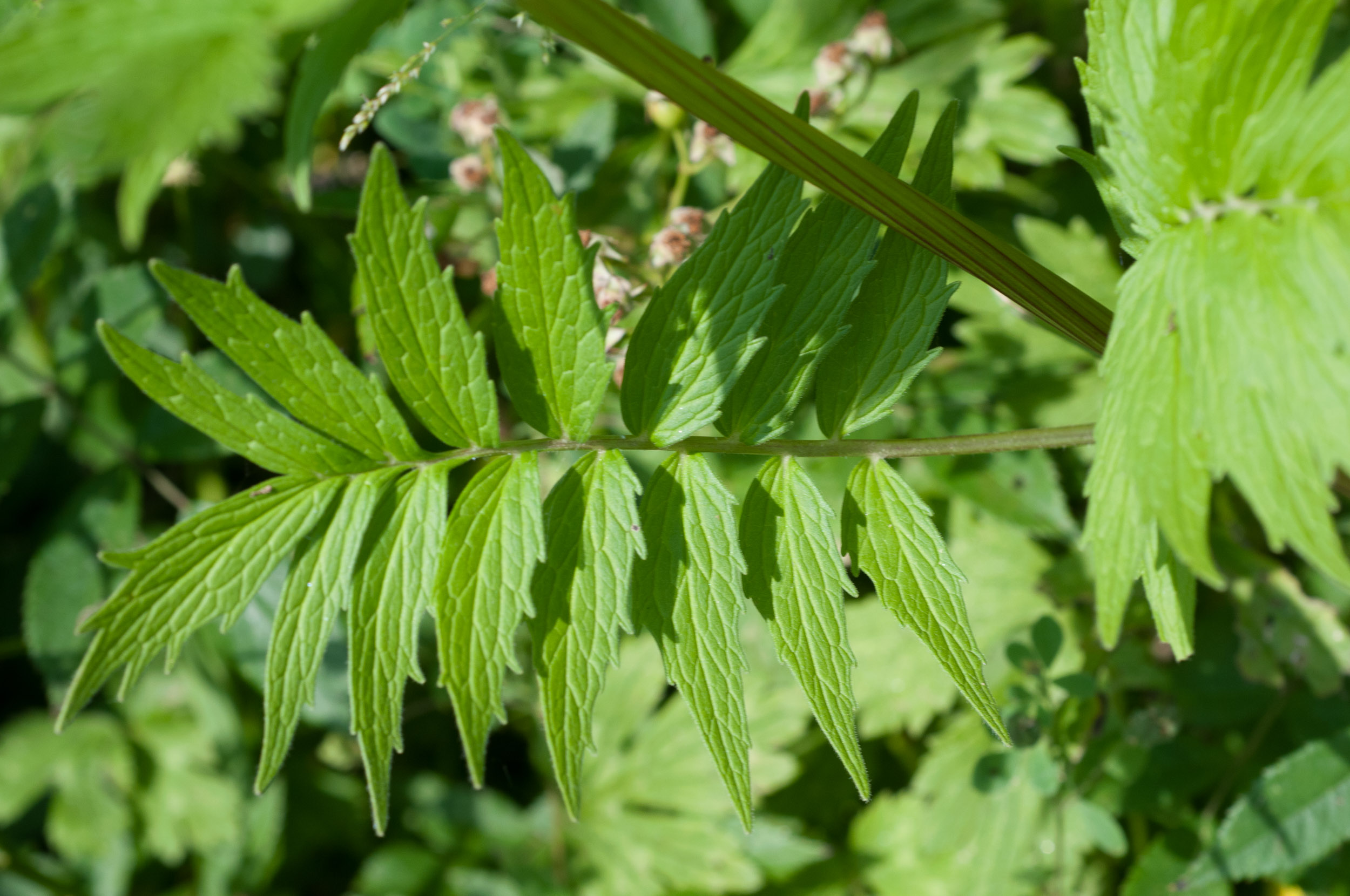
7/15/2012 · Slipway Restaurant, Thomaston, Maine · ≈ 9 × 6″ (23 × 15 cm) ID is uncertain 

7/11/2026 · Spear Farm Estuary Preserve, Yarmouth, Maine · ≈ 3½ × 3″ (8.9 × 8.1 cm) 
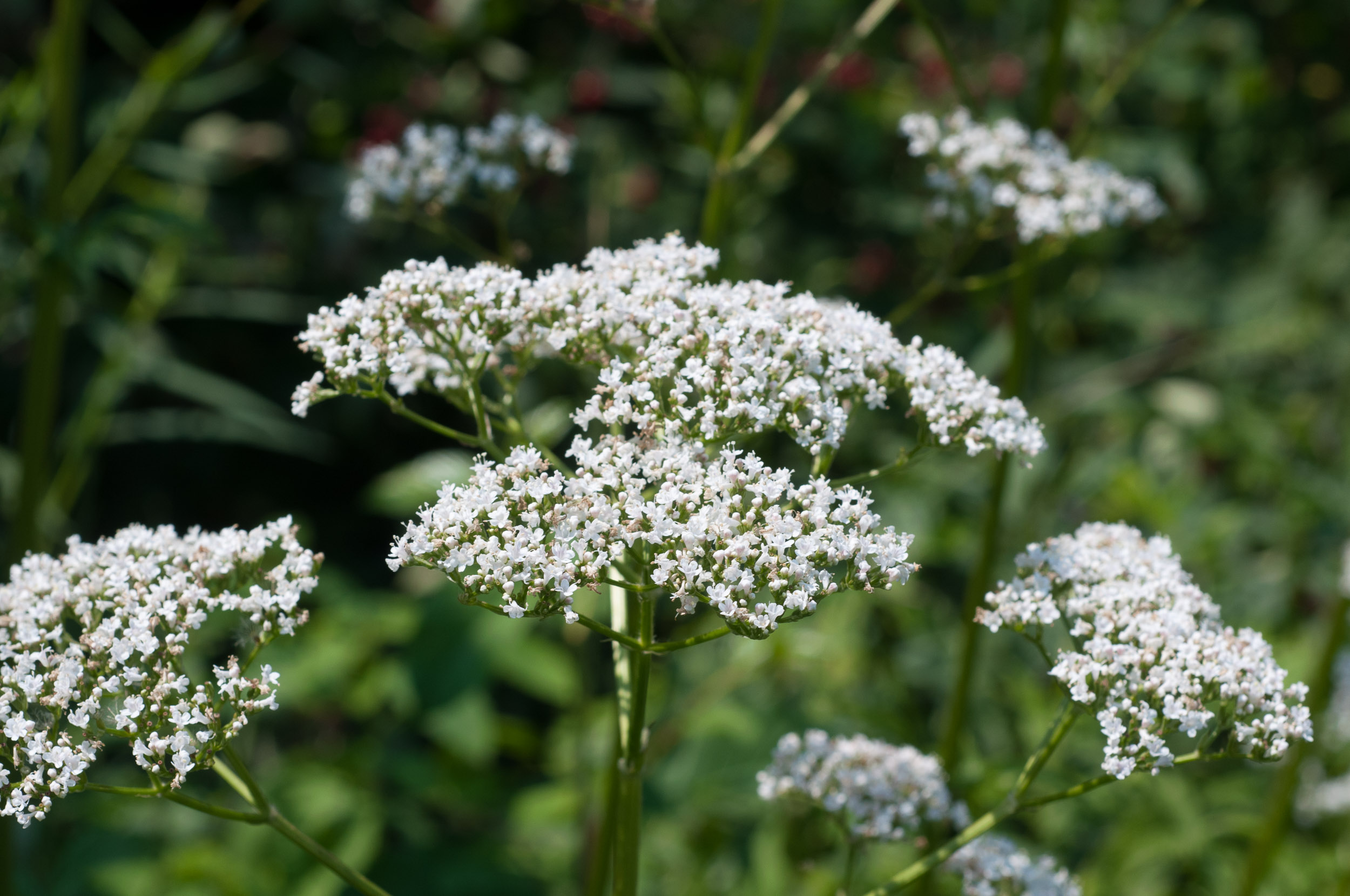
7/15/2012 · Slipway Restaurant, Thomaston, Maine · ≈ 9 × 6″ (23 × 15 cm) ID is uncertain 

7/11/2026 · Spear Farm Estuary Preserve, Yarmouth, Maine · ≈ 3½ × 3½″ (9.1 × 9 cm) 
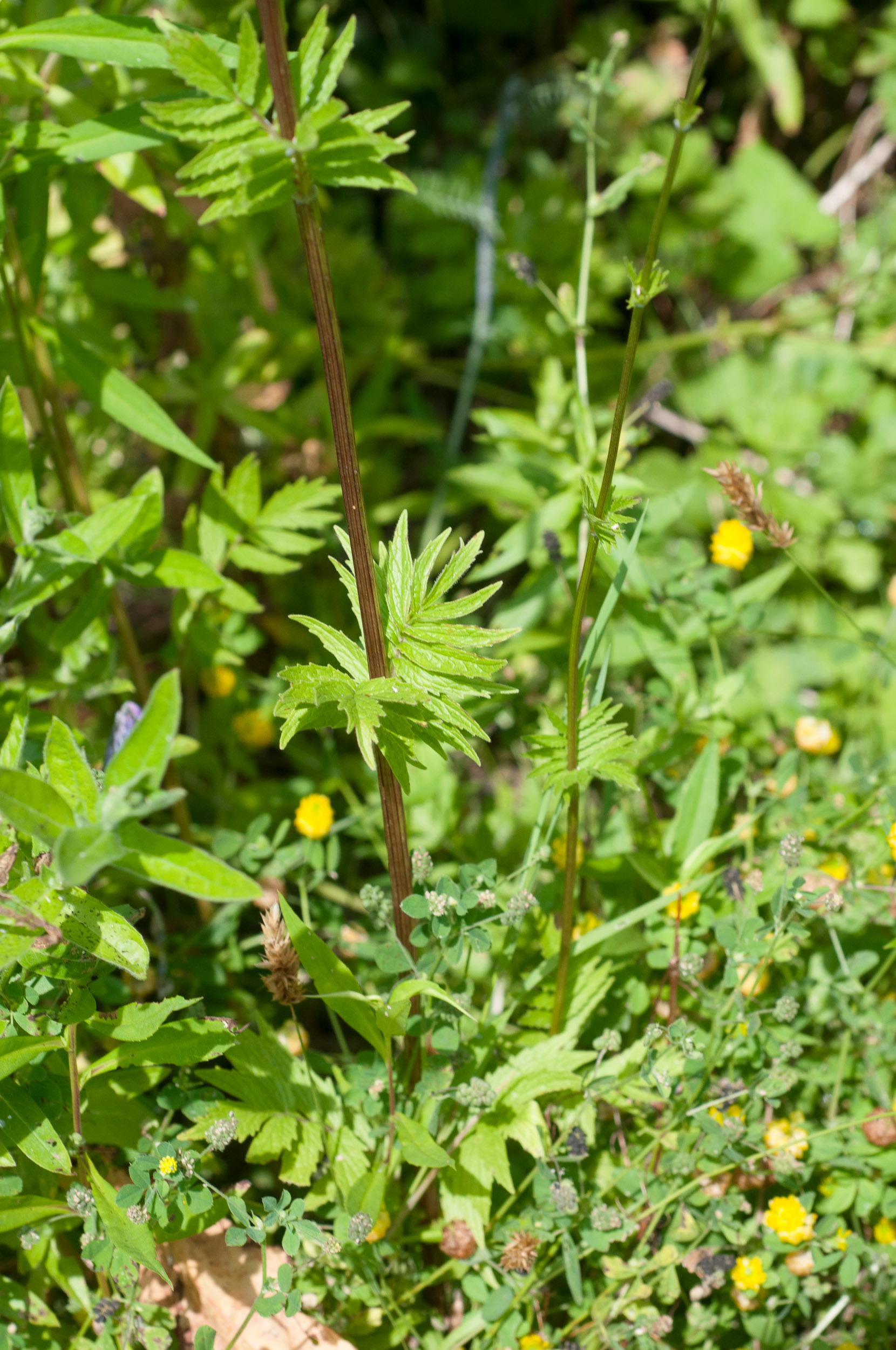
7/15/2012 · Slipway Restaurant, Thomaston, Maine · ≈ 10 × 15″ (26 × 39 cm) ID is uncertain 
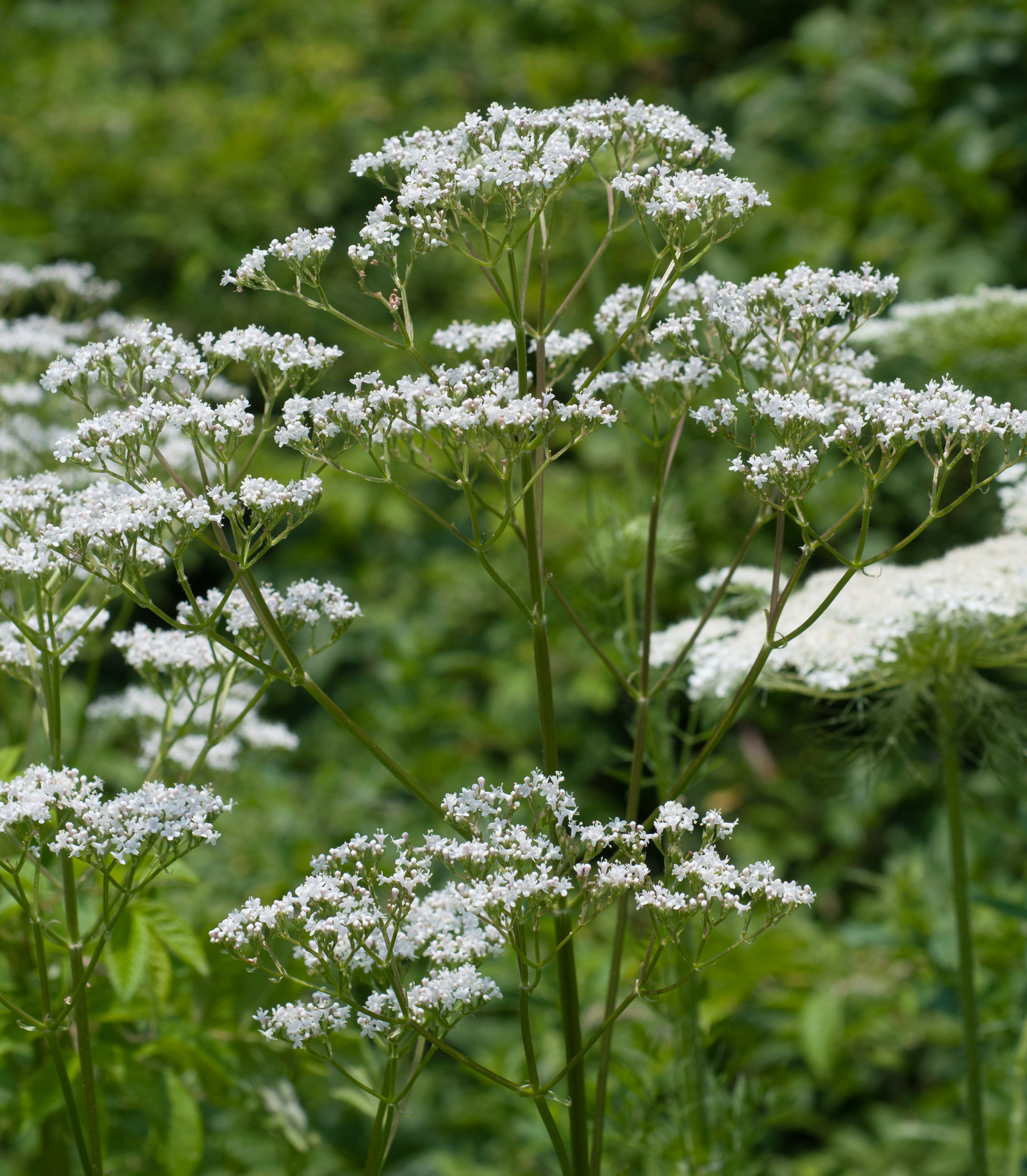
7/15/2012 · Slipway Restaurant, Thomaston, Maine · ≈ 9 × 10″ (23 × 26 cm) ID is uncertain 

7/15/2012 · Slipway Restaurant, Thomaston, Maine · ≈ 8 × 7″ (20 × 18 cm) ID is uncertain 
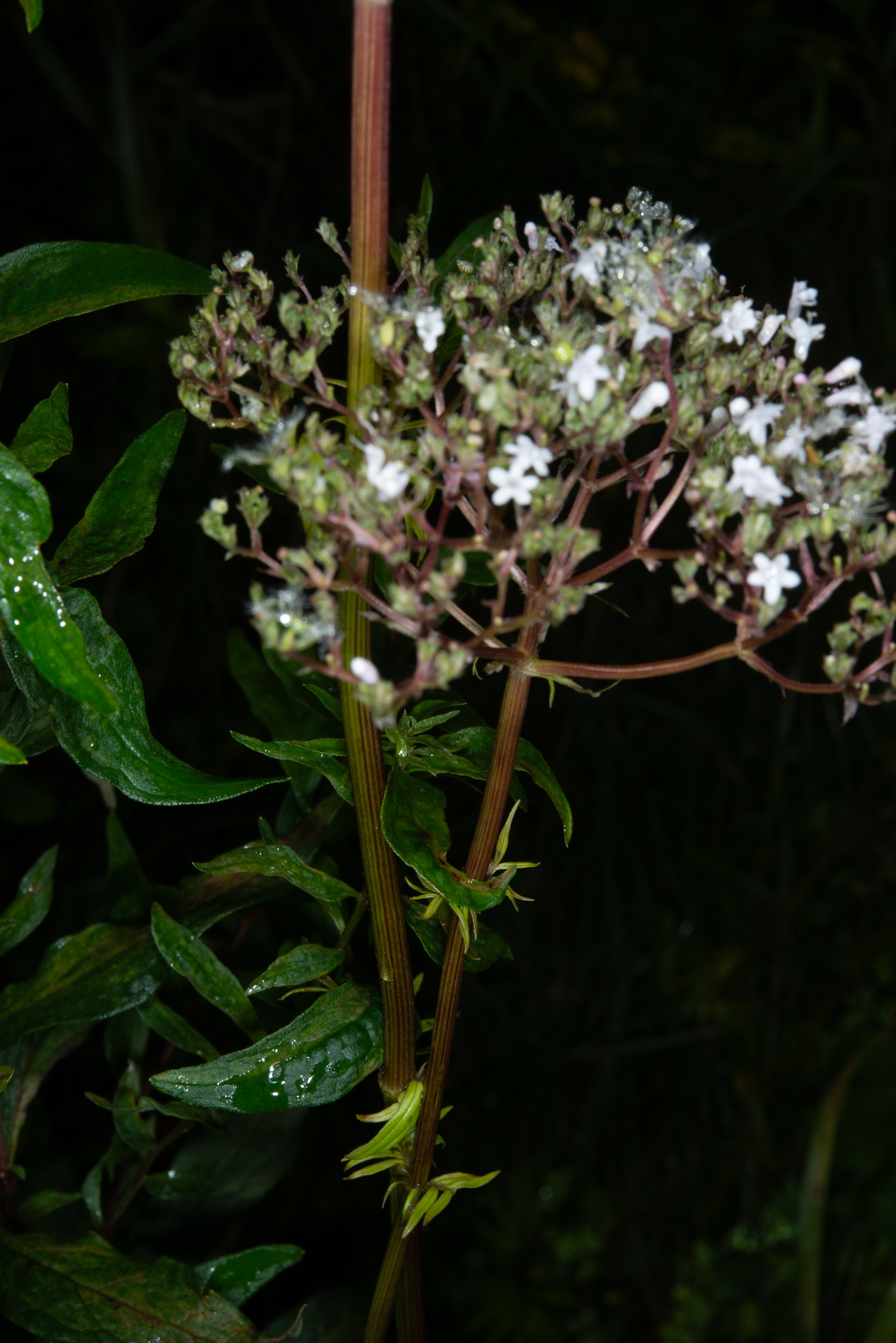
8/17/2014 · Bald Mountain, Franconia Notch Area, White Mountains, New Hampshire · ≈ 6 × 9″ (15 × 22 cm) 
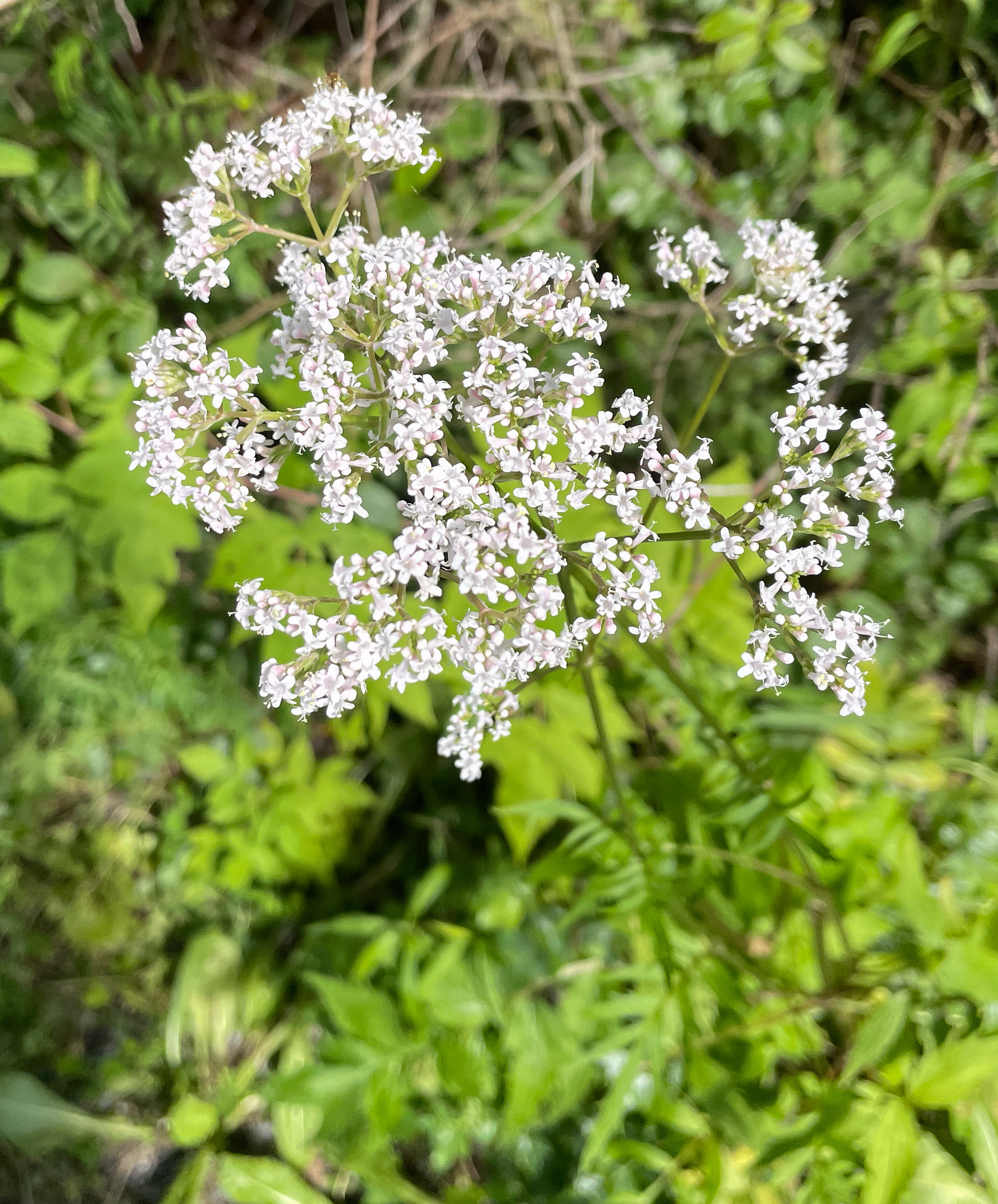
8/27/2023 · Tenants Harbor, Maine 

7/15/2012 · Slipway Restaurant, Thomaston, Maine · ≈ 5 × 8″ (13 × 19 cm) ID is uncertain 

7/15/2012 · Slipway Restaurant, Thomaston, Maine · ≈ 9 × 14″ (23 × 35 cm) ID is uncertain 

7/11/2026 · Spear Farm Estuary Preserve, Yarmouth, Maine · ≈ 4 × 3½″ (9.9 × 9.6 cm) 

7/15/2012 · Slipway Restaurant, Thomaston, Maine · ≈ 9 × 14″ (23 × 35 cm) ID is uncertain 
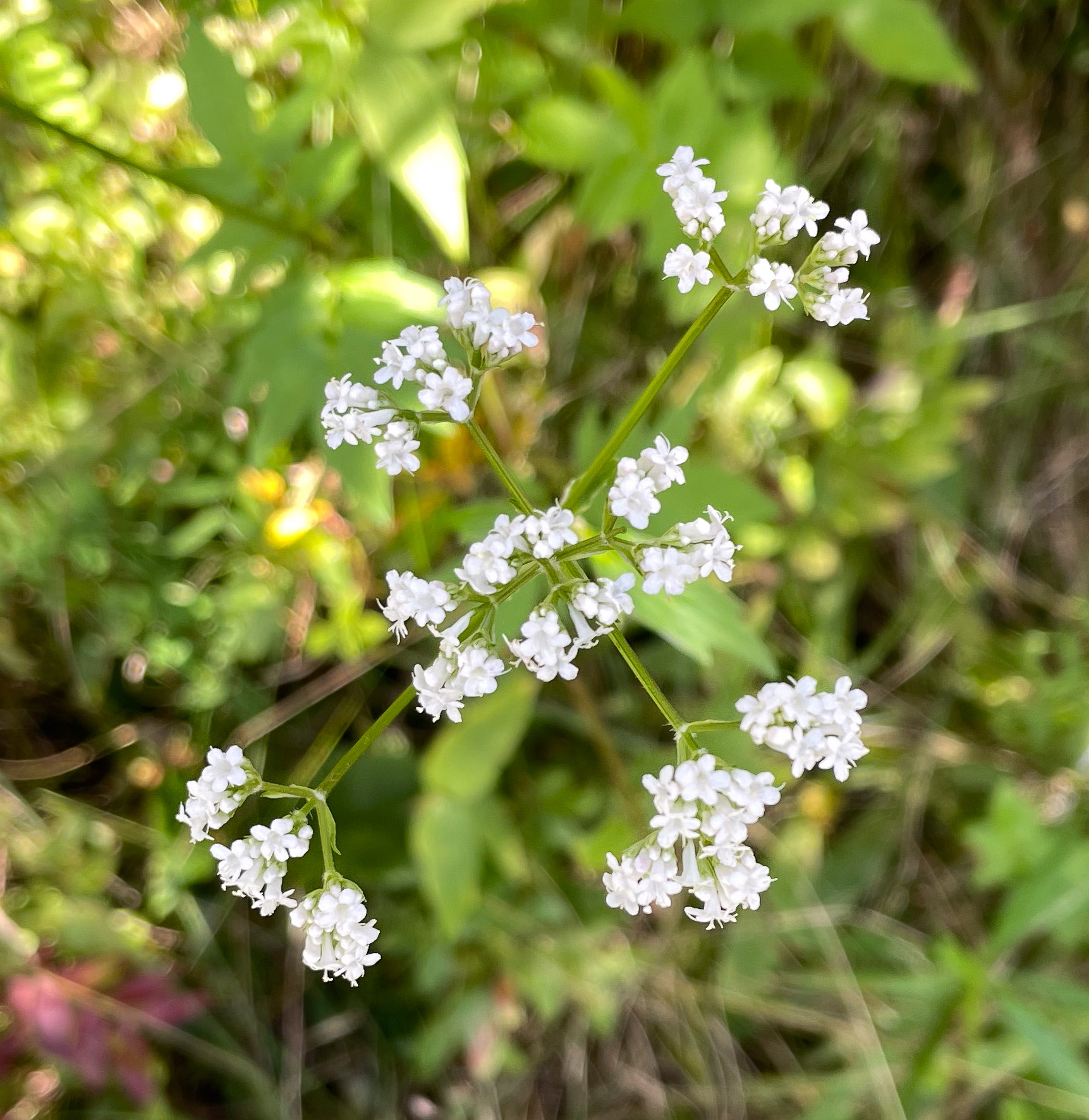
8/27/2023 · Tenants Harbor, Maine 
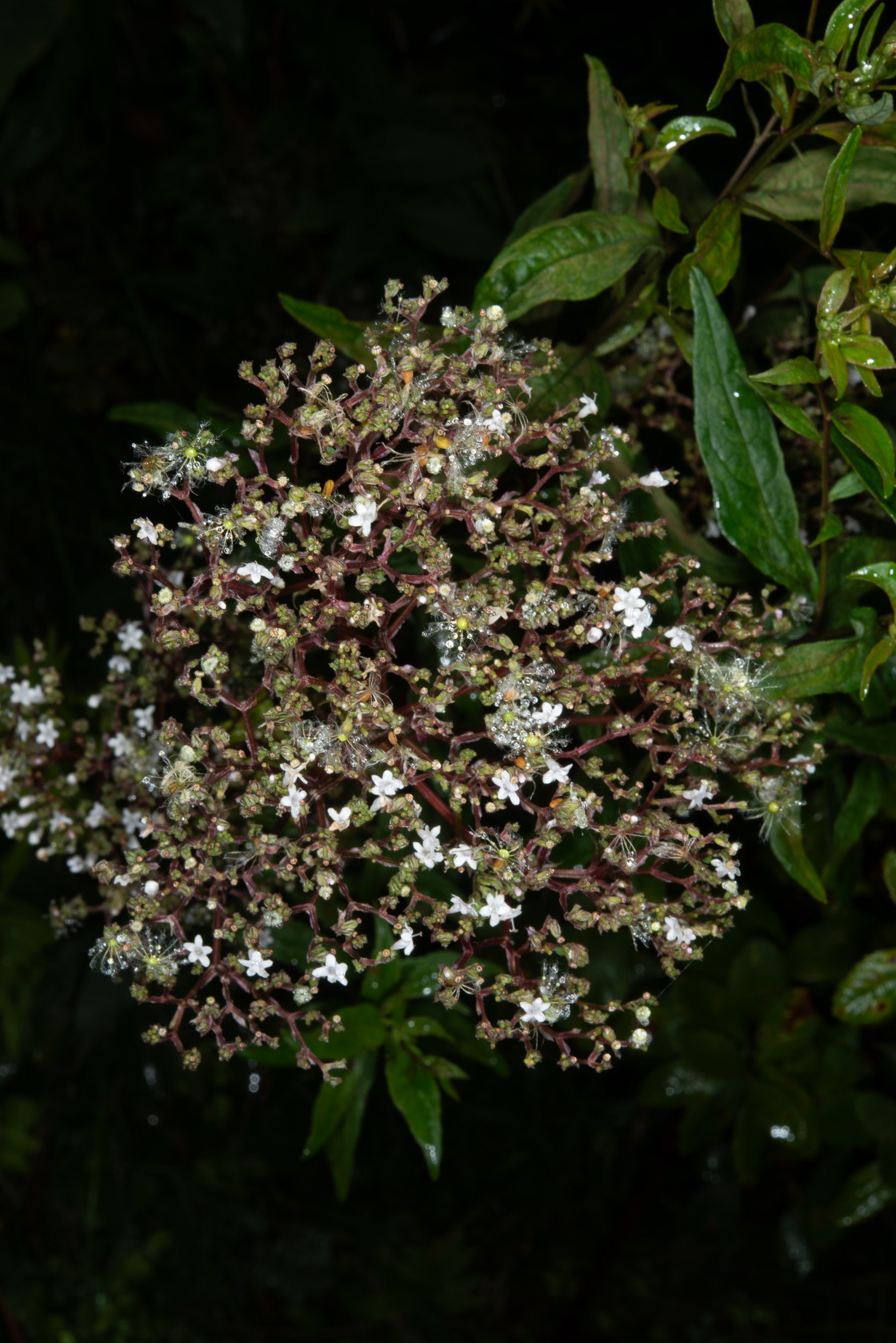
8/17/2014 · Bald Mountain, Franconia Notch Area, White Mountains, New Hampshire · ≈ 6 × 9″ (16 × 23 cm) 

8/27/2023 · Tenants Harbor, Maine 

7/15/2012 · Slipway Restaurant, Thomaston, Maine · ≈ 5 × 3½″ (13 × 9.2 cm) ID is uncertain 

7/15/2012 · Slipway Restaurant, Thomaston, Maine · ≈ 7 × 6″ (17 × 15 cm) ID is uncertain 
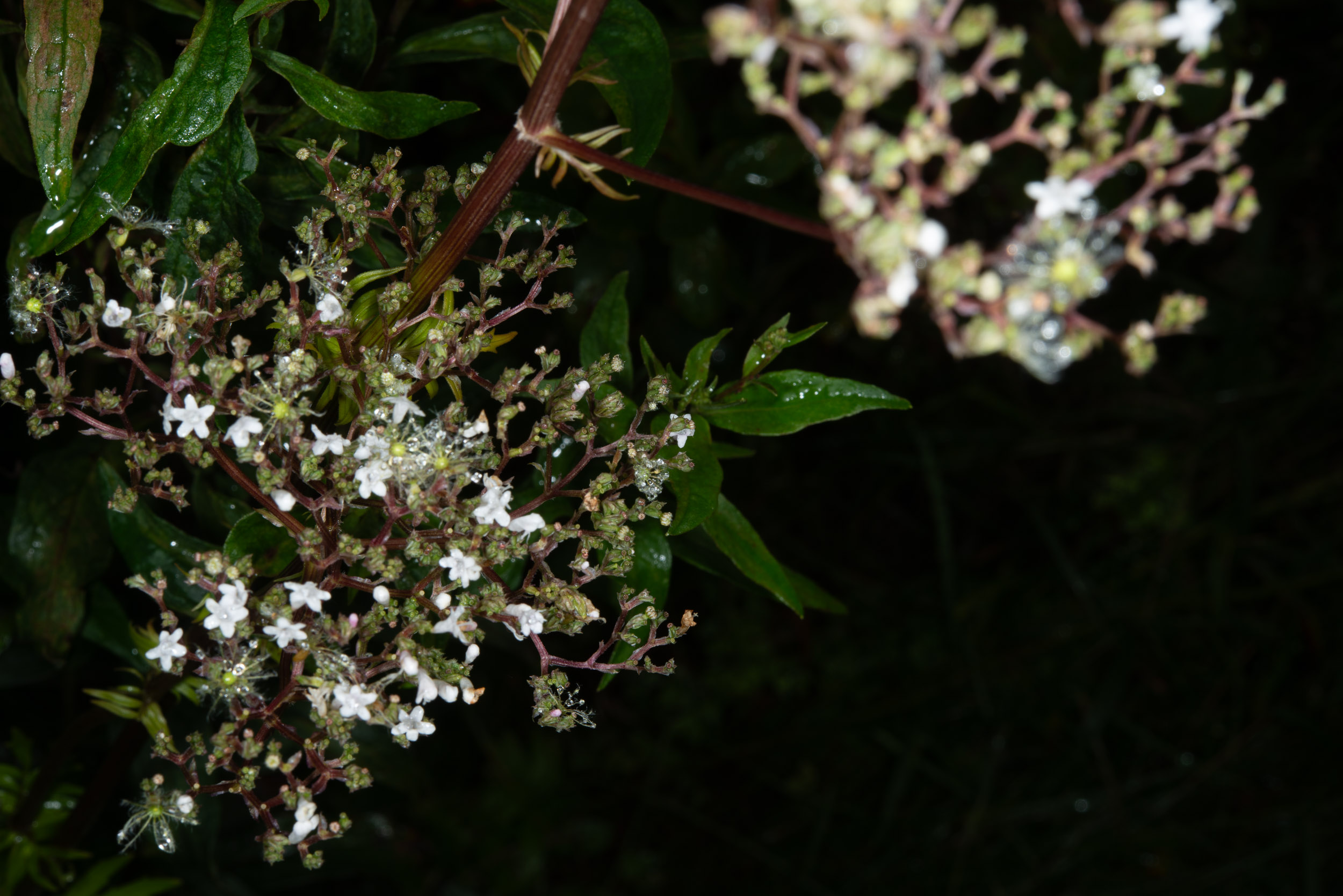
8/17/2014 · Bald Mountain, Franconia Notch Area, White Mountains, New Hampshire · ≈ 9 × 6″ (22 × 15 cm) 
| Kingdom | Plantae | Plants, but not fungi, lichens, or algae (from Stearn's Botanical Latin) |
| Subkingdom | Tracheobionta | Vascular plants—plants with a “circulatory system” for delivering water and nutrients |
| Division | Magnoliophyta | Flowering plants, also known as angiosperms |
| Class | Magnoliopsida | Dicotyledons—plants with two initial seed leaves |
| Subclass | Asteridae | A large class that encompasses asters |
| Order | Dipsacales | Includes viburnum, honeysuckle, snowberry, beautybush, twinflower, many others |
| Family | Valerianaceae | Mostly temperate region herbs |
| Genus | Valeriana | A medieval Latin name either referring to the personal name Valerius (which was a fairly common name in Rome, Publius Valerius being the name of a consul in the early years of the Republic), or to the country of Valeria, a province of the Roman empire |
| Species | officinalis | Sold as an herb, often applied to plants with real or supposed medicinal qualities |

Valeriana officinalis description by Thomas H. Kent, not updated.

© FloraFinder.org. All rights reserved.