Verbascum blattaria L.
Moth mullein
Moth mullein is native to Eurasia and West Africa, not to North America. It was introduced, and is now naturalized throughout most of the continent. It is considered an invasive species in many areas.
Plants: 1½–4′ (45–121 cm) in height, with a strong, ribbed central stem. They are usually biennial. They spend their first year as a basal rosette, a circle of gray-green woolly leaves on the ground.
Leaves: The basal rosettes may reach 1′ (40 cm) in diameter with oblanceolate, bright green leaves. The leaves have irregular teeth, and may be sparsely hairy to glabrous. In the second year, a flowering stalk appears.
Flowers: A raceme with white-to-yellow flowers 1–1½″ (2.5–3.8 cm) around. The flowers have fine purple hairs covering the stamens.
Fruits: Spherical dark brown fruits are ½″ (1.3 cm) around, containing numerous dark brown seeds.
Habitats: Dry disturbed areas such as meadows, roadsides, vacant lots, and gravel bars.
Online References:
Wric.ucdavis.edu (PDF)
References:
Clemants, Steven; Gracie, Carol, Wildflowers in the Field and Forest, Oxford University Press, 2006, p. 146
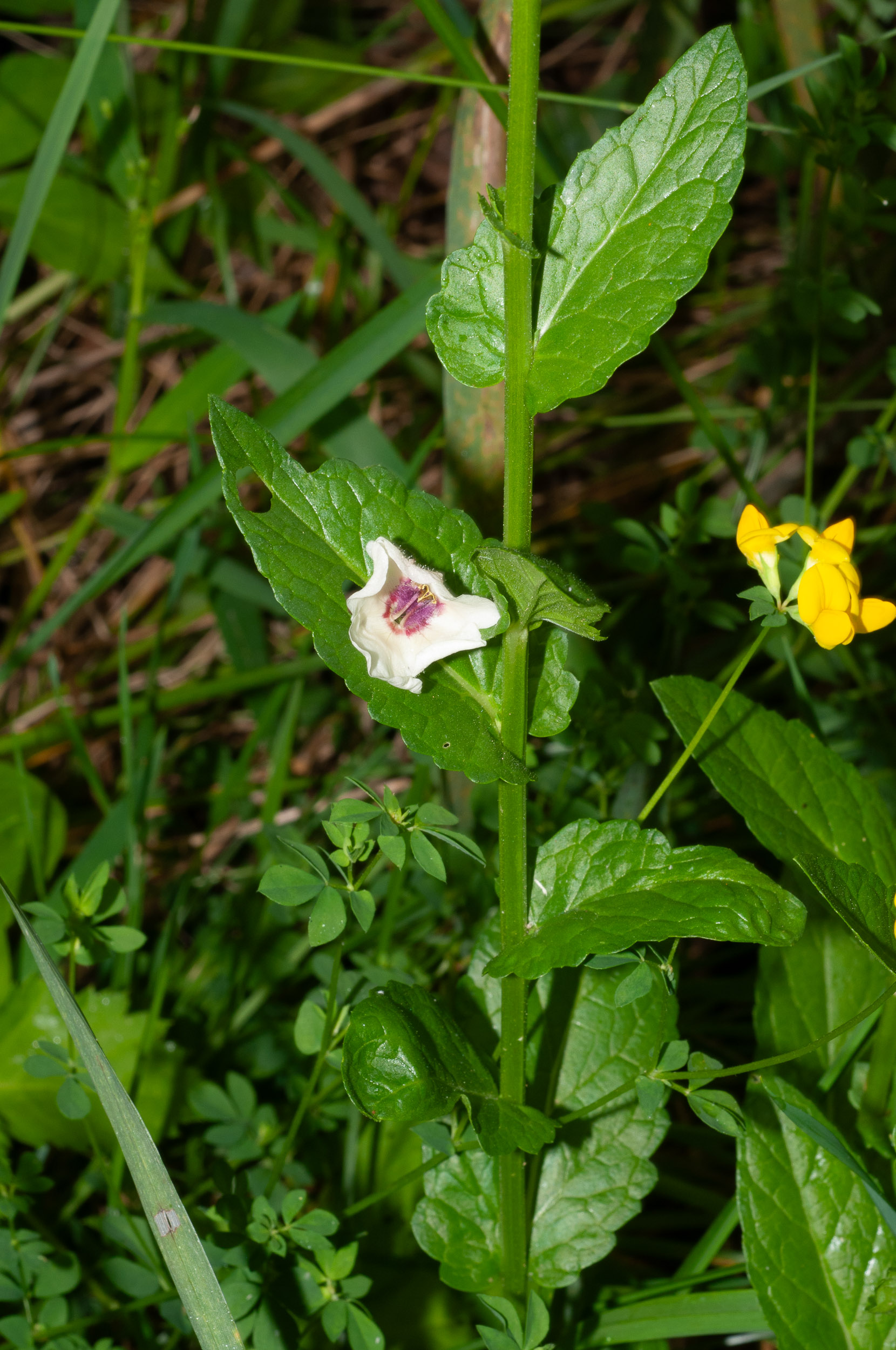
7/7/2012 · Gibbet Hill, Groton, Massachusetts · ≈ 6 × 9″ (14 × 22 cm) 
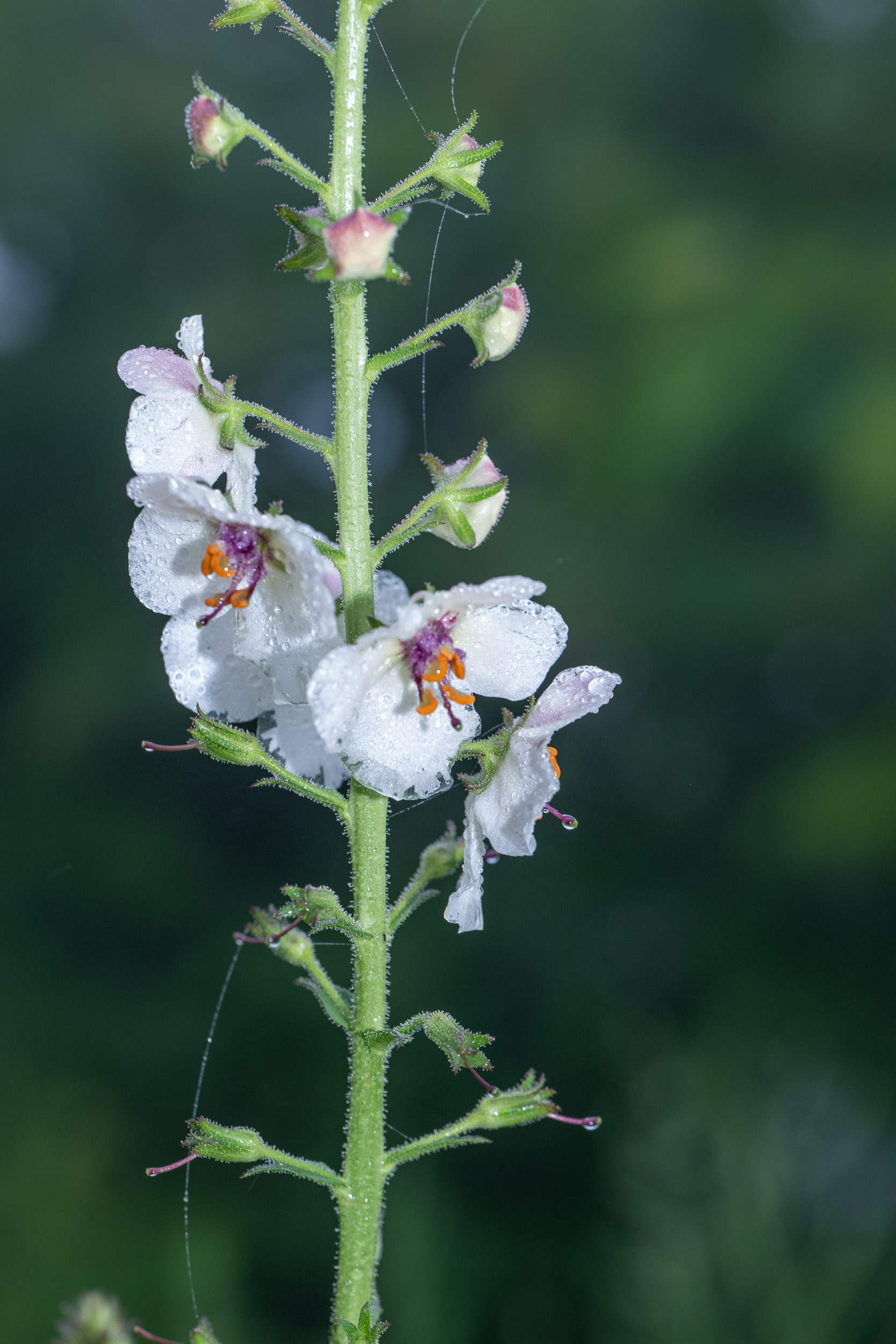
5/21/2026 · Skyline Drive, Shenandoah National Park, Virginia · ≈ 5 × 8″ (13 × 20 cm) 
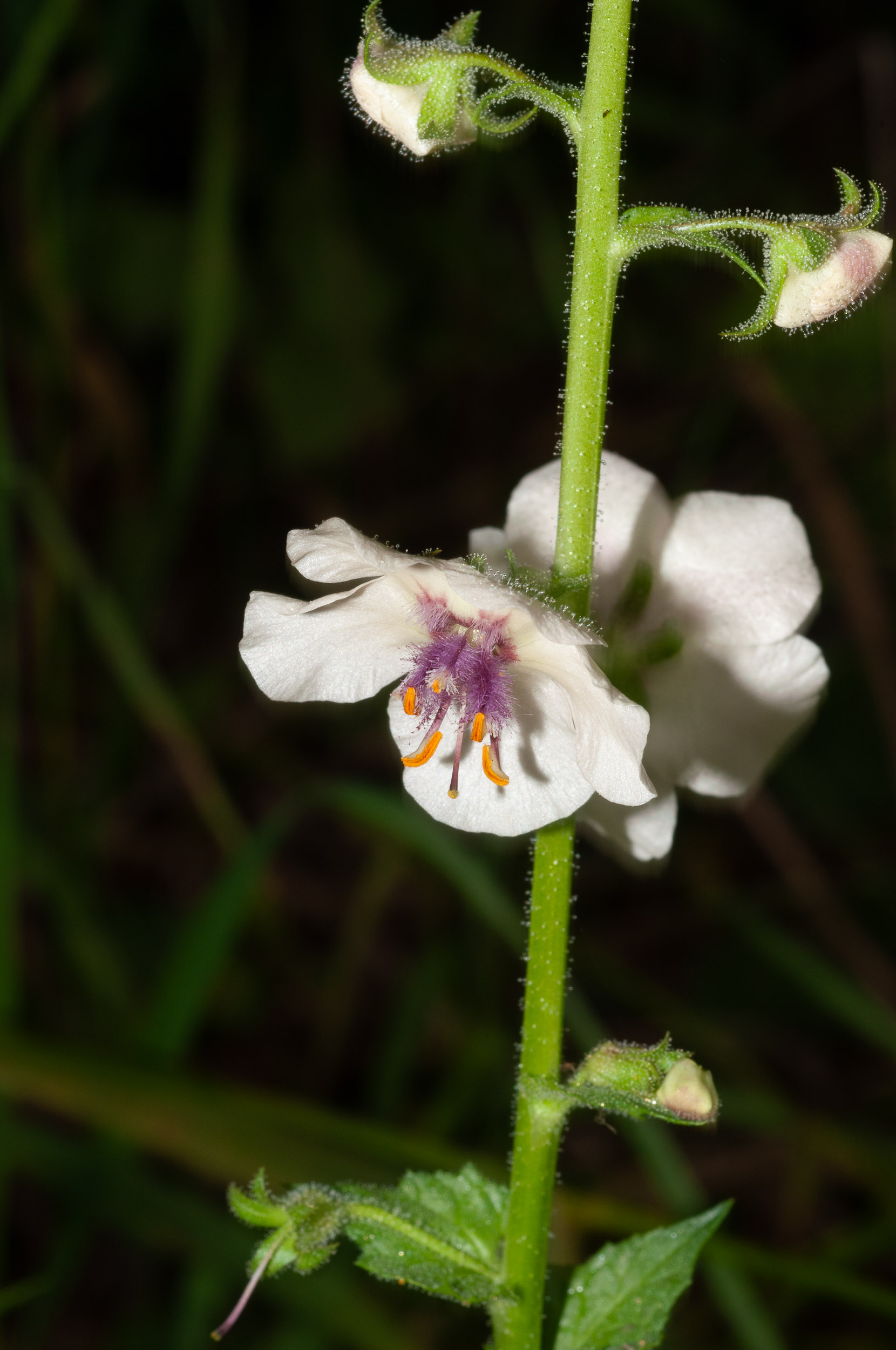
7/7/2012 · Gibbet Hill, Groton, Massachusetts · ≈ 3½ × 5″ (9.2 × 13 cm) 
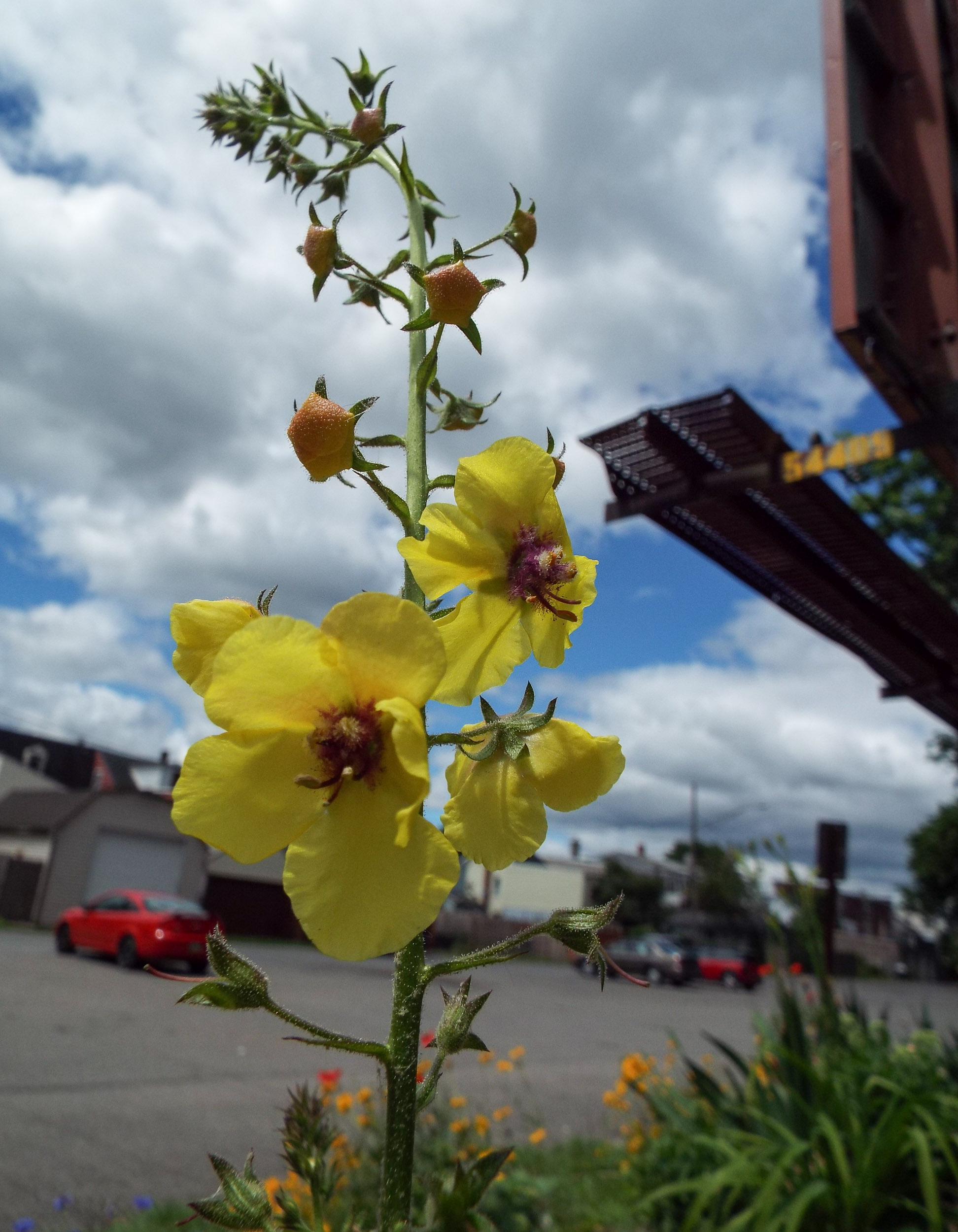
6/7/2017 · Phillipsburg, New Jersey · By Lawrie Morello 
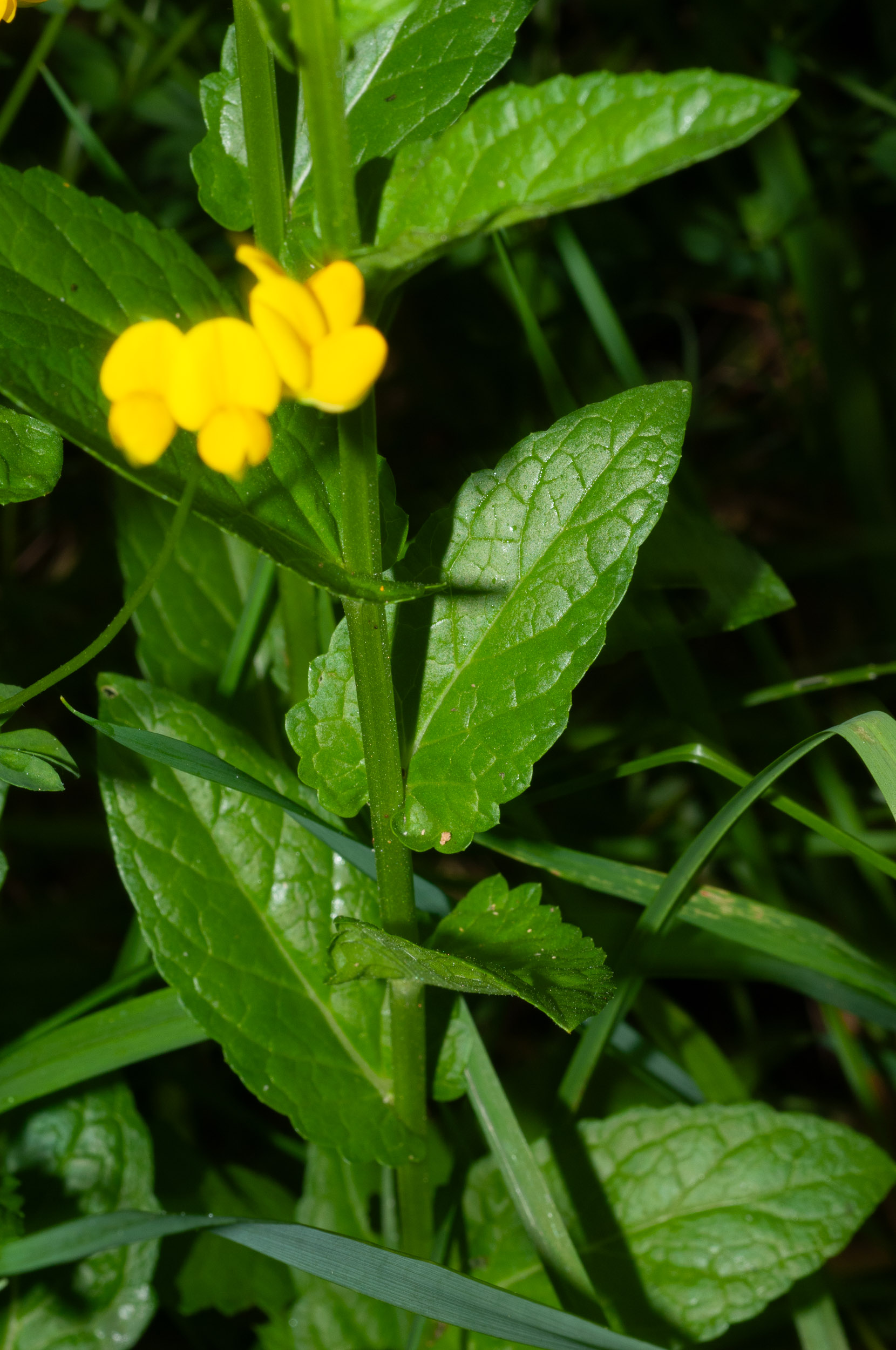
This shows the stem and leaves. The flowers are from a different species, bird’s foot trefoil. · 7/7/2012 · Gibbet Hill, Groton, Massachusetts · ≈ 4½ × 7″ (11 × 17 cm) 
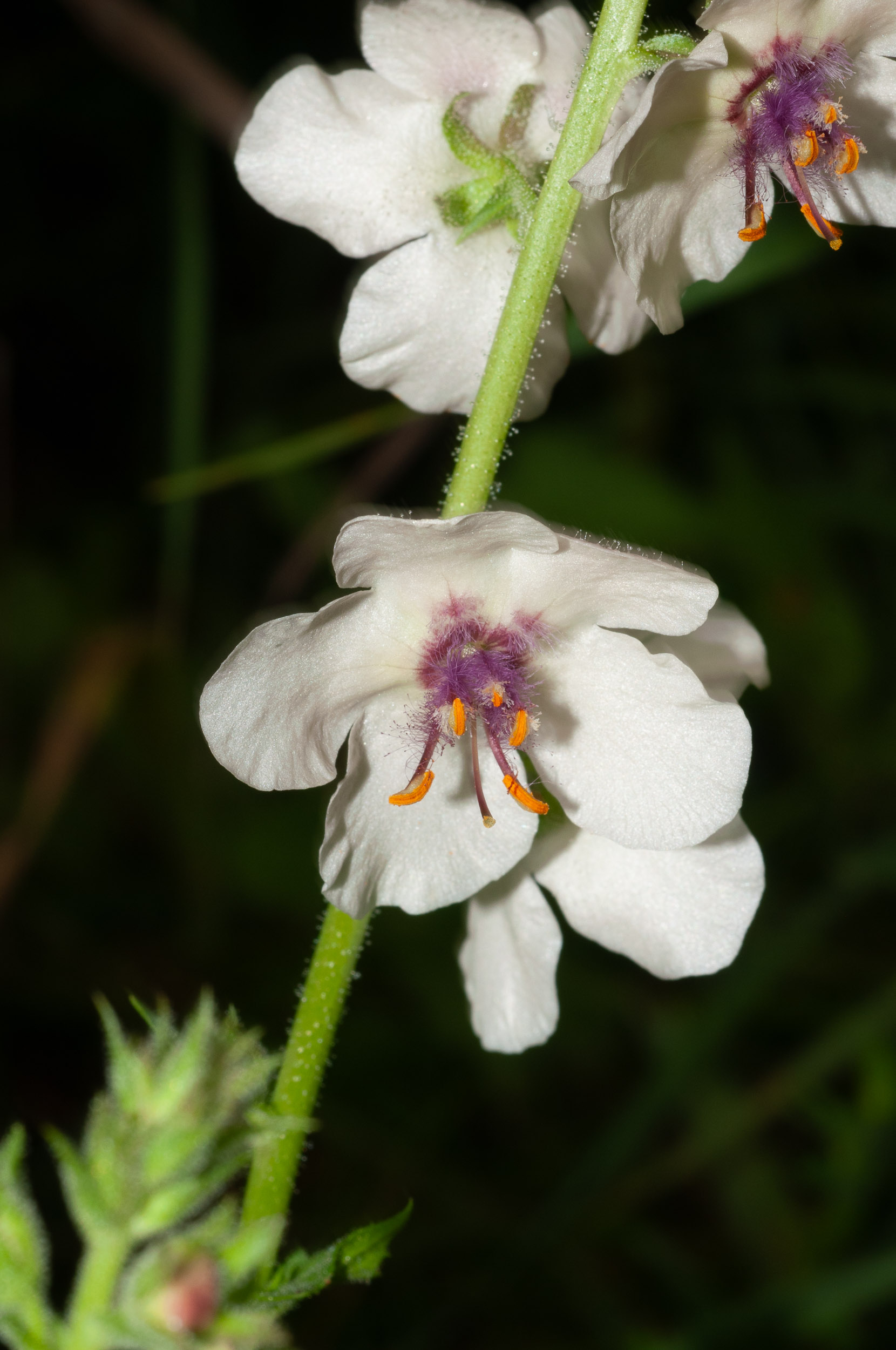
7/7/2012 · Gibbet Hill, Groton, Massachusetts · ≈ 3½ × 5″ (9.2 × 13 cm) 
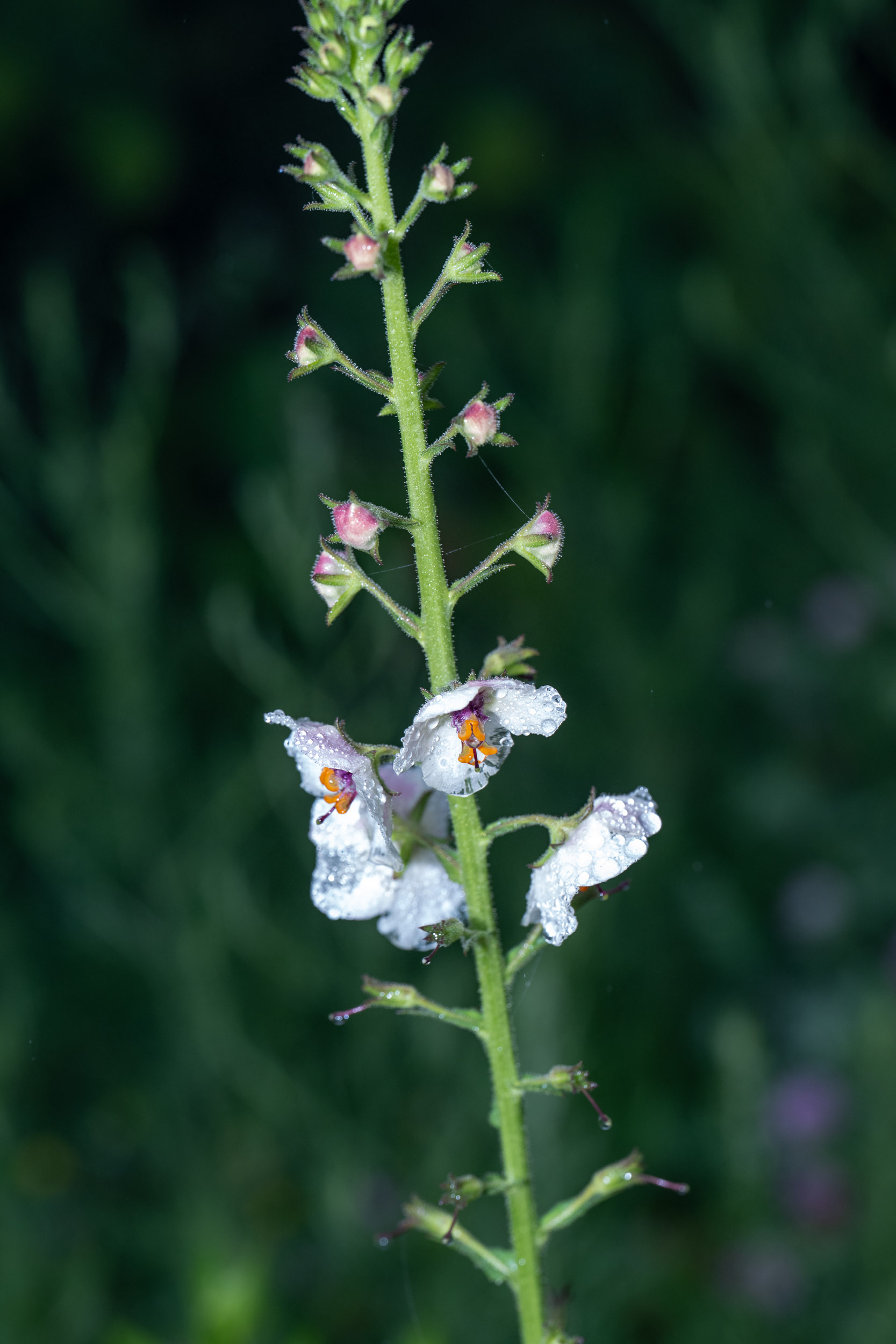
5/21/2026 · Skyline Drive, Shenandoah National Park, Virginia · ≈ 6 × 10″ (16 × 24 cm) 
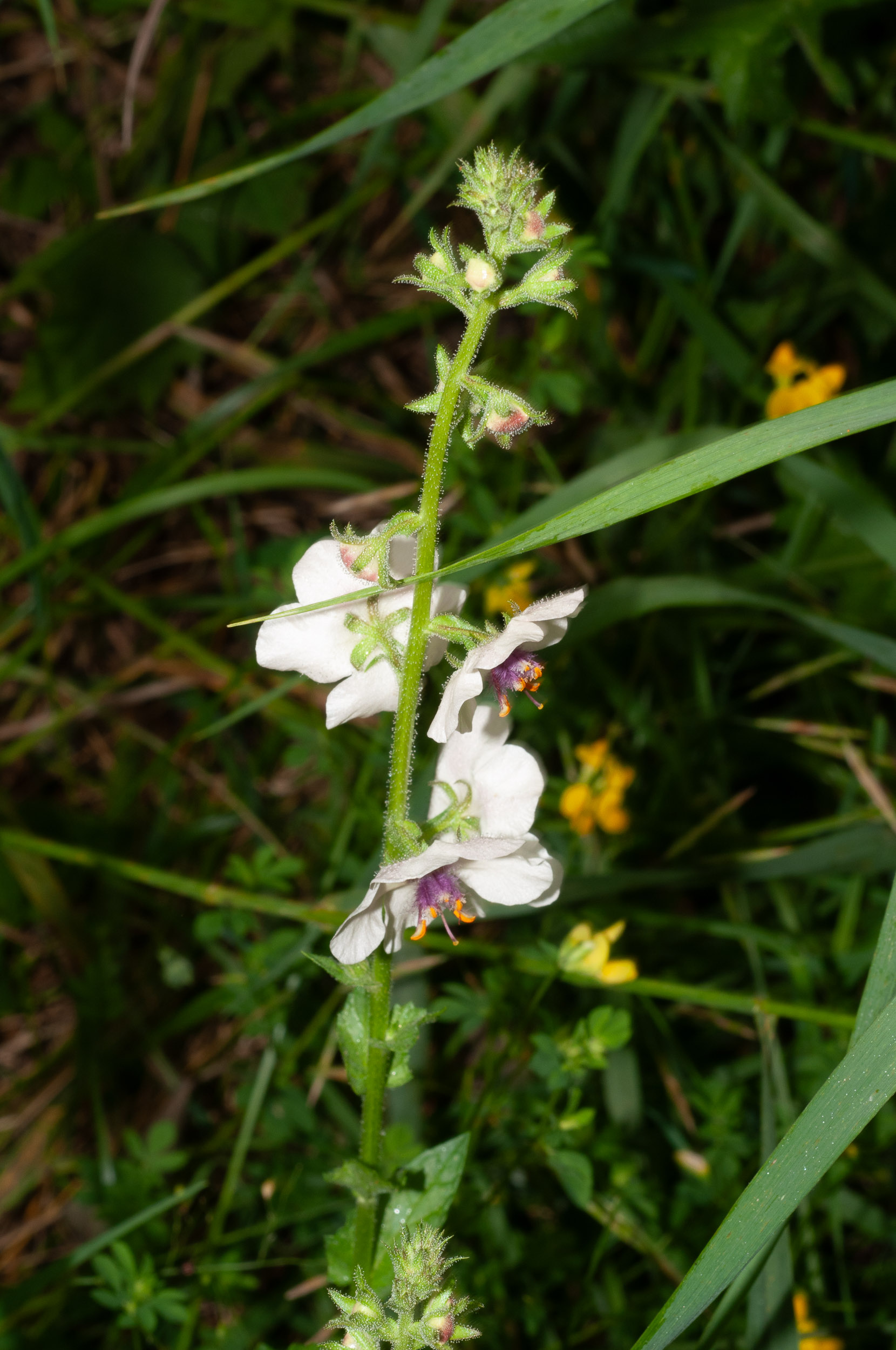
7/7/2012 · Gibbet Hill, Groton, Massachusetts · ≈ 6 × 9″ (15 × 23 cm) 

5/21/2026 · Skyline Drive, Shenandoah National Park, Virginia · ≈ 6 × 9″ (15 × 22 cm) 
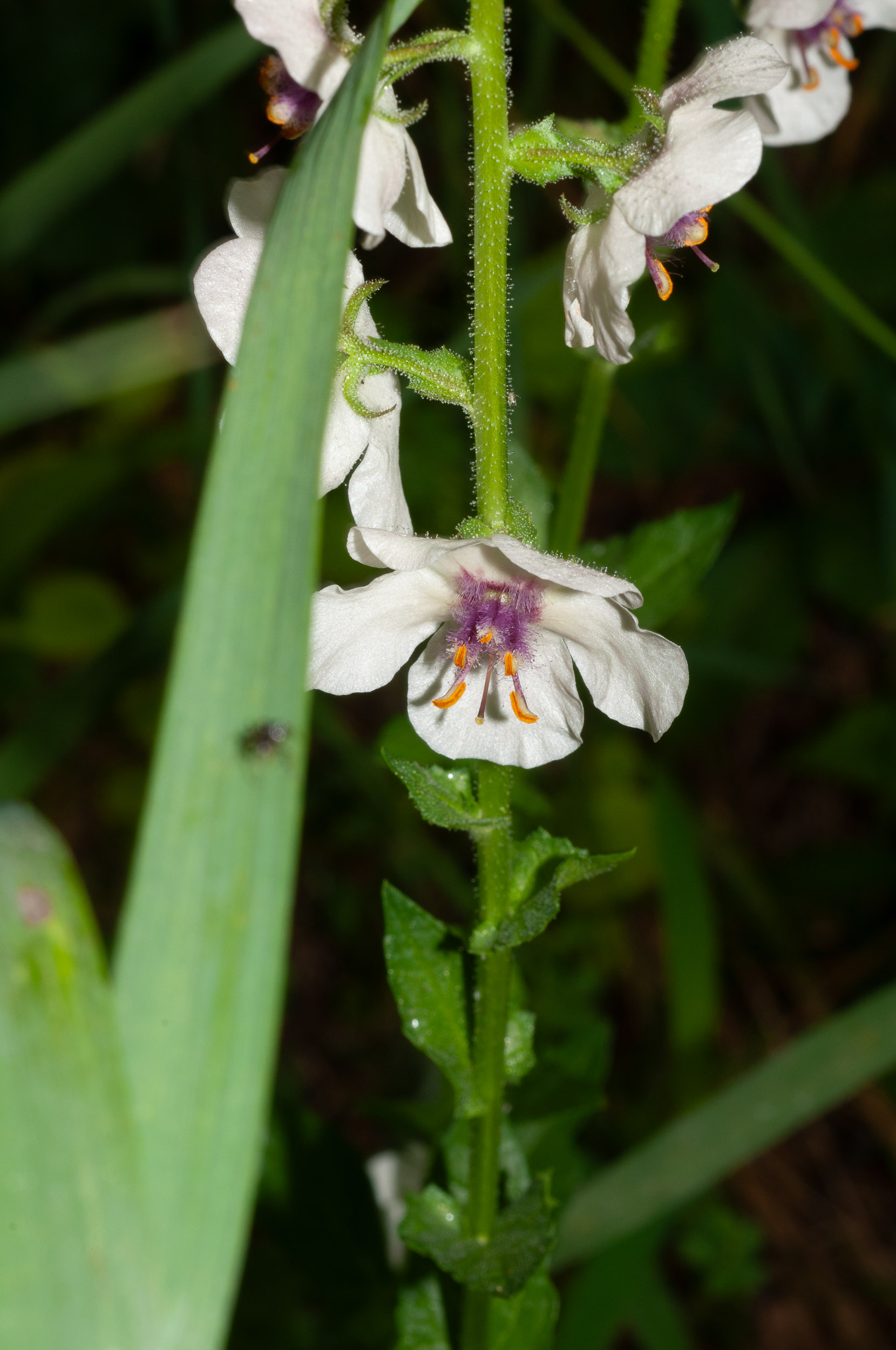
7/7/2012 · Gibbet Hill, Groton, Massachusetts · ≈ 4 × 6″ (10 × 15 cm) 
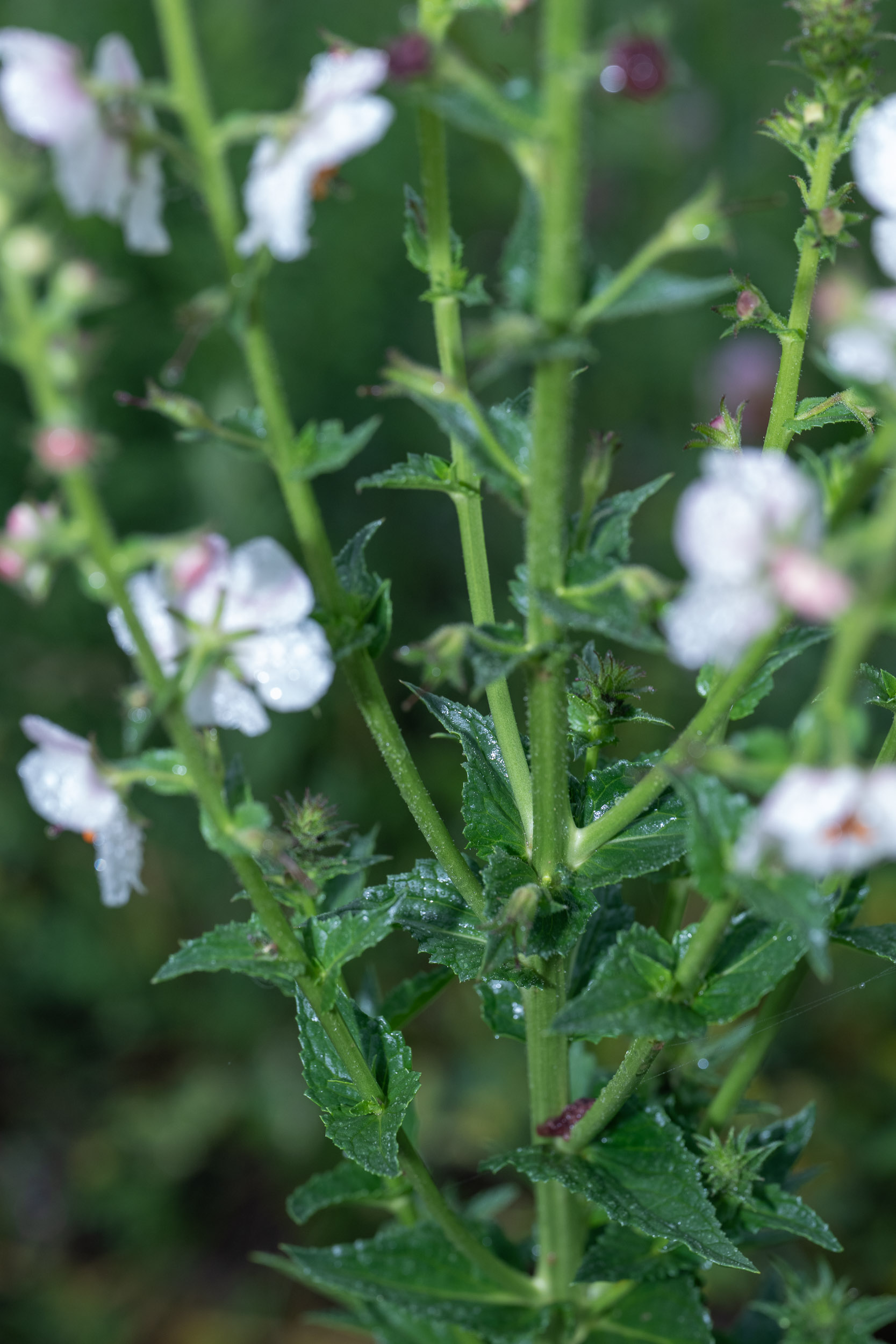
5/21/2026 · Skyline Drive, Shenandoah National Park, Virginia · ≈ 6 × 10″ (16 × 24 cm) 
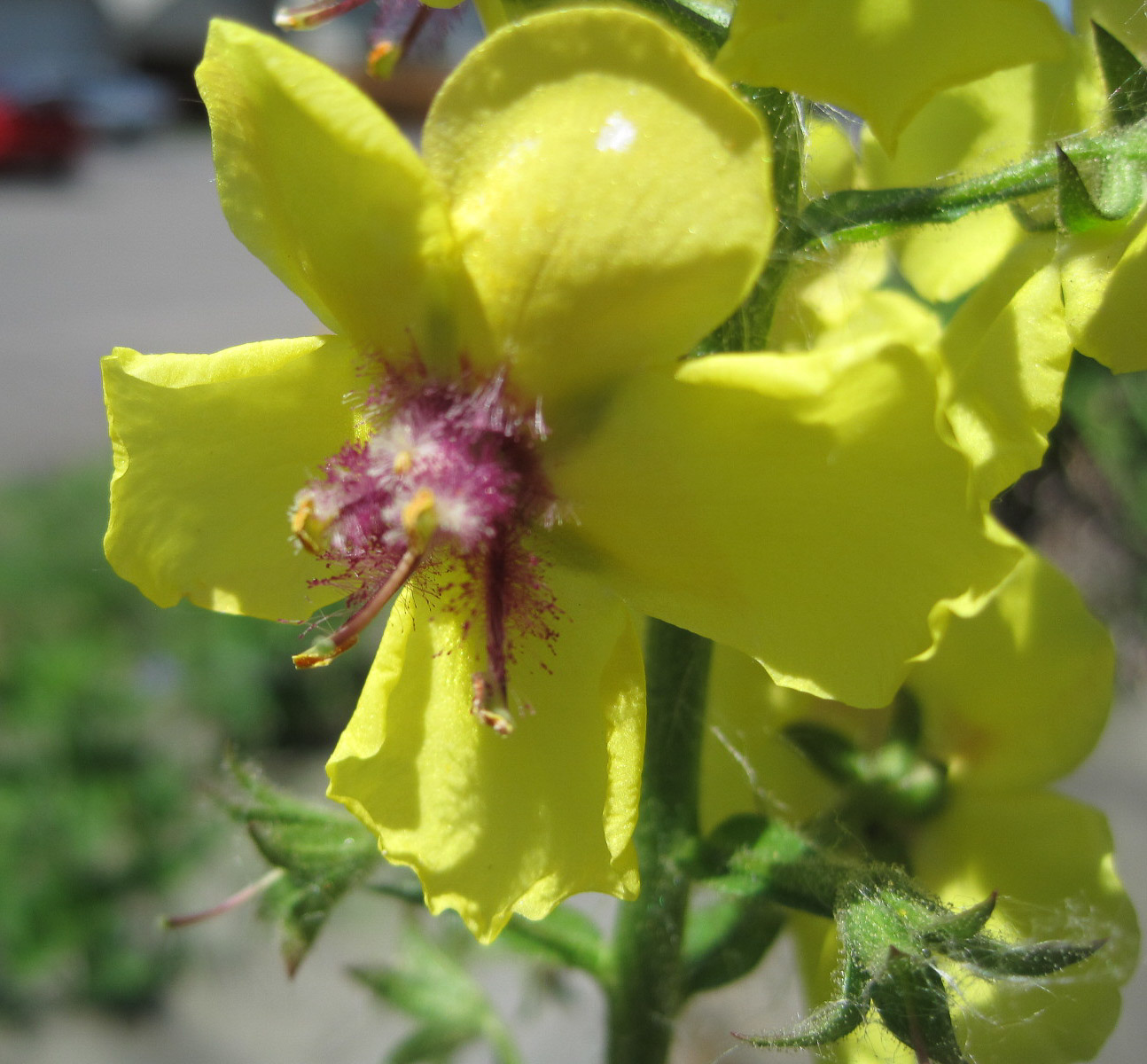
6/2/2017 · Phillipsburg, New Jersey · By Lawrie Morello 
| Kingdom | Plantae | Plants, but not fungi, lichens, or algae (from Stearn's Botanical Latin) |
| Subkingdom | Tracheobionta | Vascular plants—plants with a “circulatory system” for delivering water and nutrients |
| Division | Magnoliophyta | Flowering plants, also known as angiosperms |
| Class | Magnoliopsida | Dicotyledons—plants with two initial seed leaves |
| Subclass | Asteridae | A large class that encompasses asters |
| Order | Lamiales | Aromatic herbs and shrubs, including lavender, lilac, olive, jasmine, ash, teak, snapdragon, sesame, psyllium, garden sage, mint, basil, and rosemary |
| Family | Scrophulariaceae | The figwort family (named for the resemblence of root nodes of some species to tubercular human lymph nodes, or scrophula) |
| Genus | Verbascum | A corruption of the Latin Barbascum, the name for these plants |
| Species | blattaria | From Latin blatta, for “moth” |
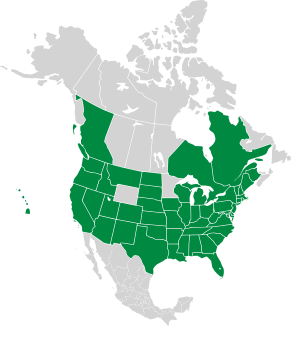
Verbascum blattaria description by Thomas H. Kent, not updated.

© FloraFinder.org. All rights reserved.