Castilleja Mutis ex L. f.
Indian paintbrush, prairie-fire
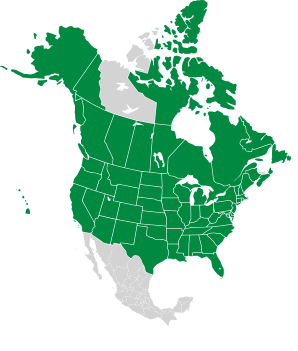
The Castilleja genus, comprised of about 200 species, is native to the Americas, northern Asia, and part of Siberia. The genus takes its name from Spanish botanist Domingo Castillejo (1744-1793), a name chosen by his teacher, botanist José Celestino Mutis. They are most commonly known as Indian paintbrush, and also called prairie-fire. Both names are apt and poetic. The flowerheads resemble both brightly daubed paintbrushes and, in groups, dancing flames. Indian paintbrushes are hemiparasitic—they derive some of their nutrients by attaching to the roots of other plants. This dependency on surrounding plants makes paintbrushes difficult to transplant.
If you’re interested in Castillejas, don’t miss Mark Egger’s superb photographic compilation on Flickr. Mark is perhaps the world’s foremost expert on this genus.
 |
Indian paintbrush comparisons. |
Plants: Plants vary in size between about 6–79″ (15–200 cm), most below two feet. They may be annuals, small shrublike perennials, or groups of erect, unbranched stems.
Leaves: Entire (undivided), or lobed or forked.
Flowers: In groups atop stems. Most of the color comes from bracts and sepals that partly enclose the flowers. Reds, magentas, and yellows are common.
Fruits:
Edibility: Flowers of most paintbrushes are edible, with health benefits similar to those of garlic, when consumed in modest quantities. But the plants retain and concentrate the element selenium from the soil in the roots and leaves, making these parts of the plants poisonous. So keep to the flowers alone, in small amounts.
Online References:
References:
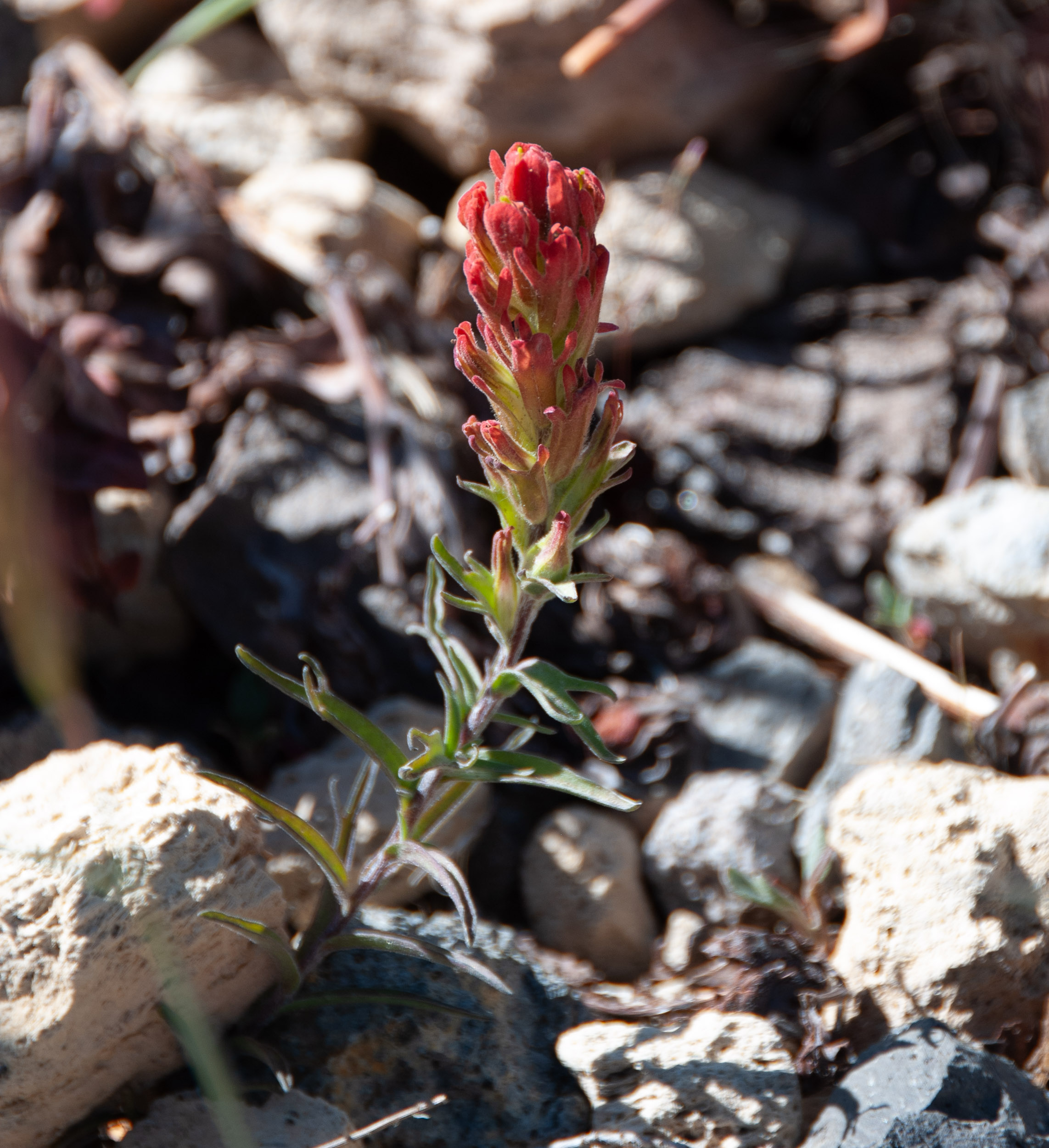
Cobwebby Indian paintbrush (Castilleja arachnoidea) · 8/29/2007 · Near Crater Lake, Oregon 
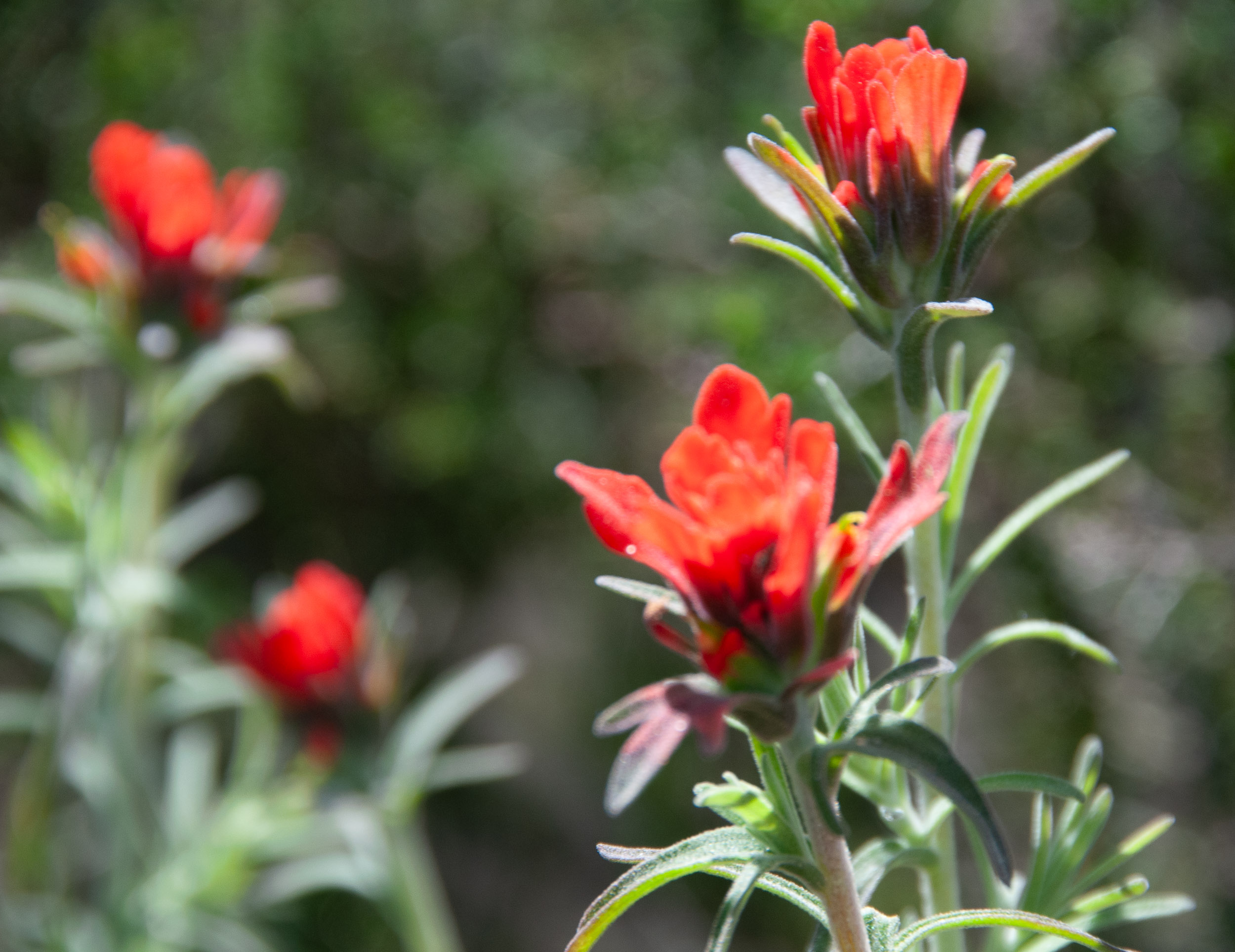
Woolly Indian paintbrush (Castilleja foliolosa) · 2/26/2010 · Torrey Pines State Natural Reserve, La Jolla, California · ≈ 2 × 1½″ (5.1 × 3.9 cm) 
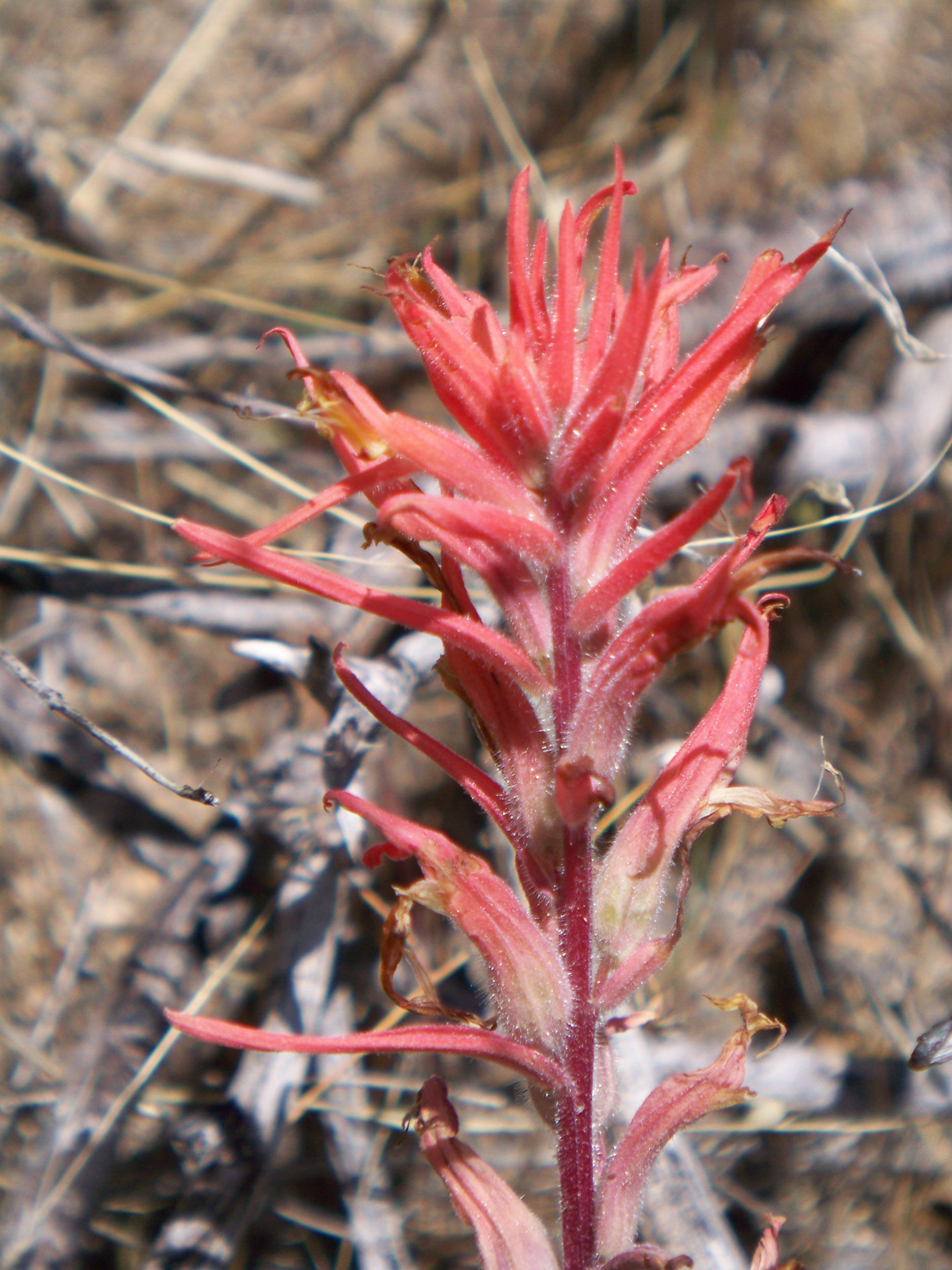
Wyoming Indian paintbrush (Castilleja linariifolia) · 5/3/2007 · Death Valley Area · By Rhonda Tatiana Schorer 
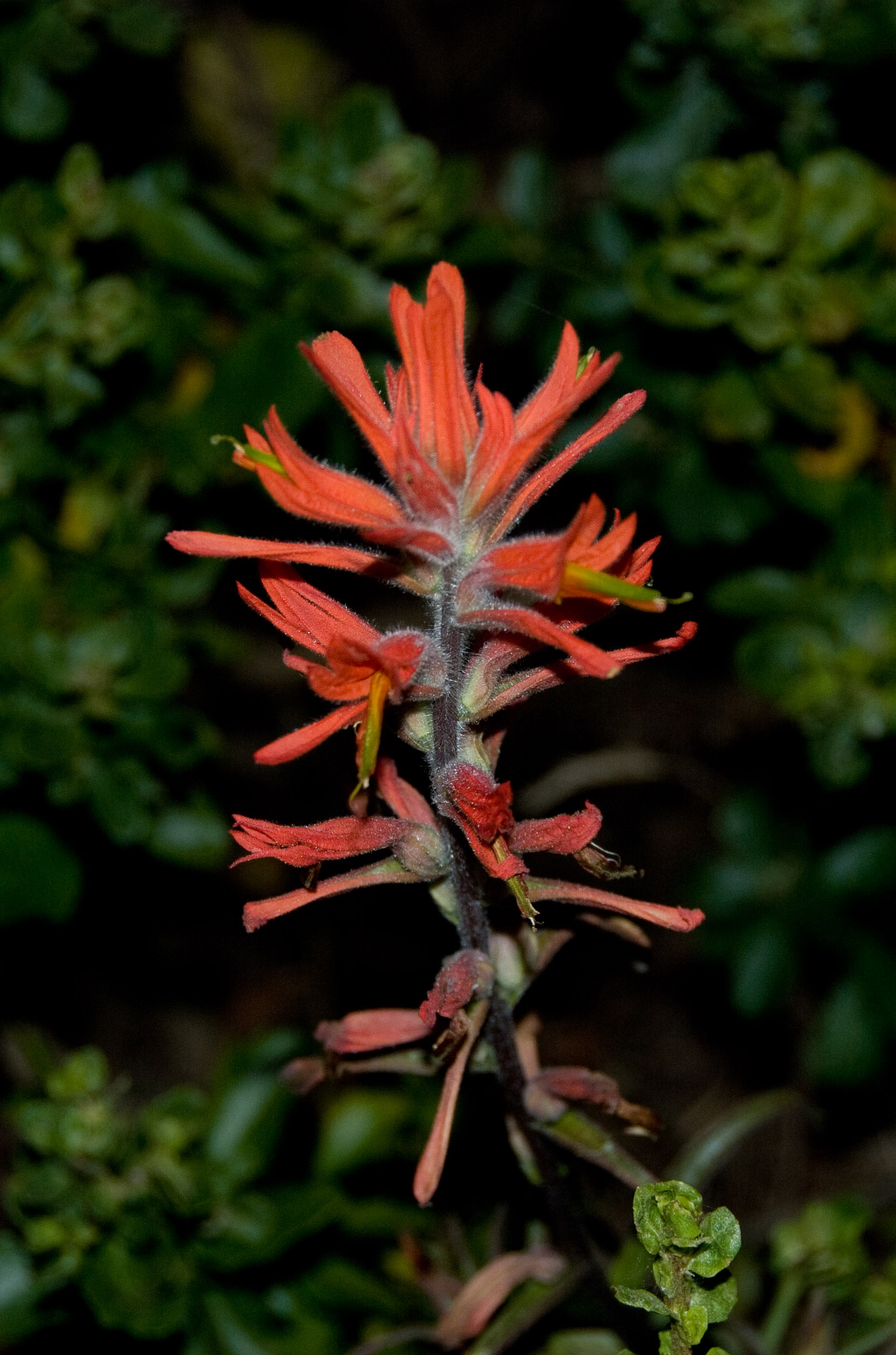
Longleaf Indian paintbrush (Castilleja subinclusa ssp. franciscana) · Found near the Golden Gate bridge. · 6/12/2007 · Sausalito, California 
| Kingdom | Plantae | Plants, but not fungi, lichens, or algae (from Stearn's Botanical Latin) |
| Subkingdom | Tracheobionta | Vascular plants—plants with a “circulatory system” for delivering water and nutrients |
| Division | Magnoliophyta | Flowering plants, also known as angiosperms |
| Class | Magnoliopsida | Dicotyledons—plants with two initial seed leaves |
| Subclass | Asteridae | A large class that encompasses asters |
| Order | Lamiales | Aromatic herbs and shrubs, including lavender, lilac, olive, jasmine, ash, teak, snapdragon, sesame, psyllium, garden sage, mint, basil, and rosemary |
| Family | Orobanchaceae | Broomrape family of parasitic plants |
| Genus | Castilleja | Named for Spanish botanist Domingo Castillejo |
Castilleja description by Thomas H. Kent, not updated.

© FloraFinder.org. All rights reserved.