Castilleja Mutis ex L. f.
Indian paintbrush, prairie-fire
Indian paintbrush comparisons
Castilleja arachnoidea
Castilleja foliolosa
Castilleja integra


|
Castilleja Mutis ex L. f. Indian paintbrush, prairie-fire Indian paintbrush comparisons | |||
Castilleja arachnoidea |
Castilleja foliolosa |
Castilleja integra |
|
|---|---|---|---|
| Common Name | |
|
|
| Plant | Plants are 3–12″ (7.6–30 cm) high. | 12–24″ (30–60 cm) tall, multiply branched, coated with a “felt” of white to gray, branched hairs. | Plants are up to 1½′ (50 cm) in height, covered with fuzzy white hairs. |
| Leaves | ¾–2″ (2–6 cm) long, unlobed or forked into lobes. | ⅜–1¾″ (1–5 cm) long, mostly linear (long and narrow), sometimes forked. | linear, long and narrow, hairless on top and hairy beneath, often curled and almost tubular in shape. Leaves are entire, not divided into lobes or forks. |
| Flowers | Flowers vary from lemon yellow to pale green or purplish red in color, and appear in June. Bracts—modified leaves—appear under each flower, and are ¼–¾″ (6.3–19 mm) long. They are yellowish to dull red. | Flower clusters are 1–8″ (3–20 cm). Each flower is ½–⅞″ (1.5–2.5 cm) in size, surrounded with bracts (modified leaves) of similar size. Flowers are orange-red or sometimes yellow-green in color, appearing from March to June. | Flowers are greenish, with a bright scarlet tinge; largely hidden by the bracts, specialized leaves that are red-orange or sometimes yellowish in color. Appear from April to October. |
| Fruit | Capsules are about ⅜″ (1 cm) long. | ⅜–½″ (1–1.5 cm) long, with seeds that are 1/32–1/16″ (1.5–2 mm). | Capsules ⅜–⅝″ (1.2–1.6 cm) long contain wedge-shaped seeds about 1/32″ (1 mm) long. |
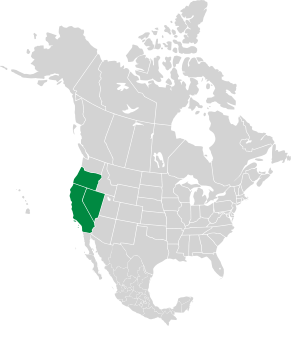
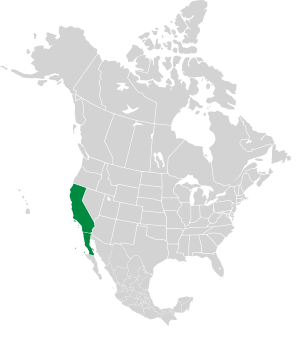
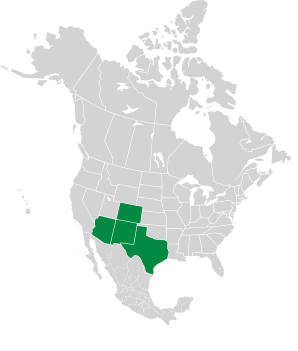
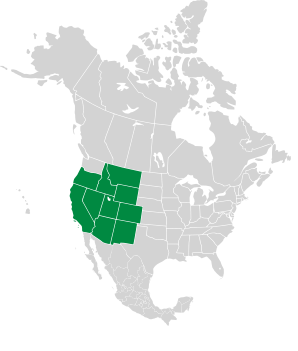
| Range/ Zones |
|
|
|
| Habitats | Open summits, dry rocks, elevations 1.1–1.9 mi (1.7–3 km). | Yellow pine forest, foothills woodlands, chaparral, grasslands. | Dry hills, woodlands, mesas, plains, high prairies, at elevations of 3281–10827′ (1–3.3 km). |


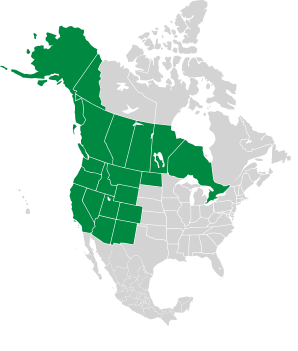
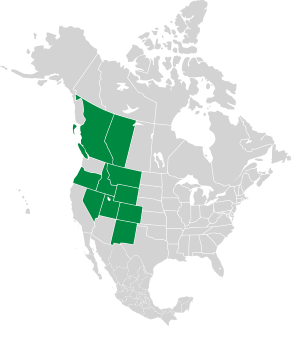
Castilleja description by Thomas H. Kent, not updated.
© FloraFinder.org. All rights reserved.