Hieracium aurantiacum L.
Orange hawkweed, devil’s paintbrush, fox-and-cubs, tawny hawkweed, grim-the-collier
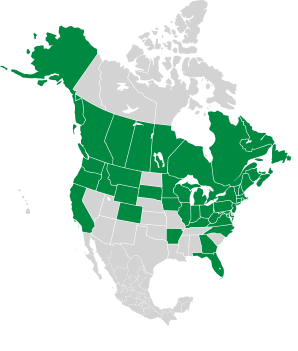
Orange hawkweed is native to central and southern Europe, but after its introduction to other areas of the world as an ornamental plant, it has become a bit too widespread in some areas. It is considered an invasive species or noxious weed in several U.S. states, two Canadian provinces, Australia, and New Zealand. Sure is pretty though.


Plants: 8–24″ (20–60 cm) high, with fuzzy stems. Leaves, stems, and stolons produce a milky latex when broken.
Leaves: Mostly basal, spatula-shaped and very fuzzy, up to 5″ (12 cm) long.
Flowers: Clusters of 5-39 bright orange flowers with paler orange centers, each ½–¾″ (1.3–1.9 cm) across. Flower rays have squared off tips that have several serrations. There is only one orange hawkweed (vs. more than a dozen yellow varieties), so these are relatively easy to identify.
Fruits: Tiny seeds with a tawny tuft of barbs.
Habitats: Meadows, grasslands, rangelands, pastures, lawns.
This hawkweed comparison table is an aid to identifying hawkweeds and similar-appearing species.
Online References:
References:
Clemants, Steven; Gracie, Carol, Wildflowers in the Field and Forest, Oxford University Press, 2006, p. 136

8/17/2020 · Otter Brrok Preserve, Harpswell Heritage Land Trust, Harpswell, Maine · ≈ 2½ × 2″ (6.8 × 5.4 cm) 

6/19/2024 · Red Rose Preserve, Bowdoinham, Maine · ≈ 6 × 10″ (16 × 24 cm) 
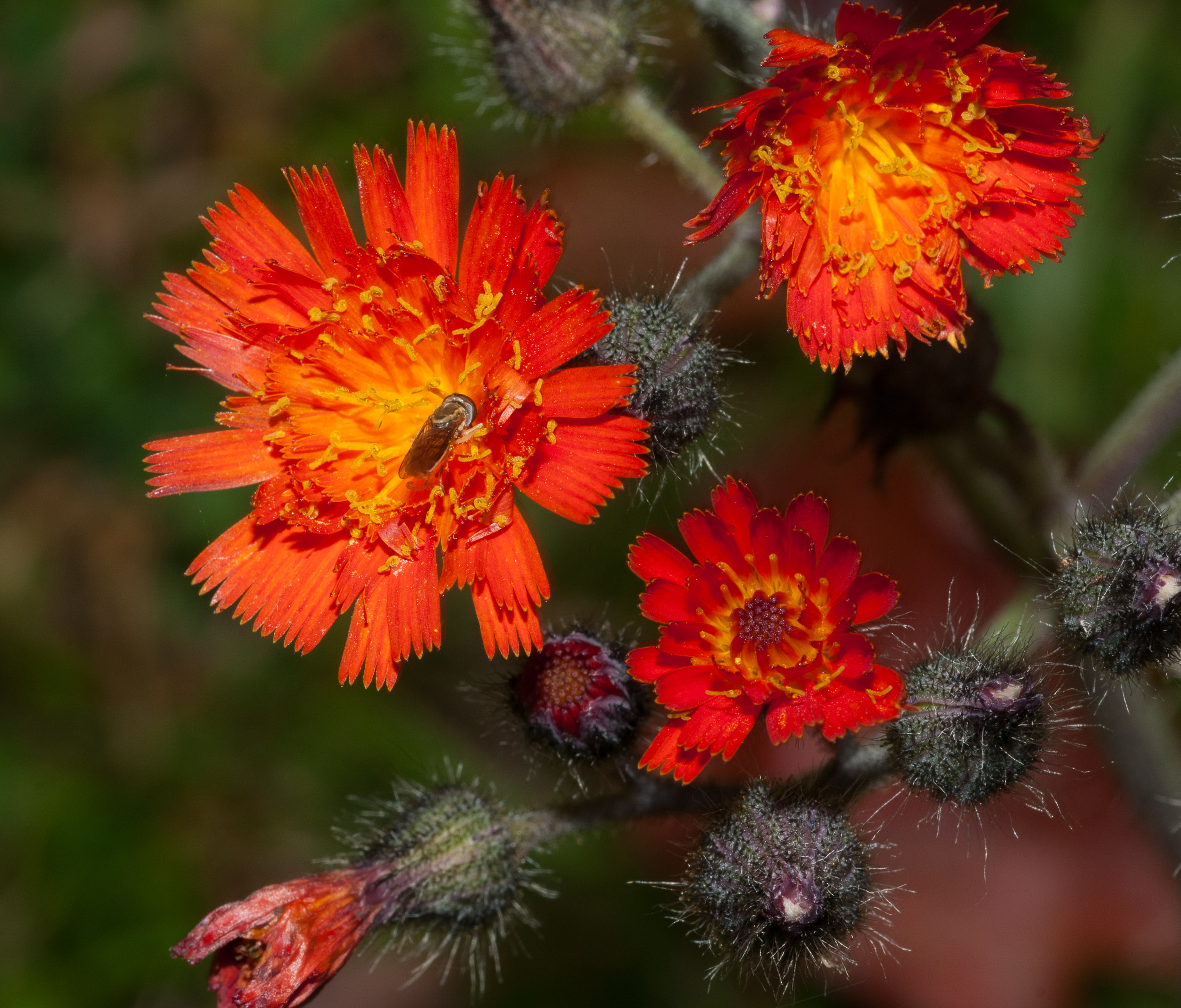
9/29/2012 · Franconia Notch Area, New Hampshire · ≈ 3½ × 3″ (9.2 × 7.9 cm) 
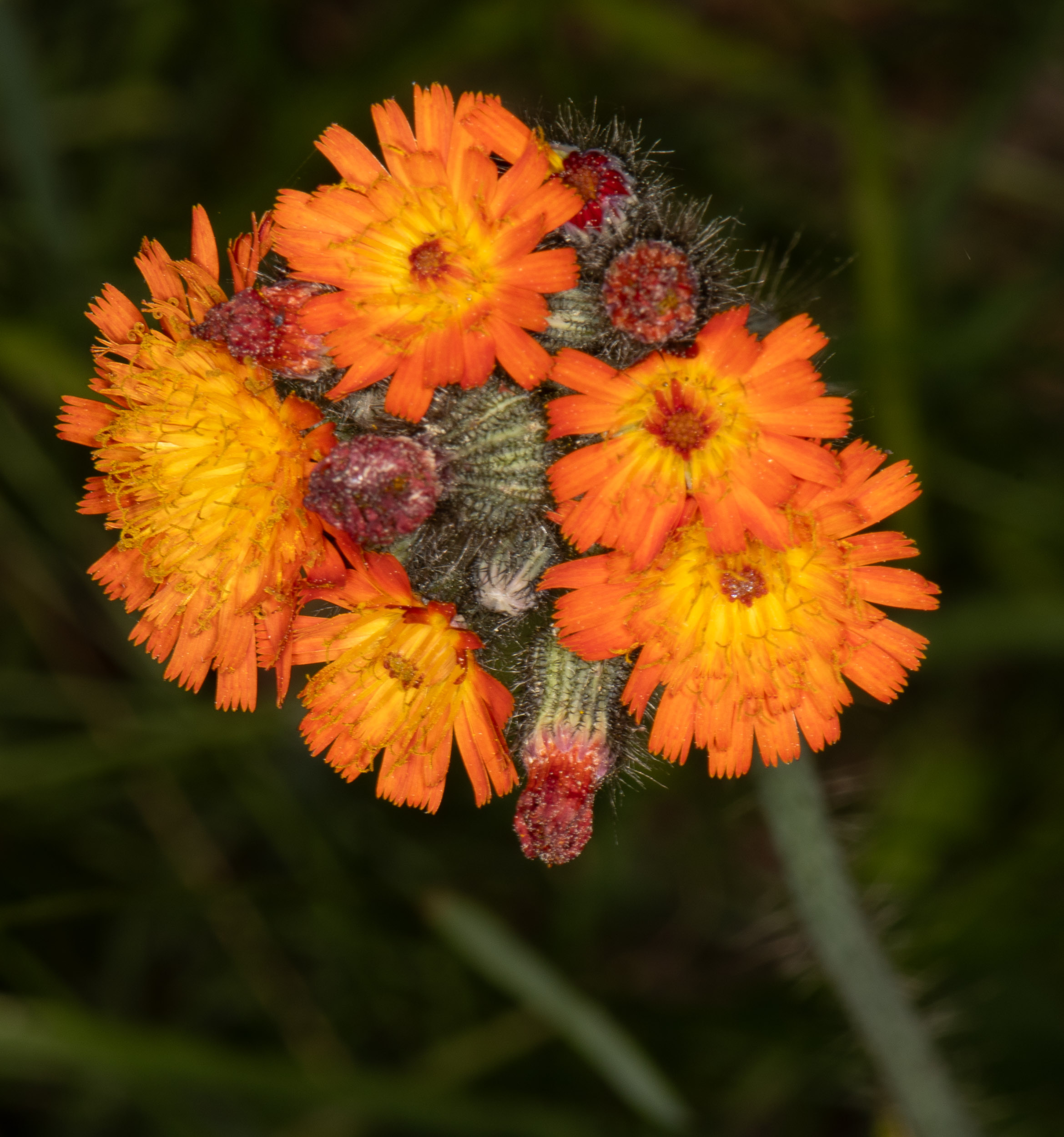
6/10/2021 · Otter Brrok Preserve, Harpswell Heritage Land Trust, Harpswell, Maine · ≈ 3 × 3″ (7.6 × 8.1 cm) 

6/18/2024 · Otter Brrok Preserve, Harpswell Heritage Land Trust, Harpswell, Maine 

6/18/2024 · Otter Brrok Preserve, Harpswell Heritage Land Trust, Harpswell, Maine 

6/19/2024 · Red Rose Preserve, Bowdoinham, Maine · ≈ 6 × 5″ (15 × 13 cm) 

6/19/2024 · Red Rose Preserve, Bowdoinham, Maine · ≈ 3 × 3″ (8.4 × 7.9 cm) 
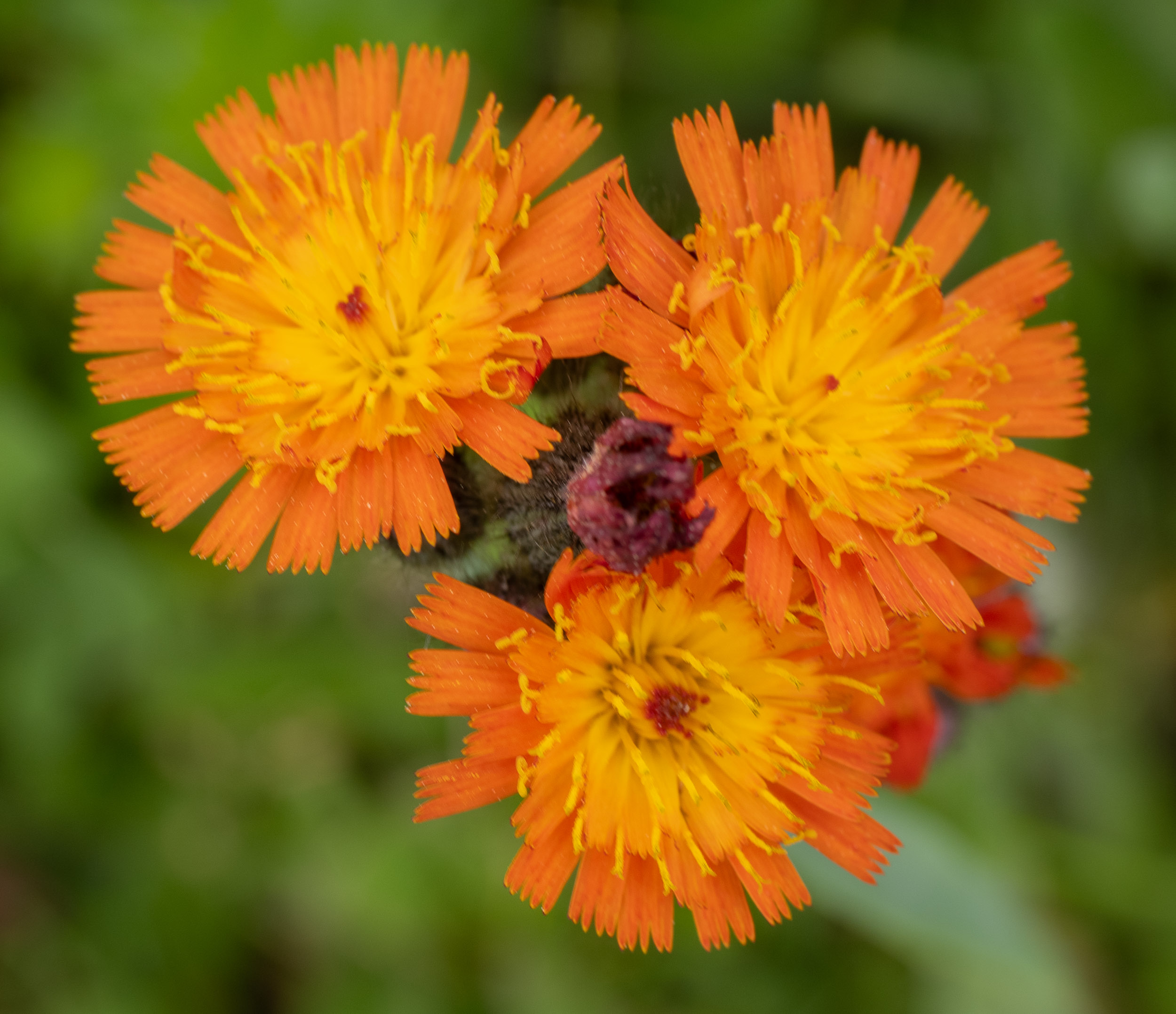
6/12/2023 · Viles Arboretum, Augusta, Maine 

6/18/2024 · Otter Brrok Preserve, Harpswell Heritage Land Trust, Harpswell, Maine 
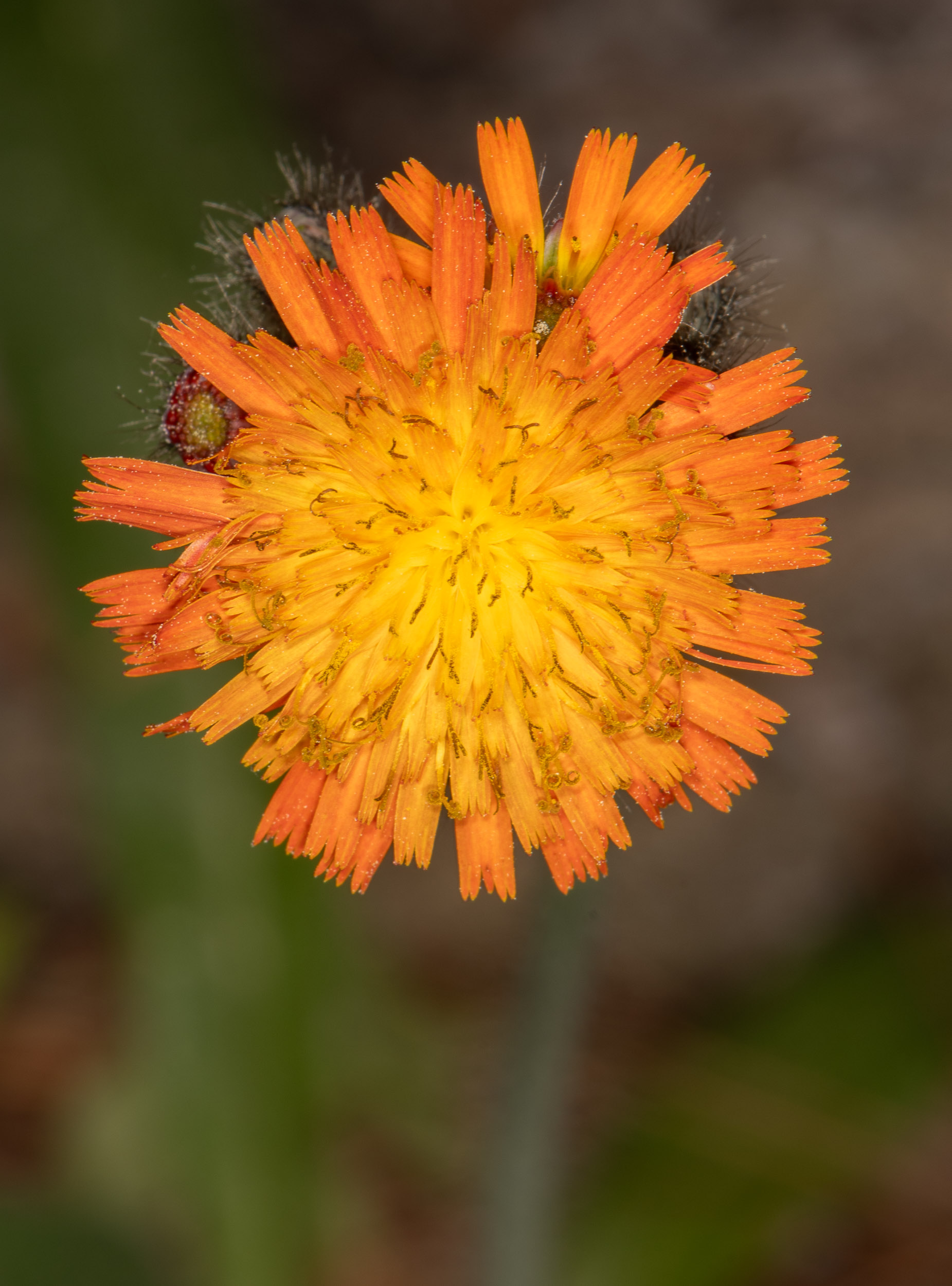
6/10/2021 · Otter Brrok Preserve, Harpswell Heritage Land Trust, Harpswell, Maine · ≈ 2 × 3″ (5.7 × 7.7 cm) 
| Kingdom | Plantae | Plants, but not fungi, lichens, or algae (from Stearn's Botanical Latin) |
| Subkingdom | Tracheobionta | Vascular plants—plants with a “circulatory system” for delivering water and nutrients |
| Division | Magnoliophyta | Flowering plants, also known as angiosperms |
| Class | Magnoliopsida | Dicotyledons—plants with two initial seed leaves |
| Subclass | Asteridae | A large class that encompasses asters |
| Order | Asterales | Flowering plants with a central disk flower and surrounding petals, like daisies |
| Family | Asteraceae | The aster family, which also includes daisies and sunflowers; from the Greek ἀστήρ, “star,” for the star-shaped flowers |
| Genus | Hieracium | From Greek hierakion, “a hawk,” from Pliny’s belief that hawks strengthened their eyesight by eating these plants |
| Species | aurantiacum | “Orange-colored” |
Hieracium aurantiacum description by Thomas H. Kent, not updated.

© FloraFinder.org. All rights reserved.