Hieracium canadense Michx.
Canada hawkweed, narrowleaf hawkweed, northern hawkweed
Canada hawkweed is native to temperate climes of Europe, Asia, and North America. Pliny the elder maintained that hawks feed on hawkweeds to improve their remarkable eyesight, hence the name.
If you want to start a bar fight, just ask somebody the scientific name of Canada hawkweed. (This might work best at a bar outside of a botanical convention.) In addition to Hieracium canadense, this species is often referred to as Hieracium kalmii, or Kalm’s hawkweed, after Swedish-Finnish explorer and naturalist Pehr Kalm (1715-1779). The taxonomy of hawkweeds is contentious; the Flora of North America refers to this species as Hieracium umbellatum and mentions that this supersedes the “illegitimate name” Hieracium canadense var. kalmii. So that’s four different current names. Hawkweeds as a group have been classified into as many as 9,000 variants over time. Hawkweeds are unusual because they reproduce asexually. This leads to regional variants that are not, technically at least, new species.
Plants: 6–60″ (15–152 cm) in height, with leafy stems, the lower part of which have long hairs. Upper stems are fuzzy. Stems, leaves and stolons secrete a milky latex when cut.
Leaves: Alternate, lanceolate to elliptic, smooth and greenish gray on top, hairy and rough below. Leaves are pointed, with sparse, unevenly spaced sharp teeth. Leaves attach directly to stems, sometimes partially clasping the stems.
Flowers: In loosely branched clusters. Each flower is about 1″ (2.5 cm) across, with 30 or more florets.
Fruits: Dry seeds that ripens to black, with a tuft of light brown hair for wind dispersion.
Habitats: Fields, sand plains, roadsides, forest edges, cliffs, grasslands, shorelines.
This hawkweed comparison table is an aid to identifying hawkweeds and similar-appearing species.
Online References:
References:
Clemants, Steven; Gracie, Carol, Wildflowers in the Field and Forest, Oxford University Press, 2006, p. 162
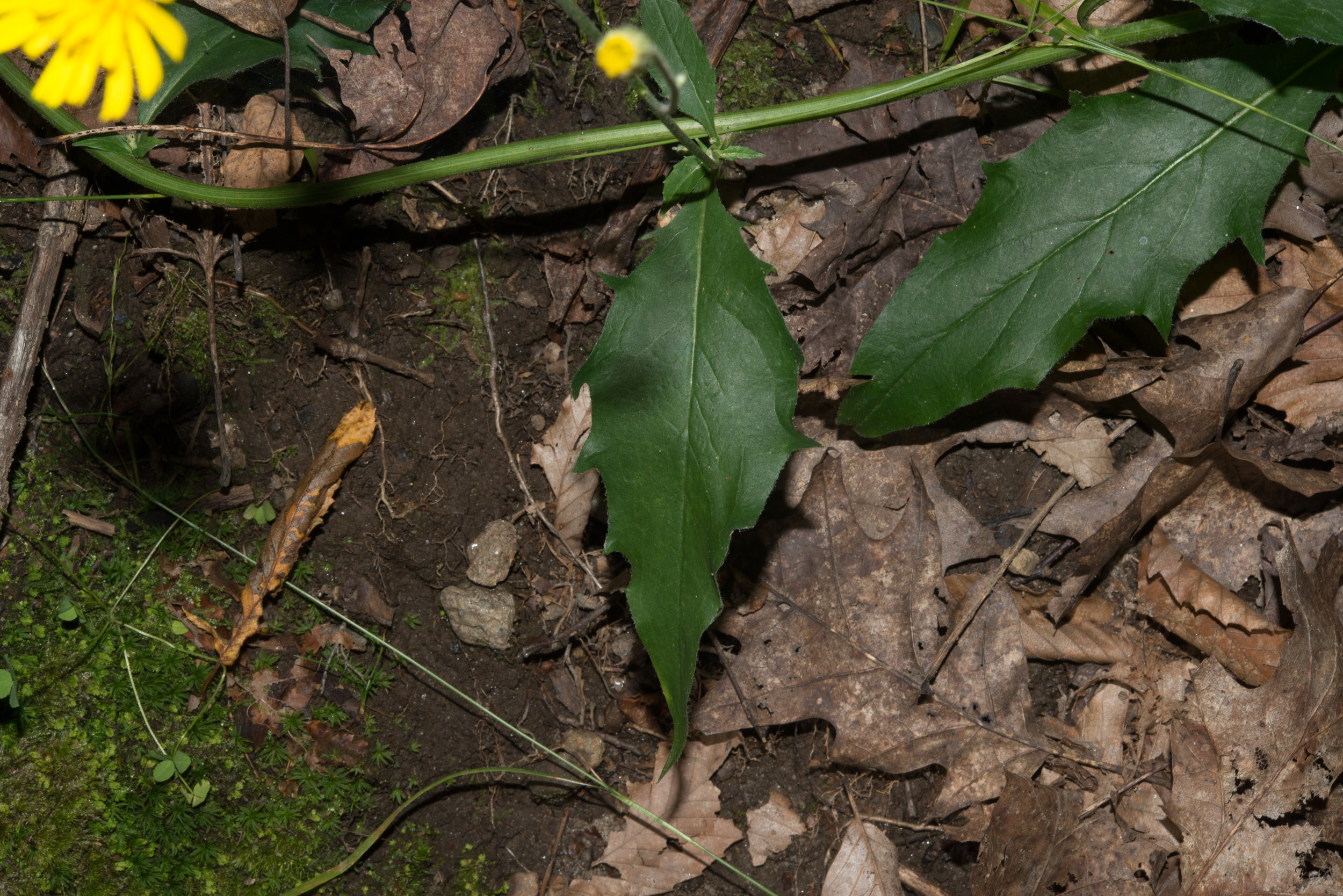
9/7/2013 · Beech Hill, Dublin, New Hampshire · ≈ 15 × 10″ (37 × 25 cm) 
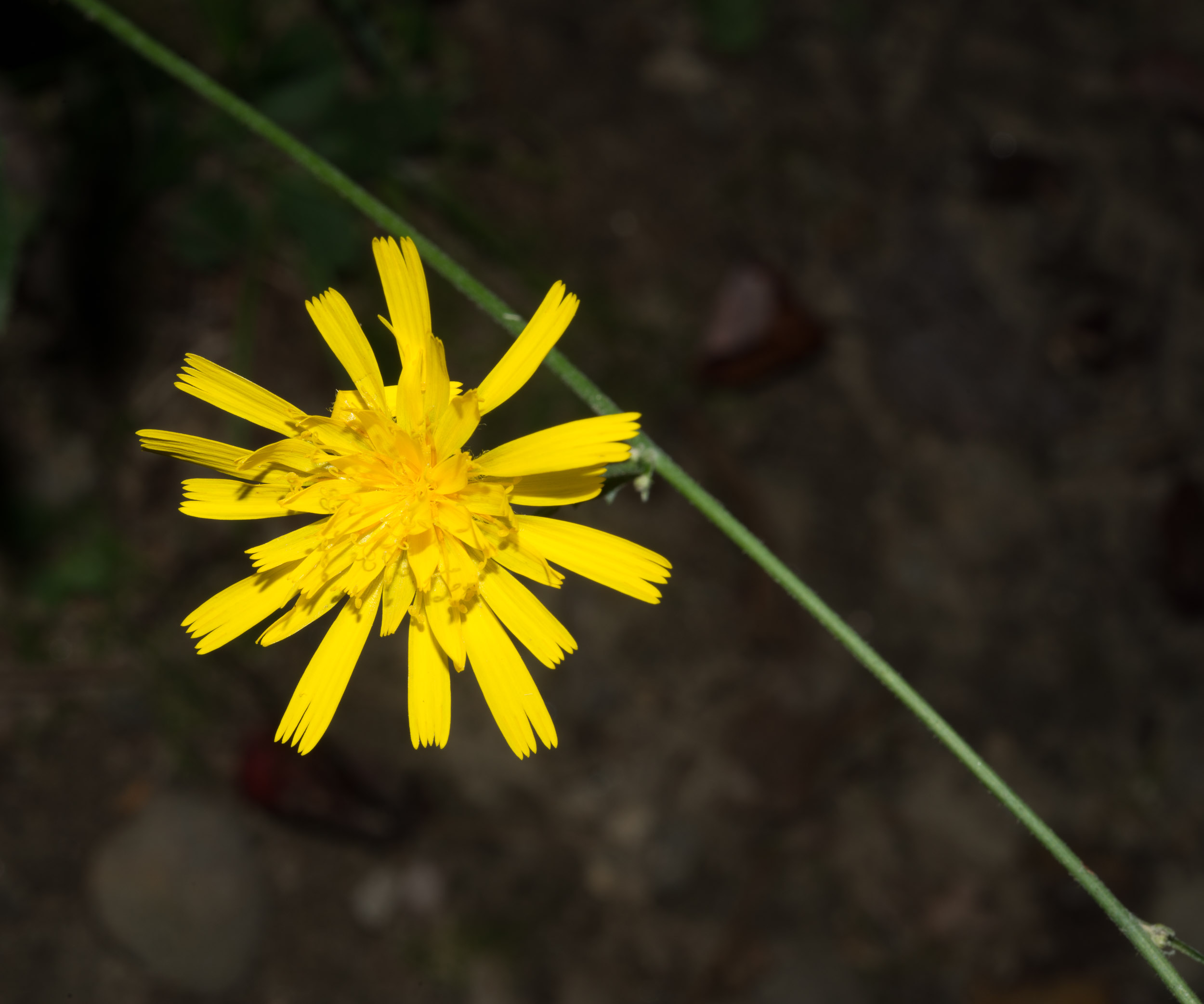
9/7/2013 · Beech Hill, Dublin, New Hampshire · ≈ 5 × 4½″ (13 × 11 cm) 
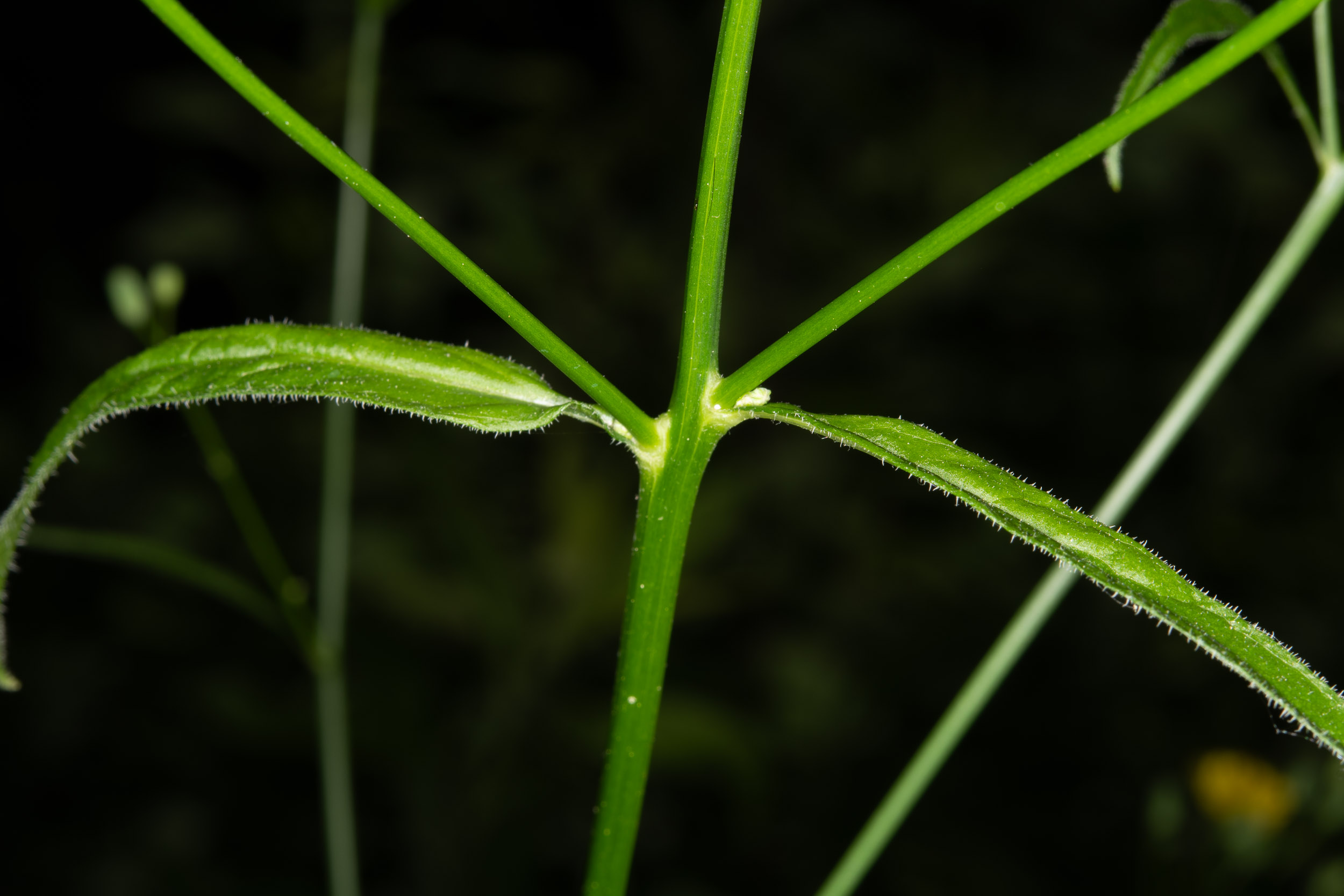
6/22/2018 · Tom and Susan’s, Pepperell, Massachusetts · ≈ 4½ × 3″ (11 × 7.9 cm) 
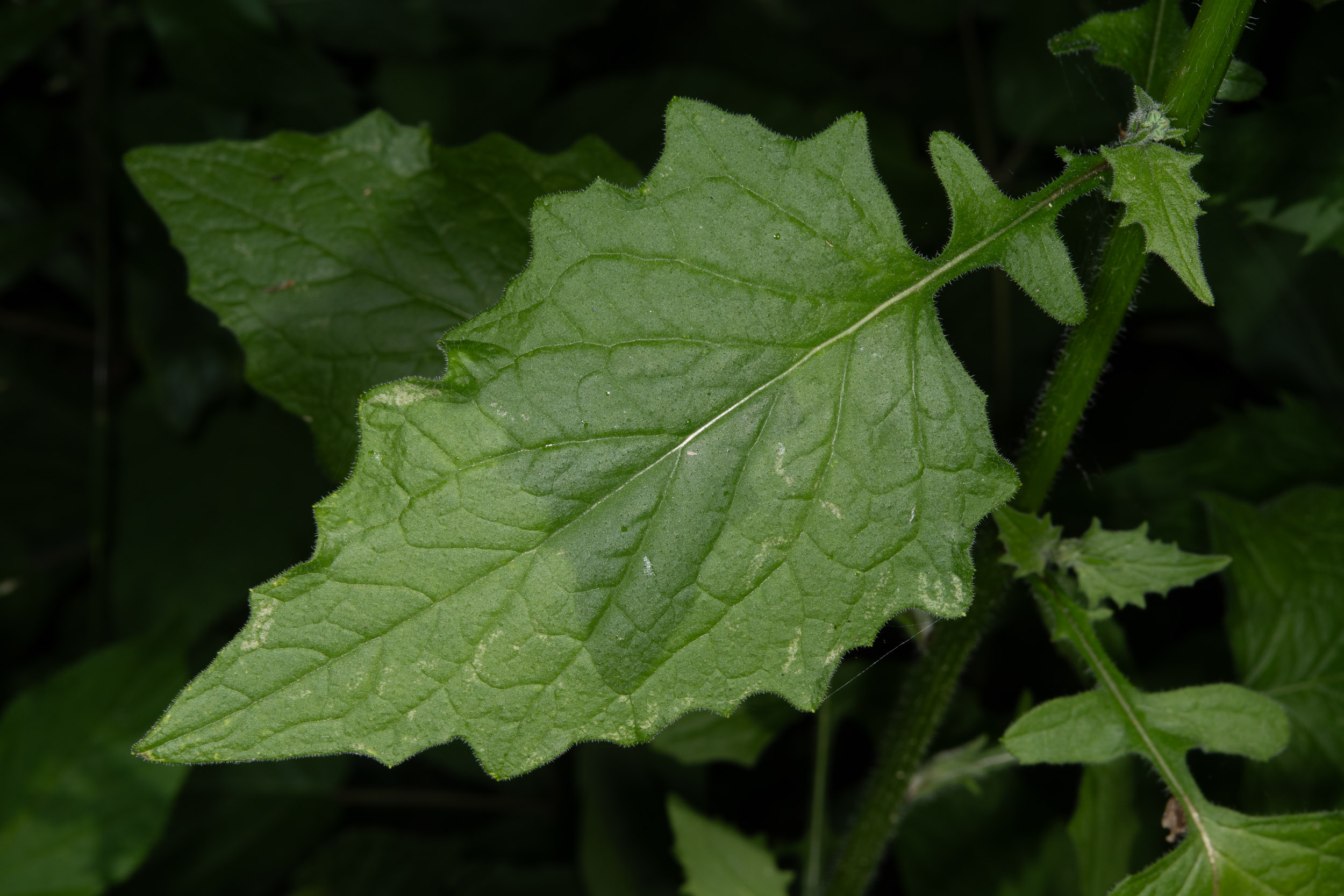
6/22/2018 · Tom and Susan’s, Pepperell, Massachusetts · ≈ 6 × 4″ (16 × 11 cm) 
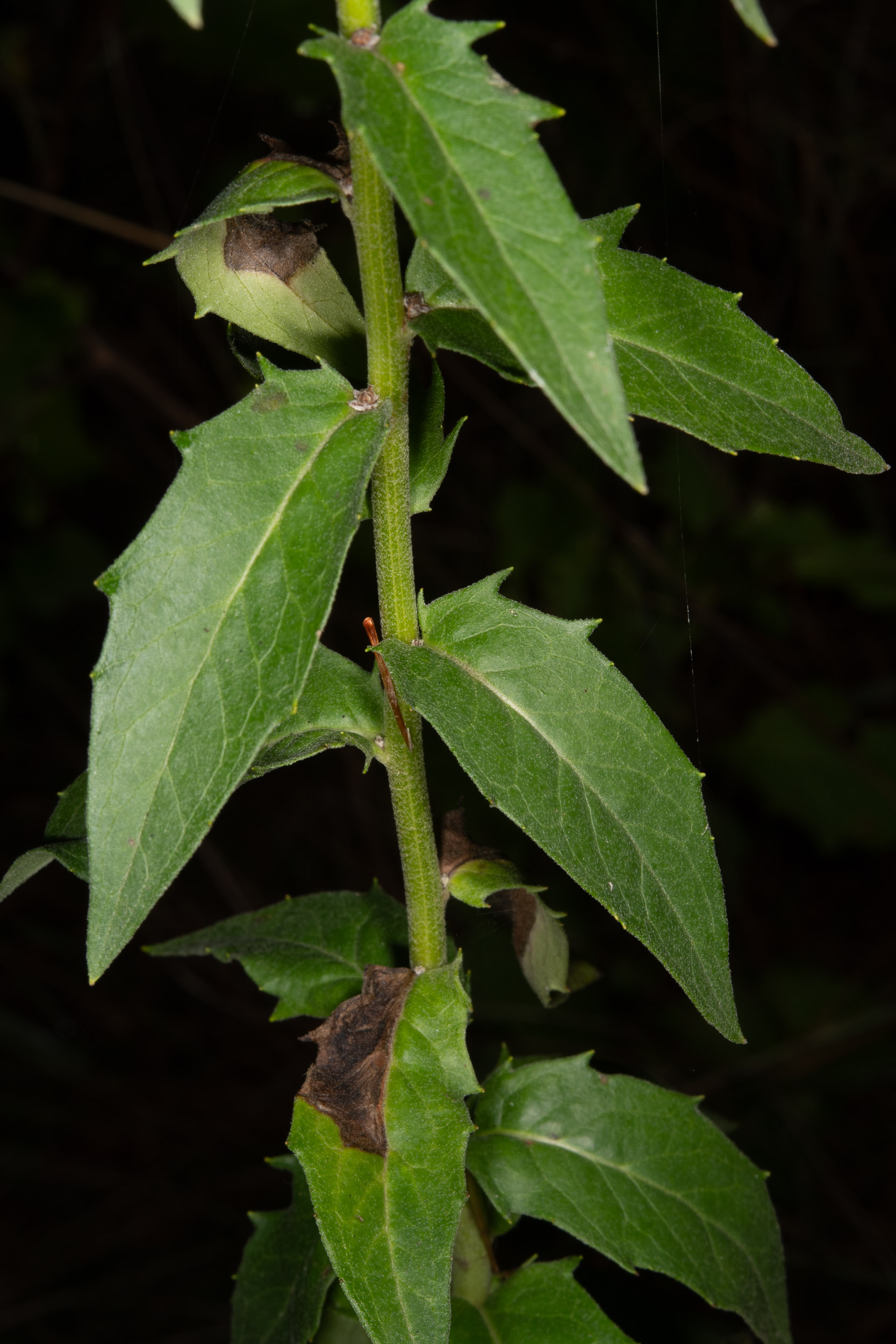
9/3/2020 · Mitchell Field, Harpswell, Maine · ≈ 4 × 6″ (10 × 15 cm) 
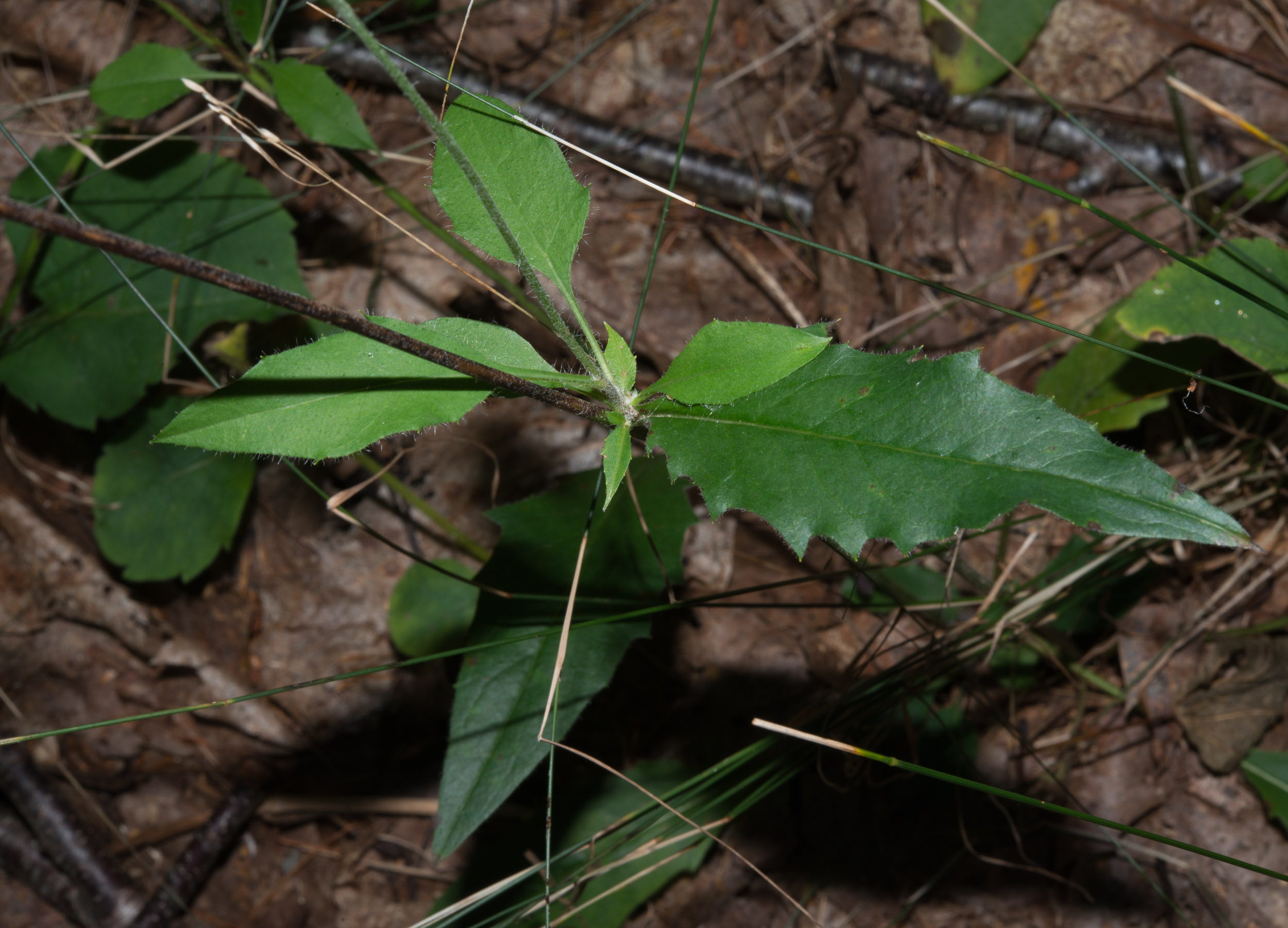
9/29/2013 · Compass Harbor, Acadia National Park, Bar Harbor, Maine · ≈ 9 × 6″ (22 × 16 cm) 
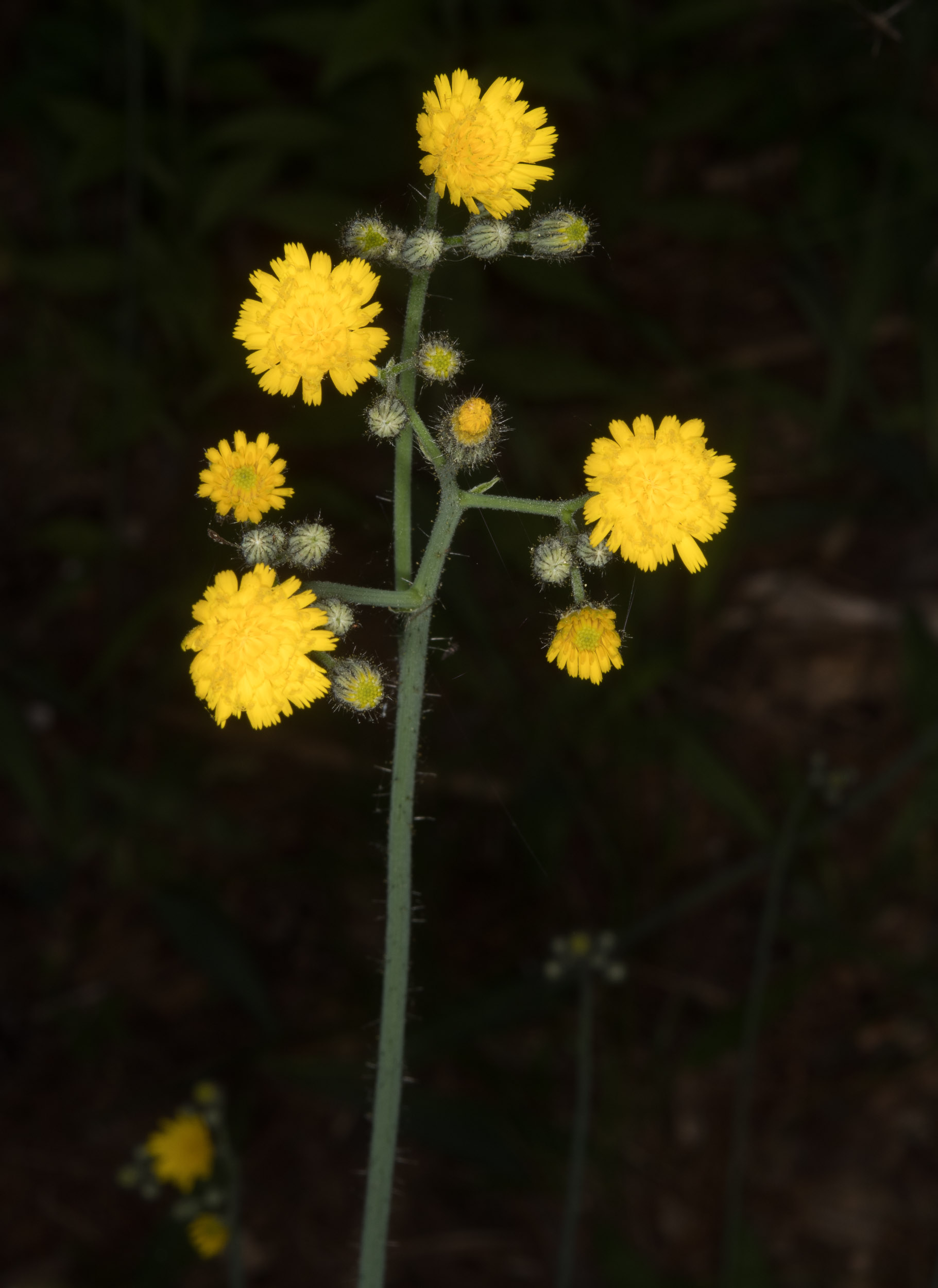
6/14/2017 · J. Harry Rich State Forest, Groton, Massachusetts · ≈ 4½ × 6″ (11 × 15 cm) 
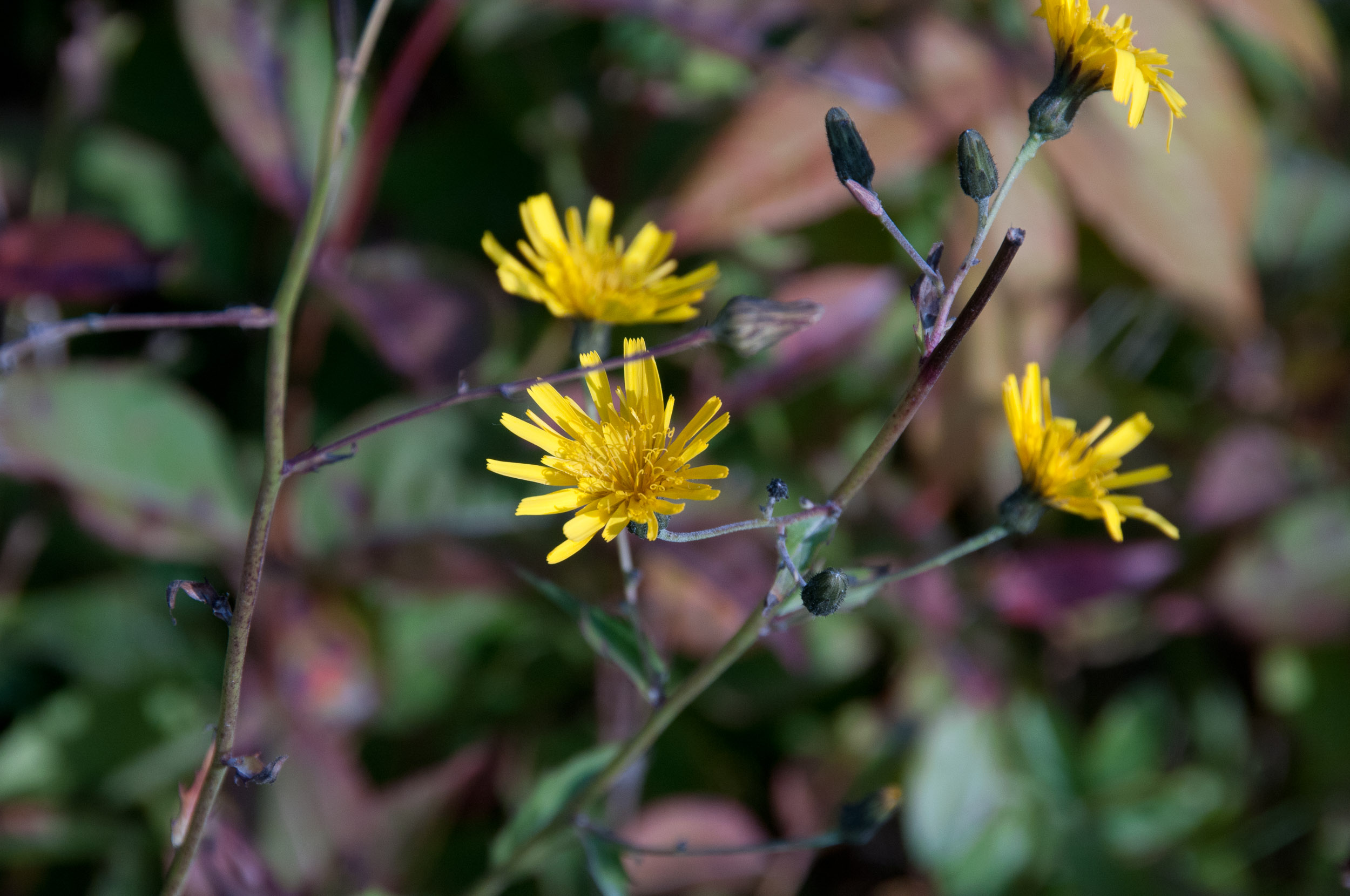
9/18/2009 · Acadia National Park, Bar Harbor, Maine · ≈ 3 × 2″ (8.4 × 5.6 cm) 
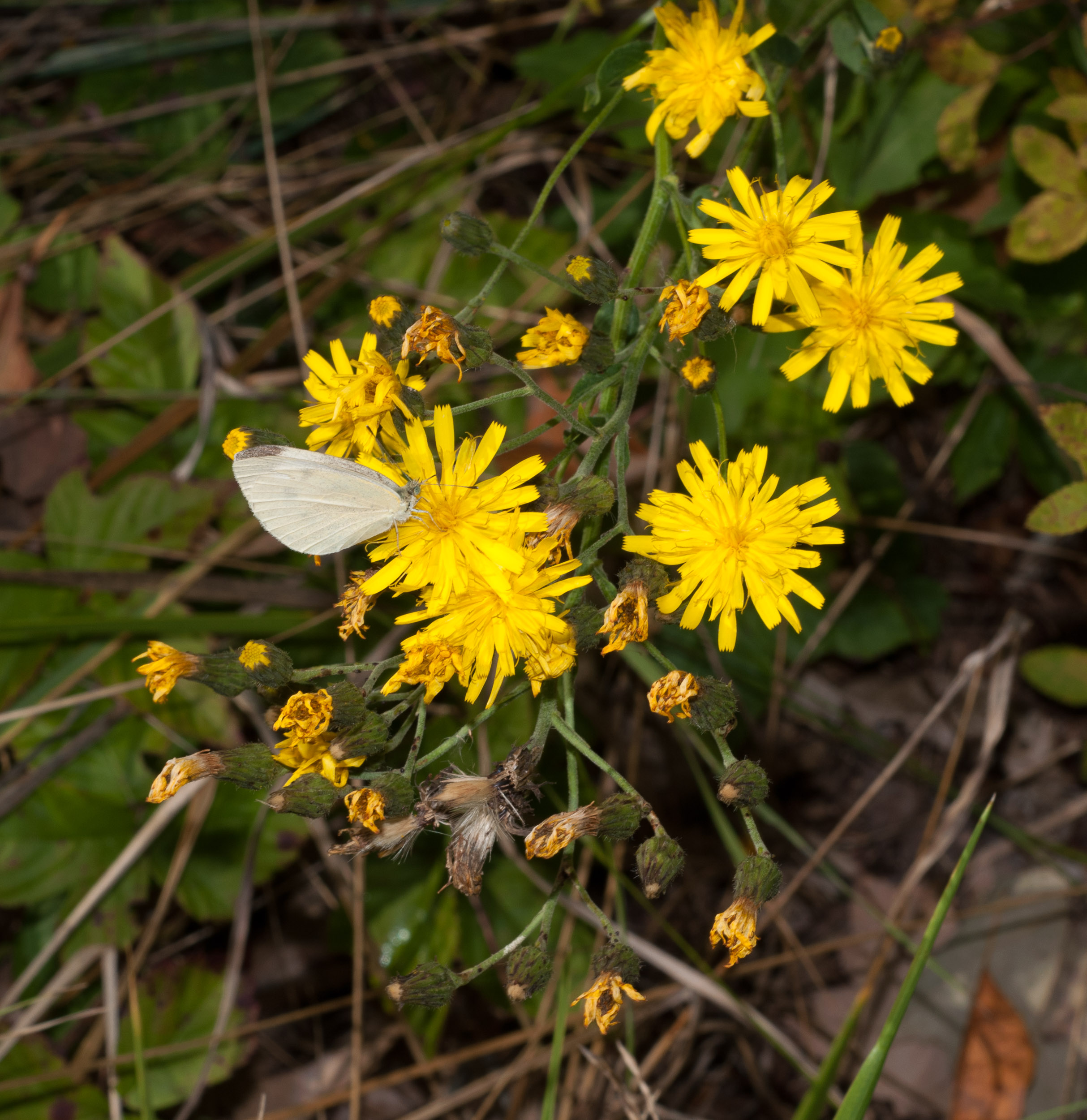
9/10/2010 · Nashua River Rail Trail, Groton Center, Groton, Massachusetts · ≈ 7 × 7″ (18 × 18 cm) 
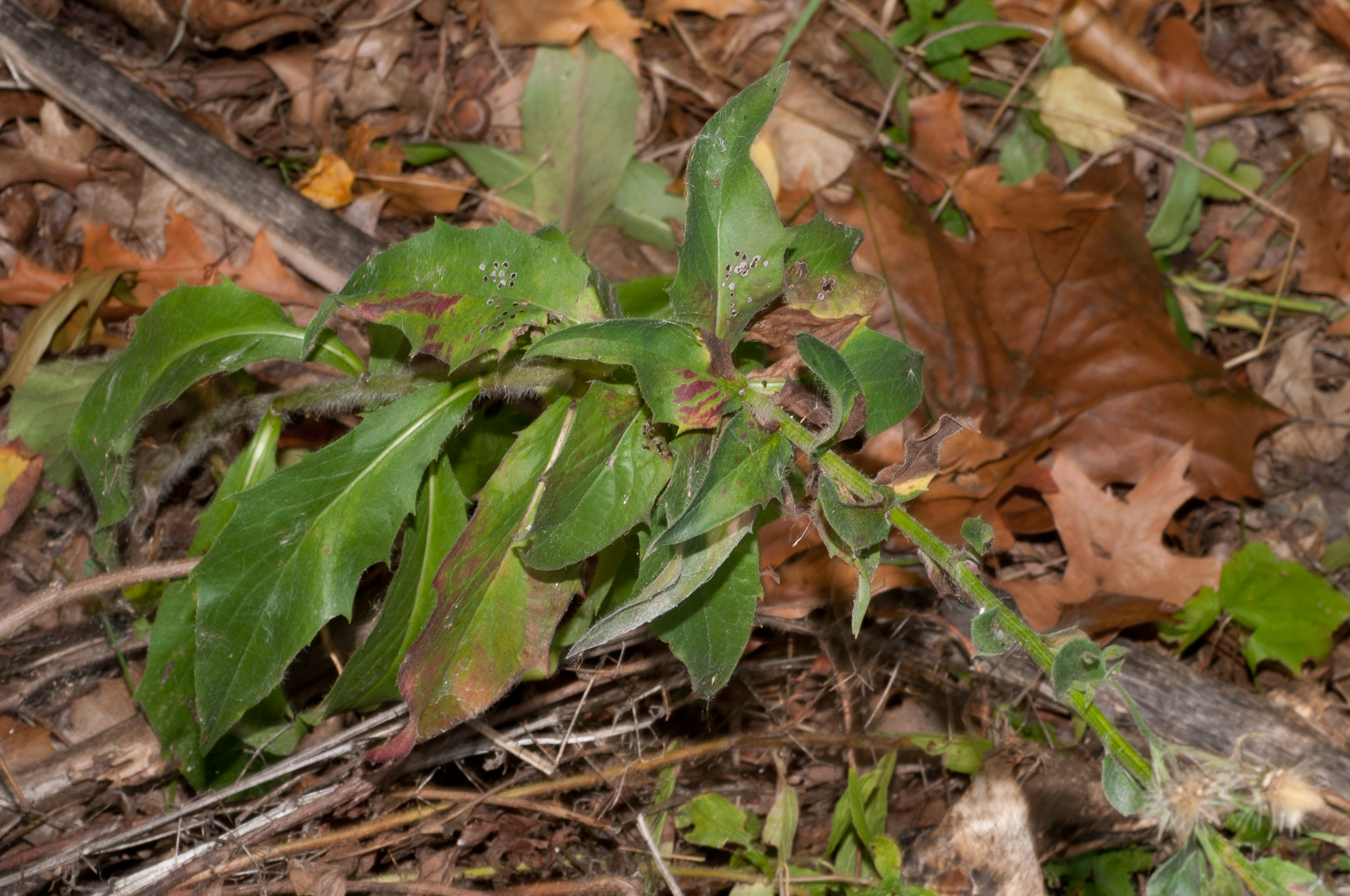
9/25/2010 · Nashua River Rail Trail, Groton Center, Groton, Massachusetts · ≈ 14 × 9″ (35 × 23 cm)  ID is uncertain
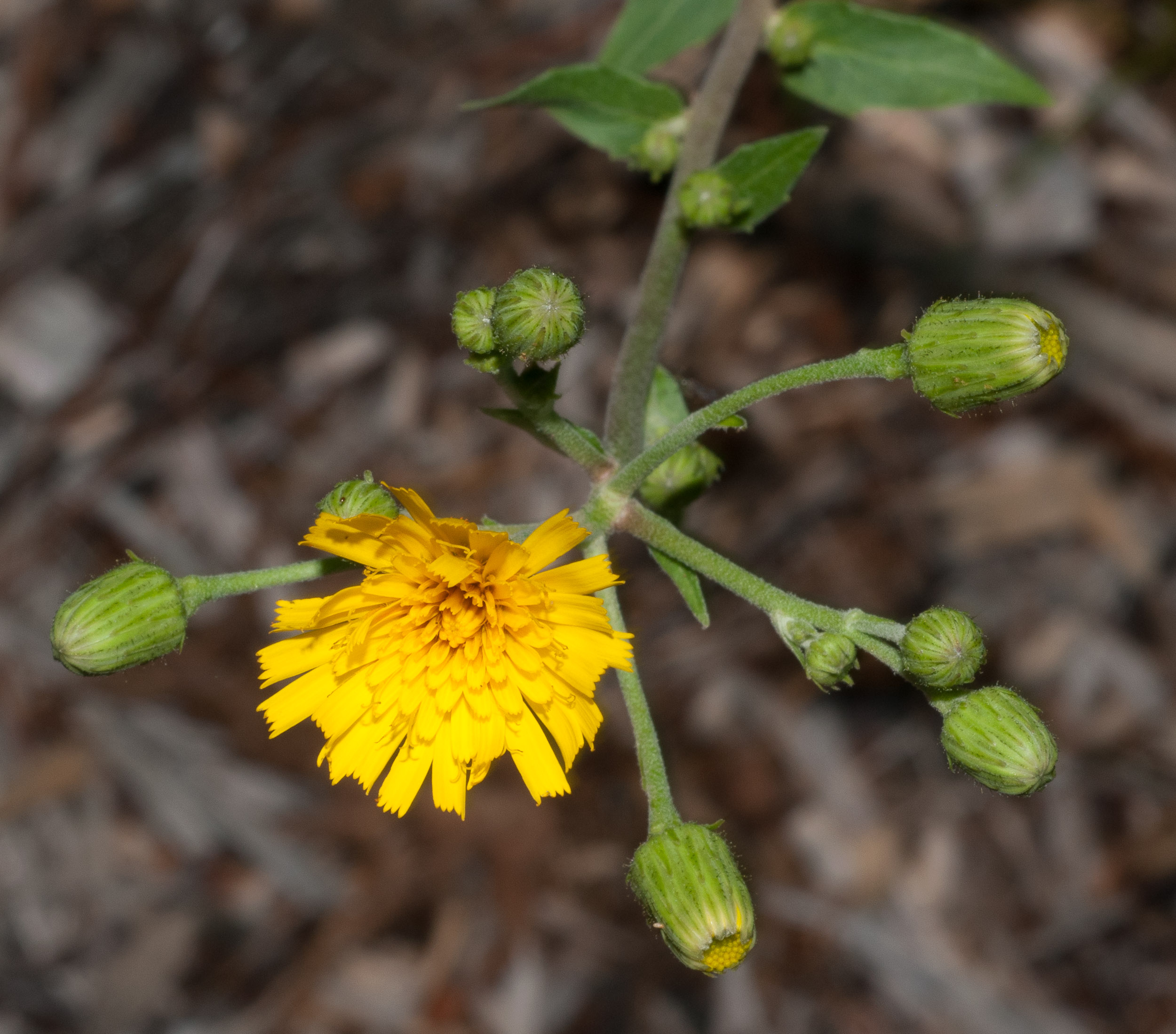
8/2/2012 · Nashua River Rail Trail, near Nashoba Hospital, Ayer, Massachusetts · ≈ 3½ × 3″ (9.4 × 8.3 cm) ID is uncertain 

9/7/2013 · Beech Hill, Dublin, New Hampshire · ≈ 7 × 5″ (17 × 12 cm) 
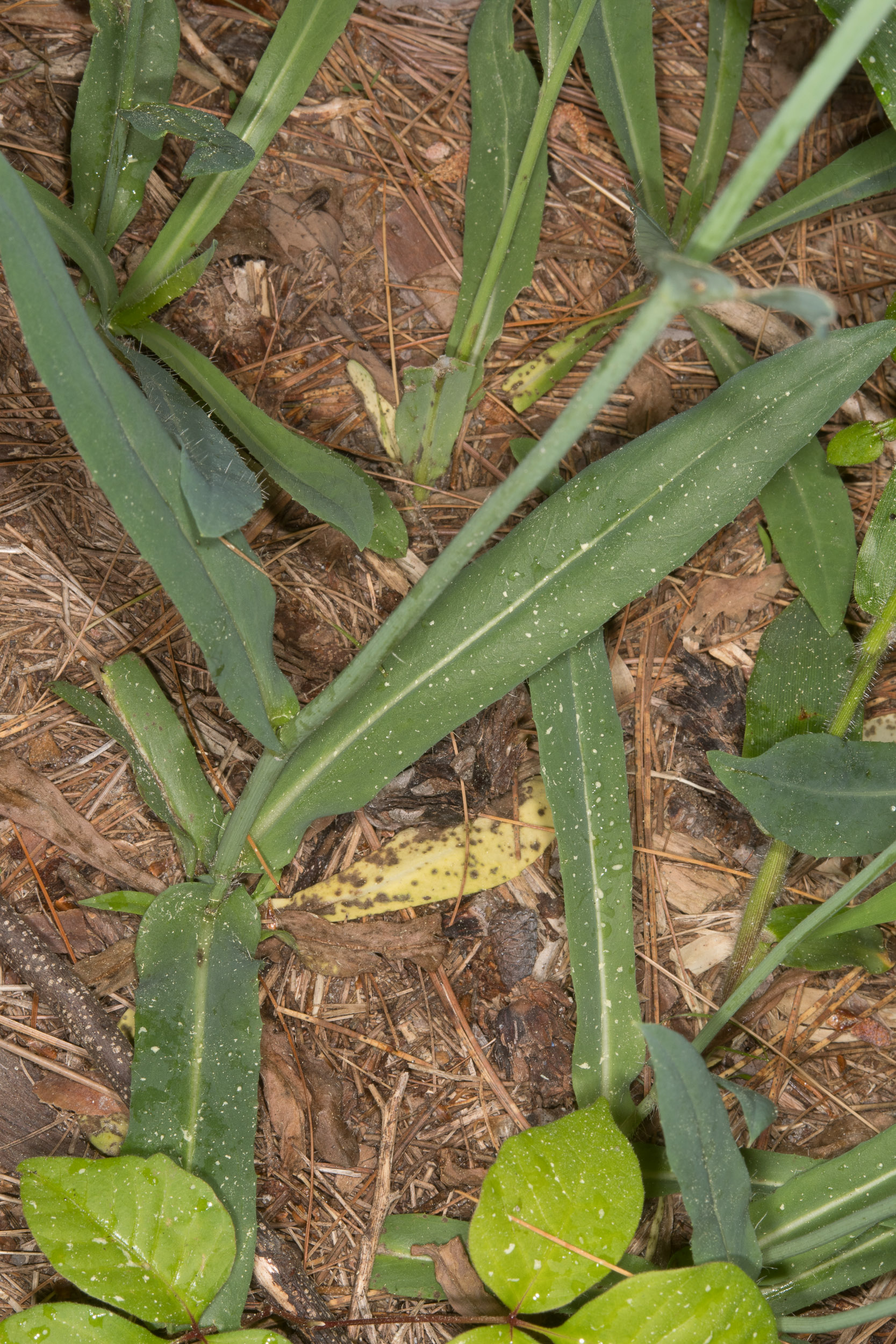
6/14/2017 · J. Harry Rich State Forest, Groton, Massachusetts · ≈ 6 × 10″ (16 × 24 cm) 

8/17/2020 · Otter Brrok Preserve, Harpswell Heritage Land Trust, Harpswell, Maine · ≈ 7 × 4½″ (16 × 12 cm) 
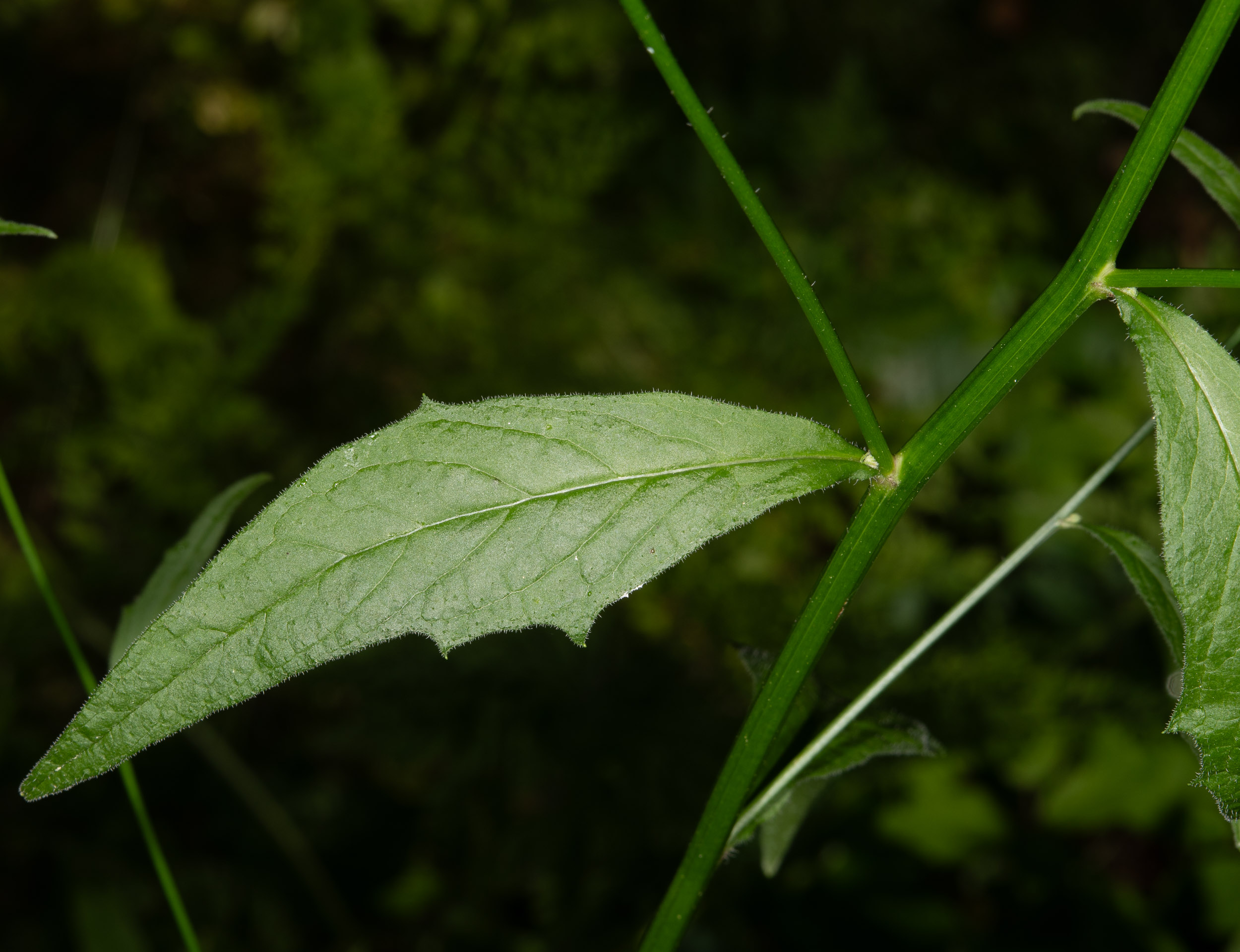
6/22/2018 · Tom and Susan’s, Pepperell, Massachusetts · ≈ 6 × 4½″ (16 × 12 cm) 
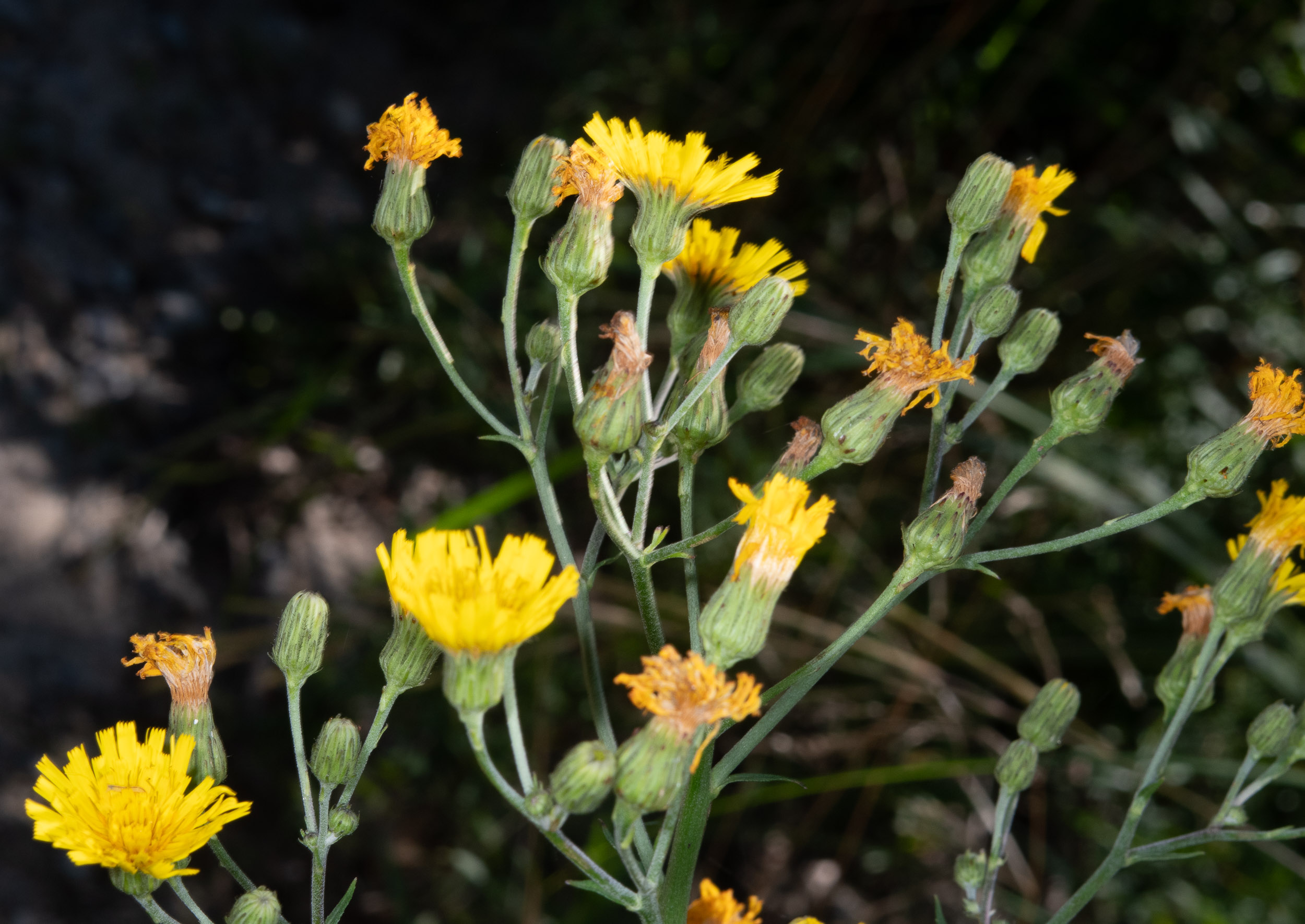
8/24/2023 · Morse Mountain, Phippsburg, Maine · ≈ 8 × 5″ (19 × 13 cm) 
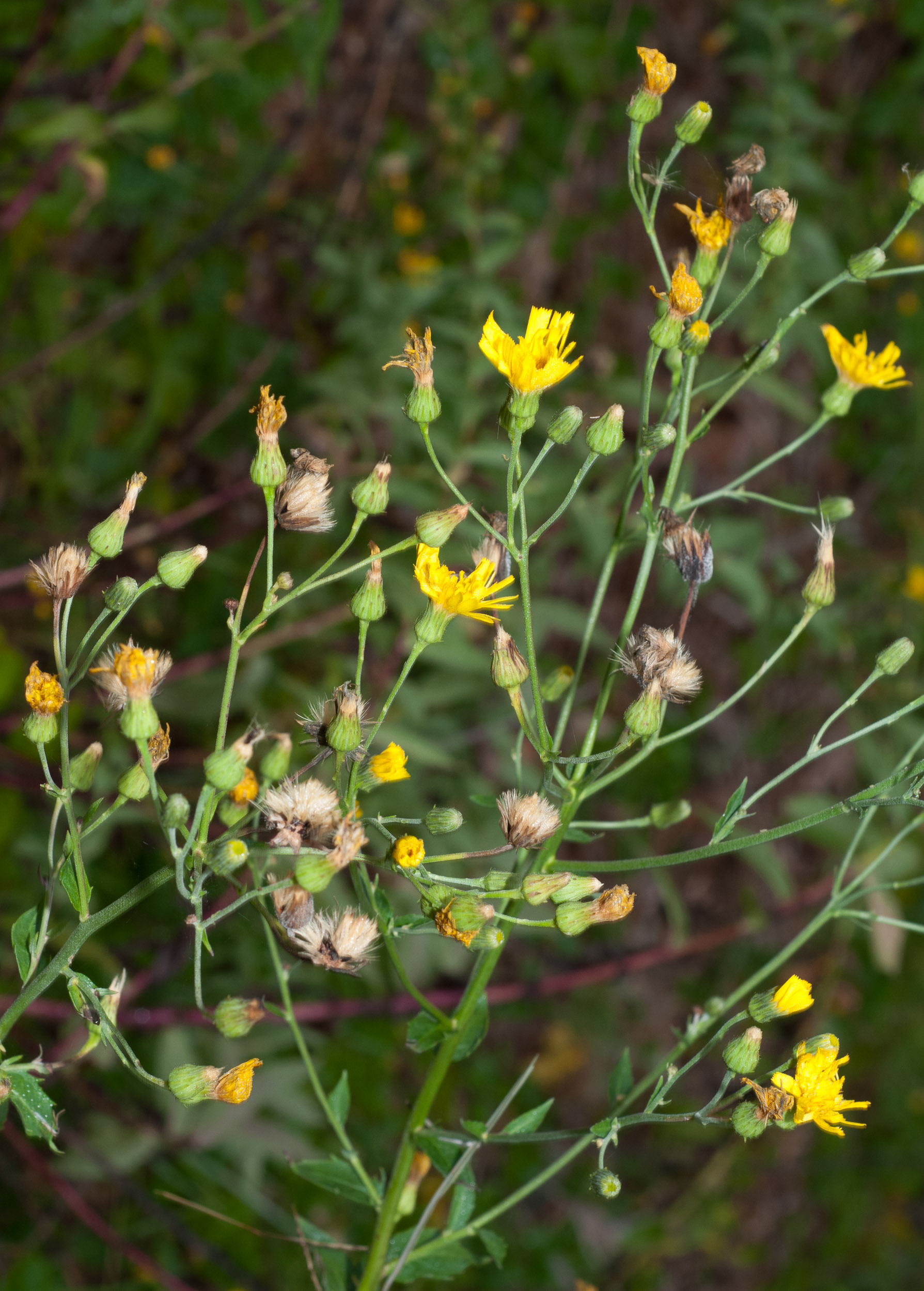
9/14/2009 · Near Nashoba Hospital, Ayer, Massachusetts · ≈ 13 × 9″ (32 × 23 cm) ID is uncertain 
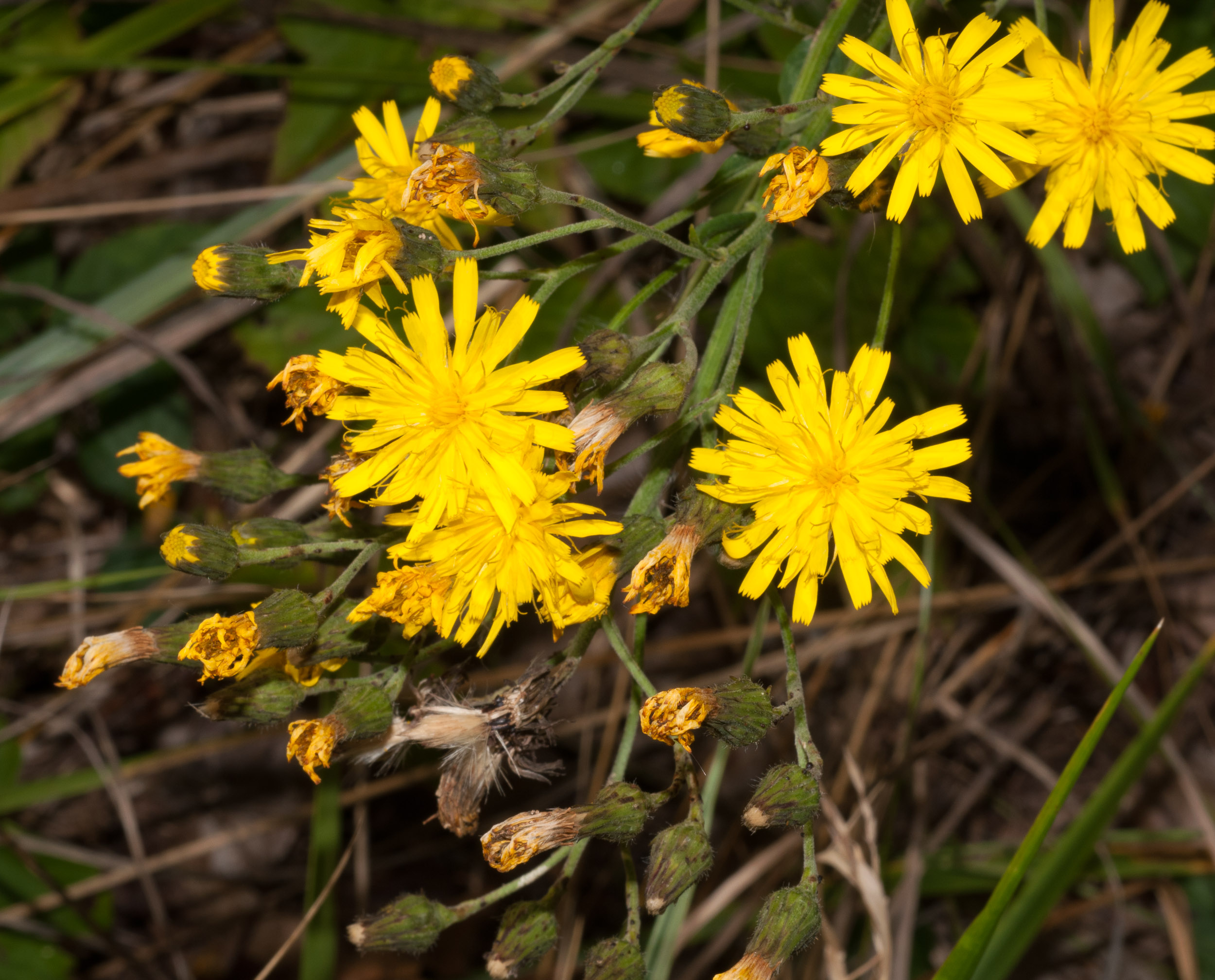
9/10/2010 · Nashua River Rail Trail, Groton Center, Groton, Massachusetts · ≈ 6 × 5″ (16 × 13 cm) 
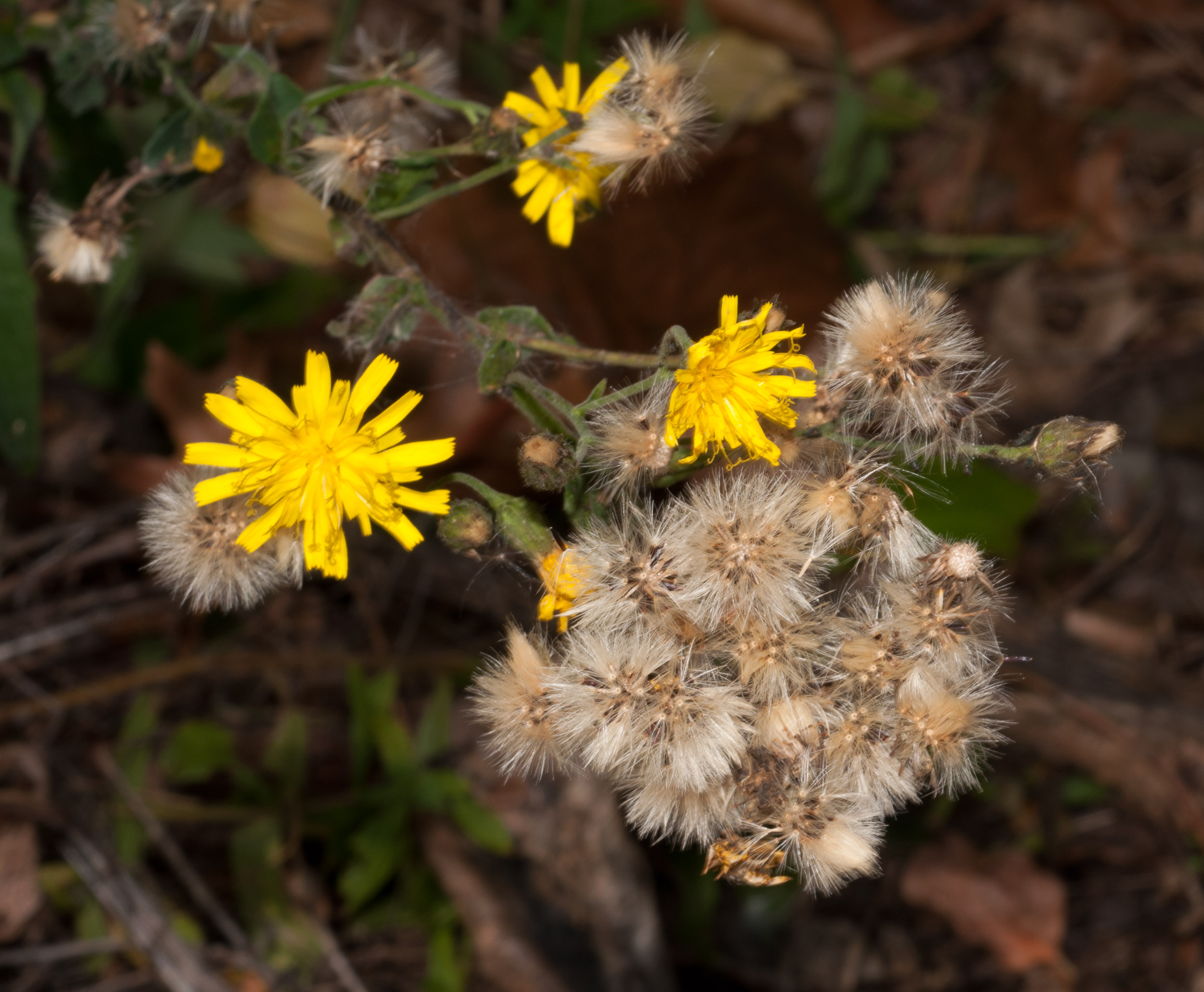
9/25/2010 · Nashua River Rail Trail, Groton Center, Groton, Massachusetts · ≈ 6 × 5″ (15 × 13 cm) ID is uncertain 

6/22/2018 · Tom and Susan’s, Pepperell, Massachusetts · ≈ 4 × 5″ (11 × 13 cm) 
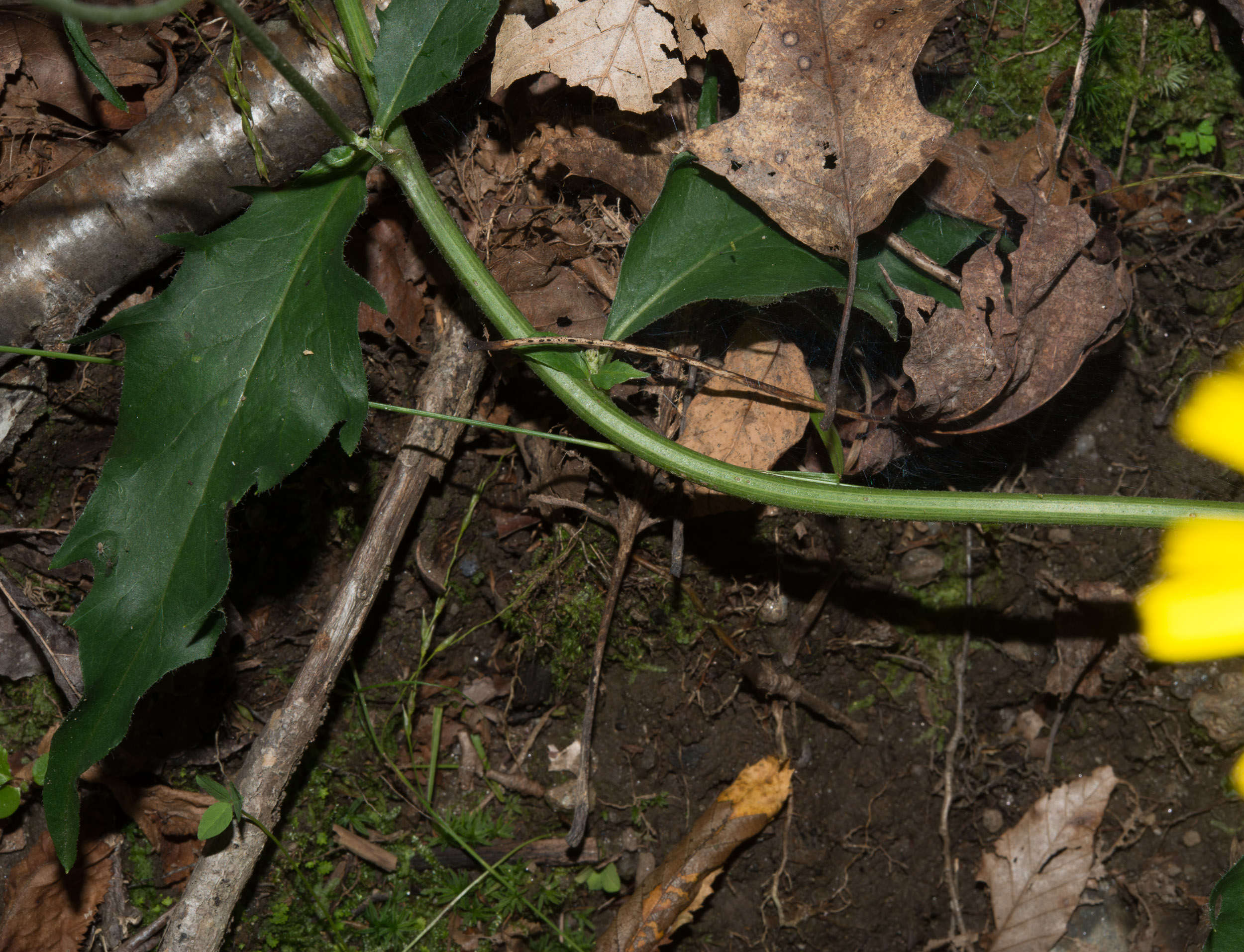
9/7/2013 · Beech Hill, Dublin, New Hampshire · ≈ 9 × 7″ (21 × 16 cm) 
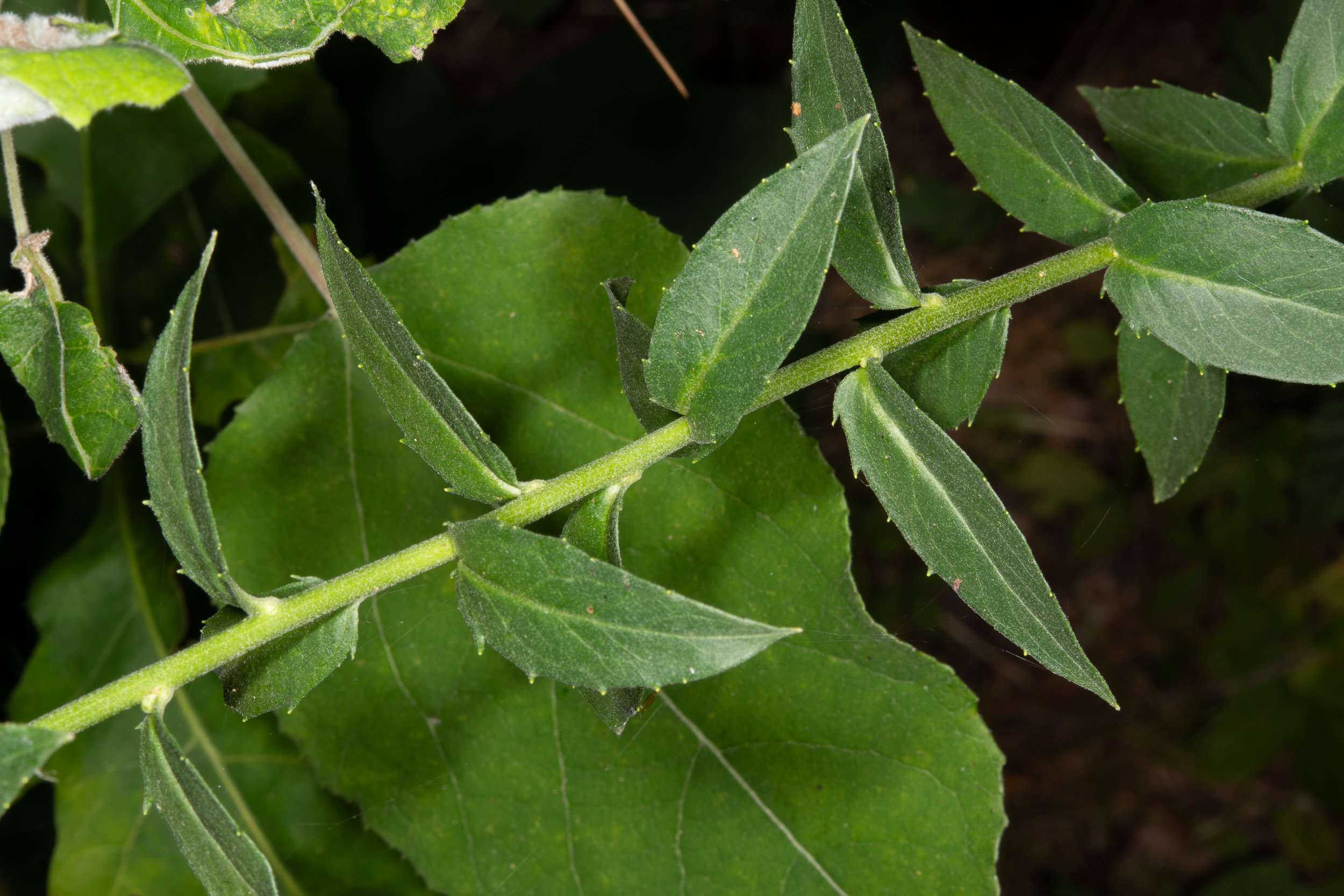
8/17/2020 · Otter Brrok Preserve, Harpswell Heritage Land Trust, Harpswell, Maine · ≈ 6 × 4″ (16 × 11 cm) 
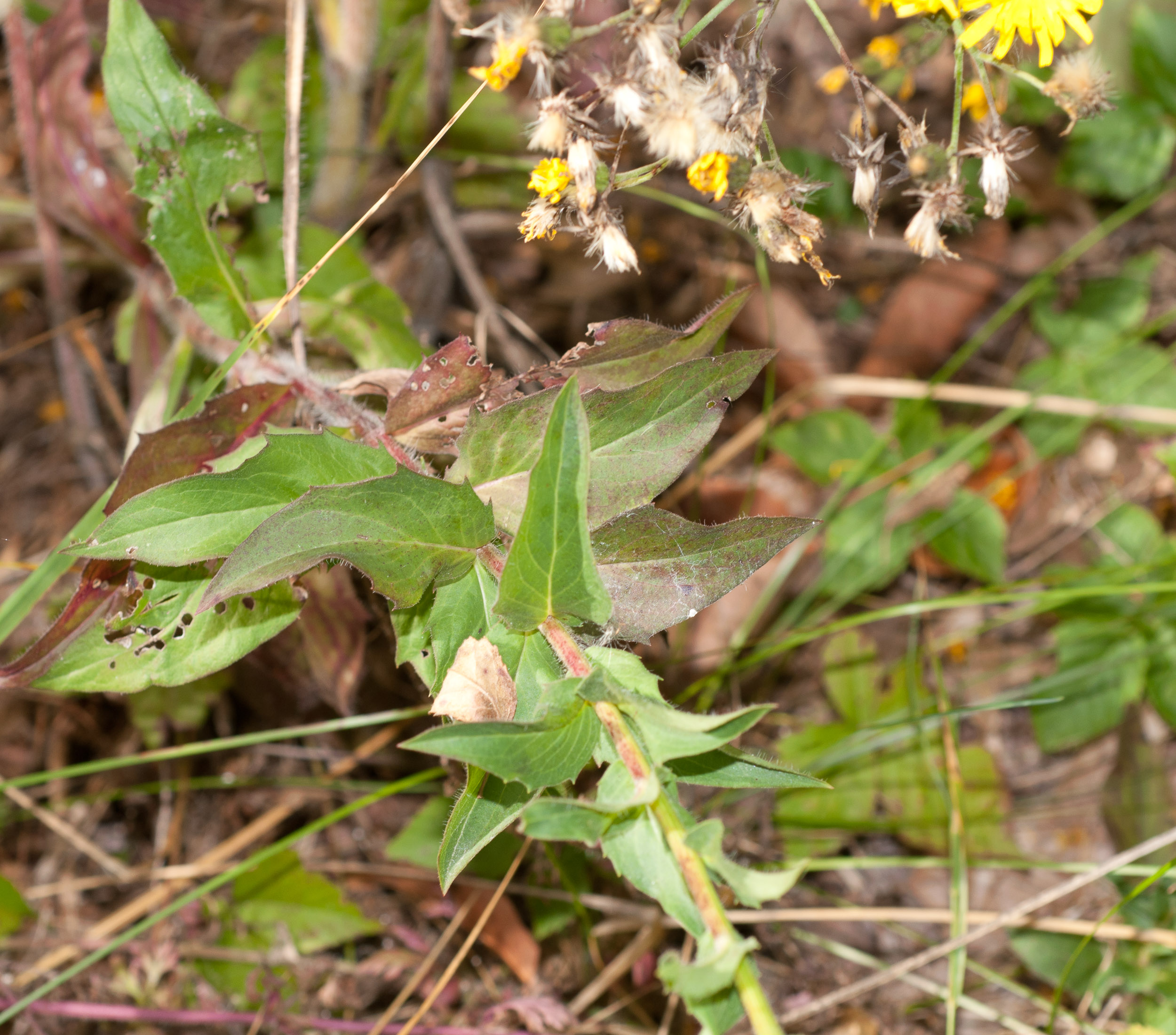
9/10/2010 · Nashua River Rail Trail, Groton Center, Groton, Massachusetts · ≈ 9 × 8″ (23 × 20 cm) 
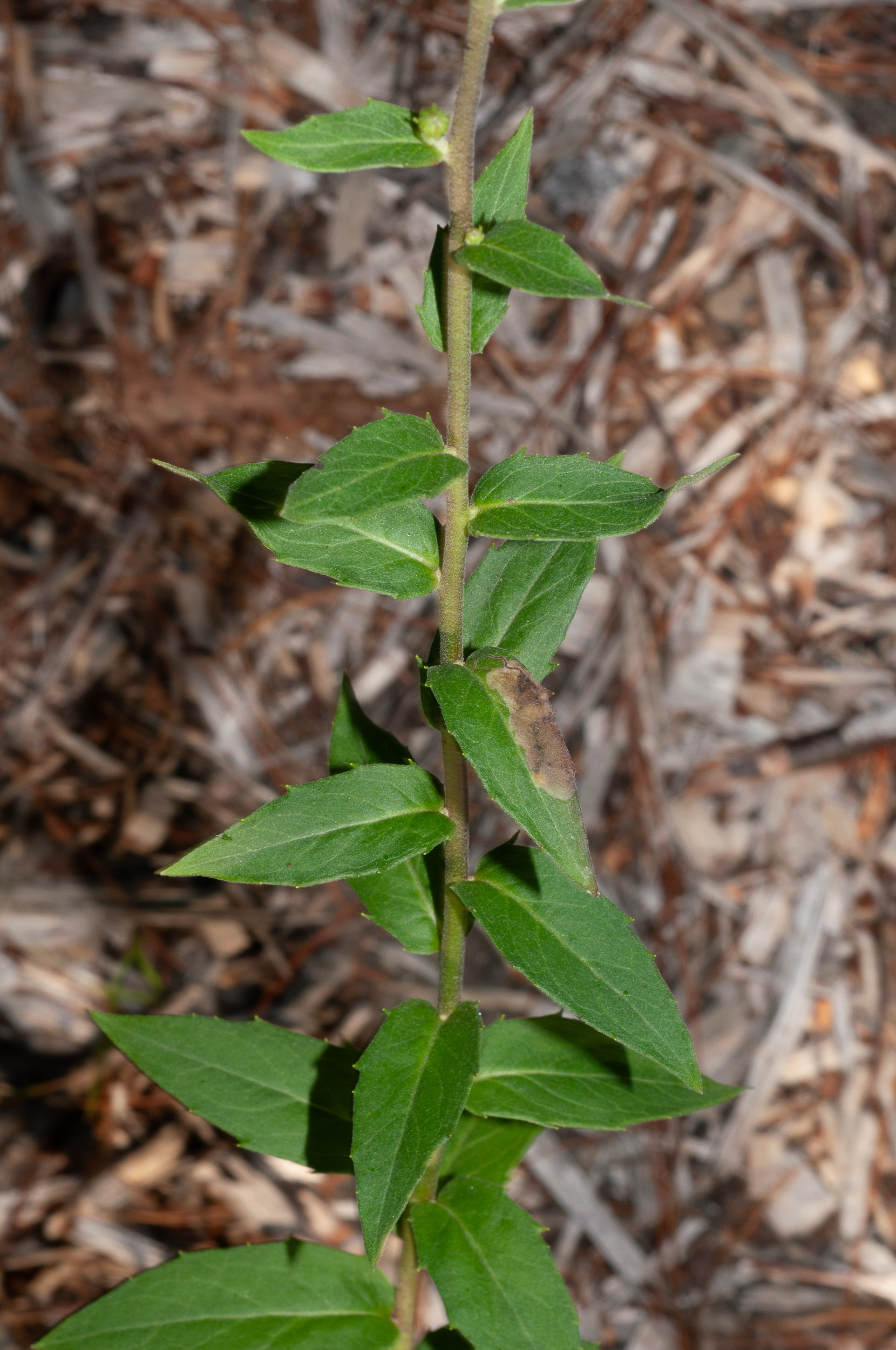
8/2/2012 · Nashua River Rail Trail, near Nashoba Hospital, Ayer, Massachusetts · ≈ 8 × 5″ (19 × 13 cm) ID is uncertain 
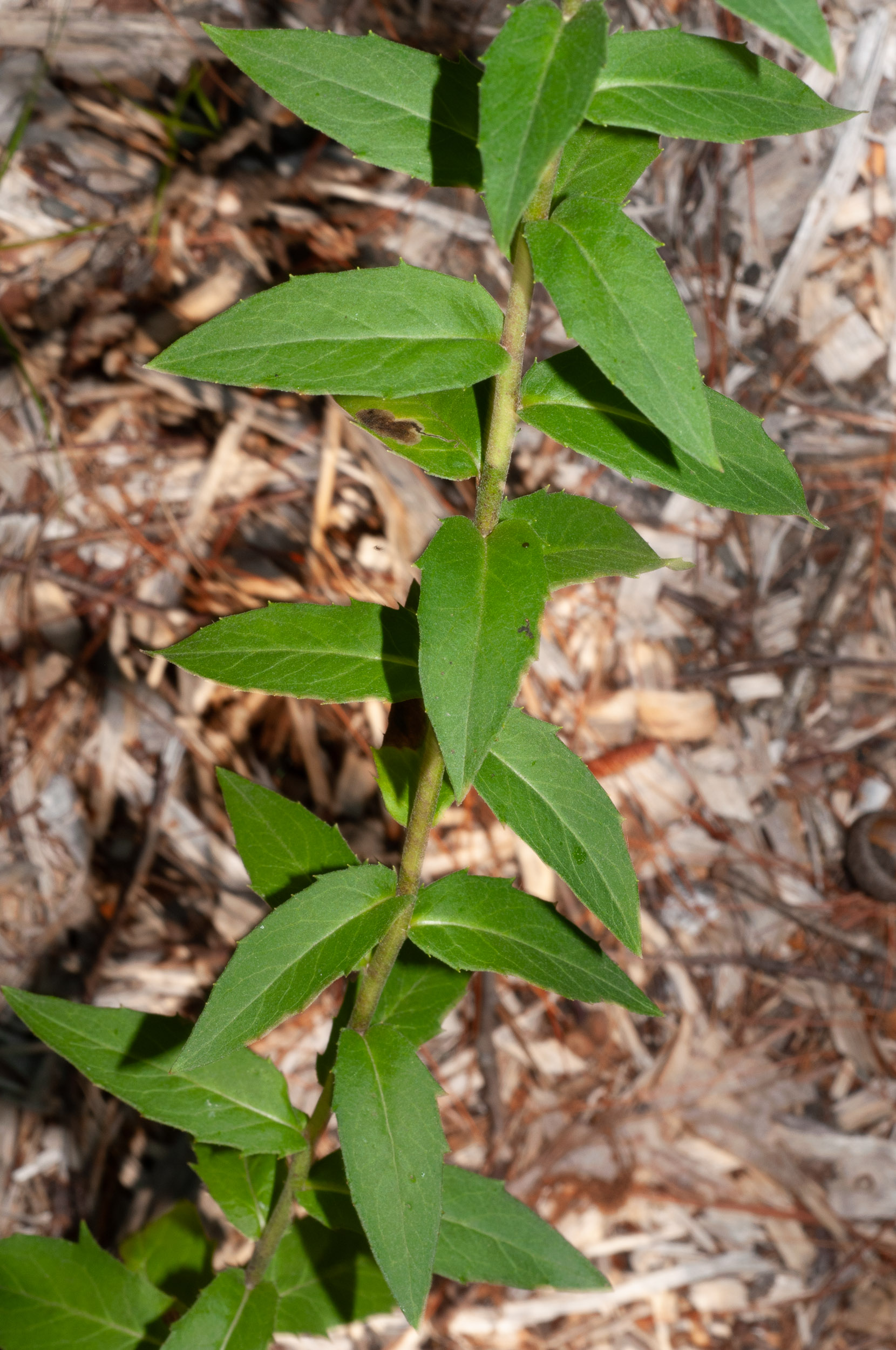
8/2/2012 · Nashua River Rail Trail, near Nashoba Hospital, Ayer, Massachusetts · ≈ 9 × 6″ (23 × 15 cm) ID is uncertain 
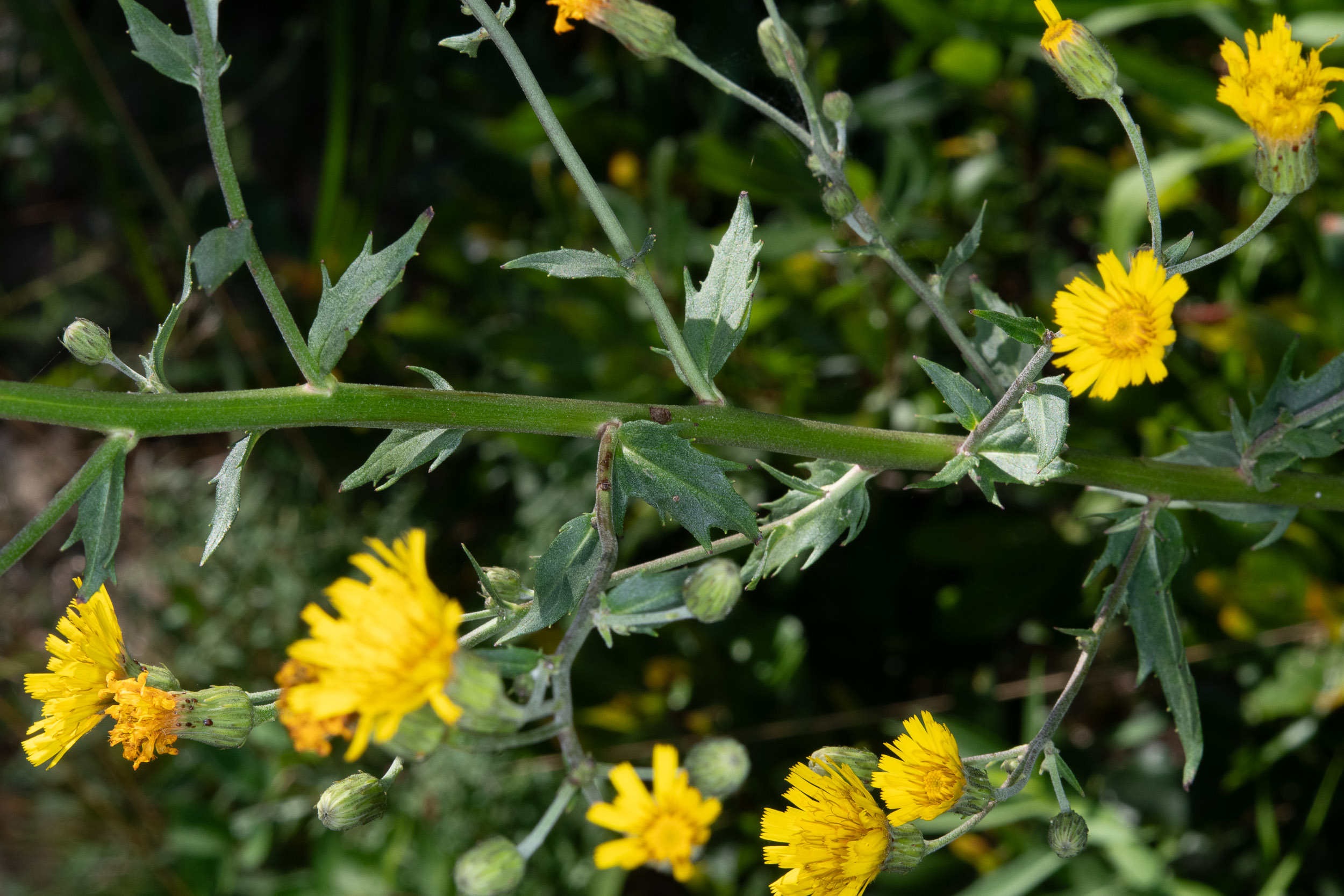
8/24/2023 · Morse Mountain, Phippsburg, Maine · ≈ 8 × 5″ (20 × 13 cm) 
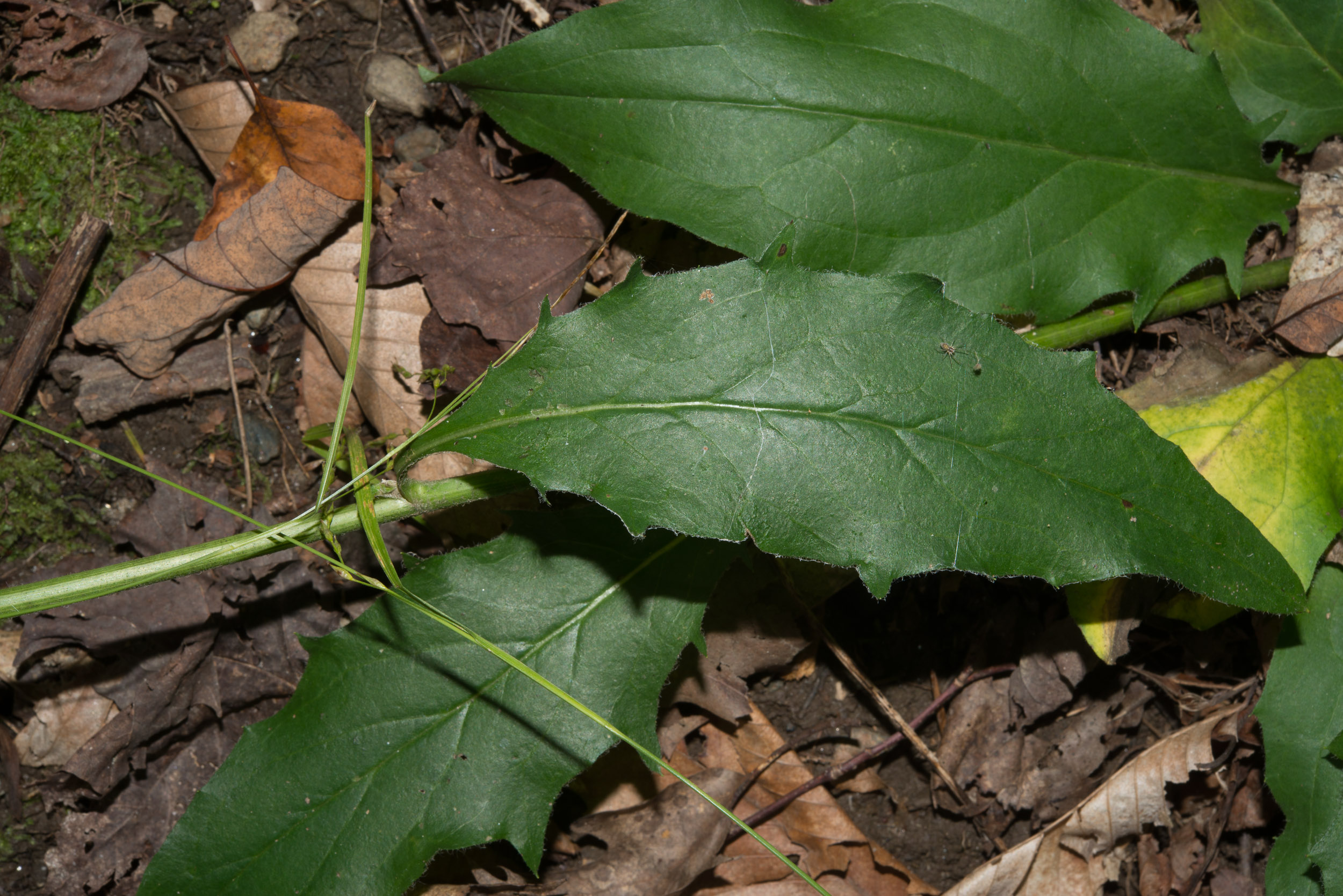
9/7/2013 · Beech Hill, Dublin, New Hampshire · ≈ 10 × 7″ (25 × 16 cm) 
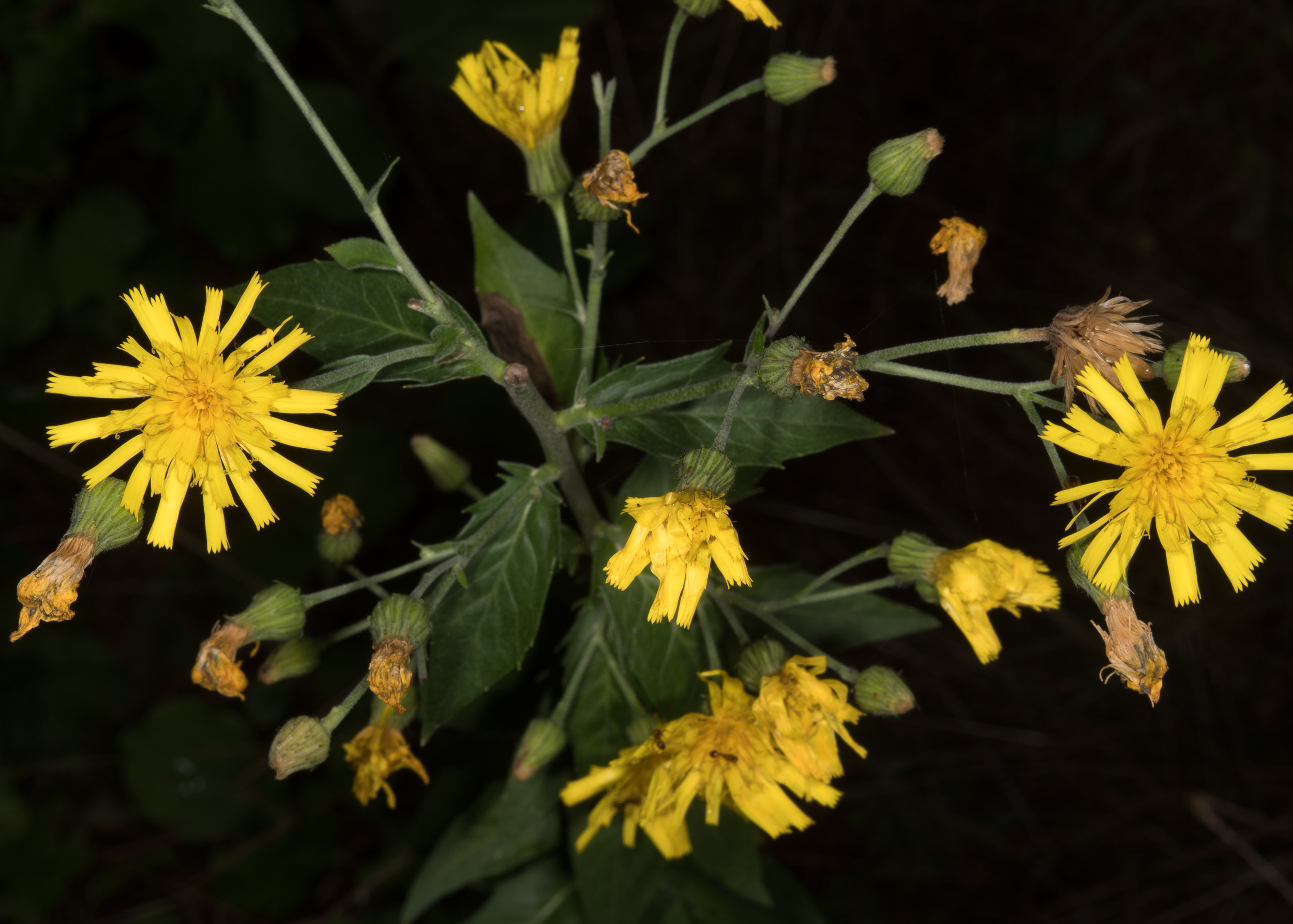
9/3/2020 · Mitchell Field, Harpswell, Maine · ≈ 7 × 4½″ (17 × 12 cm) 
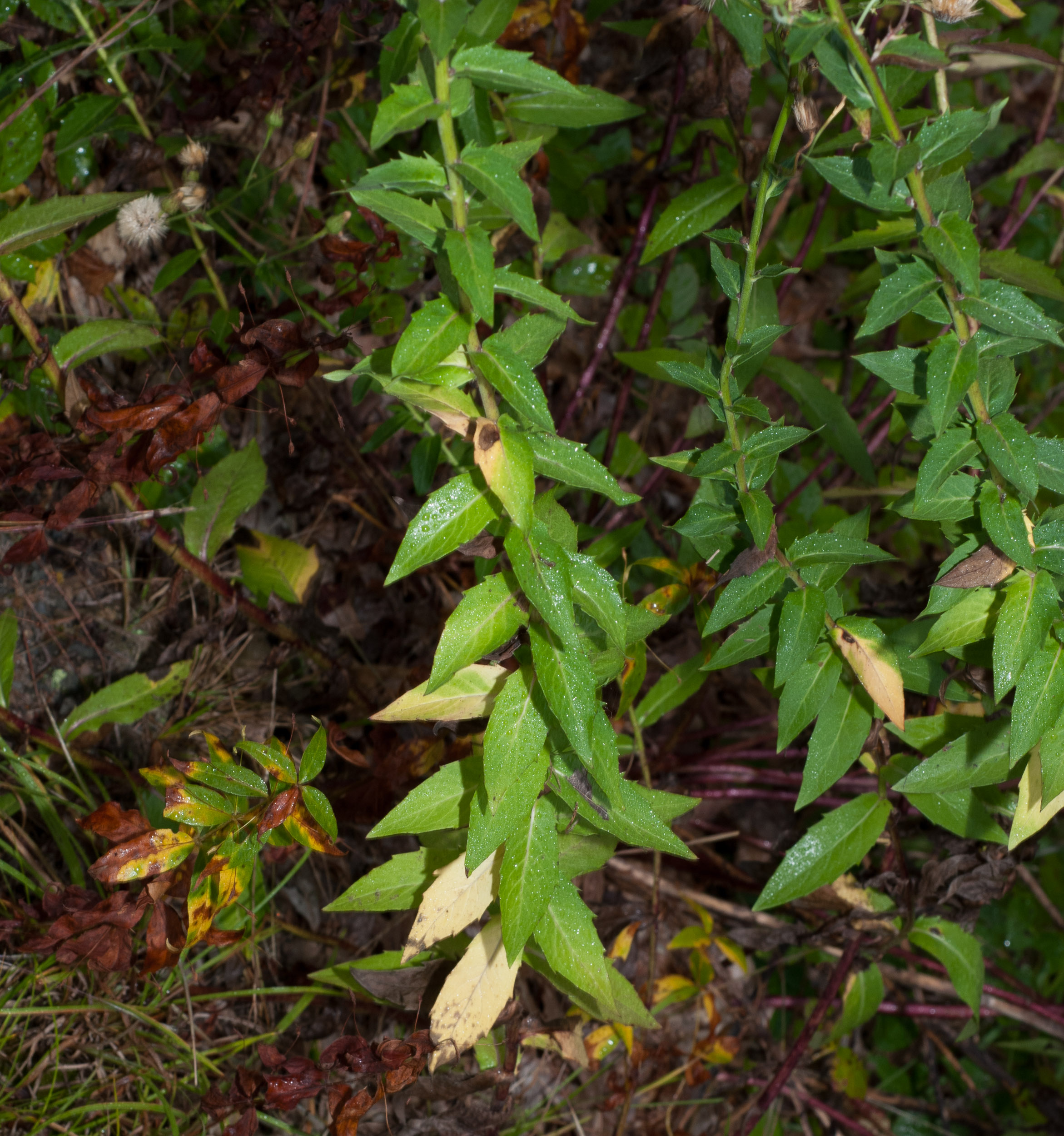
9/14/2009 · Near Nashoba Hospital, Ayer, Massachusetts · ≈ 1 × 1′ (37 × 34 cm) ID is uncertain 
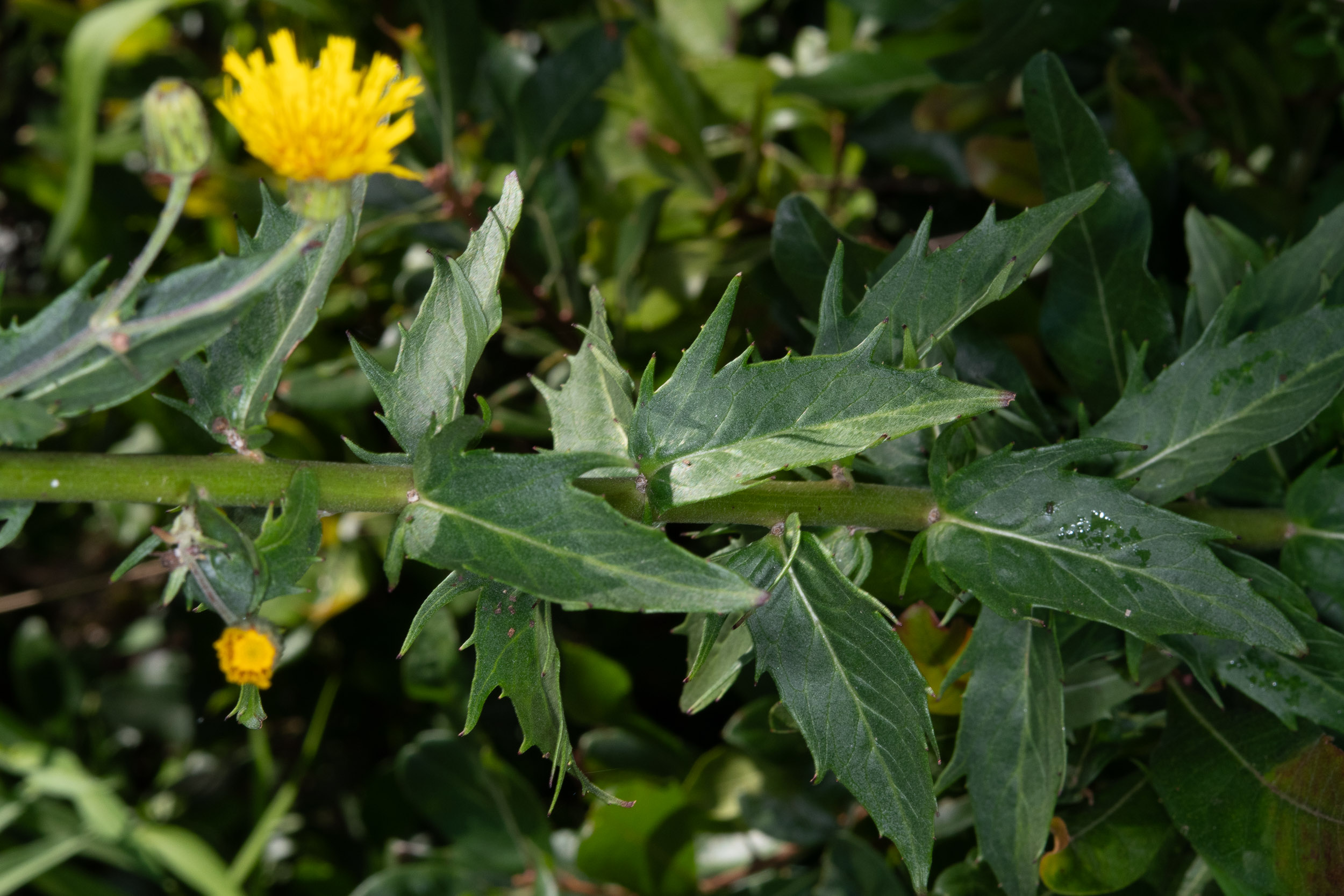
8/24/2023 · Morse Mountain, Phippsburg, Maine · ≈ 8 × 5″ (20 × 13 cm) 
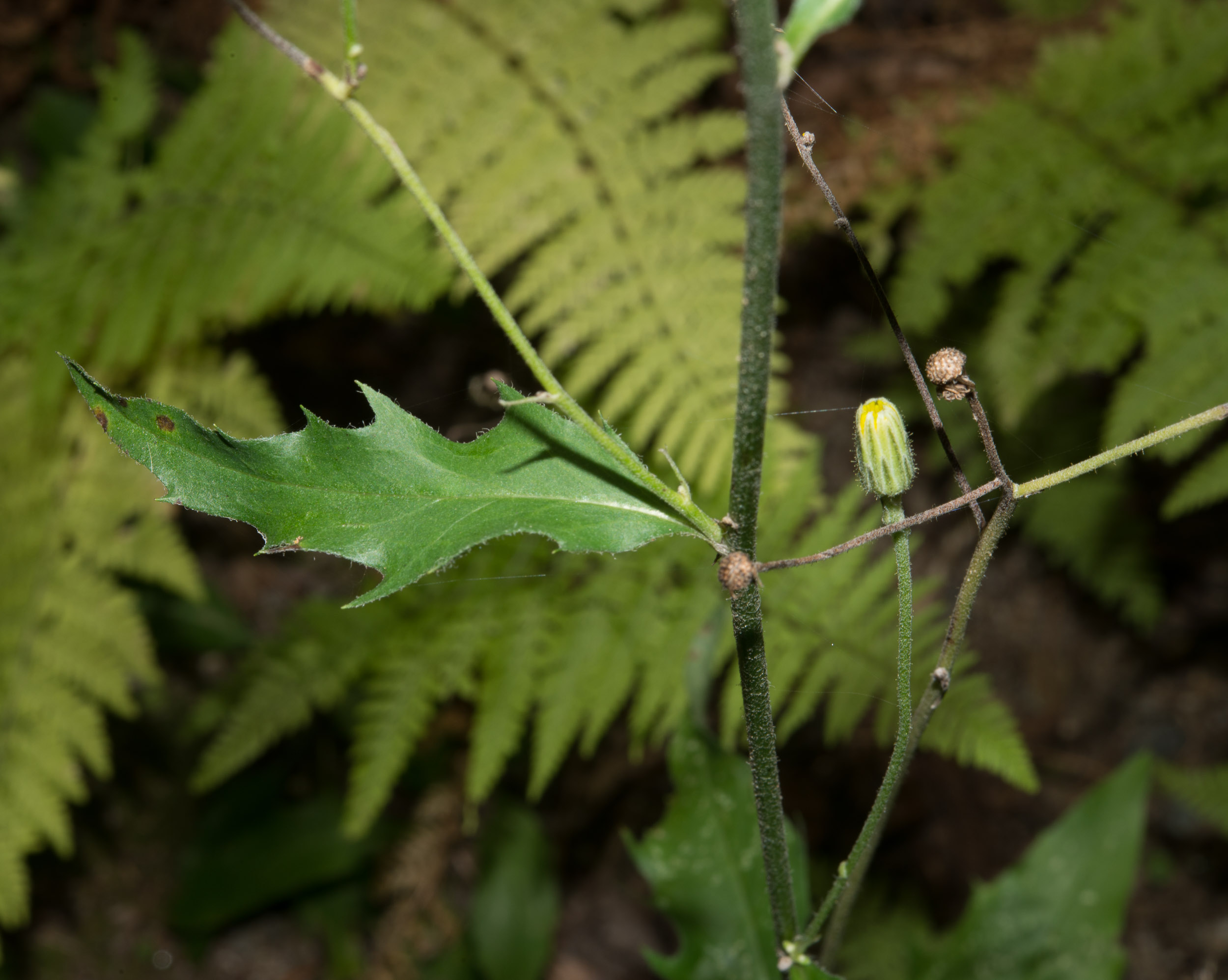
9/7/2013 · Beech Hill, Dublin, New Hampshire · ≈ 6 × 5″ (16 × 12 cm) 
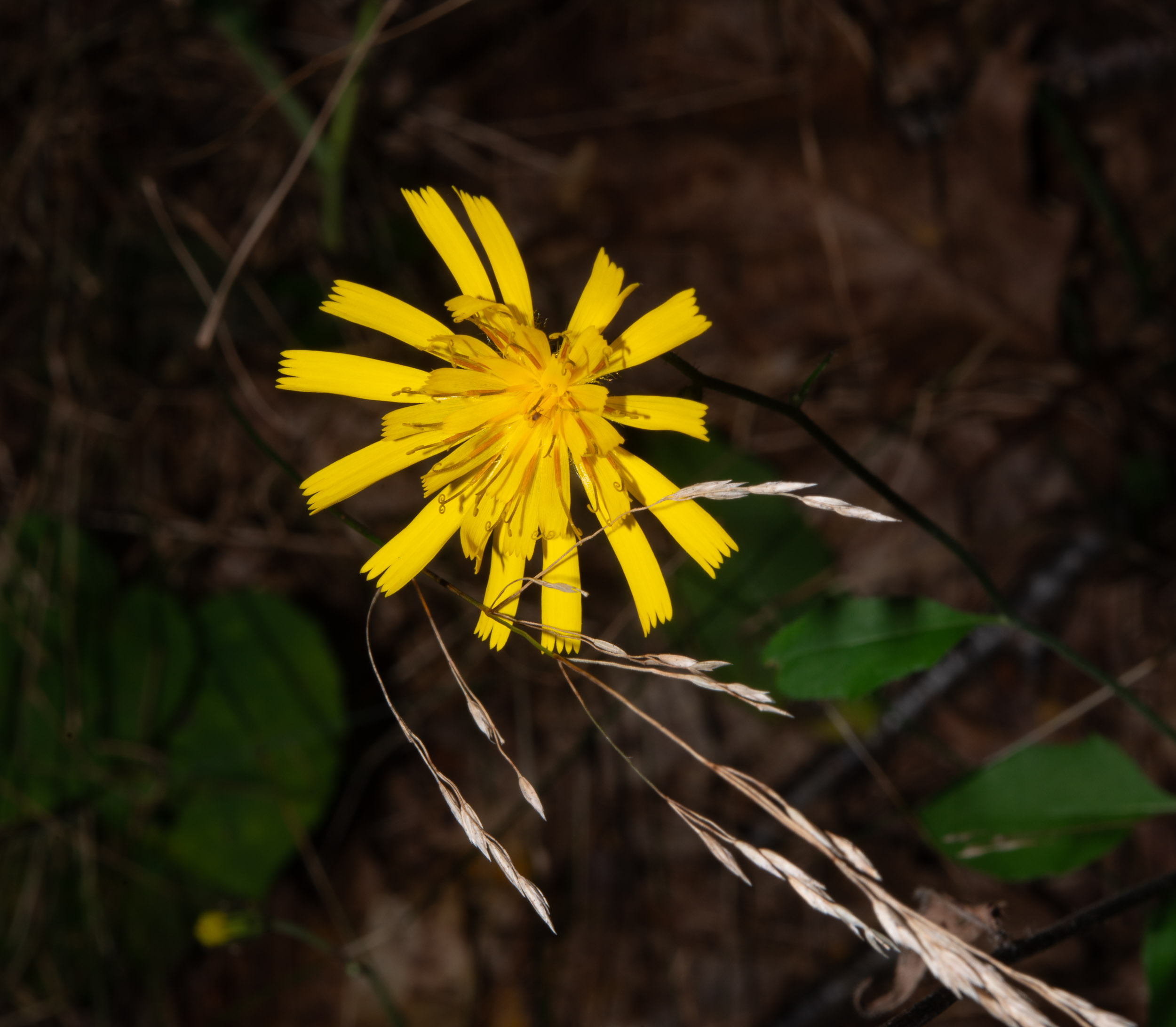
9/29/2013 · Compass Harbor, Acadia National Park, Bar Harbor, Maine · ≈ 4½ × 4″ (12 × 10 cm) 
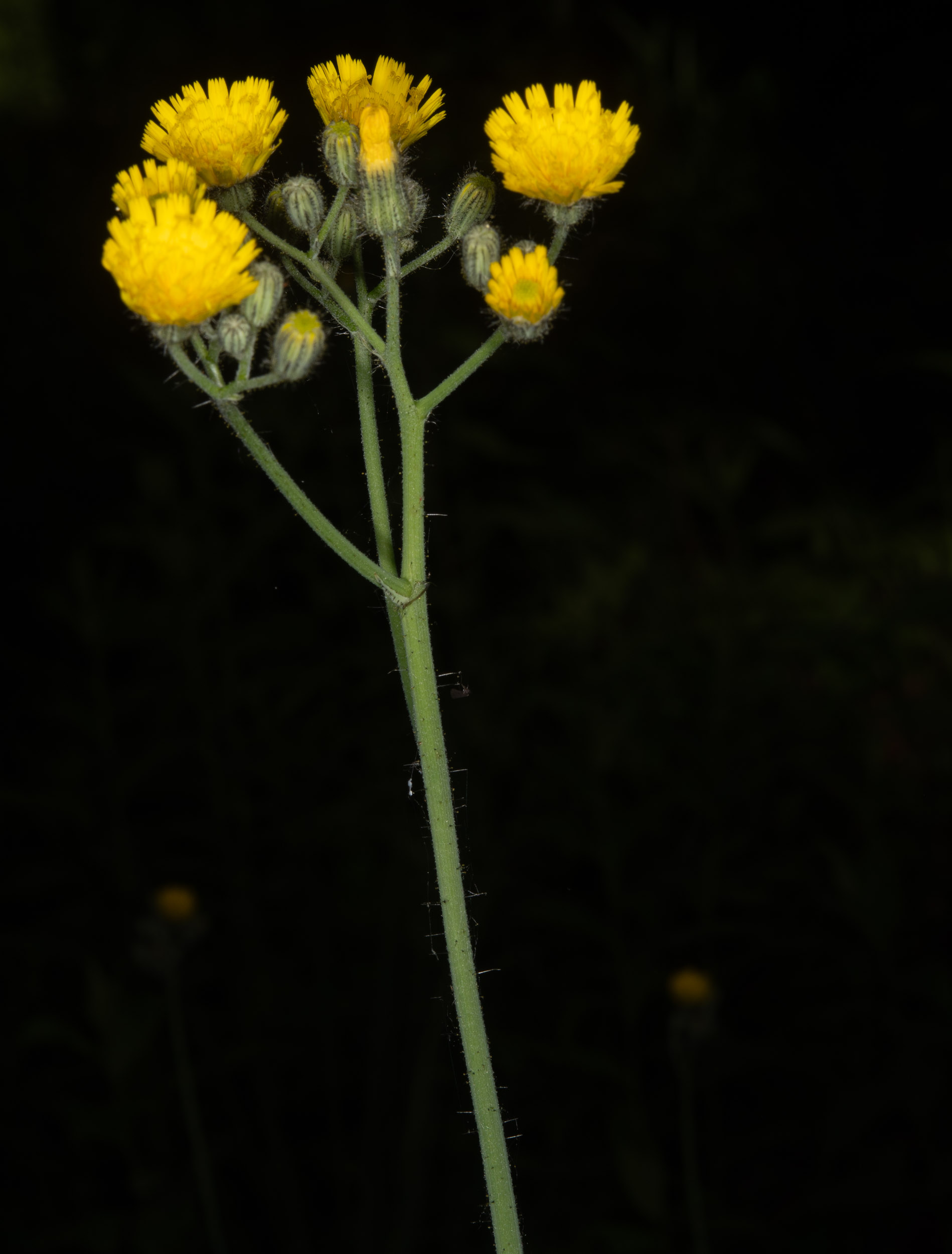
6/14/2017 · J. Harry Rich State Forest, Groton, Massachusetts · ≈ 5 × 7″ (13 × 18 cm) 
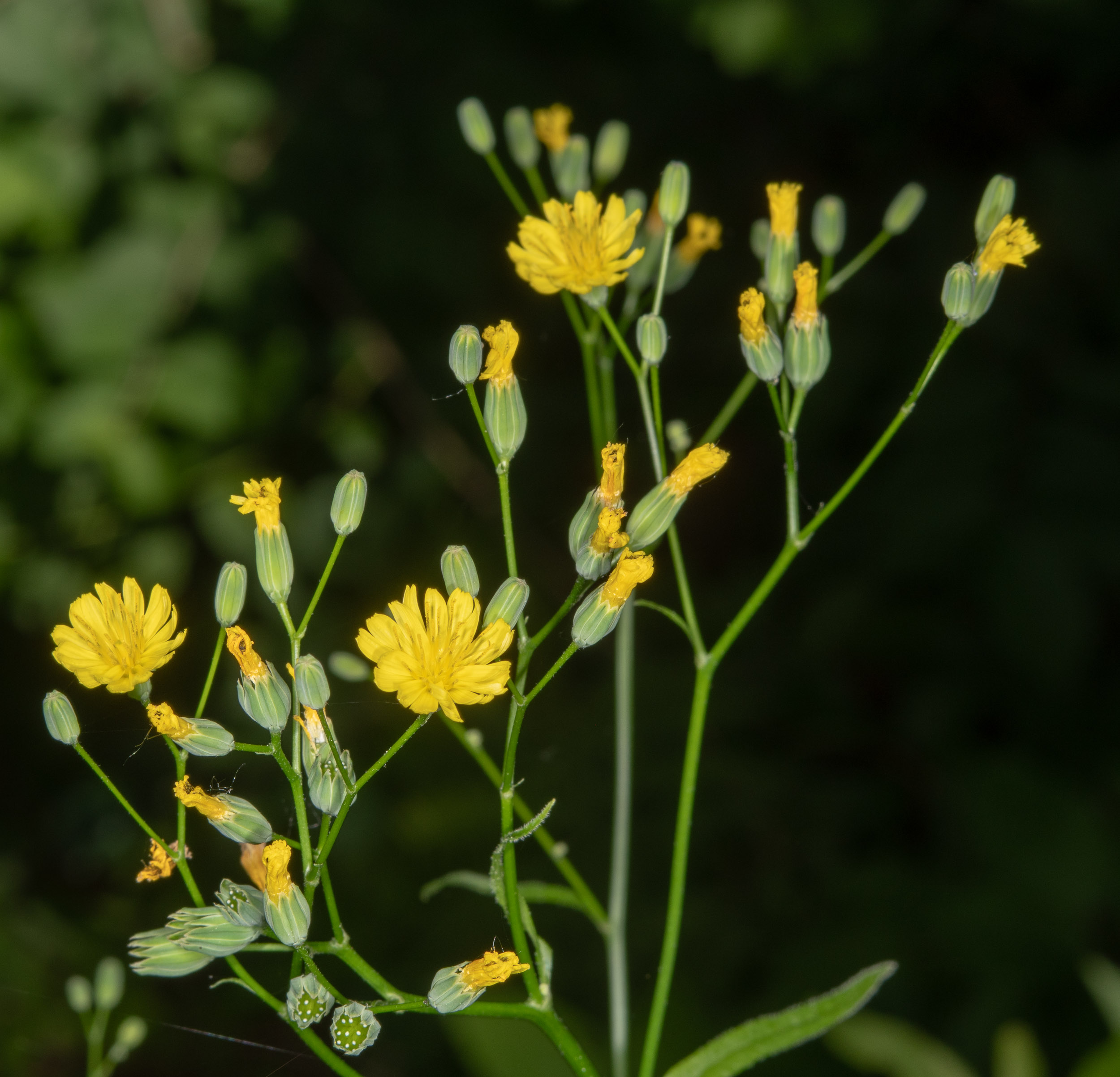
6/22/2018 · Tom and Susan’s, Pepperell, Massachusetts · ≈ 4½ × 4″ (11 × 11 cm) 
| Kingdom | Plantae | Plants, but not fungi, lichens, or algae (from Stearn's Botanical Latin) |
| Subkingdom | Tracheobionta | Vascular plants—plants with a “circulatory system” for delivering water and nutrients |
| Division | Magnoliophyta | Flowering plants, also known as angiosperms |
| Class | Magnoliopsida | Dicotyledons—plants with two initial seed leaves |
| Subclass | Asteridae | A large class that encompasses asters |
| Order | Asterales | Flowering plants with a central disk flower and surrounding petals, like daisies |
| Family | Asteraceae | The aster family, which also includes daisies and sunflowers; from the Greek ἀστήρ, “star,” for the star-shaped flowers |
| Genus | Hieracium | From Greek hierakion, “a hawk,” from Pliny’s belief that hawks strengthened their eyesight by eating these plants |
| Species | canadense | “From Canada” (and the rest of the temperate northern hemisphere) |
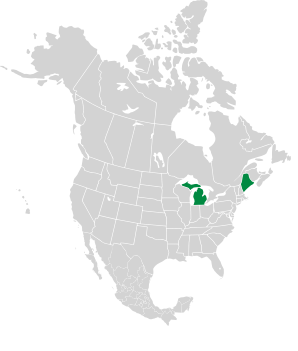
Hieracium canadense description by Thomas H. Kent, not updated.

© FloraFinder.org. All rights reserved.