Hieracium pilosella L.
Mouse ear, mouse ear hawkweed
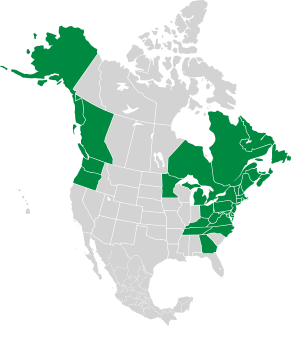
Mouse ear hawkweed is a European native, introduced to North America, where it has escaped. In some regions of the Pacific northwest it is considered an invasive species.
Plants: Mouse ear hawkweeds are exceptionally hairy, even for hawkweeds—especially the leaves. Common catsear, Hypochaeris radicata, looks similar, but its leaves are slightly lobed and less hairy.
Leaves: Plants have a basal rosette of leaves which are unlobed, elliptic, pointed to blunt, and ⅜–4 ⨉ ⅛–¾″ (1–10 cm ⨉ 5–20 mm). Leaves have a prominent white midvein. Leaf undersides are soft enough to have earned the name “mouse ears.” Upper leaf surfaces are also covered with coarser long white hairs.
Flowers: Solitary yellow flowers appear 1¾–20″ (5–50 cm) above the base of leaves, on stems with stiff dark hairs and no leaves, each flower up to 1″ (2.5 cm) across. They appear from June to September.
Fruits: Dry seeds with a tuft of light brown hairs for wind dispersion.
Habitats: Lawns, pastures, hayfields, roadsides.
This hawkweed comparison table is an aid to identifying hawkweeds and similar-appearing species.
Medical: In the Middle Ages, the milky sap secreted by this species, then called Auricula muris, was used as a cough remedy and for lung ailments. All hawkweeds secret this bitter sap, but this sap is somewhat less more palatable. This same astringency led to its use as a clotting agent for wounds.
Online References:
References:

6/2/2024 · Curtis Farm Preserve, Freeport, Maine 
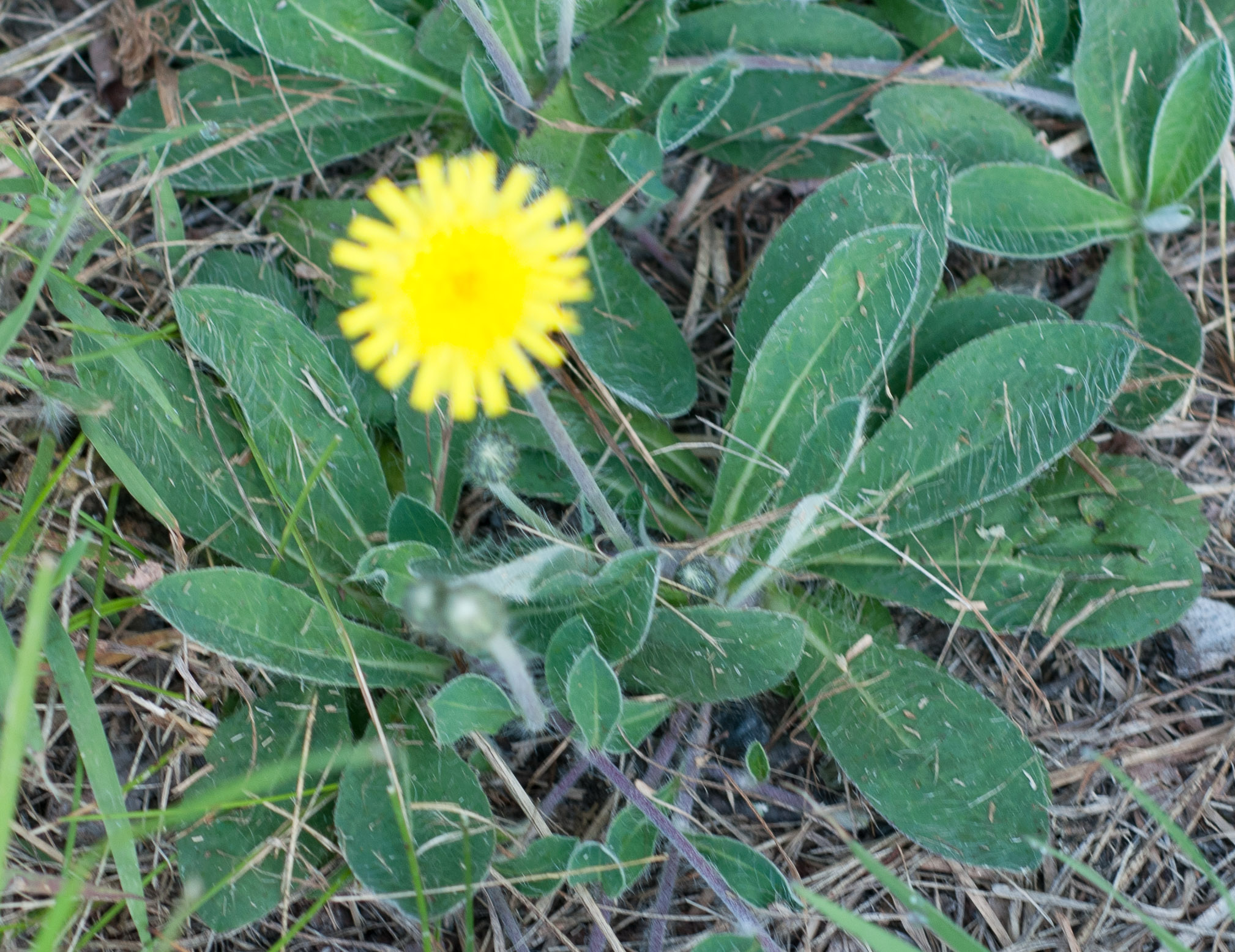
8/11/2009 · Townsend, Massachusetts · ≈ 6 × 5″ (16 × 12 cm)  ID is uncertain
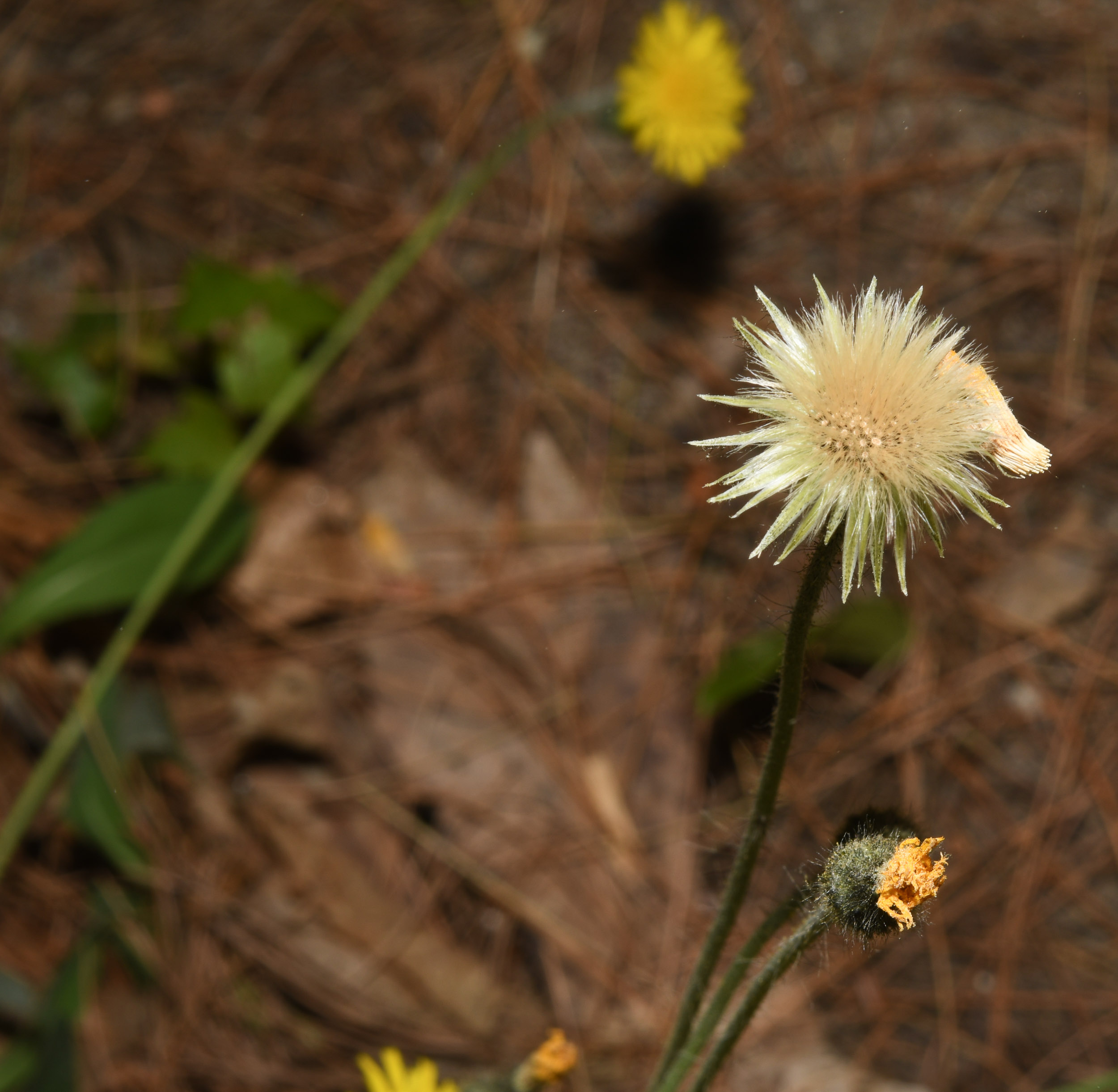
6/18/2016 · Pearl Hill State Park, Ashby, Massachusetts 
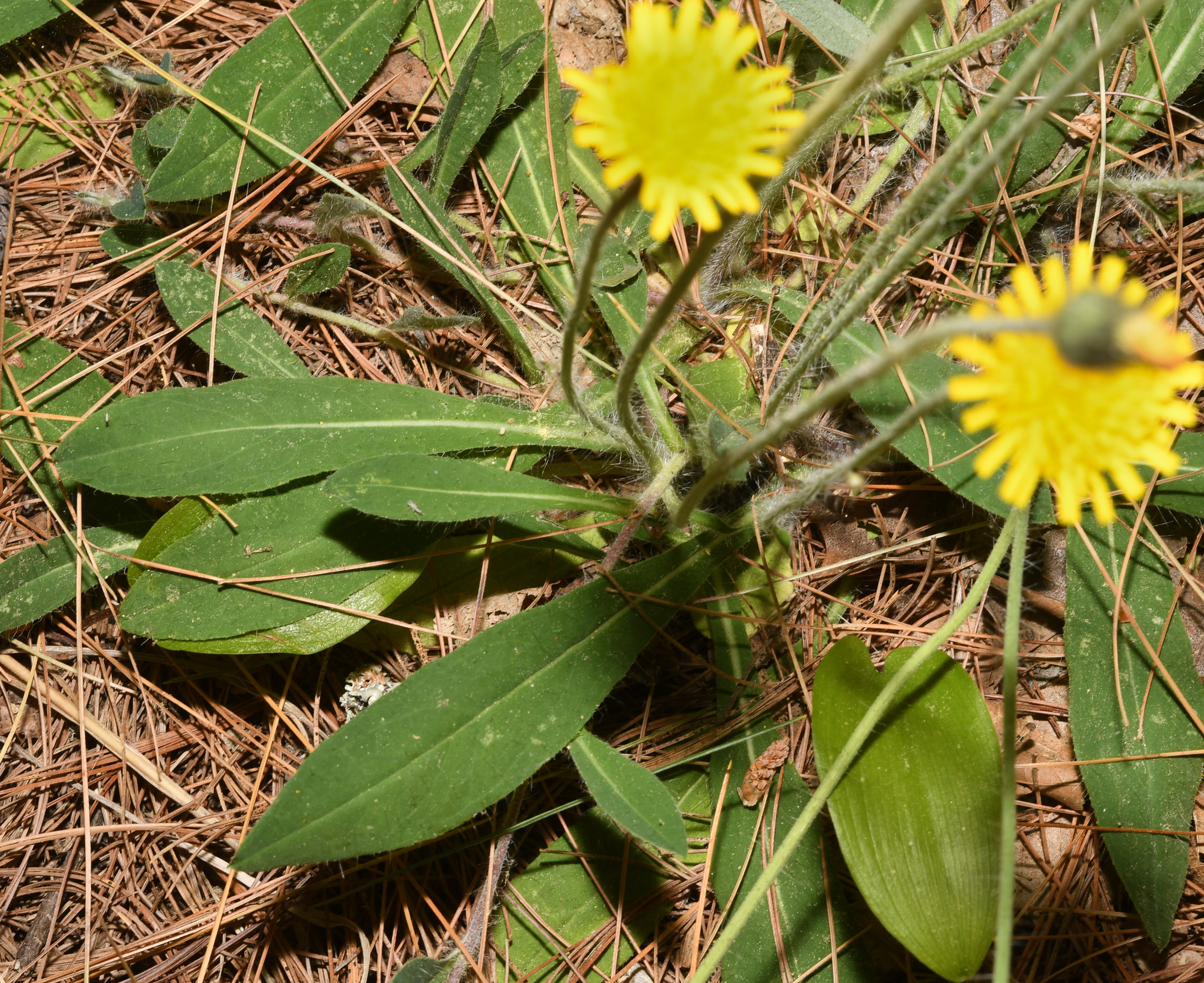
6/18/2016 · Pearl Hill State Park, Ashby, Massachusetts 
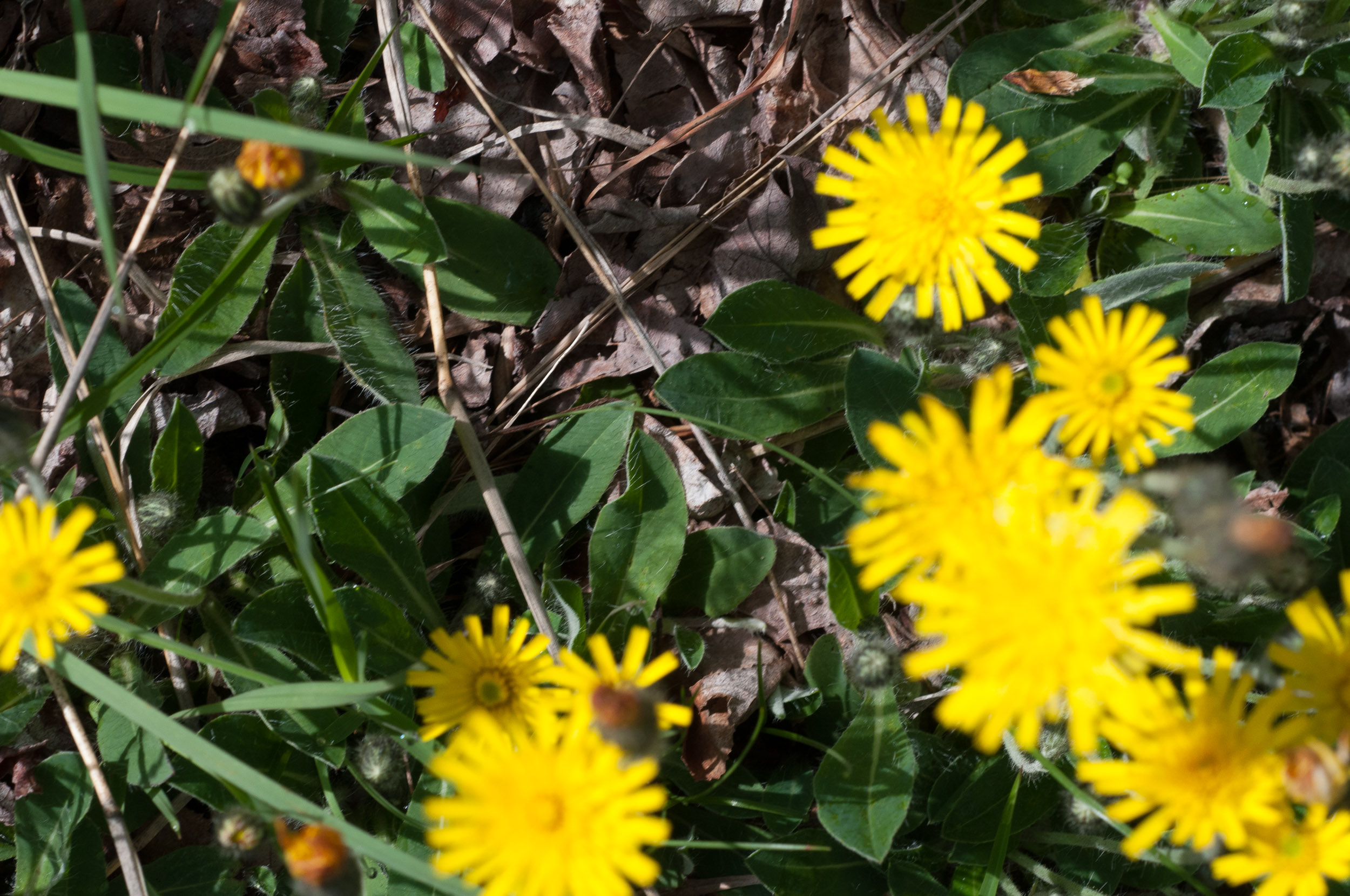
5/24/2012 · Nashua River Rail Trail, Groton Center, Groton, Massachusetts · ≈ 9 × 6″ (23 × 15 cm) 
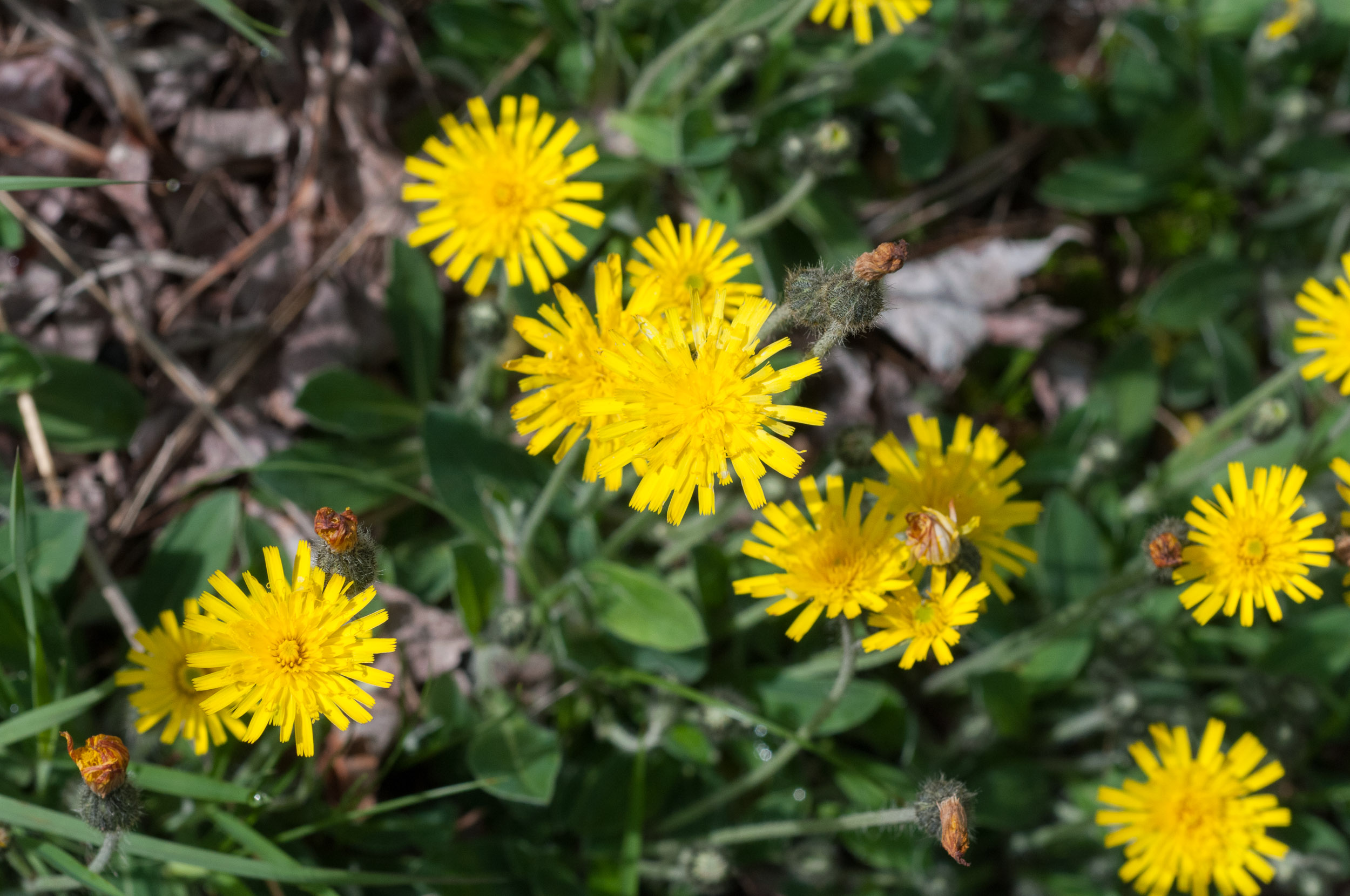
5/24/2012 · Nashua River Rail Trail, Groton Center, Groton, Massachusetts · ≈ 9 × 6″ (22 × 14 cm) 
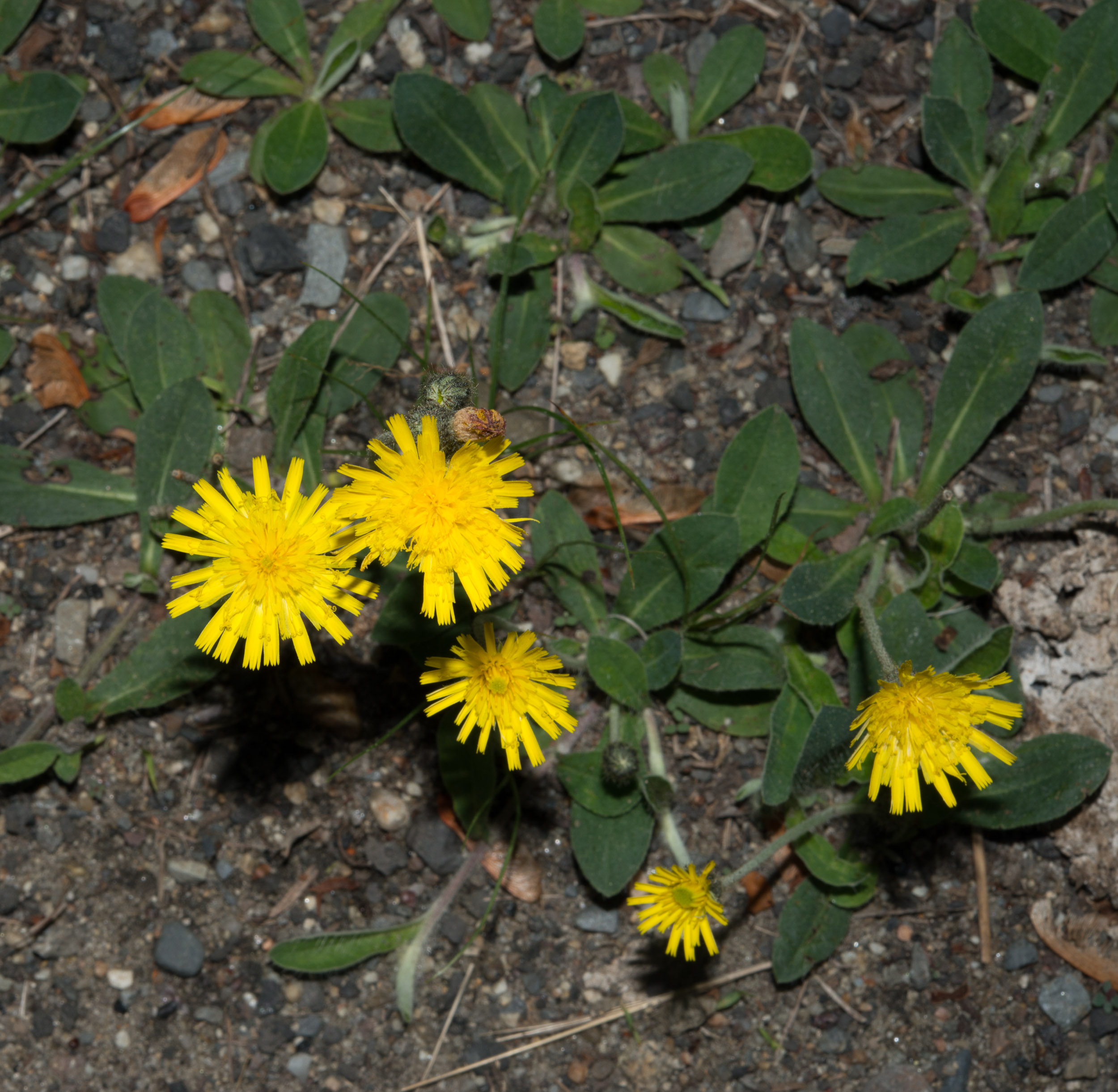
6/5/2013 · Nashua River Rail Trail, Groton Center, Groton, Massachusetts · ≈ 7 × 7″ (17 × 16 cm) 
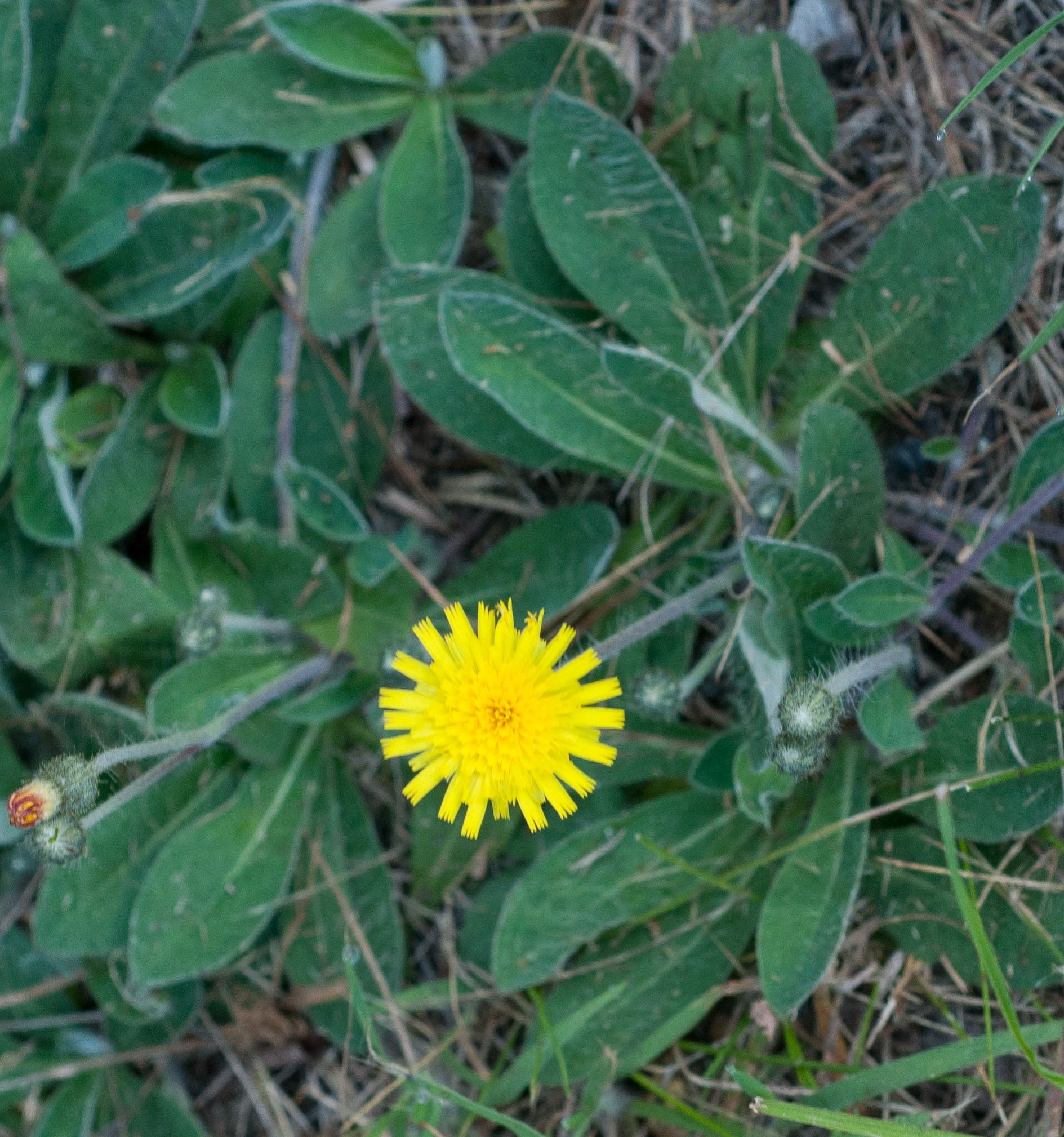
8/11/2009 · Townsend, Massachusetts · ≈ 6 × 6″ (15 × 16 cm) ID is uncertain 
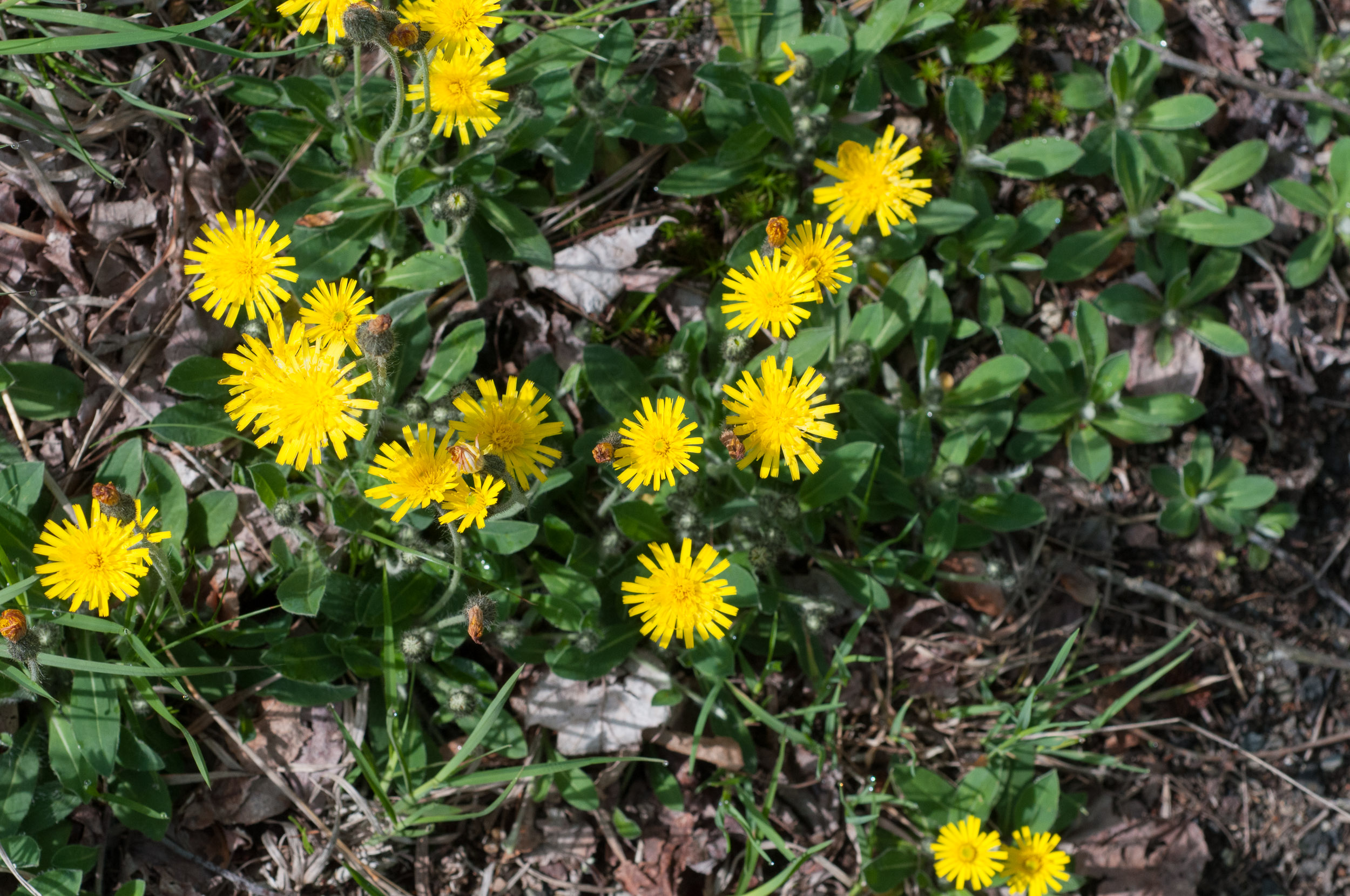
5/24/2012 · Nashua River Rail Trail, Groton Center, Groton, Massachusetts · ≈ 15 × 10″ (39 × 26 cm) 

6/9/2025 · Curtis Farm Preserve, Harpswell, Maine · ≈ 6 × 4″ (16 × 11 cm) 
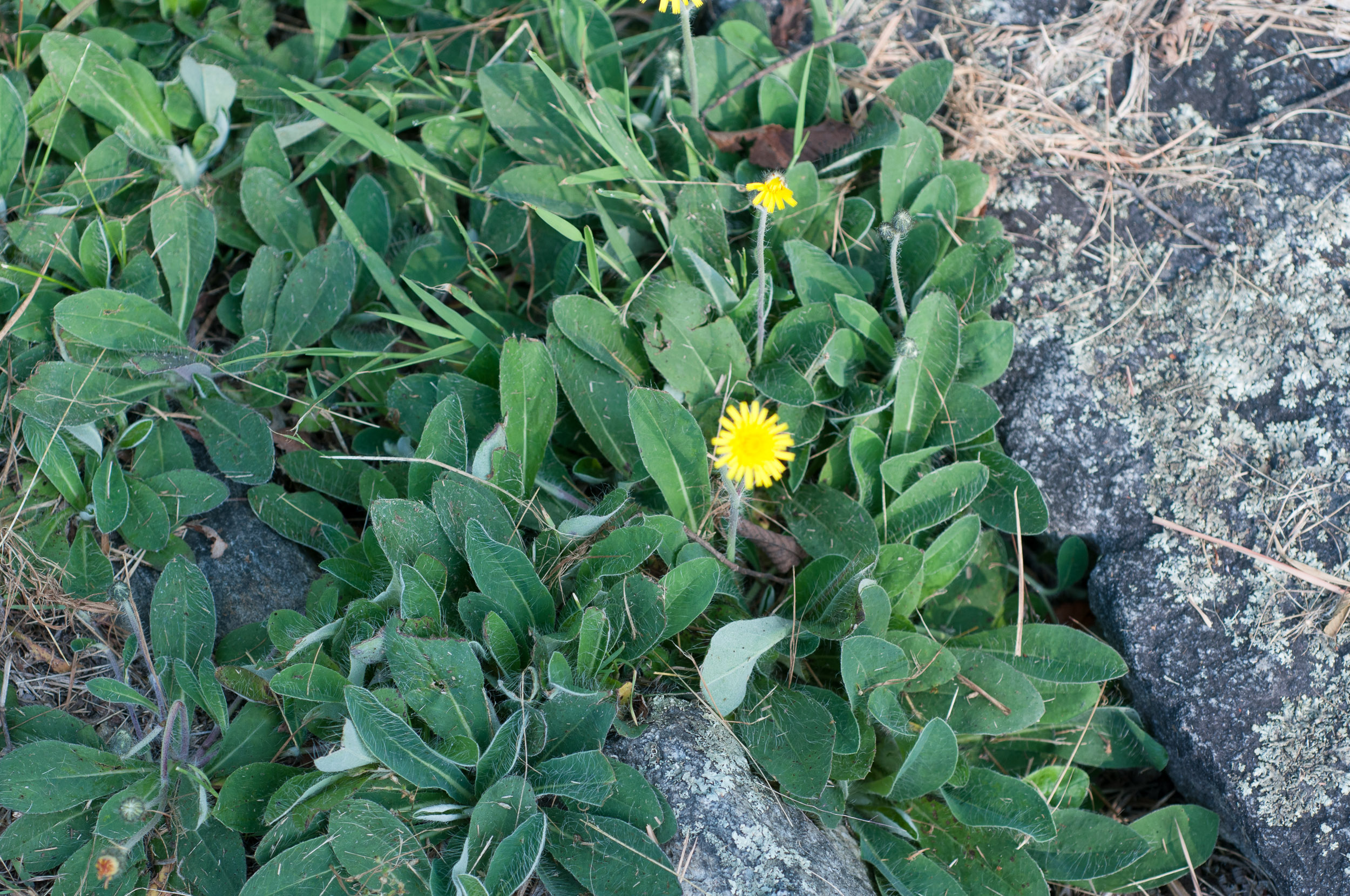
8/11/2009 · Townsend, Massachusetts · ≈ 15 × 10″ (39 × 26 cm) ID is uncertain 
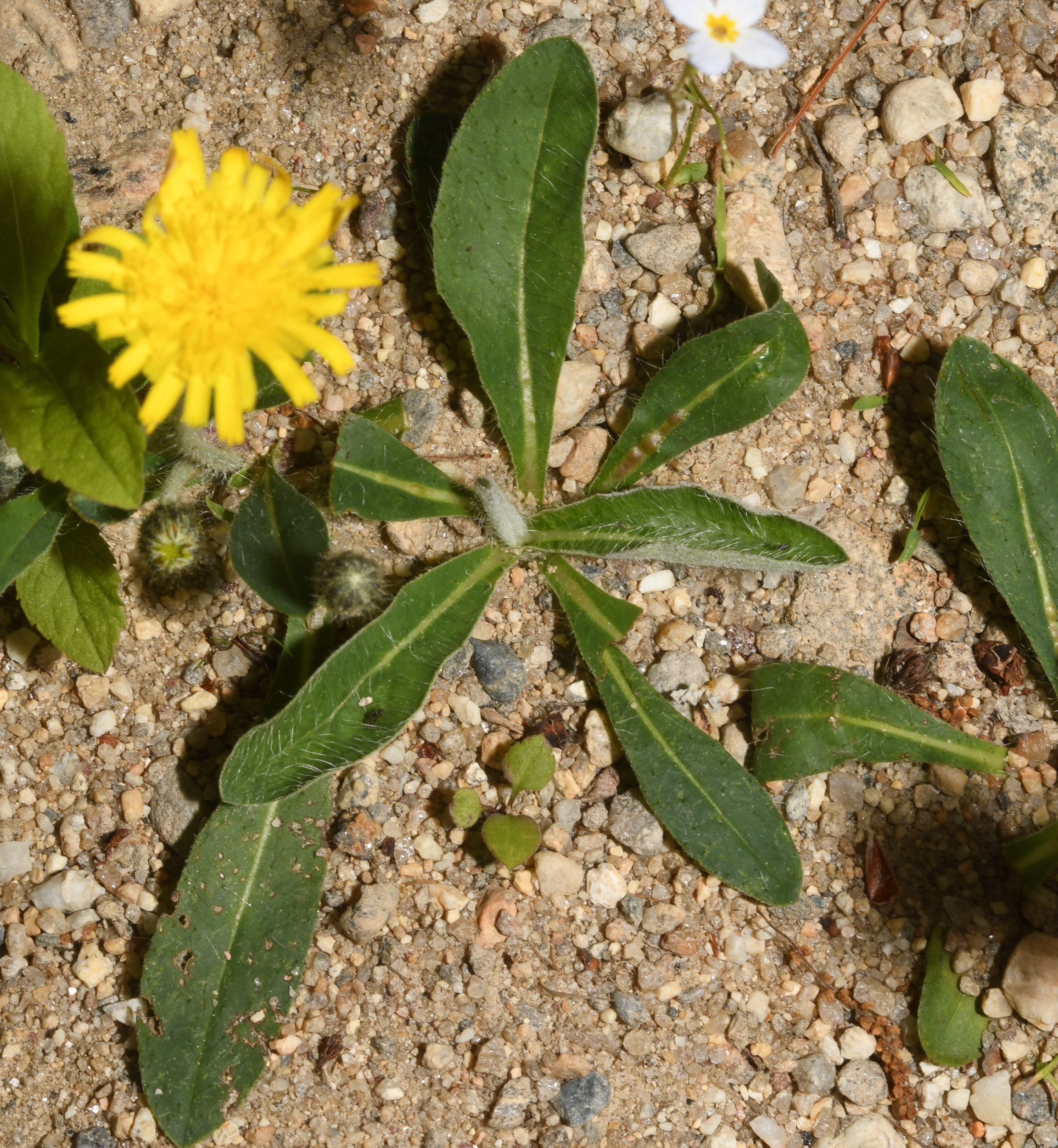
6/2/2016 · Townsend Wildlife Management Are, Townsend, Massachusetts 

6/2/2016 · Townsend Wildlife Management Are, Townsend, Massachusetts 
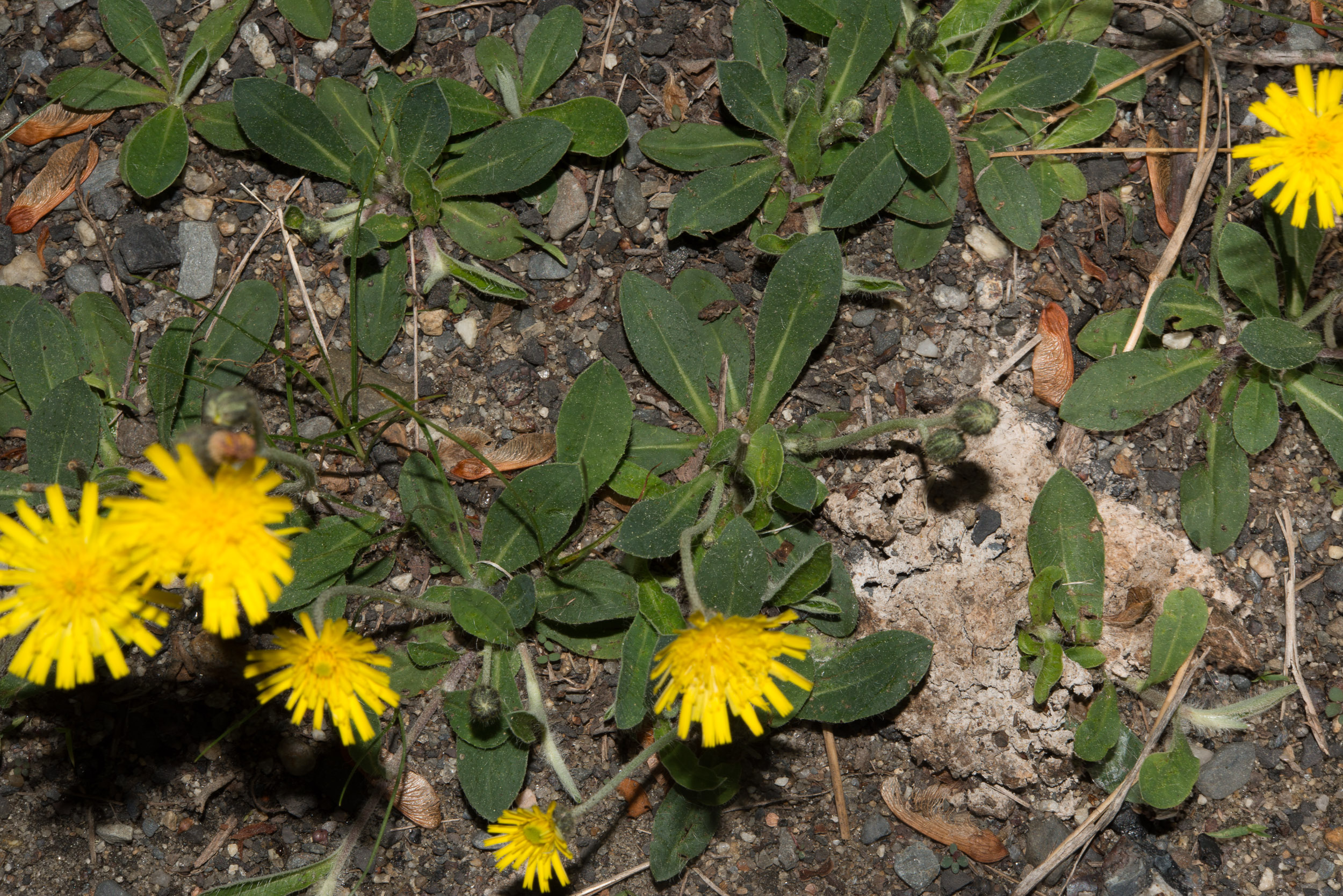
6/5/2013 · Nashua River Rail Trail, Groton Center, Groton, Massachusetts · ≈ 11 × 7″ (28 × 18 cm) 
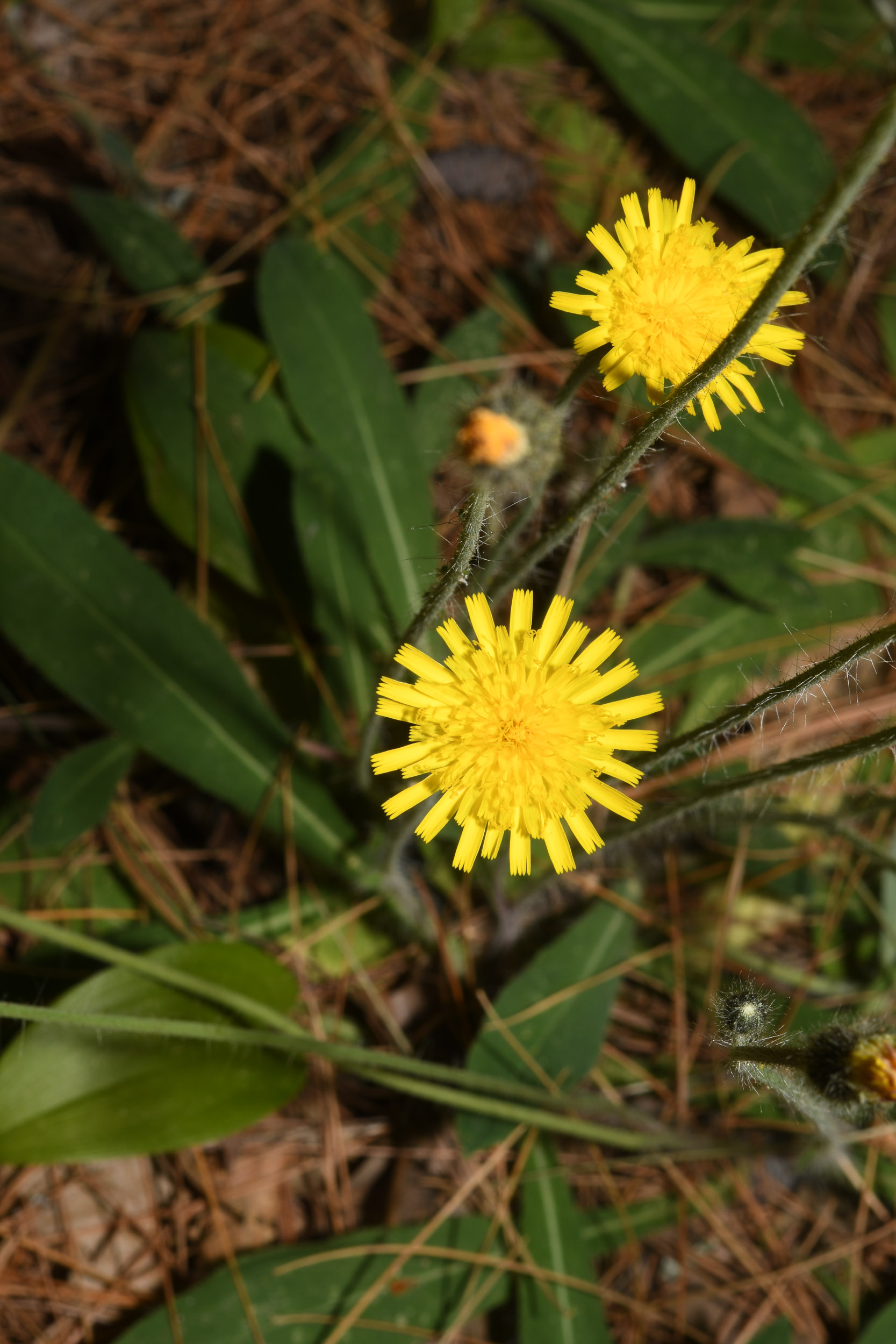
6/18/2016 · Pearl Hill State Park, Ashby, Massachusetts 
| Kingdom | Plantae | Plants, but not fungi, lichens, or algae (from Stearn's Botanical Latin) |
| Subkingdom | Tracheobionta | Vascular plants—plants with a “circulatory system” for delivering water and nutrients |
| Division | Magnoliophyta | Flowering plants, also known as angiosperms |
| Class | Magnoliopsida | Dicotyledons—plants with two initial seed leaves |
| Subclass | Asteridae | A large class that encompasses asters |
| Order | Asterales | Flowering plants with a central disk flower and surrounding petals, like daisies |
| Family | Asteraceae | The aster family, which also includes daisies and sunflowers; from the Greek ἀστήρ, “star,” for the star-shaped flowers |
| Genus | Hieracium | From Greek hierakion, “a hawk,” from Pliny’s belief that hawks strengthened their eyesight by eating these plants |
| Species | pilosella | “A little hairy”: pilosus, “hairy;” and ella, “diminutive” |
Hieracium pilosella description by Thomas H. Kent, not updated.

© FloraFinder.org. All rights reserved.