FloraFinder uses cookies only for correct operation. More info. Okay
Polygonum persicaria L.
Lady’s thumb, persicaria, redleg, spotted ladysthumb, Adam’s plaster, lily of the valley
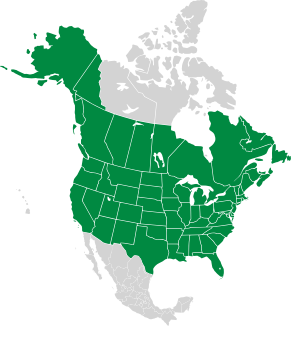
Lady’s thumb, a native of Europe and Asia, became naturalized throughout the entire
United States after its introduction there. It is an annual.
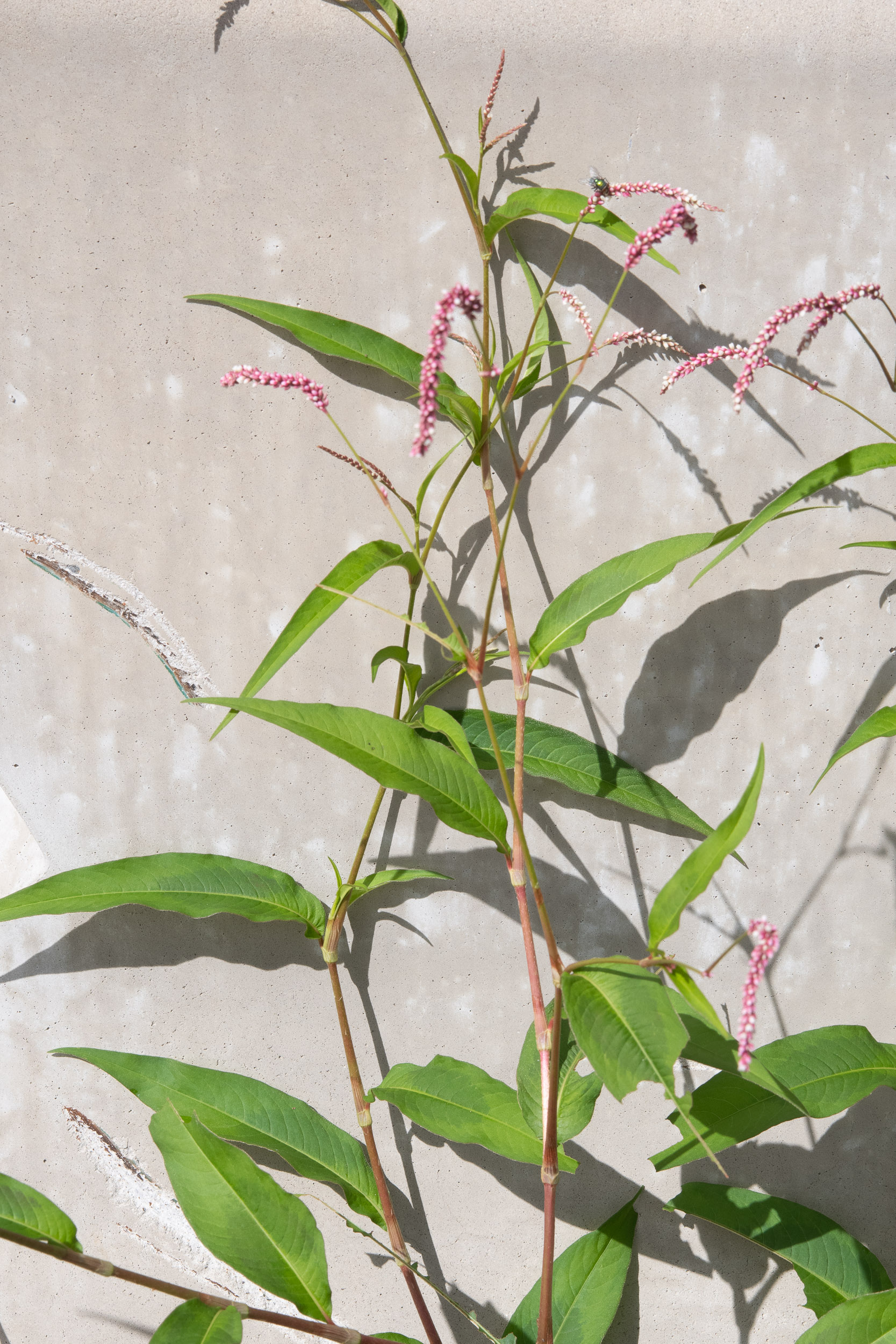
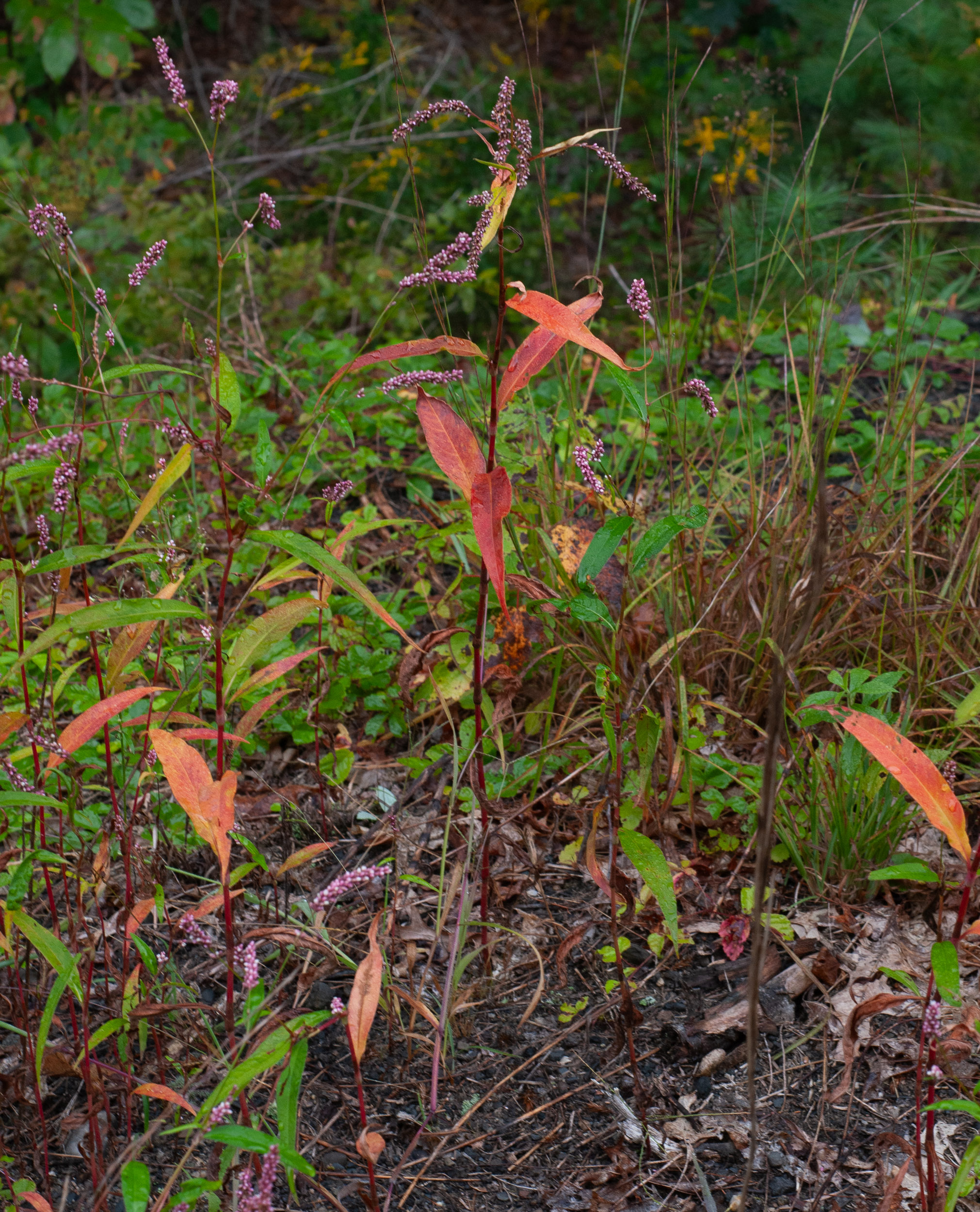
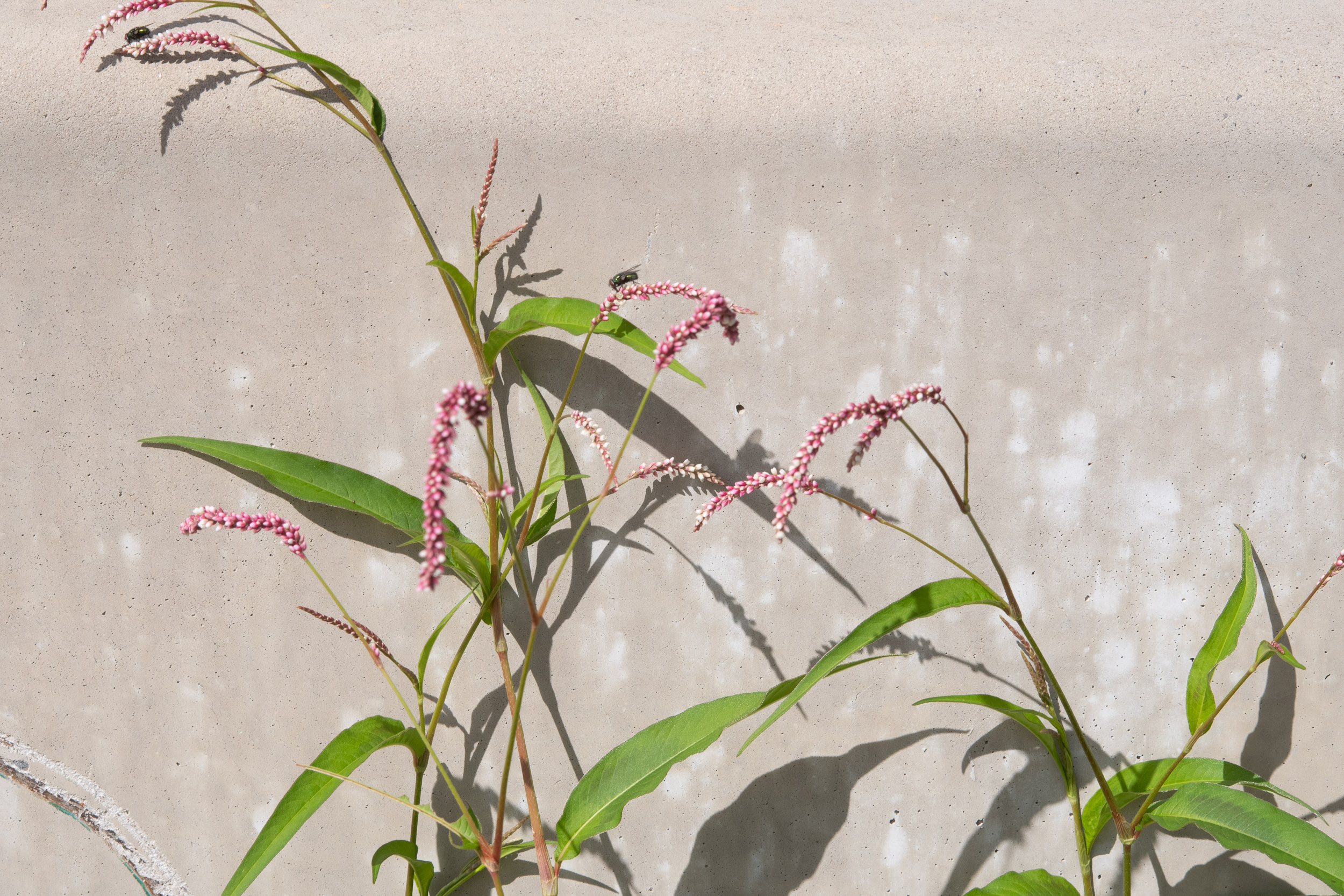
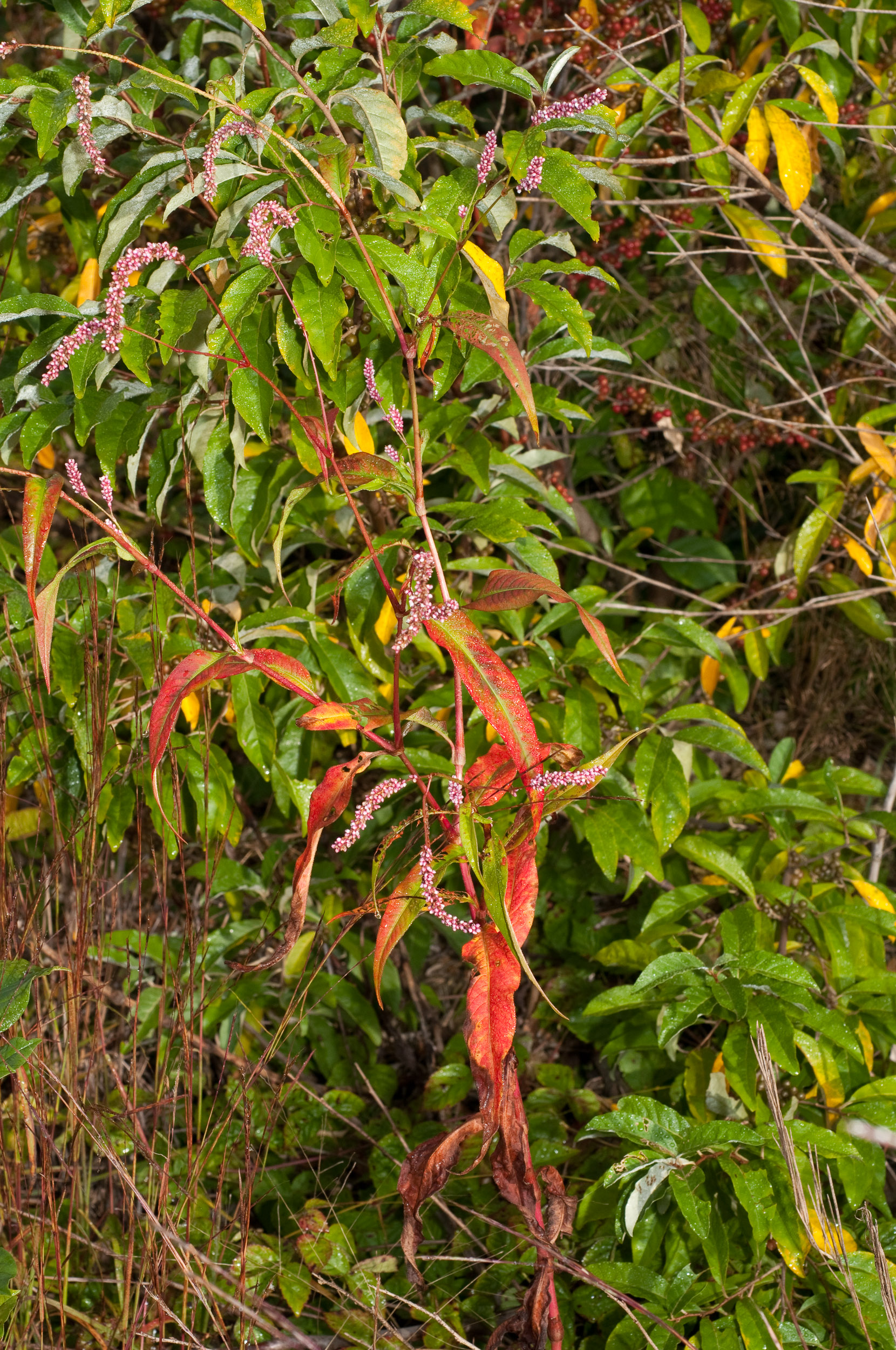
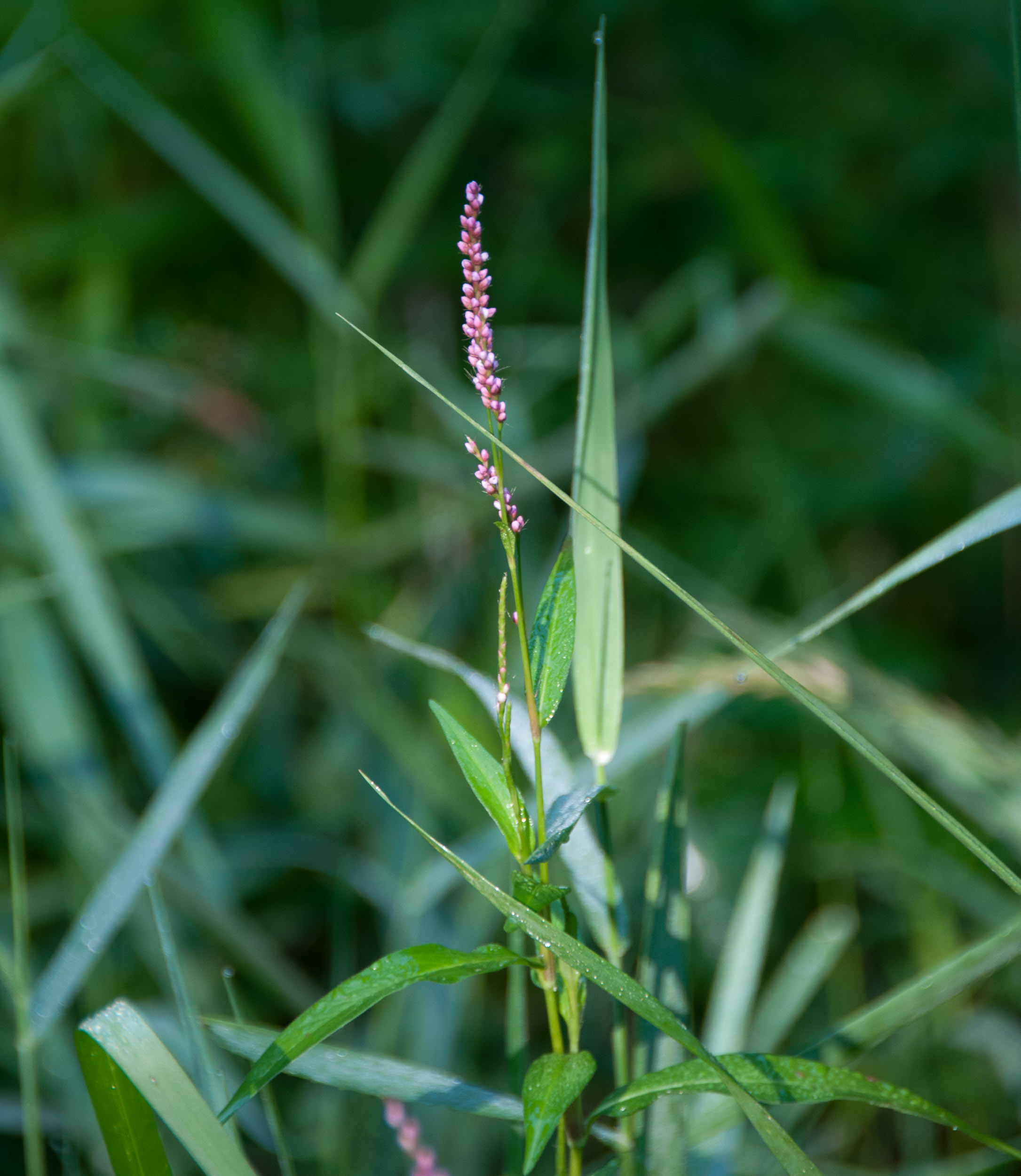
Plants: Up to 3′ (91 cm) in height, though smaller
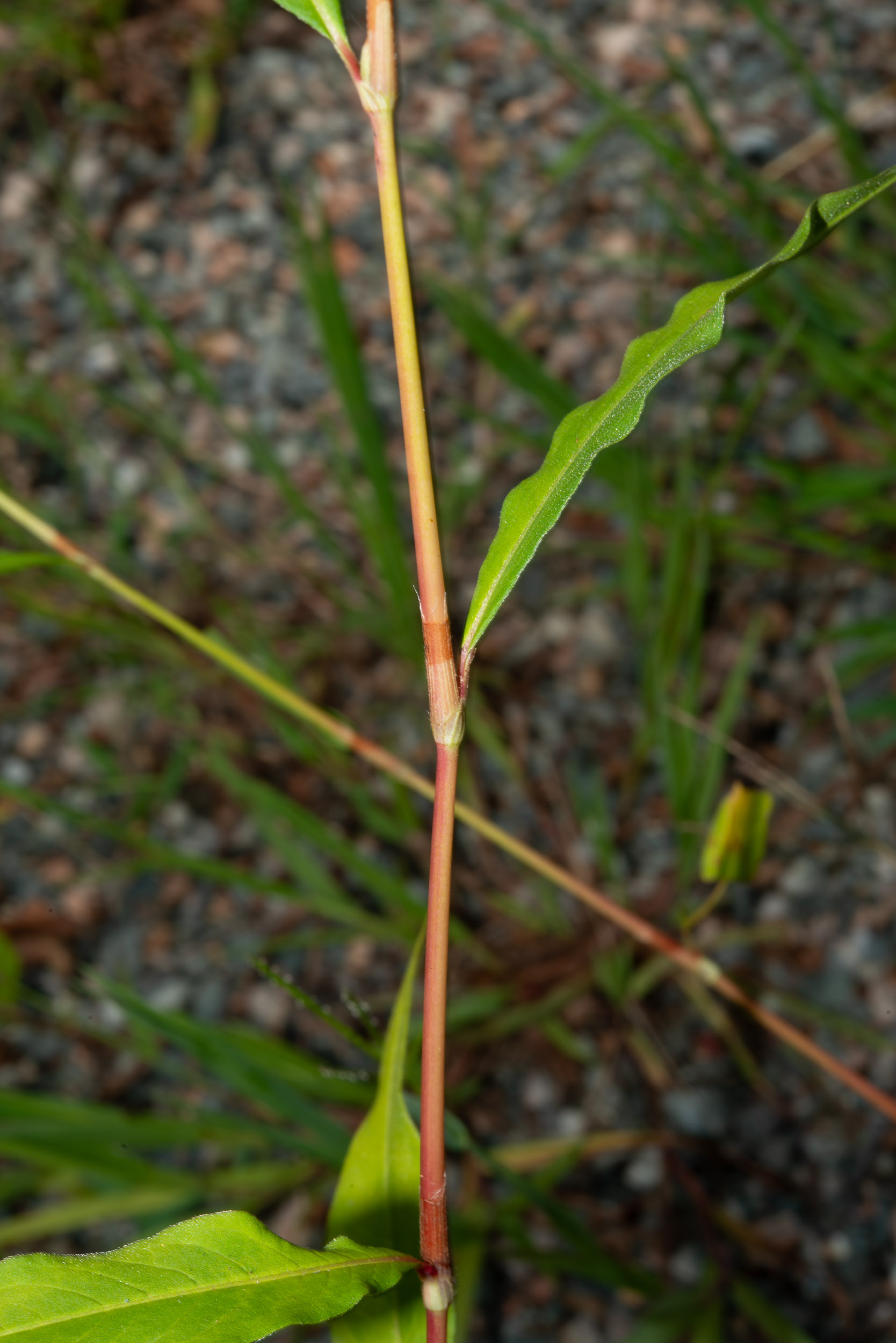
plants are common. Stems are openly branched and often reddish.
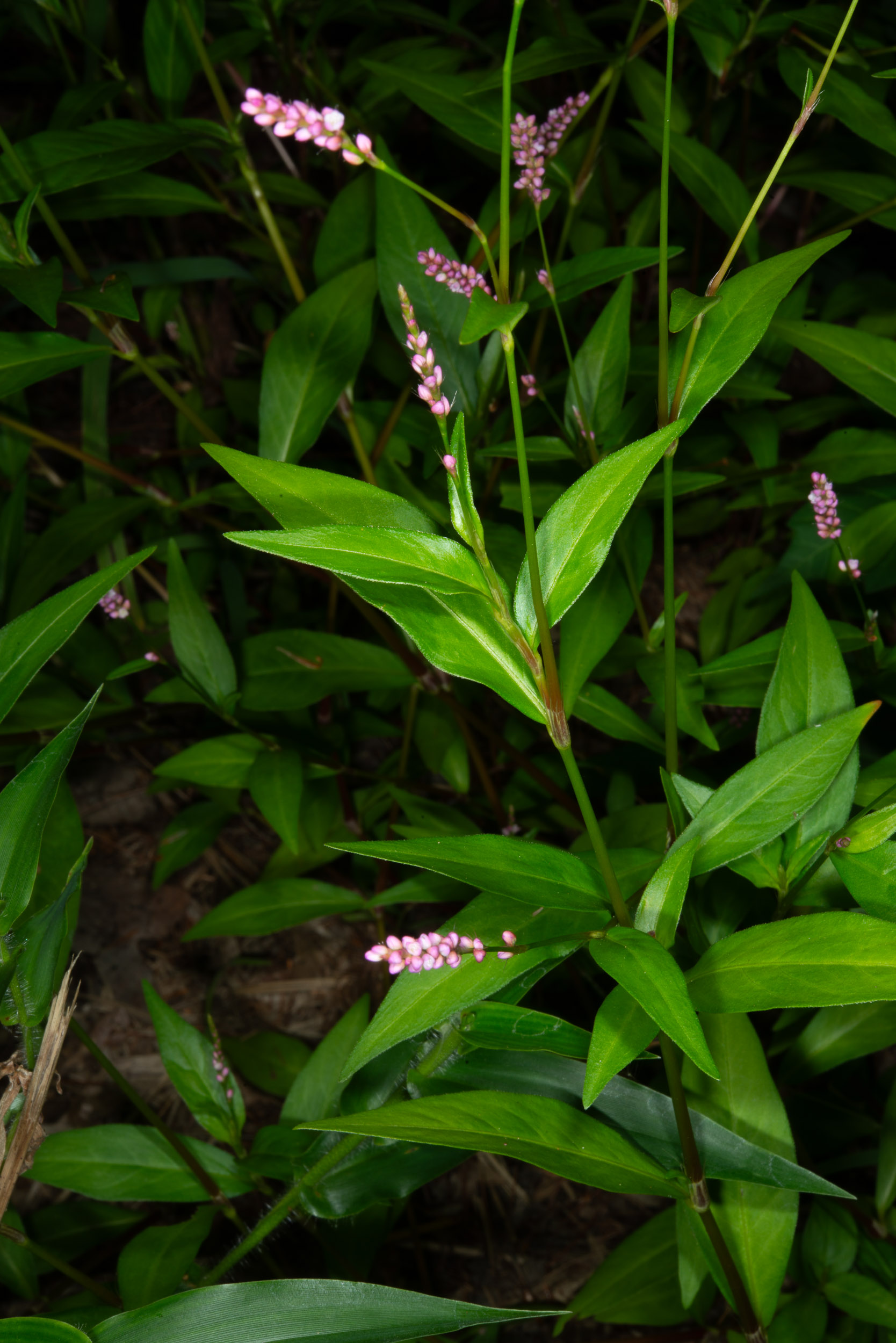
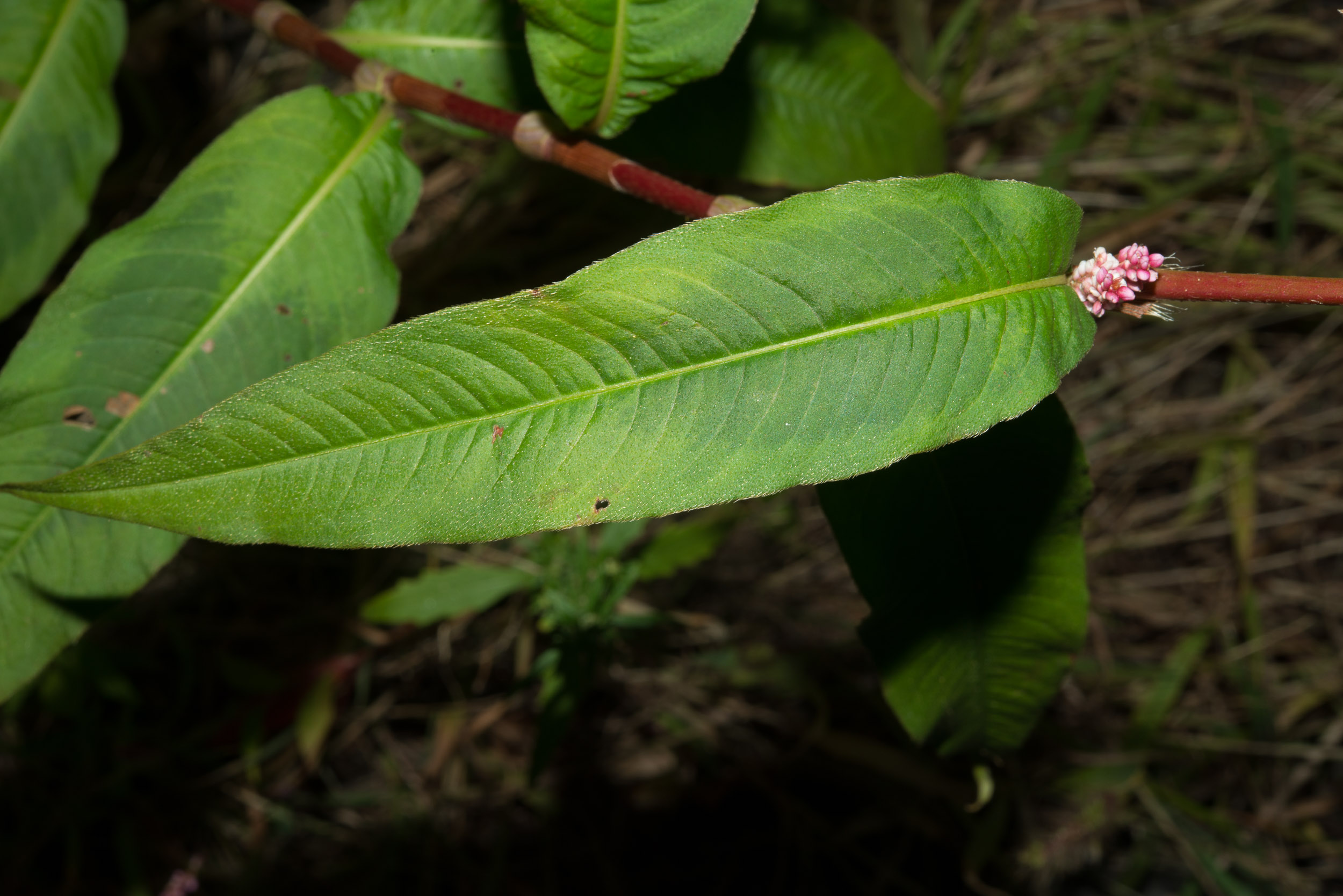
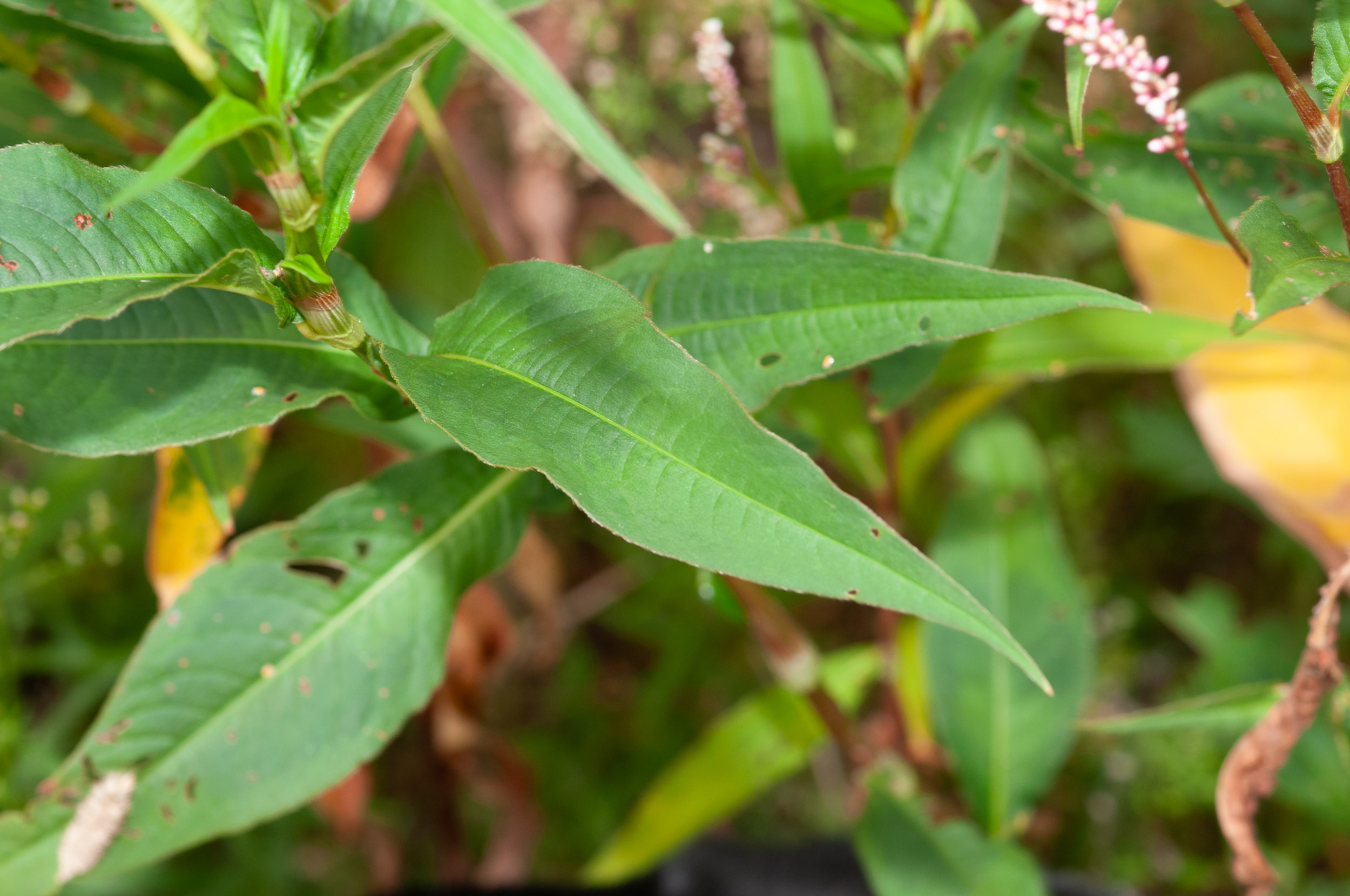
Leaves: Alternate, lanceolate to elliptic, 1–8″ (2.5–20 cm) long and ¼–2″ (6.3–50 mm) wide. Leaf stems (petioles) are ⅛–¼″ (5–8 mm)
long.
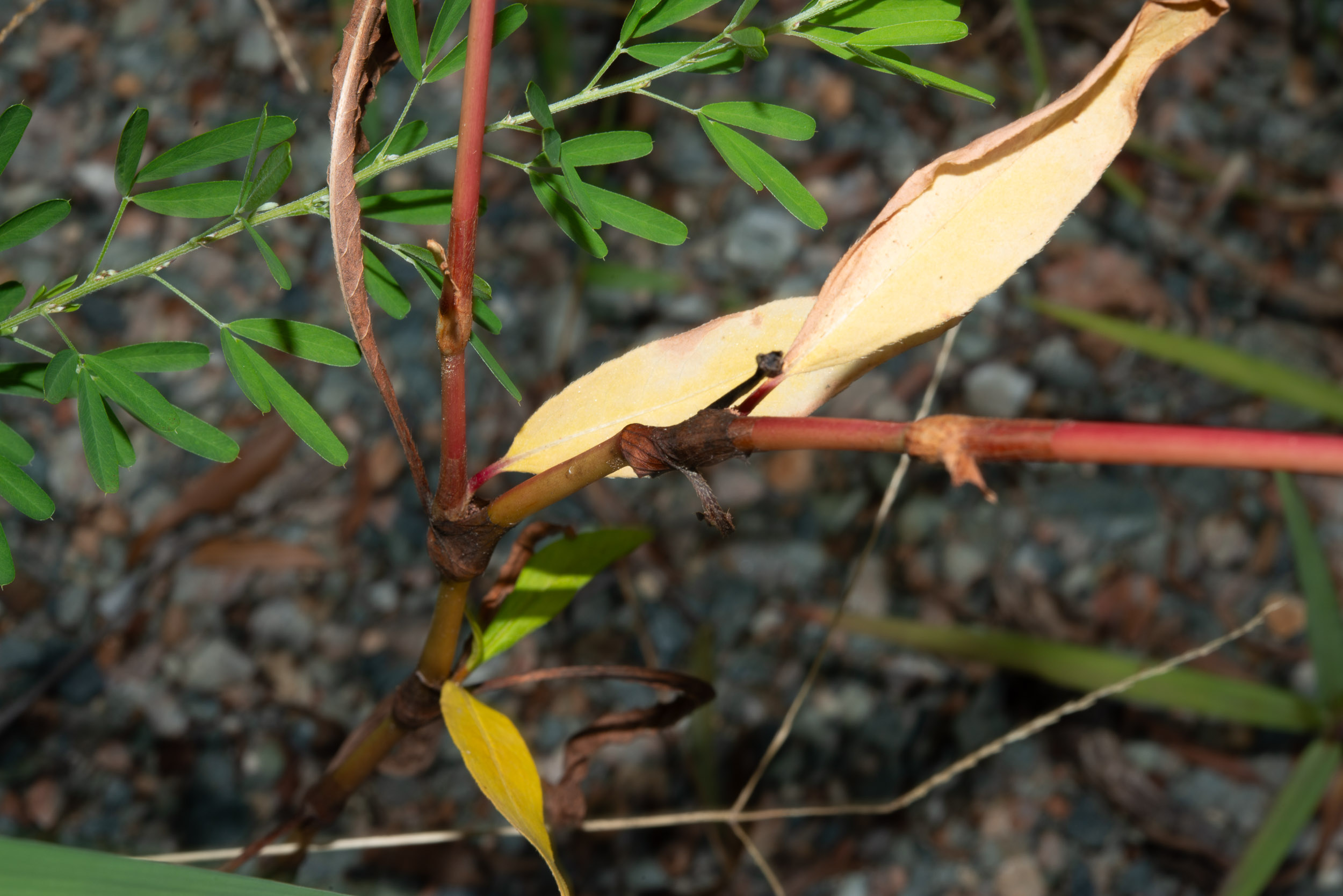
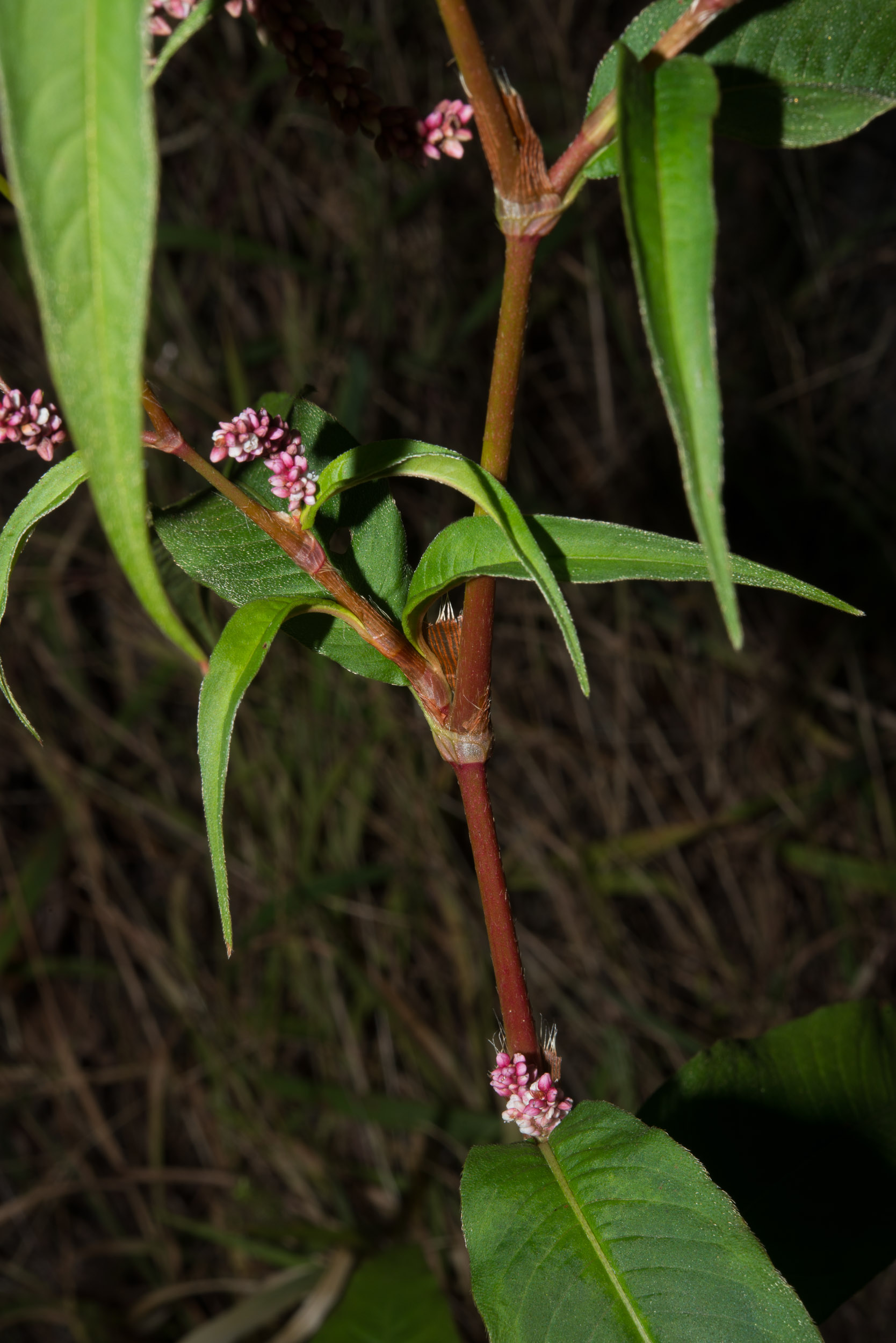
Leaves often have a dark purplish triangular or lunate patch on them. Leaf joints are
covered by a papery sheath (ocrea) which is characteristic of this genus. Hairs extend up
to 1/16″ (2 mm) from the ocrea.
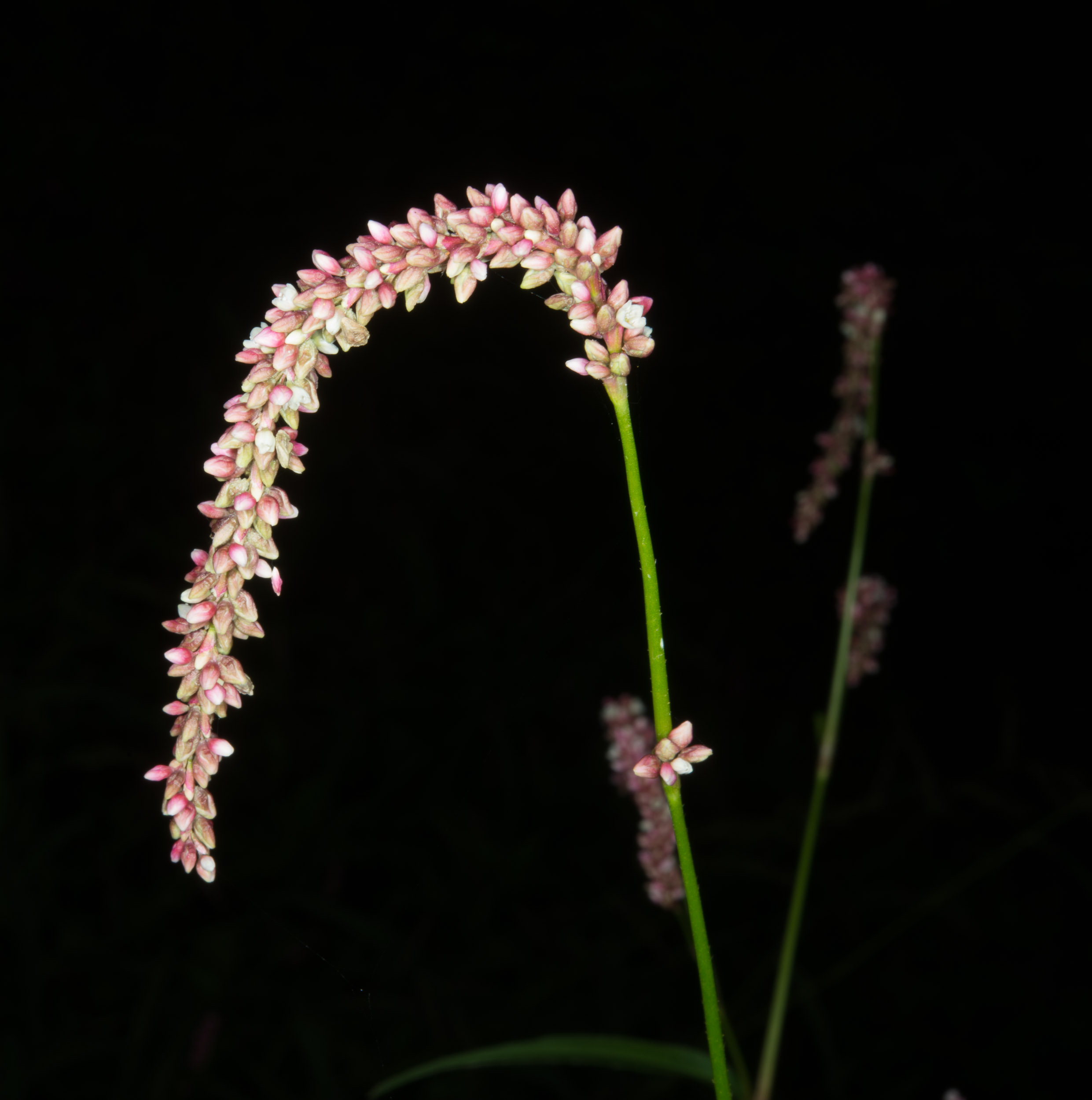
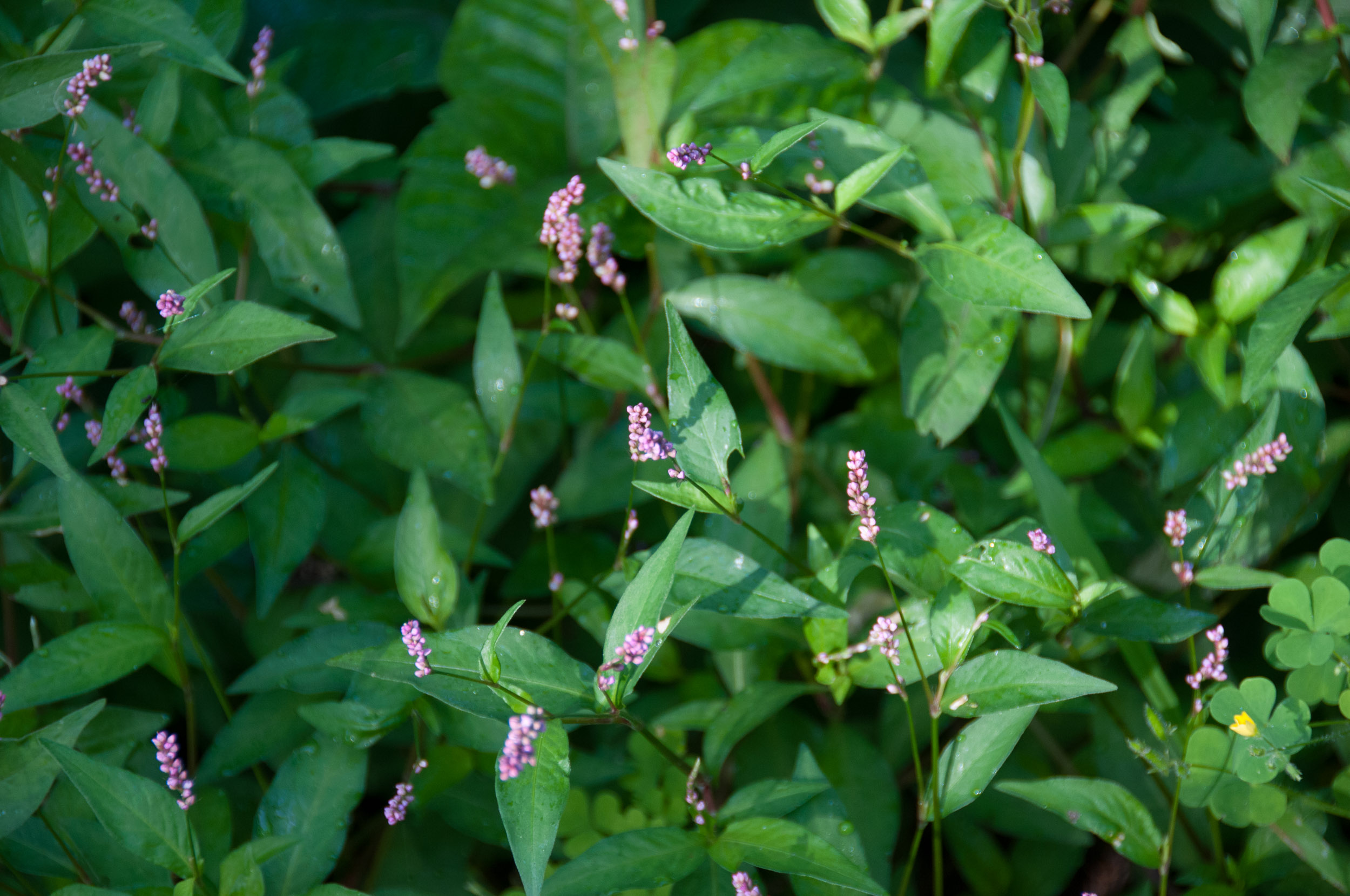
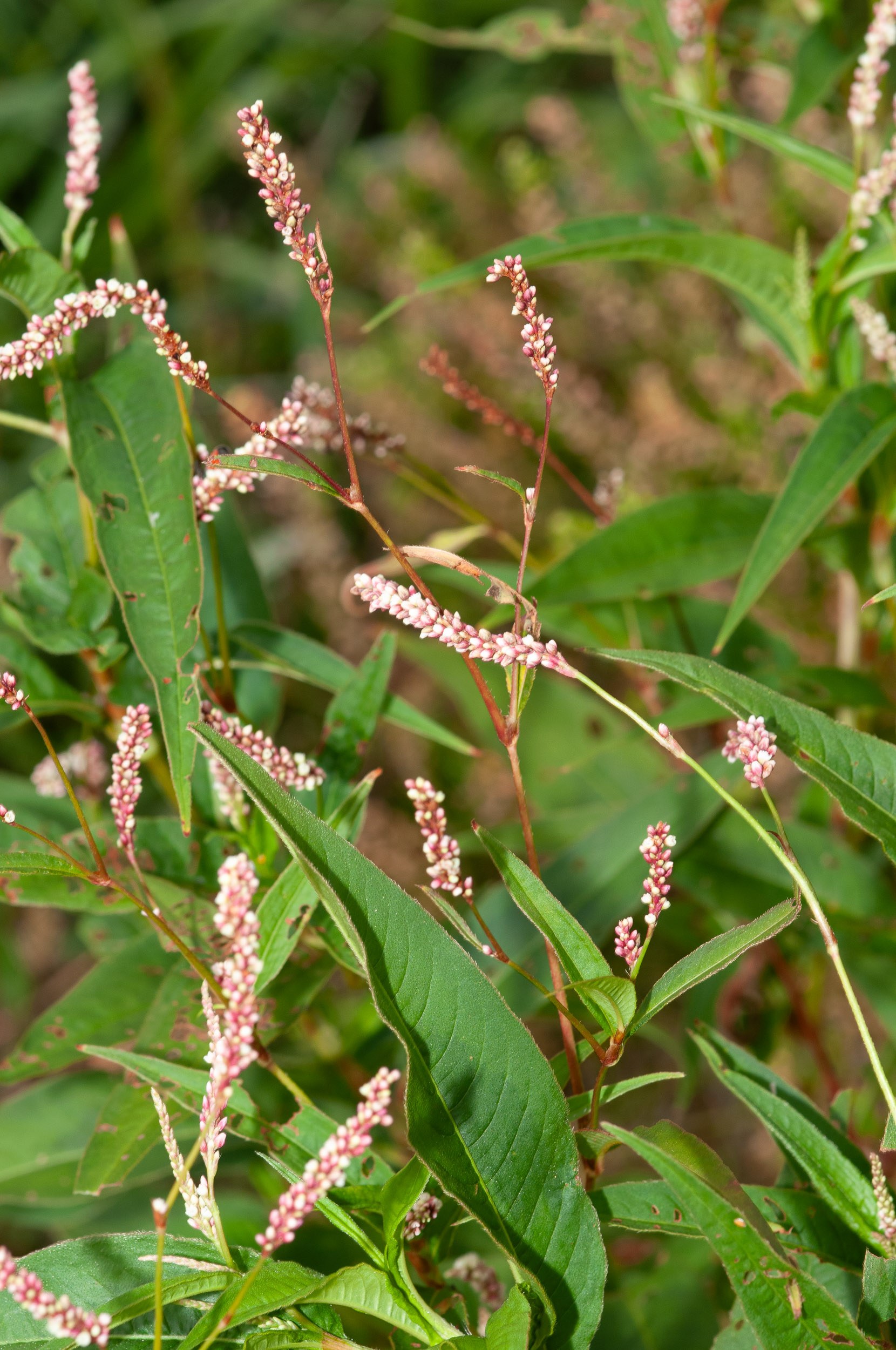
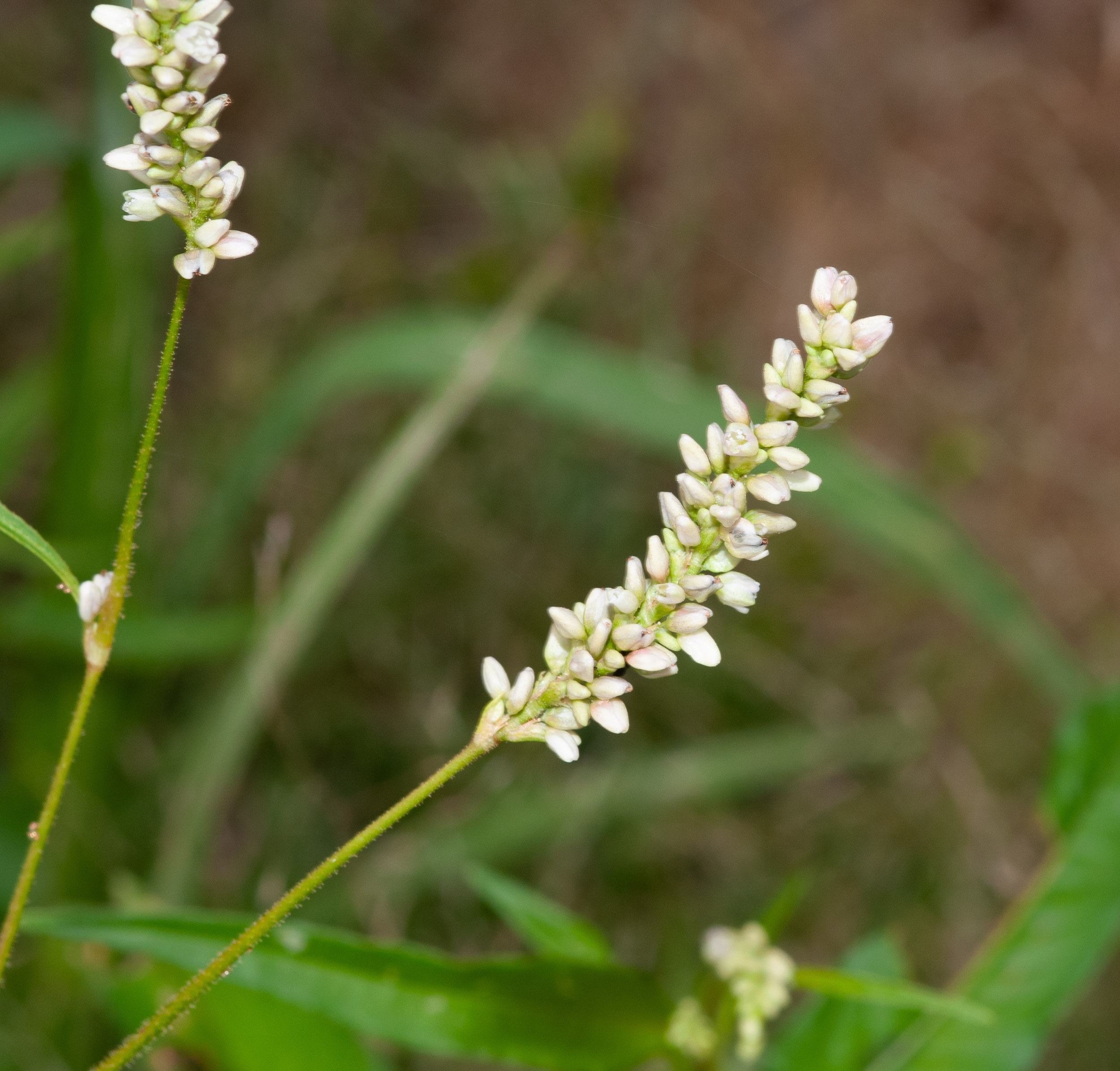
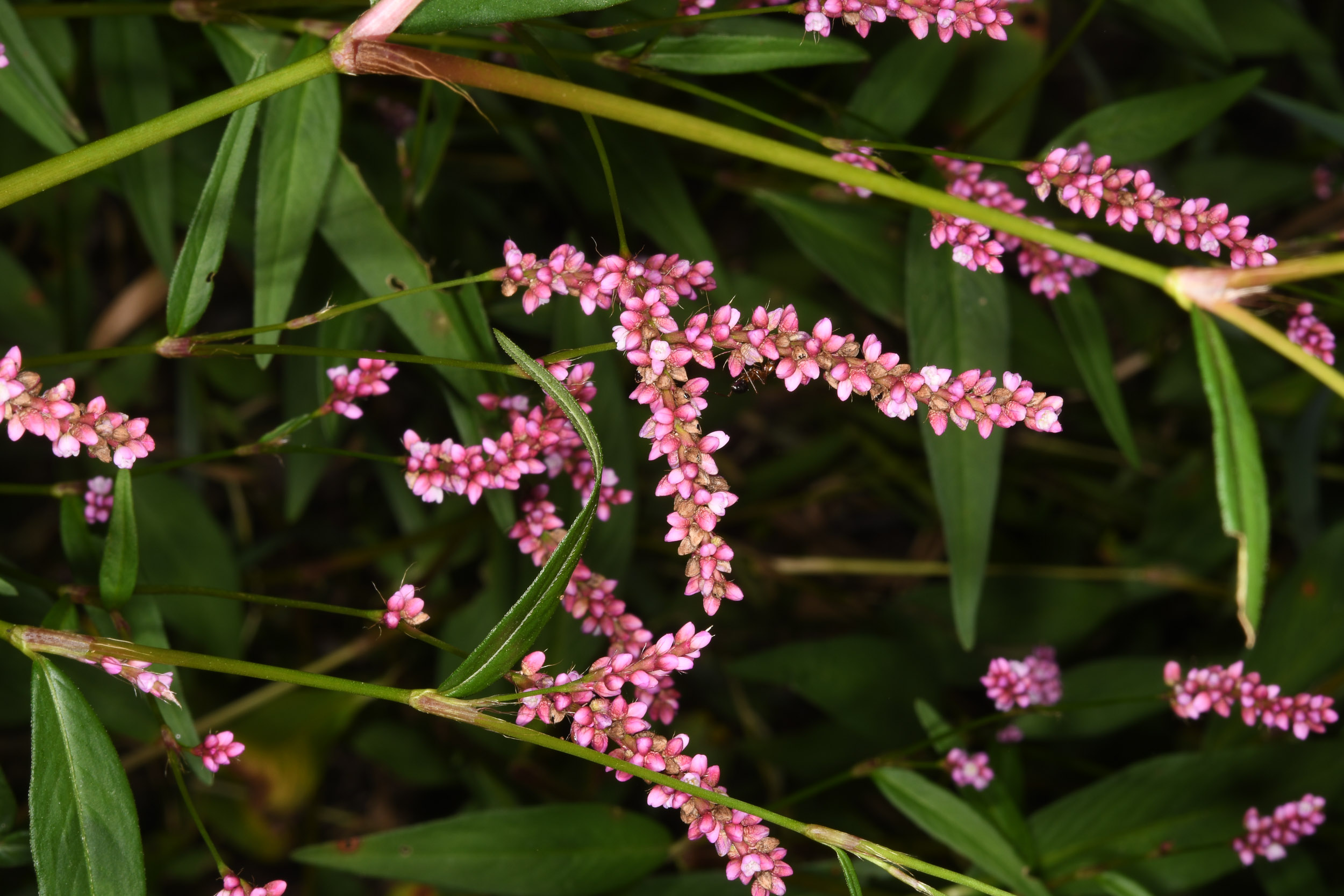
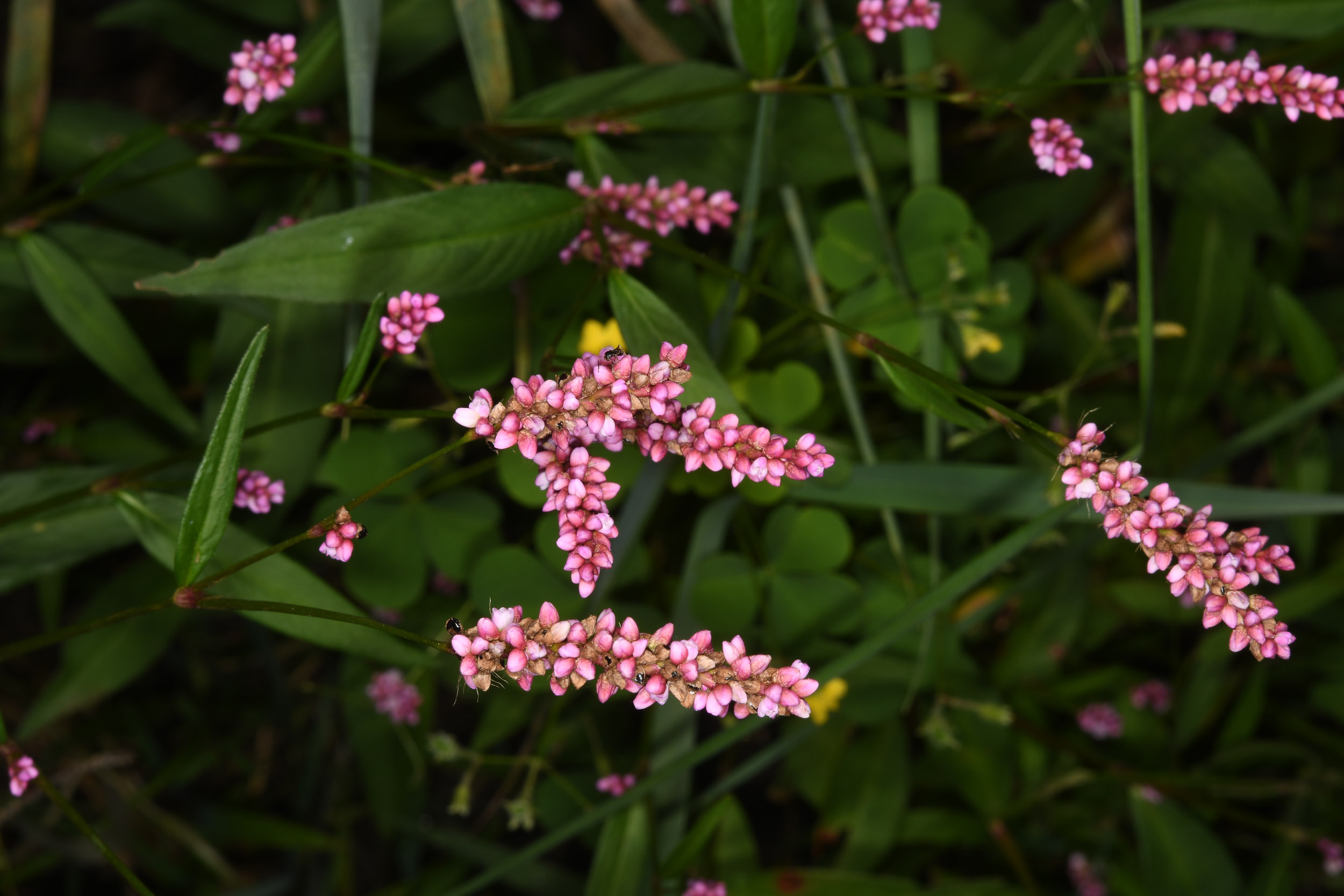
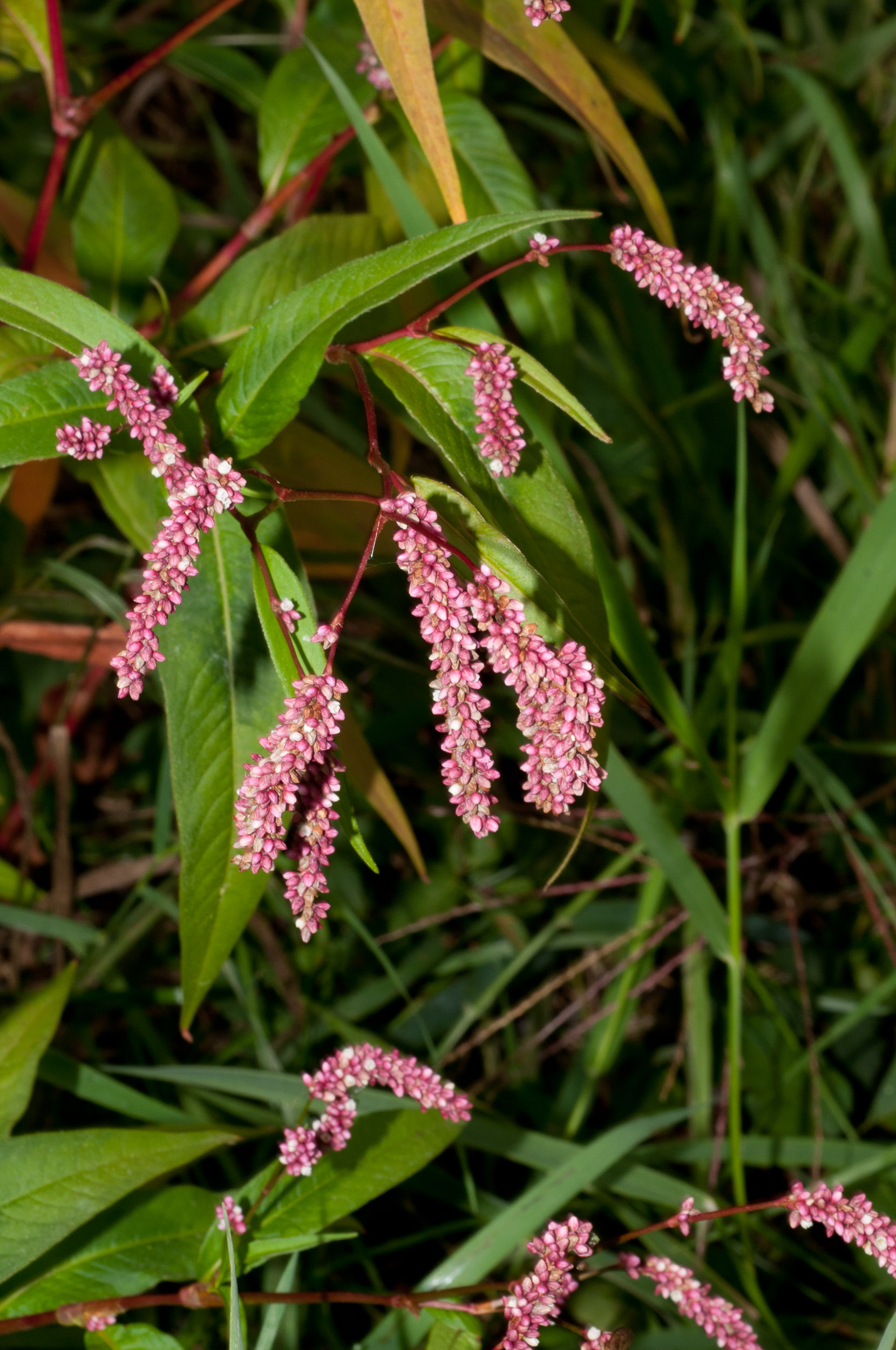
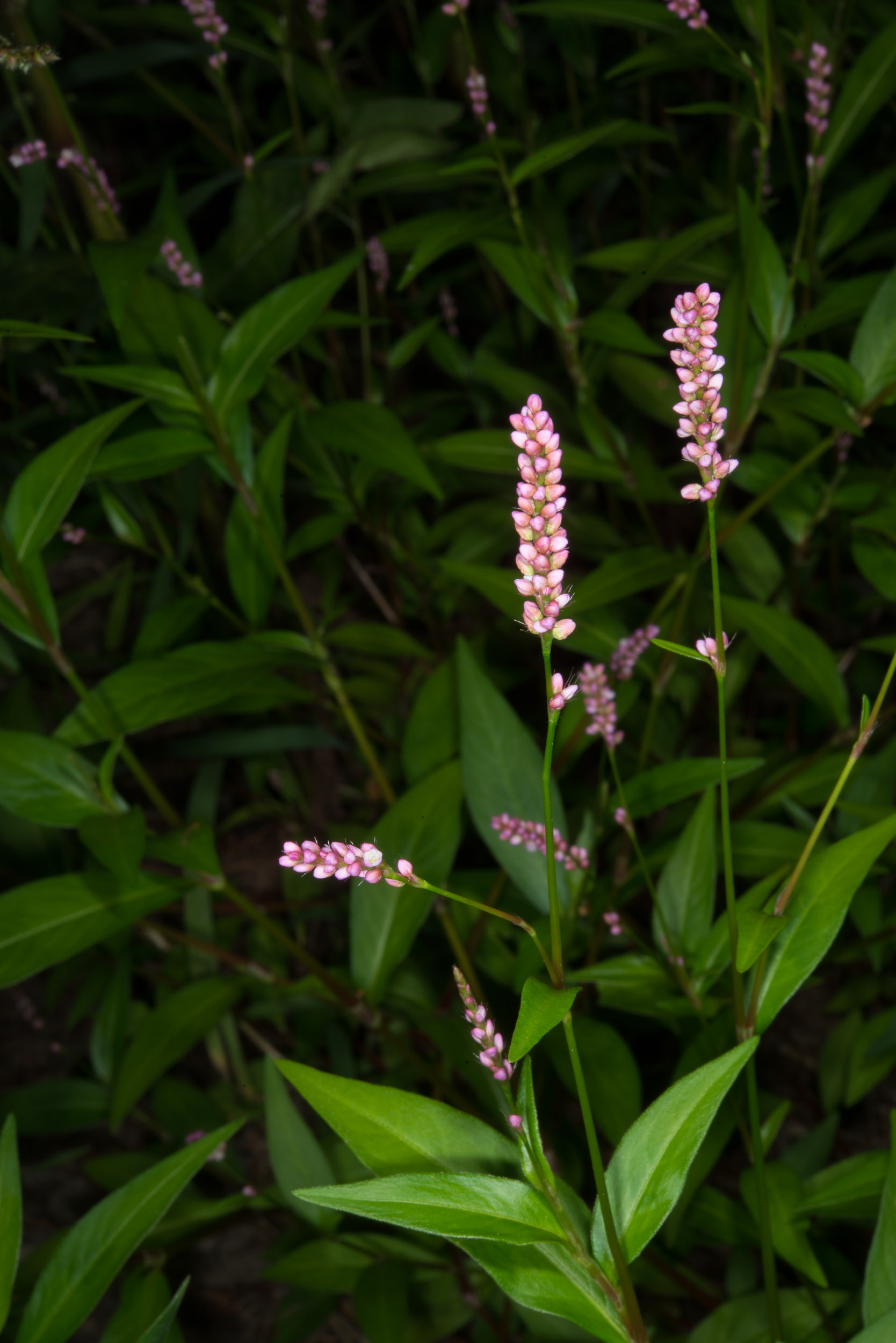
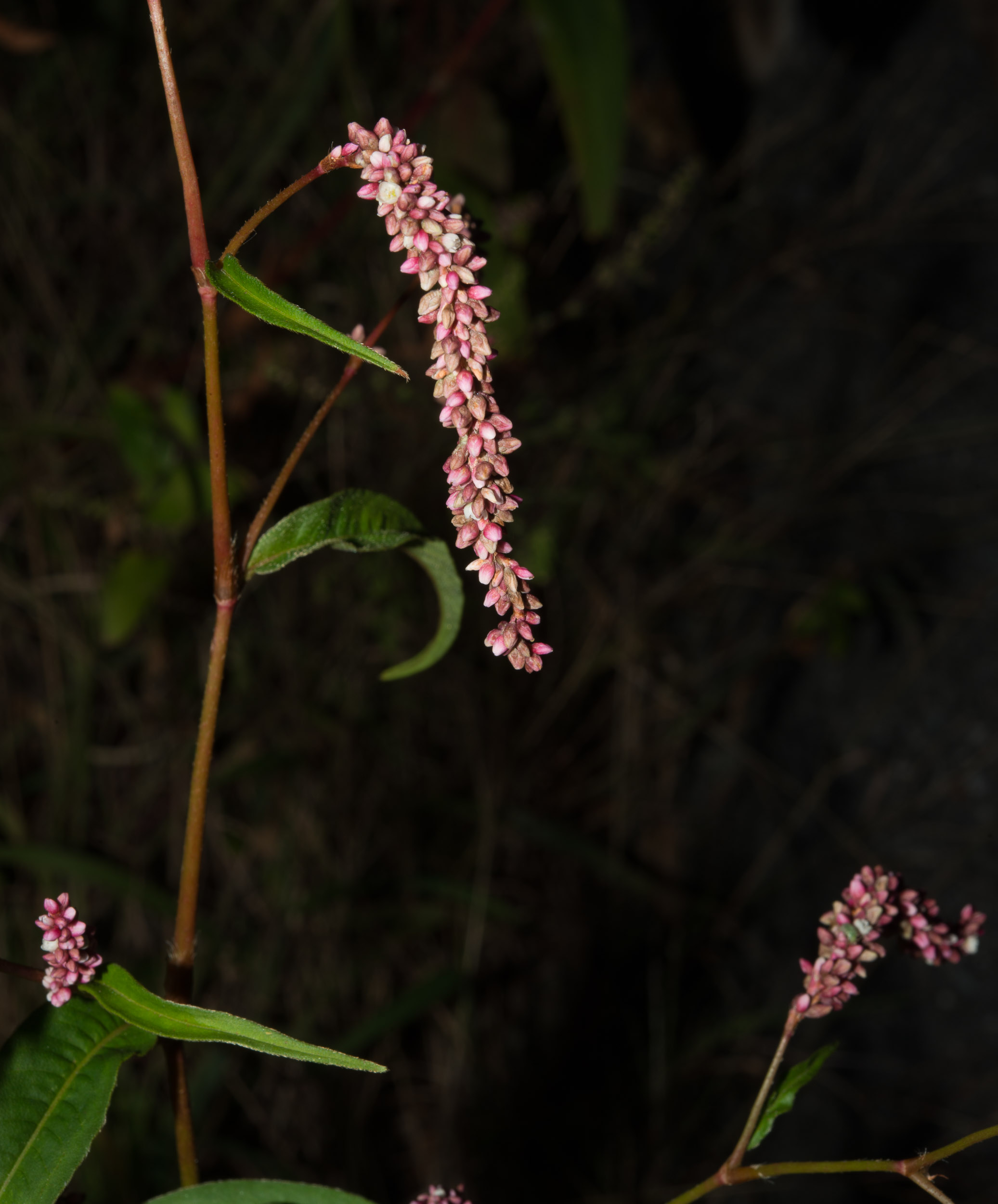
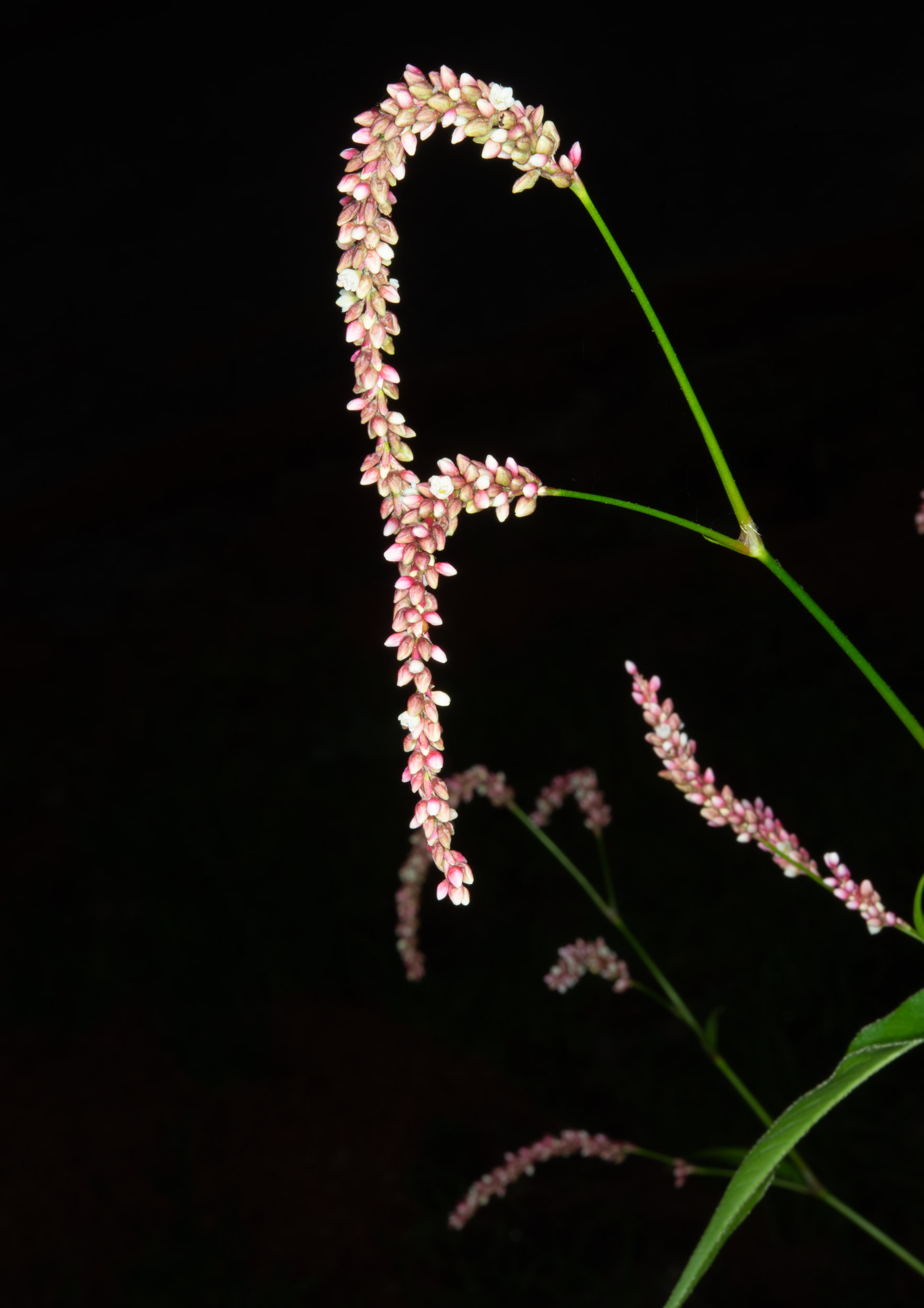
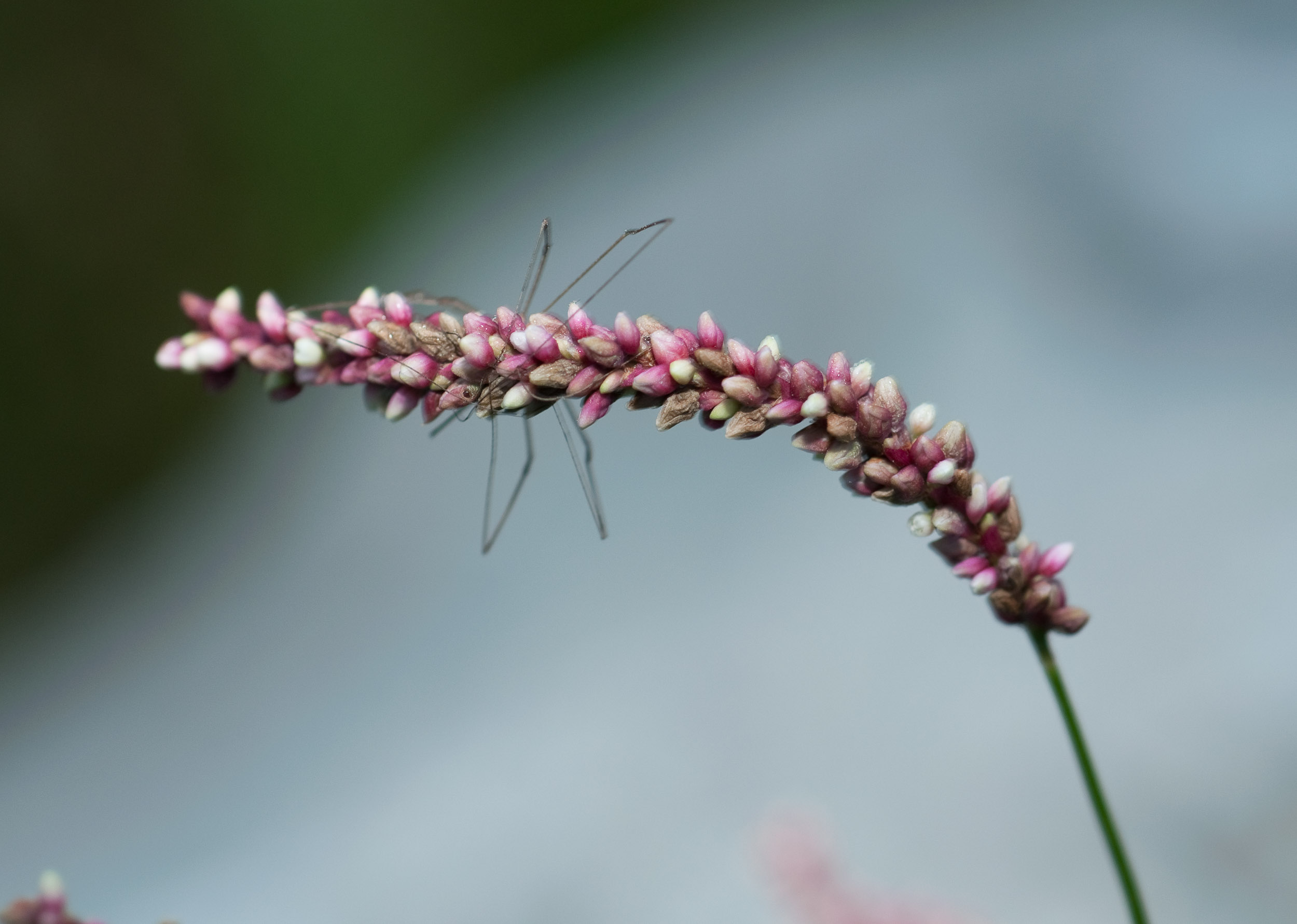
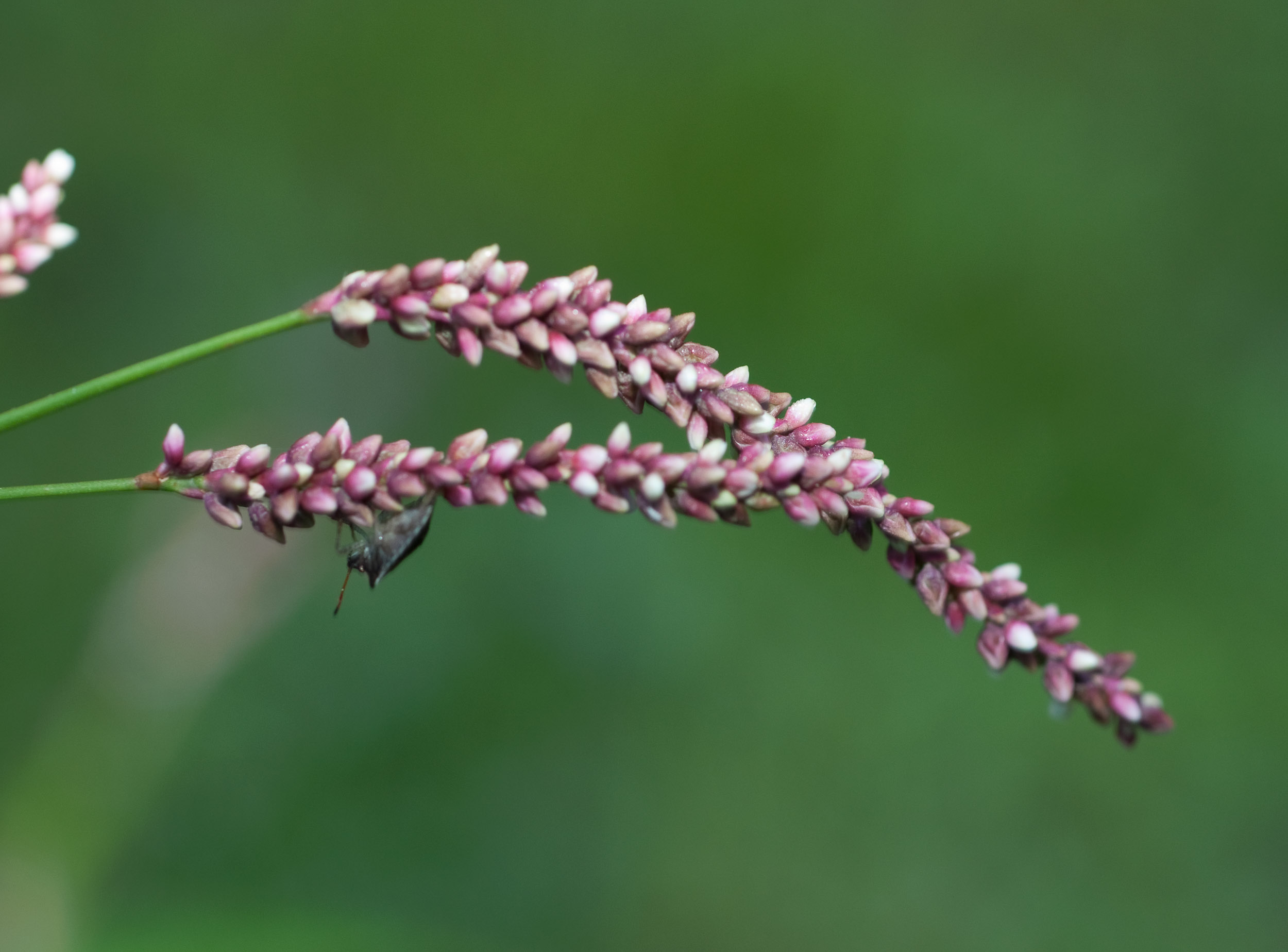
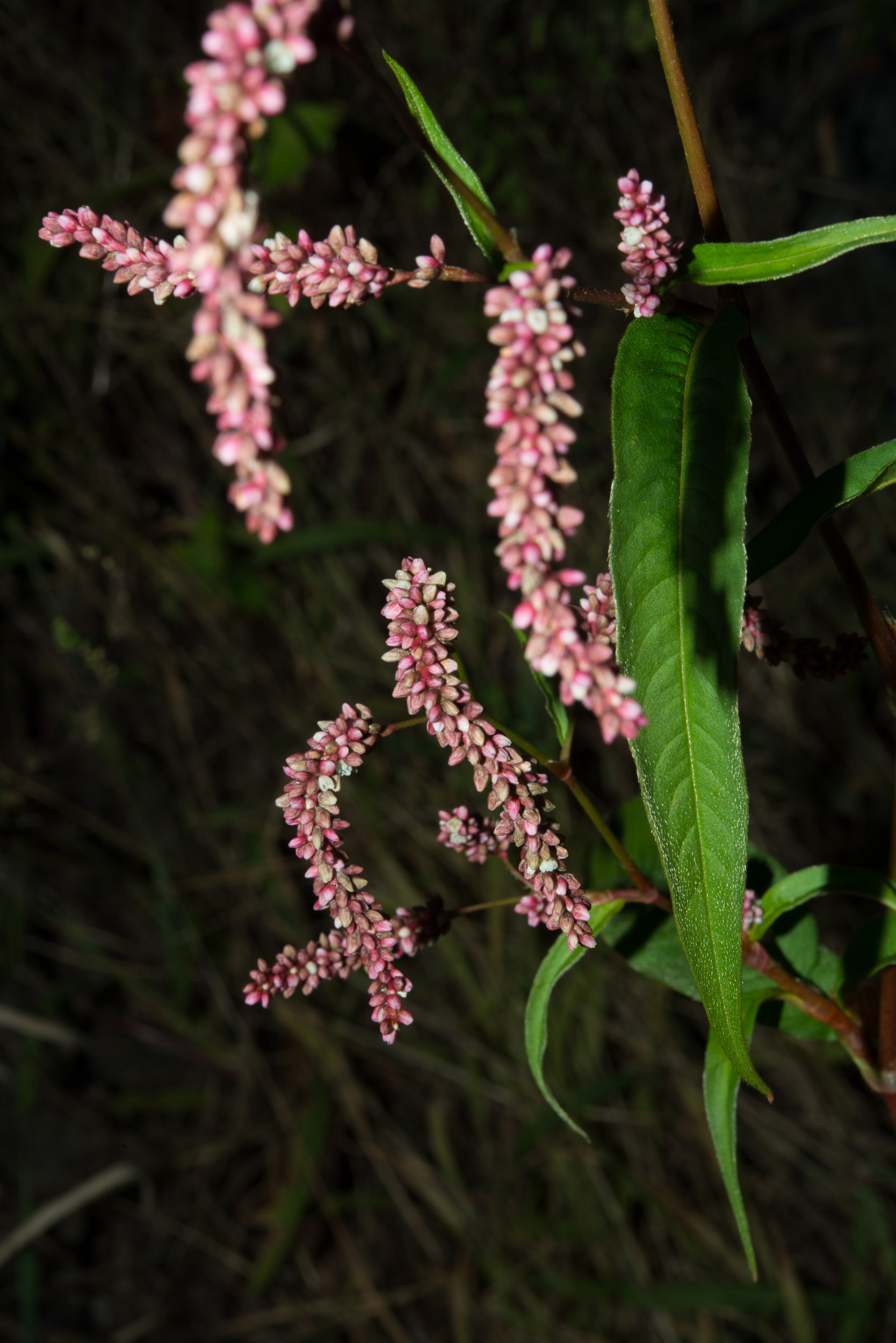
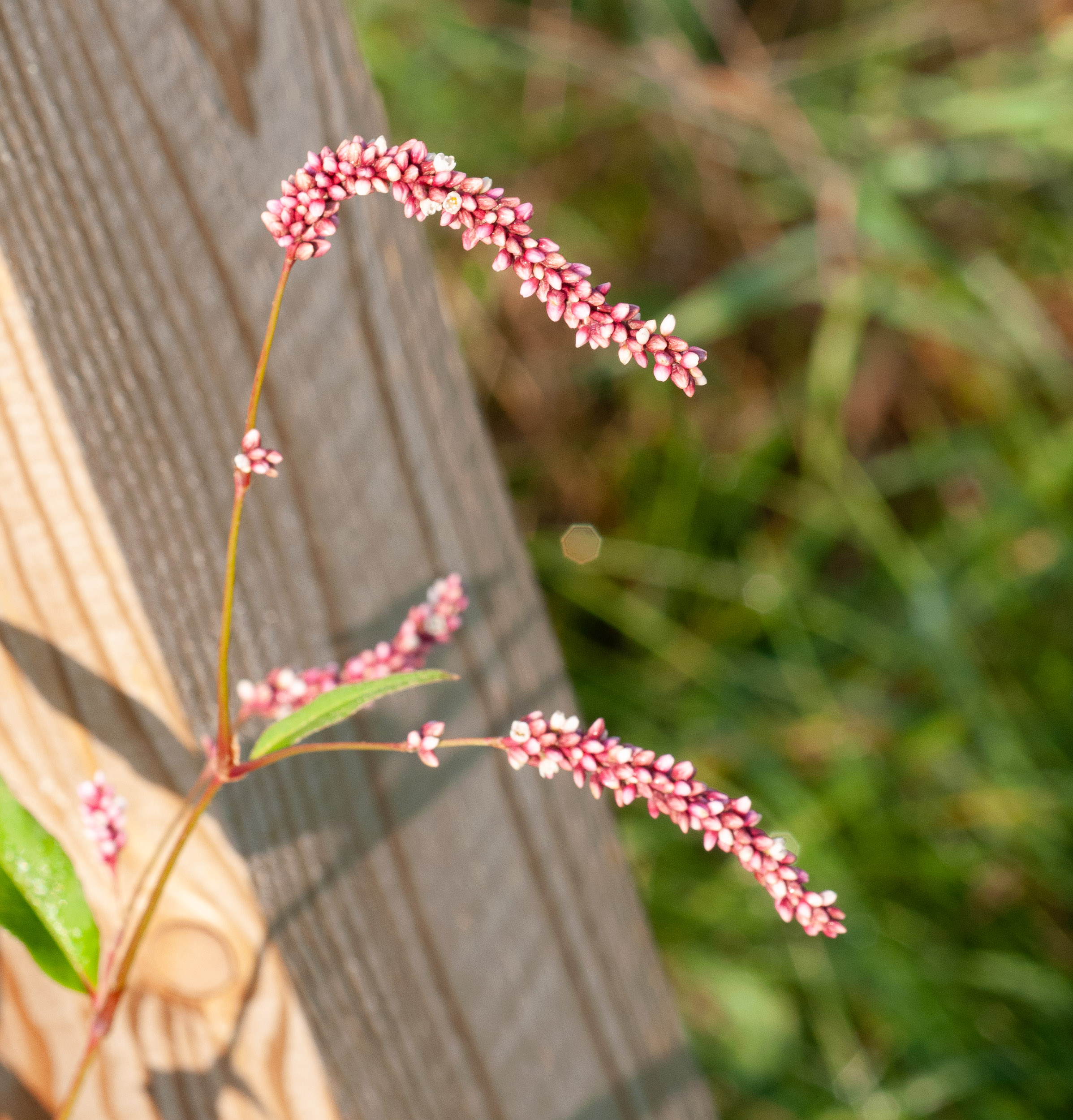
Flowers: Tiny pink
and white flowers form groups of spikes ½–1½″ (1.3–3.8 cm) long—the most noticeable feature of these rather
inconspicuous plants. Flowers appear from June to July.
Fruits: Brown to black, glossy, with one seed. They are
roughly egg-shaped, but somewhat angular. Each fruit is less than 1/16″ (2 mm) long. Fruits
appear from July to September.
Habitats: Disturbed soils that
are wet or seasonally wet, such as ditches, pastures, grain fields, and water edges.
Edibility: The leaves and young shoots are “palatable and
nutritious.”
Young leaves may be added to salads, or cooked and served with vinegar, tasting a bit like spinach.
Usually pink, but may be greenish white or purple. · 8/7/2010 · Nashua River Rail Trail, near Nashoba Hospital, Ayer, Massachusetts · ≈ 4 × 4″ (11 × 10 cm)


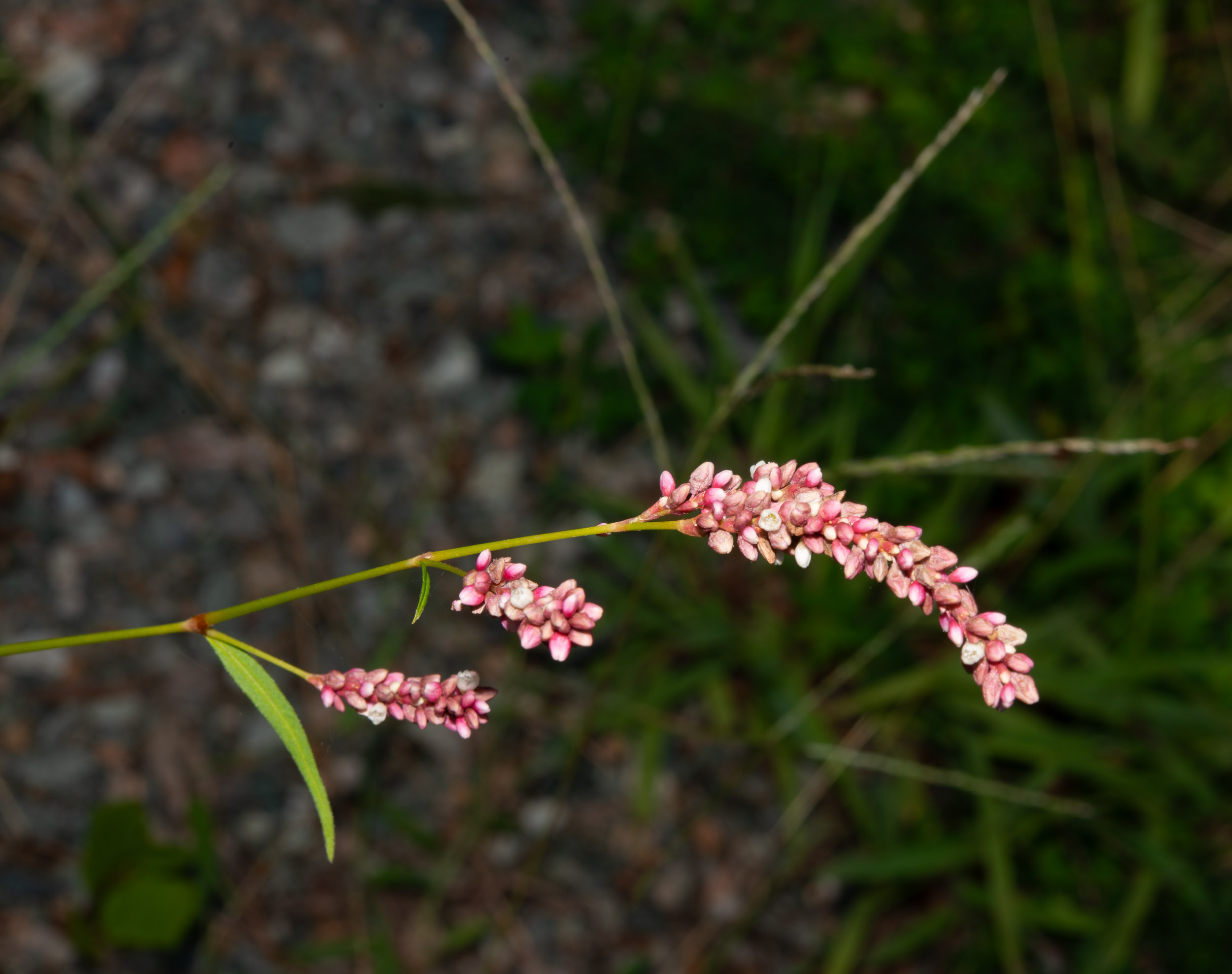
 ID is uncertain