Polygonum persicaria L.
Lady’s thumb, persicaria, redleg, spotted ladysthumb, Adam’s plaster, lily of the valley
Some similar species
Polygonum amphibium
Polygonum cespitosum
Polygonum hydropiperoides


|
Polygonum persicaria L. Lady’s thumb, persicaria, redleg, spotted ladysthumb, Adam’s plaster, lily of the valley Some similar species | |||
Polygonum amphibium |
Polygonum cespitosum |
Polygonum hydropiperoides |
|
|---|---|---|---|
| Common Name | |
|
|
| Plant | Up to 9½′ (3 m) × ⅜″ (1 cm), sprawling or floating. Ocrea are ⅛–1¾″ (5–50 mm), with the upper part fringed with small hairs 0.5-4.5 mm long. | Up to 3′ (91 cm) in size, sprawling or erect. Ocrea encompassing the joints are long-bristly, and ⅛–⅜″ (4–12 mm) long,, vs. less than ⅛″ (5 mm) for P. persicaria. | 6–39″ (15–100 cm) long, but slender and with upper portions usually erect, erect to sprawling. Stems are green to red. (Compare to P. amphibium, with stems up to ⅜″ (1 cm) around, and more often sprawled along the surface of the water). Ocrea are brown, cylindric, and ⅛–⅞″ (5–23 mm) long, with an inflated base, topped with hairs 1/16–⅜″ (2–10 mm). |
| Leaves | Alternate, and often lanceolate, but they take on many other shapes. They may be floating or upright, with papery sheaths at leaf bases. They are ¾–8″ (2–20 cm) × ⅛–1¾″ (5–50 mm), with petioles 1/32–1″ (1–30 mm). They are not mottled. | Alternate, elliptic to lanceolate, ¾–3″ (2–7.5 cm) × ⅜–1¼″ (1–3.5 cm), and pointed at the base and tip. Petioles are 1/32–⅛″ (1–5 mm). Leaves are not mottled. | Alternate, lanceolate, bristly, with smooth edges. Floating or upright, up to 1¾–6″ (5–15 cm) × ⅜–⅞″ (1–2.5 cm), tapering to a sharp point. Petioles are less than ⅛″ (5 mm) long. Leaves are not mottled. |
| Flowers | Pink, appearing in a thick oval cluster of tiny five-lobed flowers. The cluster is ¾–6″ (2–15 cm) long. Each individual flower is ⅛–3/16″ (4–5 mm) in diameter. Flowers appear June to September. | Pink/white flower spikes are ¾–1½″ (1.9–3.8 cm) tall × 1/16–3/16″ (3–6 mm) thick, densely filled with individual flowers less than ¼″ (6.3 mm) in size. (By contrast, P. persicaria has flower stalks ⅛–⅜″ (6–12 mm) thick.) Flowers appear from June to October. | Greenish, pinkish, or white flowers form loose, elongated spikes 1–3″ (3–8 cm) long and 1/16–⅛″ (2–5 mm) around. The spikes are on peduncles ⅜–1″ (1–3 cm) long. |
| Fruit | Tiny brown rounded achenes 1/16–⅛″ (2.5–3 mm) long. Each achene contains one seed. They appear from July to September. | A black achene with a triangular cross section. | Dry, hard, smooth, shiny achenes each contain a single seed. They are 1/32–⅛″ (1.5–3 mm) long, and three-sided. |
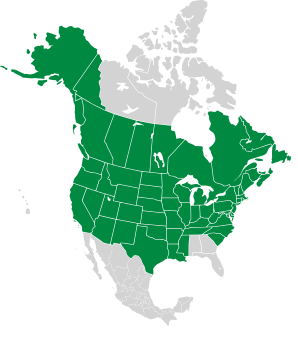
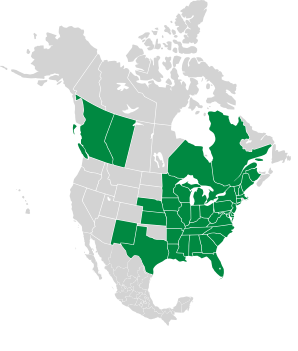
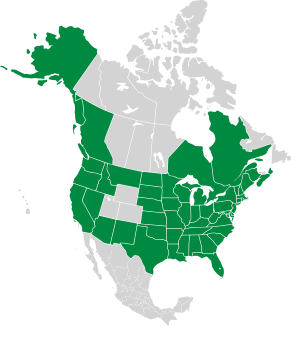
| Range/ Zones |
|
|
|
| Habitats | Floating in ponds, streams, and marshes | Common to invasive in disturbed habitats such as pastures, roadsides, and lawns. It is partial to wet areas. | Often forming mats along lake or pond margins. |


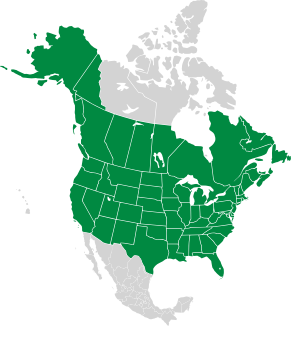
Polygonum persicaria description by Thomas H. Kent, not updated.
© FloraFinder.org. All rights reserved.