Typha latifolia L.
Common cattail, bulrush, common bulrush, broadleaf cattail, great reedmace, Cooper’s reed, cumbungi, narrow-leaved cattails
Common cattail is a very familiar inhabitant of wet areas throughout the Americas, as well as in Europe, Asia, and Africa. It is a vigorous colonizer of disturbed areas with shallow water for much or all of the season. It forms dense colonies, spreading by cloning itself, and is common in roadside drainage ditches and ponds and swamps. In fact, cattails have thrived because humans are always reshaping the landscape. Over time, they are replaced by other species, still present but less dominant.
Plants: 3–9½′ (1–3 m) tall, with long, thick, flat, straplike pointed leaves like giant grass blades. These plants hybridize freely with narrower varieties, so there are many subtle variations. We distinguish here only between this and Typha angustifolia, narrow-leaved cattails.
Leaves: ⅛–1″ (6–29 mm) wide and up to 8′ (2.5 m) long.
Flowers: A single stout smooth stem, up to ½″ (1.3 cm) around, supports the flowerhead. A large sausage-shaped female flowerhead is the most noticeable characteristic. It is ⅝–1¾″ thick ⨉ 6–10″ tall (1.8–5 ⨉ 15–25 cm). Above it is a narrower spike of male flowers, sometimes separated from the male spike by up to 1½″ (3.8 cm). Flowers appear from June to July. As the plant ages, the male flowers wither, and the female spike turns dark brown, feeling like dense felt.
Fruits: If the flowers were fertilized, they produce small nutlike achenes or seeds. Gradually the seeds peel away from the stem, floating on windborne parachutes to begin again.
Habitats: Roadside drainage ditches and ponds and swamps.
Edibility: Cattail roots may be eaten after peeling and cooking them. Leaf bases and peeled stems are edible, cooked or raw. Young flower spikes are also edible.
Online References:
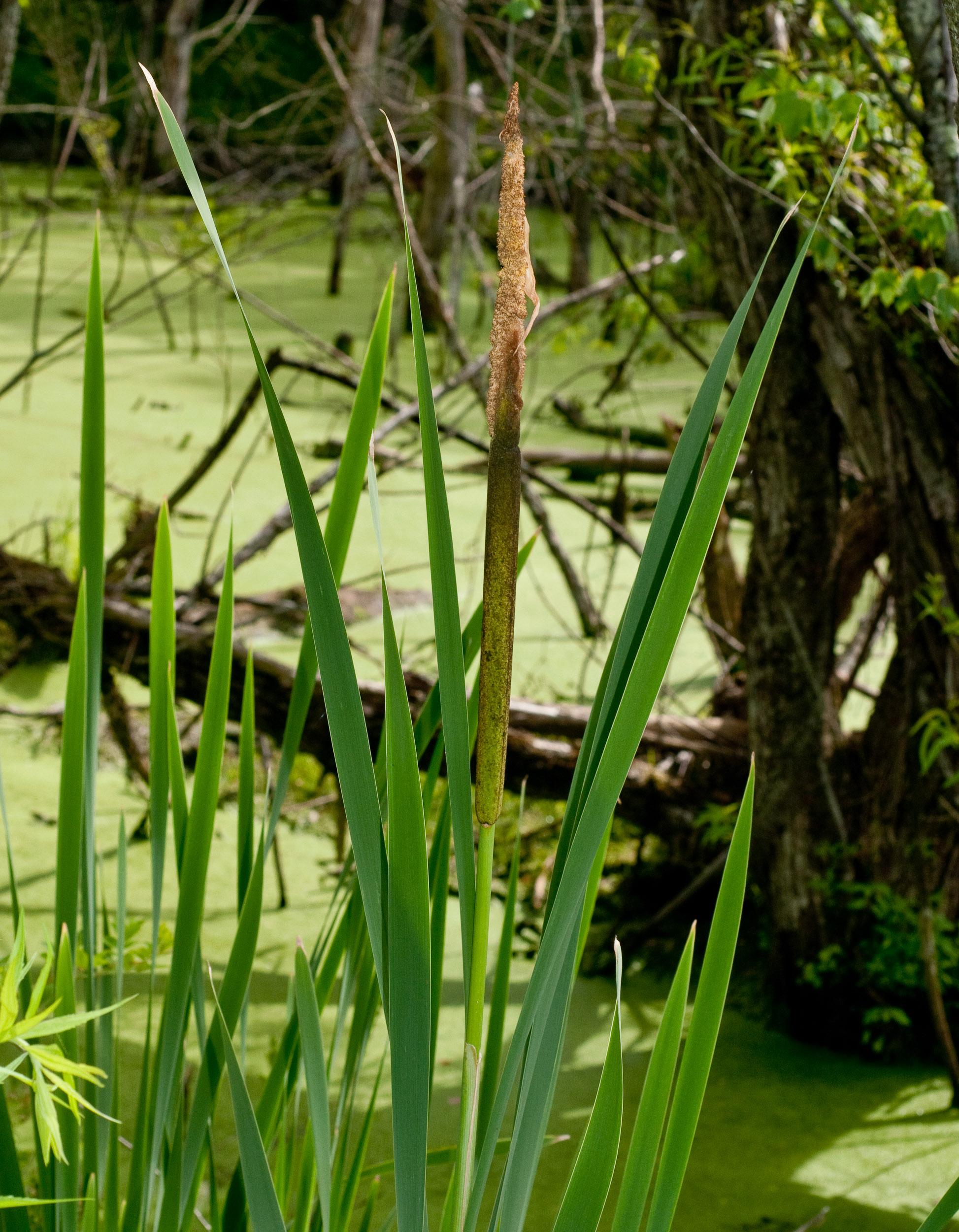
6/16/2010 · Nashua River Rail Trail, Groton Center, Groton, Massachusetts 

9/1/2025 · Mill Pond Preserve, Arrowsic, Maine · ≈ 11 × 10″ (29 × 24 cm) 
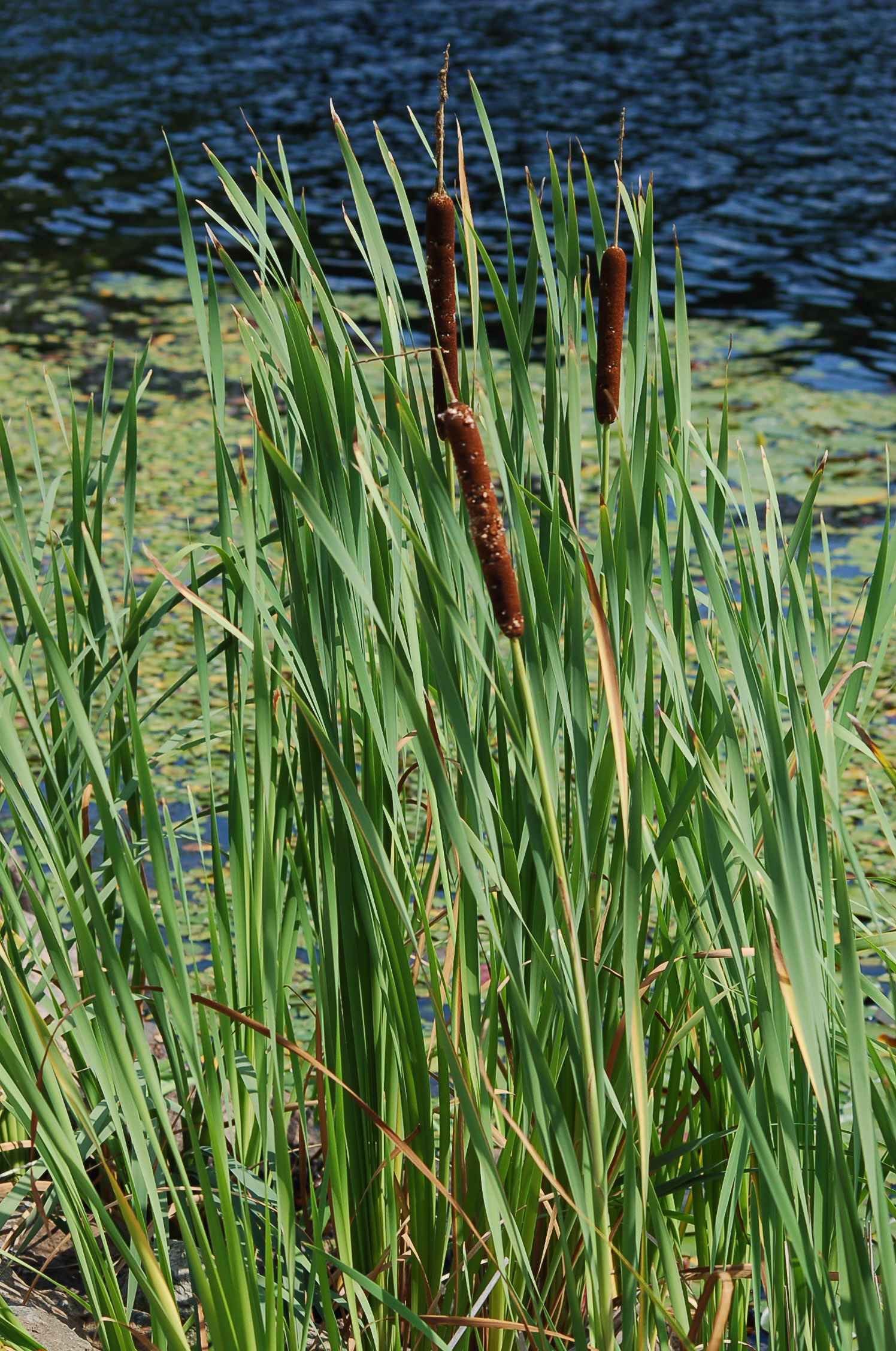
7/26/2009 · By Jacquelyn Boyt 
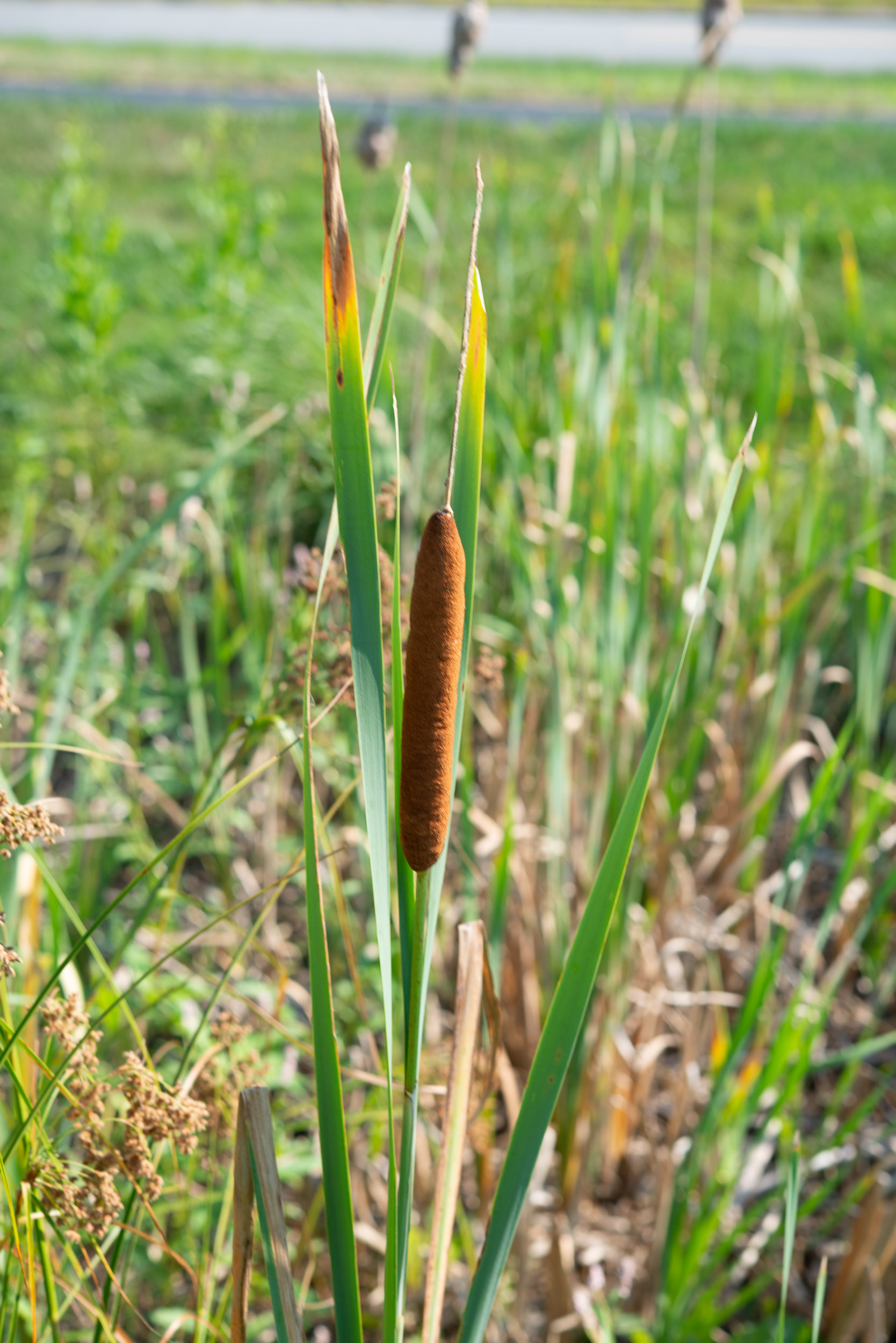
8/21/2013 · Rte 119, Groton, Massachusetts · ≈ 1 × 2′ (39 × 59 cm) 

8/30/2024 · Morse Pond Preserve, Georgetown, Maine 
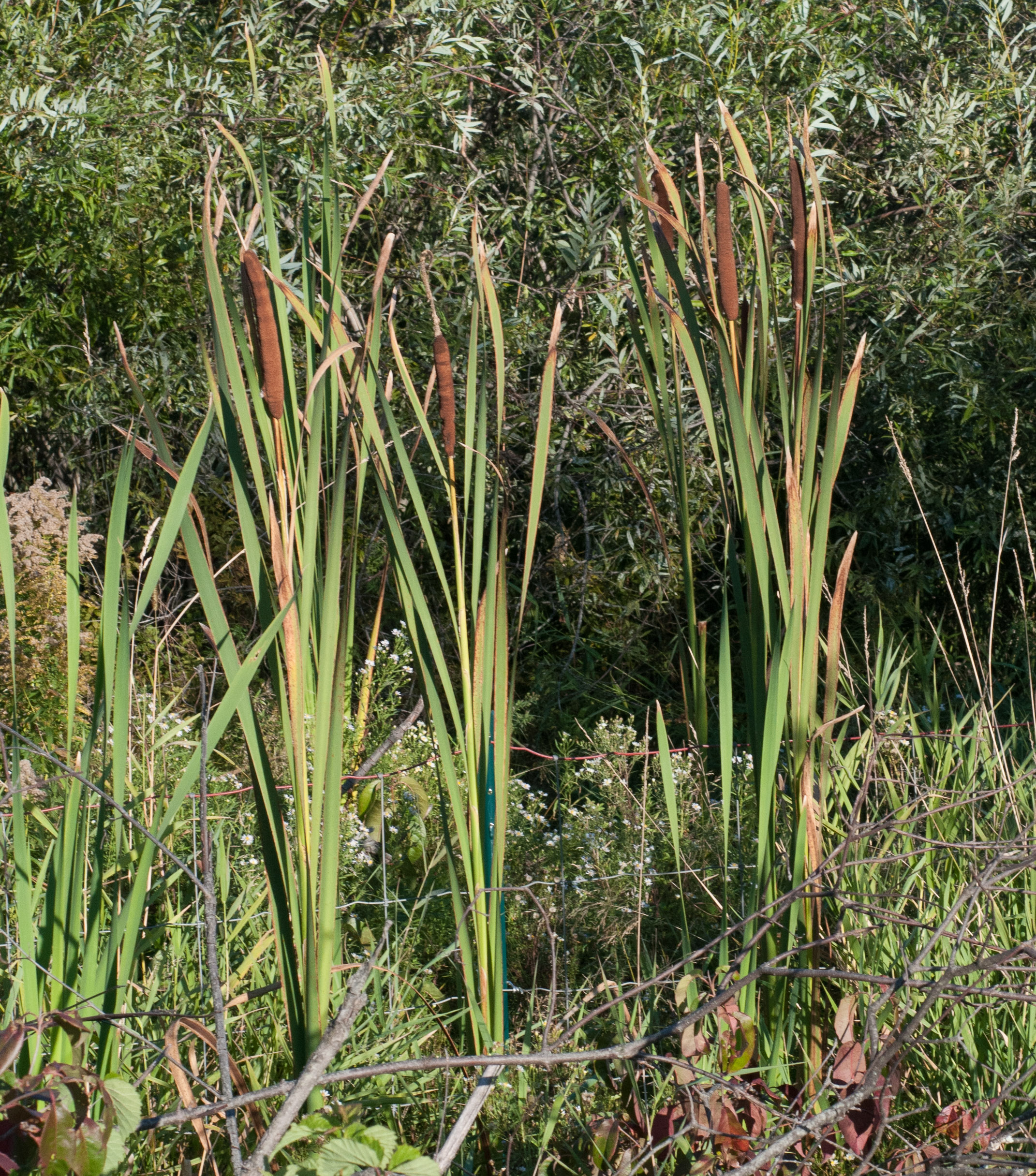
9/20/2009 · Maine 
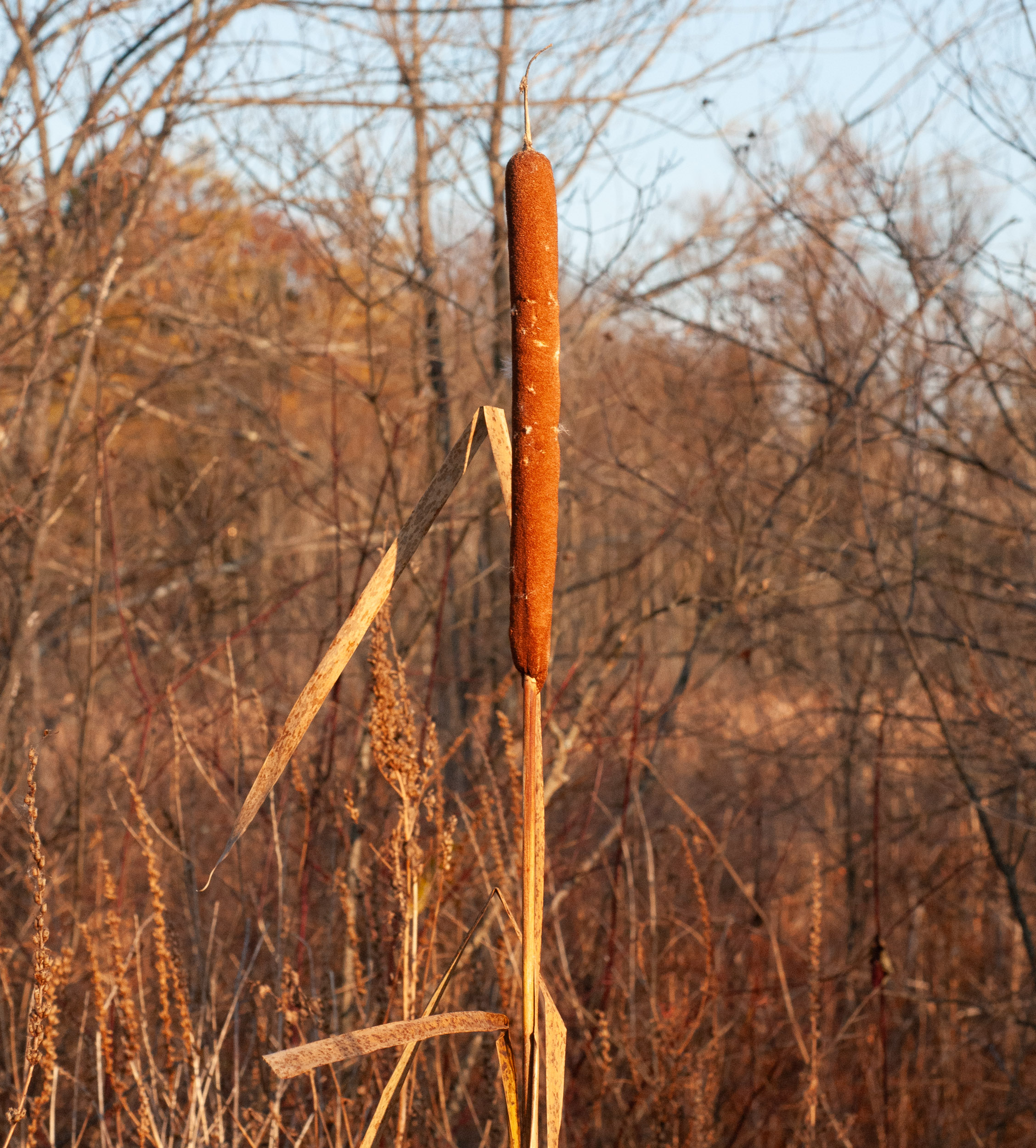
11/7/2009 · Nashua River Rail Trail, Groton Center, Groton, Massachusetts 

9/25/2010 · Nashua River Rail Trail, Groton Center, Groton, Massachusetts 
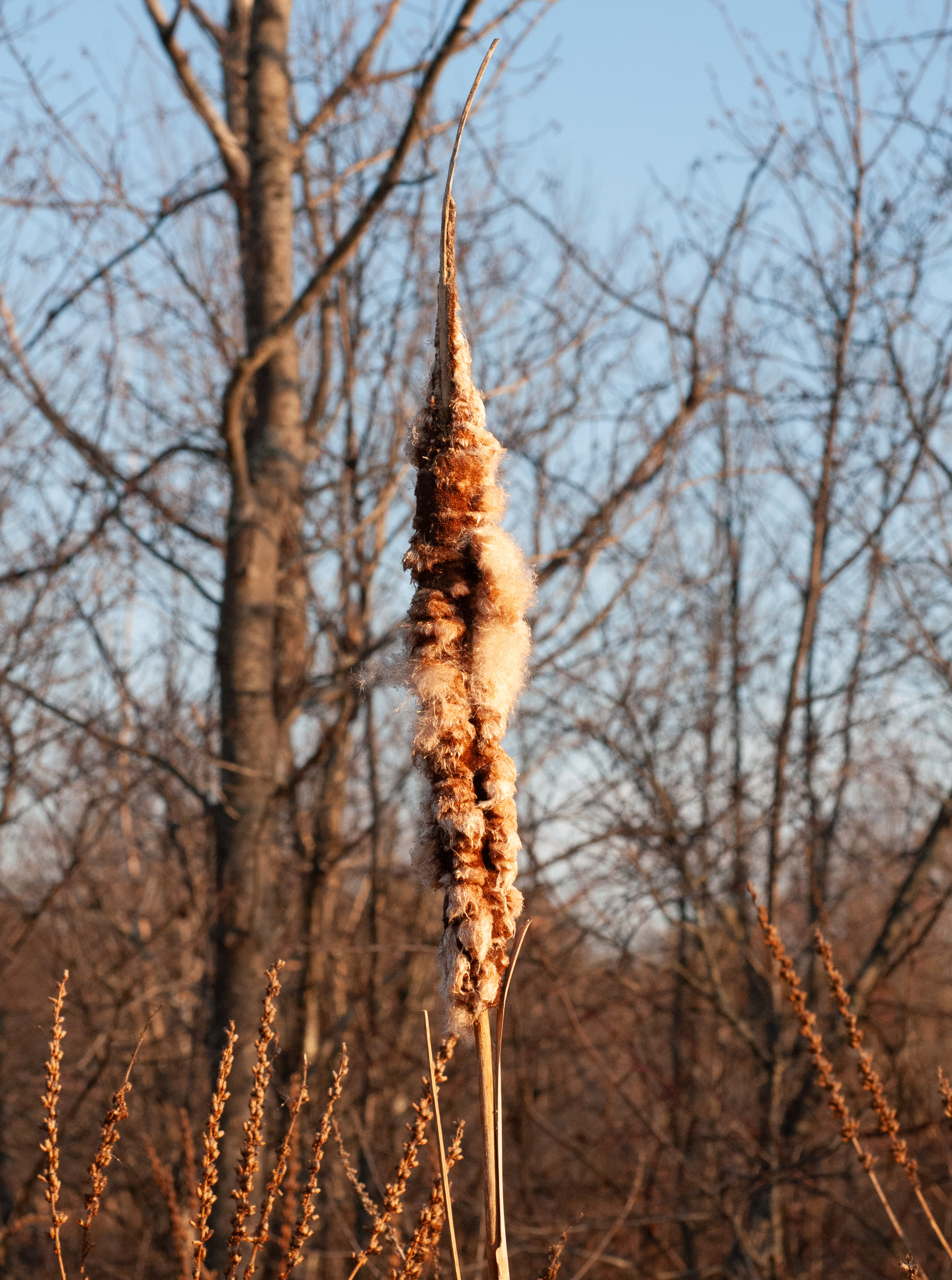
11/7/2009 · Nashua River Rail Trail, Groton Center, Groton, Massachusetts · ≈ 1 × 1½′ (41 × 55 cm) 
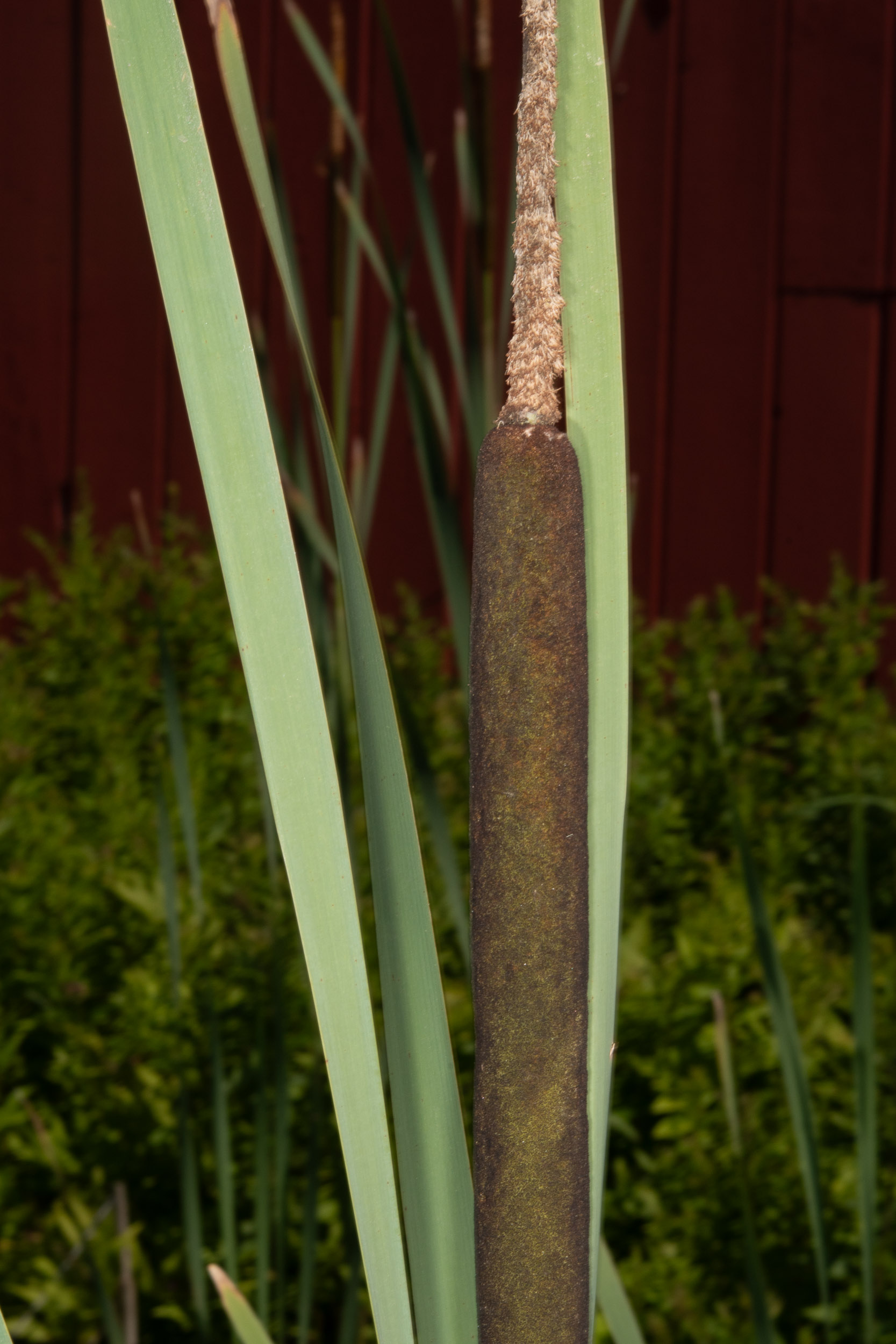
7/18/2020 · Woodward Point Preserve, Brunswick, Maine · ≈ 8 × 12″ (20 × 31 cm) 

7/5/2025 · Cathance River Nature Preserve, Topsham, Maine · ≈ 8 × 11″ (19 × 28 cm) 

7/7/2025 · Woodward Point Preserve, Brunswick, Maine · ≈ 7 × 10″ (17 × 25 cm) 

6/16/2010 · Nashua River Rail Trail, Groton Center, Groton, Massachusetts · ≈ 7 × 11″ (18 × 27 cm)  ID is uncertain
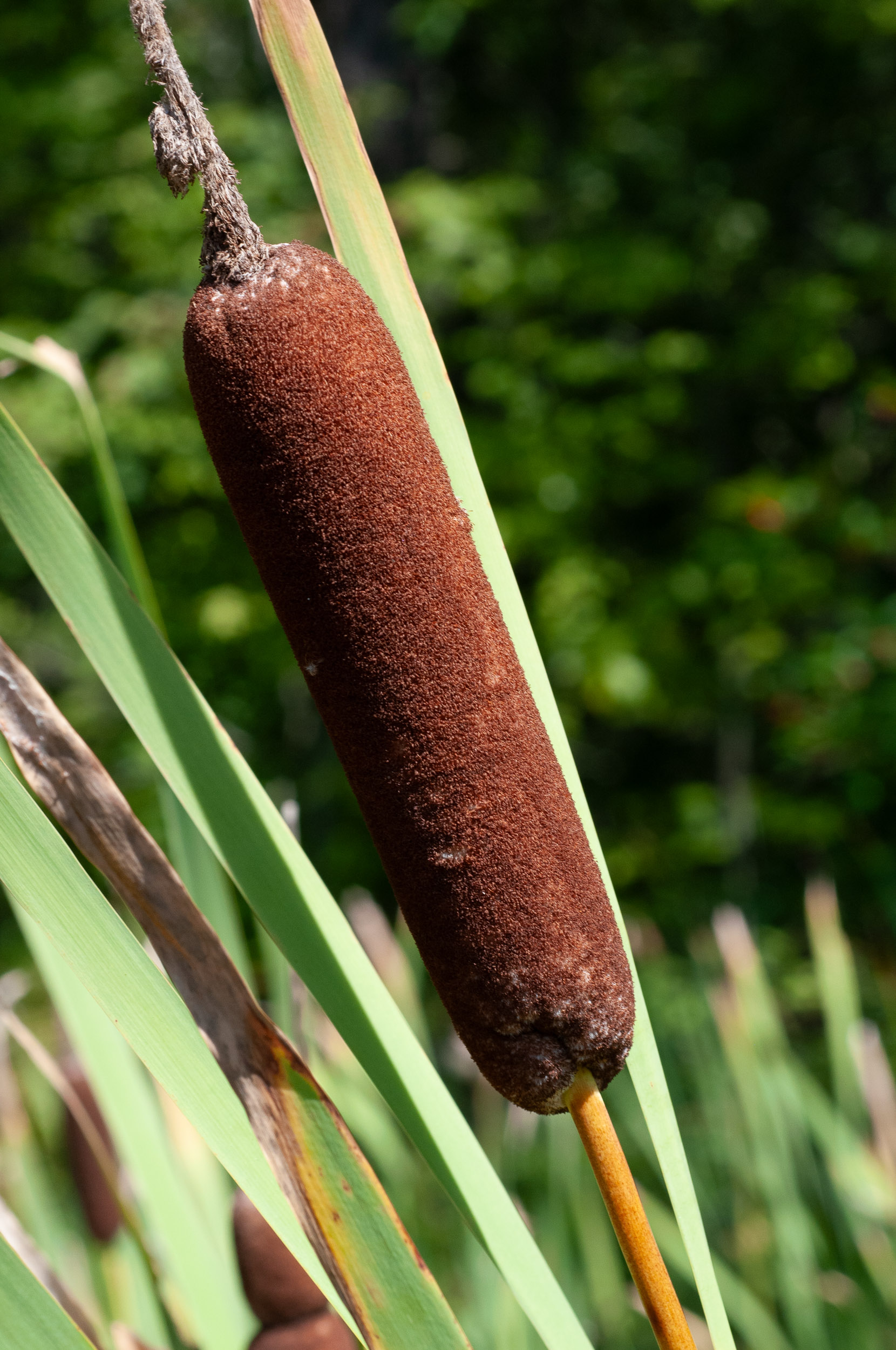
9/7/2010 · New England Botanic Garden at Tower Hill, Boylston, Massachusetts · ≈ 7 × 11″ (18 × 27 cm) 
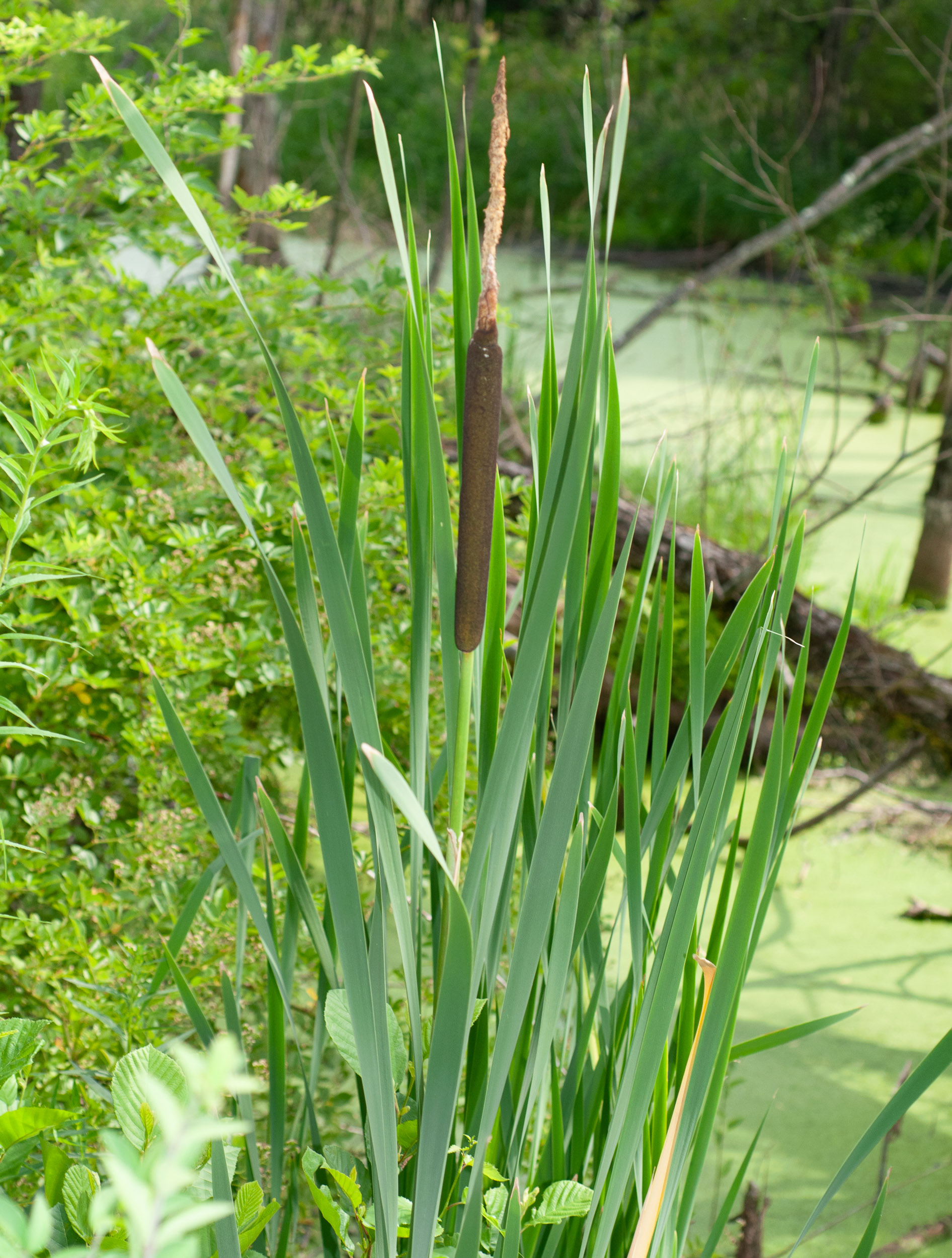
6/26/2010 · Nashua River Rail Trail, Groton Center, Groton, Massachusetts 
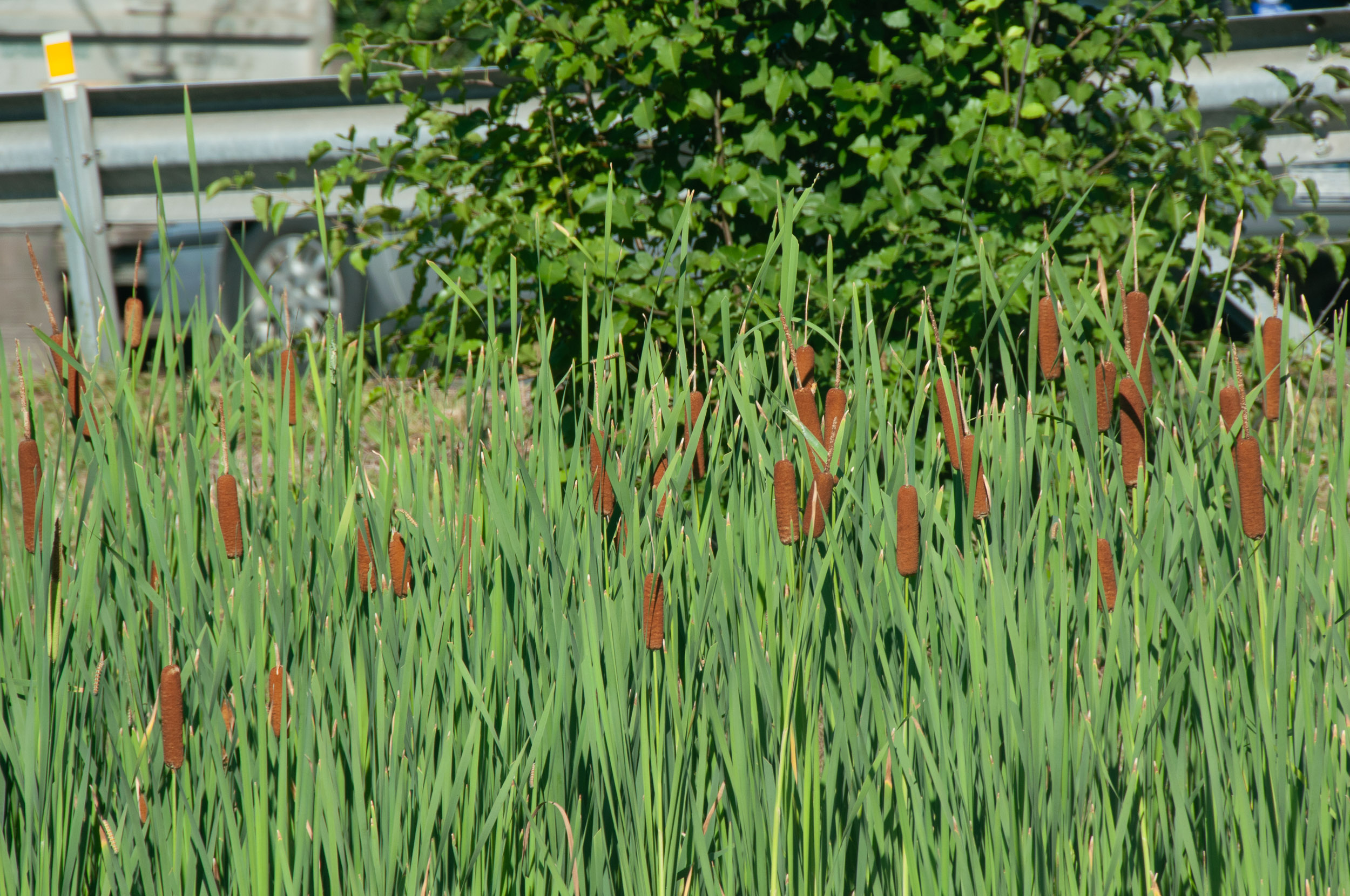
7/3/2010 
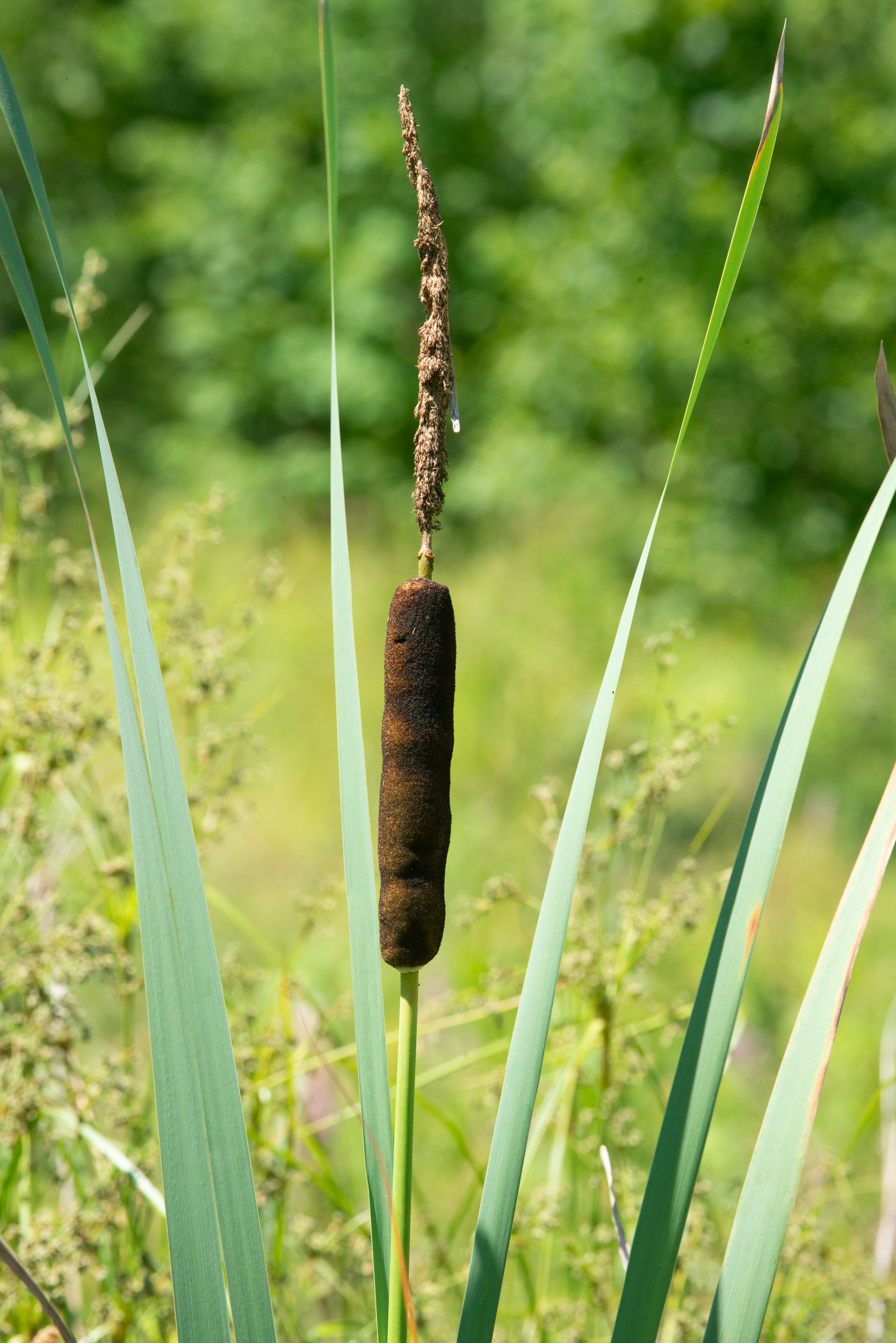
7/31/2021 · Otter Brrok Preserve, Harpswell Heritage Land Trust, Harpswell, Maine 
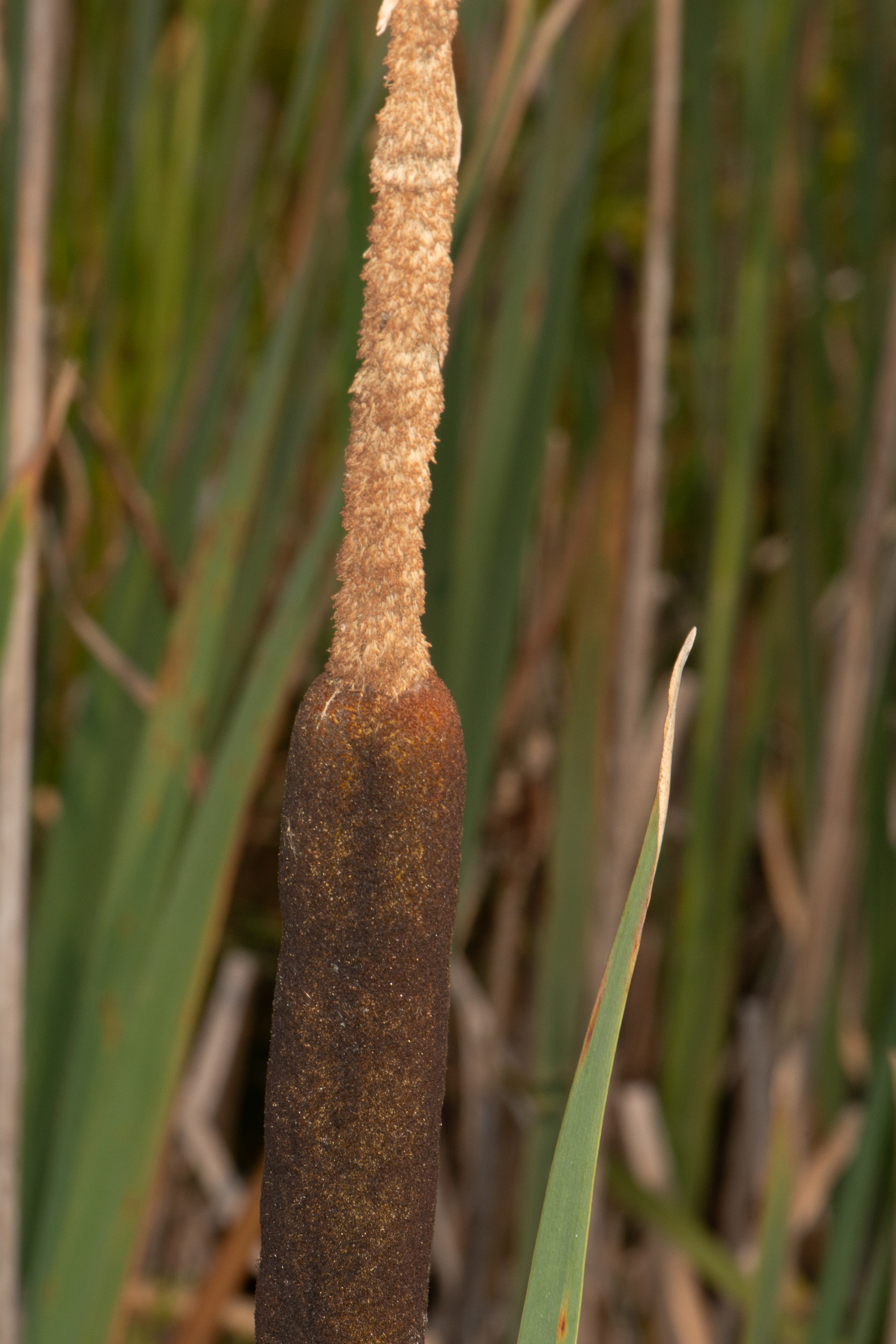
7/20/2021 · Otter Brrok Preserve, Harpswell Heritage Land Trust, Harpswell, Maine · ≈ 6 × 9″ (15 × 22 cm) 
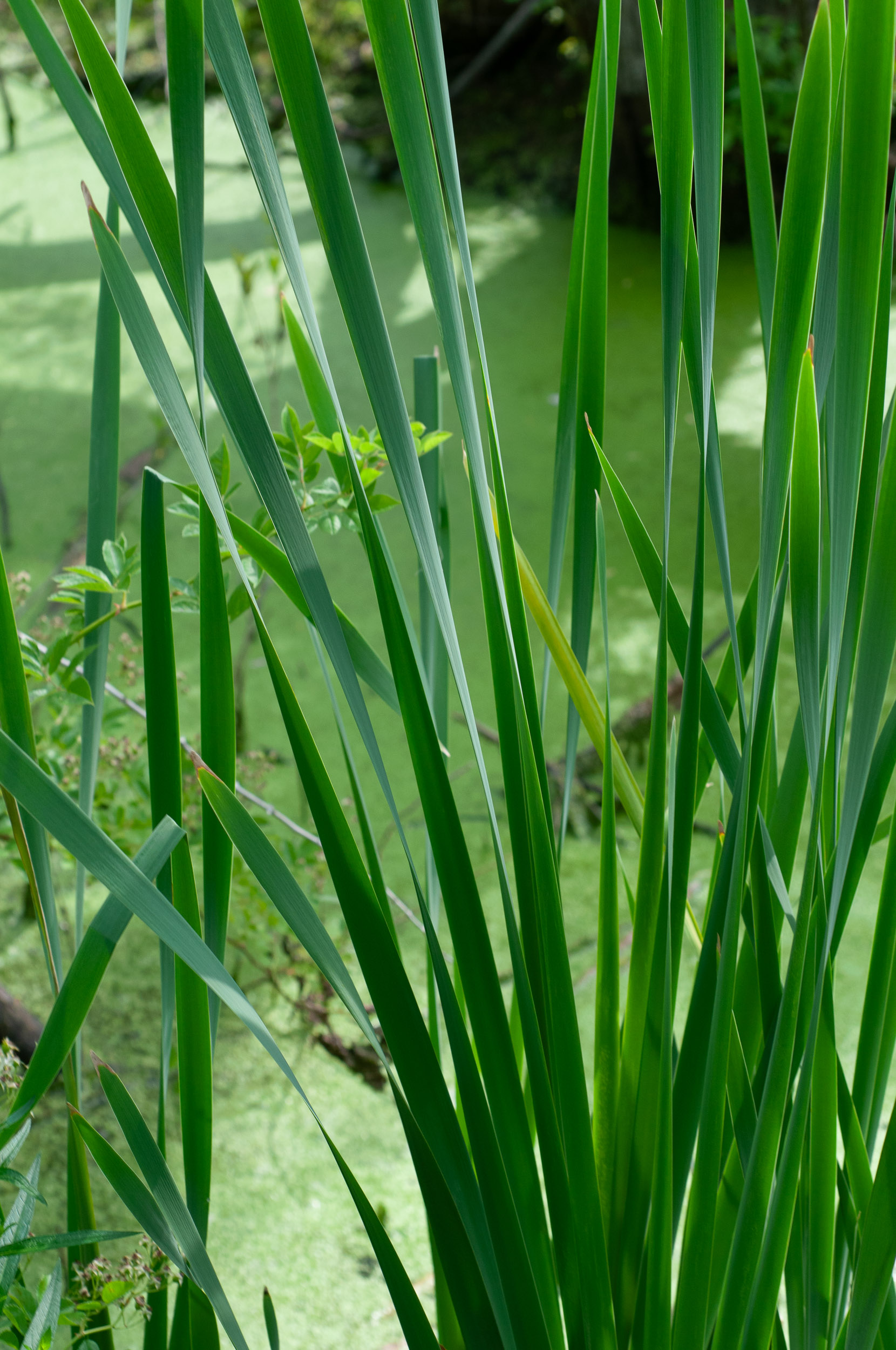
6/26/2010 · Nashua River Rail Trail, Groton Center, Groton, Massachusetts 
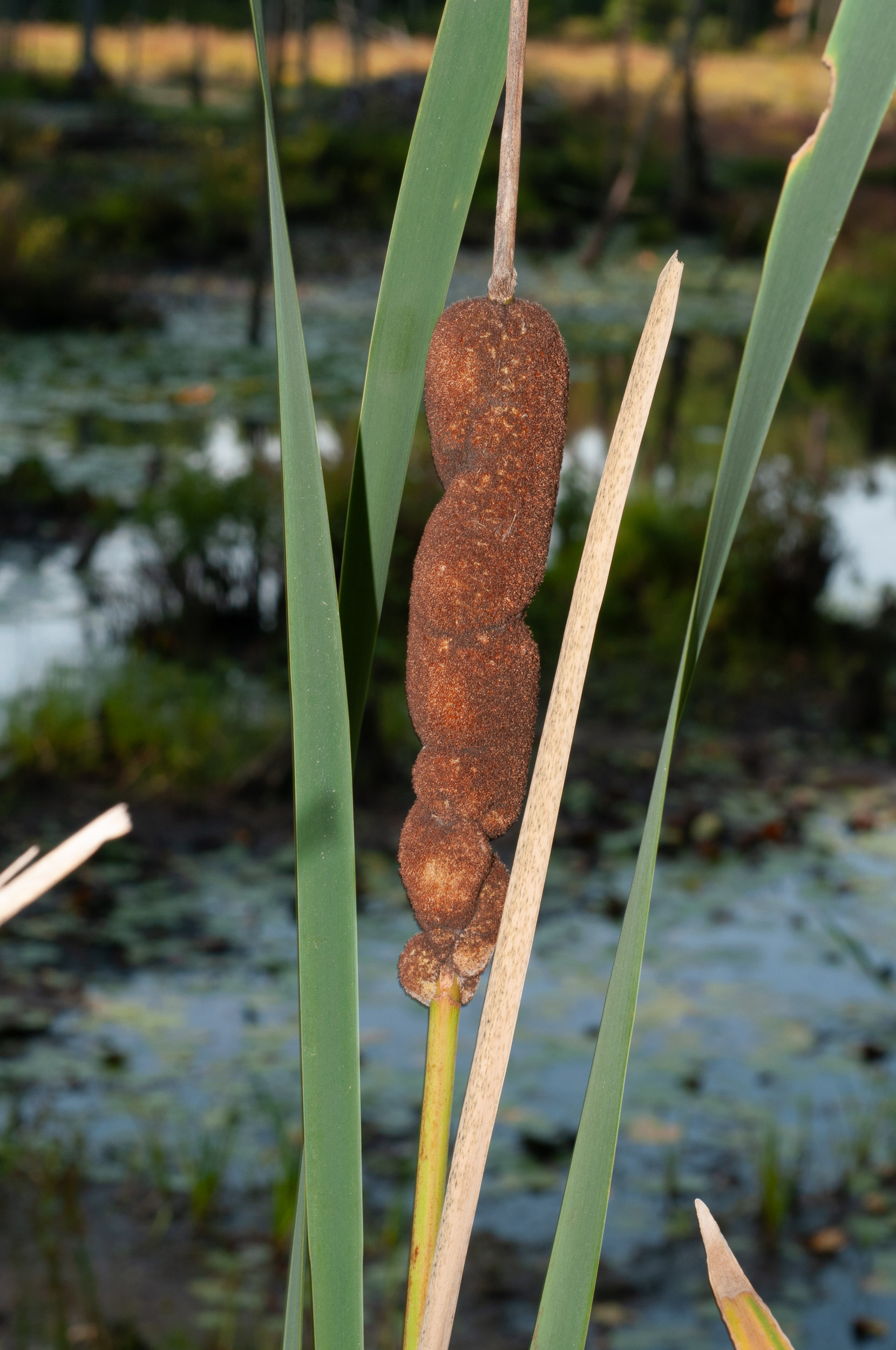
I don't know why this one looks twisted. · 9/17/2012 · Blood Dragon Ravine, Jeff Smith Trail, Pepperell, Massachusetts · ≈ 8 × 12″ (20 × 31 cm) 

The grasslike field behind the cattails is invasive Phragmites australis, which is overwhelming the native cattails. · 8/20/2025 · Peaks Island, Maine 
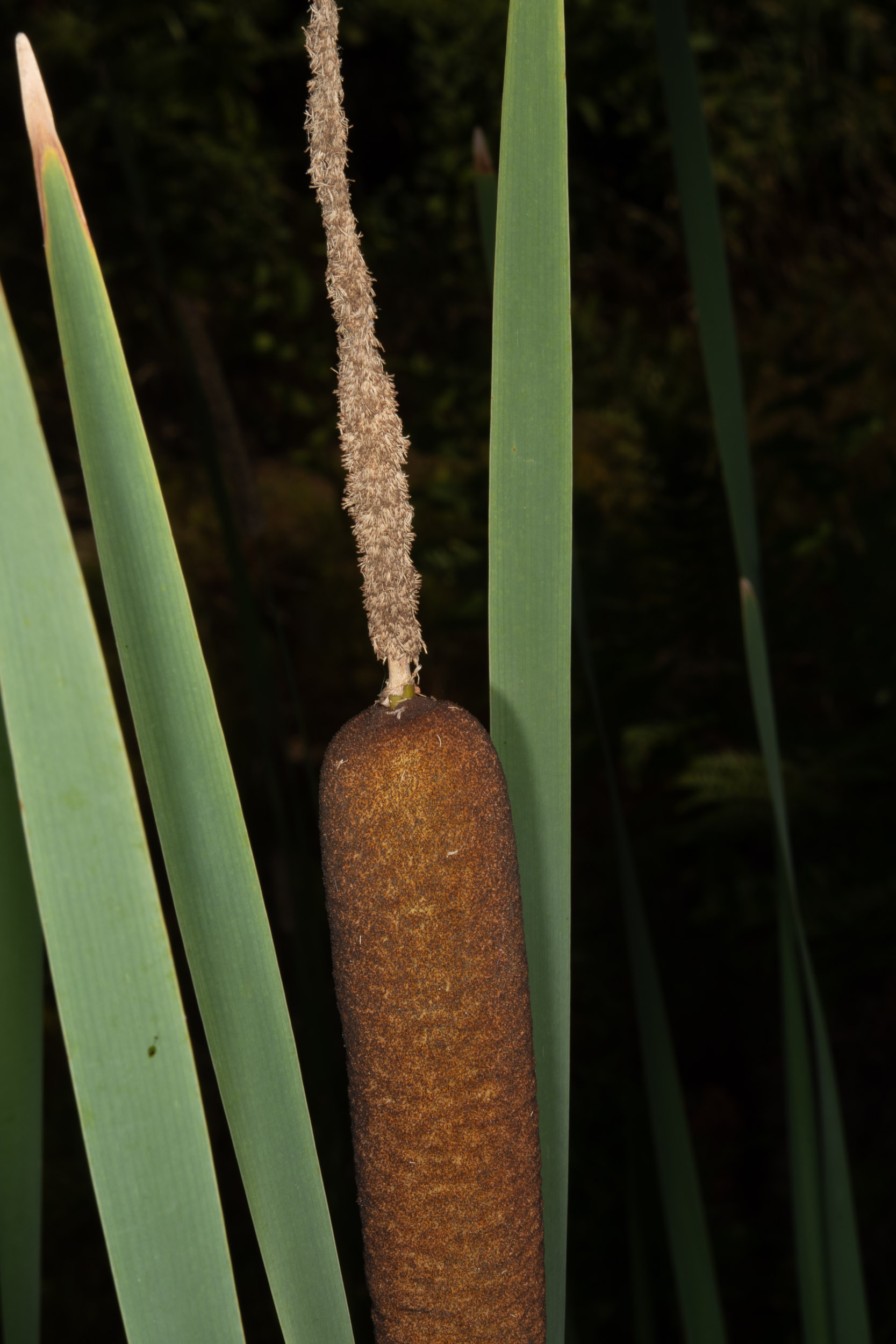
8/11/2020 · Cliff Trail, Harpswell, Maine · ≈ 6 × 10″ (16 × 24 cm) 
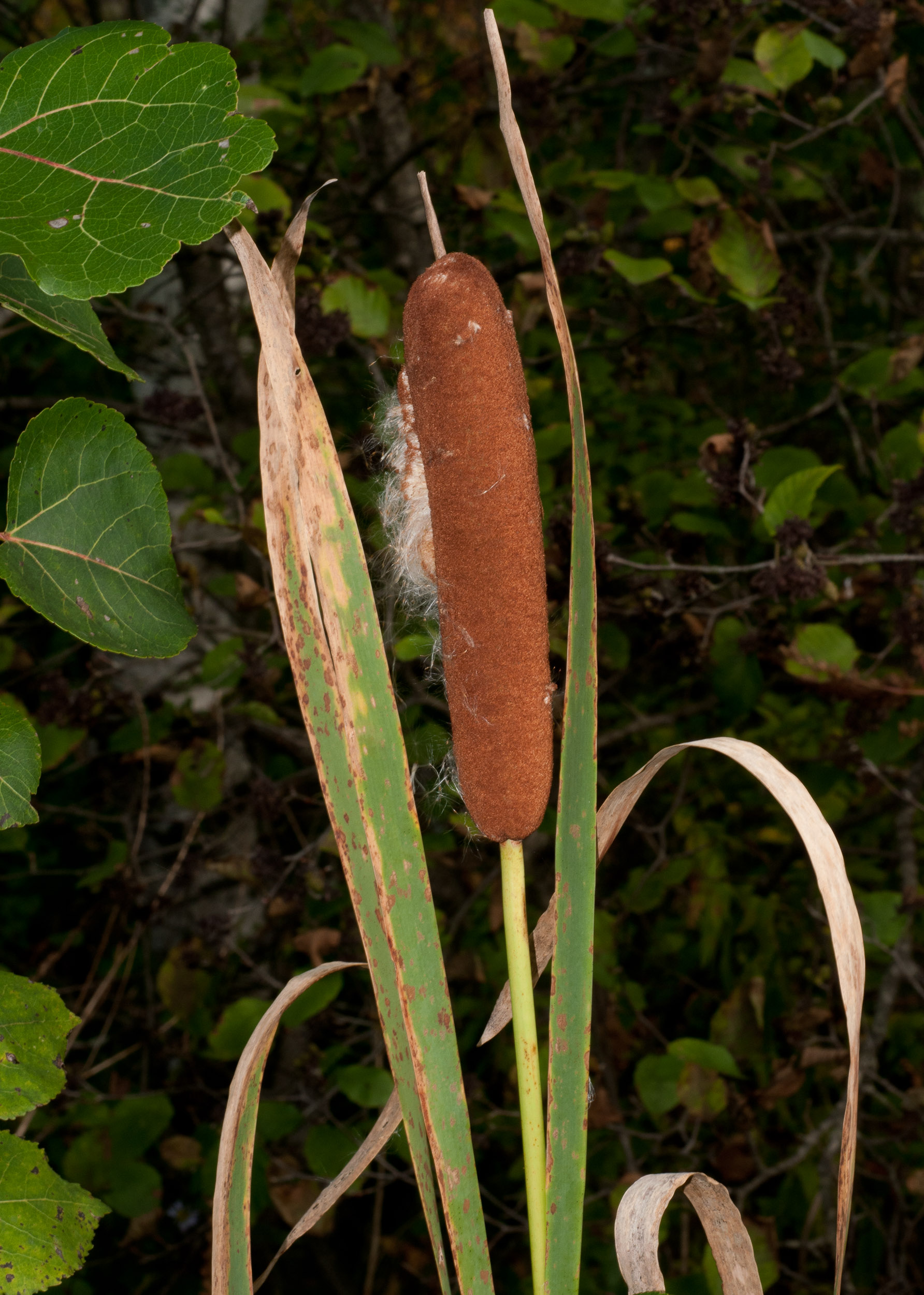
9/25/2011 · Nashua River Rail Trail, Groton Center, Groton, Massachusetts · ≈ 10 × 14″ (26 × 36 cm) 
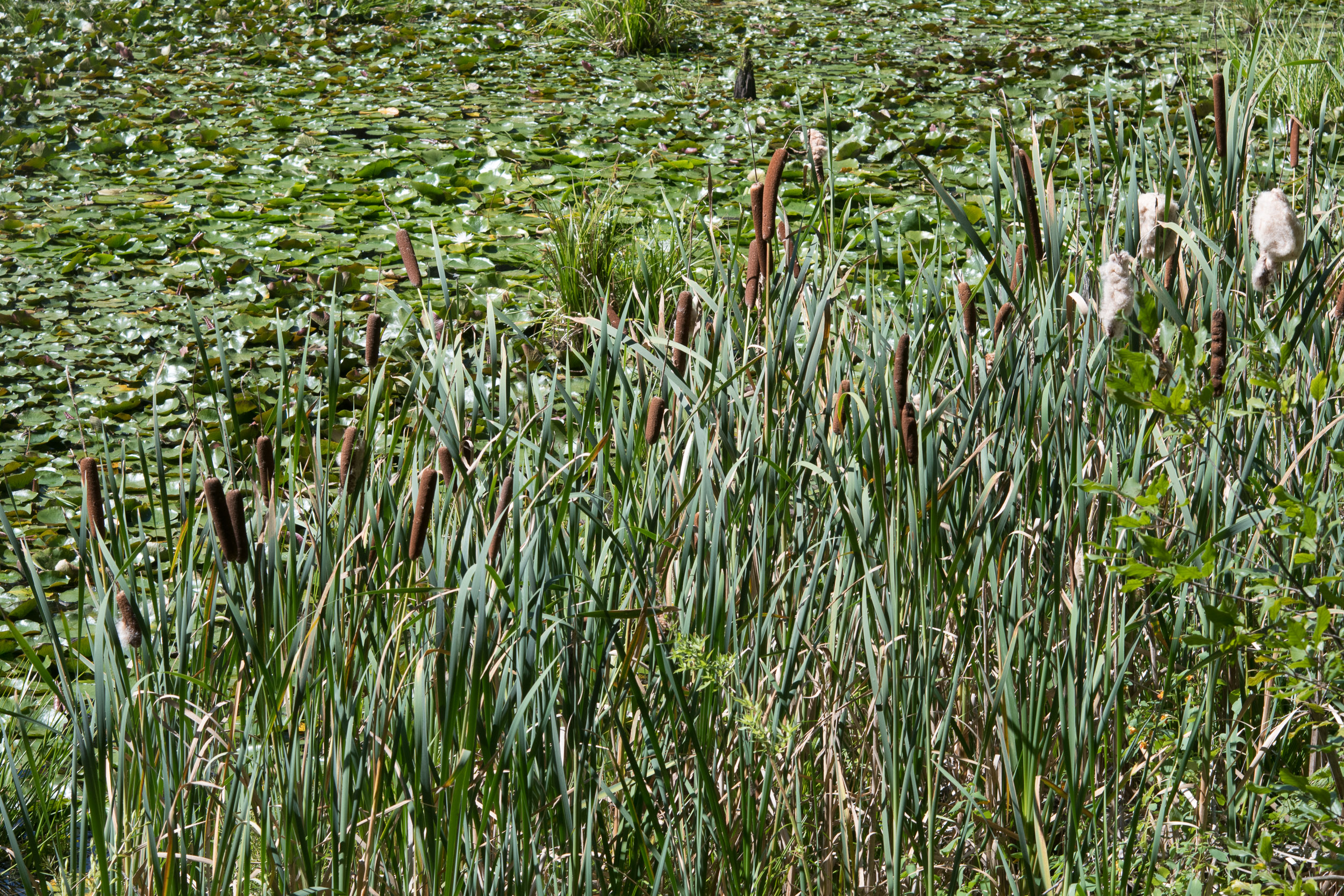
8/29/2016 · Wharton Plantation, Groton, Massachusetts 
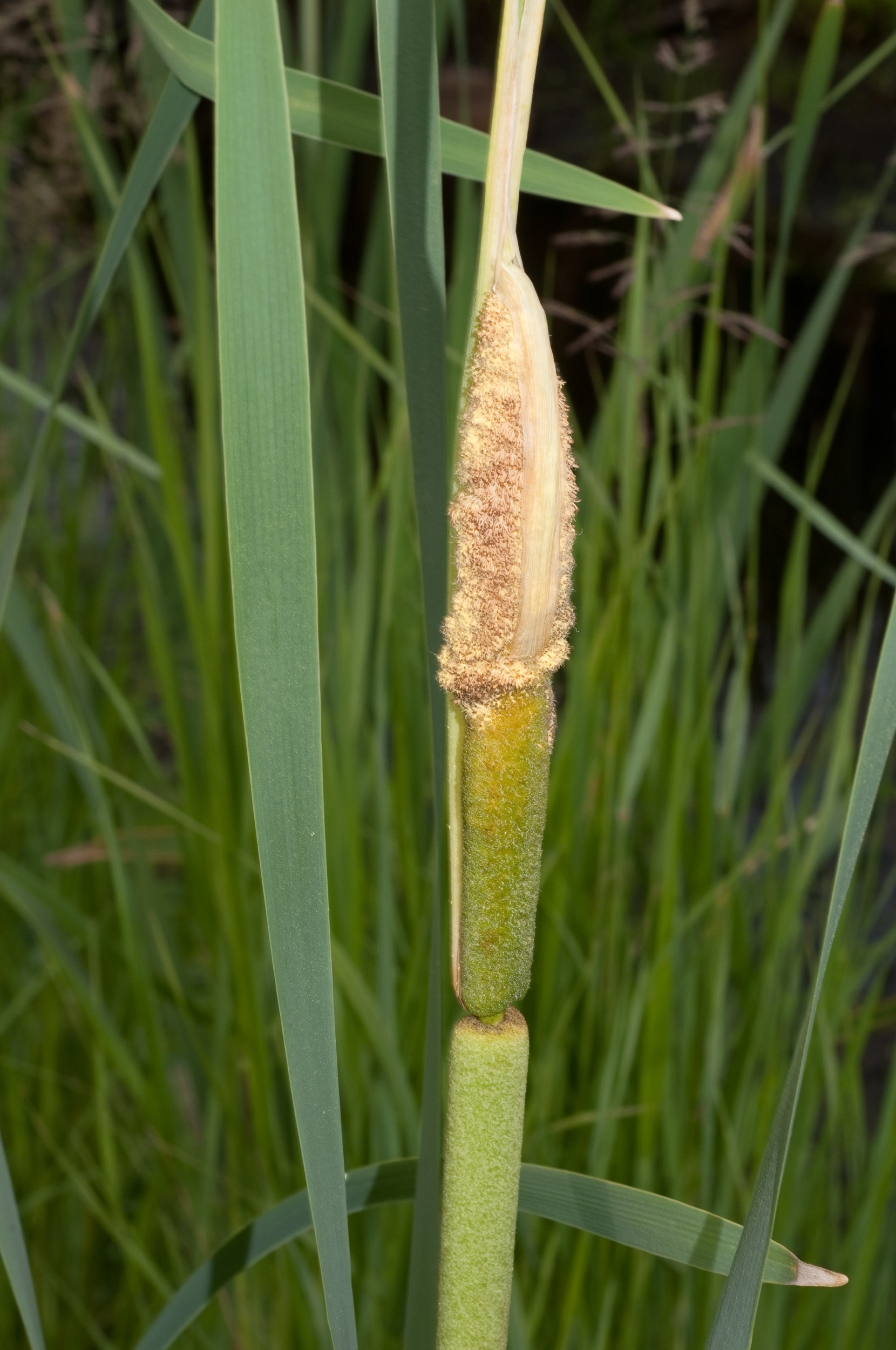
6/16/2010 · Nashua River Rail Trail, Groton Center, Groton, Massachusetts · ≈ 7 × 11″ (18 × 27 cm) ID is uncertain 
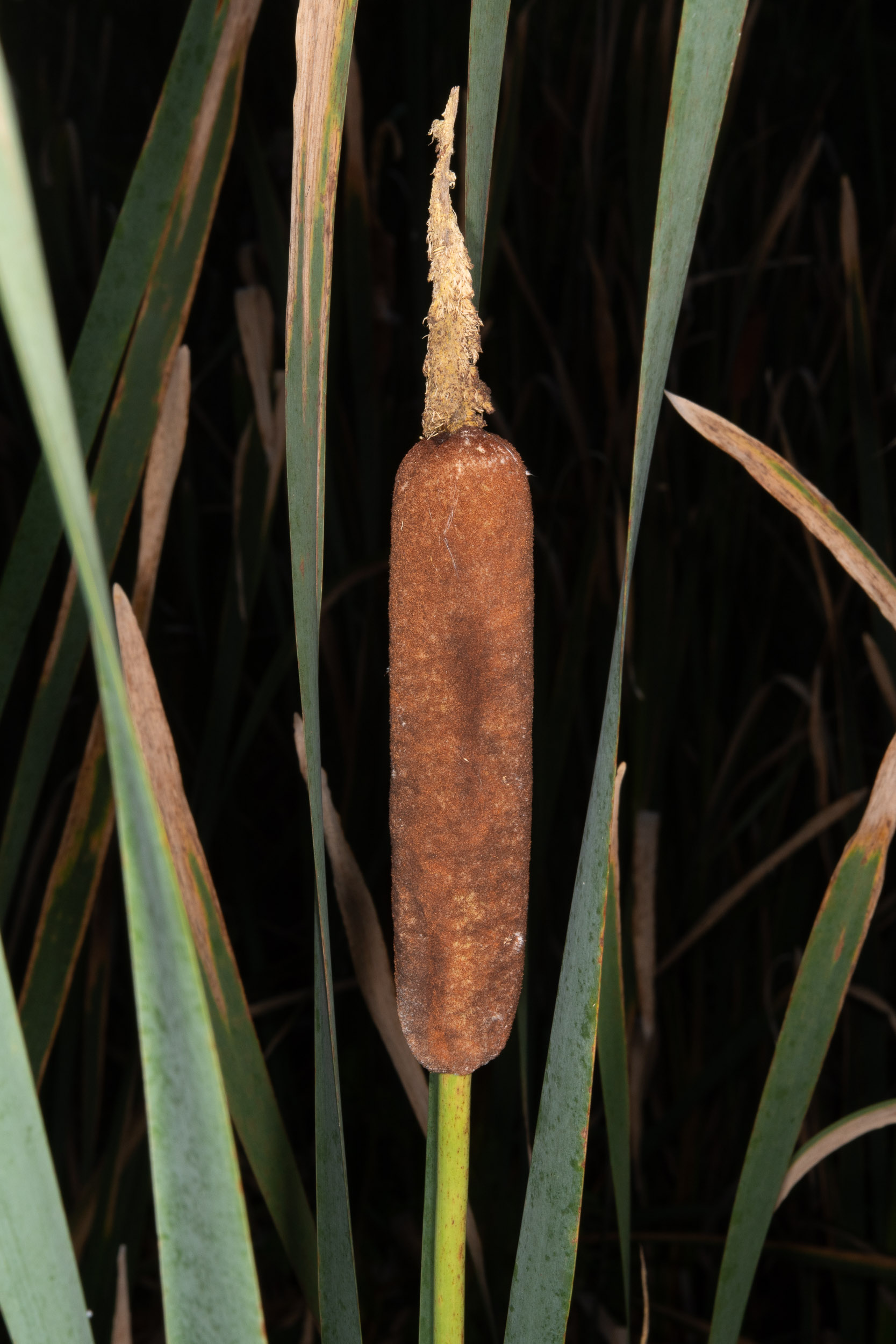
9/9/2023 · Salt marsh, Flying Point, Georgetown, Maine · ≈ 8 × 12″ (20 × 31 cm) 
| Kingdom | Plantae | Plants, but not fungi, lichens, or algae (from Stearn's Botanical Latin) |
| Subkingdom | Tracheobionta | Vascular plants—plants with a “circulatory system” for delivering water and nutrients |
| Division | Magnoliophyta | Flowering plants, also known as angiosperms |
| Class | Liliopsida | Monocots (plants with a single seed leaf); includes the lily family |
| Subclass | Commelinidae | Dayflowers and spiderworts, and several others |
| Order | Typhales | A group including reedlike wetland plants such as cattails |
| Family | Typhaceae | Plants, such as cattails, with a single flower spike that has both male and female flowers |
| Genus | Typha | From Greek tufh (typhe), “cattail” |
| Species | latifolia | From Latin latus, “broad,” and folius, “leaf”: broadleaved |
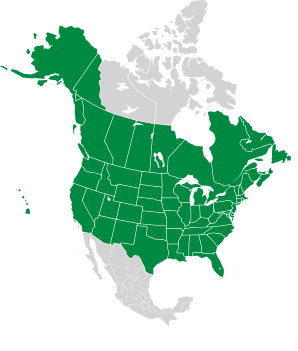
Typha latifolia description by Thomas H. Kent, not updated.

© FloraFinder.org. All rights reserved.